High Barrier PET/PE Lamination Film for Food Packaging
HSQY high barrier PET/PE lamination film combines a PET outer layer for mechanical strength, dimensional stability and printability with a PE sealing layer for flexibility and heat sealing. Barrier options listed for the current product range include EVOH and PVDC technologies for food packaging applications requiring improved protection against oxygen, moisture and aroma transmission.
The current range is available in approximately 45-350μm thicknesses and 160-2600mm widths, with clear film and 1-13 color printing options. It can be evaluated for vacuum packaging, modified atmosphere packaging, meat, fish, seafood, dairy products, coffee, snacks and other oxygen- or moisture-sensitive foods.
High-barrier performance depends on the exact laminate structure, barrier layer, total thickness, sealing layer and test conditions. Final OTR, WVTR, seal strength, thermal-processing compatibility and shelf-life performance should therefore be confirmed for the approved film specification and actual packed food.
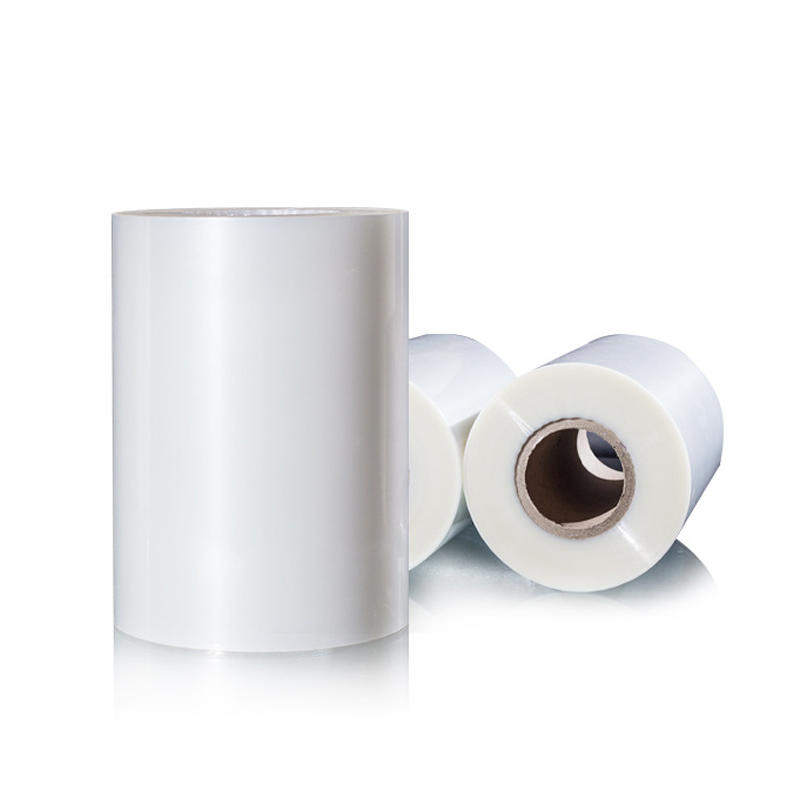
![High barrier PET PE lamination film roll]()
High Barrier PET/PE Lamination Film
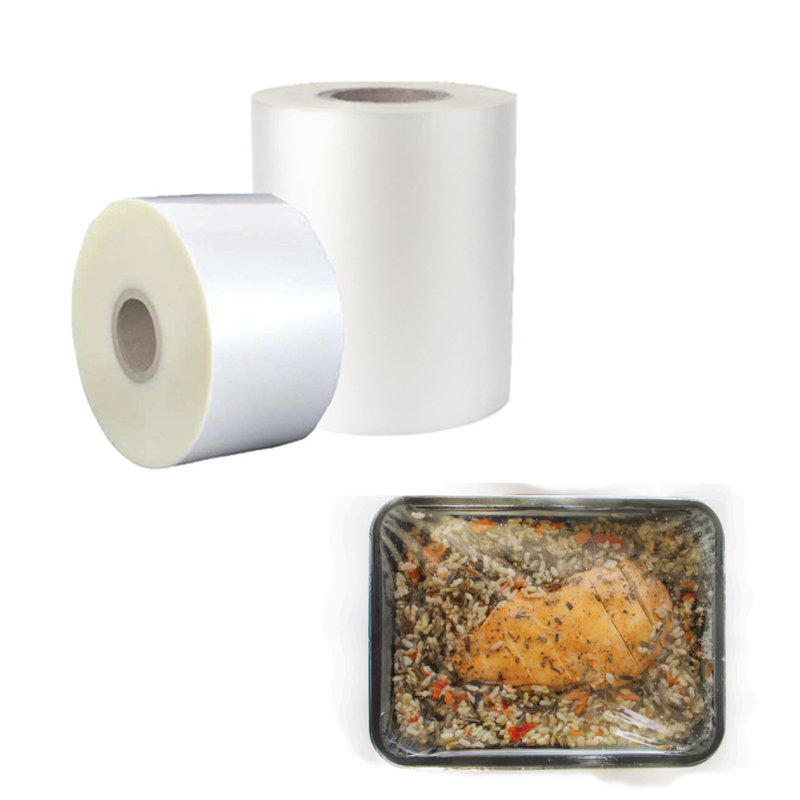
![Printable high barrier PET PE flexible packaging film]()
Printable Flexible Packaging Film
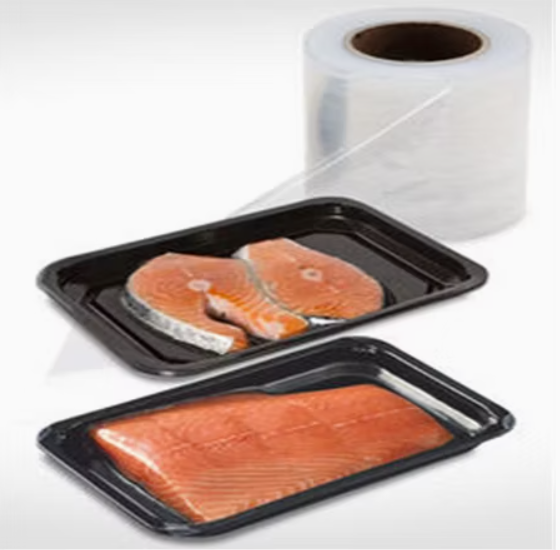
![High barrier PET PE film for salmon seafood packaging]()
High Barrier Film for Seafood Packaging
High Barrier PET/PE Lamination Film Specifications
| Property |
Specification |
| Product Item |
High Barrier PET/PE Lamination Film |
| Base Materials |
PET + PE |
| Barrier Technologies |
EVOH and PVDC are listed in the current product range; exact laminate structure should be confirmed for the selected grade |
| Appearance |
Clear |
| Printing |
1-13 Colors Printing |
| Width |
160-2600mm |
| Thickness |
0.045-0.35mm / approximately 45-350μm |
| Primary Application |
Food Packaging |
| Typical Packaging Formats |
Vacuum Packs, MAP Packs, Flexible Pouches, Form-Fill-Seal and Other Compatible Flexible Packaging Formats |
| Typical Food Applications |
Meat, Fish, Seafood, Dairy, Cheese, Coffee, Tea, Snacks and Other Barrier-Sensitive Foods |
Technical Note: The current product information does not publish grade-specific OTR, WVTR, seal initiation temperature, seal strength, laminate bond strength, roll core diameter, maximum roll OD or thermal-processing limits. These values should be confirmed for the exact construction used in the final package.
PET/PE Laminate Structure
PET and PE perform different functions within a flexible laminate. Combining them allows the package designer to balance stiffness, printability, mechanical strength, sealing and barrier performance.
| Layer / Material |
Typical Function |
| PET |
Mechanical strength, dimensional stability, transparency, heat resistance during converting and a suitable outer surface for printing according to the final construction |
| PE |
Flexibility, moisture resistance and heat-sealing functionality according to the selected PE sealant grade |
| Barrier Layer |
EVOH or PVDC technology may be used according to the selected structure and required oxygen, aroma and moisture barrier performance |
EVOH High-Barrier Option
EVOH is widely used as an oxygen-barrier material in multilayer food packaging structures. When protected within the laminate, it can significantly reduce oxygen transmission compared with a standard PET/PE structure.
EVOH barrier performance is affected by humidity, layer thickness and the complete laminate design. For this reason, a product described only as “PET/PE/EVOH” does not provide enough information to predict package shelf life without the actual OTR specification and test conditions.
PVDC High-Barrier Option
PVDC is also referenced in the current HSQY product specification as a high-barrier technology. It can provide strong oxygen, aroma and moisture barrier performance when used in an appropriate packaging structure.
The exact PVDC configuration and coating or laminate construction are not published on the current page. Buyers requiring a PVDC structure should request the corresponding layer specification, coating information where applicable, OTR, WVTR and food-contact documentation.
Standard PET/PE vs. High-Barrier PET/PE Film
| Selection Factor |
Standard PET/PE |
High-Barrier PET/PE |
| Basic Structure |
PET + PE laminate |
PET + PE combined with an additional barrier technology according to the approved structure |
| Oxygen Protection |
Suitable for applications that do not require very low oxygen transmission |
Selected when lower oxygen transmission is required |
| Typical Food |
Less oxygen-sensitive products |
Meat, seafood, cheese and other products requiring increased oxygen or aroma protection |
| Selection Data |
Thickness, sealability and mechanical requirements |
Thickness plus OTR, WVTR, shelf-life target, atmosphere and storage conditions |
Understanding OTR for High-Barrier Food Packaging
OTR, or oxygen transmission rate, is one of the most important specifications when selecting a high-barrier food packaging film. It indicates how much oxygen can pass through the material under defined test conditions.
A lower OTR generally provides stronger oxygen protection, but an OTR value is meaningful only when the test temperature, relative humidity, material thickness and test standard are also stated.
The current HSQY page does not publish a single OTR value. Buyers should provide their target OTR or packaged-food shelf-life requirement so the appropriate barrier structure can be evaluated.
Understanding WVTR for Moisture Protection
WVTR describes the rate at which water vapor passes through the film under defined conditions. It can be important for foods where moisture gain or moisture loss affects texture, quality or shelf life.
Coffee, dry foods, bakery products, dairy products and other moisture-sensitive foods may require different moisture-barrier targets. The complete package should therefore be selected according to the actual product rather than from a generic “high barrier” description.
High Barrier Film for Modified Atmosphere Packaging
Modified atmosphere packaging replaces or modifies the gas composition inside a package to support product quality and shelf life.
For MAP applications, the film needs to work with the complete package system. Film barrier, sealing layer, tray or pouch structure, gas mixture, package headspace, storage temperature and seal integrity all influence gas retention.
Buyers should provide the packed food, required gas mixture and target shelf life when requesting a high-barrier PET/PE structure for MAP.
High Barrier Film for Vacuum Packaging
Vacuum packaging removes air from the package before sealing and can be used for meat, seafood, cheese and other products where reduced oxygen exposure is desired.
Vacuum-film selection should consider puncture resistance, seal strength, flex resistance, package shape and oxygen barrier. Products with sharp bones, shells or edges may require different mechanical properties from soft boneless foods.
PET/PE Barrier Film for Meat Packaging
Fresh and processed meat can require protection against oxygen transmission, moisture loss and package leakage while also demanding strong seals and resistance to handling stresses.
When selecting film for meat packaging, provide the meat type, bone-in or boneless condition, vacuum or MAP process, storage temperature and target shelf life.
High Barrier Film for Fish & Seafood
Fish and seafood are included among the typical applications for high-barrier flexible packaging. The original HSQY content also includes a salmon-packaging application image.
Seafood packaging requirements can differ significantly between fresh chilled salmon, frozen fish, shellfish and processed seafood. Film structure should therefore be matched to the actual product, package format and temperature conditions.
High Barrier Film for Cheese & Dairy
Cheese and dairy products may require controlled oxygen and moisture transmission together with reliable sealing and resistance to oils and fats from the packed product.
Different cheeses also have different respiration and gas requirements, so the lowest possible gas transmission is not automatically correct for every dairy application. Buyers should provide the exact product and shelf-life target.
High Barrier Film for Coffee, Tea & Snacks
Coffee, tea, snacks and dry foods can benefit from packaging that limits oxygen, moisture and aroma transfer.
For these applications, buyers should specify whether the final package is a pouch, sachet, flow-wrap or another format and whether light barrier, metallization, matte appearance or special valve compatibility is required.
1-13 Color Printing for Flexible Packaging
The current HSQY specification lists printing from 1 to 13 colors. Printed laminate can combine barrier protection with branding, product information and retail presentation.
For printed projects, provide artwork, printing method, number of colors, required surface finish and any heat- or process-resistance requirements. Printing compatibility should be confirmed for the final laminate structure.
Sealability & Packaging-Line Performance
PE is used as the sealing component in many PET/PE laminate constructions. Actual seal initiation temperature, sealing window and seal strength depend on the selected PE grade and packaging process.
Packaging-line performance is also influenced by film coefficient of friction, stiffness, curl, roll quality and tension control. Buyers using automated form-fill-seal or pouch equipment should provide machine information when possible.
Puncture & Mechanical Protection
The original HSQY content lists strength and puncture resistance among the film's benefits. PET can contribute tensile strength and dimensional stability to the laminate, while the complete structure determines final toughness and flex resistance.
The current page does not publish tensile, elongation, puncture or dart-impact values. Buyers with defined mechanical requirements should request test data for the exact laminate and total thickness.
Aroma & Flavor Protection
Barrier structures can help reduce the transfer of oxygen, aroma and volatile compounds through flexible packaging. This is relevant for foods such as coffee, cheese, seafood and other products where flavor retention is an important part of shelf-life performance.
Actual aroma protection depends on the complete laminate rather than the PET/PE name alone, so the final structure should be selected according to the packed product.
Retort, Boilable & Thermal Processing Requirements
The original HSQY application list references retort and boilable food pouches. These applications should not be assumed for every PET/PE high-barrier laminate.
Retort, pasteurization, hot-fill and boilable processes expose packaging to substantially different temperature and pressure conditions. Projects requiring thermal processing should specify the process temperature, time, pressure and food type so a separately qualified structure can be confirmed.
How to Select the Right High Barrier PET/PE Film
| Selection Parameter |
What to Confirm |
| Packed Food |
Meat, fish, seafood, cheese, dairy, coffee, snack or other product |
| Packaging Format |
Vacuum, MAP, pouch, flow-wrap, form-fill-seal or another flexible packaging format |
| Film Structure |
PET/PE plus required EVOH, PVDC or other approved barrier structure |
| Thickness |
45-350μm according to mechanical, sealing and packaging requirements |
| Width |
160-2600mm according to packaging equipment |
| OTR |
Target oxygen transmission rate and test conditions |
| WVTR |
Target water vapor transmission rate and test conditions |
| Seal Requirement |
Seal substrate, seal strength, sealing temperature and required seal type |
| Storage Conditions |
Ambient, chilled or frozen storage and expected storage duration |
| Shelf-Life Target |
Required shelf life under the actual food and storage conditions |
| Printing |
Unprinted or 1-13 colors and required finish |
| Thermal Processing |
State retort, pasteurization, hot-fill or boilable requirements separately |
Technical Data to Confirm Before Bulk Ordering
Exact laminate structure and layer sequence
PET, PE and barrier-layer thicknesses
Total thickness and tolerance
OTR and test conditions
WVTR and test conditions
Seal initiation temperature and operating seal window
Seal strength
Laminate bond strength
Tensile and elongation properties
Puncture resistance
Coefficient of friction where required by the packaging machine
Roll core diameter
Maximum roll outer diameter and roll weight
Printing treatment and printing method
Food-contact documentation for the destination market
Thermal-processing compatibility where required
What Information Should You Provide for a Quote?
| Requirement |
Information to Provide |
| Food Product |
Exact food type and fat/moisture characteristics where relevant |
| Package Format |
Vacuum bag, MAP pack, pouch, flow-wrap, rollstock or other format |
| Film Thickness |
Required μm or mm |
| Film Width |
Required roll width in mm |
| Barrier Requirement |
Target OTR, WVTR or shelf-life requirement |
| MAP Requirement |
Gas mixture and target gas-retention performance where applicable |
| Seal Requirement |
Sealing substrate, packaging machine and required seal strength |
| Storage |
Ambient, chilled or frozen temperature and expected storage period |
| Printing |
Unprinted or number of colors, artwork and printing requirements |
| Thermal Process |
Retort, pasteurization, hot-fill or boilable conditions if required |
| Documentation |
Required food-contact standards and customer-specific documents |
| Quantity |
Trial quantity and expected recurring order volume |
| Destination |
Country and destination port |
Production and Packing
![High barrier flexible food packaging film roll]()
Flexible Packaging Film Roll
![HSQY high barrier film production]()
Flexible Film Production
![High barrier PET PE film roll packing]()
Film Roll Packing
Packing and Delivery
Sample Packaging: Small rolls packed in protective boxes.
Bulk Packing: Rolls wrapped in PE film or kraft paper.
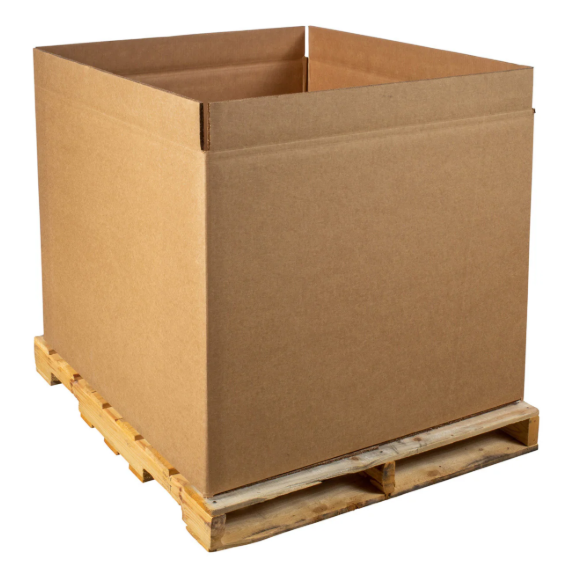
Pallet Packing: 500-2000kg per plywood pallet for secure transport.
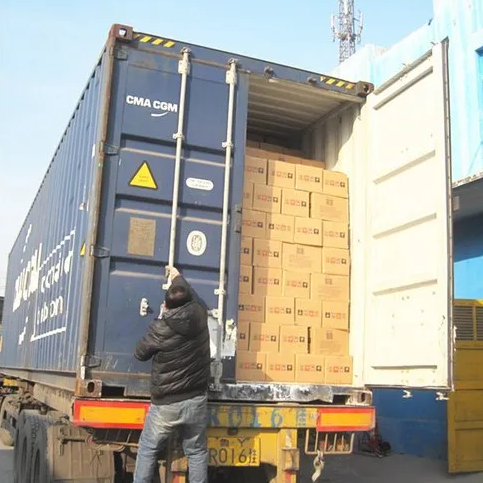
Container Loading: Current product information lists approximately 20 tons per container.
Delivery Terms: EXW, FOB, CNF, DDU.
Lead Time: Generally 10-14 working days according to current product information, depending on film specification and order quantity.
Certification Documents
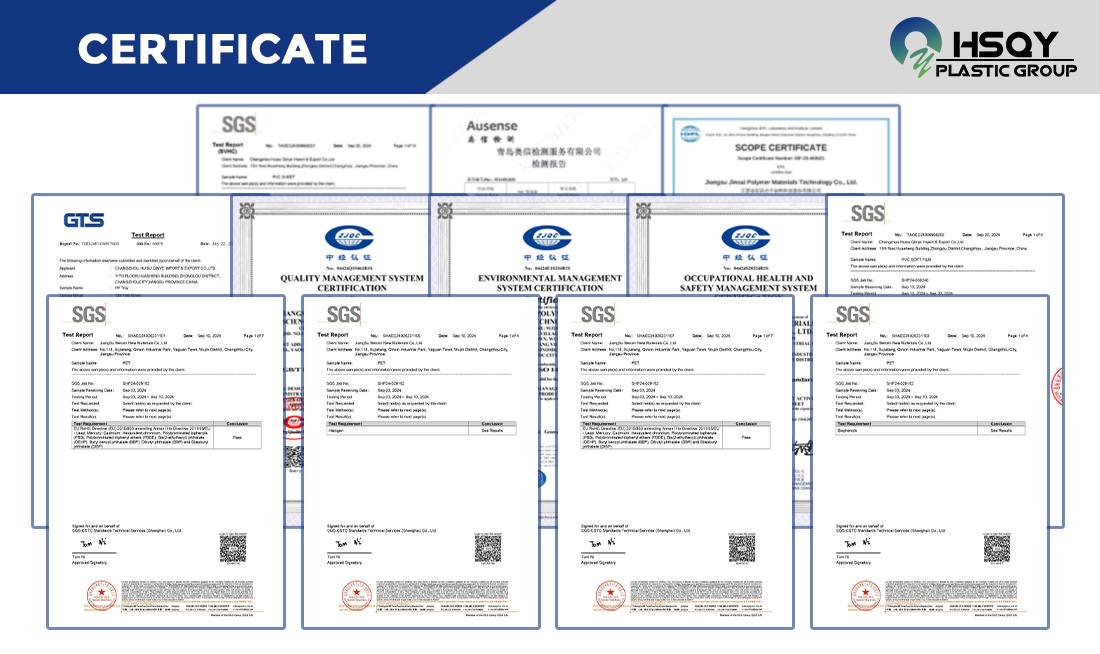
HSQY displays certification documentation with its flexible packaging products. Buyers should confirm that the required food-contact, quality or market-specific documentation applies to the exact PET/PE high-barrier structure being purchased.
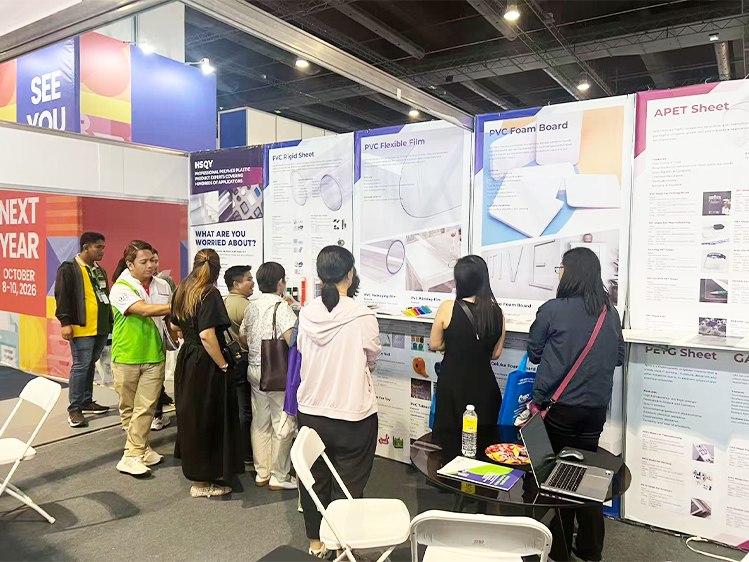
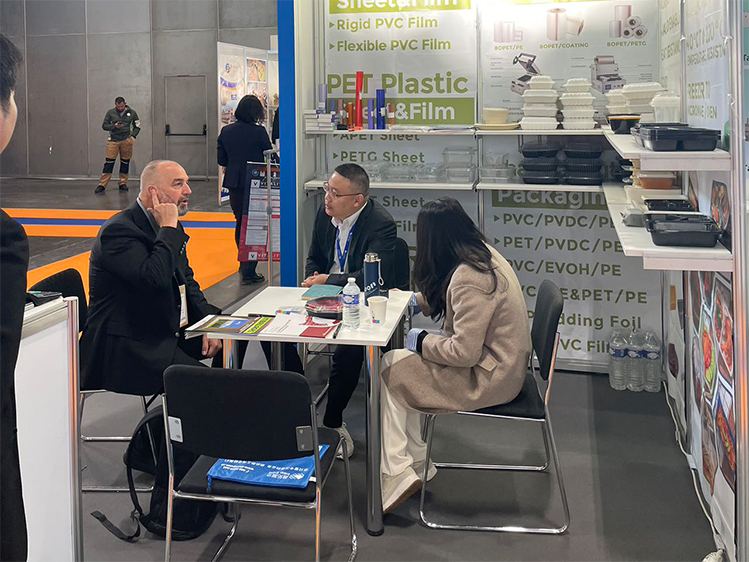
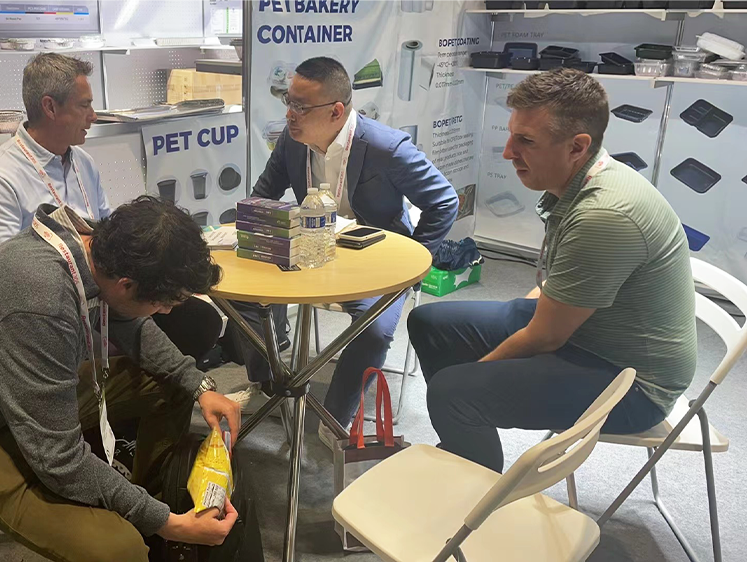
HSQY Global Exhibitions
![HSQY Plastic Group at 2024 Mexico Exhibition]()
2024 Mexico Exhibition
![HSQY Plastic Group at 2025 Philippines Exhibition]()
2025 Philippines Exhibition
![HSQY Plastic Group at 2024 Paris Exhibition]()
2024 Paris Exhibition
![HSQY Plastic Group at 2023 Saudi Exhibition]()
2023 Saudi Exhibition
![HSQY Plastic Group at 2024 American Exhibition]()
2024 American Exhibition
![HSQY Plastic Group at 2017 Shanghai Exhibition]()
2017 Shanghai Exhibition
![HSQY Plastic Group at 2018 Shanghai Exhibition]()
2018 Shanghai Exhibition
![HSQY Plastic Group at 2023 American Exhibition]()
2023 American Exhibition
Frequently Asked Questions About High Barrier PET/PE Film
What is high barrier PET/PE lamination film?
It is a flexible laminate combining PET and PE with an additional barrier technology where required. PET provides mechanical and converting properties, PE provides sealing functionality, and the barrier layer is selected to reduce oxygen, moisture or aroma transmission according to the package requirements.
What barrier materials are available?
The current HSQY product information lists EVOH and PVDC barrier technologies. The exact structure should be confirmed for the required packaging project.
Is PET/PE/EVOH the same as PET/PE/PVDC?
No. EVOH and PVDC are different barrier materials with different structures and performance characteristics. Buyers should specify or confirm which barrier technology is required rather than treating the two constructions as identical.
What thicknesses are available?
The current HSQY specification lists approximately 0.045-0.35mm, equivalent to about 45-350μm.
What roll widths are available?
The published width range is 160-2600mm.
What is the OTR of the film?
The current product information does not publish one fixed OTR value. OTR depends on the exact barrier structure, thickness and test conditions. Request grade-specific OTR data for the selected film.
What is the WVTR?
A fixed WVTR value is not published on the current page. Buyers with defined moisture-barrier requirements should provide a target WVTR and test conditions.
Is the film suitable for modified atmosphere packaging?
The product can be evaluated for MAP applications where the selected film structure provides the required gas barrier and sealing performance. The actual food, gas mixture, package format and storage conditions should be provided for evaluation.
Can the film be used for vacuum packaging?
Vacuum packaging is included among the intended applications. Final film selection should consider barrier performance, puncture resistance, seal strength and the geometry of the packed product.
Is it suitable for meat packaging?
Yes, high-barrier film can be evaluated for fresh or processed meat packaging. Provide whether the product is bone-in or boneless, the packaging process, storage temperature and target shelf life.
Is the film suitable for salmon and seafood?
Yes. Fish and seafood are among the relevant applications, and the original HSQY page includes a salmon-packaging image. The exact barrier and mechanical specification should match the seafood product and packaging process.
Can it be used for cheese and dairy products?
Yes. High-barrier films can be used for suitable cheese and dairy packaging applications. The required gas transmission may vary by product, so barrier level should be selected according to the actual food.
Can it be used for coffee and snacks?
Coffee, tea and snacks are listed among the current application directions. Projects should specify required oxygen, moisture, aroma and light barrier as well as the final package format.
Can the film be printed?
Yes. The current product specification lists 1-13 color printing. Provide artwork, number of colors, printing process and required finish for confirmation.
Is this a lidding film for preformed trays?
This page is positioned as a broad PET/PE high-barrier lamination film for flexible food packaging. HSQY has separate dedicated tray-lidding products for PET, PP and high-barrier tray-sealing systems.
Is the film easy peel or lock seal?
The current source does not define a universal easy-peel or lock-seal function for this product. Seal behavior depends on the PE sealant layer and the mating substrate. State the required seal type when requesting a quotation.
Is the film suitable for retort packaging?
The original application list mentions retort packaging, but retort compatibility should not be assumed for every PET/PE high-barrier structure. Provide the retort temperature, duration, pressure and food type so a suitable thermal-grade construction can be confirmed.
Is it suitable for boilable packaging?
Boilable use requires a structure qualified for the specified heating conditions. State the required water temperature and heating duration before selecting the film.
Is the film recyclable?
A PET/PE laminate containing multiple polymers and barrier layers should not automatically be described as recyclable. Recyclability depends on the complete material structure and the collection and recycling system in the target market.
What food-contact documents are available?
Certification images are displayed with the current product, but the applicable food-contact documentation should be confirmed for the exact laminate structure and destination market before commercial use.
What roll core size and maximum roll diameter are available?
These values are not published in the current product details. Provide the packaging-machine unwind and roll requirements when requesting a quotation.
What is the listed lead time?
The current product information lists approximately 10-14 working days depending on specification and order quantity. Final production timing should be confirmed with the approved structure and printing requirements.
What information should I provide for a quotation?
Provide food type, package format, thickness, roll width, target OTR/WVTR or shelf life, MAP or vacuum requirements, sealing substrate, storage temperature, printing, thermal-processing requirements, quantity and destination.