Textured Polycarbonate Film for Graphic Overlays & Panels
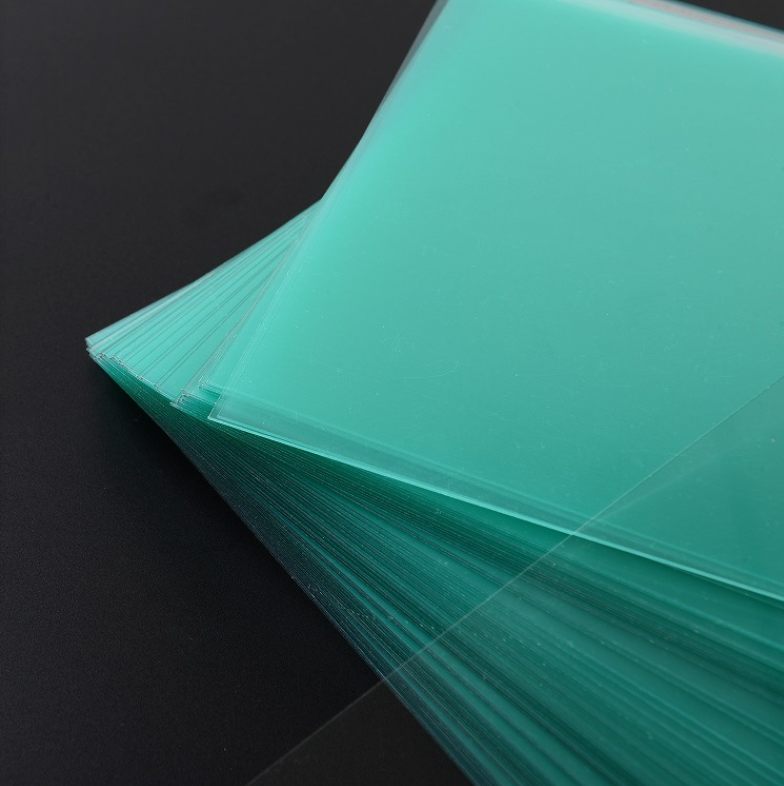
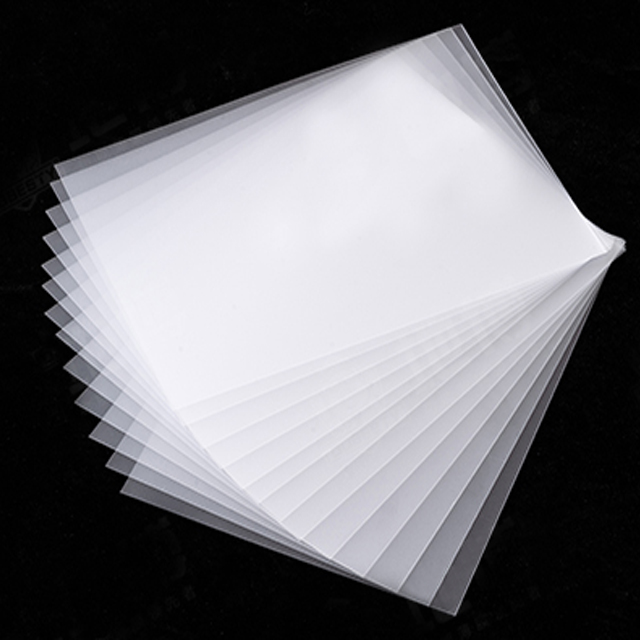
HSQY textured polycarbonate film is designed for graphic overlays, control panels, displays, protective components and industrial conversion applications requiring impact resistance, dimensional stability and a controlled surface appearance.
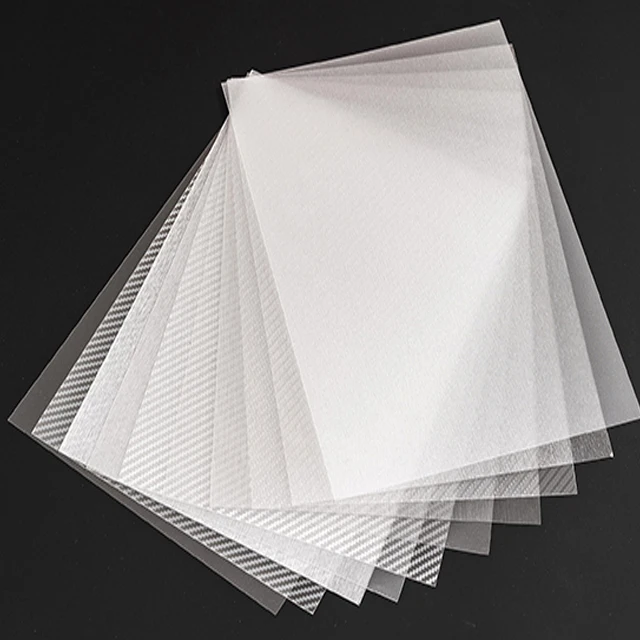
Polycarbonate combines mechanical toughness, heat resistance and good dimensional stability with a wide range of visual finishes. Depending on the selected grade, buyers can choose clear, matte, brushed, diamond-patterned or other textured surfaces to achieve different levels of transparency, glare control and tactile appearance.
Standard film thicknesses range from 0.25mm to 0.5mm, while sheet options range from 0.5mm to 1.5mm. Natural and customized colors can be discussed according to surface finish, application and order quantity.
Textured Polycarbonate Film Specifications
| Property |
Specification |
| Product |
Textured Polycarbonate Sheet Film |
| Material |
Polycarbonate (PC) |
| Film Thickness |
0.25mm - 0.5mm |
| Sheet Thickness |
0.5mm - 1.5mm |
| Film Width |
930mm / 1220mm |
| Sheet Width |
915mm / 1000mm |
| Color |
Natural / Customized |
| Listed Surface Options |
Polished/Polished, Polished/Brushed, Polished/Diamond |
| Additional Surface Options |
Matte and other textured surfaces subject to grade and production confirmation |
| Possible Processing |
Printing, die cutting, punching, embossing, bending and thermoforming depending on grade and surface |
| Typical Applications |
Graphic overlays, control panels, protective panels, light-management components, protective helmets, blister products and packaging components |
Surface Note: The exact texture, gloss level, transparency and processing performance depend on the selected PC grade and surface combination. If your project requires a defined surface roughness, gloss value, haze, texture code or comparable material grade, include that information in your inquiry.
What Is Textured Polycarbonate Film?
Textured polycarbonate film is PC film with a controlled surface pattern or matte finish that changes the material's visual appearance, reflected glare, tactile feel and surface interaction compared with a fully polished film.
The texture may be applied to one side while the opposite side remains polished or uses a different finish. This allows designers to combine a decorative or low-glare front surface with a rear surface selected for printing, bonding or another converting process.
For graphic overlays and control interfaces, the correct surface should be selected together with printing requirements, display-window clarity, backlighting, tactile appearance and expected handling conditions.
Clear vs. Matte vs. Textured Polycarbonate Film
| Surface Type |
Visual Characteristic |
Typical Use |
| Clear / Polished |
Smooth surface with higher visual clarity |
Display windows, transparent covers and printed transparent components |
| Matte |
Reduced direct reflection and softer appearance |
Control panels, graphic overlays and industrial interfaces |
| Textured |
Controlled tactile and visual texture |
Graphic overlays, panels, labels and decorative industrial components |
| Brushed |
Directional decorative pattern |
Decorative panels, appliance interfaces and specialty graphics |
| Diamond Pattern |
Patterned appearance with altered light reflection |
Decorative panels, light-management parts and specialty components |
Benefits of a Textured PC Surface
Reduced glare: Matte and textured surfaces can reduce direct reflections compared with a highly polished surface.
Controlled appearance: Different textures allow designers to create a specific visual and tactile finish.
Surface wear appearance: Certain textures can make minor handling marks less visually prominent than highly polished surfaces.
Printing flexibility: Suitable grades can be evaluated for screen printing and other industrial graphic processes.
Mechanical toughness: Polycarbonate offers strong impact resistance for demanding industrial components.
Dimensional stability: Suitable for precision overlays, panels and converted components.
Heat resistance: PC provides useful thermal performance for electronic and industrial applications.
Custom appearance: Color, surface texture, thickness and dimensions can be matched to qualified B2B projects.
Textured PC Film for Graphic Overlays
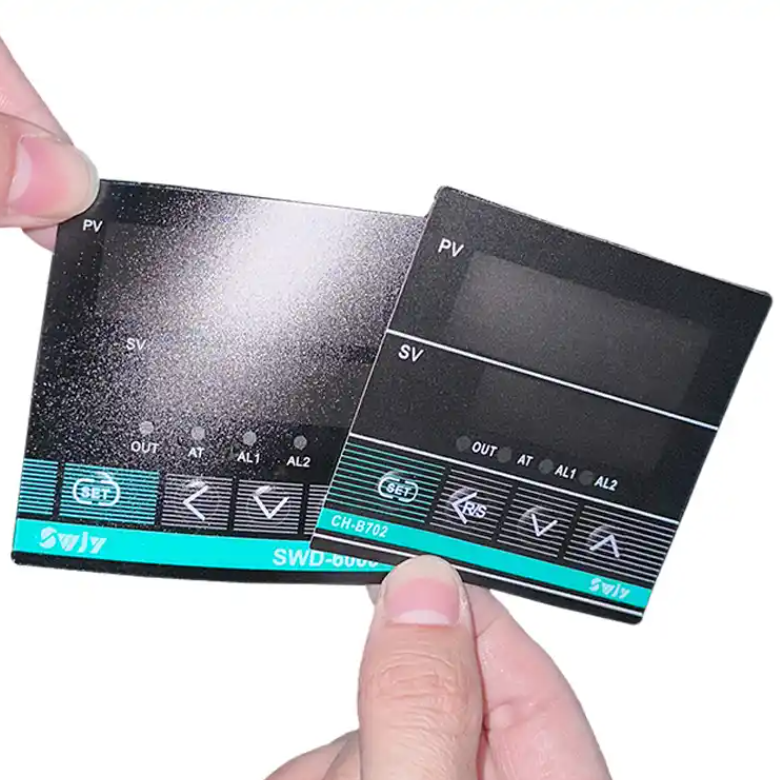
Graphic overlays are one of the main applications for textured polycarbonate film. A textured front surface can provide a lower-glare interface and a distinct tactile appearance, while the rear side can be selected according to the printing and assembly method.
For overlays containing display windows, the surface configuration should be selected carefully. A heavy texture across the display area can increase haze and reduce visual clarity, so projects may require selective clear windows, different textures or another construction according to the finished interface design.
| Overlay Requirement |
What to Confirm |
| Front Surface |
Matte, textured, brushed or other required tactile finish |
| Display Window |
Required transparency, haze and surface condition over the display area |
| Printing |
Printing method, ink system and print side |
| Backlighting |
Light source, illuminated symbols and required appearance when lit |
| Embossing |
Embossed keys, domes or tactile features if required |
| Die Cutting |
Finished dimensions, holes, slots and dimensional tolerances |
Printing on Textured Polycarbonate Film
Suitable polycarbonate film grades can be used for multi-layer graphics and industrial printing. Printing performance depends on the exact surface structure, ink chemistry, curing method and whether graphics are applied to the first or second surface.
Second-surface printing is commonly considered for transparent overlay constructions because the printed graphics can be positioned behind the PC film. This can help isolate the ink layer from direct contact during normal handling.
Before mass production, buyers should test ink adhesion, curing, color appearance, registration and any subsequent forming or embossing process using the actual PC grade.
Textured Polycarbonate Film for Control Panels
Industrial and appliance control panels often require a combination of graphics, low glare, tactile appearance and mechanical durability. Textured polycarbonate film can provide a functional front surface while remaining suitable for printing and downstream conversion when the appropriate grade is selected.
For frequently handled interfaces, buyers should separately define requirements for abrasion, scratch resistance and chemical cleaning. A textured surface alone should not automatically be assumed to provide the same performance as a dedicated hard-coated PC film.
Textured Film vs. Hard-Coated Polycarbonate Film
| Feature |
Textured PC Film |
Hard-Coated PC Film |
| Main Purpose |
Surface appearance, glare control and tactile texture |
Enhanced scratch, abrasion or chemical resistance depending on coating |
| Surface Appearance |
Matte, brushed, patterned or other textured finish |
Can be clear or textured depending on coating system |
| Scratch Resistance |
Depends on base material and texture |
Designed for enhanced surface resistance according to coating grade |
| Typical Use |
Overlays, panels, labels and interfaces |
High-touch windows, protective panels and demanding interfaces |
Die Cutting, Embossing and Forming
Suitable PC film grades can be die-cut, punched, embossed, bent or thermoformed into finished components. Processing performance depends on film thickness, surface texture, part geometry and the exact resin grade.
If a graphic overlay includes embossed keys, raised domes or formed areas, the surface appearance and printed graphics should be evaluated after forming because local stretching can change the texture and optical appearance.
Applications of Textured Polycarbonate Film
![Textured polycarbonate film for control panels]()
Panels & Interfaces
![Textured polycarbonate film for light diffuser applications]()
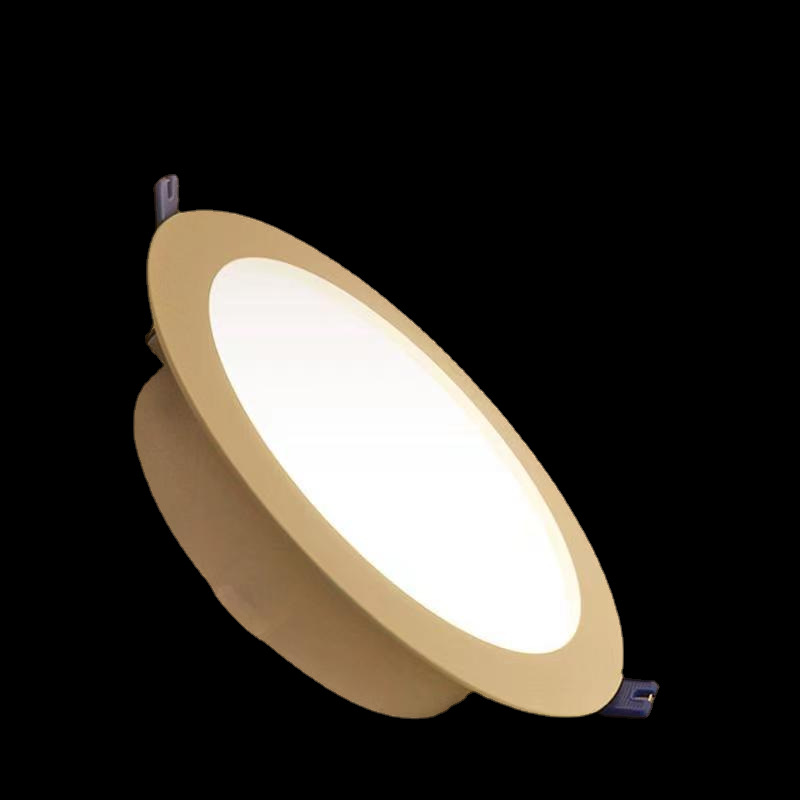
Light Management Components
| Application |
Typical Requirement |
| Graphic Overlays |
Controlled texture, low glare, printing and die cutting |
| Control Panels |
Tactile appearance, graphics, dimensional stability and durability |
| Membrane Switch Overlays |
Printing, embossing, die cutting and interface appearance |
| Decorative Panels |
Custom pattern, color and surface appearance |
| Light Management Parts |
Controlled surface structure and optical appearance according to design |
| Protective Components |
Impact resistance and dimensional stability |
| Blister / Formed Products |
Formability, surface appearance and toughness |
| Packaging Components |
Decorative appearance and mechanical protection |
How to Select the Right Surface Texture
The correct texture depends on the finished product rather than on appearance alone. Buyers should evaluate how the surface affects visibility, glare, printing, touch, backlighting and downstream processing.
| Project Requirement |
Selection Consideration |
| Display Visibility |
Use a surface that provides the required clarity and acceptable haze |
| Glare Reduction |
Matte or textured surfaces can reduce direct reflected light |
| Tactile Feel |
Select texture depth and pattern according to interface design |
| Printing |
Confirm printable side, ink system and surface compatibility |
| Backlighting |
Evaluate haze, diffusion and appearance over illuminated areas |
| Wear Resistance |
Define abrasion or scratch requirements separately where critical |
| Forming |
Confirm that texture remains acceptable after embossing or thermoforming |
What Information Should You Provide for a Quote?
| Requirement |
Information to Provide |
| Application |
Graphic overlay, panel, membrane switch, light-management part, packaging or other use |
| Film / Sheet |
Required supply format |
| Thickness |
Required nominal thickness and tolerance |
| Width / Size |
Roll width or sheet dimensions |
| Surface |
Polished, matte, brushed, diamond or another texture |
| Color |
Natural or custom color requirement |
| Optical Requirement |
Transparency, haze, gloss or display-window requirement where applicable |
| Printing |
Printing method, ink system and print side |
| Processing |
Die cutting, punching, embossing, bending or thermoforming |
| Special Performance |
Scratch, abrasion, chemical, flame or UV requirements if applicable |
| Quantity |
Sample quantity, trial order, regular order and estimated annual demand |
Related Polycarbonate Film Data Sheet
The following PDF is retained from the original product page. Confirm the applicable technical data sheet for the exact textured PC film grade before using any values for engineering approval.
![Polycarbonate film data sheet download]() Blister Polycarbonate Films Data Sheet.pdf
Blister Polycarbonate Films Data Sheet.pdf
Frequently Asked Questions About Textured Polycarbonate Film
What is textured polycarbonate film?
Textured polycarbonate film is PC film with a controlled matte, brushed, patterned or other surface finish designed to change glare, appearance and tactile feel compared with a fully polished film.
What thicknesses are available?
The current product specification lists film from 0.25mm to 0.5mm and sheet from 0.5mm to 1.5mm.
What widths are available?
Standard film widths are 930mm and 1220mm. Standard sheet widths are 915mm and 1000mm.
What surface textures are available?
The current detailed specification lists polished/polished, polished/brushed and polished/diamond surfaces. Matte and other textured variants can be discussed according to the required grade and production specification.
What is the difference between matte and textured PC film?
Matte generally describes a low-gloss surface appearance, while textured film may have a more defined surface pattern or tactile structure. The two terms can overlap depending on the grade and manufacturer.
Can textured polycarbonate film be printed?
Suitable PC grades can be evaluated for industrial printing and graphic overlays. Printing performance depends on the selected surface, ink system, curing process and print side, so production testing is recommended.
Can textured PC film be used for graphic overlays?
Yes. Textured PC film is commonly considered for graphic overlays and control interfaces where reduced glare, tactile appearance, printing and mechanical durability are required.
Can the film be die-cut or embossed?
Suitable grades can be die-cut, punched or embossed. The required thickness, texture, dimensions and embossed geometry should be tested before mass production.
Is textured polycarbonate film scratch resistant?
A textured surface may make minor wear less visually prominent, but it should not automatically be treated as a hard-coated scratch-resistant film. If a defined abrasion or scratch requirement is needed, specify the test method and target performance.
Can textured PC film be used over LED or backlit areas?
Yes, selected textured films can be evaluated for backlit interfaces. Surface texture affects haze, diffusion and brightness, so testing with the actual LED layout is recommended.
Can you customize the color?
Customized colors can be discussed according to the required surface, thickness and order quantity. Final color should be approved using a production sample where appearance is critical.
What information should I provide for a quotation?
Please provide the application, thickness, width or dimensions, required surface texture, color, transparency requirement, printing process, converting method, special performance requirements, order quantity and destination.
Packing & Delivery
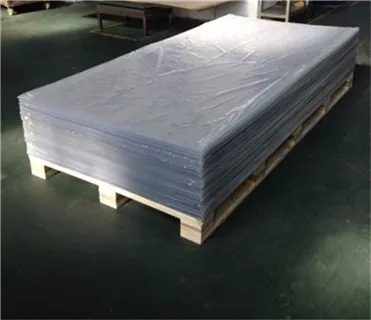
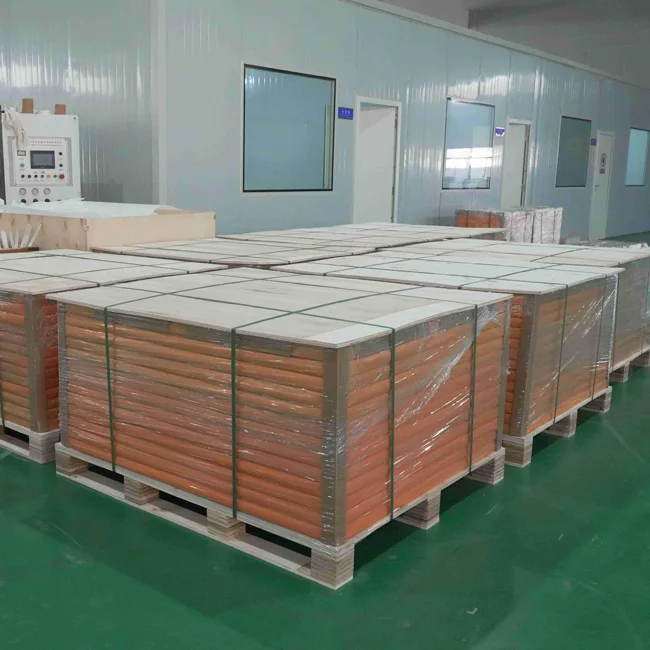
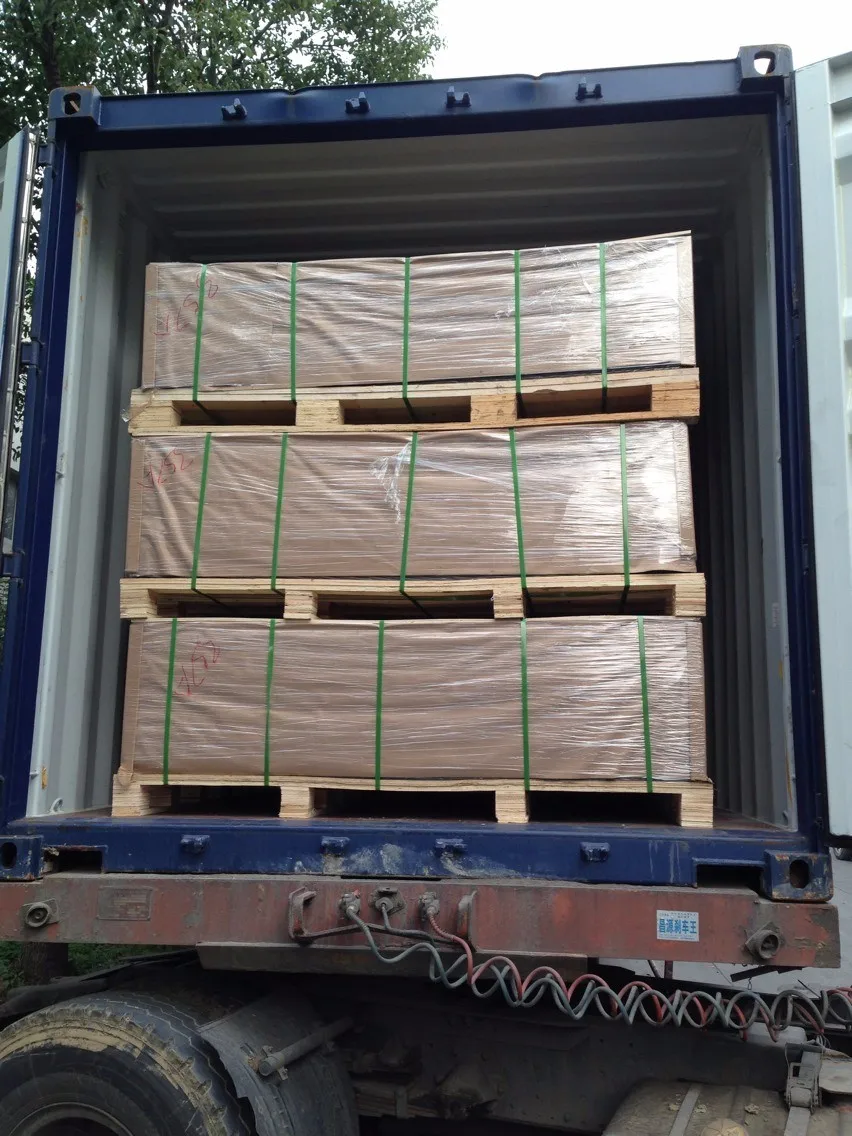
Textured polycarbonate film and sheet are packed according to thickness, surface, dimensions and export transportation requirements. Surface protection is especially important for decorative and printed applications where contamination or handling damage may affect the finished appearance.
![Textured polycarbonate film protective packaging]()
Protective Packaging
![Textured PC film export packing]()
Export Packing
![Textured polycarbonate film shipment packaging]()
Shipment Packaging
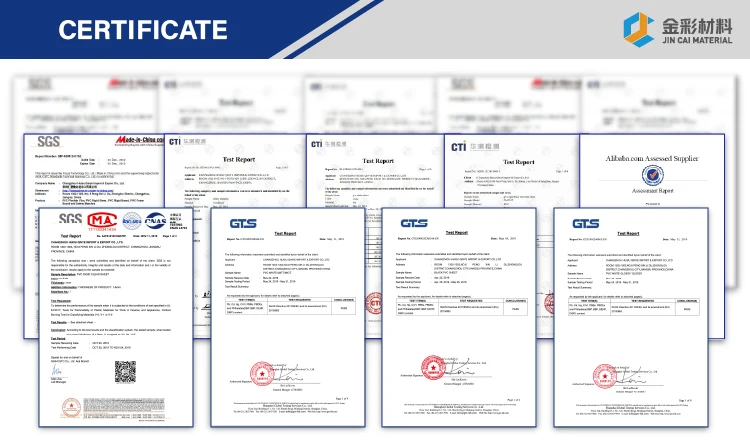
Certifications
About HSQY Plastic Group
HSQY Plastic Group supplies polycarbonate film and functional plastic materials for graphic-overlay manufacturers, printers, electronics companies, converters, distributors and OEM customers. Different film thicknesses, surface textures, colors and project-specific specifications can be discussed for B2B applications.
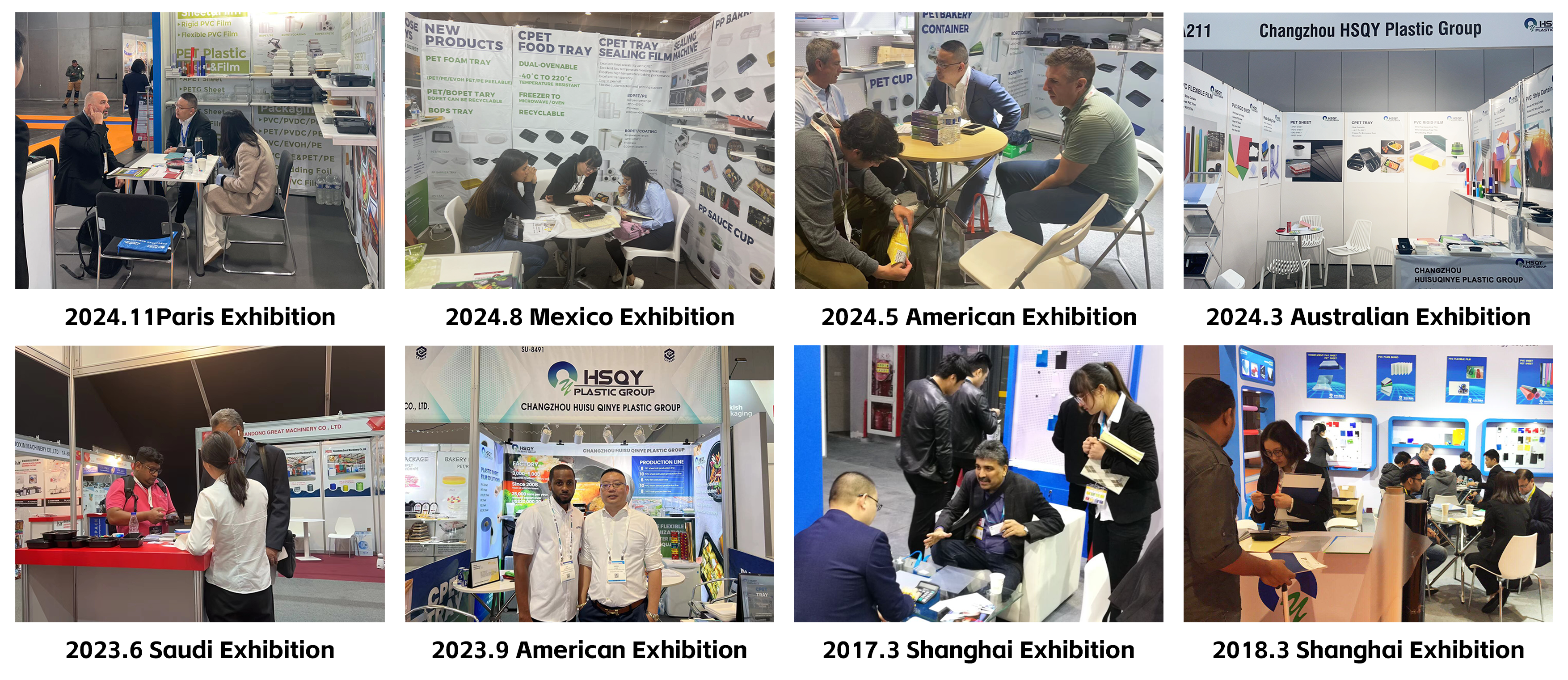
![HSQY Plastic Group international exhibitions]()
HSQY Plastic Group meets global buyers, converters and industry partners at international exhibitions.