Amber Smoke Grey Corrugated Polycarbonate Roofing Sheet
HSQY amber and smoke grey corrugated polycarbonate roofing sheets are profiled polycarbonate panels designed for roofing, skylights, canopies, greenhouses, commercial buildings and daylighting projects where a tinted roofing appearance is required.
The current product range is available in thicknesses from 0.7mm to 3.0mm, with customized thickness and width requirements available for suitable projects. Corrugated profile, overall width, effective cover width, sheet length and color should be confirmed against the actual roofing system before ordering.
Amber, smoke grey and other tinted roofing sheets should not be assigned the same light-transmission value as clear polycarbonate. If daylight, glare or solar-control performance is important, request optical data for the exact color, thickness and profile selected.
Corrugated Polycarbonate Roofing Sheet Video
Corrugated Polycarbonate Roofing Sheet Images
![Corrugated polycarbonate roofing sheet]()
Corrugated Polycarbonate Roofing Sheet
![Corrugated wave polycarbonate roofing sheet]()
Corrugated Wave Polycarbonate Roofing Sheet
Corrugated Polycarbonate Sheet Specifications
The following table uses the current HSQY product-level information and specification range. Project-specific optical, structural, UV, fire and temperature performance should be confirmed for the exact roofing grade selected.
| Property |
Current Details |
| Product |
Amber Smoke Grey Corrugated Polycarbonate Roofing Sheet |
| Material |
Polycarbonate / PC |
| Sheet Type |
Corrugated / Wave / Profiled Polycarbonate Roofing Sheet |
| Target Color |
Amber / Smoke Grey |
| Product Family Color Options |
Clear, Colored and Customized |
| Thickness |
0.7mm, 1.0mm, 1.2mm, 1.5mm, 2.0mm, 2.5mm, 3.0mm; customized requirements subject to confirmation |
| Width |
Customized |
| Corrugated Profile |
Confirm required wave or roofing profile from drawing, dimensions or physical sample |
| Typical Applications |
Roofing, skylights, greenhouses, canopies, commercial sheds, walkways and daylighting projects |
Light transmission, solar performance, UV-protection configuration, fire classification, structural capacity, impact performance and service-temperature limits are grade-, color-, thickness-, profile- and test-specific. Request the applicable technical data or test report when any of these values form part of the project specification.
What Is a Corrugated Polycarbonate Roofing Sheet?
A corrugated polycarbonate roofing sheet is a single-wall polycarbonate panel formed into repeating waves, ribs or another roofing profile instead of remaining flat.
The corrugated geometry increases rigidity and allows panels to overlap as part of a compatible roofing system. Polycarbonate roofing panels are commonly evaluated where natural daylight, relatively low panel weight and impact-resistant glazing are required.
For retrofit or industrial rooflight projects, the most important specification is often the profile geometry rather than thickness alone. The sheet must match the surrounding roof profile and fixing system.
Amber vs Smoke Grey Polycarbonate Roofing
Amber or bronze-style tints produce a warmer roofing appearance, while smoke grey provides a more neutral or modern tinted appearance. Both are selected when a project requires less direct brightness than a clear panel or needs a specific architectural color.
The actual light transmission and solar performance depend on the exact pigment, thickness and profile. Do not use the clear-sheet light-transmission value for amber or smoke grey roofing panels.
| Color Direction |
Main Selection Consideration |
| Clear |
Selected where higher daylight is the primary requirement; confirm exact optical data. |
| Amber / Bronze Tint |
Warm tinted appearance with reduced brightness compared with a comparable clear grade. |
| Smoke Grey |
Darker neutral appearance for roofs, canopies and architectural daylighting where glare reduction is important. |
Corrugated Profile Matching
Two corrugated roofing sheets can have the same thickness and overall width but still be incompatible if their wave geometry is different. Buyers replacing an existing metal, FRP or polycarbonate rooflight should provide a cross-section drawing or physical sample.
| Profile Parameter |
Why It Matters |
| Corrugation Pitch |
Distance between repeating waves or ribs must correspond with the intended roof system. |
| Profile Height |
Affects how the sheet sits against adjacent roofing panels and supporting components. |
| Overall Width |
Physical edge-to-edge sheet width before overlap. |
| Effective Cover Width |
Actual roof width covered after the specified side overlap is applied. |
| Edge Geometry |
Determines overlap compatibility and affects water management at panel joints. |
Applications of Corrugated Polycarbonate Roofing Sheet
Greenhouses and garden structures.
Skylights and rooflight panels.
Commercial sheds and industrial roofing.
Canopies, walkways and corridor roofs.
Railway stations, bus stations and public shelters.
Agricultural buildings and daylighting projects.
![Corrugated polycarbonate roofing application]()
Corrugated Polycarbonate Roofing Application
![Polycarbonate roof sheet application]()
Polycarbonate Roof Sheet Application
Key Selection Factors for Corrugated PC Roofing
Thickness
Current HSQY options cover 0.7mm to 3.0mm, with customized requirements subject to confirmation. Thickness should be selected together with profile geometry, support spacing and project loads rather than as an isolated parameter.
Light Transmission
The original page states that selected corrugated sheets can reach more than 85% light transmission. That value should not be applied to every color. Amber and smoke grey sheets require color-specific optical data for accurate daylighting design.
UV Protection
Outdoor roofing projects should specify the required UV-protection configuration. Confirm whether the selected grade has one-side or two-side protection and which side must face exterior sunlight before installation.
Impact and Structural Performance
Polycarbonate roofing is selected for impact-resistant glazing applications, but impact performance, hail resistance and structural capacity depend on the exact thickness, profile, support spacing and test method. Request applicable data when impact resistance forms part of the project specification.
Fire Performance
The previous page contains a general Class I flame-retardant statement. Fire classifications depend on the material grade, thickness, test standard and jurisdiction, so a specific fire rating should only be used when supported by the applicable test report for the ordered roofing sheet.
Temperature Performance
The original content lists a -40°C to +120°C range. Because thermal capability depends on grade, load, exposure duration and installation conditions, confirm the applicable service-temperature data for the exact sheet before using this value in an engineering specification.
Roofing Design Information to Confirm
Corrugated roofing should be specified as part of a complete roof system. Panel performance cannot be determined from sheet thickness alone.
Corrugation pitch and profile height.
Overall sheet width and effective cover width.
Required sheet length.
Roof slope or pitch.
Purlin or support spacing.
Wind and snow loads.
Required side and end overlap.
Fastener, washer and closure-strip system.
Thermal-expansion allowance.
UV-protected side and installation orientation.
Structural design, fixing spacing and installation requirements should be confirmed according to the applicable building code, local loads and the approved roofing-system design.
Packing & Delivery
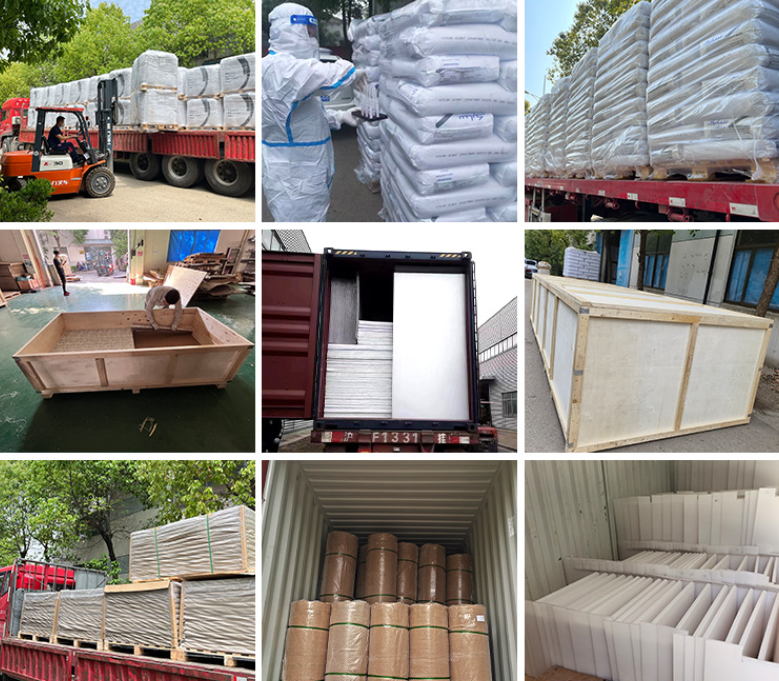
The original packing image is retained below. Final packing method, sheets per pack, pallet dimensions, loading quantity and container arrangement should be confirmed according to sheet thickness, profile, width, length and order quantity.
Certifications
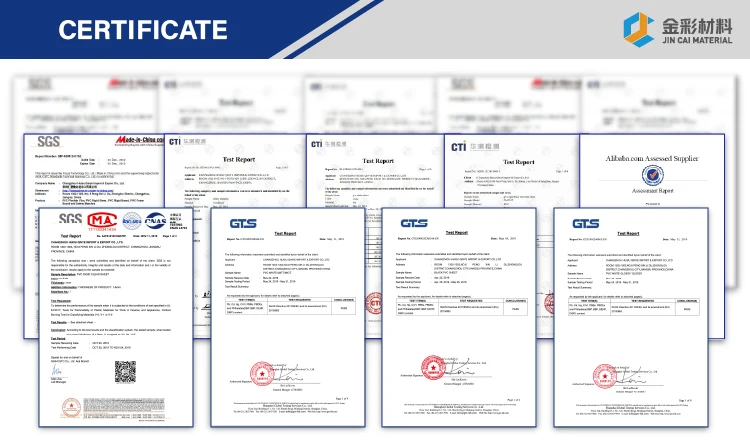
The certification image from the original page is retained below. Project buyers should confirm which certification, test report or declaration applies to the exact corrugated polycarbonate grade, thickness and destination market before citing it in project documentation.
Information Required for a Corrugated Roofing Sheet Quote
Roofing, skylight, greenhouse, canopy or other application.
Amber, smoke grey or another required color.
Required thickness.
Overall sheet width.
Required effective cover width.
Required sheet length.
Corrugation pitch and profile height.
Existing roofing profile drawing or physical sample.
Required light-transmission or solar-performance target.
Required UV-protection configuration.
Roof pitch and support spacing.
Wind, snow or other structural loads where applicable.
Required fire or construction-standard documentation.
Required quantity or project area.
Destination country and port.
Frequently Asked Questions
What is an amber smoke grey corrugated polycarbonate roofing sheet?
It is a corrugated or wave-profiled polycarbonate roofing panel supplied in tinted amber or smoke grey color directions for roofing, skylight, canopy, greenhouse and daylighting projects.
What thicknesses are available?
Current listed thicknesses include 0.7mm, 1.0mm, 1.2mm, 1.5mm, 2.0mm, 2.5mm and 3.0mm. Customized requirements can be discussed subject to production feasibility.
What widths are available?
This product page currently lists width as customized. Provide the required overall width, effective cover width and roofing profile when requesting a quotation.
Is amber the same as bronze polycarbonate roofing?
Amber and bronze are often used for similar warm-tinted roofing color directions, but exact shade and optical performance vary by manufacturer and formulation. Approve a physical color sample when color matching is important.
Does smoke grey transmit less light than clear polycarbonate?
Tinted grey roofing is generally selected to reduce brightness compared with a comparable clear grade, but the exact light-transmission value must be confirmed for the selected color, thickness and profile.
Can HSQY match an existing metal roofing profile?
Customized corrugated shapes can be evaluated. Send the existing roof-sheet cross-section drawing, pitch, rib height, overall width and effective cover width, or provide a physical profile sample.
What is effective cover width?
Effective cover width is the actual roof width covered by one installed panel after the required side overlap has been deducted from the overall sheet width.
Is the sheet UV resistant?
The previous product content refers to UV-resistant surface treatment. For a roofing project, confirm the exact UV-protection grade, protected side and whether one-side or two-side UV protection is required before ordering.
What is the light transmission of amber or smoke grey roofing?
The current product page does not provide a verified amber- or smoke-grey-specific light-transmission value. Request optical data for the exact color, thickness and profile instead of using the clear-sheet value.
Can this sheet be used for greenhouses?
Corrugated polycarbonate is used in greenhouse roofing projects, but plant-light requirements, color-specific light transmission, condensation control, profile compatibility and structural loads should be considered before selecting an amber or smoke grey grade.
Is the roofing sheet flame retardant?
Fire performance is grade-, thickness- and test-standard-specific. If your project requires a defined fire classification, provide the applicable standard and request the test report for the exact roofing sheet.
Can I walk directly on corrugated polycarbonate roofing?
Do not rely on unsupported polycarbonate roofing as a walking surface. Installation and maintenance should use appropriate supported walkways, crawling boards and fall-protection procedures according to the roof-system design and local safety requirements.
What information is required for a quotation?
Provide the required color, thickness, width, length, profile dimensions, effective cover width, application, roof slope, support spacing, structural-load requirements, UV requirements, quantity and destination port.
About HSQY Plastic Group
HSQY Plastic supplies polycarbonate sheets for roofing, glazing, daylighting and other plastic-sheet applications. Corrugated roofing projects can be evaluated according to thickness, color, sheet dimensions and roofing-profile requirements.