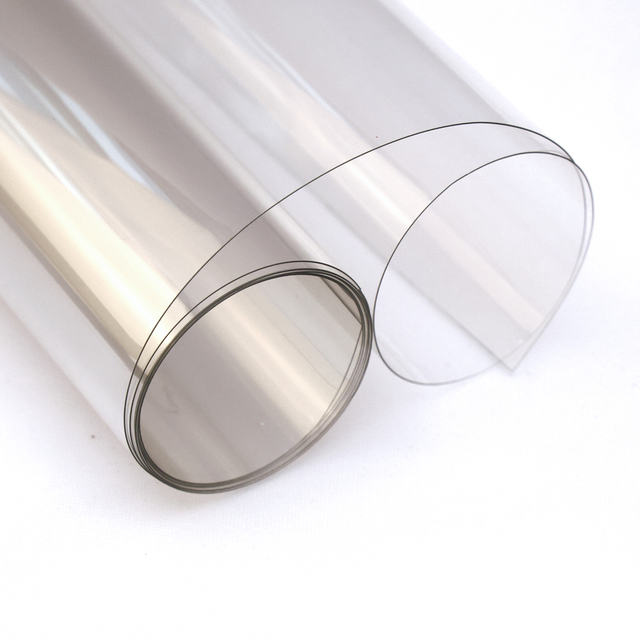
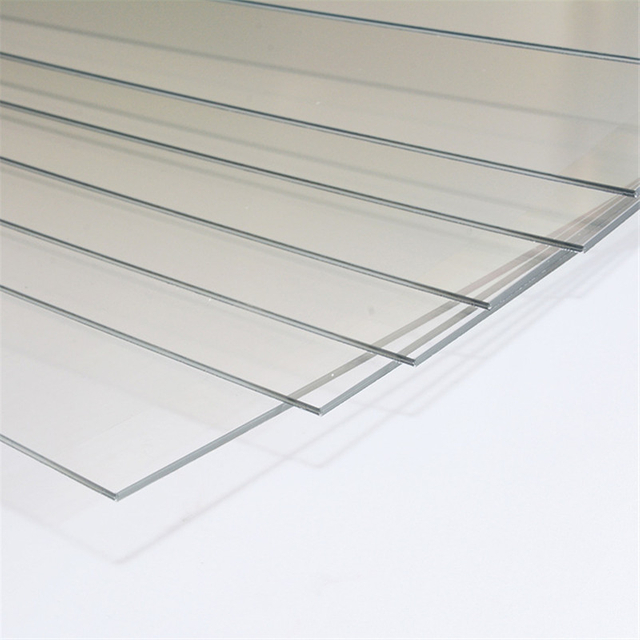
HSQY clear APET sheet and roll is a high-clarity rigid PET material for thermoforming, blister packaging, folding boxes, food trays and other transparent packaging applications.
APET, or amorphous polyethylene terephthalate, combines transparency, rigidity and thermoforming capability for converters requiring clear packaging that allows the packaged product to remain visible.
The listed product range covers 0.1–3mm thicknesses, widths up to 1300mm and clear-grade transparency of at least 92%, with glossy, matte and frosted surface options. Buyers should specify roll or sheet format, thickness tolerance, width, forming process, surface requirement and final application before bulk production.
Clear APET Sheet & Roll Video
Clear APET Sheet Image

Clear APET Sheet & Roll
Clear APET Technical Data Sheet
Clear APET Sheet Specifications
| Property |
Specification |
| Product Name |
Clear APET Sheet & Roll for Thermoforming |
| Material |
APET – Amorphous Polyethylene Terephthalate |
| Thickness |
0.1–3mm listed range; confirm exact minimum gauge according to width and production specification |
| Maximum Listed Width |
1300mm |
| Supply Format |
Roll or Sheet |
| Color |
Clear; other color requirements should be confirmed separately |
| Listed Transparency |
≥92% for clear material; confirm test method and applicable thickness where optical performance is critical |
| Surface Options |
Glossy, Matte, Frosted |
| Primary Processes |
Thermoforming, Vacuum Forming, Cutting, Folding and Printing as applicable |
| Primary Applications |
Blister Packaging, Folding Boxes, Food Trays, Clamshells and Clear Packaging Components |
| MOQ |
1000kg |
| Listed Documentation |
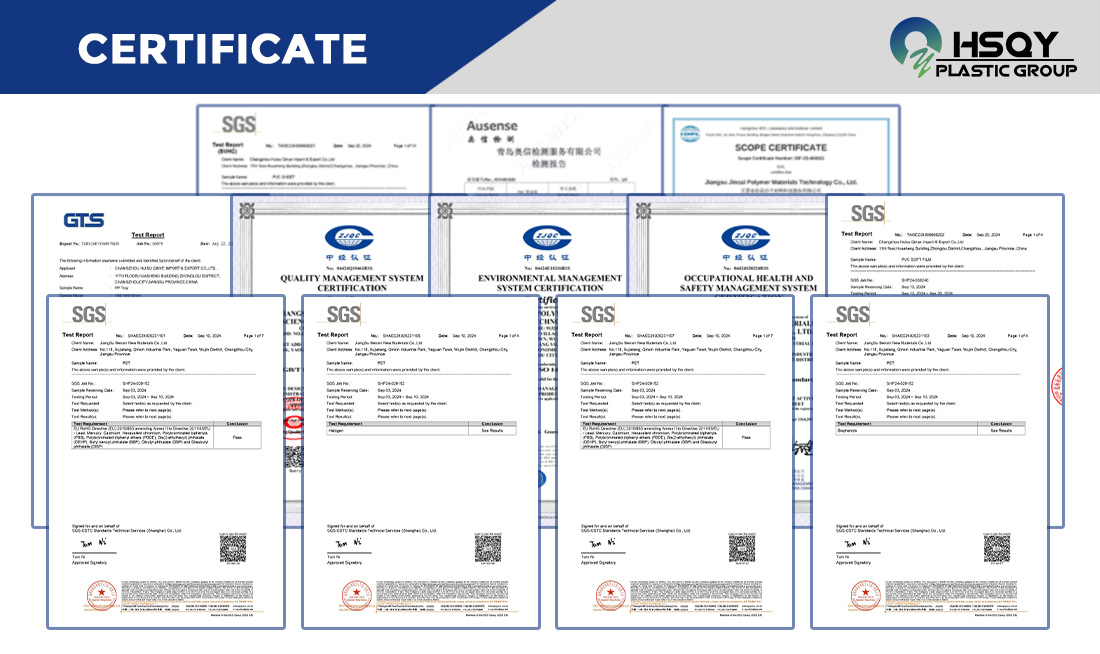
SGS, ISO 9001:2008 and food-contact documentation are listed; request current documents applicable to the exact grade and destination market |
What Is Clear APET Sheet?
APET is amorphous polyethylene terephthalate, a clear rigid polyester commonly converted into transparent packaging by thermoforming, cutting, folding and other fabrication processes.
Unlike CPET, which uses a crystallized PET structure for validated higher-temperature applications, APET is primarily selected for clear packaging where transparency, rigidity and conventional thermoforming performance are required.
APET should also be distinguished from PETG and GAG because these PET-family materials have different resin structures, forming behavior, bonding characteristics and application directions.
Clear APET Roll for Thermoforming
Rollstock APET is particularly suitable for continuous thermoforming lines producing trays, clamshells, blisters and other repeated packaging components.
For roll-fed thermoforming, buyers should specify more than thickness and width. Core inside diameter, roll outside diameter, roll weight, winding direction, surface side, edge quality and allowable splice requirements can all affect production-line compatibility.
Trial material should be evaluated on the intended thermoforming machine before a large production order where draw depth, output speed or optical requirements are critical.
APET Sheet for Cut-Sheet Thermoforming
APET can also be supplied or converted as individual sheets for equipment that processes cut sheet rather than continuous rollstock.
Cut-sheet buyers should specify sheet length and width, thickness tolerance, flatness, surface protection and stacking requirements according to the feeding system used on their forming or fabrication equipment.
APET for Vacuum Forming
Clear APET can be evaluated for vacuum forming into transparent packaging and fabricated components where product visibility is important.
Starting-sheet thickness should be selected according to cavity depth, draw ratio, corner geometry and the minimum wall thickness required in the finished part because the material becomes thinner as it stretches during forming.
Thermoforming Process Considerations
| Process Factor |
What Buyers Should Confirm |
| Starting Gauge |
Nominal thickness and tolerance based on the finished wall-thickness requirement |
| Forming Depth |
Maximum cavity depth and draw ratio of the finished package |
| Mold Geometry |
Corner radii, draft angle and cavity distribution |
| Heating |
Actual heater configuration, line speed and sheet-temperature profile |
| Trimming |
Trim method, flange dimensions and edge-quality requirement |
| Optics |
Clarity, haze, gloss and visual-defect acceptance after forming |
| Downstream Process |
Printing, sealing, lidding, folding or other processes performed after forming |
APET Sheet for Blister Packaging
Blister packaging is one of the primary applications for clear APET because the material can combine product visibility with sufficient rigidity for formed cavities and display packaging.
Blister converters should specify cavity dimensions, forming depth, flange dimensions, packed-product weight, backing-card or sealing method, surface requirement and expected package handling conditions.

APET Blister Packaging
APET Sheet for Folding Boxes
Clear APET can be converted into transparent folding boxes, sleeves, windows and retail packaging where full or partial product visibility is required.
Folding-box applications should be evaluated for scoring, folding, die cutting, printing, surface protection and fold appearance. Material orientation and processing conditions can affect crease and fold performance.

Clear APET Folding Box
Clear APET for Food Trays
Food trays are included among the listed applications for this APET product range. Clear PET provides visibility for suitable chilled, ambient and other packaging applications where the selected grade is supported for the intended food-contact conditions.
For food packaging, buyers should state the food type, direct or indirect contact, filling temperature, storage temperature, storage duration and destination market and request documentation for the exact supplied construction.
APET for Clamshell Packaging
Clear APET rollstock can be evaluated for clamshell packaging used for produce, bakery products, consumer goods and other retail products requiring transparent display packaging.
Hinge geometry, closure design, cavity depth and finished-package stiffness should be included in material trials because these factors influence the required starting thickness and forming conditions.
APET for Clear Retail Packaging
The listed ≥92% transparency makes clear APET relevant to retail packaging where product visibility is an important part of presentation.
Where optical quality is critical, buyers should define transmission, haze, gloss, tint and acceptable surface defects rather than relying only on descriptive terms such as “crystal clear.”
Glossy, Matte and Frosted APET Surfaces
| Surface |
General Application Direction |
| Glossy |
Transparent retail packs, blisters, trays and boxes where a clear high-gloss appearance is preferred |
| Matte |
Applications requiring reduced glare or a lower-gloss visual surface |
| Frosted |
Packaging and fabricated parts requiring increased haze or partially obscured visibility |
Surface terms should be supported by an approved sample or measurable gloss and haze requirements where appearance consistency is critical.
APET Sheet for Printing
APET can be evaluated for printed folding boxes, display packaging, labels, covers and graphics when the material surface is compatible with the intended ink and printing process.
Converters should specify the printing method, ink chemistry, treated side, curing process and required adhesion. Production material should be tested on the actual printing line before a large repeat order.
Does APET Require Pre-Drying?
Pre-drying requirements should be confirmed according to the exact APET grade, material moisture, storage conditions, sheet thickness and forming process.
Some APET thermoforming operations can process correctly stored sheet without a separate pre-drying stage, while other conditions may require moisture control. Buyers should follow the technical guidance for the supplied grade and validate it on their production line.
APET vs. PETG vs. GAG
| Material |
General Selection Direction |
Buyer Should Confirm |
| APET |
Clear conventional thermoforming, blisters, trays and folding boxes |
Gauge, forming depth, optics, surface and downstream sealing |
| PETG |
Applications requiring a different forming, bending or bonding profile |
Forming geometry, bonding, temperature and cost requirements |
| GAG |
Layered PETG/APET/PETG structures where PETG surface behavior is required |
Layer structure, forming, bonding and finished packaging requirement |
APET vs. PVC for Clear Packaging
Both APET and PVC can be used in clear thermoformed and folding-box applications, but they have different polymer chemistry, forming behavior, sealing options and end-of-life considerations.
APET should not automatically be considered superior for every application. Buyers should compare required clarity, stiffness, forming process, printability, sealing, regulatory requirements, recycling infrastructure and total converted-package performance.
Food-Contact Applications
Food-contact documentation is listed for this APET product range. For food packaging, request current documents applicable to the exact resin, additives, recycled-content level if any, thickness and destination market.
A general factory certificate or quality-management certificate should not be treated as a substitute for product-specific food-contact documentation.
Can APET Trays Be Heat Sealed?
Whether a formed APET tray can be reliably sealed depends on the tray surface, lidding-film construction, sealing layer, coating, sealing temperature, pressure, dwell time and required peel or lock-seal performance.
If tray sealing is required, provide the intended lidding film and sealing-machine conditions. Plain APET rollstock should not automatically be assumed compatible with every lidding system.
APET Recyclability Considerations
APET is part of the PET polymer family and can enter PET recycling streams where the local collection and processing system accepts the specific thermoformed packaging format.
Actual recyclability depends on package design, labels, adhesives, coatings, multilayer components, contamination and local recycling infrastructure. Buyers with recyclability targets should evaluate the complete finished package rather than the base sheet alone.
Choosing APET Thickness
| Thickness Direction |
General Application Direction |
What to Confirm |
| Thin Gauge |
Lightweight blisters, folding boxes, inserts and shallow formed packaging |
Stiffness, trimming, folding and forming depth |
| Medium Gauge |
Food trays, clamshells, blisters and general thermoformed packaging |
Draw ratio, finished rigidity and wall-thickness distribution |
| Thicker Sheet |
Rigid covers, display parts and heavier thermoformed components |
Heating capability, forming cycle, weight and finished stiffness |
The listed overall range is 0.1–3mm. Final gauge should be selected according to the actual package geometry and processing conditions rather than application name alone.
How to Specify Clear APET Roll Stock
| RFQ Item |
Information to Provide |
| Application |
Tray, blister, clamshell, folding box, printed packaging or other component |
| Material |
Confirm APET rather than PETG, GAG, RPET or laminated PET where material structure is controlled |
| Thickness |
Required nominal gauge and allowable tolerance |
| Width |
Required usable web width; listed maximum is 1300mm |
| Supply Format |
Roll or cut sheet |
| Roll Core |
Required core inside diameter where rollstock is used |
| Roll Diameter / Weight |
Maximum roll outside diameter or maximum roll weight compatible with the line |
| Winding Direction |
Required unwind orientation where relevant |
| Surface |
Glossy, matte, frosted or another required surface specification |
| Optical Requirement |
Transmission, haze, gloss, tint and visual-defect criteria where controlled |
| Forming Method |
Vacuum forming, pressure forming or other thermoforming process |
| Cavity Geometry |
Finished dimensions, draw depth, corner radius and target wall thickness |
| Printing |
Printing process, ink type, treated side and adhesion requirement if applicable |
| Sealing |
Lidding-film type and sealing requirement where the finished tray will be sealed |
| Food Contact |
Food type, contact conditions and required destination-market documentation |
| Recycled Content |
Specify if virgin APET or a defined recycled-content structure is required |
| Quantity |
Required quantity; listed MOQ is 1000kg |
| Destination |
Destination country or port |
Certification and Documentation
SGS, ISO 9001:2008 and food-contact documentation are listed for the product range. Buyers should request current copies and verify the issuing organization, validity, scope and applicability to the exact APET grade being ordered.

HSQY Certification Information
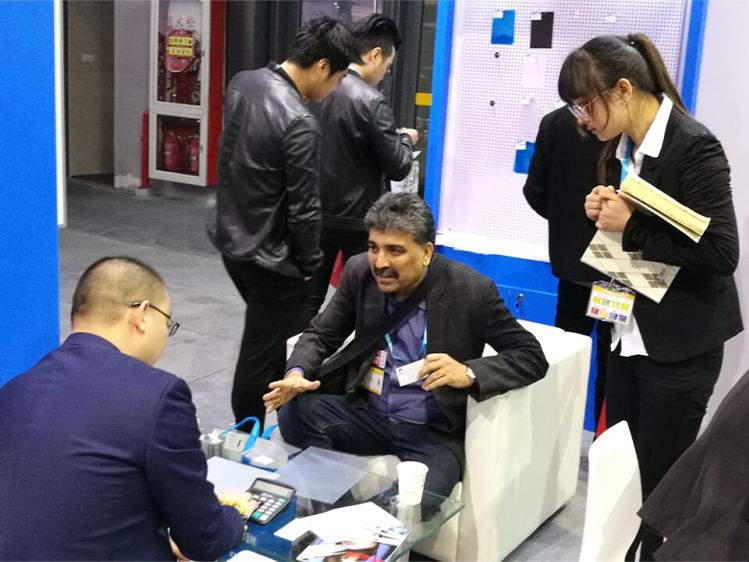
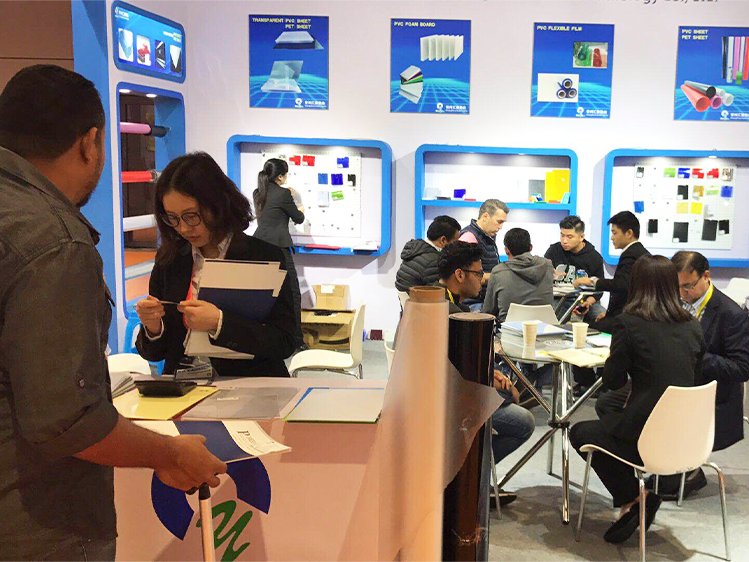
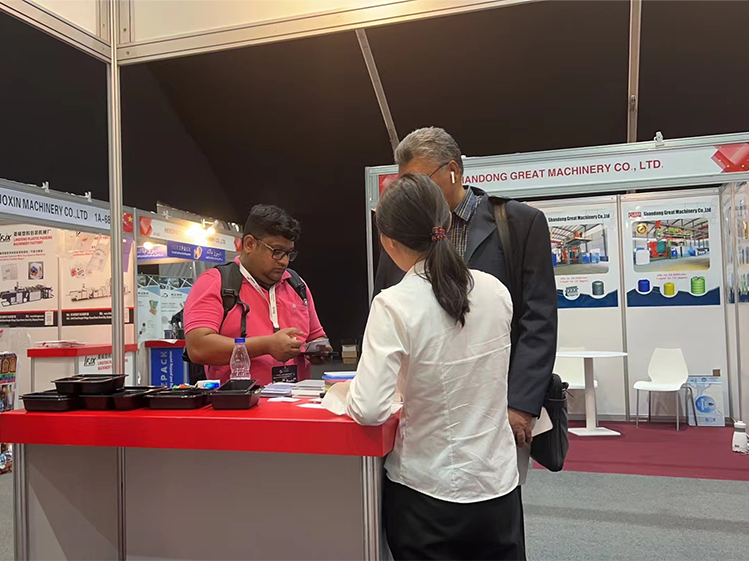
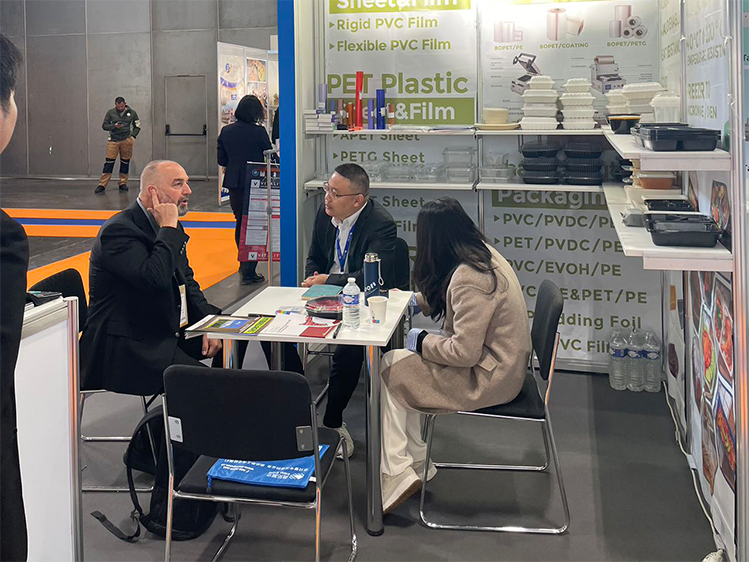
HSQY Global Exhibitions

2017 Shanghai Exhibition

2018 Shanghai Exhibition

2023 Saudi Exhibition

2023 American Exhibition

2024 Australian Exhibition

2024 American Exhibition

2024 Mexico Exhibition

2024 Paris Exhibition
Frequently Asked Questions About Clear APET Sheet
What is APET sheet?
APET is amorphous polyethylene terephthalate, a clear rigid PET material widely used for thermoforming, blister packaging, folding boxes, trays and transparent packaging components.
What thicknesses are available?
The detailed product range lists 0.1–3mm. Confirm exact availability, particularly at the minimum gauge, according to width and production specification.
What is the maximum width?
The listed maximum width is 1300mm.
What transparency does clear APET have?
The current specification lists transparency of at least 92% for clear material. Where optical performance is critical, confirm the applicable test method, thickness and haze requirement.
Can APET be thermoformed?
Yes. Thermoforming is one of the primary applications. Final performance should be validated using the intended machine, mold, forming depth and heating conditions.
Can APET be vacuum formed?
Yes. Suitable APET sheet and roll can be vacuum formed into trays, blisters, clamshells and other transparent components.
Does APET require pre-drying before thermoforming?
The requirement depends on the APET grade, moisture level, storage conditions and forming process. Follow the technical guidance for the supplied material and confirm performance on the intended line.
Can APET be used for blister packaging?
Yes. Blister packaging is one of the listed applications. Specify cavity dimensions, flange design, forming depth and sealing or backing-card method.
Can APET be used for folding boxes?
Yes. Clear folding boxes are a listed application. Cutting, scoring, folding, printing and fold appearance should be validated for the selected thickness.
Can APET be used for food trays?
Food trays are included among the listed applications. Request food-contact documentation applicable to the exact grade, food-contact conditions and destination market.
Is APET the same as PETG?
No. APET is amorphous PET, while PETG is glycol-modified PET with different forming, bending and bonding characteristics.
Is APET the same as CPET?
No. APET is generally clear and used for conventional transparent packaging, while CPET is crystallized PET used for applications requiring a different heat-performance profile.
What is GAG sheet?
GAG commonly refers to a PETG/APET/PETG layered sheet. It should be treated as a different construction from monolayer APET when forming or bonding performance is specified.
Can APET be printed?
APET can be evaluated for printing. Confirm the printing process, ink system, treated side, curing conditions and adhesion requirements before bulk production.
Can APET trays be heat sealed?
Seal performance depends on the APET surface, lidding film, coating or sealing layer and machine conditions. Provide the intended lidding system when reliable tray sealing is required.
Is APET recyclable?
APET is part of the PET material family and can be recycled where local systems accept the specific thermoformed PET packaging format. Acceptance varies by market and finished-package construction.
What surfaces are available?
Glossy, matte and frosted surfaces are listed.
Is food-contact documentation available?
Food-contact documentation is listed for the product range. Request current documentation applicable to the exact APET grade and intended destination market.
What is the MOQ?
The listed minimum order quantity is 1000kg.
Are samples available?
The product information lists A4 samples with freight collected from the buyer. Specify the required thickness and surface so the sample is relevant to the intended project.
What information should I provide for a quotation?
Provide the application, thickness, tolerance, roll or sheet format, width, roll core and diameter where applicable, surface, forming depth, printing or sealing requirements, quantity, required documentation and destination.
About HSQY Plastic Group
HSQY Plastic Group supplies APET sheets, PET films and related plastic materials to thermoformers, packaging converters, food packaging manufacturers, printers, distributors and other professional buyers.
For clear APET sheet and roll projects, provide the required thickness, width, roll or sheet format, forming process, surface, optical requirement, finished-package design, quantity and destination so the appropriate specification can be reviewed.


 Download APET Data Sheet