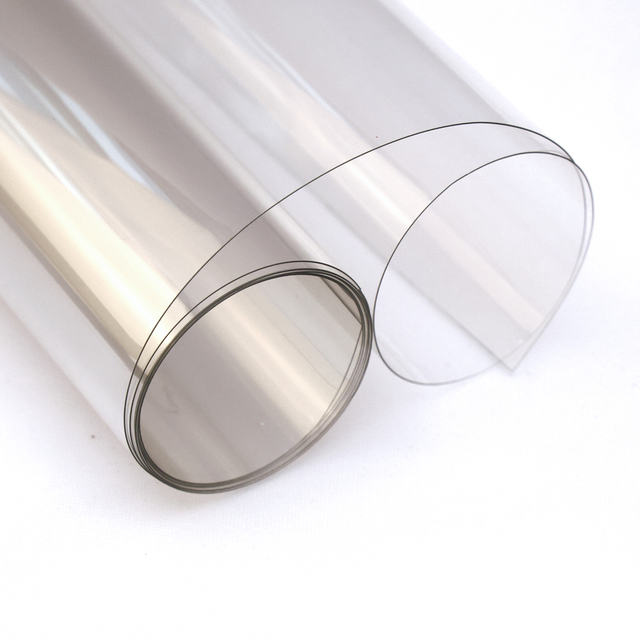
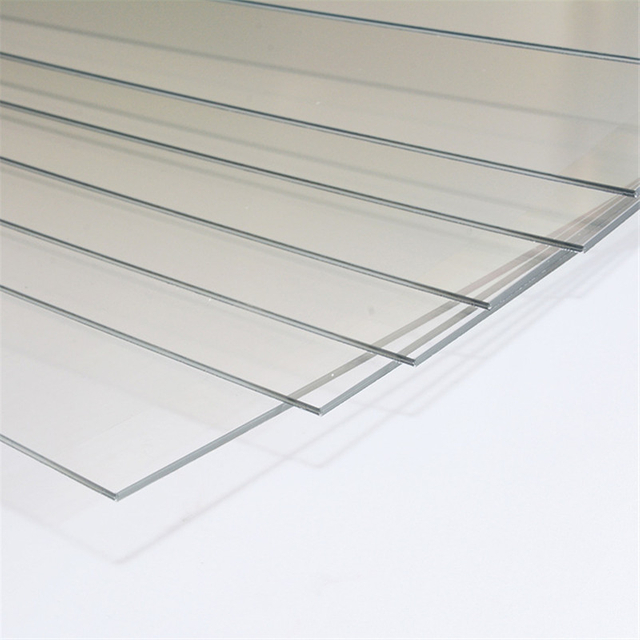
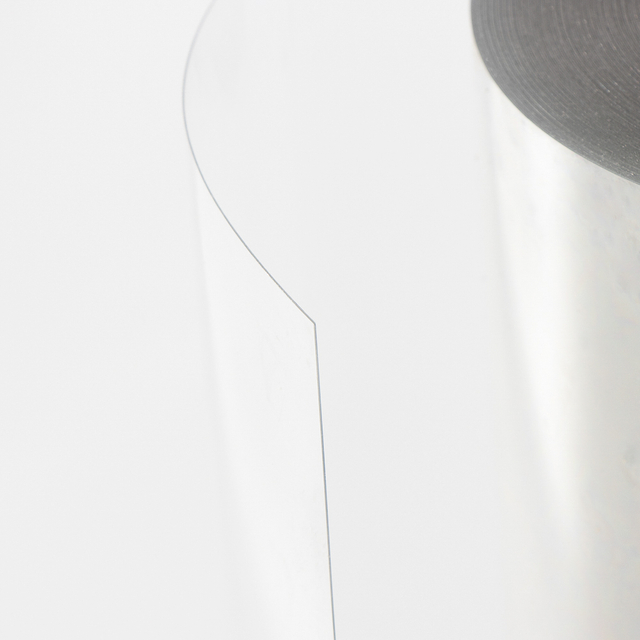
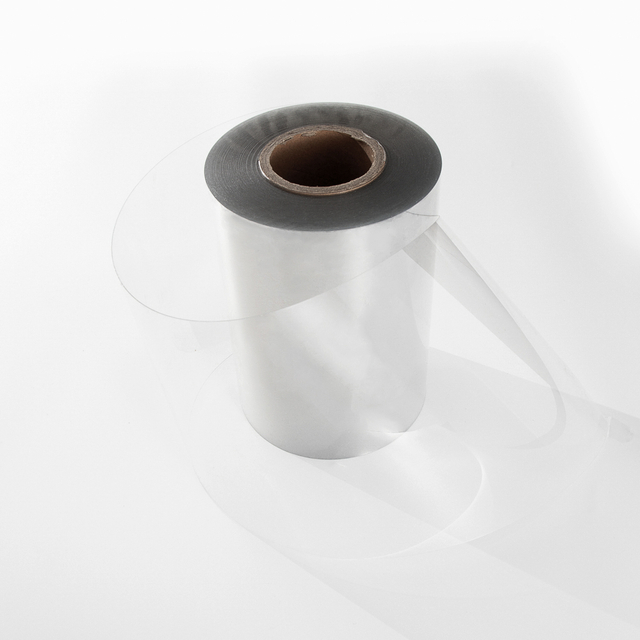
HSQY anti-fog APET sheet and roll is a clear rigid PET material for thermoforming, printing, blister packaging, folding boxes, binding covers and packaging applications where condensation may reduce product visibility.
The anti-fog function is particularly relevant to transparent packaging exposed to humidity or temperature changes, where small condensed water droplets can make the package appear cloudy and reduce visibility of the product inside.
The current range includes 0.1–3mm thicknesses, sheet sizes from 700 × 1000mm to 1220 × 2440mm, roll widths from 80mm to 1300mm, and glossy, matte or frosted surfaces. Buyers should specify the required anti-fog conditions, treatment side, forming process, printing process and finished application before bulk production.
Anti-Fog APET Sheet Overview Video
Anti-Fog APET Sheet Data Sheets
Anti-Fog APET Sheet Specifications
| Property |
Details |
| Product Name |
Anti-Fog APET Sheet & Roll |
| Material |
Amorphous Polyethylene Terephthalate (APET) |
| Sheet Sizes |
700 × 1000mm, 915 × 1830mm, 1000 × 2000mm, 1220 × 2440mm or Customized |
| Roll Width |
80–1300mm |
| Thickness |
0.1–3mm |
| Density |
1.35g/cm³ |
| Surface |
Glossy, Matte, Frosted |
| Color |
Transparent, Colored Transparent, Opaque Colors |
| Processing Route |
Extruded, Calendered as specified |
| Applications |
Printing, Vacuum Forming, Blister Packaging, Folding Boxes, Binding Covers |
| Listed Documentation |
SGS, RoHS; request current documentation applicable to the exact grade |
| MOQ |
1000kg |
| Payment Terms |
T/T, L/C, Western Union, PayPal |
| Delivery Terms |
EXW, FOB, CNF, DDU |
| Listed Lead Time |
10–14 Days, depending on order specification and volume |
What Is Anti-Fog APET Sheet?
Anti-fog APET is an amorphous PET sheet designed for transparent applications where condensation may interfere with visibility through the finished package or component.
When moisture condenses on an untreated transparent surface, many small droplets can scatter light and create a cloudy appearance. An anti-fog surface is intended to reduce this visible fogging effect under defined temperature and humidity conditions.
Anti-fog performance should be evaluated using the actual packaging environment because effectiveness can depend on the treatment type, treated side, food moisture, temperature cycle, storage duration and cleaning or handling conditions.
Anti-Fog APET vs. Standard Clear APET
| Selection Factor |
Anti-Fog APET |
Standard Clear APET |
| Primary Function |
Helps maintain visibility where condensation is expected |
General clear packaging, forming and converting |
| Typical Environment |
Humid, refrigerated or temperature-changing applications |
Applications without a defined anti-fog requirement |
| Specification Requirement |
Anti-fog side, test conditions and required duration should be defined |
Thickness, optics, surface and converting requirements should be defined |
| Validation |
Test under actual humidity, temperature and package conditions |
Test forming, optics, printing and finished-package performance |
Anti-Fog APET for Refrigerated Food Packaging
Anti-fog PET is particularly relevant to transparent food packaging where a warm or moisture-rich product is exposed to refrigerated storage or changing temperatures.
Potential applications can include produce packs, bakery packaging, chilled-food containers, salad packaging and other transparent packages where condensation on the inside surface could reduce product visibility.
For food applications, buyers should provide the food type, filling temperature, storage temperature, humidity, required shelf period and destination market so the appropriate material and documentation can be reviewed.
Anti-Fog APET for Thermoforming
Anti-fog APET can be evaluated for thermoformed trays, blisters and other transparent formed packaging. The anti-fog requirement should be considered together with sheet thickness, forming depth and finished wall distribution.
Thermoforming can stretch the sheet surface and alter local thickness. Buyers should test the anti-fog function after forming rather than evaluating only the flat starting sheet.
For a production trial, provide mold dimensions, draw depth, corner radii, forming temperature, cycle conditions and target finished wall thickness.
Anti-Fog APET for Vacuum Forming
Vacuum forming is included among the current product applications. Suitable APET sheet can be heated and drawn against a mold to produce transparent trays, blisters and packaging components.
The finished anti-fog effect should be validated after vacuum forming because heat, stretching and downstream handling can influence the functional surface.
APET Sheet for Printing
Printing is one of the listed applications for this APET sheet. Transparent or colored PET can be converted into printed packaging, folding boxes, covers, graphics and display components.
Printing compatibility depends on the surface, treatment, ink chemistry, curing process and whether the anti-fog function is located on the same side that will be printed.
Where printing and anti-fog performance are both required, specify the print side and functional side separately and test ink adhesion together with anti-fog performance on the finished construction.
Printing Surface Requirements
PET printing performance should not be specified only by the word “printable.” Different inks and printing technologies can require different surface conditions.
Buyers should provide the printing method, ink system, treated side and adhesion requirement. Surface treatment or a compatible primer may be required for some printing processes.
Production samples should be tested on the actual printing equipment before bulk manufacture where adhesion, color density or post-forming appearance is critical.
Anti-Fog APET for Blister Packaging
Blister packaging is included among the listed uses for this product. APET can provide a transparent formed cavity for displaying the packaged item while maintaining useful sheet rigidity.
For anti-fog blister applications, specify whether moisture or condensation is expected inside or outside the package and identify the surface on which anti-fog performance is required.
APET for Folding Boxes
Clear and colored APET can be converted into folding boxes, sleeves, windows and retail packaging using suitable cutting, scoring, folding and printing processes.
Folding-box projects should define thickness, score geometry, fold direction, printing, bonding method, surface finish and acceptable fold appearance.
APET for Binding Covers
Binding covers are another listed application for this APET sheet range. Transparent, colored transparent or opaque PET can be evaluated where document protection, visual appearance and sheet rigidity are required.
For binding applications, confirm sheet thickness, surface finish, punching method, scratch expectations and any printing requirements.
Anti-Fog, Anti-Scratch, Anti-Static and UV Requirements
Anti-fog, anti-scratch, anti-static and UV-stabilized properties describe different functions and should not automatically be assumed to be present at the same performance level in every APET grade.
| Functional Requirement |
What Should Be Confirmed |
| Anti-Fog |
Treatment side, temperature, humidity, duration and applicable anti-fog test conditions |
| Anti-Scratch |
Required surface hardness or scratch-test method and acceptance criterion |
| Anti-Static |
Required surface-resistance range and measurement conditions |
| UV Stabilization |
Exposure environment, expected duration and required color or clarity retention |
| Flame Behavior |
Applicable test standard and required classification for the exact grade |
Where one or more of these functions are mandatory, include measurable requirements in the purchasing specification and request applicable documentation for the quoted material.
Is Anti-Fog Performance Permanent?
The current product information does not define a permanent anti-fog lifetime or a specific anti-fog test duration for this grade.
Actual durability can depend on the anti-fog technology, surface abrasion, washing, handling, storage conditions, temperature cycle and exposure period.
For long-duration or repeat-use applications, define the required test method and performance period and validate production samples under the actual use conditions.
Single-Side or Double-Side Anti-Fog Requirements
The current specification does not define whether this particular product is treated on one side or both sides.
Buyers should identify where condensation will occur and specify whether the required functional surface is the inner side, outer side or both sides. Availability should be confirmed with the exact quoted grade.
Glossy, Matte and Frosted APET Surfaces
| Surface |
General Application Direction |
| Glossy |
Transparent packaging and printed products where a clear, higher-gloss appearance is required |
| Matte |
Applications requiring reduced reflected glare or a lower-gloss appearance |
| Frosted |
Packaging, covers and visual products requiring increased haze or partially obscured visibility |
Transparent, Tinted and Opaque APET Options
The current product specification lists transparent, colored transparent and opaque color options.
For repeat color projects, provide an approved physical sample or agreed color reference and define any transmission, haze or opacity requirement where appearance is controlled.
Choosing Sheet or Roll Format
| Format |
Typical Production Direction |
Information to Confirm |
| APET Roll |
Continuous thermoforming, high-volume packaging and roll-fed converting |
Width, core ID, roll OD, roll weight, winding direction and functional side |
| APET Sheet |
Printing, folding boxes, binding covers, cut-sheet forming and fabrication |
Length, width, squareness, flatness, protective surface and pallet quantity |
Available Sheet Sizes
The current product range lists 700 × 1000mm, 915 × 1830mm, 1000 × 2000mm and 1220 × 2440mm sheets, with customized sizes also listed.
For printing or automatic sheet feeding, specify dimensional tolerance, squareness, flatness and allowable edge condition in addition to nominal length and width.
80–1300mm APET Roll Width
The listed roll-width range is 80–1300mm, allowing material to be configured for different thermoforming, printing and converting lines.
For roll orders, buyers should also provide core inside diameter, maximum roll outside diameter, maximum roll weight and required winding orientation where these parameters affect line loading and web handling.
0.1–3mm APET Thickness Selection
| Thickness Direction |
General Application Direction |
Selection Consideration |
| Thin Gauge |
Folding boxes, covers, shallow blisters and lightweight converted products |
Rigidity, folding, printing and handling |
| Medium Gauge |
Thermoformed trays, blisters and general packaging components |
Draw depth, wall distribution and package rigidity |
| Thicker Sheet |
Rigid covers, formed components and applications requiring greater starting-sheet stiffness |
Heating capacity, forming cycle and finished weight |
The listed overall range is 0.1–3mm. Final gauge should be selected according to finished product geometry, forming depth and required stiffness rather than application name alone.
Food-Contact Requirements
Food packaging is included in the current product description, but food-contact suitability should be confirmed for the exact APET grade and finished packaging conditions.
Buyers should provide food type, direct or indirect contact, filling temperature, storage temperature, storage duration and destination market and request current supporting documentation before commercial use.
Chemical Exposure
The source information lists chemical stability among the characteristics of this product family.
Chemical compatibility should still be checked against the exact substance, concentration, temperature and contact duration. A general PET description should not be used as confirmation for all chemicals or cleaning agents.
Application Images

APET Sheet for Printing and Folding Box

APET Sheet for Vacuum Forming

Thermoformed APET Application
How to Specify Anti-Fog APET Sheet & Roll
| RFQ Item |
Information to Provide |
| Finished Application |
Tray, blister, folding box, binding cover, printed component or other product |
| Thickness |
Required nominal thickness within the listed 0.1–3mm range |
| Thickness Tolerance |
Required minimum and maximum tolerance where critical |
| Supply Format |
Roll or cut sheet |
| Sheet Size |
700 × 1000mm, 915 × 1830mm, 1000 × 2000mm, 1220 × 2440mm or required custom size |
| Roll Width |
Required width within the listed 80–1300mm range |
| Roll Core |
Required core inside diameter for roll-fed equipment |
| Roll Diameter / Weight |
Maximum roll OD or roll weight accepted by the production line |
| Color |
Transparent, colored transparent or opaque color |
| Surface |
Glossy, matte or frosted |
| Anti-Fog Side |
Specify the side exposed to expected condensation and whether one-side or two-side performance is required |
| Anti-Fog Conditions |
Temperature, humidity, storage duration and required test conditions |
| Thermoforming |
Machine type, mold dimensions, draw depth, corner radius and target wall thickness |
| Printing |
Printing method, ink chemistry, print side and adhesion requirement |
| Other Functional Requirements |
Specify anti-scratch, anti-static, UV stabilization or another required property separately |
| Food Contact |
Food type, temperature conditions and required destination-market documentation |
| Quantity |
Required quantity; current listed MOQ is 1000kg |
| Destination |
Destination country or port |
Packaging Images

Packaging for APET Sheet

Pallet Packaging for APET Sheet

Export Packaging for APET Sheet
Packaging and Delivery Options
| Item |
Current Listed Information |
| Sample Packaging |
A4-size rigid PET sheets in PP bags and boxes |
| Sheet Packaging |
30kg per bag or as required |
| Pallet Packaging |
500–2000kg per plywood pallet |
| Container Loading |
20 tons listed as a standard reference; actual loading depends on dimensions and packing |
| Delivery Terms |
EXW, FOB, CNF, DDU |
| Listed Lead Time |
10–14 Days, depending on specification and order volume |
Certification and Documentation
The current product page lists SGS and RoHS documentation. Buyers should request current copies and confirm the issuing organization, validity, scope and applicability to the exact anti-fog APET grade being purchased.
Where food contact, anti-static performance, UV stability, flame behavior or another functional requirement is important, request documentation applicable to that specific requirement rather than relying on a general material certificate.

HSQY Certification Information
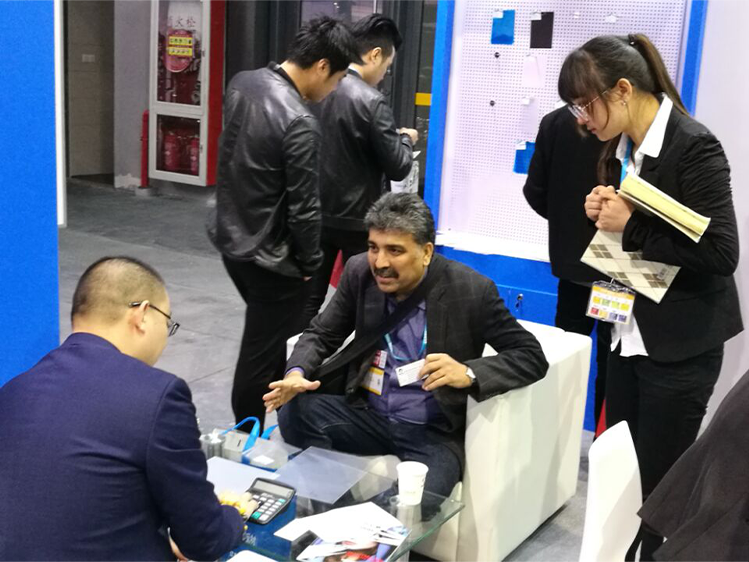
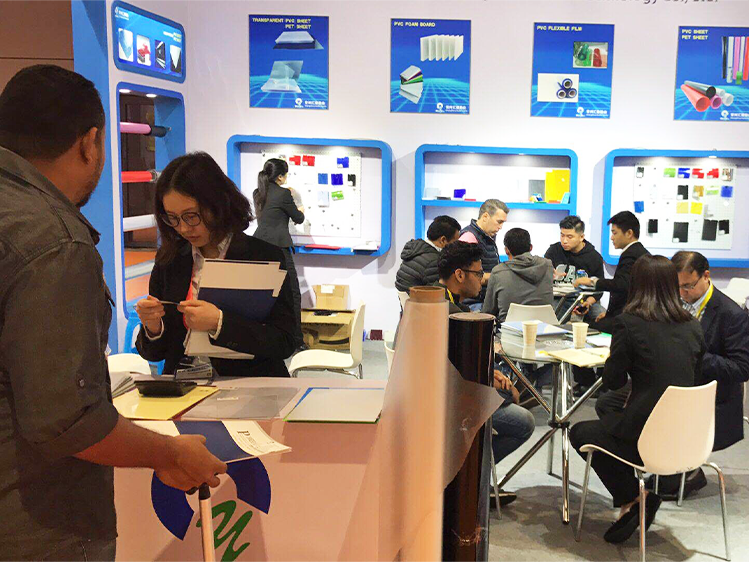
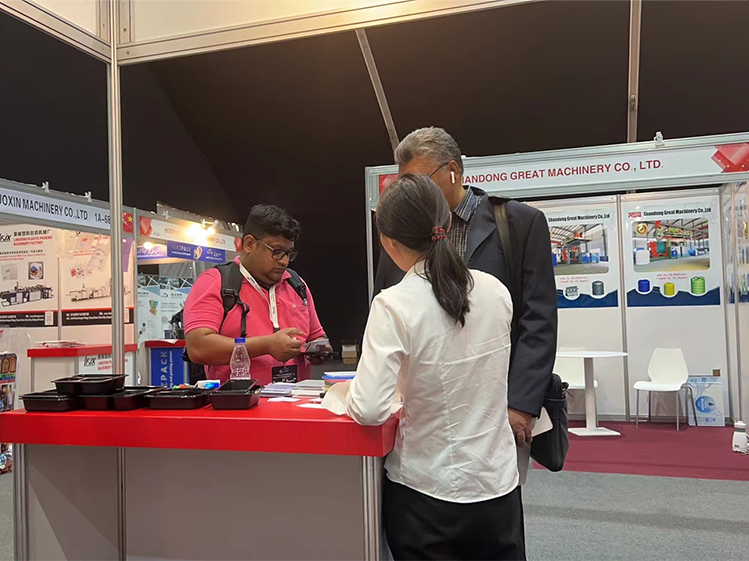
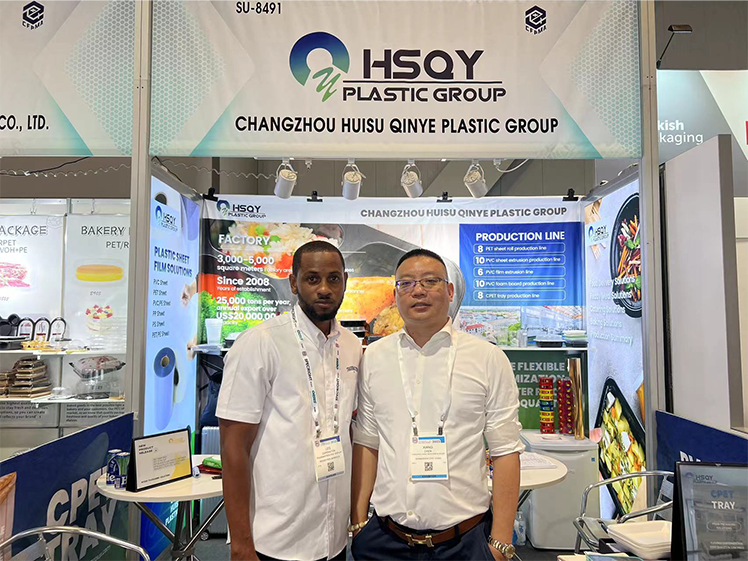
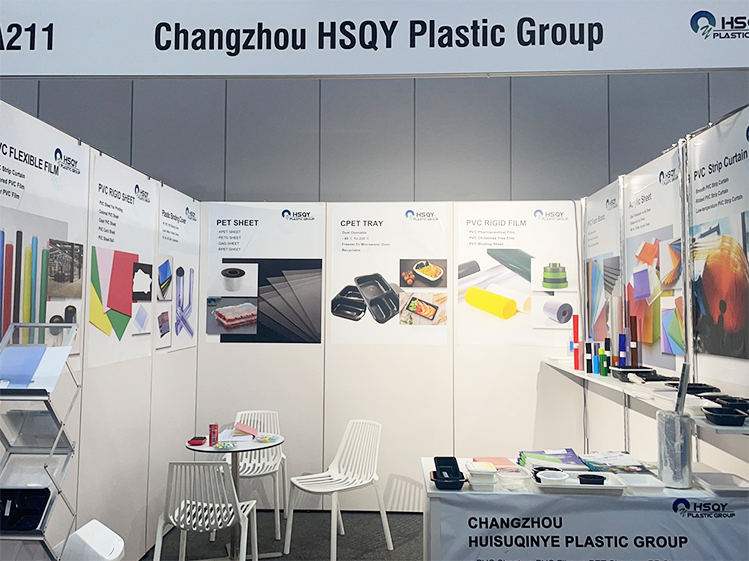
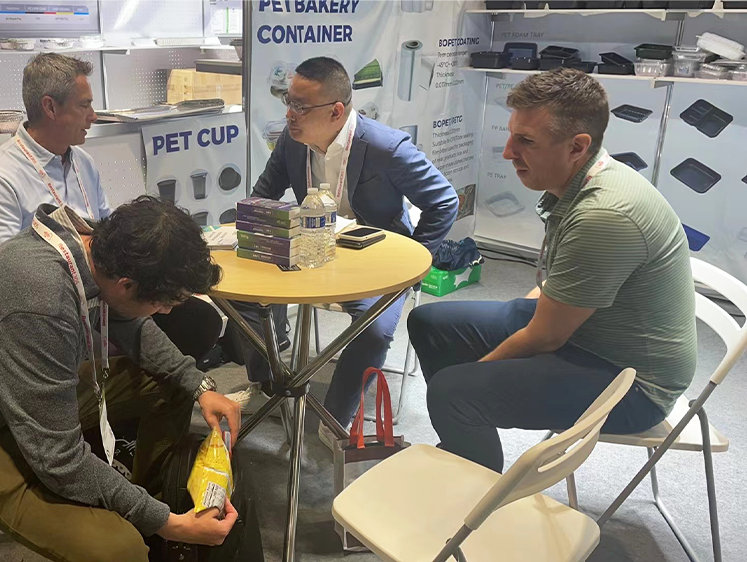
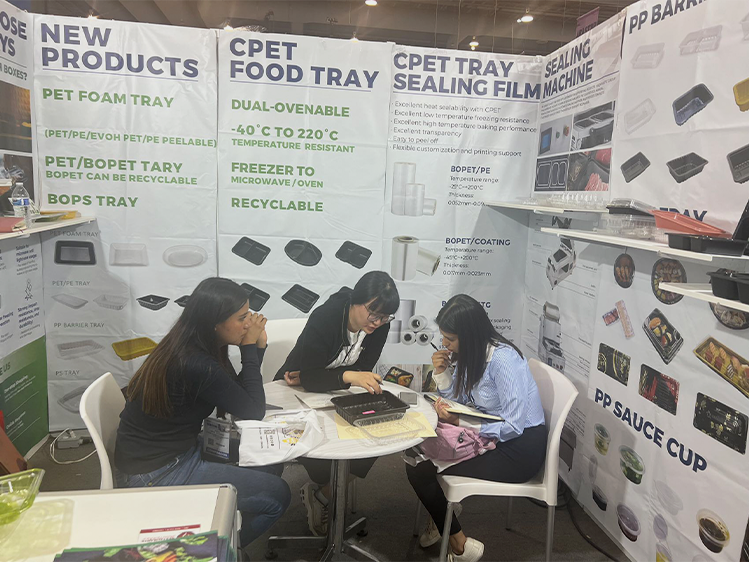
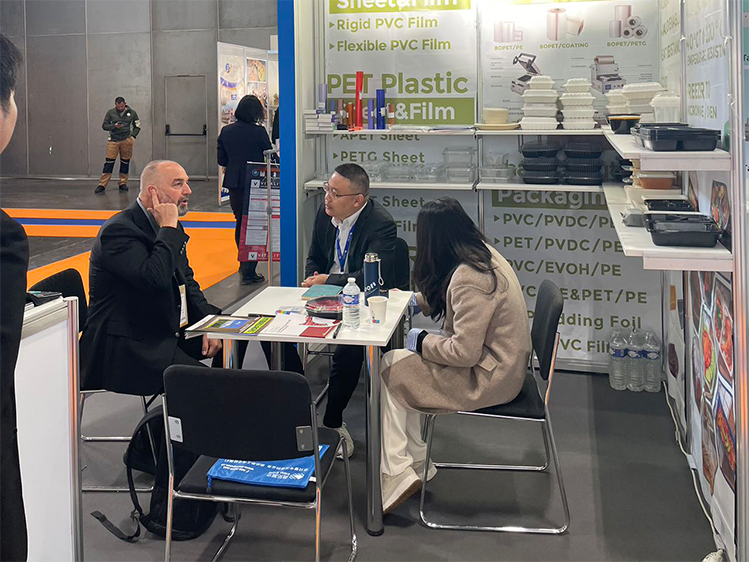
HSQY Global Exhibitions

2017 Shanghai Exhibition

2018 Shanghai Exhibition

2023 Saudi Exhibition

2023 American Exhibition

2024 Australian Exhibition

2024 American Exhibition

2024 Mexico Exhibition

2024 Paris Exhibition
Frequently Asked Questions About Anti-Fog APET Sheet
What is anti-fog APET sheet?
Anti-fog APET is a clear amorphous PET material intended for applications where condensation could reduce visibility through a transparent package or component.
How does anti-fog PET help maintain visibility?
Anti-fog treatment is intended to reduce the formation of many small visible water droplets that scatter light and create a cloudy appearance on a transparent surface.
Is anti-fog performance permanent?
The current specification does not define a permanent lifetime. Performance can vary with treatment type, temperature, humidity, storage duration, cleaning, abrasion and handling conditions.
Is this APET anti-fog on one side or both sides?
The current specification does not define the treatment side. Buyers should specify whether anti-fog performance is required on one side or both sides and confirm availability for the quoted grade.
What thicknesses are available?
The current product specification lists thicknesses from 0.1mm to 3mm.
What roll widths are available?
The current roll-width range is 80mm to 1300mm.
What sheet sizes are available?
Listed sheet sizes include 700 × 1000mm, 915 × 1830mm, 1000 × 2000mm and 1220 × 2440mm, with customized sizes also listed.
Can anti-fog APET be thermoformed?
Yes. Thermoforming and vacuum forming are listed applications. The material should be tested with the intended machine, mold and anti-fog conditions before production approval.
Should anti-fog performance be tested after thermoforming?
Yes. Forming heat and stretching can affect the finished surface, so anti-fog performance should be evaluated on the formed package under the intended use conditions.
Can anti-fog APET be printed?
Printing is one of the listed applications. Specify the printing process, ink, print side and anti-fog side and validate ink adhesion and functional performance before bulk production.
Can anti-fog APET be used for folding boxes?
Yes. Folding boxes are listed among the applications. Cutting, scoring, folding, printing and bonding should be tested using the selected thickness and surface.
Can anti-fog APET be used for blister packaging?
Yes. Blister packaging is a listed application. Buyers should define cavity geometry, forming depth, flange design and where condensation is expected.
Can this material be used for food packaging?
Food packaging is included in the current product description. Request current food-contact documentation applicable to the exact grade, food-contact conditions and destination market before commercial use.
Is anti-fog APET also anti-static?
Anti-fog and anti-static are different functions. If anti-static performance is required, specify the target surface-resistance range and confirm it for the exact material grade.
Is this APET UV stabilized?
UV stabilization is listed among the current product-family properties. If UV performance is required, specify the exposure conditions and request documentation for the exact grade.
Is the material flame retardant?
The current source mentions self-extinguishing behavior but does not provide a test standard or classification. If flame performance is required, request an applicable report for the exact grade.
What colors are available?
Transparent, colored transparent and opaque colors are listed.
What surfaces are available?
Glossy, matte and frosted surfaces are listed.
What is the density?
The current specification lists a density of 1.35g/cm³.
What is the MOQ?
The current listed minimum order quantity is 1000kg.
Are samples available?
The current product information lists free stock samples with courier freight paid by the buyer. Confirm thickness, surface and functional requirements when requesting a sample.
What is the listed lead time?
The current page lists approximately 10–14 days depending on specification and order volume. Confirm the current production schedule with the quotation.
What information should I provide for a quotation?
Provide the application, thickness, sheet size or roll width, surface, color, anti-fog side, temperature and humidity conditions, printing or thermoforming process, quantity, documentation requirements and destination.
About HSQY Plastic Group
HSQY Plastic Group supplies APET sheets, PET films and related plastic materials to thermoformers, printers, packaging converters, distributors and industrial buyers.
For anti-fog APET projects, provide the required thickness, sheet or roll dimensions, anti-fog conditions, surface, printing or forming process, quantity and destination so the appropriate material specification can be reviewed.


 Download PET Data Sheet