Matte PET Film and Sheet Product Video
Watch the video below to learn more about HSQY matte PET film and sheet products for printing, folding boxes, stationery, vacuum forming, thermoforming and industrial converting applications.
What Is Matte PET Film and Sheet?
Matte PET film and sheet are polyester materials with a low-gloss, frosted or finely textured surface. Compared with glossy transparent PET, the matte surface reduces visible reflections, produces a softer appearance and can make fingerprints or minor handling marks less noticeable.
HSQY supplies thick-gauge matte PET material in sheet and roll form, with thicknesses from 0.18 mm to 1.2 mm. This product range is primarily designed for printing, folding boxes, binding covers, stationery, display components, vacuum forming and thermoforming rather than ultrathin flexible-packaging film applications.
The material can be customized by thickness, sheet size, roll width, surface appearance, transparency, color and packaging method. Printing treatment, protective film and other functional requirements should be confirmed according to the final application.
Matte level, haze, transparency, stiffness and forming performance can vary by formulation and production process. Buyers should approve a physical sample before mass production when the visual finish or converting performance is critical.
Download PET Data Sheet ![PET data sheet PDF icon]() Download PET Resin SGS Report
Download PET Resin SGS Report ![PET resin SGS report PDF icon]()
Request Matte PET Pricing Request a PET Sample
Matte PET Sheet Product Images

Matte PET Sheet

Matt Polyester Sheet
Matte PET Film and Sheet Specifications
| Property |
Available Specification |
| Product Name |
Matte PET Film, Matte PET Sheet and Matt Polyester Sheet |
| Material |
Polyethylene Terephthalate (PET) |
| Product Type |
Thick-gauge PET sheet or roll |
| Thickness |
0.18 mm-1.2 mm |
| Standard Sheet Sizes |
610 × 610 mm, 700 × 1000 mm, 915 × 1220 mm, 915 × 1830 mm and 1220 × 2440 mm |
| Custom Sheet Sizes |
Available according to thickness, cutting tolerance, order quantity and production feasibility |
| Roll Width |
110 mm-1280 mm |
| Density |
Approximately 1.35 g/cm³; final value depends on the specific formulation |
| Supply Form |
Flat sheets, cut sheets, rolls and slit rolls |
| Surface Finish |
Matte, frosted or low-gloss surface |
| Surface Configuration |
Single-side matte, double-side matte or customized surface combination, subject to confirmation |
| Appearance |
Transparent, translucent, low-gloss or customized color |
| Processing |
Printing, die cutting, scoring, folding, vacuum forming, thermoforming, laminating and slitting |
| Printing Treatment |
Printing-compatible or surface-treated options should be confirmed according to ink and printing process |
| Protective Film |
Available for selected specifications when additional scratch protection is required |
| Available Documentation |
PET data sheet, SGS resin report and applicable quality-management documentation |
| Minimum Order Quantity |
1000 kg |
| Sample |
A4 sheets or limited-size samples available; freight is normally collected |
| Payment Terms |
30% deposit and 70% balance before shipment |
| Delivery Terms |
FOB, CIF and EXW |
| Typical Production Time |
Approximately 7-15 days after deposit and specification approval |
Final thickness tolerance, dimensional tolerance, matte level, haze, transparency and processing performance should be confirmed through an approved sample or purchase specification.
Requirements involving food contact, electrical insulation, medical use, heat resistance, flame performance, antistatic properties or specific chemical restrictions must be stated before production.
Key Benefits of Matte PET Sheet
Low-Gloss Matte Appearance
The matte surface reduces visible reflections and creates a softer, more understated appearance than glossy PET. This makes the material suitable for premium packaging, stationery, printed covers and display components.
Good Dimensional Stability
PET provides practical stiffness and dimensional stability for cutting, printing, folding and fabricated plastic components. Performance depends on thickness, production direction, temperature and converting conditions.
Reduced Fingerprint Visibility
Fingerprints, minor handling marks and small surface imperfections are generally less visible on a textured matte surface than on highly polished transparent PET.
Printing and Decoration Options
Properly prepared PET surfaces can support screen printing, UV printing, offset printing, foil decoration, labeling and other graphic processes. Ink adhesion must be tested with the selected surface and curing system.
Die-Cutting and Folding Performance
Suitable PET grades can be die cut, scored and folded into packaging windows, covers, sleeves, dividers and folding-box components. Tooling, material direction and folding radius should be validated before production.
Vacuum-Forming and Thermoforming Capability
Appropriate matte PET sheet grades can be heated and formed into trays, covers and shaped packaging components. Forming can change the original surface texture, haze and thickness distribution, so production trials are required.
Moisture and Chemical Resistance
PET does not readily absorb surface moisture and provides resistance to many commonly encountered substances. Compatibility with specific oils, solvents, cleaners or chemicals must be tested for the intended exposure conditions.
Electrical Insulation Potential
PET is used in selected electrical and insulation applications, but electrical performance varies by grade, thickness, temperature and test standard. A dedicated electrical-grade material should be specified when certified insulation performance is required.
Custom Sheet and Roll Supply
HSQY can supply standard sheets, customized cut sheets, full-width rolls or slit rolls to match printing presses, forming lines, die-cutting equipment and material-utilization requirements.
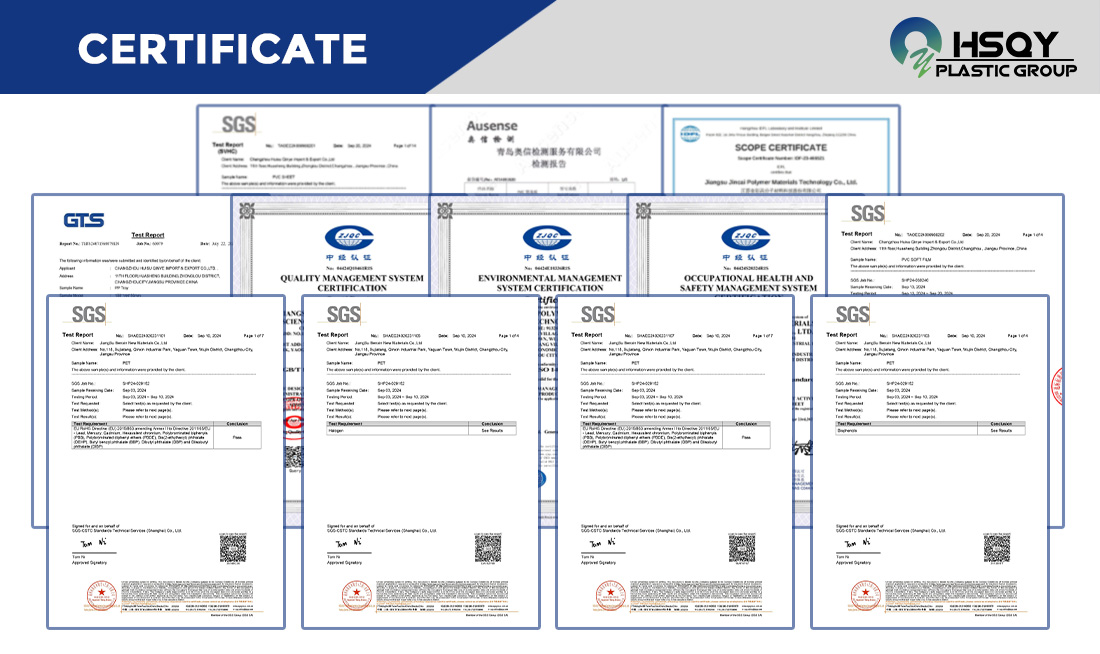
![HSQY PET material certificates and test documents]()
Matte PET Sheet vs. Thin Matte BOPET Film
Matte PET sheet and thin matte BOPET film are both polyester products, but they serve different manufacturing processes. Selecting the correct product requires more than matching the phrase “matte PET film.”
| Comparison |
HSQY Thick-Gauge Matte PET Sheet |
Thin Matte BOPET Film |
| Typical Thickness |
0.18 mm-1.2 mm |
Usually specified in microns for thin flexible-film applications |
| Structural Behavior |
Semi-rigid or rigid sheet behavior |
Thin and flexible film behavior |
| Common Processing |
Sheet printing, die cutting, folding, vacuum forming and thermoforming |
Web printing, coating, lamination, metallizing, heat transfer and hot stamping |
| Typical Applications |
Folding boxes, stationery, printed covers, trays and rigid packaging components |
Labels, flexible packaging, laminates, stamping carriers and transfer-printing films |
| Supply Description |
Sheet, cut sheet, thick roll or slit roll |
Flexible jumbo roll or narrow web roll |
Buyers seeking a thin BOPET substrate for flexible packaging, hot stamping or high-speed web lamination should provide the required micron thickness, treatment, roll diameter and coating requirements. This HSQY page primarily covers thick-gauge matte PET sheet and roll material.
Matte PET vs. Glossy PET Sheet
| Comparison |
Matte PET Sheet |
Glossy PET Sheet |
| Surface Appearance |
Low gloss, frosted or textured |
Smooth, polished and reflective |
| Reflection |
Reduced visible glare |
Higher reflected highlights |
| Transparency |
Diffused or semi-transparent appearance |
Clearer direct product visibility |
| Fingerprints |
Generally less noticeable |
Generally more noticeable |
| Typical Uses |
Premium matte packaging, covers, stationery, printed panels and diffused displays |
Clear boxes, display windows, blister packaging and high-clarity product presentation |
Applications of Matte PET Film and Sheet
Folding Boxes and Retail Packaging
Matte PET sheet can be die cut, scored and folded into translucent boxes, sleeves, packaging windows and decorative retail packaging. Thickness and crease design should be selected according to box dimensions and product weight.
Printing and Graphic Panels
Printing-compatible grades can be used for screen-printed panels, UV-printed components, offset-printed packaging, labels, promotional displays and branded plastic covers.
Stationery and Binding Covers
Typical stationery uses include notebook covers, binding covers, document dividers, folders, menu covers, craft sheets and protective printed covers.
Vacuum-Formed and Thermoformed Packaging
Suitable grades can be formed into packaging trays, protective covers, garment packaging, retail inserts and other three-dimensional plastic parts.
Decorative and Display Components
Matte PET can be used for point-of-purchase panels, product displays, translucent inserts, signs and decorative components where a subdued surface is preferred.
Industrial and Electrical Components
Selected PET grades may be used for separators, overlays, protective sheets and insulation components. Electrical or industrial performance must be verified against the required technical standard.
Explore more PET sheet products for packaging, printing and thermoforming applications.

Matte PET Sheet for Stationery

Matte PET Sheet for Folding Boxes
How to Choose Matte PET Sheet Thickness
The correct thickness depends on the finished part dimensions, required stiffness, product weight, folding method, printing equipment and forming depth.
| Thickness Direction |
General Characteristics |
Typical Applications |
| Approximately 0.18-0.30 mm |
Thin, lightweight and relatively flexible |
Binding covers, dividers, overlays, small packaging windows and lightweight folding parts |
| Approximately 0.30-0.50 mm |
Balance of stiffness and folding performance |
Stationery, retail packaging, folding boxes, printed panels and shallow forming |
| Approximately 0.50-0.80 mm |
Greater rigidity and dimensional support |
Larger boxes, shaped covers, trays, display panels and medium-depth forming |
| Approximately 0.80-1.20 mm |
High stiffness with greater forming and creasing requirements |
Rigid components, protective covers, large panels and heavier thermoformed parts |
These thickness ranges are general selection directions rather than fixed engineering specifications. A sample should be tested with the actual tooling, equipment and finished design.
Printing and Converting Guidelines
Screen, UV and Offset Printing
Printing adhesion depends on the PET surface, ink chemistry, surface treatment, curing temperature and storage conditions. Untreated material should not automatically be assumed to accept every ink system.
Die Cutting and Slitting
Blade condition, cutting pressure, sheet temperature, thickness and production direction affect edge quality. Trial cutting should check cracking, burrs, dimensional tolerance and surface damage.
Scoring and Folding
Score width, crease depth, folding radius and sheet direction affect fold whitening and spring-back. Thicker PET requires more careful tooling and machine adjustment.
Vacuum Forming and Thermoforming
Material heating, mold temperature, draw ratio, cooling and demolding conditions affect formed thickness and surface appearance. The matte finish may become more or less visible after stretching.
Gluing and Lamination
Adhesives, tapes and laminating films must be tested for compatibility with PET and the matte surface. Bond strength, visual appearance and long-term aging should be checked before bulk production.
Recommended Sample and Quality Checks
Thickness and dimensional tolerance.
Matte level, surface texture, haze and transparency.
Single-side or double-side matte appearance.
Color consistency and batch-to-batch appearance.
Stiffness, flexibility and spring-back.
Printing adhesion and curing performance.
Die-cutting, slitting and edge quality.
Folding, scoring and crease-whitening behavior.
Thermoforming depth and matte-surface retention.
Adhesive, lamination and protective-film compatibility.
Required food-contact, electrical or restricted-substance documentation.
Custom Matte PET Sheet Options
Customized thickness from 0.18 mm to 1.2 mm.
Standard sheets, custom cut sheets, rolls and slit rolls.
Matte, frosted, low-gloss or customized surface appearance.
Single-side matte, double-side matte or mixed surface configuration.
Transparent, translucent and customized colors.
Printing-compatible surface treatment, subject to ink testing.
Protective film for scratch-sensitive processing.
Custom roll width, sheet dimensions and cutting tolerance.
Customized export packaging and pallet requirements.
Information Required for a Matte PET Quote
Required thickness and tolerance.
Sheet size, roll width, roll length or required roll weight.
Single-side or double-side matte surface.
Required transparency, haze, gloss level and color.
Printing, folding, die-cutting or thermoforming process.
Protective-film or surface-treatment requirements.
Finished product and operating environment.
Trial quantity, bulk quantity and annual demand.
Required certificates, regulations or test standards.
Destination port, trade term and required delivery date.
Send Your Matte PET Requirements
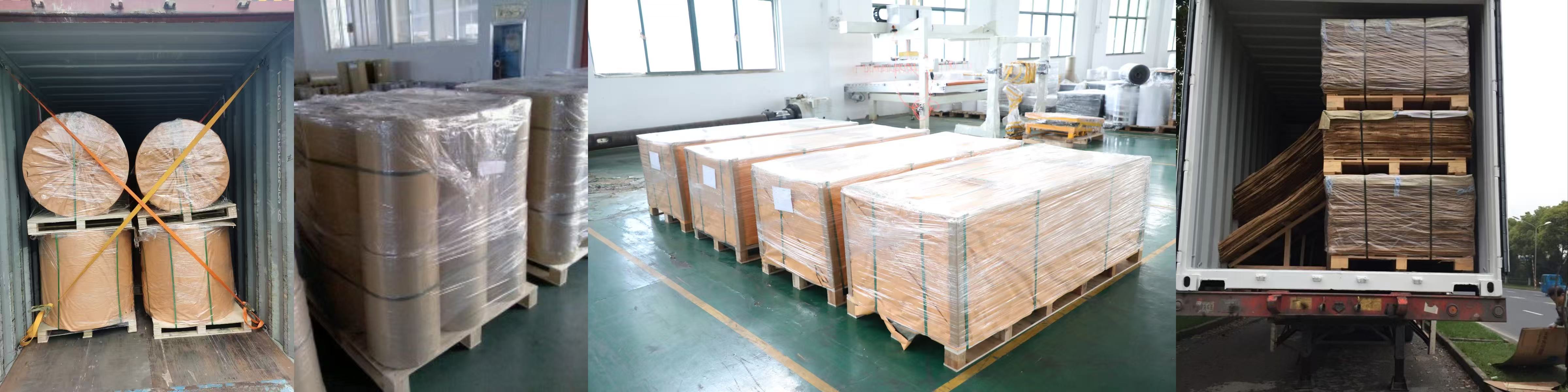
Packaging and Delivery
Sample packaging: A4 sheets or small rolls packed in protective bags and cartons.
Sheet packaging: Approximately 30 kg per package, or customized according to sheet dimensions and customer requirements.
Roll packaging: Approximately 50 kg per roll, or customized according to width, thickness and production requirements.
Surface protection: Protective film, PE wrapping, kraft paper or interlayer protection can be discussed for scratch-sensitive products.
Pallet packaging: Approximately 500-2000 kg per plywood pallet, depending on product dimensions and loading requirements.
Container loading: Approximately 20 tons, subject to packaging, product dimensions and destination weight restrictions.
Delivery terms: FOB, CIF and EXW are available.
Typical lead time: Approximately 7-15 days after deposit and specification approval, depending on quantity and customization.
Final production time begins after the specification, sample, packaging and payment terms are confirmed. International shipping time is not included in the manufacturing lead time.
![HSQY matte PET sheet and roll export packaging]()
Quality and Compliance Considerations
Available documents may include a PET technical data sheet, PET resin SGS report and applicable quality-management documentation. Buyers should confirm which report applies to the exact product, thickness, color, surface and production batch.
PET should not automatically be described as biodegradable. Recycling compatibility depends on the PET grade, additives, surface treatment, labels, adhesives, finished structure and the collection system available in the destination market.
Standard matte PET sheet should not automatically be assumed to comply with direct food-contact, pharmaceutical, medical or electrical-insulation regulations. The intended use and applicable standard must be provided before ordering.
Why Choose HSQY as Your Matte PET Supplier?
HSQY Plastic Group supplies PET, PVC, PP and other plastic sheet materials to packaging converters, printers, thermoforming companies, stationery manufacturers, distributors and industrial buyers.
Matte PET sheets and rolls from 0.18 mm to 1.2 mm.
Customized sheet sizes and roll widths.
Single-side and double-side matte options.
Printing, folding and thermoforming sample support.
Protective-film and custom packaging options.
PET technical data and available SGS documentation.
Bulk-order production and export-packing support.
FOB, CIF and EXW quotation options.
Support for distributors, converters and OEM projects.
Before bulk production, HSQY recommends testing the selected material with the buyer's actual printing ink, die-cutting tool, scoring system, forming mold, adhesive and production equipment.
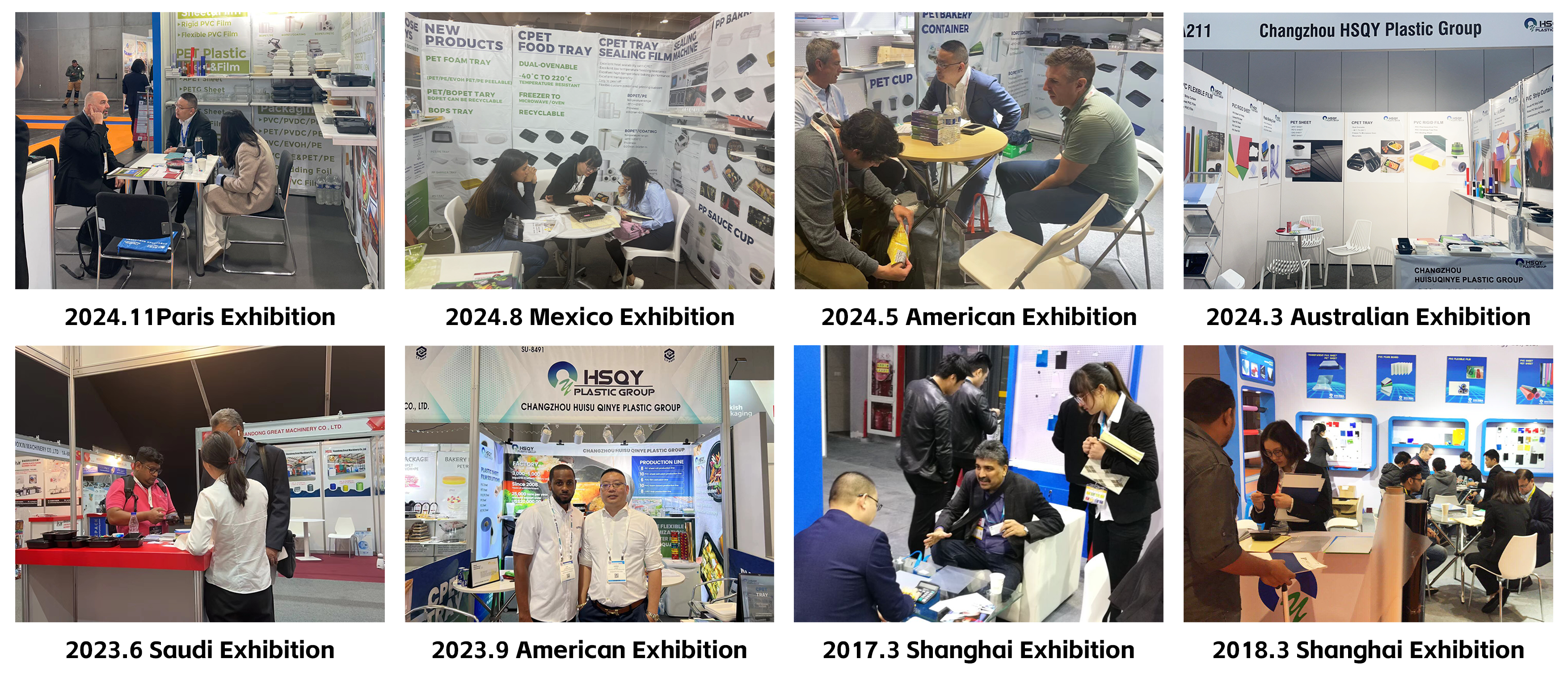
![HSQY Plastic Group international exhibitions and customer meetings]()
Contact HSQY for Samples and Pricing
Frequently Asked Questions About Matte PET Film and Sheet
What is matte PET film?
Matte PET film is a polyester material with a low-gloss or textured surface. Depending on thickness, it may be supplied as a flexible film, semi-rigid sheet or rigid sheet.
Is this product a thin BOPET film or a thick PET sheet?
This HSQY product is primarily a thick-gauge PET sheet or roll with a thickness range of 0.18 mm to 1.2 mm. Thin BOPET films are normally specified in microns and used for different converting processes.
What is the difference between matte PET and glossy PET?
Matte PET has a low-gloss textured surface that reduces reflection. Glossy PET has a smooth polished surface that provides clearer direct visibility and stronger reflected highlights.
Is matte PET transparent?
It can be transparent or translucent, but the matte texture diffuses the view. Transparency depends on thickness, haze, surface roughness and lighting conditions.
Is matte PET an anti-glare film?
The matte surface can reduce visible glare compared with glossy PET. It should not automatically be treated as a certified optical anti-glare product unless specific gloss, haze or optical values have been tested.
Is the matte surface available on one side or both sides?
Single-side and double-side matte configurations can be discussed. The required surface structure must be stated when requesting a quotation or sample.
What thicknesses are available?
HSQY supplies thicknesses from 0.18 mm to 1.2 mm. Customized thickness availability and tolerances should be confirmed before ordering.
What sheet sizes are available?
Standard sizes include 610 × 610 mm, 700 × 1000 mm, 915 × 1220 mm, 915 × 1830 mm and 1220 × 2440 mm. Custom sizes can also be produced.
What roll widths are available?
Roll widths from 110 mm to 1280 mm are available, subject to thickness, slitting tolerance and production requirements.
Can matte PET sheet be printed?
Suitable grades can support screen, UV or offset printing. Surface treatment, ink adhesion, curing temperature and fold resistance should be tested before mass production.
Does matte PET require corona treatment for printing?
The required treatment depends on the ink, printing method and PET surface. Buyers should provide the printing process so that a suitable treated or printing-compatible material can be evaluated.
Can matte PET sheet be folded?
Yes, suitable thicknesses can be scored and folded. Material direction, crease depth, folding radius and thickness affect whitening, cracking and spring-back.
Can matte PET sheet be thermoformed?
Appropriate grades can be vacuum formed or thermoformed. Heating and stretching may change the matte finish, haze and wall thickness, so forming trials are required.
Can protective film be added?
Protective film can be discussed for specifications that require additional scratch protection during printing, cutting, forming, transportation or assembly.
Is matte PET suitable for food packaging?
Suitability depends on the exact PET grade, additives, surface treatment, food type, contact conditions and destination-market regulations. Food-contact requirements must be specified before ordering.
Is matte PET biodegradable?
Standard PET should not normally be described as biodegradable. Recycling possibilities depend on the material structure, additives, contamination and local collection and recycling systems.
Can matte PET be used for electrical insulation?
Selected PET grades can be used in insulation applications, but electrical properties must be confirmed using the required thickness, test method and service temperature.
How should matte PET sheet be cleaned?
Use a soft cloth with water or a mild neutral cleaner. Avoid abrasive pads or strong chemicals unless compatibility has been tested.
What is the minimum order quantity?
The standard minimum order quantity is 1000 kg. Special colors, unusual widths, surface treatments or custom formulations may require a different MOQ.
Are samples available?
Yes. A4 sheets or limited-size samples can be provided for evaluating thickness, matte appearance, printing, folding and forming performance. Freight is normally collected.
What is the production lead time?
Typical production time is approximately 7-15 days after the deposit, specification and sample requirements are confirmed.
What information is required for a quotation?
Provide the thickness, dimensions, roll width, matte side, transparency, color, quantity, printing or forming method, protective-film requirement, destination and applicable compliance standards.
Get a Custom Matte PET Quote