Manual Food Tray Sealing Machine
HSQY manual food tray sealing machine is a compact tabletop heat sealer designed for restaurants, takeaway shops, catering kitchens, meal-prep businesses, grocery stores and small food processors. The operator loads the tray and manually operates the sealing mechanism, while heat and pressure bond compatible lidding film to the tray flange.
The HS-2, HS-4 and HS-6 series supports different tray sizes and roll-film widths. Depending on the selected model, maximum roll-film width ranges from 180mm to 265mm and maximum listed tray size reaches 300 × 220 × 100mm.
The machine can be configured for PP, PET, APET and CPET food trays when the tray flange, sealing mold, lidding-film sealant layer, sealing temperature and dwell time are correctly matched. Custom molds are available for different tray dimensions and compartment layouts.
Manual Tray Sealing Machine Images
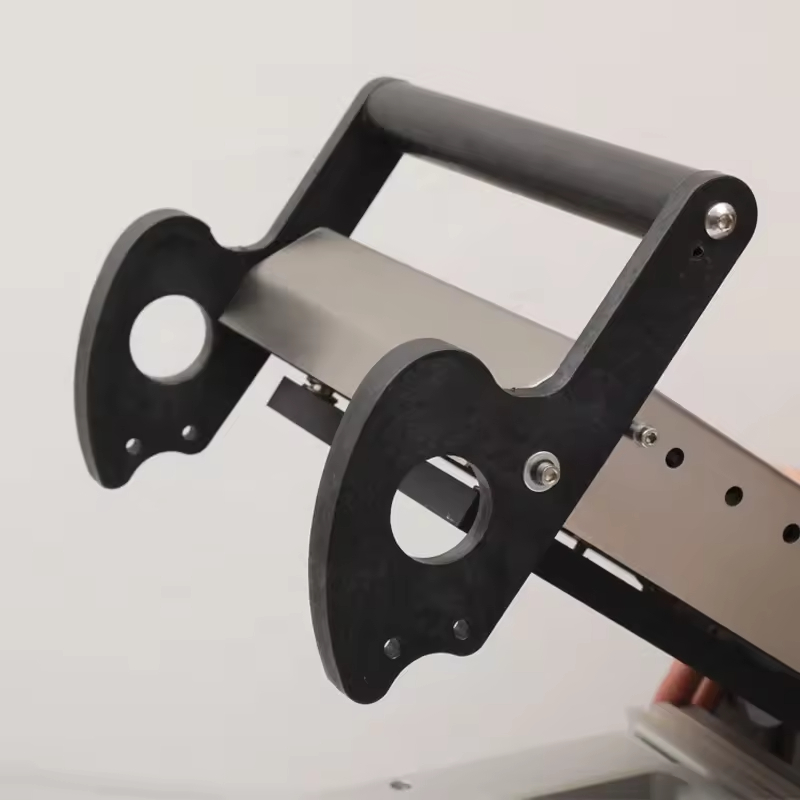
Manual Food Tray Sealer
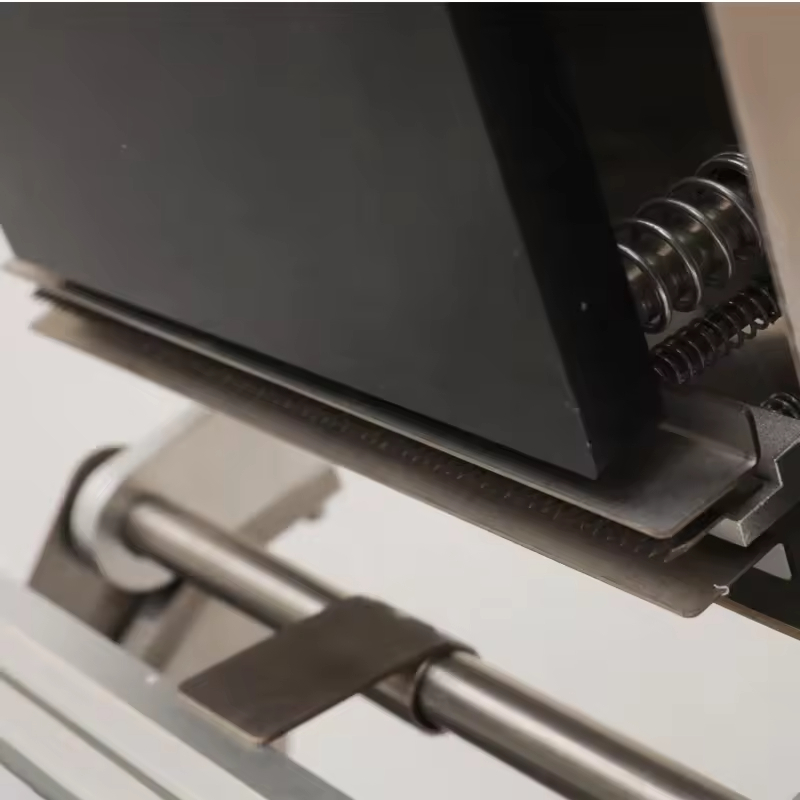
Tabletop Heat Sealing Machine
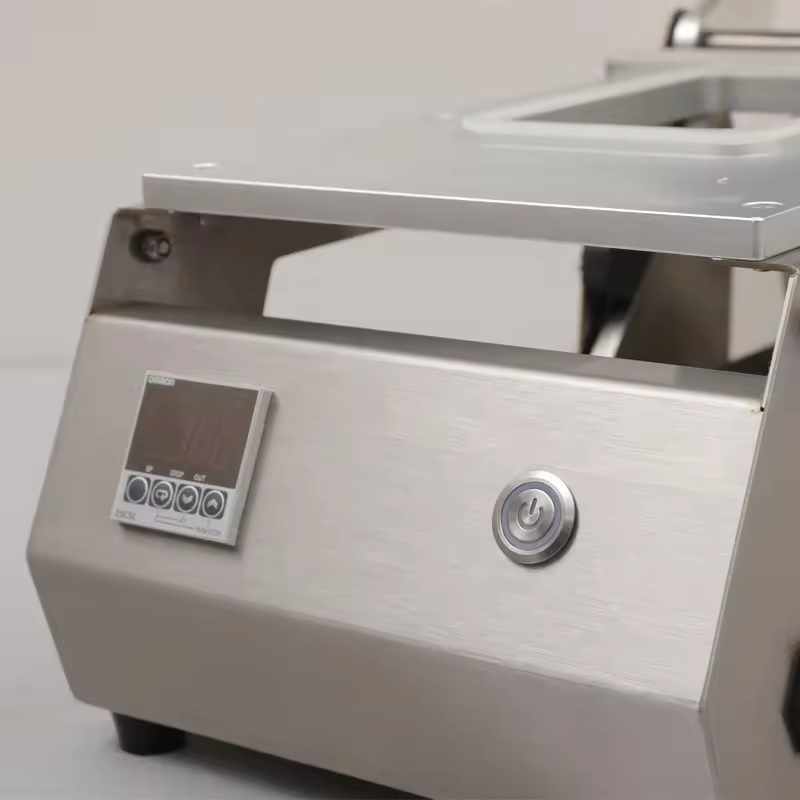
Manual Tray Sealing System
Food Tray Sealing Machine Catalog
Download the HSQY food tray sealing machine catalog to compare manual, semi-automatic and other tray sealing equipment.
What Is a Manual Tray Sealer Machine?
A manual tray sealer is an entry-level food packaging machine used to heat-seal roll lidding film onto preformed food trays. The operator manually places the tray in the mold and operates the handle or lever to complete the sealing cycle.
Manual tray sealing equipment is particularly useful when a food business has multiple menu items but relatively modest production volume. It provides more controlled and repeatable tray sealing than completely hand-applied packaging without requiring the investment or floor space of a semi-automatic or automatic tray sealing line.
This HSQY series is intended primarily for standard heat sealing. It should not be confused with MAP, vacuum or vacuum-skin packaging machines, which require dedicated vacuum, gas-flushing or skin-pack systems.
Manual Tray Sealer Machine Specifications
| Technical Parameter | HS-2 | HS-4 | HS-6 |
| Maximum Roll Film Width | 180mm | 220mm | 265mm |
| Maximum Roll Diameter | 180mm | 180mm | 180mm |
| Reference Capacity - Output 1 | 480 boxes/hour | 480 boxes/hour | 480 boxes/hour |
| Reference Capacity - Output 2 | 800 boxes/hour | 800 boxes/hour | 800 boxes/hour |
| Power Supply | 220V / 50Hz | 220V / 50Hz | 220V / 50Hz |
| Total Power | 0.6kW | 0.8kW | 1.0kW |
| Equipment Weight | 13.5kg | 15.6kg | 23kg |
| Equipment Size L × W × H | 630 × 295 × 270mm | 660 × 330 × 290mm | 710 × 375 × 290mm |
| Gross Shipping Weight | 19kg | 22kg | 30kg |
| Packing Size L × W × H | 610 × 310 × 310mm | 630 × 350 × 310mm | 685 × 395 × 310mm |
| Maximum Tray Size - Output 1 | 240 × 150 × 100mm | 260 × 190 × 100mm | 300 × 220 × 100mm |
The source specification lists 480 boxes/hour for Output 1 and 800 boxes/hour for Output 2. Actual throughput depends on operator speed, tray loading, tray dimensions, mold configuration, sealing temperature and dwell time. The current source does not provide the corresponding maximum tray dimensions for Output 2, so these should be confirmed before ordering a multi-cavity mold.
HS-2 vs HS-4 vs HS-6 Manual Tray Sealer
| Model | Maximum Tray | Maximum Film Width | Typical Selection |
| HS-2 | 240 × 150 × 100mm | 180mm | Smaller meal trays, deli trays and compact foodservice workstations |
| HS-4 | 260 × 190 × 100mm | 220mm | Medium-size ready-meal, takeaway and catering trays |
| HS-6 | 300 × 220 × 100mm | 265mm | Larger trays and buyers requiring the widest tray and film capacity in this series |
How a Manual Food Tray Sealer Works
1. Place the Food Tray in the Mold
Put the filled food tray into the dedicated tray mold. The mold must support the tray correctly and match its external dimensions, flange geometry and corner radius.
2. Position the Lidding Film
Pull the roll lidding film over the tray and ensure that the film completely covers the sealing flange.
3. Operate the Manual Handle
Lower or operate the manual lever according to the machine design. The heated sealing plate applies heat and pressure to activate the film sealant against the tray flange.
4. Complete the Heat-Sealing Cycle
Hold the sealing mechanism for the required dwell time. Correct sealing temperature and time depend on the tray material, lidding-film sealant and package design.
5. Remove and Inspect the Sealed Tray
Release the handle, remove the package and inspect the sealing area for incomplete seals, wrinkles, contamination or film-cutting defects before starting the next cycle.
Compatible Food Tray Materials
| Tray Material | Typical Food Application | Key Requirement |
| PP Tray | Takeaway, prepared meals and microwaveable food packaging | Use a lidding film with a sealant layer compatible with the PP tray |
| APET / PET Tray | Salads, deli food, produce and chilled retail food | Confirm the actual tray sealing layer and film compatibility |
| CPET Tray | Frozen meals, ovenable ready meals and airline meals | Use compatible CPET lidding film and validate the complete package for end-use temperature |
| Aluminum Tray | Selected ready meals and ovenable food packages | Confirm exact machine, mold, rim geometry and compatible sealing film or foil |
HSQY also supplies APET food trays and CPET trays for compatible food-packaging projects.
How to Select the Correct Lidding Film
The sealing machine, tray and film must be treated as one packaging system. A manual tray sealer cannot create a reliable seal when the lidding-film sealant is chemically incompatible with the tray surface.
Important film parameters include roll width, roll diameter, film thickness, sealing layer, sealing-temperature window, easy-peel or lock-seal requirement, anti-fog performance and whether the film is printed or unprinted.
HS-2 supports a maximum listed film width of 180mm, HS-4 supports 220mm and HS-6 supports 265mm. All three models list a maximum roll-film diameter of 180mm.
Custom Tray Sealing Molds
Each tray format requires a mold that properly supports the tray and follows its sealing flange. The maximum tray dimensions in the machine table define the general machine envelope but do not mean that every tray below those dimensions will fit an existing mold.
HSQY can discuss custom molds according to tray length, width, depth, corner radius, flange width and compartment layout. A tray drawing or physical tray sample is recommended before mold production.
Buyers who use several tray sizes should specify every format in advance so that the required number of molds and expected changeover process can be evaluated before purchasing the machine.
Key Features of the Manual Tray Sealer
Manual Lever Operation
The operator controls the tray loading and sealing movement manually, reducing machine complexity and making the equipment suitable for entry-level food-packaging operations.
Compact Tabletop Design
Equipment weights range from approximately 13.5kg to 23kg. The compact footprint makes the series relevant to restaurants, deli counters, catering preparation areas and small production rooms with limited space.
Adjustable Sealing Temperature
Adjustable heat settings allow the operator to match different tray-film combinations. Final settings should be established through sealing trials rather than using one temperature for every material.
Low Rated Power
Current rated power ranges from 0.6kW for HS-2 to 1.0kW for HS-6, supporting compact daily foodservice and small-production applications.
Stainless-Steel Structure
The original product specification describes a stainless-steel structure intended to support hygienic cleaning and corrosion resistance in food-packaging environments.
Manual vs Semi Automatic Tray Sealing Machine
| Comparison | Manual Tray Sealer | Semi Automatic Tray Sealer |
| Tray Loading | Manual | Manual |
| Sealing Operation | Operator-controlled manual handle or lever | More automated sealing cycle |
| Film Feeding | More operator involvement | Automatic film feeding on applicable models |
| Best Fit | Restaurants, deli counters, startups, catering and smaller production volume | Central kitchens and food processors requiring higher consistency and throughput |
| Investment Level | Entry level | Higher than manual equipment |
If your production volume requires more automated film feeding and sealing, see the HSQY Semi Automatic Food Tray Sealing Machine .
Applications of Manual Food Tray Sealers
Takeaway and Delivery Meals
Restaurants and takeaway shops can use manual tray sealers for rice meals, pasta, noodles, prepared dishes, lunch trays and other food packages that require top-sealed film.
Meal Prep and Ready Meals
Meal-prep businesses can seal portion-controlled PP or CPET trays for refrigerated, frozen or reheatable food programs when the complete tray-film package has been validated.
Fresh Meat and Seafood
Fresh meat and seafood can be top sealed for selected applications. If the required shelf-life system uses modified atmosphere packaging, a dedicated MAP machine and appropriate barrier tray-film system should be selected instead.
Catering and Foodservice
The compact machine format is suitable for catering kitchens, office meals, institutional foodservice, school-meal preparation and small central kitchens.
Chilled and Frozen Foods
Chilled and frozen meal trays can be sealed when tray material, lidding film, sealing strength, freezing conditions and reheating requirements are properly matched.
What Affects Tray Seal Quality?
| Factor | Effect on Sealing |
| Tray and Film Compatibility | Incompatible sealing layers may produce weak or incomplete seals. |
| Sealing Temperature | Too little heat may not activate the sealant; excessive heat can distort trays or film. |
| Dwell Time | Adequate contact time is required to create a consistent seal. |
| Tray Flange Cleanliness | Food particles, oil, sauce or water on the rim may reduce seal integrity. |
| Mold Fit | Poor tray support or incorrect mold dimensions can cause uneven sealing. |
| Operator Technique | Manual machines require consistent tray placement and operation for repeatable results. |
Cleaning and Daily Maintenance
Disconnect power and allow heated components to cool before cleaning. Remove food residue from the tray mold, surrounding work surface and accessible machine surfaces according to the machine instructions.
Avoid aggressive chemicals that may damage electrical components, coatings, seals or plastic parts. Do not spray water directly into electrical controls unless the specific machine design explicitly permits washdown.
Regularly inspect the sealing surface, mold, cutting components, power cable and manual mechanism. Worn sealing or cutting components should be replaced before they begin affecting package consistency.
Information Required for a Manual Tray Sealer Quote
Tray material: PP, PET, APET, CPET or aluminum.
Tray length, width and depth.
Tray flange dimensions and corner radius.
One-compartment or multi-compartment tray.
Tray drawing or physical samples.
Required roll-film width.
Lidding-film structure.
Easy-peel or lock-seal requirement.
Food product and storage condition.
Required output per hour.
One-tray or multi-tray mold requirement.
Number of tray formats.
Local voltage, frequency and plug standard.
Destination country and shipping terms.
Certifications and Supporting Documents
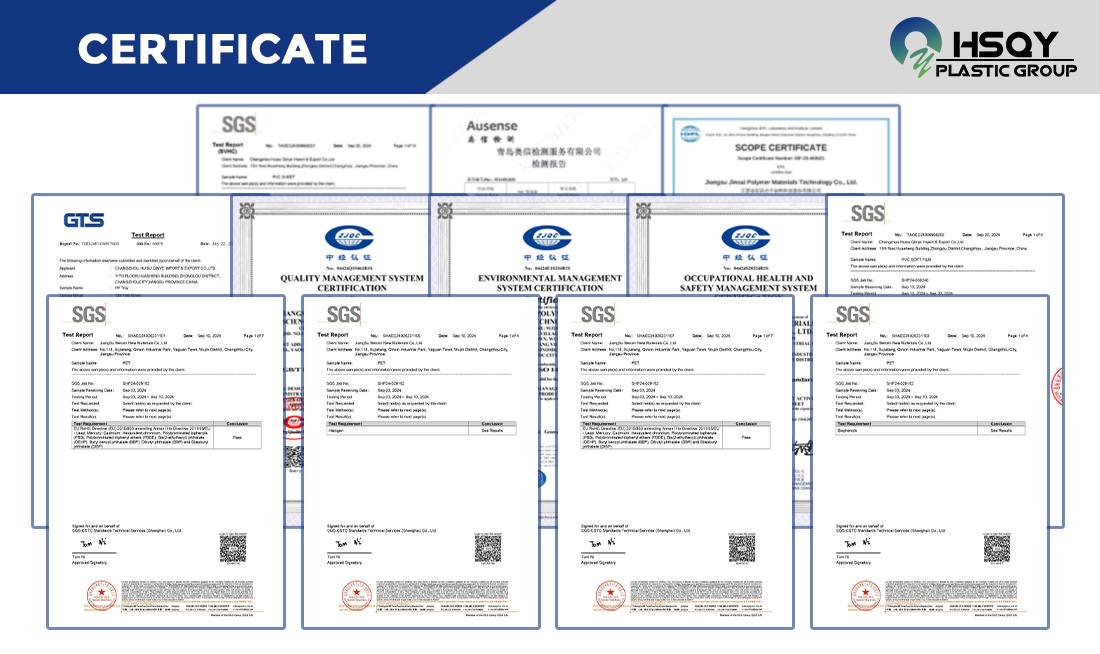
The certification image below is retained from the original product page. Before purchasing equipment, confirm the current certificate version, scope, issuing organization and whether the document applies specifically to the selected HS-2, HS-4 or HS-6 machine.
General ISO or SGS documentation should not be treated as a substitute for model-specific electrical or machinery compliance required in the destination market.
HSQY Plastic Group Global Exhibitions
HSQY meets food processors, distributors and packaging buyers at international exhibitions to discuss food trays, lidding films, manual tray sealers and complete food-packaging projects.
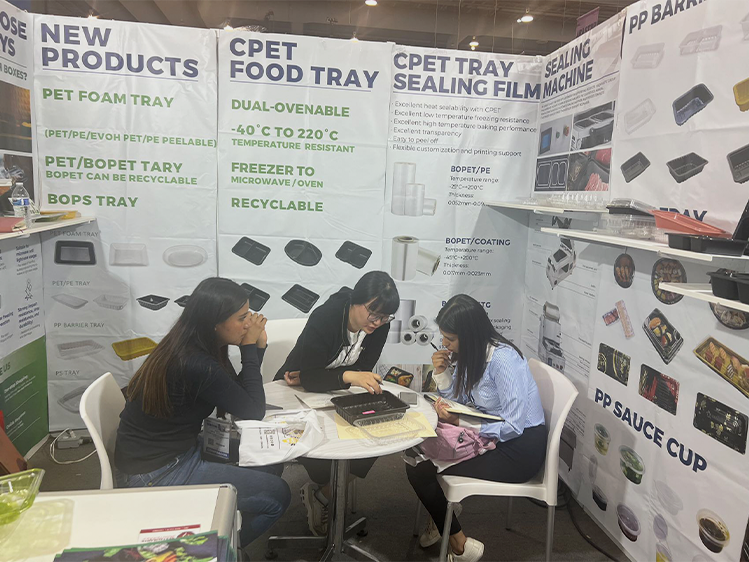
2024 Mexico Exhibition
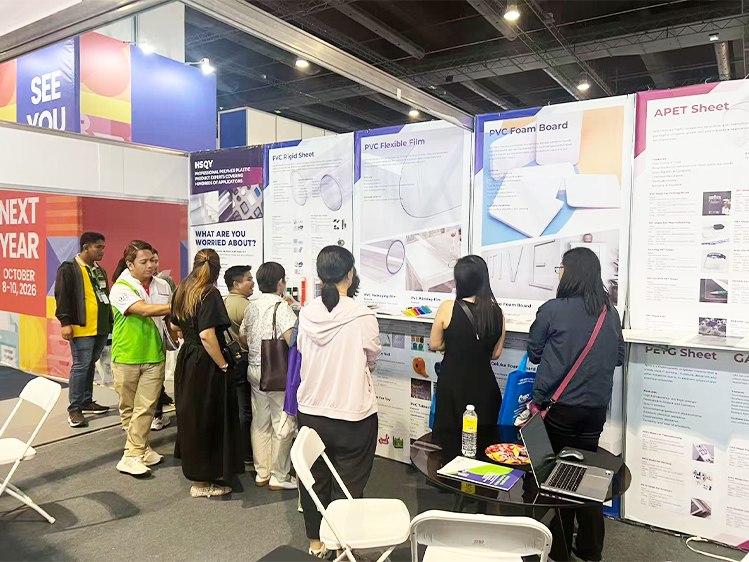
2025 Philippines Exhibition
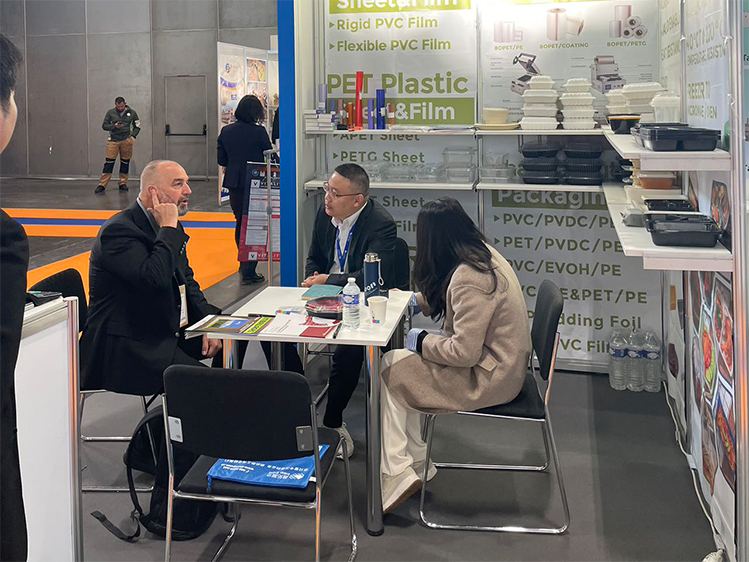
2024 Paris Exhibition
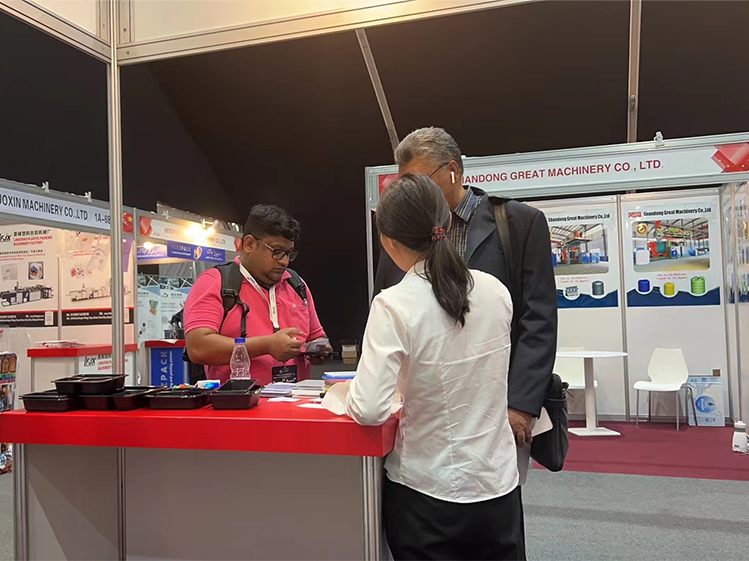
2023 Saudi Exhibition
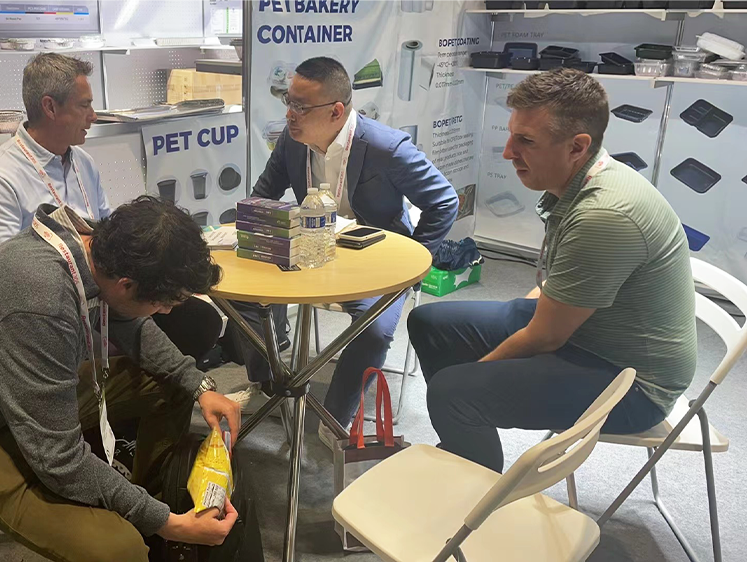
2024 American Exhibition
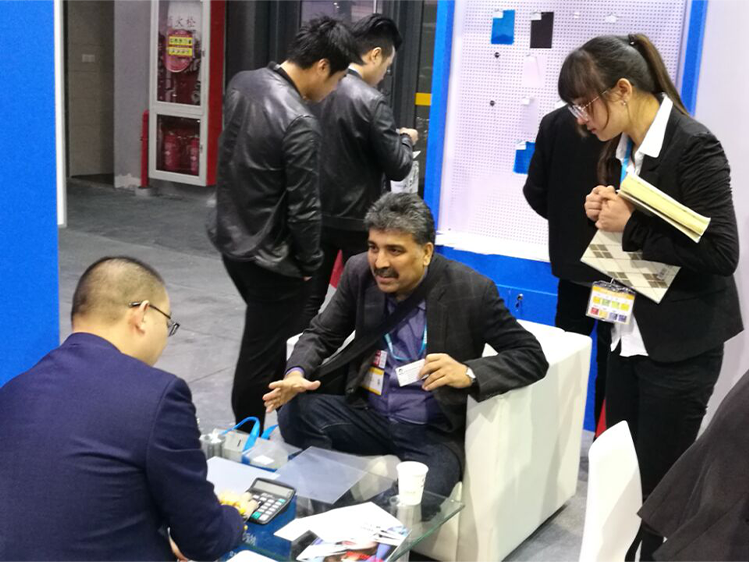
2017 Shanghai Exhibition
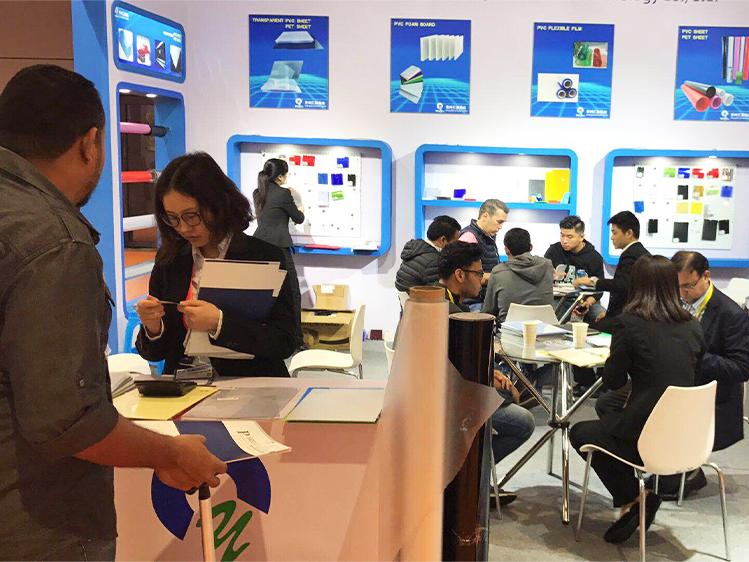
2018 Shanghai Exhibition
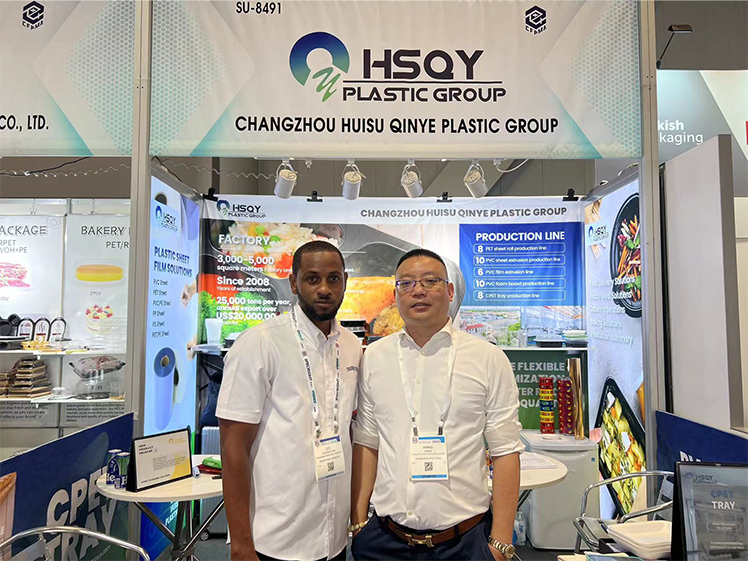
2023 American Exhibition
Frequently Asked Questions About Manual Tray Sealers
What is a manual food tray sealing machine used for?
It is used to heat-seal compatible lidding film onto preformed food trays for takeaway meals, ready meals, deli food, catering, chilled food and other small-scale food-packaging applications.
Who should use a manual tray sealer?
Manual machines are particularly suitable for restaurants, takeaway businesses, grocery stores, catering companies, meal-prep startups and small food processors with relatively modest packaging volumes.
What tray materials can the machine seal?
The source information lists PET, PP and CPET compatibility, and selected aluminum applications may also be possible depending on the model. Every tray requires a suitable mold and compatible lidding-film sealing layer.
What is the maximum tray size?
HS-2 supports a listed maximum of 240 × 150 × 100mm, HS-4 up to 260 × 190 × 100mm and HS-6 up to 300 × 220 × 100mm for Output 1.
How fast is the manual tray sealer?
Current specifications list 480 boxes/hour for Output 1 and 800 boxes/hour for Output 2. These are reference figures; real production depends on mold configuration, operator loading speed and sealing-cycle settings.
Can one manual tray sealer use different tray sizes?
Yes, different tray sizes can be considered if they fit within the machine limits and the correct interchangeable mold is available. Send tray drawings or samples before ordering additional molds.
What type of film is used with a manual tray sealer?
The correct lidding film depends on the tray sealing surface. Options may include PET-based, PE-sealant and multilayer films, but the exact sealant layer must be compatible with the tray.
Can it use easy-peel lidding film?
Yes, provided the easy-peel film is specifically designed to seal to the tray structure and operates within the machine's sealing-temperature range.
Does the machine provide leak-proof packaging?
A properly matched tray, film and sealing process can provide strong package seals, but complete leak-proof performance should not be assumed without testing. Seal integrity should be validated with the actual food, tray, film and handling conditions.
Does this manual machine support MAP?
The HS-2, HS-4 and HS-6 specifications on this page do not list vacuum or gas-flushing equipment. They should therefore be treated as standard heat-sealing machines rather than MAP tray sealers.
When should I upgrade to a semi automatic machine?
Consider a semi automatic machine when manual loading and sealing become a production bottleneck, labor consistency becomes difficult or your daily output requires more automated film feeding and sealing.
What voltage does the machine use?
The current HS-2, HS-4 and HS-6 specifications list 220V / 50Hz. Buyers should confirm voltage, frequency and plug requirements for their country before ordering.
Can HSQY supply trays and lidding film with the machine?
HSQY supplies PP, PET and CPET food trays, lidding films and tray sealing equipment, allowing buyers to evaluate the tray, film, mold and machine as one packaging system.
What information is required for a quotation?
Please provide tray material, external tray dimensions, flange dimensions, tray drawing or sample, lidding-film type, required hourly output, number of tray formats, voltage, plug type and destination country.
Why Buy a Manual Tray Sealer from HSQY?
HSQY supplies manual and semi automatic tray sealing equipment together with food trays and compatible lidding-film solutions. Buyers can therefore discuss tray dimensions, film sealing performance, molds and equipment within the same packaging project.
Send HSQY your food tray drawing or sample, tray material, film requirement and production target. Our team can help compare HS-2, HS-4 and HS-6 and identify a suitable manual tray sealing configuration.

 English
 简体中文
简体中文 繁體中文
繁體中文 العربية
 Français
 Русский
 Español
 Português
 Deutsch
 italiano
 日本語
日本語 한국어
한국어 Nederlands
 Tiếng Việt
 ไทย
ไทย Polski
 Türkçe
 አማርኛ
አማርኛ ພາສາລາວ
 ភាសាខ្មែរ
 Bahasa Melayu
 ဗမာစာ
ဗမာစာ தமிழ்
தமிழ் Filipino
 Bahasa Indonesia
 magyar
 Română
 Čeština
 Монгол
 қазақ
қазақ Српски
 हिन्दी
 فارسی
فارسی Kiswahili
 Slovenčina
 Slovenščina
 Norsk
Norsk Svenska
 українська
 Ελληνικά
 Suomi
Suomi Հայերեն
 עברית
עברית Latine
 Dansk
Dansk اردو
اردو Shqip
Shqip বাংলা
বাংলা Hrvatski
 Afrikaans
 Gaeilge
 Eesti keel
 Māori
Māori සිංහල
සිංහල नेपाली
 Oʻzbekcha
 latviešu
 অসমীয়া
 Aymara
 Azərbaycan dili
 Bamanankan
 Euskara
 Беларуская мова
 भोजपुरी
 Bosanski
 Български
 Català
 Cebuano
 Corsu
Corsu ދިވެހި
 डोग्रिड ने दी
 Esperanto
 Eʋegbe
 Frysk
Frysk Galego
 ქართული
 guarani
 ગુજરાતી
 Kreyòl ayisyen
 Hausa
Hausa ʻŌlelo Hawaiʻi
 Hmoob
Hmoob íslenska
 Igbo
Igbo Ilocano
 Basa Jawa
 ಕನ್ನಡ
ಕನ್ನಡ Kinyarwanda
 गोंगेन हें नांव
 Krio we dɛn kɔl Krio
 Kurdî
Kurdî Kurdî
Kurdî Кыргызча
 Lingala
 Lietuvių
 Oluganda
 Lëtzebuergesch
 Македонски
 मैथिली
 Malagasy
 മലയാളം
 Malti
Malti मराठी
मराठी ꯃꯦꯇꯥꯏ (ꯃꯅꯤꯄꯨꯔꯤ) ꯴.
 Mizo tawng
 Chichewa
 ଓଡ଼ିଆ
ଓଡ଼ିଆ Afaan Oromoo
 پښتو
پښتو ਪੰਜਾਬੀ
 Runasimi
 Gagana Samoa
 संस्कृत
 Gaelo Albannach
 Sepeti
 Sesotho
 chiShona
 سنڌي
سنڌي Soomaali
 Basa Sunda
 Wikang Tagalog
 Тоҷикӣ
 Татарча
 తెలుగు
 ትግንያውያን
 Xitsonga
 Türkmençe
 संस्कृत
 ئۇيغۇرچە
 Cymraeg
 isiXhosa
 ייִדיש
 Yorùbá
 isiZulu


 Download Food Tray Sealing Machine Catalog


