BOPET Polyester Film for Capacitor Applications
HSQY supplies biaxially oriented polyethylene terephthalate film, also called BOPET film or polyester PET film, in 12-75 μm thicknesses and custom widths up to 1250 mm. Specific grades can be evaluated for capacitor winding, metallization, electrical insulation and electronic converting applications that require controlled thickness, dimensional stability and documented electrical performance.
Quick answer: Not every BOPET packaging film is capacitor-grade film. Before using this material as a capacitor dielectric or metallization base, the buyer must approve the exact grade using data for dielectric strength, dielectric constant, dissipation factor, volume resistivity, thickness profile, heat shrinkage, surface condition, cleanliness and winding performance.
Capacitor BOPET Film Video
What Is Capacitor BOPET Film?
Capacitor BOPET film is a biaxially stretched and heat-set PET film selected as a dielectric or as a base film for metallization in certain polyester film capacitor designs. Biaxial orientation improves tensile strength, thickness uniformity and dimensional stability in both the machine direction and transverse direction.
PET capacitor film is commonly associated with compact, general-purpose DC capacitor designs. The finished capacitor voltage, capacitance, loss, temperature behavior and reliability cannot be determined from film thickness alone. Those results depend on the verified film grade, electrode or metallization system, winding design, impregnation or encapsulation, processing conditions and capacitor qualification.
Product boundary: This page describes BOPET base film. It should not be interpreted as a finished capacitor, a guaranteed metallized film or a universal substitute for BOPP capacitor film unless those items are specifically included in the quotation.
BOPET Film Images
![BOPET polyester film production roll reference]()
BOPET film production reference
![BOPET film box window packaging application reference]()
General BOPET box-window application; not evidence of capacitor-grade performance
![Printed BOPET packaging film application reference]()
Printed packaging-grade BOPET application; electrical grades require separate approval
Capacitor BOPET Film Specifications
The following values are the currently published commercial range. Electrical and capacitor use must be based on the grade-specific technical data sheet, test methods, tolerances and approved sample.
| Published Product Information |
| Product Name |
Capacitor Biaxially Oriented Polyester Film / BOPET PET Film |
| Material |
Polyethylene terephthalate (PET) |
| Manufacturing Structure |
Biaxially oriented and heat-set polyester film |
| Thickness |
12-75 μm; confirm exact thickness availability and tolerance by grade |
| Width |
Custom width up to 1250 mm; confirm master-roll or slit-roll requirement |
| Electrical-Grade Appearance |
Normally natural or clear; haze, gels, scratches, particles and other defects require agreed limits |
| Surface |
Untreated or application-specific surface; corona, slip, print treatment or hardcoat belong to separately approved grades |
| Roll Format |
Master rolls or custom slit rolls; core ID, OD, roll length, splice and winding direction to be confirmed |
| Target Applications |
Capacitor or metallization evaluation, electrical insulation and electronic converting; packaging and printing require a separate grade |
| MOQ |
1000 kg; final MOQ depends on thickness, width, grade and treatment |
| Sample |
A4 material samples may be available with freight collected; roll trials should be discussed for winding or metallization validation |
| Electrical Properties |
Not specified by the current general table; request grade-specific values, methods and test conditions |
| Compliance Documents |
TDS, SDS, CoA or inspection report and market-specific declarations subject to the exact grade and order |
Capacitor-Film RFQ and Validation Checklist
A technical buyer should send the capacitor construction and required test methods instead of requesting only “12 μm PET film.” The following information helps prevent the selection of a packaging grade for an electrical application.
| RFQ Item |
Information to Provide or Confirm |
Why It Matters |
| Capacitor design |
Metallized PET or film-and-foil, wound or stacked, DC or other design |
Determines the relevant dielectric, surface and converting requirements |
| Electrical duty |
Rated voltage, proof voltage, frequency, ripple, pulse and expected life |
Film thickness alone cannot establish a safe working voltage |
| Operating environment |
Minimum, maximum and continuous temperature; humidity and encapsulation |
Electrical loss, shrinkage and insulation performance change with conditions |
| Dielectric strength |
Required minimum and statistical distribution, with ASTM D149, IEC 60243 or agreed method |
Test method, electrode geometry, ramp rate and conditioning affect the result |
| Dielectric loss and permittivity |
Dissipation factor and dielectric constant at defined frequency and temperature |
Influences heating, efficiency and capacitance design |
| Insulation resistance |
Volume and surface resistivity with test method and conditioning |
Supports leakage-current and insulation evaluation |
| Thickness control |
Nominal thickness, point tolerance, average tolerance and cross-web profile |
Affects winding geometry, capacitance and local electrical stress |
| Thermal shrinkage |
MD and TD shrinkage at a specified time and temperature |
Supports winding and downstream heat-process stability |
| Surface and cleanliness |
Surface roughness, treatment, particles, gels, pinholes, scratches and contamination limits |
Surface defects can affect metallization and breakdown reliability |
| Metallization trial |
Metal system, vacuum process, adhesion, resistance and slitting requirements |
Base-film compatibility must be proven on the buyer’s actual process |
| Roll construction |
Slit width, core ID, roll OD, length, winding tension, splice and edge quality |
Controls handling and consistent high-speed winding |
| Quality documents |
TDS, SDS, CoA format, lot traceability and required declarations |
Creates a measurable incoming-inspection and approval standard |
Capacitor Grade vs Packaging and Printing Grade
| Selection Point |
Capacitor / Electrical Grade |
Packaging / Printing Grade |
| Primary approval |
Electrical data, defect control, dimensional stability and winding or metallization trial |
Optics, print adhesion, sealing, friction, lamination and packaging compliance |
| Typical surface |
Untreated or specifically engineered for electrical conversion and metallization |
Corona treated, print treated, slip treated, coated or heat-sealable |
| Appearance options |
Usually natural or clear with controlled defects and cleanliness |
Clear, hazy, colored, printed or decorative according to the application |
| Interchangeability |
Requires formal qualification before any grade or supplier change |
Requires packaging and converting validation but not capacitor electrical qualification |
Procurement rule: A film that prints well or looks clear is not automatically suitable as a capacitor dielectric. The electrical grade, packaging grade and surface treatment must be stated on the quotation and purchase specification.
Key Characteristics of Electrical-Grade BOPET Film
Biaxial orientation provides mechanical strength and balanced dimensional performance for converting and winding.
Thin-gauge PET film can provide a compact dielectric option for compatible polyester film capacitor designs.
Grade-specific dielectric strength, dissipation factor and resistivity data support electrical design verification.
Controlled thickness profile and heat shrinkage help stabilize roll processing and finished winding geometry.
Specified surface roughness and cleanliness can support vacuum metallization and precision slitting when validated.
Custom width and roll construction can be discussed for downstream metallizing, slitting or capacitor production.
PET BOPET Film vs BOPP Capacitor Film
PET and polypropylene serve different capacitor designs. The following comparison is a selection direction rather than a guarantee for any HSQY grade or finished capacitor.
| Comparison |
BOPET / PET Film |
BOPP / PP Film |
| General design direction |
Compact, general-purpose polyester film capacitor designs |
Low-loss, pulse, AC and many power-capacitor designs |
| Dielectric behavior |
Higher relative permittivity but generally higher dielectric loss and temperature dependence |
Lower relative permittivity but generally lower dielectric loss |
| Selection decision |
Choose according to the finished capacitor voltage, frequency, pulse or ripple duty, temperature, size, loss and lifetime specification—not from film price alone. |
Applications of BOPET Polyester Film
Capacitor and Metallization Evaluation
A verified capacitor-grade film may be evaluated for polyester film/foil capacitors or as a base film for compatible metallization. The film and finished capacitor require separate qualification.
Electrical and Electronic Insulation
Application-specific BOPET grades may be used in flexible insulation, coil or transformer structures, cable wrapping, electronic laminates and converted insulation parts after thermal-class, dielectric and system approval.
Printing and Packaging
Separate packaging-grade or print-treated BOPET films can be selected for box windows, labels, printed packaging and laminates. These grades must not be substituted for capacitor film without electrical qualification.
Industrial Converting
Application-specific BOPET film can also support printing, coating, laminating, release, transfer and protective-film projects when the surface, friction, optical, thermal and adhesion requirements are agreed.
Quality and Compliance Documentation
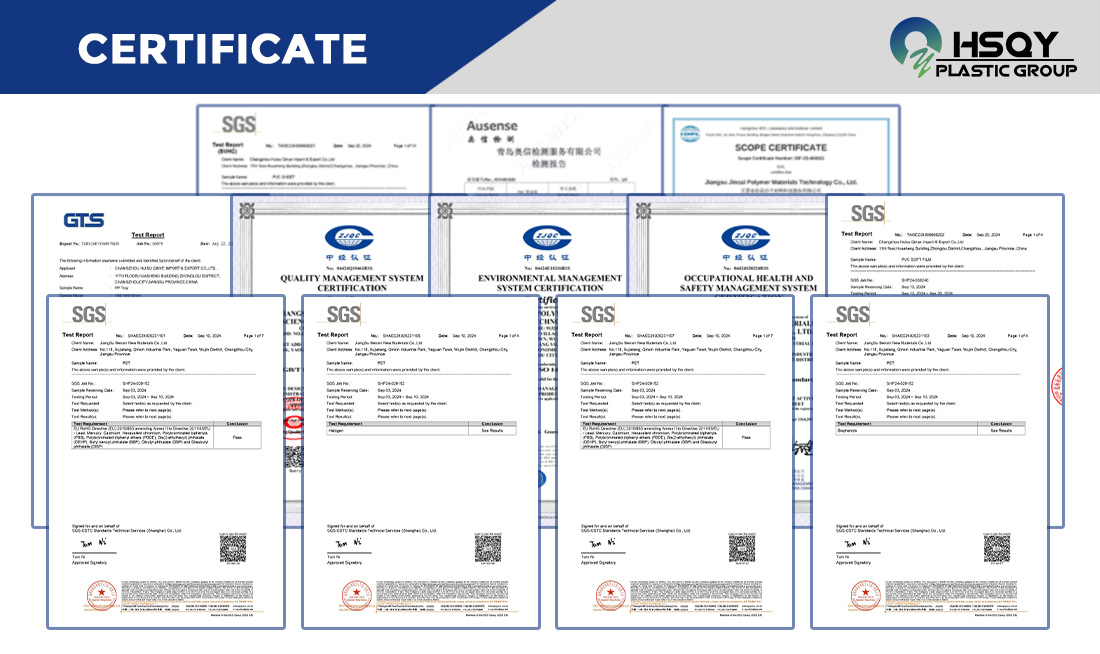
For capacitor or electrical use, documentation should identify the exact grade, thickness, test method, conditioning and lot. Ask for a current TDS, SDS, CoA or inspection-report format, lot traceability, roll map or defect criteria where applicable, and destination-market declarations required by the final application.
![HSQY BOPET film certificate and test document reference]()
Certificate reference image; request current documents covering the quoted BOPET grade.
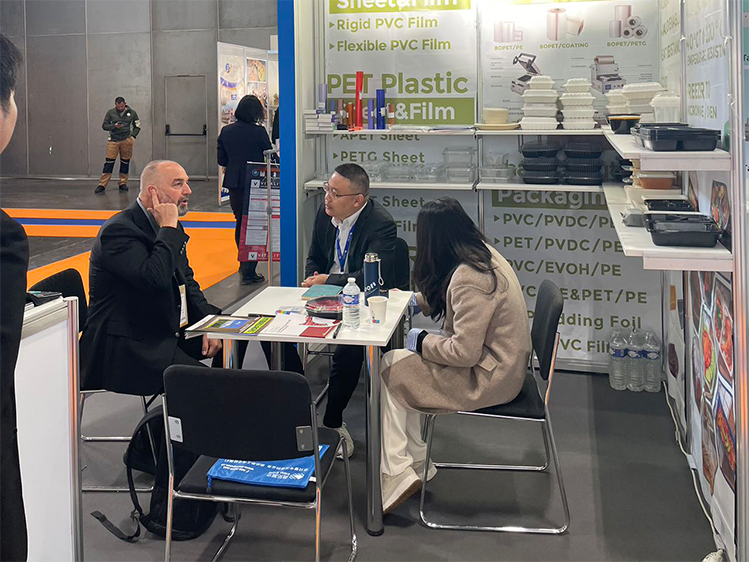
Meet HSQY at Global Exhibitions
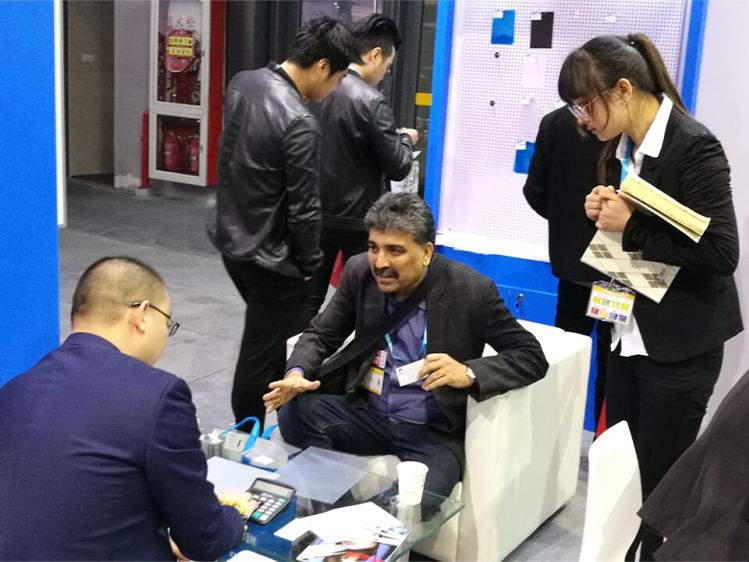
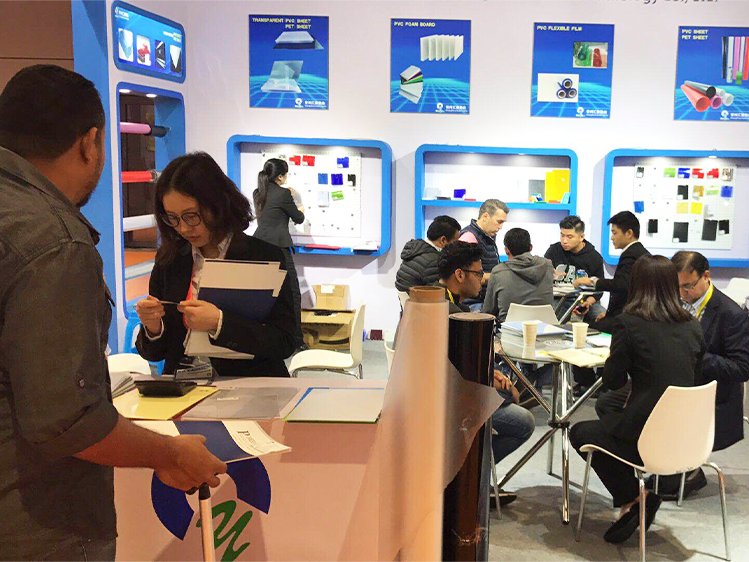
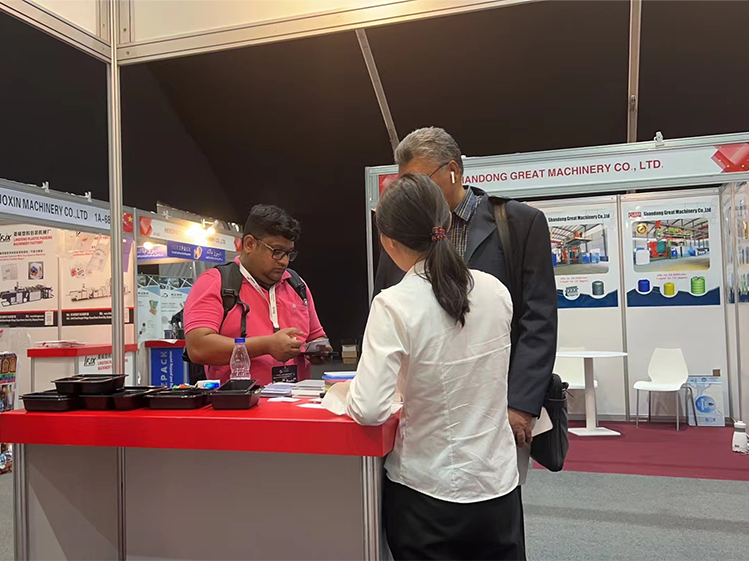
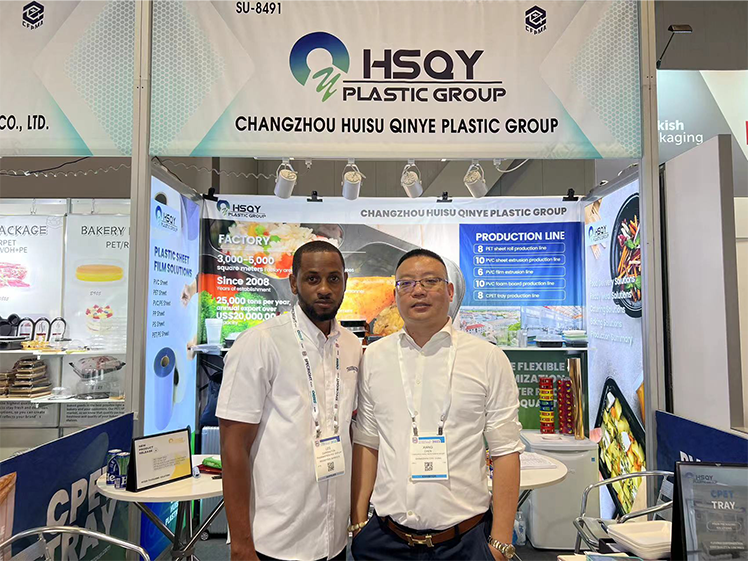
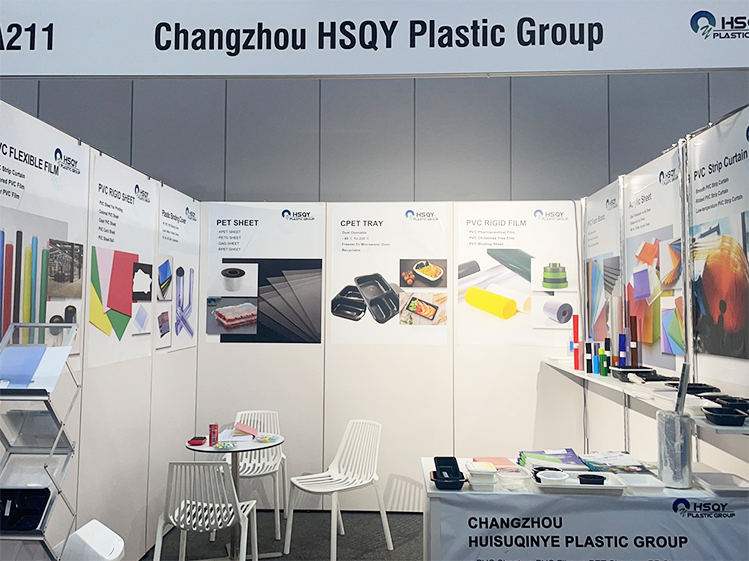
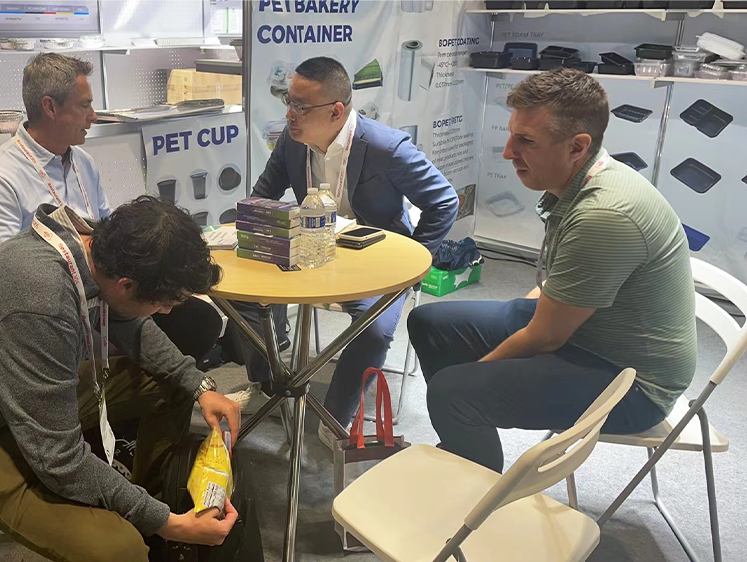
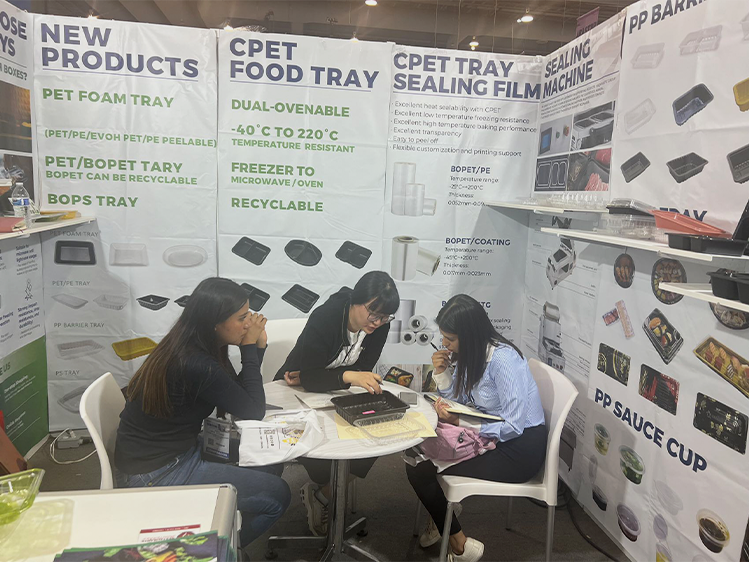
HSQY meets film converters, distributors and industrial material buyers at international exhibitions to discuss BOPET film grades, roll specifications, samples, documentation and export projects.
![HSQY at the March 2017 Shanghai exhibition]()
March 2017 · Shanghai Exhibition
![HSQY at the March 2018 Shanghai exhibition]()
March 2018 · Shanghai Exhibition
![HSQY at the June 2023 Saudi Arabia exhibition]()
June 2023 · Saudi Arabia Exhibition
![HSQY at the September 2023 USA exhibition]()
September 2023 · USA Exhibition
![HSQY at the March 2024 Australia exhibition]()
March 2024 · Australia Exhibition
![HSQY at the May 2024 USA exhibition]()
May 2024 · USA Exhibition
![HSQY at the August 2024 Mexico exhibition]()
August 2024 · Mexico Exhibition
![HSQY at the November 2024 Paris exhibition]()
November 2024 · Paris Exhibition
Frequently Asked Questions About Capacitor BOPET Film
What Is Capacitor BOPET Film?
It is a biaxially oriented PET film selected as a dielectric or metallization base for compatible polyester film capacitor designs. The exact grade requires electrical, thermal, dimensional and surface qualification.
Is Every BOPET Film Suitable for Capacitors?
No. Packaging, printing, optical and electrical BOPET grades use different formulations, surfaces and quality controls. Capacitor use requires an approved electrical grade and a winding or metallization trial.
What Thickness and Width Can HSQY Supply?
The published thickness range is 12-75 μm and custom width can be supplied up to 1250 mm. Confirm the exact grade, tolerance, slit width, core, roll diameter and trial quantity before ordering.
Can Film Thickness Determine the Capacitor Working Voltage?
No. Working voltage depends on dielectric strength distribution, defects, metallization or foil, winding, temperature, frequency, safety margin and finished-capacitor design. Use qualified component-design data rather than a generic volts-per-micron assumption.
Which Electrical Properties Should Be Confirmed?
Confirm dielectric strength, dielectric constant, dissipation factor, volume and surface resistivity, insulation resistance where applicable, test method, electrode setup, frequency, temperature and conditioning.
Can HSQY BOPET Film Be Vacuum Metallized?
A suitable base-film grade can be evaluated for metallization, but compatibility is not automatic. The buyer should test adhesion, resistance, uniformity, defects, slitting and winding on the actual vacuum-metallizing process.
What Is the Difference Between PET and PP Capacitor Film?
PET film is commonly associated with compact general-purpose capacitor designs, while BOPP is widely selected for low-loss, pulse, AC and power applications. The finished electrical duty should determine the dielectric material.
Can Capacitor BOPET Film Be Printed or Hard-Coated?
Printing and hardcoat are normally separate application grades. A printed, colored or coated packaging film should not be assumed suitable as a capacitor dielectric. State the final use so HSQY can separate the electrical and packaging specifications.
How Should BOPET Film Be Stored?
Keep rolls in their original packaging in a clean, dry indoor area away from direct sunlight, heat, moisture and dust. Condition sealed rolls near the processing area before opening and follow the grade-specific storage and handling instructions.
What Is the MOQ and Are Samples Available?
The published MOQ is 1000 kg. A4 material samples may be available with freight collected, but capacitor qualification normally requires a representative roll trial. Final MOQ depends on thickness, width and grade.
Which Documents Should I Request?
Request the current grade-specific TDS, SDS, CoA or inspection-report format, test methods, lot traceability, roll and packing specification, and any regulatory declaration required by the destination market and finished product.
Request a Capacitor BOPET Film Sample and Quote
For an accurate proposal, send the capacitor type, nominal thickness and tolerance, slit width, core ID, roll OD or length, electrical test requirements, thermal shrinkage condition, surface and defect limits, metallization process, annual volume and destination country. HSQY can then review grade suitability, sample options, documentation and MOQ.