Anti-Static BOPET Film for Electronics & Static-Sensitive Applications
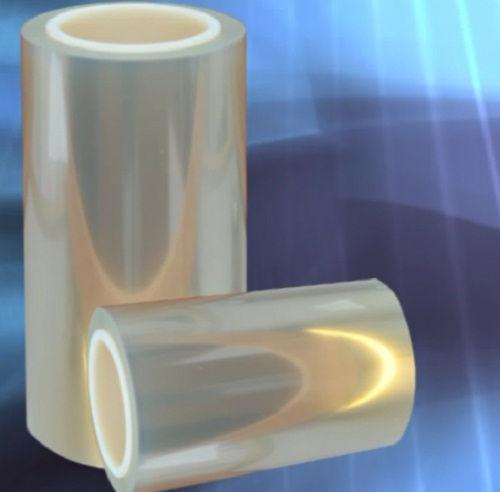
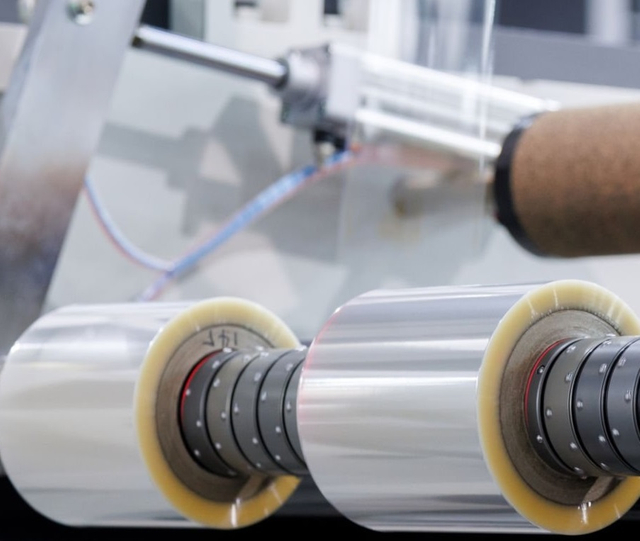
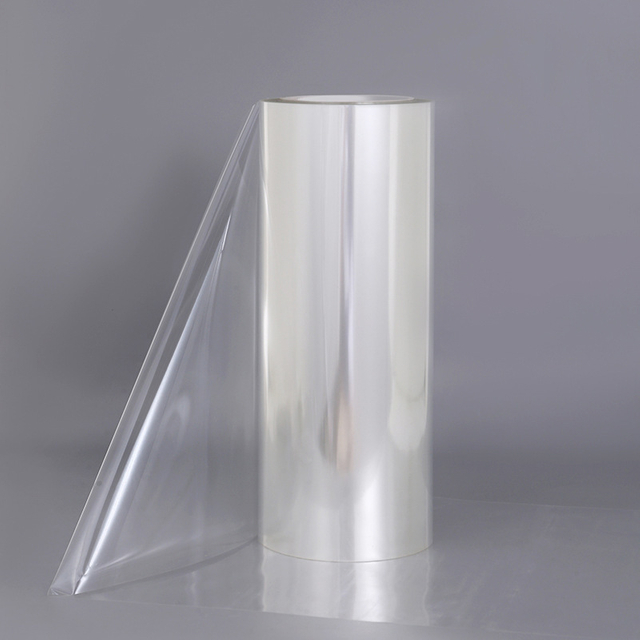
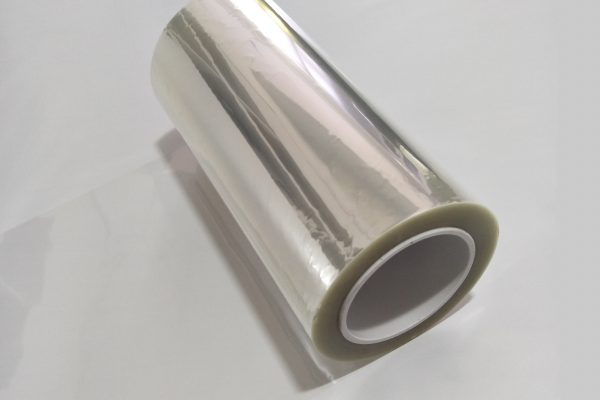
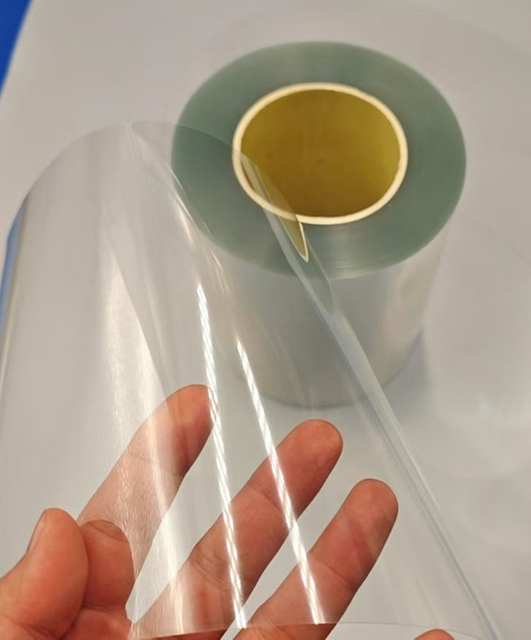
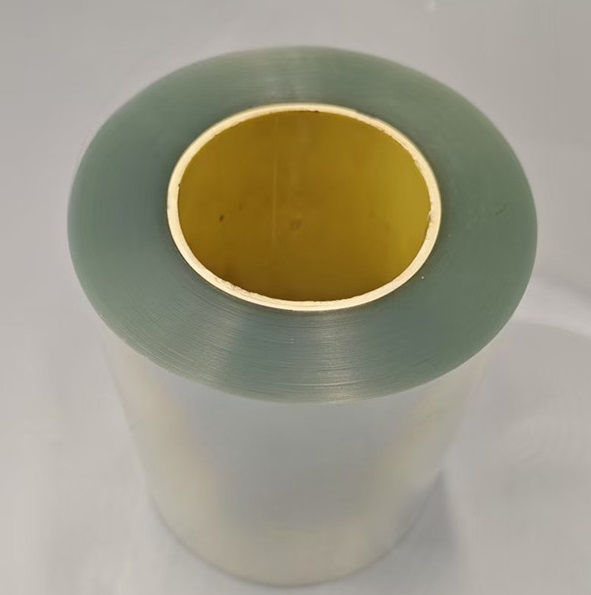
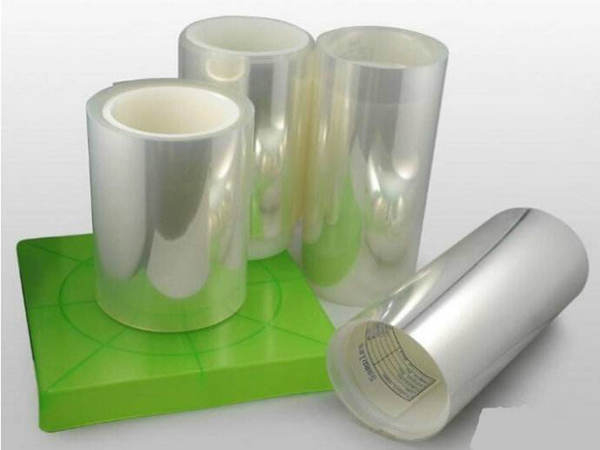
HSQY anti-static BOPET film is a biaxially oriented polyester film designed for applications where static charge accumulation must be controlled during handling, converting, packaging or storage.
Available in thicknesses from 12μm to 75μm with customized widths, the film can be supplied in clear, natural, hazy and selected colored versions with anti-static, print-treated, slip-treated, hardcoat or untreated surface options according to the selected grade.
The film can be considered for electronics packaging, component handling, static-sensitive converting, printing, coating, protective applications and other industrial processes where uncontrolled electrostatic charge may interfere with handling or sensitive products.
Anti-static performance should be specified using measurable criteria such as surface resistance or surface resistivity, static decay requirements, treated side and agreed test conditions. The term “anti-static” alone does not define a complete ESD performance specification.
Request Anti-Static BOPET Samples & Pricing
Anti-Static BOPET Film Applications

BOPET Film for Box Window Applications

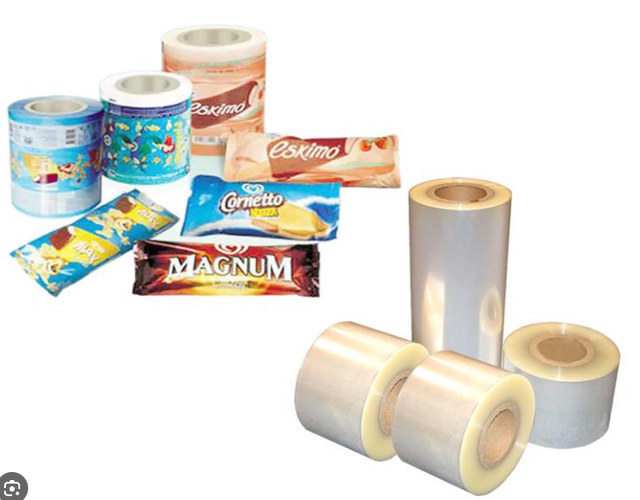
BOPET Film for Packaging Applications

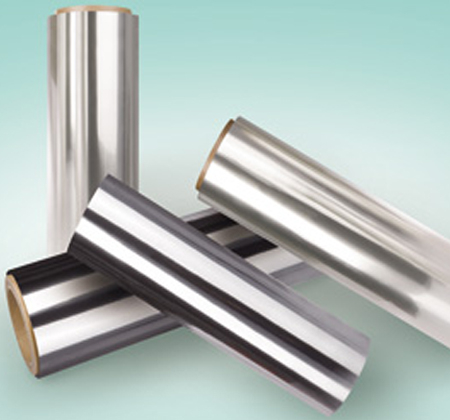
BOPET Film for Converting Applications
What Is Anti-Static BOPET Film?
BOPET is polyethylene terephthalate film that has been stretched in both the machine and transverse directions. This biaxial orientation provides useful mechanical strength, stiffness, dimensional stability and web-handling characteristics.
An anti-static BOPET grade adds a functional surface or material treatment designed to reduce the buildup of electrostatic charge compared with ordinary untreated polyester film.
Depending on the grade, the anti-static function may be present on one side, both sides or through another application-specific treatment system. Buyers should confirm which surface has the required performance before production.
Anti-static film can help reduce charge generation and static-related handling problems, but it should not automatically be considered conductive film, static-shielding film or a complete ESD-protective package.
Anti-Static BOPET Film Specifications
The following information summarizes the current HSQY product range. Guaranteed anti-static, optical, mechanical and electrical values should be confirmed on the approved specification for the selected film grade.
| Property |
Details |
| Product Name |
Anti-Static Biaxially Oriented Polyester Film |
| Material |
Polyester / PET / BOPET |
| Thickness |
12μm–75μm |
| Width |
Customized |
| Color / Appearance |
Clear, natural, hazy and selected colored options |
| Surface Appearance |
Gloss or high-haze options according to grade |
| Surface Treatment |
Anti-static, print-treated, slip-treated, hardcoat or untreated options according to selected grade |
| Anti-Static Performance |
Required surface resistance, surface resistivity or static-decay specification should be confirmed for the exact grade |
| Treatment Side |
One-side or two-side requirement should be specified where applicable |
| Typical Applications |
Electronics packaging, static-sensitive converting, protective films, industrial packaging, printing, coating and specialty applications |
| Referenced Documentation |
Current product information references SGS, ISO 9001:2008, FDA, EU and RoHS documentation; applicability must be confirmed for the exact grade and end use |
| Minimum Order Quantity |
1000kg |
| Payment Terms |
T/T, L/C, Western Union, PayPal |
| Delivery Terms |
EXW, FOB, CNF, DDU |
| Reference Lead Time |
Approximately 10–14 working days, subject to film grade, width and order quantity |
Get Anti-Static BOPET Specifications
Anti-Static vs. Static-Dissipative vs. Shielding Film
| Film Function |
Primary Purpose |
Buyer Should Confirm |
| Anti-Static |
Helps reduce static charge accumulation and charge generation during handling. |
Surface resistance or resistivity, test conditions, treated side and durability of the anti-static function. |
| Static-Dissipative |
Provides a controlled path for electrostatic charge to dissipate. |
Required electrical range, static-decay time and applicable ESD test method. |
| Static Shielding |
Provides a package structure specifically engineered to reduce electrostatic field or discharge exposure. |
Complete multilayer construction, shielding requirement and qualification test. Anti-static PET alone should not be assumed to provide shielding. |
Critical Anti-Static Performance Parameters
Surface Resistance or Surface Resistivity
Professional electronics and industrial buyers should specify the required electrical performance rather than purchasing film only by the description “anti-static.” The required value should be confirmed in the agreed unit and test method.
Electrical measurements can be affected by temperature, relative humidity, conditioning time, test voltage and surface condition. Purchase specifications should therefore include the relevant test environment where performance is critical.
Static Decay
Static decay describes how quickly an accumulated charge dissipates under defined conditions. Buyers using the film around static-sensitive components should provide a required decay specification if this parameter is part of their ESD-control program.
One-Side or Both-Side Anti-Static Performance
Some applications require anti-static performance only on the product-contact or process side, while others require control on both film surfaces. Specify which side requires the functional treatment and the winding orientation.
Anti-Static Durability
Anti-static performance may depend on the treatment technology and storage environment. Where long-term performance is important, specify the required property after an agreed storage or aging period rather than only at the time of manufacture.
Temperature and Humidity
Functional coatings and surface treatments may respond differently to temperature and humidity than the PET base film itself. Critical applications should evaluate performance under the expected converting, storage and use environment.
Permanent vs. Surface-Treated Anti-Static PET Film
Anti-static PET films can be engineered using different technologies. Some products use a functional surface treatment or coating, while other constructions may use additives or other methods to control static behavior.
These technologies may differ in electrical performance, humidity dependence, printability, coating adhesion, cleanliness and long-term stability.
If your application requires permanent or long-duration anti-static performance, provide the required resistance range, environmental conditions and service duration so the appropriate grade can be confirmed.
Optical and Web-Handling Requirements
Clarity and Haze
Clear anti-static PET can be useful when visual inspection of components is required. Applications requiring specific transparency should define haze, light transmission or an approved appearance sample.
Coefficient of Friction
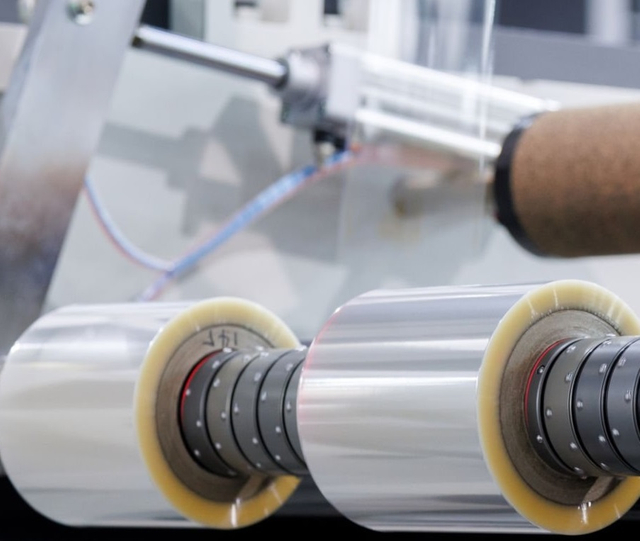
Slip and coefficient of friction can affect unwinding, web transport, stacking, feeding and automated packaging. High-speed applications should define a COF requirement when machine handling is critical.
Film Flatness and Dimensional Stability
Flatness, gauge consistency and dimensional stability are important for printing, coating, die cutting, lamination and automated handling. Heat-sensitive processes should also define acceptable shrinkage where required.
Print and Coating Adhesion
If the anti-static film will also be printed, coated or adhesive laminated, surface treatment must be compatible with the ink, coating or adhesive. Functional anti-static performance does not automatically guarantee print or coating adhesion.
Anti-Static BOPET Film for Electronics Packaging
Electronics packaging is one of the most relevant uses for anti-static PET film because electronic components can be sensitive to electrostatic charge during manufacturing, inspection, transportation and storage.
Component Packaging
Anti-static polyester film can be evaluated as part of packaging for electronic components where reduced static generation is required. The complete package must still be qualified against the component manufacturer's ESD-protection requirements.
Protective and Cover Films
Selected grades can be considered for protective or cover-film applications around electronic assemblies, displays or industrial components where static control and suitable optical properties are required.
Automated Handling
Static control can also improve handling where thin films attract dust, cling together or interfere with feeding and stacking. Actual benefit depends on the film treatment, machine environment and humidity.
Anti-Static BOPET Film for Cleanroom Applications
Anti-static performance alone does not make a film cleanroom grade. Controlled-environment projects may also require limits for particles, extractables, outgassing, ionic contamination or other cleanliness criteria.
Buyers should provide the required cleanroom classification, cleanliness test method and ESD requirements so the film and final packaging format can be evaluated appropriately.
Where cleanroom compatibility is essential, qualification should be performed on the exact production film and converted package rather than inferred from the base PET material.
Food and Pharmaceutical Packaging Considerations
Current HSQY product information references FDA, EU and RoHS documentation, but food-contact or pharmaceutical suitability should be confirmed for the exact anti-static grade, functional coating, contact side, conditions of use and destination market.
A compliance document for ordinary PET or another BOPET grade should not automatically be assumed to cover a film containing a specific anti-static treatment.
For regulated packaging applications, provide the required regulation, migration or chemical-documentation requirement before grade selection.
Other Applications of Anti-Static BOPET Film
Printing and Coating
Static control can be useful on high-speed converting lines where electrostatic charge may attract dust, interfere with web transport or affect downstream handling. Printability should be confirmed separately.
Release and Liner Applications
Selected PET grades may be evaluated for liners or release-related converting where anti-static performance and surface properties are compatible with the intended coating system.
Labels and Industrial Graphics
Anti-static PET can be considered for labels, identification products and industrial graphics where static behavior during printing, die cutting or application is important.
Specialty Industrial Converting
Specialty applications should be specified according to the required electrical, optical, thermal, mechanical and chemical properties rather than selected only from the general BOPET material description.
How to Specify Anti-Static BOPET Film
| Requirement |
Information to Provide |
| Application |
Electronics packaging, protective film, printing, coating, liner, industrial converting or another use. |
| Thickness |
Required thickness within the current 12–75μm range. |
| Width |
Required slit width and width tolerance. |
| Appearance |
Clear, natural, hazy or required color. |
| Electrical Performance |
Required surface resistance or surface resistivity and applicable test method. |
| Static Decay |
Required decay performance where applicable. |
| Test Environment |
Required temperature, relative humidity and conditioning period. |
| Treatment Side |
One-side or both-side requirement and roll winding orientation. |
| Treatment Durability |
Required anti-static performance after storage or aging where critical. |
| Optical Properties |
Haze, transparency, gloss or approved visual reference where required. |
| Web Handling |
COF, slip, flatness or other machine-handling requirements. |
| Printing / Coating |
Ink, coating or adhesive system and required treatment side. |
| Cleanliness |
Particle, outgassing or cleanroom requirements where applicable. |
| Roll Configuration |
Core ID, roll length or weight, maximum outside diameter, winding direction and splice requirements. |
| Order Information |
Trial quantity, regular order quantity, annual consumption, destination and required delivery schedule. |
Send Your Anti-Static Film Requirements
Sample Qualification Before Bulk Production
Sample qualification is especially important for anti-static film because electrical behavior can depend on test environment, surface treatment and downstream converting.
Buyers should test the sample under the same or representative humidity, temperature, printing, coating, handling and storage conditions expected in production.
Where sensitive electronics are involved, qualification should be performed as part of the buyer's complete ESD-control and packaging-validation program.
Frequently Asked Questions About Anti-Static BOPET Film
What is anti-static BOPET film?
Anti-static BOPET film is biaxially oriented polyester film supplied with a functional treatment designed to reduce electrostatic charge accumulation compared with ordinary untreated PET film.
What is the difference between PET and BOPET film?
PET refers to the polyester polymer. BOPET is PET film that has been stretched in both machine and transverse directions to improve mechanical and dimensional characteristics.
What thicknesses are available?
The current HSQY product range lists thicknesses from 12μm to 75μm. Final availability depends on grade, width, surface treatment and order specification.
Can the width be customized?
Yes. Customized widths are available according to the selected film grade and production requirements.
What surface resistivity does HSQY anti-static BOPET have?
A guaranteed surface-resistivity value is not stated in the current general product information. Buyers requiring a specific electrical range should provide the target value, test method, temperature and relative humidity for grade confirmation.
Is anti-static PET the same as conductive PET?
No. Anti-static, static-dissipative and conductive materials have different electrical behavior. Buyers should specify the required electrical performance rather than assuming these terms are interchangeable.
Does anti-static BOPET provide ESD shielding?
Not automatically. Anti-static film can reduce charge generation, but a static-shielding package usually requires a specifically engineered multilayer construction and separate qualification.
Is the anti-static treatment on one side or both sides?
This depends on the selected grade. If your process requires anti-static performance on a specific side or both surfaces, include this requirement when requesting samples and quotations.
Is the anti-static property permanent?
Anti-static durability depends on the treatment technology, storage conditions and environment. Projects requiring long-term performance should define an aging or retention requirement for the selected grade.
Does humidity affect anti-static performance?
Some functional surface treatments can be affected by environmental conditions. Critical applications should specify the required performance at the expected temperature and relative humidity.
Can anti-static BOPET be printed?
Suitable grades can be evaluated for printing, but anti-static treatment and ink adhesion are separate requirements. Provide the printing process, ink system and required printing side for evaluation.
Can anti-static PET film be coated or laminated?
Suitable grades can be coated or laminated when the functional surface is compatible with the selected coating or adhesive. Trial validation is recommended before mass production.
Can anti-static BOPET be used in cleanrooms?
Anti-static performance alone does not establish cleanroom suitability. Cleanroom projects should also specify particle, contamination, outgassing or other cleanliness requirements.
Is anti-static BOPET suitable for food packaging?
Food-contact suitability must be confirmed for the exact anti-static film grade, treatment, contact side, application conditions and destination market. Do not assume that documentation for standard PET automatically covers every anti-static grade.
Can anti-static BOPET be used for electronic components?
It can be evaluated for packaging and handling applications involving electronic components where reduced static generation is required. The complete packaging system should still meet the component manufacturer's ESD requirements.
What colors are available?
Current product information lists clear, natural, hazy and colored options. Final availability depends on the required grade and functional treatment.
What is the MOQ?
The current product page lists a minimum order quantity of 1000kg. Special widths, colors or functional grades may have different production requirements.
Can I request samples?
Samples can be discussed for electrical testing, optical evaluation, printing, coating and machine trials. Existing product information indicates that sample freight may be collected from the buyer.
What information should I provide for a quotation?
Provide thickness, width, appearance, application, required surface resistance or resistivity, test conditions, one- or two-side requirement, printing or coating process, cleanliness requirements, roll configuration, quantity, annual consumption and destination.
Packing and Delivery
Anti-static BOPET film should be protected from contamination, excessive moisture, extreme storage conditions, edge damage and roll deformation during handling and transportation.
| Packing Item |
Current Reference |
| Sample Packaging |
Small rolls or sheets packed in protective boxes |
| Bulk Packing |
Rolls or sheets wrapped with PE film or kraft paper according to specification |
| Pallet Packing |
Approximately 500–2000kg per plywood pallet depending on roll configuration |
| Container Loading |
Approximately 20 tons subject to film dimensions, packing configuration and legal payload limits |
| Delivery Terms |
EXW, FOB, CNF, DDU |
| Reference Lead Time |
Approximately 10–14 working days, subject to specification and order quantity |

Anti-Static BOPET Roll Packing

BOPET Export Pallet Packing

Polyester Film Export Packaging
HSQY at International Exhibitions
HSQY meets electronics, packaging, converting and industrial-material buyers at international exhibitions to discuss BOPET grades, surface treatments, anti-static requirements and customized roll specifications.

2023 American Exhibition

2024 Mexico Exhibition

2024 American Exhibition
Product and Quality Documentation
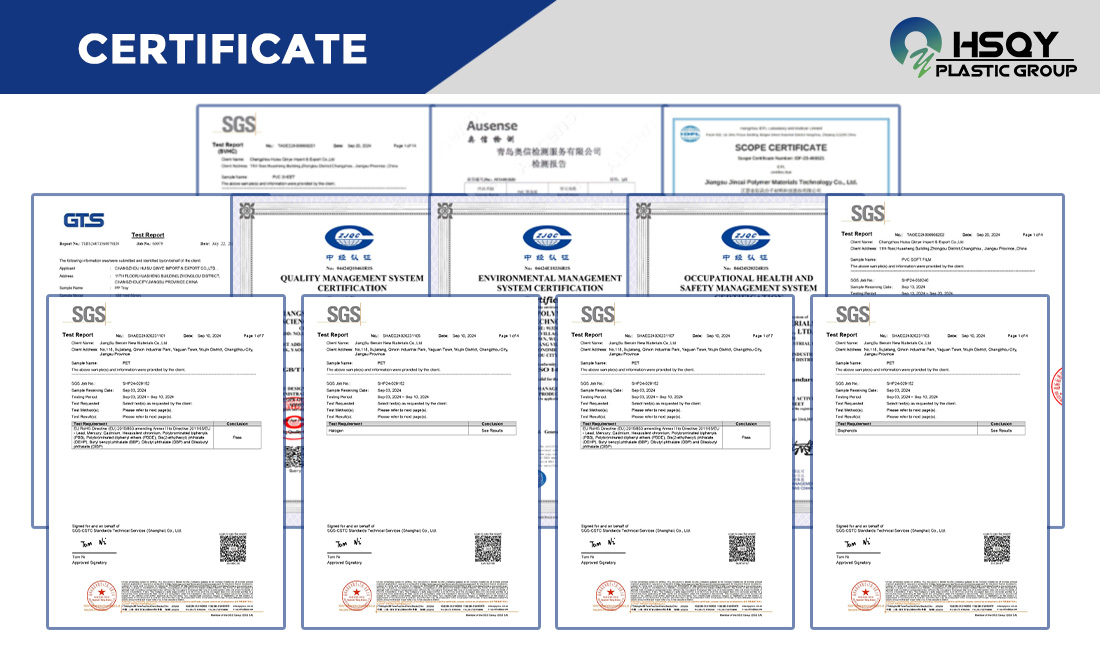
Current product information references SGS, ISO 9001:2008, FDA, EU and RoHS documentation. Buyers should confirm which documents apply to the exact anti-static BOPET grade, functional coating and intended application.
Electronics projects should also specify any required electrical test report, surface-resistance data, static-decay data or customer-specific qualification. Food or regulated applications should identify the exact compliance scope required for the destination market.
![HSQY anti-static BOPET film product and quality documentation]()
Request an Anti-Static BOPET Film Quote
Looking for anti-static polyester film for electronics packaging, protective applications, printing, coating or static-sensitive industrial converting? Send HSQY your required film thickness, width, application and electrical-performance requirements for evaluation.
For demanding ESD applications, include the required surface resistance or resistivity, test conditions, one- or two-side treatment, static-decay requirement, cleanliness specification, printing or coating process, roll configuration, order quantity and annual consumption.
Request Samples & Quote Now