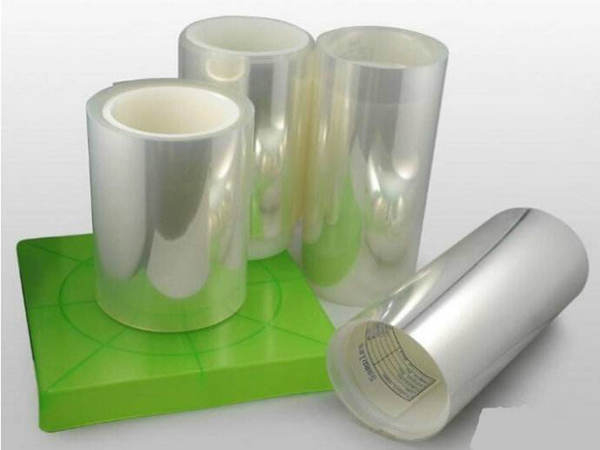
Metallized PET Film Roll for Barrier Packaging & Lamination
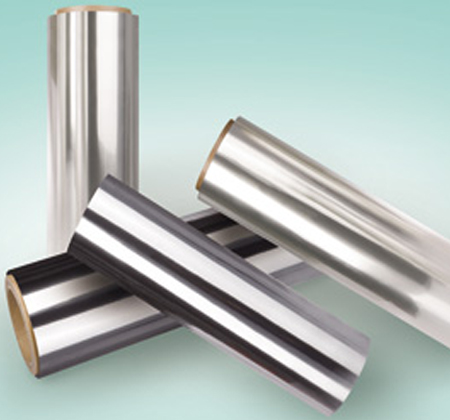
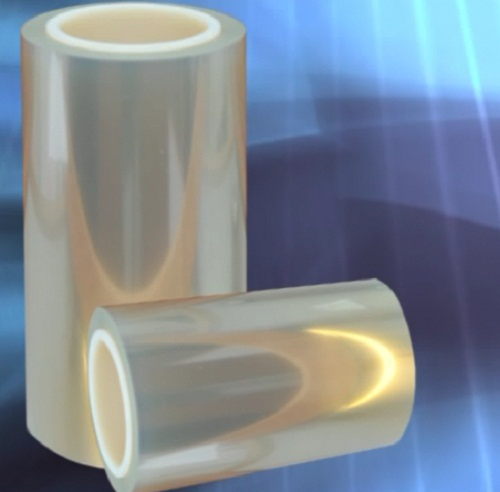
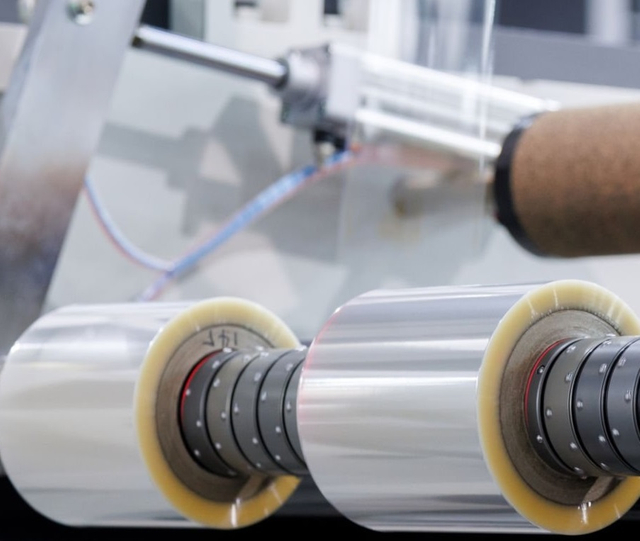
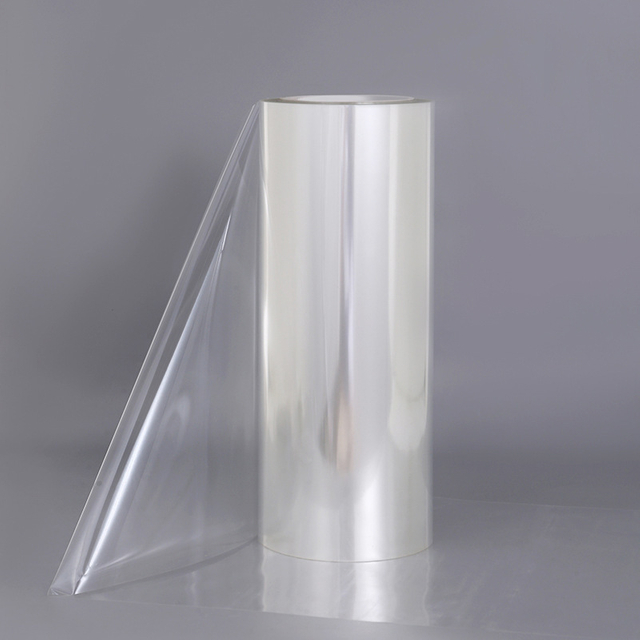
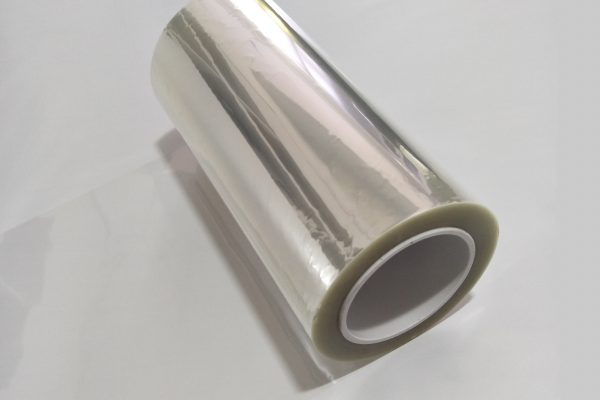
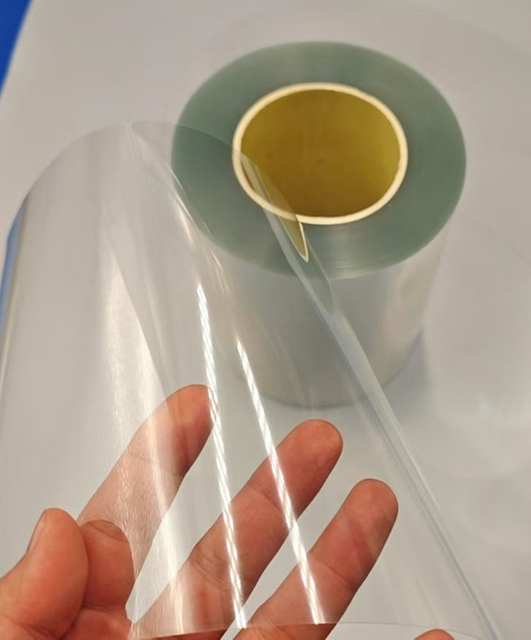
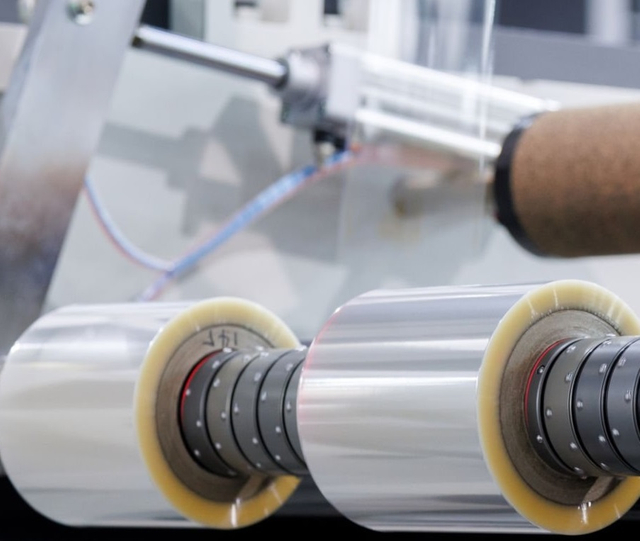
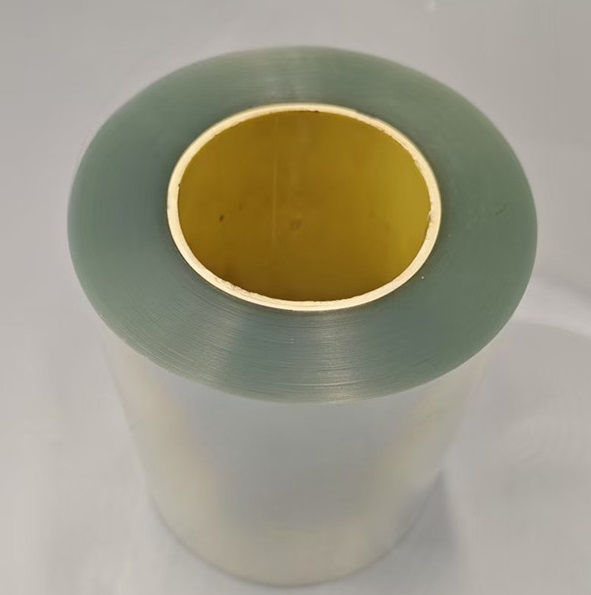
HSQY metallized PET film, also known as metallized polyester film or VMPET film, is a polyester film with a thin metallic layer deposited onto the PET surface under vacuum. The metallized layer provides a reflective metallic appearance and improves barrier performance compared with ordinary transparent PET film.
Available in thicknesses from 12μm to 36μm with customized widths, HSQY metallized PET film can be supplied in silver, golden and selected customized finishes for flexible packaging, lamination, decorative converting and industrial applications.
Standard product options include untreated film and one-side corona-treated film. The correct surface treatment should be selected according to whether the film will be printed, adhesive laminated, extrusion laminated, coated or used in another converting process.
Barrier, metal adhesion, printing and converting performance depend on the exact film grade, metallization quality, optical density, coating uniformity, treatment level, adhesive system and final laminate construction. Buyers should confirm these requirements before commercial production.
Request Metallized PET Samples & Pricing
![Metallized PET film roll for barrier packaging and lamination]()
What Is Metallized PET Film?
Metallized PET film is produced by depositing a very thin metallic layer, typically aluminum for standard VMPET applications, onto a polyester film under vacuum conditions.
The PET substrate contributes mechanical strength, dimensional stability and converting performance, while the metallized surface adds reflectivity, opacity and improved resistance to the transmission of oxygen, moisture, light and aroma compared with ordinary uncoated PET.
Metallized PET is normally much thinner and more flexible than true aluminum foil. It is commonly used as a barrier or decorative layer inside laminated structures rather than as a complete finished package by itself.
Typical packaging structures may combine printable PET, metallized PET and a sealant film such as PE or another application-specific sealing layer. Final package performance depends on the complete structure, adhesive, printing, sealing and storage conditions.
Metallized PET Film Specifications
| Property |
Details |
| Product Name |
Metallized PET Film / Metallized Polyester Film |
| Alternative Name |
VMPET Film, Vacuum Metallized PET Film, Aluminized PET Film |
| Base Material |
Polyethylene Terephthalate (PET) |
| Metallic Layer |
Vacuum-deposited metallic coating; standard aluminum-type metallization should be confirmed for the selected grade |
| Thickness |
12μm–36μm; customized according to available grade |
| Width |
Customized |
| Color / Appearance |
Silver, golden and customized options according to grade |
| Treatment |
Untreated or one-sided corona treatment |
| Density |
1.36g/cm³ as currently listed; confirm for the selected grade if technically critical |
| Barrier Performance |
Improved oxygen, moisture, aroma and light barrier compared with ordinary PET; specify required OTR and WVTR where critical |
| Optical Density |
Specify required optical density or metallization level when barrier and opacity are critical |
| Printing / Lamination |
Treatment and surface orientation should be selected according to ink, coating and adhesive system |
| Applications |
Flexible packaging, lamination, decorative films and selected industrial converting applications |
| Referenced Documentation |
SGS and ISO 9001:2008 information is referenced in current product documentation; confirm current scope and applicability |
| Minimum Order Quantity |
1000kg |
| Payment Terms |
30% deposit, 70% balance before shipment |
| Delivery Terms |
FOB, CIF, EXW |
| Reference Delivery Time |
Approximately 7–15 days after deposit, subject to specification and order volume |
Get Metallized PET Specifications
How Vacuum Metallized PET Film Works
PET Base Film
The PET substrate provides the mechanical base for the film and contributes tensile strength, dimensional stability and resistance to handling during printing, coating, lamination, slitting and pouch converting.
Vacuum-Deposited Metal Layer
During vacuum metallization, a very thin metal layer is deposited onto the PET surface. The resulting metallic surface reflects light and reduces gas and moisture transmission compared with an equivalent untreated transparent PET film.
Treated or Functional Surface
Depending on the film construction and intended process, one surface may require corona treatment or another adhesion-promoting treatment for printing, coating or lamination. Buyers should specify which surface will contact the ink or adhesive.
Barrier Performance of Metallized PET Film
Metallization can significantly improve the oxygen, water-vapor, aroma and light-barrier properties of PET film, but barrier performance varies by grade and should not be assumed from the term “metallized PET” alone.
Oxygen Barrier
The metallic layer reduces oxygen transmission and can support packaging applications that require greater oxygen protection than conventional transparent PET. Buyers with defined shelf-life targets should specify the required OTR and test conditions.
Water-Vapor Barrier
Metallized PET also provides improved resistance to moisture transmission. Required WVTR should be specified where protection from humidity or moisture loss is critical.
Light and Aroma Protection
The metallic surface reduces light transmission and can help protect light-sensitive products. Metallized PET can also improve aroma retention when incorporated into an appropriate laminated package.
Barrier After Converting
Barrier performance can be affected by pinholes, scratches, creasing, metallization defects, adhesive interaction and converting damage. For critical packaging, evaluate barrier performance on the final converted laminate rather than relying only on the incoming film.
Optical Density and Metallization Quality
Optical density is commonly used as one indicator of the deposited metal layer. It can affect opacity, appearance and barrier performance, although optical density alone does not fully describe the quality of a metallized film.
Packaging converters with defined barrier requirements should specify the required optical density together with OTR, WVTR and metal-bond requirements rather than relying only on visual silver appearance.
Uniform metallization is particularly important because localized thin areas, scratches or pinholes can reduce barrier consistency across the web.
Metal Bond and Lamination Adhesion
Metal adhesion to the PET substrate is an important parameter for laminated packaging because inadequate metal bond can contribute to delamination or transfer during adhesive lamination and package use.
The correct adhesive, surface treatment, coating weight, curing conditions and laminate design should be validated using the actual metallized PET grade.
When wet or chemically demanding products are packaged, buyers should also specify the required metal-bond and lamination performance under the intended filling and storage conditions.
Printing and Lamination of Metallized PET Film
Printing on the Non-Metallized Side
Depending on the film grade, the non-metallized PET surface can be selected for printing or adhesive bonding. Confirm the required treated side, treatment level and ink compatibility before production.
Printing on the Metallized Side
Printing directly onto a metallized surface requires specific ink and surface compatibility. If metal-side printing is required, provide the printing process and ink system so the appropriate surface treatment can be evaluated.
Adhesive Lamination
VMPET is commonly incorporated into adhesive-laminated flexible packaging structures. Film surface, adhesive chemistry, coating weight and curing conditions should be matched to the required bond strength and barrier performance.
Extrusion Lamination
Where extrusion lamination is required, the converter should confirm adhesion between the metallized PET surface and the extrusion layer under actual line conditions.
Typical PET/VMPET/PE Packaging Structure
| Layer |
Typical Material |
Primary Function |
| Outer Layer |
Printable PET |
Provides printing surface, stiffness and mechanical protection. |
| Barrier Layer |
Metallized PET / VMPET |
Improves oxygen, moisture, aroma and light barrier. |
| Sealant Layer |
PE or application-specific sealant |
Provides heat sealing and product-contact surface where suitable. |
| Adhesive |
Application-specific lamination adhesive |
Bonds the individual film layers into the complete laminate. |
This is an example of a commonly used laminate concept rather than a fixed HSQY construction. Actual layer materials, thicknesses, adhesives and sealing layers should be selected according to the packaged product and filling process.
Metallized PET Film vs. Aluminum Foil
| Selection Factor |
Metallized PET / VMPET |
Aluminum Foil |
| Construction |
PET film with an extremely thin deposited metallic layer. |
Continuous solid aluminum foil layer. |
| Flexibility |
Lightweight and flexible for many packaging laminates. |
Provides very strong barrier but may be more sensitive to flex cracking depending on gauge and structure. |
| Barrier Level |
High barrier compared with ordinary PET, dependent on metallization quality and grade. |
Generally selected when extremely strong gas, moisture and light barrier is required. |
| Appearance |
Bright metallic surface with PET film handling characteristics. |
Opaque metallic foil appearance. |
| Selection Basis |
Suitable where high barrier, metallic appearance, flexibility and lower material mass are priorities. |
Suitable where the package requires the barrier performance of a continuous foil layer. |
Key Benefits of Metallized PET Film
Improved Gas and Moisture Barrier
Metallization improves barrier performance relative to ordinary PET film and makes VMPET useful as a barrier layer in suitable laminated packaging structures.
Light Protection
The metallic layer reduces light transmission and can support packaging for products that benefit from reduced light exposure.
Metallic Appearance
Silver and golden metallic effects can also be used for decorative laminates, labels, gift packaging and other applications where visual appearance is an important design requirement.
Lightweight Barrier Layer
Because the metallic coating is very thin, VMPET provides barrier and reflective properties while retaining the light weight and flexibility of polyester film.
Suitable for Lamination
The film can be incorporated into multilayer laminate structures when the surface treatment, metallization, adhesive and curing conditions are properly matched.
![silver metallized polyester film for decorative and packaging laminates]()
Silver Metallized PET Film
![custom metallized PET film for industrial converting]()
Metallized PET for Industrial Converting
Applications of Metallized PET Film
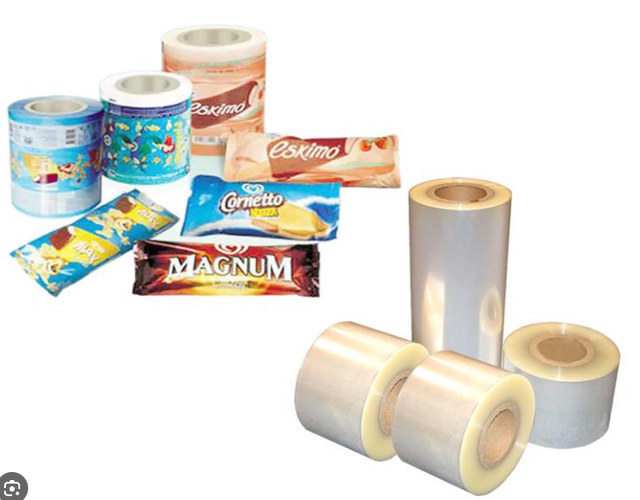
Snack and Dry Food Packaging
VMPET can be used as a barrier layer in laminated packaging for snacks, dried foods and other moisture- or oxygen-sensitive products when the complete package has been validated for the required shelf-life conditions.
Coffee and Tea Packaging
Metallized PET is commonly considered for laminate structures requiring improved aroma, oxygen, moisture and light protection for products such as coffee and tea.
Confectionery Packaging
Metallized polyester can be incorporated into confectionery laminate structures where metallic appearance and barrier performance are required.
Pet Food Packaging
Suitable VMPET grades can form part of laminated pet-food packages requiring improved gas, moisture and aroma barrier. Sealant and puncture performance must be provided by the complete structure.
Decorative Labels and Gift Packaging
Silver and golden metallized surfaces provide reflective decorative effects for selected labels, gift wraps, decorative laminates and promotional packaging.
Industrial and Reflective Laminates
Metallized PET can also be evaluated for reflective, thermal or industrial laminates where its reflectivity, flexibility and film properties match the project requirements.
Electronics and Conductive Applications
Where electrical conductivity, static dissipation or shielding performance is required, the buyer should specify the required sheet resistance, metal type, coating continuity and applicable test method. Standard packaging-grade metallized PET should not automatically be treated as a qualified EMI/RFI shielding material.
How to Choose Metallized PET Film
| Requirement |
Information to Provide |
| Final Application |
Food packaging, coffee, snacks, decorative lamination, industrial converting or another end use. |
| Thickness |
Required thickness within the current 12–36μm range. |
| Width |
Required slit width and tolerance. |
| Metallic Appearance |
Silver, golden or other available customized finish. |
| OTR Requirement |
Required oxygen transmission rate and test conditions when barrier is critical. |
| WVTR Requirement |
Required water-vapor transmission rate and test conditions. |
| Optical Density |
Required metallization or opacity level where applicable. |
| Metal Bond |
Required metal adhesion or laminate performance for the intended structure. |
| Surface Treatment |
Untreated or one-side corona treatment and required treated-side orientation. |
| Printing |
Printing method, ink system and whether printing occurs on the metal or PET surface. |
| Lamination Structure |
Other film layers, adhesive system, coating weight and curing conditions. |
| COF / Web Handling |
Specify coefficient of friction or other high-speed-machine requirements where critical. |
| Roll Configuration |
Core ID, roll length or weight, maximum outside diameter, winding direction and splice requirements. |
| Order Information |
Trial quantity, regular quantity, annual consumption, destination and required delivery schedule. |
Send Your VMPET Film Requirements
Product and Quality Documentation
Current product information references SGS and ISO 9001:2008 documentation. Buyers requiring material declarations, quality-system certificates, food-contact documentation, chemical reports or other market-specific records should confirm the current revision, scope and applicability to the exact supplied grade.
Food-contact suitability should be evaluated for the complete material specification and destination market. Documentation for one PET substrate or metallized grade should not automatically be assumed to cover all customized constructions.
![HSQY metallized PET film product and quality documentation]()
HSQY at International Exhibitions
HSQY meets packaging converters, laminators, distributors and industrial buyers at international exhibitions to discuss metallized PET grades, barrier requirements, printing, lamination and customized roll specifications.
![2017 Shanghai Exhibition for HSQY Plastics]()
2017 Shanghai Exhibition
![2023 American Exhibition for HSQY Plastics]()
2023 American Exhibition
![2024 American Exhibition for HSQY Plastics]()
2024 American Exhibition
![2024 Paris Exhibition for HSQY Plastics]()
2024 Paris Exhibition
Packing and Delivery
Metallized PET film should be protected from moisture, contamination, excessive pressure, edge damage and scratching of the metallized surface during storage, handling and transportation.
| Packing Item |
Current Reference |
| Sample Packaging |
Small rolls in PE bags and cartons |
| Roll Packaging |
Wrapped in PE film and packed in cartons or on pallets |
| Pallet Packaging |
Approximately 500–2000kg per plywood pallet depending on roll configuration |
| Container Loading |
Approximately 20 tons subject to roll dimensions, packing configuration and legal payload limits |
| Delivery Terms |
FOB, CIF, EXW |
| Reference Lead Time |
Approximately 7–15 days after deposit depending on specification and order volume |

Metallized PET Roll Packing

VMPET Export Pallet Packing

Metallized Polyester Film Packaging
Frequently Asked Questions About Metallized PET Film
What is metallized PET film?
Metallized PET film is polyester film coated with a very thin metallic layer under vacuum. It combines PET film handling characteristics with metallic reflectivity and improved barrier performance.
Is VMPET the same as metallized PET film?
Yes. VMPET commonly refers to vacuum-metallized PET film and is widely used as an alternative industry term for metallized polyester film.
What thicknesses are available?
The current HSQY range lists 12μm to 36μm. Final availability depends on film grade, metallization and roll specification.
Can the width be customized?
Yes. Current product information lists customized widths. Provide the required slit width, tolerance and roll configuration when requesting a quotation.
Is metallized PET the same as aluminum foil?
No. Metallized PET is PET film with a very thin deposited metallic layer, while aluminum foil is a continuous solid metal layer. Their barrier, flexing and converting characteristics are different.
Does metallized PET have good oxygen barrier?
Metallization improves oxygen barrier compared with ordinary PET film. Actual OTR depends on the film grade, metal layer, defects and test conditions, so critical projects should specify a required value.
Does metallized PET provide moisture barrier?
Yes, metallization can significantly improve moisture barrier relative to ordinary PET. Required WVTR should be confirmed for applications where moisture protection is critical.
What is optical density in metallized film?
Optical density is an indicator related to the opacity and deposited metal layer. Buyers should specify optical density together with barrier and metal-bond requirements when these parameters are important.
Can metallized PET be printed?
Suitable grades can be printed, but ink compatibility and surface treatment should be confirmed for the specific printing side and process.
Can metallized PET be laminated?
Yes. VMPET is commonly used in laminated structures. Adhesive selection, treatment, metal adhesion, curing and the other laminate layers should be validated together.
Is metallized PET heat sealable?
Standard metallized PET should not automatically be considered a direct heat-seal layer. Packaging structures normally use a dedicated sealant layer such as PE or another application-specific heat-sealing material unless a special heat-sealable metallized grade is selected.
Can metallized PET extend food shelf life?
Metallized PET can support shelf-life objectives by improving barrier performance, but actual shelf life depends on the complete laminate, packaged food, headspace, seals, processing and storage conditions. Shelf-life testing should be performed on the final package.
Is metallized PET suitable for food packaging?
Metallized PET is widely used within flexible packaging structures, but food-contact suitability must be confirmed for the exact film grade, laminate construction, contact side, conditions of use and destination market.
Is metallized PET conductive?
A deposited metal layer can provide electrical conductivity, but conductivity varies considerably with metal type, coating thickness and continuity. Electrical applications should specify sheet resistance and the applicable test method.
Can standard VMPET be used for EMI or RFI shielding?
EMI or RFI shielding performance should not be assumed for a standard packaging-grade VMPET film. Shielding projects should specify required attenuation, frequency range, sheet resistance, metal construction and applicable qualification tests.
What is metal bond?
Metal bond refers to the adhesion of the deposited metallic layer to the PET substrate. Strong metal adhesion is important when the film will be laminated or exposed to demanding converting and package conditions.
What is the MOQ?
The current HSQY product specification lists a minimum order quantity of 1000kg. Customized thicknesses, widths, colors or special functional grades may have different production requirements.
Can I request samples?
Samples can be discussed for checking appearance, printing, lamination, barrier requirements and machine compatibility. Current product information indicates that free samples may be available with freight collected from the buyer.
What information should I provide for a quotation?
Provide thickness, width, metallic appearance, application, required OTR and WVTR if known, optical density, printing side, corona-treatment requirement, laminate structure, adhesive, roll specification, quantity, annual consumption and destination.
Request a Metallized PET Film Quote
Looking for metallized PET or VMPET film for flexible packaging, barrier lamination, decorative applications or industrial converting? Send HSQY your required thickness, width, metallization, treatment and roll specification for evaluation.
For barrier packaging projects, include your target OTR, WVTR, optical density, laminate structure, printing process, adhesive system, packaged product and storage conditions where available.
Request Samples & Quote Now