Colored HIPS Sheet for Thermoforming & Custom Parts
HSQY colored HIPS sheet combines impact resistance, custom colors, smooth surface quality and thermoforming performance for displays, packaging, appliance parts, signage and industrial fabrication.
High Impact Polystyrene, commonly known as HIPS, is a rubber-modified polystyrene material designed to provide greater toughness than standard GPPS while retaining good rigidity, formability and ease of fabrication.
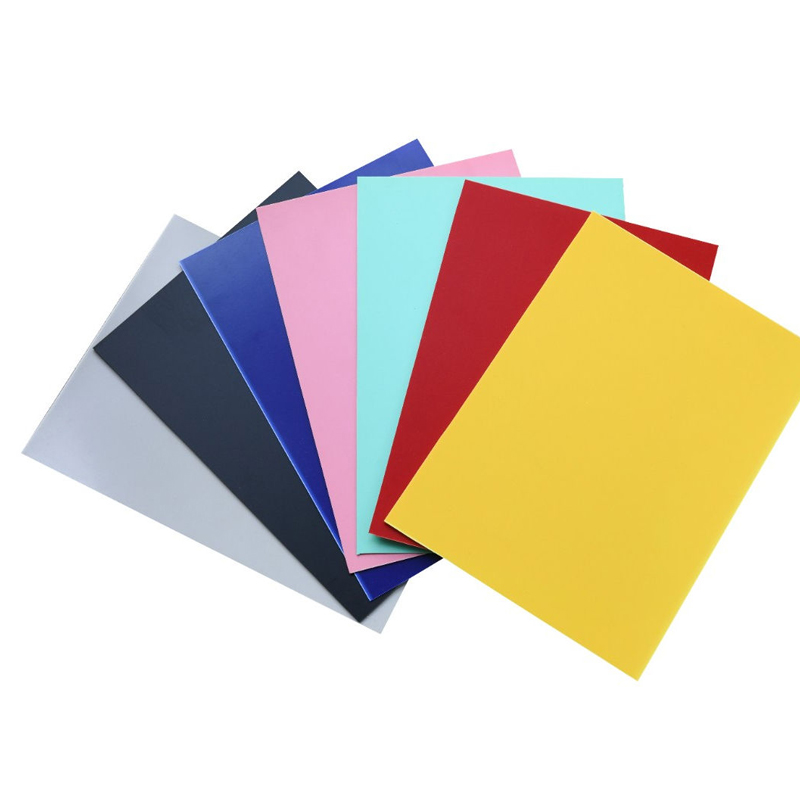
HSQY currently supplies white, black, colored and customized HIPS sheets from approximately 0.2mm to 6mm thick, with widths up to 1600mm for selected specifications. Custom color requirements can be discussed according to the application, sheet thickness and production quantity.
![Colored HIPS high impact polystyrene sheet]()
Colored HIPS Sheet
![Custom color high impact polystyrene sheet]()
Custom Color HIPS Sheet
![HIPS polystyrene sheet for thermoforming]()
HIPS Sheet for Thermoforming
Colored HIPS Sheet Specifications
| Property |
Specification |
| Product |
Colored High Impact Polystyrene Sheet / HIPS Sheet |
| Material |
High Impact Polystyrene (HIPS / PS) |
| Thickness |
0.2mm - 6mm, customized |
| Maximum Width |
Up to approximately 1600mm |
| Color |
White, Black, Colored, Custom |
| Surface Finish |
Smooth, gloss, matte or application-specific finish subject to production confirmation |
| Supply Form |
Flat sheet; selected thin-gauge roll specifications subject to confirmation |
| Processing |
Thermoforming, vacuum forming, die cutting, CNC cutting, drilling, printing, painting and laminating depending on grade |
| Typical Applications |
Packaging, POP displays, signage, appliance components, automotive interior parts, equipment covers, consumer products and industrial fabrication |
Specification Note: Color, surface gloss, texture, thickness tolerance and forming performance depend on the selected HIPS grade and production specification. Final color and surface appearance should be approved before bulk production where appearance is critical.
What Is Colored HIPS Sheet?
Colored HIPS sheet is High Impact Polystyrene compounded or produced with a defined color rather than the material being supplied only in standard white or black.
HIPS contains a rubber-modified phase that improves toughness compared with standard General Purpose Polystyrene. This makes HIPS suitable for products that need a combination of rigidity, impact resistance, thermoforming performance and visual appearance.
Colored material can reduce the need for secondary painting in some applications and can help manufacturers maintain a consistent product appearance across thermoformed parts, displays, housings and packaging components.
Custom Color HIPS Sheet
Custom color is one of the main advantages of this HIPS product. Buyers can provide an existing plastic sample, approved product sample or recognized color reference to discuss color matching for a new production program.
Color appearance can change with thickness, surface gloss, lighting and thermoforming depth. For projects with strict appearance requirements, the finished formed component should be evaluated rather than approving color only from a flat sheet.
| Color Requirement |
Information to Provide |
| Target Color |
Physical sample or recognized color reference where available |
| Sheet Thickness |
Required gauge because thickness can influence visual appearance |
| Surface Finish |
Gloss, matte, smooth or other required finish |
| Finished Process |
Flat-sheet use, thermoforming, printing, painting or lamination |
| Viewing Conditions |
Special appearance or matching requirement where relevant |
| Production Quantity |
Trial quantity and expected regular consumption |
Key Benefits of Colored HIPS Sheet
Improved impact resistance: Rubber modification provides greater toughness and crack resistance than standard GPPS.
Custom color capability: White, black and project-specific colors can support branded or decorative products.
Good thermoformability: Suitable HIPS grades can be vacuum formed and thermoformed into three-dimensional components.
Surface flexibility: Smooth, gloss, matte and application-specific finishes can be discussed according to the required product appearance.
Printable surface: Suitable grades can support screen, digital and other printing processes after compatibility testing.
Easy fabrication: HIPS can be cut, drilled, routed, die cut, machined and laminated using suitable processes.
Lightweight and rigid: HIPS provides useful panel stiffness while keeping component weight relatively low.
Cost-effective processing: HIPS is widely used for high-volume formed and fabricated products requiring an economical thermoplastic sheet.
Colored HIPS Sheet for Thermoforming
Thermoforming is one of the main uses of colored HIPS sheet. The material is heated until sufficiently pliable and then formed against a mold using vacuum, pressure or another suitable forming process.
Color and surface appearance should be evaluated after forming because stretching changes local sheet thickness and can influence gloss, texture and visible color intensity in deep-draw areas.
| Thermoforming Factor |
Why It Matters |
| Starting Thickness |
Determines the amount of material available before stretching |
| Heating Uniformity |
Supports more consistent forming and surface appearance |
| Draw Depth |
Deeper parts can produce greater local wall thinning |
| Color Consistency |
Evaluate the final formed component where color matching is critical |
| Surface Gloss |
Gloss can change after heating and stretching |
| Finished Wall Thickness |
Check critical areas on the final formed component |
Colored HIPS for Packaging
Colored HIPS can be thermoformed into trays, inserts, protective packaging and other rigid packaging components where impact resistance, color identification and structural rigidity are required.
For electronics, food, medical or cosmetic packaging, buyers should specify the exact product-contact, ESD, regulatory or hygiene requirement before selecting a grade. A general colored HIPS sheet should not automatically be treated as suitable for every packaging application.
Colored HIPS for POP Displays & Signage
Colored HIPS sheet is useful for retail displays, POP displays, exhibition panels, shelf components and signage where manufacturers need a lightweight rigid substrate together with a defined background color.
Using material with the required base color can reduce the amount of printed coverage or secondary painting needed in some designs. Printing compatibility still depends on surface finish, surface energy, ink system and curing process.
Printing on Colored HIPS Sheet
Suitable HIPS grades can be used for screen printing, digital printing and other graphic processes. Color contrast between the base sheet and printed ink should be considered during artwork development.
For production printing, buyers should confirm surface finish, ink chemistry, adhesion, curing and any required surface treatment. If a specific dyne level or corona treatment is required, include it in the purchasing specification.
Colored HIPS for Appliance Components
HIPS is commonly evaluated for refrigerator liners, appliance housings, covers, trays and interior components because suitable grades provide a useful balance of impact resistance, thermoformability, rigidity and appearance.
For appliance applications, provide operating temperature, detergent or chemical exposure, forming depth, color, gloss and any required mechanical test so the material can be matched to the finished product.
Colored HIPS for Automotive Interior Parts
Selected HIPS grades can be considered for automotive interior trim, protective covers and non-structural formed parts where economical thermoforming and color control are required.
Automotive applications should specify heat resistance, impact performance, odor, emissions, flammability and OEM-specific requirements. Standard colored HIPS should not automatically be assumed to meet automotive qualification requirements.
Colored HIPS vs. Painted HIPS
| Factor |
Colored HIPS |
Painted HIPS |
| Color Source |
Color incorporated into or produced with the sheet material |
Color applied as a secondary surface coating |
| Secondary Processing |
May reduce painting requirements depending on design |
Requires paint preparation, application and curing |
| Surface Effects |
Final appearance depends on extrusion finish and thermoforming |
Paint can provide additional decorative effects depending on coating system |
| Selection |
Choose according to required appearance, forming process, volume, color tolerance and finished-product cost |
Colored HIPS vs. Colored ABS Sheet
| Selection Factor |
Colored HIPS |
Colored ABS |
| Typical Position |
Economical thermoforming and display material |
Engineering thermoplastic for more demanding applications |
| Impact Performance |
Improved compared with GPPS |
Often selected where a higher performance balance is required |
| Thermoforming |
Widely used and easy to process with suitable grade |
Also widely thermoformed for industrial parts |
| Cost Consideration |
Often selected for cost-sensitive high-volume applications |
Typically selected when additional engineering performance justifies the material choice |
HIPS Sheet Surface Finish
Surface finish influences appearance, printing, tactile feel and the visual result after thermoforming. Buyers should therefore specify surface requirements together with color.
| Surface |
Typical Selection Direction |
| Gloss |
Decorative parts, displays and visually prominent surfaces |
| Matte |
Lower-glare displays, printed components and industrial surfaces |
| Smooth |
Printing, labeling, lamination and general-purpose fabrication |
| Custom Texture |
Application-specific appearance subject to grade and production capability |
Outdoor Use of Colored HIPS Sheet
Standard HIPS should primarily be considered for indoor or controlled applications unless the exact material grade has been developed and tested for extended outdoor exposure.
Prolonged UV exposure can affect color and mechanical properties. Outdoor projects should specify weathering, UV exposure and required service conditions so a suitable stabilized grade or alternative material can be evaluated.
Chemical & Moisture Resistance
HIPS provides useful resistance to water and selected diluted chemicals, but chemical compatibility depends on the exact substance, concentration, temperature and exposure duration.
If the finished component will contact detergents, cleaners, alcohols, oils or other chemicals, provide the exposure conditions before approving the material.
What Information Should You Provide for a Quote?
| Requirement |
Information to Provide |
| Application |
Thermoforming, packaging, display, signage, appliance, automotive or industrial use |
| Thickness |
Required thickness and tolerance |
| Sheet Size |
Required width × length; maximum current width approximately 1600mm |
| Color |
White, black or custom color reference |
| Surface |
Gloss, matte, smooth or other required finish |
| Thermoforming |
Mold dimensions, forming depth and required finished wall thickness where applicable |
| Printing |
Printing process, ink system and required surface treatment where applicable |
| Color Approval |
Reference sample or recognized color reference where appearance is critical |
| Special Requirement |
UV, flame, food-contact, automotive or other application-specific requirement |
| Quantity |
Trial quantity, regular order and estimated annual demand |
| Destination |
Country and destination port |
Frequently Asked Questions About Colored HIPS Sheet
What is colored HIPS sheet?
Colored HIPS is High Impact Polystyrene supplied in a defined color rather than only standard white or black. It combines color control with the toughness and thermoforming properties of HIPS.
What colors are available?
The current HSQY range includes white, black, colored and customized HIPS sheets. Final custom-color availability depends on the required grade, thickness and production quantity.
Can HSQY match a custom color?
Custom color matching can be discussed. Provide a physical material sample or recognized color reference where possible, together with thickness and surface-finish requirements.
Will the color change after thermoforming?
The perceived color can change in stretched or thinned areas after thermoforming. Deep-draw projects should therefore evaluate color on the finished formed component.
What thicknesses are available?
The current HSQY colored HIPS range covers approximately 0.2mm to 6mm. Exact availability should be confirmed according to color, surface finish and sheet width.
What is the maximum width?
The current product specification lists a maximum width of approximately 1600mm. Exact availability depends on thickness, color and production specification.
Can colored HIPS sheet be thermoformed?
Yes. Thermoforming and vacuum forming are major HIPS applications. Heating conditions, forming depth and mold geometry should be tested with the exact sheet specification.
Can colored HIPS sheet be printed?
Yes. Suitable grades can be used for screen, digital and other printing methods. Ink adhesion, surface finish and any required treatment should be confirmed before production.
What surface finishes are available?
Gloss, matte, smooth and application-specific finishes can be discussed. Final availability depends on the selected HIPS grade and production requirements.
Is colored HIPS suitable for outdoor use?
Standard HIPS has limited resistance to prolonged UV exposure. Outdoor applications should specify the required weathering performance so a suitable stabilized grade or alternative material can be evaluated.
Can colored HIPS be used for food packaging?
Food packaging requires an application-specific material grade and applicable documentation. A standard colored HIPS sheet should not automatically be assumed to be suitable for direct food contact.
Is colored HIPS stronger than GPPS?
HIPS is rubber-modified and normally provides better toughness and crack resistance than GPPS. GPPS is typically selected when transparency and gloss are more important.
Can colored HIPS be used instead of ABS?
It depends on the performance requirement. HIPS is often selected for economical thermoforming, displays and packaging, while ABS is commonly considered where a different balance of toughness, heat resistance and engineering performance is needed.
What information should I provide for a quotation?
Please provide the application, thickness, sheet dimensions, target color, surface finish, thermoforming or printing process, special performance requirements, quantity and destination.
Packing & Delivery
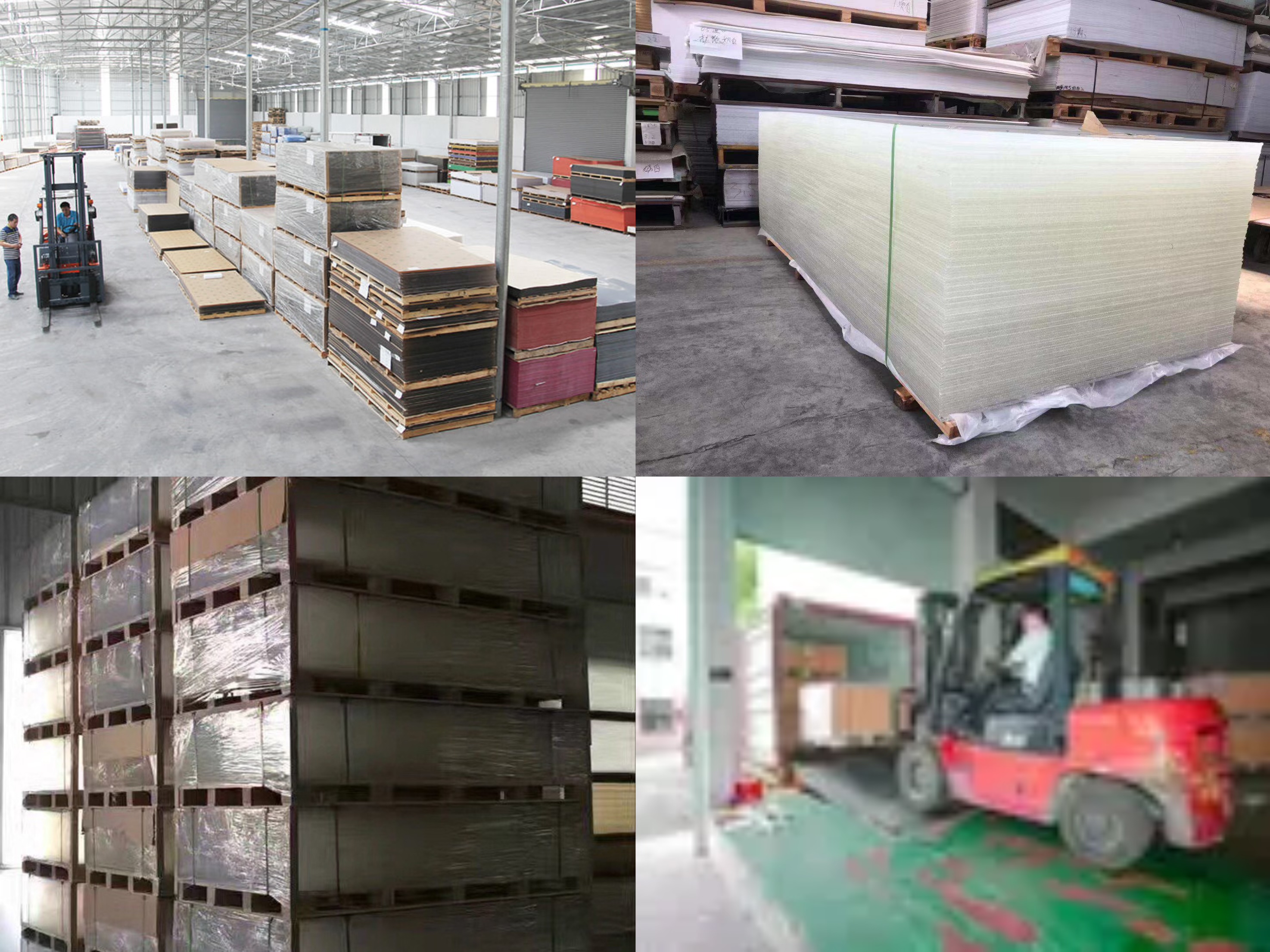
Colored HIPS sheets are packed according to sheet dimensions, thickness, surface requirements and transportation conditions. Protective packaging helps reduce surface scratching, contamination, edge damage and movement during export shipment.
![Colored HIPS sheet packing and export shipment]()
Export Packing for Colored HIPS Sheet
About HSQY Plastic Group
HSQY Plastic Group supplies HIPS, GPPS and other plastic sheet materials for thermoformers, packaging manufacturers, printing companies, display producers, appliance manufacturers, distributors and industrial fabricators. Custom thicknesses, colors, surface finishes and sheet dimensions can be discussed according to project requirements.
HSQY Plastic Group Exhibitions
![HSQY Plastic Group international exhibitions]()
HSQY Plastic Group meets international thermoformers, packaging manufacturers, printers, display manufacturers and plastic-sheet buyers at industry exhibitions.
Certificates & Documentation
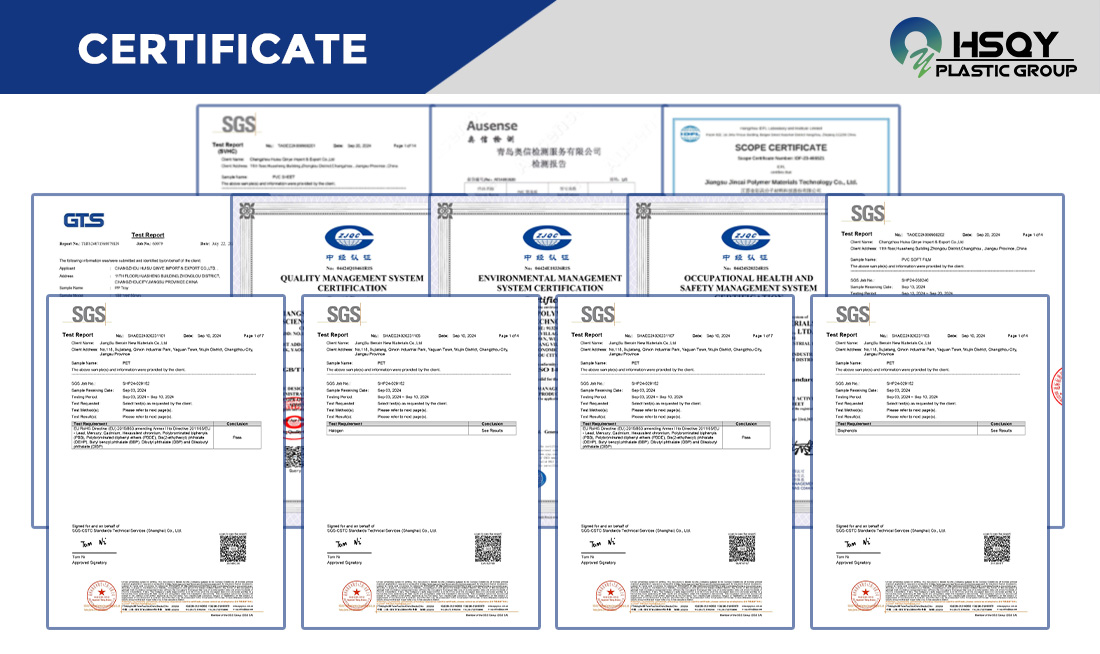
Available certificates and technical documentation should be confirmed for the exact colored HIPS grade and intended application before order approval.