Transparent PP Sheet for Blister Packaging
HSQY transparent polypropylene sheet for blister packaging combines clear product visibility, lightweight PP performance and thermoformability for clamshells, trays, inserts and retail packaging.
Transparent polypropylene sheet, also called clear PP sheet or PP thermoforming sheet, is an extruded plastic material suitable for vacuum forming and thermoforming applications where buyers require product visibility together with the low density, moisture resistance and chemical resistance of polypropylene.
The current HSQY specification covers approximately 0.08mm to 3mm thickness with customized width. This page focuses specifically on blister-style packaging, clamshell packaging, thermoformed trays, packaging inserts and related vacuum-forming applications.
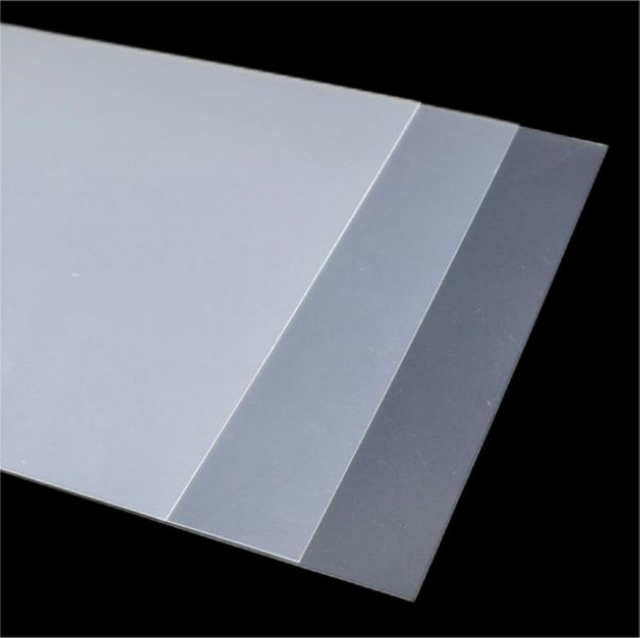
Transparent Polypropylene Sheet Images
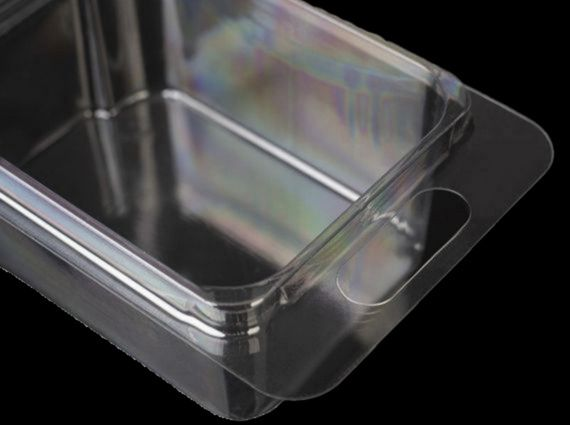
![Transparent polypropylene sheet for blister packaging]()
Transparent PP Sheet
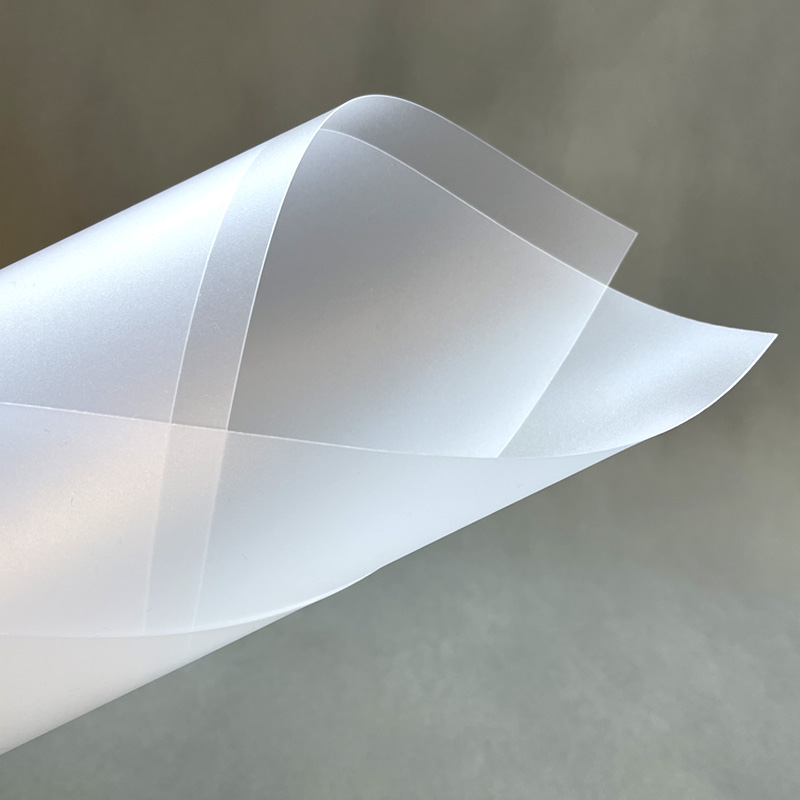
![Clear PP sheet for vacuum forming and thermoforming]()
Clear PP Sheet for Vacuum Forming
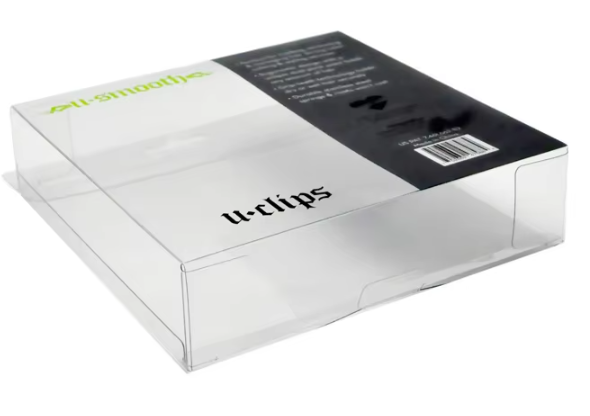
![Clear polypropylene thermoforming sheet for blister packs]()
PP Thermoforming Sheet
Transparent PP Sheet Specifications
| Property |
Specification |
| Product Item |
Transparent Polypropylene Sheet for Blister Packaging |
| Material |
Polypropylene Plastic (PP) |
| Color |
Clear |
| Thickness |
0.08mm-3mm |
| Width |
Customized |
| Production Type |
Extruded |
| Processing |
Vacuum Forming, Thermoforming, Cutting and Converting according to project requirements |
| Main Applications |
Blister-style packaging, clamshells, trays, inserts, retail packaging, stationery and industrial converting |
| Other Application Directions |
Food, medical, electronics and other regulated applications subject to appropriate PP grade and supporting documentation |
Buyer Note: For thermoforming projects, thickness and width alone are not enough to define the material. Buyers should also specify supply form, roll diameter, core diameter, forming depth, surface requirements, clarity or haze target and any food-contact, medical or antistatic requirements.
What Is Transparent PP Sheet for Blister Packaging?
Transparent PP sheet for blister packaging is an extruded polypropylene material designed to be heated and formed into three-dimensional packaging such as clamshells, trays, cavities, inserts and protective retail packs.
During vacuum forming or thermoforming, the PP sheet is heated until it reaches a suitable forming state, then drawn over or into a mold. After cooling, the material retains the required package shape.
Unlike conventional natural PP, transparent or high-clarity PP uses suitable material formulation and production control to improve product visibility. Actual transparency depends on resin grade, crystallization, thickness, extrusion conditions and downstream forming conditions.
PP Blister Packaging vs. Pharmaceutical Blister Packaging
The term blister packaging is used across several industries, but the material requirements are not always the same.
| Application |
Typical PP Direction |
| Retail Blister Packaging |
Clear formed cavities, clamshells and product-display packs can be suitable applications for transparent PP. |
| General Merchandise |
Stationery, hardware, household products, accessories and other retail products can use thermoformed PP blister-style packs. |
| Food Packaging |
Suitable food-contact PP grades can be thermoformed into trays, lids and containers when the required compliance documentation is available. |
| Medical Packaging |
Requires a medical-appropriate grade and confirmation of sterilization, cleanliness and regulatory requirements. |
| Pharmaceutical Tablet Blister |
Should not automatically be assumed suitable. Pharmaceutical blister packs often require specific barrier structures and pharmaceutical documentation. |
If the intended application is pharmaceutical unit-dose blister packaging, provide the required barrier, sealing, regulatory and pharmaceutical specifications before material selection.
Transparent PP Sheet for Vacuum Forming
Vacuum forming uses pressure differential to draw heated PP sheet against a mold surface. Transparent PP can be considered for shallow and moderate-depth formed packaging where clarity, low weight, toughness and PP material properties are required.
Successful vacuum forming depends on more than nominal sheet thickness. Forming temperature, mold temperature, cavity depth, draw ratio, heating uniformity, plug assistance, cooling and resin formulation can all affect wall distribution and finished-part appearance.
Transparent PP Sheet for Thermoforming
Polypropylene has a narrower thermoforming process window than some common packaging plastics, so stable sheet quality and controlled heating are particularly important.
For production trials, buyers should evaluate material sag, heating uniformity, mold release, cavity definition, wall thinning, trimming behavior and optical appearance after forming rather than judging the material only from the unformed sheet.
| Thermoforming Parameter |
Information Buyers Should Provide |
| Starting Thickness |
Required gauge before forming |
| Cavity Depth |
Shallow or deep-draw geometry |
| Forming Method |
Vacuum forming, pressure forming or another thermoforming process |
| Mold Dimensions |
Cavity length, width, depth and corner geometry |
| Minimum Wall |
Required minimum wall thickness after forming |
| Appearance |
Required clarity, haze, gloss and visibility after forming |
High Clarity & Product Visibility
Transparent PP can provide good visibility for retail and packaging applications, but polypropylene should not automatically be described as having glass-equivalent clarity.
PP is a semi-crystalline polymer. Resin formulation, crystallization behavior, cooling speed, sheet thickness and subsequent thermoforming can all influence transparency and haze.
For applications where appearance is critical, request measured haze, light-transmission or gloss data for the selected specification, or approve a production sample before bulk manufacture.
0.08mm to 3mm PP Sheet Thickness Range
| Thickness Direction |
General Application Direction |
| 0.08-0.2mm |
Thin converting, covers, inserts and lightweight sheet applications subject to process requirements |
| 0.25-0.5mm |
Light blister packs, folding packaging, packaging inserts and shallow thermoforming |
| 0.6-1mm |
Clamshells, trays, retail blister packaging and formed packaging requiring greater rigidity |
| Above 1mm |
Thicker thermoformed or fabricated parts subject to the required forming depth and equipment capability |
These thickness/application relationships are general selection directions, not fixed processing limits. Finished-package geometry and forming depth should determine the required starting gauge.
PP Blister Packaging Applications
Retail Blister Packs
Transparent PP can be vacuum formed into retail blister cavities that allow buyers to see the packaged product while protecting it during display, handling and transportation.
Clamshell Packaging
PP can be used in suitable hinged or two-piece thermoformed packs. Package geometry, living-hinge performance, closure design and clarity requirements should be tested using the actual grade and thickness.
Thermoformed Trays
Transparent PP sheet can be formed into trays and inserts for retail, industrial, food or other packaging applications when the corresponding material grade is suitable for the end use.
Protective Inserts
Thermoformed PP inserts can hold products in position inside outer packaging and can be designed around product dimensions and cavity requirements.
Stationery & General Merchandise
Writing instruments, office products, household items, accessories and small hardware are typical examples of goods that can use transparent blister-style or clamshell packaging.
Clear PP vs. PET for Blister Packaging
| Selection Factor |
Transparent PP |
Clear PET / APET |
| Clarity |
High-clarity grades are available, but haze depends strongly on formulation and processing |
Often selected when high conventional blister-package clarity is the primary requirement |
| Density |
Lower-density material |
Higher density than PP |
| Heat Direction |
Suitable PP grades can be preferred where increased heat resistance is required |
Standard APET is commonly used for conventional clear thermoformed packaging |
| Thermoforming |
Requires controlled PP thermoforming conditions and suitable resin grade |
Widely used and familiar in clear blister thermoforming |
| Chemical / Moisture Direction |
PP provides low moisture absorption and useful chemical resistance |
Different barrier and chemical characteristics depending on application |
| Best Choice |
Depends on clarity, forming depth, temperature, stiffness, sealing system, package design and regulatory requirements. |
Chemical Resistance
Polypropylene generally provides useful resistance to many acids, alkalis, oils and chemicals. This property supports its use in packaging and industrial applications.
Chemical compatibility must still be evaluated according to the exact chemical, concentration, temperature, exposure time and mechanical stress. The original statement that PP resists acids, alkalis, oils and solvents should not be interpreted as universal resistance to all chemicals.
Moisture Resistance
Polypropylene has low moisture absorption, making it suitable for many packaging and converting applications exposed to humid environments.
The original content describes this as “zero water absorption.” For technical purchasing, it is more accurate to describe PP as having very low moisture absorption unless a specific standardized test value is available for the supplied grade.
Impact Resistance & Package Toughness
PP provides useful toughness and resistance to normal handling impact, which can be beneficial for blister packs, clamshells, trays and inserts subjected to transportation and retail handling.
Actual impact performance depends on resin grade, temperature, thickness, formed geometry and package design. Buyers requiring a defined drop, puncture or impact value should specify the applicable test requirement.
Food Packaging Grades
The original HSQY page lists food applications and references FDA food-contact compliance. Food-contact claims should be confirmed against the exact resin grade and finished sheet supplied for the target market.
For direct food-contact projects, provide the food type, contact temperature, heating conditions, storage conditions and required regulatory standard. If FDA, EU food-contact or another declaration is required, request the corresponding document before final approval.
Medical & Laboratory Packaging
The original product page lists sterile trays, specimen containers and protective barriers among possible applications. These uses should only be assigned to a suitable medical or laboratory grade with the required documentation.
Medical packaging can involve sterilization, cleanliness, biocompatibility, extractables or other regulated requirements. Provide the sterilization method and applicable standard before selecting the PP specification.
Electronics Blister & Component Packaging
Transparent PP can be used for selected electronics trays, component packaging, insulating layers and protective packs where standard PP properties are appropriate.
Standard clear PP should not automatically be described as antistatic. Electronic components requiring static-control protection need a defined antistatic, static-dissipative or conductive grade together with the required surface-resistance specification.
Printing & Surface Treatment
Polypropylene has relatively low surface energy, so printing, coating, lamination or adhesive bonding may require corona treatment, flame treatment, primer or another suitable surface treatment.
For printed blister packaging, provide the ink system, printing process, treated side and required surface-energy level where applicable. Production ink adhesion should be tested before bulk manufacturing.
UV-Stabilized PP Options
The original product information states that UV-stabilized options are available for outdoor use. This should be treated as an optional grade rather than a standard property of every clear PP sheet.
For outdoor blister displays, signage or other sunlight-exposed products, provide the expected service environment and required weathering performance before grade selection.
Recyclability Considerations
Polypropylene is a thermoplastic and can be mechanically recycled where appropriate collection, sorting and recycling infrastructure exists.
The recyclability of a finished blister package depends on the complete packaging construction, including paperboard, labels, adhesives, inks, coatings, contamination and local recycling systems. For this reason, the finished package should not automatically be described as “100% recyclable” without considering the complete structure and destination market.
Important Roll & Sheet Parameters for Thermoformers
| Parameter |
Why It Matters |
| Thickness |
Controls starting material gauge, stiffness and minimum wall after forming |
| Thickness Tolerance |
Consistent gauge helps stabilize forming and finished-part wall distribution |
| Width |
Must match the thermoforming machine and mold layout |
| Roll Diameter |
Must fit the unwinding system and line handling limits |
| Core Diameter |
Must match the buyer's unwind shaft or chuck |
| Roll Weight |
Important for lifting equipment and roll-change procedures |
| Clarity / Haze |
Critical for visible retail products and transparent blister packaging |
| Surface Treatment |
Important for printing, coating, lamination or adhesive bonding |
| Winding Quality |
Poor winding can cause telescoping, edge damage, wrinkles and feeding problems |
| Functional Grade |
Food-contact, medical, antistatic or UV requirements should be specified before production |
What Information Should You Provide for a Quote?
| Requirement |
Information to Provide |
| Application |
Blister pack, clamshell, tray, insert, food packaging, medical packaging or industrial packaging |
| Thickness |
Required starting thickness within the current 0.08-3mm range |
| Width |
Required sheet or roll width |
| Supply Form |
Roll or cut sheet according to machine and packaging process |
| Roll Diameter |
Maximum or preferred outside diameter where rollstock is required |
| Core Diameter |
Required core size for the unwinding system |
| Mold |
Cavity dimensions, depth and number of cavities |
| Forming Method |
Vacuum forming, thermoforming, pressure forming or other process |
| Appearance |
Required clarity, haze, gloss and formed-package appearance |
| Printing / Treatment |
Printing method, corona treatment or other surface requirement |
| Functional Grade |
Food-contact, medical, antistatic, UV-stabilized or other grade requirement |
| Required Documents |
Food-contact declaration, SGS or other applicable test and compliance documents |
| Quantity |
Trial requirement, project demand and expected repeat purchasing volume |
| Destination |
Country and destination port |
Frequently Asked Questions About Transparent PP Blister Sheet
What is transparent PP sheet for blister packaging?
It is an extruded polypropylene sheet designed for thermoforming or vacuum forming into blister-style packages, clamshells, trays, inserts and other formed packaging components.
Is PP suitable for blister packaging?
Yes. Suitable PP grades can be thermoformed into retail blister packs, clamshells, trays and packaging inserts. Material selection depends on clarity, forming depth, temperature and end-use requirements.
Is transparent PP as clear as PET?
Not necessarily. High-clarity PP can provide good product visibility, but PP transparency depends strongly on resin formulation and crystallization. PET is often selected where very high conventional packaging clarity is the priority.
What thicknesses are available?
The current HSQY product specification lists approximately 0.08mm to 3mm.
Can the width be customized?
Yes. The current product information lists customized width. Provide the required finished width and equipment limitations when requesting a quotation.
Is this an extruded PP sheet?
Yes. The current product specification identifies the sheet type as extruded.
Can transparent PP be vacuum formed?
Yes. Suitable PP grades can be vacuum formed, but heating control, mold design, draw depth, starting thickness and cooling conditions affect forming quality.
Can transparent PP be thermoformed into deep trays?
Potentially, but deeper cavities place greater demands on material distribution and process control. Provide the mold depth and geometry so the appropriate starting thickness and PP grade can be evaluated.
Can PP be used for pharmaceutical blister packs?
Standard transparent PP should not automatically be treated as pharmaceutical blister material. Pharmaceutical unit-dose packaging can require specific moisture, oxygen, sealing and regulatory performance. Provide the pharmaceutical specification before selecting the structure.
Is the PP sheet suitable for food packaging?
Suitable food-contact PP grades can be used for food packaging. Confirm the exact grade and applicable declaration or test report required by the destination market.
Is this PP sheet FDA compliant?
The original page references FDA food-contact compliance. For commercial use, request the applicable documentation for the exact resin and finished sheet being supplied rather than applying the claim to every configuration.
Can PP blister sheet be used for medical packaging?
Medical packaging requires the appropriate PP grade and supporting documentation. Sterilization method, cleanliness and regulatory requirements should be confirmed before material selection.
Is standard clear PP antistatic?
No defined antistatic performance should be assumed for standard transparent PP. Electronics packaging requiring ESD control should specify an antistatic, dissipative or conductive grade and target resistance range.
Does PP have good chemical resistance?
PP provides useful resistance to many chemicals, acids and alkalis. Chemical compatibility should still be confirmed using the actual substance, concentration, temperature and exposure duration.
Does polypropylene absorb water?
Polypropylene has very low moisture absorption, which makes it suitable for many humid and packaging environments.
Can the PP sheet be printed?
Yes, but printing may require corona treatment, flame treatment, primer or another surface treatment because PP has relatively low surface energy.
Are UV-stabilized PP grades available?
The original product information lists UV-stabilized options. Outdoor requirements should be specified separately because standard clear PP is not automatically a long-term outdoor grade.
Is transparent PP recyclable?
PP can be mechanically recycled where appropriate collection and recycling infrastructure exists. Finished-package recyclability depends on labels, adhesives, inks, other materials and local recycling systems.
Should I choose PP or PET for a clear blister pack?
Choose based on required clarity, heat resistance, stiffness, forming depth, density, sealing system and end use. PET is widely used when very high clarity is important, while suitable PP grades can offer lower density and different temperature performance.
What information should I provide for a quotation?
Please provide application, thickness, width, roll or sheet format, roll diameter and core if applicable, mold dimensions, forming depth, clarity requirement, functional grade, quantity and destination.
Packing
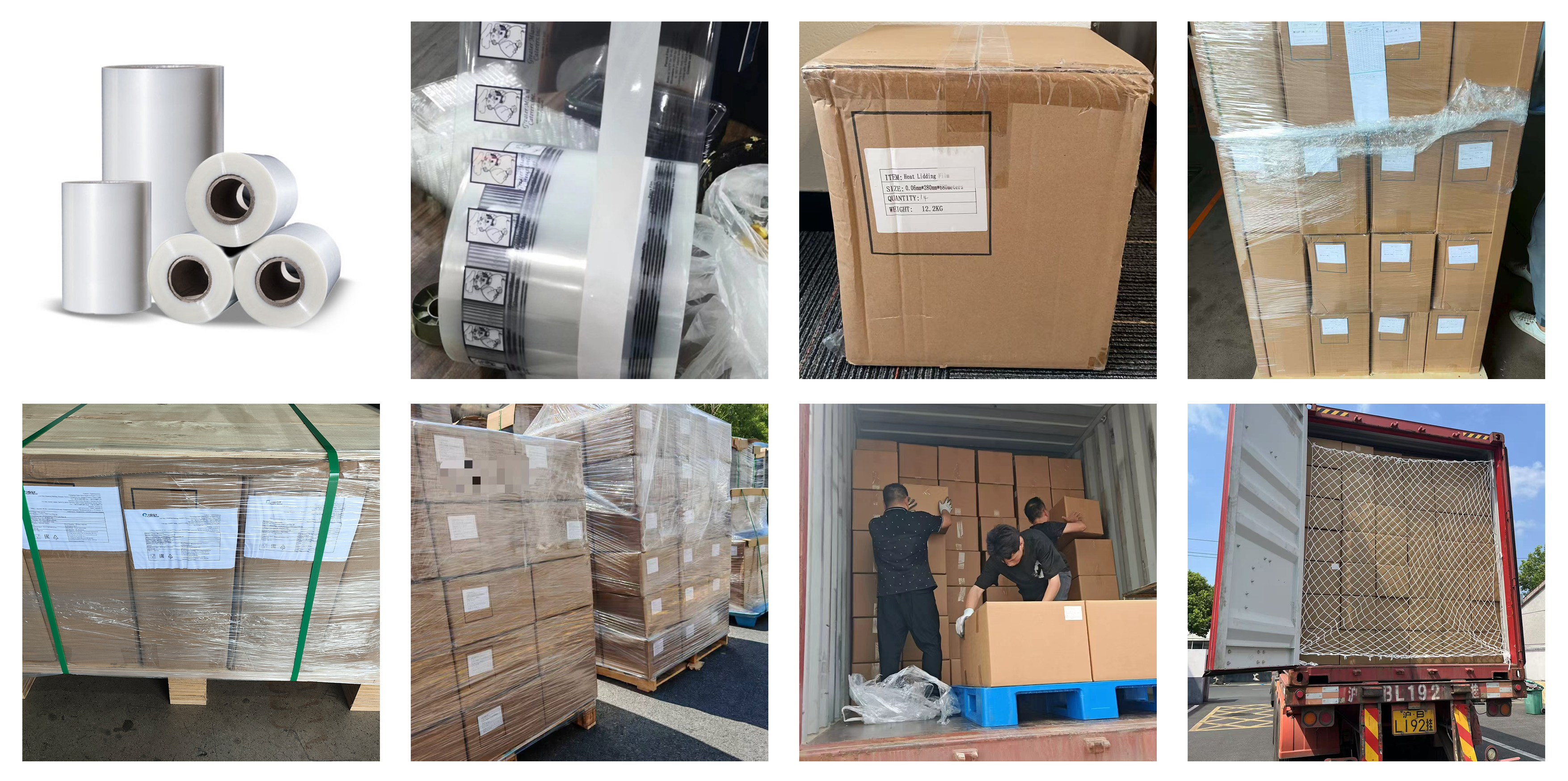
Packaging should protect transparent PP surfaces from contamination, scratching and handling damage during storage and transportation. Roll and sheet packaging can be confirmed according to the finished dimensions and shipment requirements.
![Transparent polypropylene sheet packing]()
Transparent PP Sheet Packing
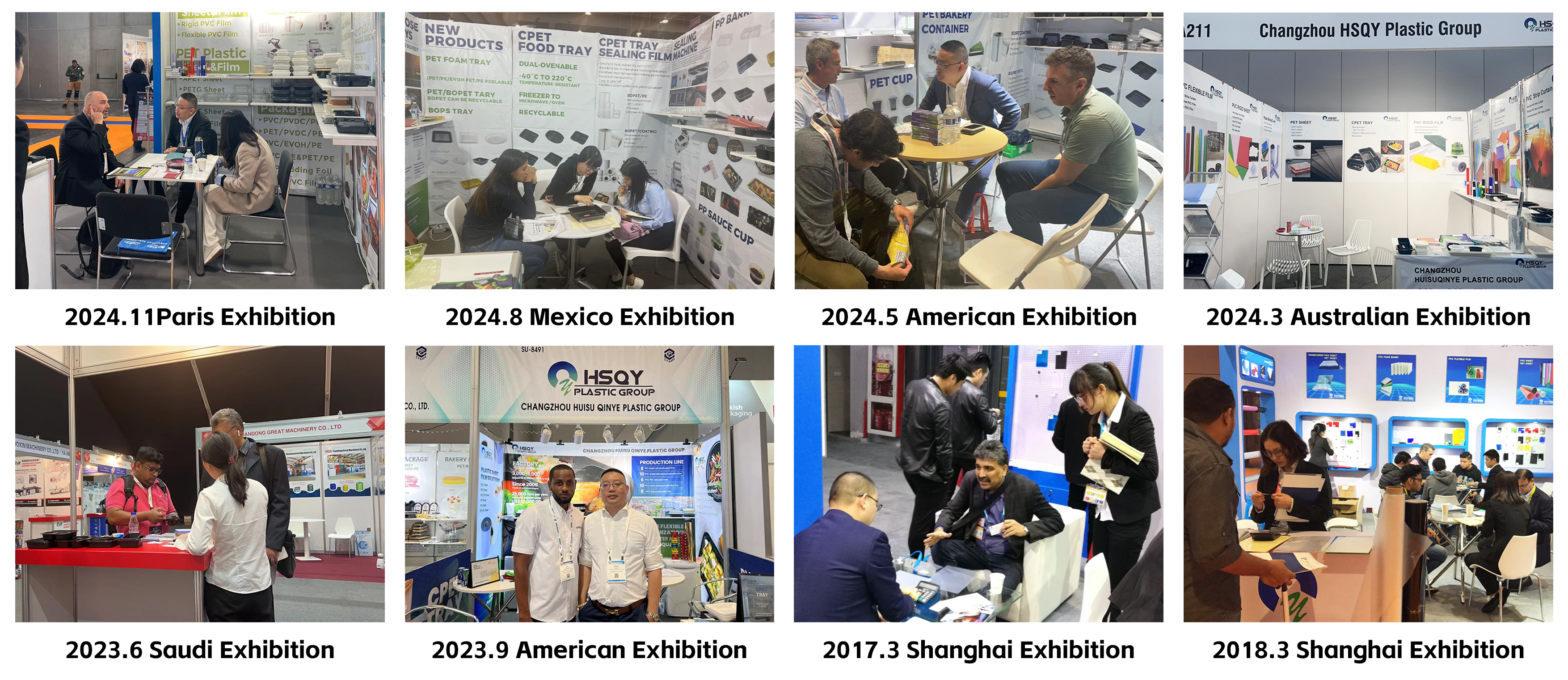
Global Exhibitions
HSQY Plastic Group participates in international industry exhibitions and meets packaging, plastic-sheet and converting customers from multiple markets.
![HSQY Plastic Group international exhibitions]()
HSQY Plastic Group Global Exhibition Activities
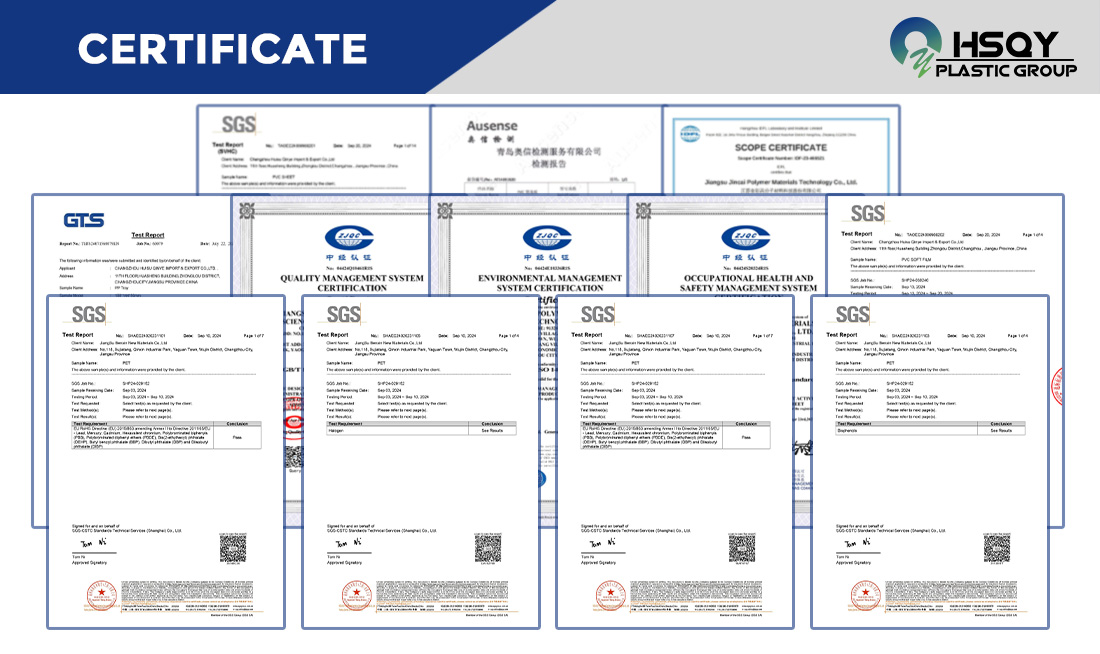
Certification
Available quality and product documentation should be confirmed according to the exact PP grade and the intended end use. Food-contact, medical, ESD or other regulated applications may require additional product-specific documentation beyond general quality-system certificates.
Why Source Transparent PP Sheet from HSQY?
HSQY supplies polypropylene sheet products in multiple thicknesses, widths and formats for packaging and industrial converting. For blister and thermoforming projects, the material can be discussed according to finished package geometry, sheet gauge, machine width, clarity requirements and application-specific grade.
For the most accurate quotation, provide the thermoforming machine specification or mold information together with the required package dimensions rather than requesting only a generic transparent PP sheet price.