Clear Polycarbonate Film for Graphic Overlays and Membrane Switches
HSQY clear polycarbonate film is a thin, printable PC film designed for graphic overlays, membrane switches, instrument panels, control panels, ID cards, nameplates and industrial labels.
The current HSQY film range includes 0.125mm, 0.2mm, 0.25mm, 0.375mm, 0.5mm, 0.8mm and 1.0mm thicknesses with a maximum listed width of 1220mm. Clear grades are currently listed with light transmission of at least 90%.
Available surface options include gloss, fine matte, velvet/textured and hard-coated finishes. Different finishes allow manufacturers and printers to balance optical clarity, glare reduction, tactile appearance and surface durability according to the end-use application.
HSQY polycarbonate film is suitable for UV offset printing, screen printing and digital printing according to the current product specification. Buyers can also evaluate the film for die cutting, forming and other converting processes required for industrial interface components.
Clear Polycarbonate Film Video
Polycarbonate Film Product Images

Clear Polycarbonate Film Roll

Polycarbonate Film Mechanical Performance

Printed Polycarbonate Graphic Overlay
Polycarbonate Film Technical Data Sheets
Clear Polycarbonate Film Specifications
| Property |
Details |
| Product Name |
Clear Polycarbonate Film |
| Model |
PC Film |
| Code |
PC-013 |
| Brand |
HSQY |
| Material |
Polycarbonate (PC) |
| Thickness |
0.125 / 0.2 / 0.25 / 0.375 / 0.5 / 0.8 / 1.0mm |
| Maximum Width |
1220mm |
| Color |
Clear; Colored and Opaque Options Subject to Confirmation |
| Light Transmission |
≥90% According to Current Product Specification |
| Surface Finish |
Gloss / Gloss, Fine Matte, Velvet / Textured, Hard-Coated |
| Printing |
UV Offset, Screen and Digital Printing |
| Typical Converting |
Printing, Die Cutting, Cutting and Forming Subject to Grade |
| Applications |
Graphic Overlays, Membrane Switches, ID Cards, Instrument Panels, Nameplates and Industrial Labels |
| MOQ |
1000 kg |
| Current Listed Lead Time |
10–15 Days |
Important: The current top product attribute section lists a thickness of 0.8–15mm, while the detailed PC film specification lists 0.125–1.0mm. Because this page is specifically positioned as polycarbonate film, the detailed film specification is used here. Confirm the final thickness range against the applicable PC-013 technical data sheet before ordering.
Key Features of Clear Polycarbonate Film
1. High Optical Clarity
The current clear film specification lists light transmission of at least 90%, supporting transparent overlays, windows, displays and printed interface applications.
2. Impact-Resistant PC Material
Polycarbonate is selected for industrial overlay applications where toughness and mechanical durability are important. Exact impact properties should be confirmed from the applicable technical data.
3. Good Printability
HSQY currently lists compatibility with UV offset, screen and digital printing, allowing graphics, symbols, instructions, branding and functional interface elements to be printed on the film.
4. Multiple Surface Finishes
Gloss, matte, velvet/textured and hard-coated options allow designers to select different levels of transparency, glare control, tactile appearance and surface protection.
5. Wide Thickness Range
Thicknesses from 0.125mm to 1.0mm support thin printed labels, graphic overlays, membrane-switch interfaces, cards and more rigid panel applications.
6. Die-Cutting Capability
Polycarbonate film can be evaluated for die-cut parts, windows, control-panel openings, labels and customized shapes according to film thickness and tooling.
7. Dimensional Stability
PC film provides useful dimensional stability for printed industrial interface components where graphics, windows and cut features need to remain correctly positioned.
8. Custom Film Selection
Buyers can select film thickness, surface finish, width and other requirements according to printing method, end-use environment and converting process.
Polycarbonate Film for Graphic Overlays
Graphic overlays are printed interface layers used on equipment, appliances, instruments and control panels. A polycarbonate overlay can combine printed information, transparent windows and tactile or decorative surface effects in a thin component.
For graphic overlay projects, the most important film-selection factors include thickness, surface finish, printing process, required transparency, expected abrasion, chemical exposure and the method used to attach the finished overlay to the equipment.
Polycarbonate Film for Membrane Switches
In a membrane switch assembly, the graphic overlay forms the visible user-interface surface. Printed symbols, button locations, display windows and branding can be incorporated into the polycarbonate film before it is converted and assembled with the remaining switch layers.
When selecting PC film for a membrane switch, buyers should provide the required film thickness, surface texture, printing method, window clarity, embossing or forming requirements and expected operating environment.
How to Choose the Right Polycarbonate Film Surface
| Surface Finish |
Main Characteristic |
Typical Application |
| Gloss |
High visual clarity and glossy appearance |
Display windows, clear graphics and decorative overlays |
| Fine Matte |
Reduced surface glare |
Instrument panels, control panels and readable interfaces |
| Velvet / Textured |
Textured tactile and visual appearance |
Membrane switches, industrial controls and nameplates |
| Hard-Coated |
Additional surface protection according to coating grade |
Frequently touched or higher-wear interface surfaces |
Printing and Converting Polycarbonate Film
Printing and converting performance is a major purchasing consideration for graphic-grade PC film. The selected film should be evaluated together with the intended ink, printing process, adhesives, cutting equipment and final application.
Screen Printing: Suitable for industrial graphics, symbols, opaque colors and functional overlay designs according to ink compatibility.
Digital Printing: Can support variable graphics, prototypes and complex printed images where the selected ink system is compatible with polycarbonate.
UV Offset Printing: Listed as a supported printing process in the current HSQY product specification.
Reverse / Second-Surface Printing: Clear PC film can be evaluated for printing on the rear surface so the film itself protects the graphics from direct touch and abrasion.
Die Cutting: Windows, holes, labels and custom component outlines can be produced using suitable tooling.
Forming and Embossing: Requirements for formed keys, tactile features or three-dimensional parts should be evaluated using the exact film grade and forming conditions.
Polycarbonate Film Applications
Graphic Overlays: Clear or textured PC film can serve as the printed face layer for industrial equipment, electronics and appliances.
Membrane Switches: Suitable for printed user-interface overlays incorporating buttons, symbols, display windows and operating instructions.
Instrument Panels: Matte or textured options can be evaluated where glare reduction and readable graphics are important.
Control Panels: PC film can be printed and converted into front panels for machinery, appliances and electronic controls.
ID Cards and Security Documents: Suitable PC film grades can be evaluated for card and identification applications according to the required printing, lamination and security process.
Nameplates: Printed and die-cut polycarbonate film can be used for industrial product identification and branding.
Industrial Labels: Thin PC film can be converted into durable printed labels where polycarbonate properties are appropriate for the intended environment.
Polycarbonate Film Application Examples

Membrane Switch Application

Graphic Overlay Application

Automotive Instrument Panel Application
How to Choose Polycarbonate Film Thickness
There is no single thickness suitable for every graphic overlay or membrane-switch application. Film selection depends on the required stiffness, flexibility, embossing, printing process, tactile response, product design and environmental conditions.
| Thickness Range |
General Selection Consideration |
| 0.125–0.20mm |
Thin and flexible applications where low material thickness is important. |
| 0.25–0.50mm |
Can be evaluated for many graphic-overlay, membrane-switch and control-panel applications requiring a balance of flexibility and rigidity. |
| 0.80–1.00mm |
Thicker applications requiring greater panel stiffness or structural feel. |
Final thickness should be validated using the actual printing, cutting, forming, adhesive and end-use conditions.
Information Needed for a Fast Polycarbonate Film Quote
1. Required film thickness
2. Required roll or sheet width
3. Gloss, matte, velvet/textured or hard-coated surface
4. Clear, colored or opaque requirement
5. Printing process
6. Graphic overlay, membrane switch, card or other application
7. Die cutting, embossing or forming requirement
8. Required quantity
9. Required test reports or regulatory documentation
10. Destination country or shipping port
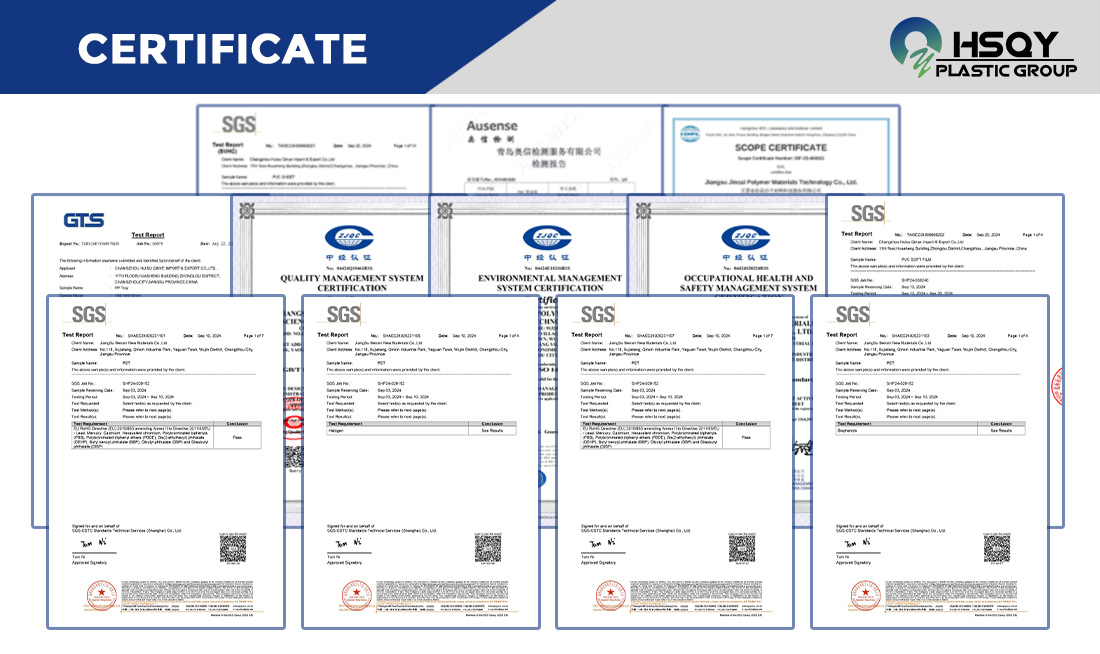
Quality and Certification Documentation
Different industrial, electronic, automotive and identification applications can require different material or regulatory documentation. Buyers should request the current documents applicable to the exact HSQY polycarbonate film grade being purchased.
If RoHS, REACH, SGS, CE or other compliance documentation is required, confirm that the applicable report specifically covers the selected PC film material and destination-market requirement.

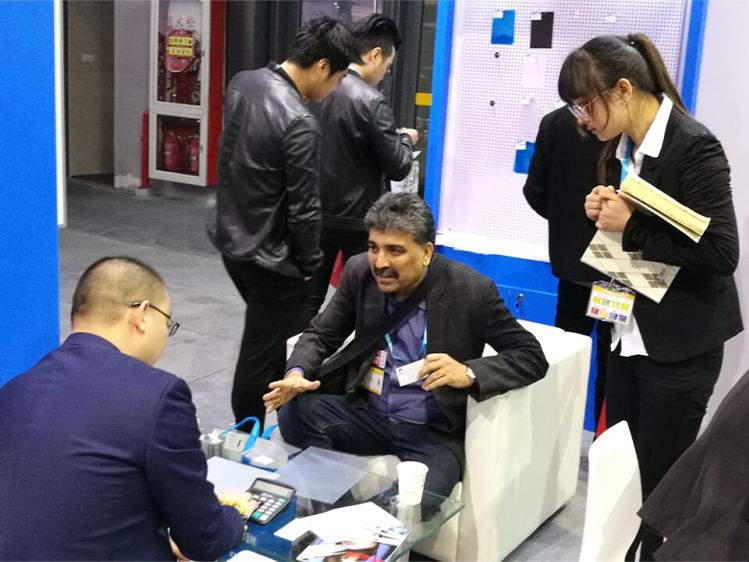
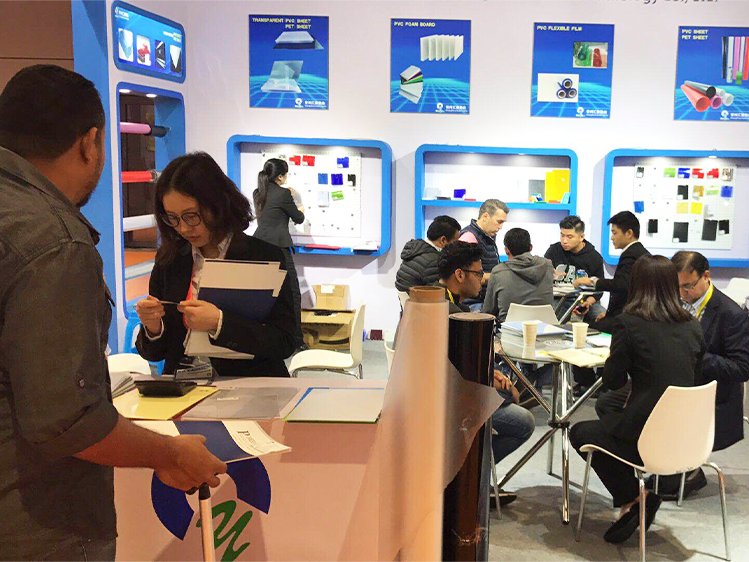
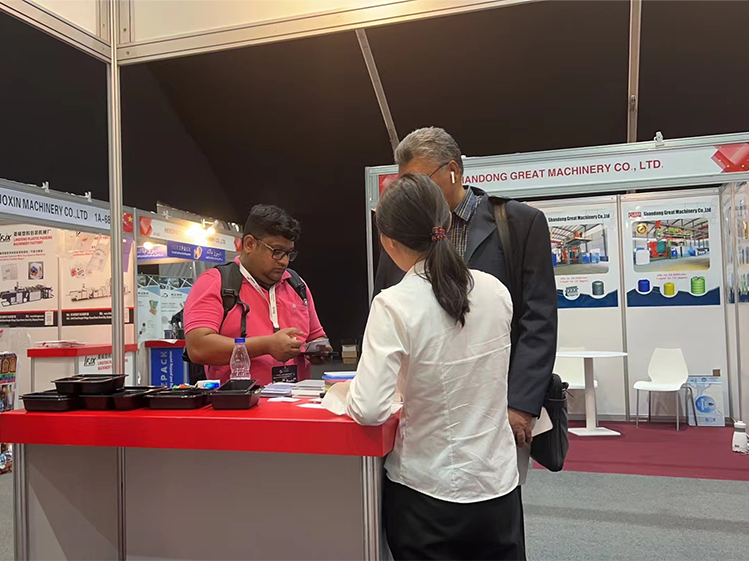
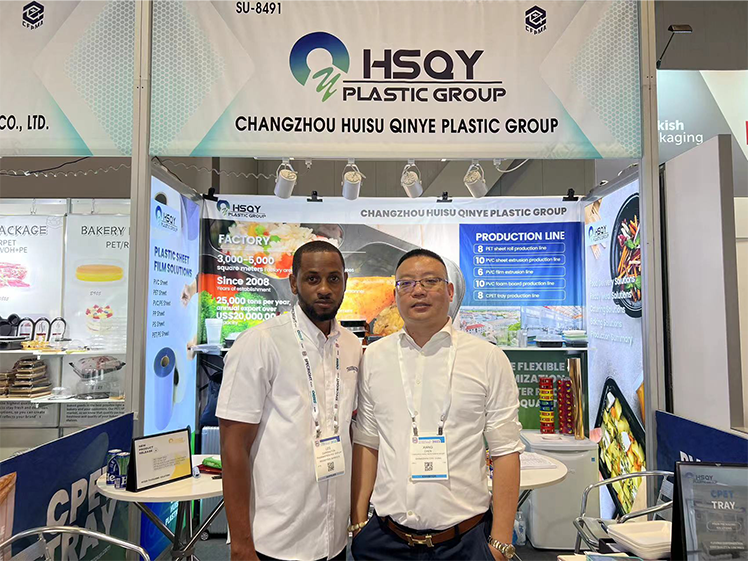
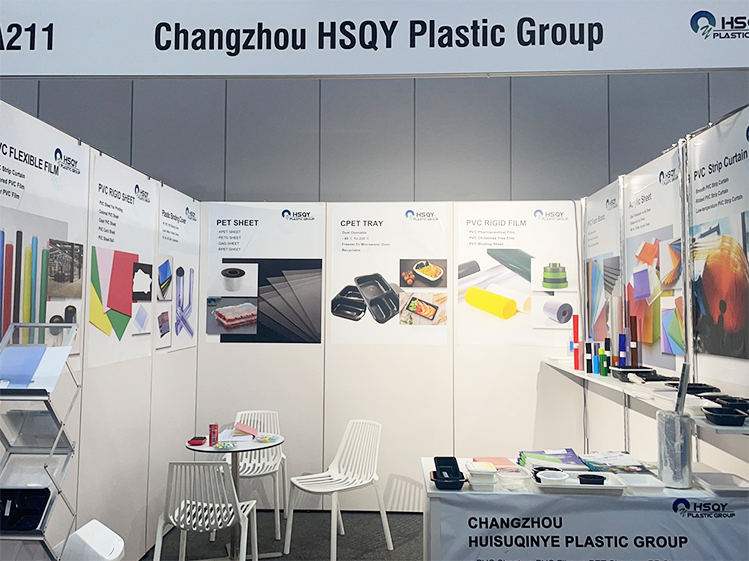
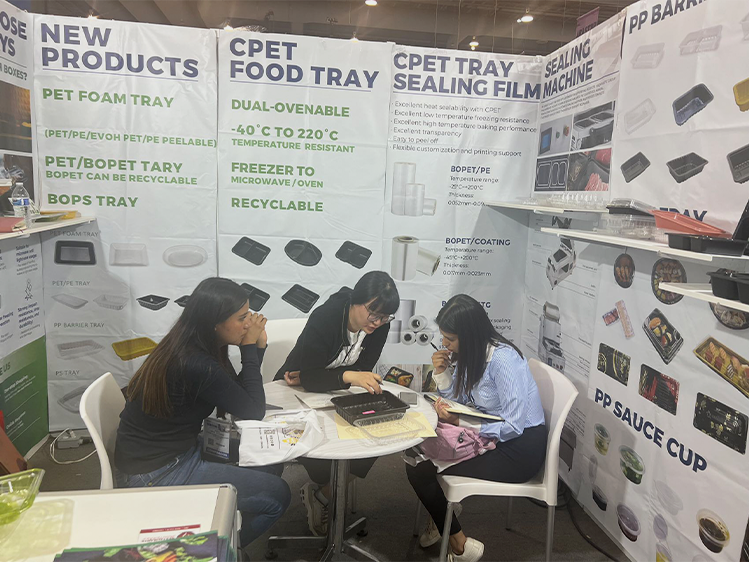
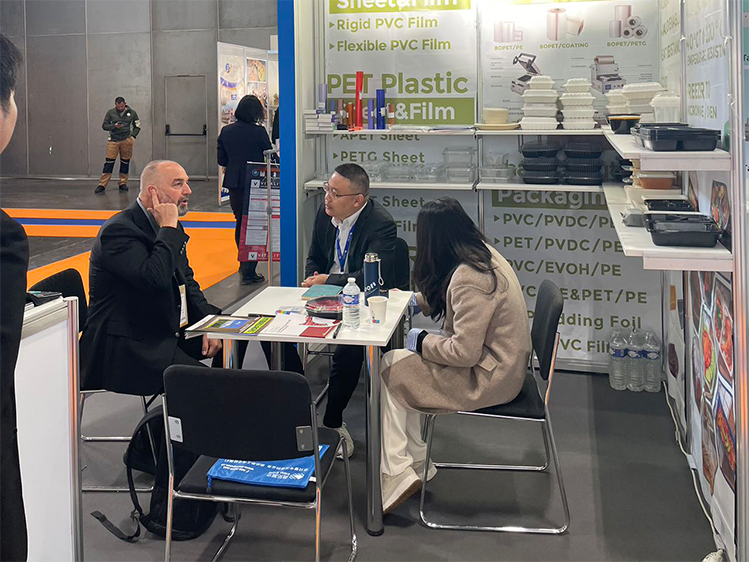
International Exhibitions
![HSQY 2017 Shanghai Exhibition]()
2017 Shanghai Exhibition
![HSQY 2018 Shanghai Exhibition]()
2018 Shanghai Exhibition
![HSQY 2023 Saudi Exhibition]()
2023 Saudi Exhibition
![HSQY 2023 American Exhibition]()
2023 American Exhibition
![HSQY 2024 Australian Exhibition]()
2024 Australian Exhibition
![HSQY 2024 American Exhibition]()
2024 American Exhibition
![HSQY 2024 Mexico Exhibition]()
2024 Mexico Exhibition
![HSQY 2024 Paris Exhibition]()
2024 Paris Exhibition
Frequently Asked Questions
What is polycarbonate film?
Polycarbonate film is a thin thermoplastic PC material used in applications requiring transparency, toughness, printability and dimensional stability. Typical uses include graphic overlays, membrane switches, control panels and identification products.
What thicknesses of HSQY polycarbonate film are available?
The current detailed specification lists 0.125mm, 0.2mm, 0.25mm, 0.375mm, 0.5mm, 0.8mm and 1.0mm.
What thickness is suitable for graphic overlays?
The correct thickness depends on the required flexibility, rigidity, printing, embossing and end-use environment. Films around 0.25–0.5mm can be evaluated for many overlay applications, but samples should be tested in the finished design.
Can polycarbonate film be used for membrane switches?
Yes. Membrane-switch graphic overlays are one of the current listed applications for HSQY PC film. Select thickness and surface texture according to the switch design and required tactile performance.
Can polycarbonate film be screen printed?
Yes. Screen printing is currently listed as a compatible printing method. Ink adhesion and processing conditions should be tested with the exact PC film grade before production.
Can polycarbonate film be digitally printed?
Digital printing is included in the current product specification. Compatibility depends on the printing system, ink and selected surface finish.
What is the difference between gloss and matte polycarbonate film?
Gloss film prioritizes a smooth, bright appearance and optical clarity, while matte surfaces reduce reflected glare and provide a softer visual finish. The correct choice depends on the interface and display requirements.
What is velvet or textured polycarbonate film?
Velvet or textured PC film has a surface texture that changes the visual appearance and tactile feel of the film. It is commonly considered for membrane switches, nameplates and industrial control interfaces.
What is hard-coated polycarbonate film?
Hard-coated PC film incorporates a protective surface coating intended to improve selected surface-performance characteristics. Exact scratch, abrasion and chemical resistance depend on the coating grade and should be confirmed from technical data.
Can clear polycarbonate film be reverse printed?
Clear PC film can be evaluated for second-surface or reverse printing so graphics are viewed through the film and protected from direct contact. Confirm ink and film compatibility before production.
Can polycarbonate film be die cut?
Yes. PC film can be converted into custom outlines, holes, windows, labels and panel components using suitable die-cutting equipment and tooling.
Can polycarbonate film be used for ID cards?
ID cards are included among the current HSQY applications. Card projects should specify thickness, printing, lamination, laser or security-feature requirements so the appropriate PC film grade can be evaluated.
What is the maximum width of HSQY polycarbonate film?
The current detailed product specification lists a maximum width of 1220mm.
What is the light transmission of clear PC film?
The current HSQY specification lists light transmission of at least 90%. Actual optical performance depends on film thickness, finish, color and grade.
What is the heat resistance of HSQY polycarbonate film?
The existing HSQY page mentions continuous-use performance up to 120°C, but this value should be confirmed from the technical data sheet for the exact PC film grade and actual mechanical loading conditions before specifying the material.
What is the MOQ for polycarbonate film?
The current HSQY detailed specification lists a minimum order quantity of 1000kg.
Are polycarbonate film samples available?
The current page lists A4 or approximately 300mm-wide samples with freight collected from the buyer. Contact HSQY to confirm sample size, finish, thickness and availability.
What information should I provide for a polycarbonate film quote?
Provide the required thickness, width, surface finish, printing method, application, converting requirements, quantity, required technical documentation and destination country or port.
Why Choose HSQY for Polycarbonate Film?
Multiple Thicknesses: The current PC film range covers thicknesses from 0.125mm to 1.0mm.
Multiple Surface Finishes: Gloss, fine matte, velvet/textured and hard-coated options are currently listed.
Printing Applications: Film can be evaluated for screen, digital and UV offset printing.
Industrial Application Support: HSQY supplies PC film for graphic overlays, membrane switches, panels, ID applications and labels.
B2B Supply: Commercial quantities are available for printers, converters, electronics manufacturers and industrial component suppliers.
About HSQY Plastic Group
HSQY Plastic Group supplies polycarbonate films, plastic sheets, flexible packaging materials and other plastic products to international B2B customers.
For clear PC film, graphic overlay film, membrane-switch film, matte or textured polycarbonate film and customized industrial applications, send HSQY your thickness, width, surface, printing method and quantity for evaluation and quotation.


 Download Polycarbonate Film Data Sheet