Clear Solid Polycarbonate Sheet for Roofing & Glazing
HSQY clear solid polycarbonate roofing sheet offers glass-like transparency, high impact resistance and weatherability for skylights, canopies, greenhouses and glazing, with 1-50mm thickness and custom sizes.
Solid polycarbonate sheet is a transparent thermoplastic panel used where buyers require a combination of optical clarity, impact resistance, lower weight than glass and easier fabrication. It can be used as a transparent roofing or glazing material in commercial, agricultural and industrial projects.
The current HSQY product specification lists thicknesses from 1mm to 50mm, a standard sheet size of 1220×2440mm, customized lengths and clear, blue, green, opal, brown, grey and custom colors.
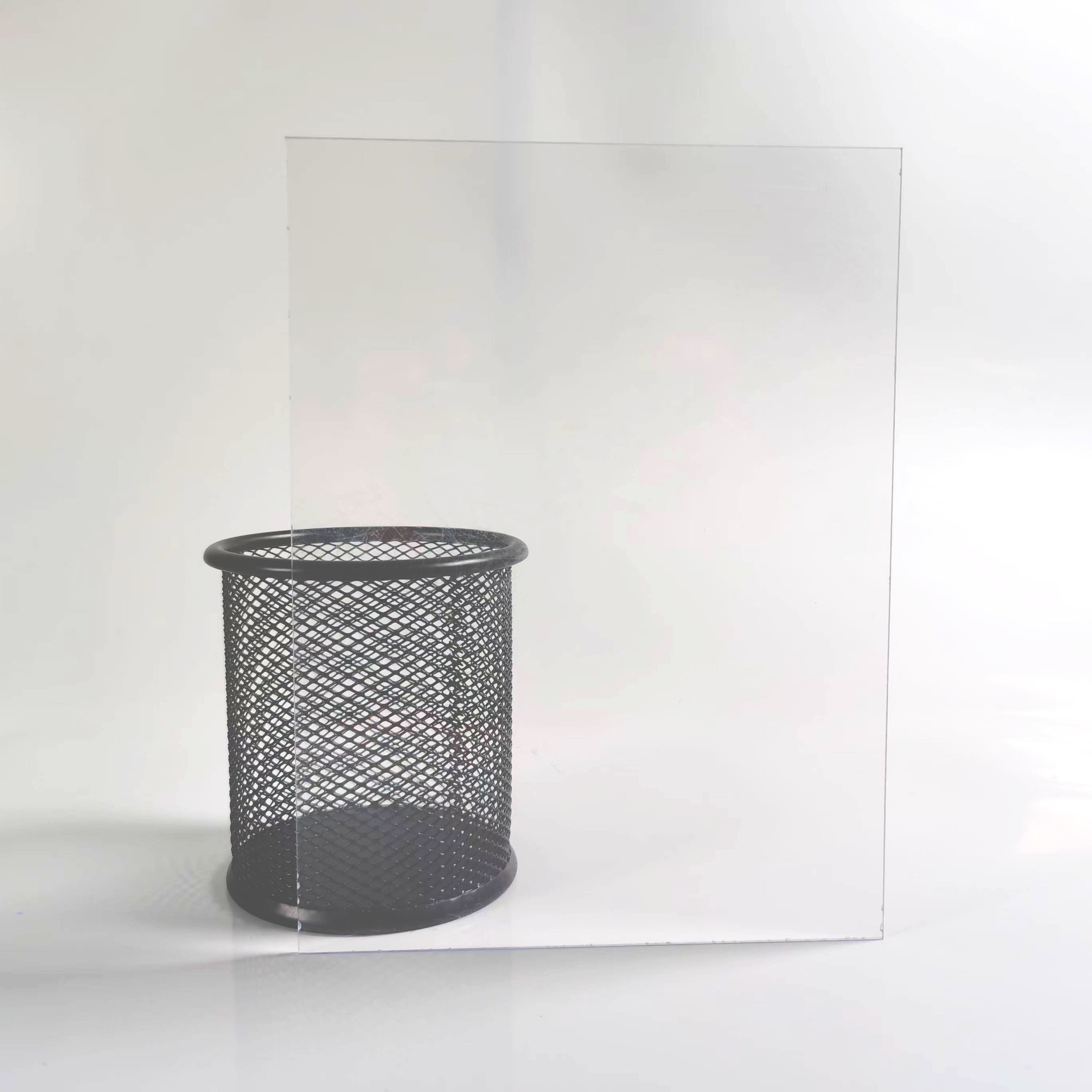
![Clear solid polycarbonate roofing sheet]()
Clear Solid Polycarbonate Sheet
![Transparent polycarbonate glass replacement panel]()
Transparent Polycarbonate Glass Replacement Panel
Clear Solid Polycarbonate Sheet Specifications
| Property |
Specification |
| Product |
Clear Solid Polycarbonate Sheet |
| Material |
Polycarbonate (PC) |
| Sheet Structure |
Solid / Flat Polycarbonate Sheet |
| Thickness |
1mm-50mm, Customizable |
| Maximum Width |
1220mm, according to the current product specification |
| Standard Size |
1220×2440mm |
| Length |
Customizable |
| Colors |
Clear, Blue, Green, Opal, Brown, Grey, Customizable |
| Density |
1.2 g/cm³ |
| Listed Certifications |
ISO, ROHS, SGS, CE |
| MOQ |
1000 kg |
| Payment Terms |
30% deposit, 70% balance before shipment |
| Delivery Terms |
FOB, CIF, EXW |
| Delivery Time |
7-15 days after deposit |
| Main Applications |
Roofing, skylights, canopies, glazing, greenhouses, protective panels and industrial components |
Specification Note: Exact thickness tolerance, optical transmission, UV protection, surface treatment and project-specific performance should be confirmed for the selected polycarbonate grade before commercial or architectural use.
What Is Clear Solid Polycarbonate Sheet?
Clear solid polycarbonate is a transparent engineering thermoplastic sheet with a flat, non-hollow structure. It provides a glass-like appearance while retaining the toughness and fabrication advantages associated with polycarbonate.
Unlike twinwall, triplewall or honeycomb polycarbonate, solid polycarbonate does not contain internal air channels. This makes it better suited to applications where direct transparency, impact resistance and a smooth flat surface are more important than the thermal insulation provided by hollow structures.
Why Use Polycarbonate as a Glass Replacement?
Clear solid polycarbonate can be used as an alternative to glass where buyers require high impact resistance, reduced weight and easier fabrication.
| Selection Factor |
Clear Solid Polycarbonate |
Glass |
| Transparency |
Clear transparent grades available |
High optical clarity depending on glass type |
| Impact Behavior |
High impact resistance and shatter resistance |
Can crack or shatter under sufficient impact depending on glass type |
| Weight |
Lower density at approximately 1.2 g/cm³ |
Generally heavier at comparable panel dimensions |
| Fabrication |
Can be cut, drilled and fabricated using appropriate plastic-working methods |
Requires glass-specific cutting and fabrication processes |
| Cold Curving |
Can be possible within grade- and thickness-specific bending limits |
Conventional flat glass does not cold bend in the same way |
| Typical Use |
Canopies, skylights, protective glazing, roof panels and safety barriers |
Windows, façades and conventional architectural glazing |
Solid Polycarbonate vs. Multiwall Polycarbonate
| Factor |
Solid Polycarbonate |
Multiwall Polycarbonate |
| Structure |
Solid flat sheet |
Hollow channels with internal ribs |
| Direct Transparency |
Better suited to clear-view glazing |
Internal ribs remain visible |
| Thermal Insulation |
No hollow insulating air chambers |
Air channels can improve insulation |
| Typical Use |
Safety glazing, transparent roofs, canopies and protective panels |
Greenhouses, insulated roofs and translucent glazing |
Clear Polycarbonate Sheet for Roofing
Clear solid polycarbonate can be used in roofing systems where a glass-like transparent appearance and impact resistance are required.
Typical projects include entrance canopies, patio roofs, covered walkways, commercial roofs, skylights and architectural daylighting. Final thickness should be selected according to panel span, support spacing, wind load, snow load and local structural requirements.
A 1mm sheet and a 10mm or thicker sheet should not be treated as interchangeable simply because both are polycarbonate. Roof design must consider the actual sheet thickness and support system.
Clear Polycarbonate Sheet for Skylights
Solid clear polycarbonate is well suited to skylights and rooflights where buyers want direct natural light and greater impact tolerance than conventional brittle glazing materials.
Skylight projects should specify the required transparency, thickness, UV performance, framing details, span and applicable building standards before material approval.
Clear Polycarbonate Sheet for Canopies & Walkways
Solid PC sheet can be used for entrance canopies, pedestrian covers and walkway roofs where transparent weather protection is desired.
Because polycarbonate expands and contracts with temperature, canopy systems should allow appropriate thermal movement at fasteners, profiles and sheet edges.
Polycarbonate Sheet for Greenhouse Glazing
Clear solid polycarbonate can also be used for greenhouse glazing where direct transparency and impact resistance are important.
For projects where thermal insulation is more important than direct transparency, twinwall or multiwall polycarbonate may be preferable because the internal air channels provide additional insulation.
Roofing & Industrial Applications
![Clear solid polycarbonate sheet roofing application]()
Clear Polycarbonate Roofing & Glazing Application
![Solid polycarbonate sheet industrial applications]()
Solid Polycarbonate Industrial Applications
Other Documented Polycarbonate Applications
The original product information also lists polycarbonate applications in construction, electronics, mechanical equipment and medical equipment.
| Industry |
Applications Listed in the Original Product Information |
| Construction |
Roofing, greenhouse panels and building components |
| Electronics |
Insulating plug-ins and battery shells |
| Mechanical Equipment |
Gears, racks and equipment housings |
| Medical Equipment |
Cups, tubes and dental-equipment applications listed in the source |
Applications involving electronics, medical devices or regulated end uses require the appropriate polycarbonate grade and supporting documentation. Standard roofing-grade clear sheet should not automatically be assumed suitable for every regulated application.
Impact Resistance & Safety Glazing
One of the primary advantages of solid polycarbonate is its high impact resistance. This makes the material useful for roofs, protective glazing and other applications where breakage resistance is important.
For projects requiring a defined impact classification, vandal-resistance rating, hurricane approval or safety-glazing standard, request the applicable test report for the exact sheet thickness and grade. General material toughness should not be used as a substitute for project-specific certification.
Transparency & Optical Requirements
Clear solid polycarbonate provides a glass-like transparent appearance suitable for roof glazing, windows, protective panels and equipment covers.
The original source describes the material as having excellent transparency but does not publish a specific visible-light transmission percentage for this product. Buyers requiring a defined optical value should request light-transmission and haze data for the exact thickness and grade.
UV Protection & Outdoor Weathering
The current product description positions the sheet for roofing and outdoor applications and describes good weather resistance.
The URL also describes the product as coated, but the source does not identify whether this means a UV co-extruded layer, hard coating, anti-scratch coating or another specific surface treatment. Therefore, the exact coating system should be confirmed before technical claims are made.
For exterior roofing, ask for the applicable UV-protection configuration and weathering documentation for the exact sheet grade.
1mm to 50mm Solid Polycarbonate Thickness Range
| Thickness Direction |
General Selection Consideration |
| 1-2mm |
Thin panels, covers and lightweight fabricated components where suitable |
| 3-6mm |
Common direction for glazing, protective panels, canopies and transparent roof sections depending on support span |
| 8-12mm |
Projects requiring greater sheet stiffness and impact resistance |
| Thicker Sheet |
Special industrial, protective or engineering applications subject to project requirements |
| Maximum Listed Range |
Current product source lists up to 50mm |
These are general selection directions rather than structural recommendations. Roofing thickness should be selected using actual panel dimensions, span, support spacing, wind load, snow load and applicable engineering requirements.
1220×2440mm Clear Polycarbonate Sheet
The current product specification lists 1220×2440mm as the standard sheet size. This format is commonly referred to as approximately 4×8 ft in international sheet-material purchasing.
For projects requiring cut-to-size panels or other lengths, provide the finished dimensions and cutting tolerance when requesting a quotation.
Clear, Tinted & Opal Polycarbonate Options
| Color |
General Use Direction |
| Clear |
Selected where transparency and direct daylight are priorities |
| Blue / Green |
Tinted architectural panels and roof glazing |
| Opal |
Used where diffused light and reduced direct visibility are preferred |
| Brown / Grey |
Architectural tinting and reduced visible brightness |
| Custom Color |
Provide an approved color reference and required optical performance |
Cutting, Drilling & Fabrication
Solid polycarbonate can be fabricated using suitable plastic-working equipment. The correct tools and processing conditions depend on sheet thickness and required finished geometry.
| Process |
Typical Consideration |
| Cutting |
Use suitable blades and support the sheet to reduce vibration and edge damage |
| Drilling |
Avoid excessive localized pressure and allow appropriate clearance where thermal movement is relevant |
| Routing / CNC |
Suitable for custom profiles, openings and fabricated panels |
| Thermoforming |
Requires suitable grade, heating conditions and mold design |
| Cold Curving |
Minimum bending radius should be confirmed for the exact sheet thickness |
Installation Considerations for Polycarbonate Roofing
Allow for Thermal Expansion
Polycarbonate expands and contracts as temperature changes. Glazing profiles, fixing holes and panel joints should allow suitable movement rather than rigidly trapping the sheet.
Use Compatible Sealants
Sealants, gaskets and cleaning chemicals should be compatible with polycarbonate. Incompatible chemicals can contribute to surface damage or stress cracking.
Confirm Structural Support
Panel thickness and support spacing should be calculated according to sheet dimensions, wind pressure, snow load and roof geometry. The source does not publish a universal load/span table for this product.
Identify the Exterior Surface
If the supplied roofing grade has a designated UV-protected surface, follow the protective-film marking and install that surface toward outdoor exposure.
Polycarbonate Roofing Quote Information
| Requirement |
Information to Provide |
| Application |
Roof, skylight, canopy, greenhouse, glazing, protective panel or industrial use |
| Thickness |
Required thickness within the current 1-50mm range |
| Sheet Size |
1220×2440mm standard size or required custom dimensions |
| Color |
Clear, blue, green, opal, brown, grey or custom |
| Optical Requirement |
Required light transmission or haze where applicable |
| Surface Requirement |
Confirm whether standard, UV-protected or another specified coating is required |
| Roof Structure |
Panel span, support spacing, framing and roof slope |
| Project Loads |
Wind pressure, snow load and other structural requirements |
| Certification |
Required ISO, ROHS, SGS, CE, REACH or other project documentation |
| Quantity |
Current MOQ is listed as 1000kg; provide project and annual demand |
| Destination |
Country and destination port |
Frequently Asked Questions About Clear Solid Polycarbonate Sheet
Can clear polycarbonate sheet replace glass?
Yes. Clear solid polycarbonate can be used as a glass replacement in suitable roofing, glazing, canopy and protective-panel applications where impact resistance and lower weight are important.
What thicknesses are available?
The current HSQY product information lists thicknesses from 1mm to 50mm.
What is the standard sheet size?
The current standard size is listed as 1220×2440mm. Customized lengths are also listed.
Can the sheet size be customized?
Yes. The current product information lists customizable thickness and length. Provide the required finished dimensions and tolerance when requesting a quotation.
What colors are available?
The source lists clear, blue, green, opal, brown, grey and customizable colors.
Is solid polycarbonate suitable for roofing?
Yes. Solid polycarbonate can be used in roofing, canopy and skylight systems when thickness, span, support spacing, fixing method and structural loads are correctly specified.
Is solid polycarbonate suitable for greenhouses?
Yes, particularly where clear direct glazing is required. For greenhouse projects prioritizing thermal insulation, twinwall or multiwall PC may be more suitable.
Is solid polycarbonate more impact resistant than glass?
Polycarbonate is known for high impact resistance and shatter resistance. Where a defined safety or impact classification is required, request test data for the exact grade and thickness.
Does the sheet have UV protection?
The product is positioned for roofing and weather-resistant use, but the current source does not define the exact UV-layer configuration. Confirm the UV treatment for the specific sheet being quoted.
Is this an anti-scratch hard-coated polycarbonate sheet?
The URL uses the word coated, but the current source does not identify an anti-scratch hard coating or publish abrasion-resistance data. Specify hard coating separately if your project requires it.
What is the density?
The current product specification lists a density of 1.2g/cm³.
Can solid polycarbonate be cut and drilled?
Yes. Polycarbonate can be cut, drilled, routed and fabricated using suitable plastic-working tools and process conditions.
Can solid polycarbonate be cold curved?
Suitable sheets can be evaluated for cold-curved installations. The minimum bending radius depends on thickness and grade and should be confirmed before installation.
What certifications are listed?
The current specification lists ISO, ROHS, SGS and CE. Confirm that the applicable document covers the exact sheet grade and destination-market requirement.
What is the MOQ?
The current product information lists an MOQ of 1000kg.
Are samples available?
The current page states that free samples are available with freight collected. Confirm sample size, thickness and courier arrangement before shipment.
What is the delivery time?
The current product information lists approximately 7-15 days after deposit.
What information should I provide for a quotation?
Please provide the application, thickness, sheet size, color, surface or UV requirement, project loads, required certifications, quantity and destination.
Technical Resource
The original product page provides the following REACH document for PC sheet. Confirm the document's applicability to the exact grade and production batch required for your project.
Download PC Sheet REACH Certificate![PC Sheet REACH Certificate PDF]()
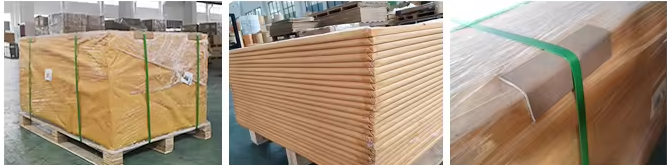
Packaging & Delivery
Sample Packaging: Sheets in protective PE bags, packed in cartons.
Sheet Packaging: 30kg per bag with PE film, or as required.
Pallet Packaging: 500-2000kg per plywood pallet.
Container Loading: 20 tons, optimized for 20ft/40ft containers.
Delivery Terms: FOB, CIF, EXW.
Lead Time: 7-15 days after deposit.
![Clear solid polycarbonate sheet packaging]()
Polycarbonate Sheet Export Packaging
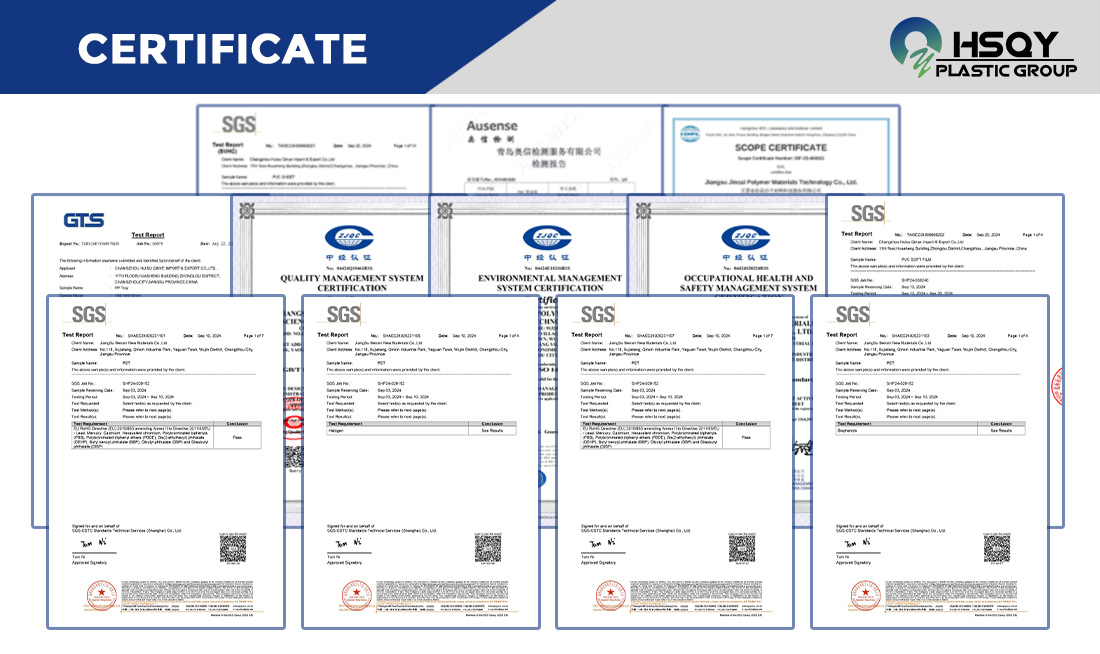
Certifications
The current product table lists ISO, ROHS, SGS and CE. Available certificates and test reports should be checked for the exact product grade, thickness and destination-market requirement before use in a regulated project.
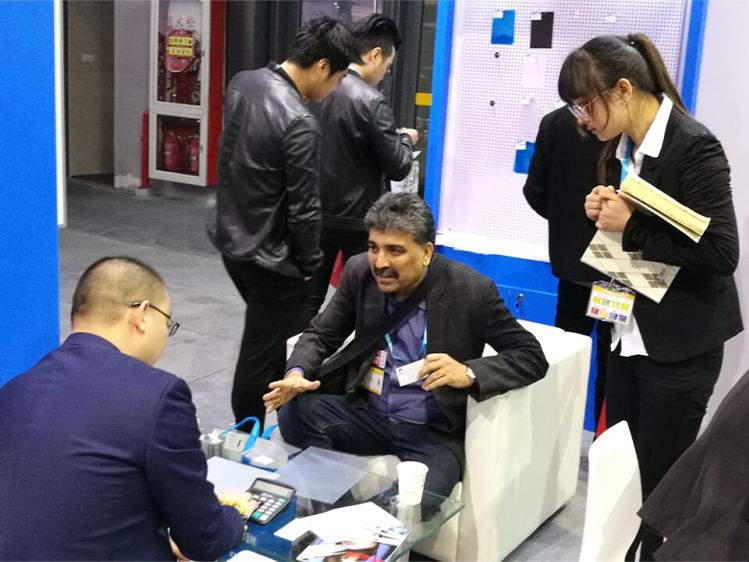
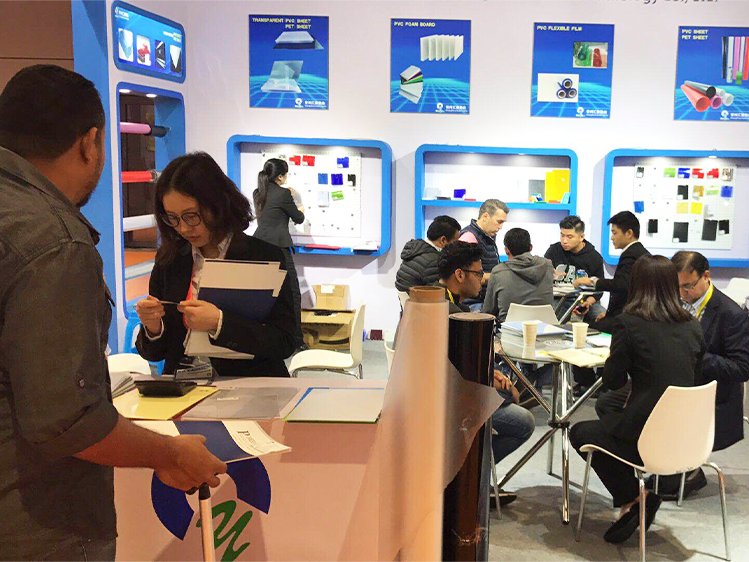
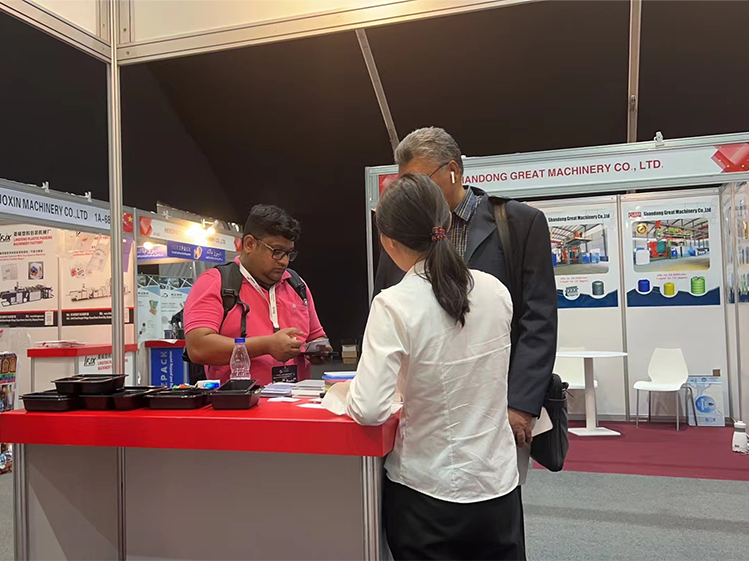
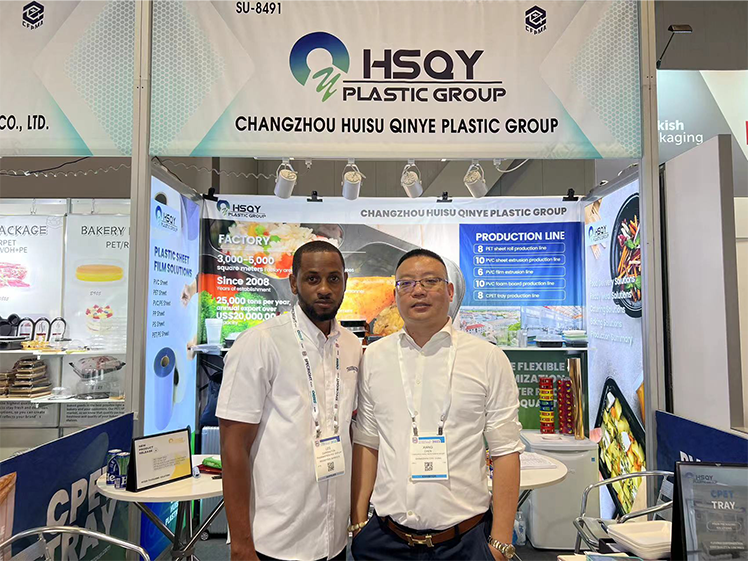
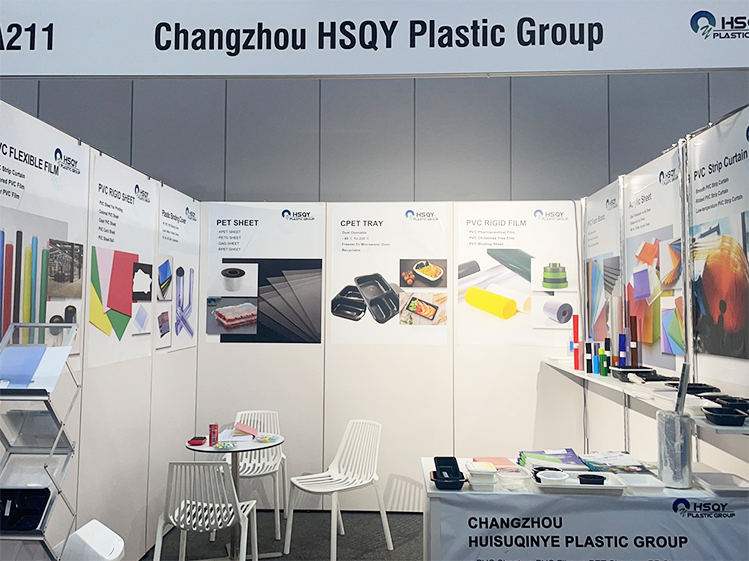
Global Exhibitions
![HSQY 2017 Shanghai Exhibition]()
2017 Shanghai Exhibition
![HSQY 2018 Shanghai Exhibition]()
2018 Shanghai Exhibition
![HSQY 2023 Saudi Exhibition]()
2023 Saudi Exhibition
![HSQY 2023 American Exhibition]()
2023 American Exhibition
![HSQY 2024 Australian Exhibition]()
2024 Australian Exhibition
![HSQY 2024 American Exhibition]()
2024 American Exhibition
![HSQY 2024 Mexico Exhibition]()
2024 Mexico Exhibition
![HSQY 2024 Paris Exhibition]()
2024 Paris Exhibition
About HSQY Plastic Group
HSQY Plastic Group states more than 20 years of experience and operates 8 factories, supplying plastic materials for packaging, construction and medical industries.
Clear solid polycarbonate projects can be discussed according to thickness, sheet dimensions, color, transparency, UV or surface requirements, fabrication, roof structure, certifications, order quantity and destination.