Anti-UV Clear Solid Polycarbonate Sheet 0.8-15mm
HSQY anti-UV clear solid polycarbonate sheet combines high impact resistance, transparency and outdoor weatherability for roofing, glazing, skylights and canopies, with 0.8-15mm thickness and custom sizes.
Made from polycarbonate, this flat solid sheet is designed for applications that require a transparent, lightweight and impact-resistant alternative to conventional glazing materials. The current product-level specification lists 0.8-15mm thicknesses, standard and custom sheet sizes, and clear, tinted-clear and opaque color options.
The current product information also identifies this product as an anti-UV grade and references outdoor durability of up to 10 years. For projects requiring a formal UV warranty, yellowing limit or light-transmission retention guarantee, confirm the applicable warranty document and UV-protection configuration for the exact sheet supplied.
![Anti-UV clear solid polycarbonate sheet]()
Anti-UV Clear Polycarbonate Sheet
![UV resistant polycarbonate glazing sheet]()
UV-Resistant Polycarbonate Glazing Sheet
Anti-UV Polycarbonate Sheet Specifications
| Property |
Current Product Specification |
| Product |
Anti-UV Clear Solid Polycarbonate Sheet |
| Model |
Polycarbonate Sheet |
| Product Code |
PC-1 |
| Material |
Polycarbonate (PC) |
| Structure |
Solid / Flat Sheet |
| Thickness |
0.8-15mm |
| Listed Sheet Sizes |
1220×2400mm, 1200×2150mm, Custom Size |
| Colors |
Clear, Clear with Color, Opaque Colorful |
| UV Performance |
Anti-UV / UV-protected grade; exact UV layer and warranty conditions should be confirmed |
| Temperature Range |
Current detailed source references approximately -40°C to +120°C |
| Listed Certifications |
SGS, ISO 9001:2008 |
| MOQ |
1000 kg |
| Payment Terms |
30% deposit, 70% balance before shipment |
| Delivery Terms |
FOB, CIF, EXW |
| Delivery Time |
7-15 days after deposit |
| Main Applications |
Roofing, skylights, canopies, glazing, protective panels, equipment covers and outdoor transparent applications |
Specification Note: The current live product parameters list 0.8-15mm thickness. Earlier body content on this page contained 0.05-0.25mm film specifications associated with printing and card applications; those thin-film values are not used as the main specification for this solid-sheet product.
What Is Anti-UV Solid Polycarbonate Sheet?
Anti-UV solid polycarbonate sheet is a flat engineering-plastic panel designed to combine the transparency and fabrication flexibility of polycarbonate with improved resistance to outdoor ultraviolet exposure.
Without suitable UV stabilization or a protective UV layer, prolonged sunlight can contribute to yellowing and loss of optical performance in polycarbonate. For exterior applications, the UV-protection system is therefore a critical purchasing parameter rather than an optional decorative feature.
Anti-UV protection can be achieved through different formulations or surface-layer constructions. Buyers should confirm whether the selected HSQY product uses one-side protection, two-side protection or another UV-stabilized construction when the application requires a defined outdoor service life.
Why UV Protection Matters for Outdoor Polycarbonate
| Outdoor Requirement |
Why It Matters |
| Resistance to Yellowing |
Helps maintain a clearer appearance during prolonged sunlight exposure |
| Light Transmission Retention |
Important for skylights, canopies, greenhouse glazing and transparent roofs |
| Surface Weatherability |
Helps protect the exposed surface from long-term UV degradation |
| Outdoor Service Life |
A properly specified UV grade is more appropriate for long-term exterior installations than a general-purpose interior grade |
| Warranty |
If a defined 10-year performance commitment is required, obtain the exact written warranty conditions |
10-Year UV Protection: What Buyers Should Confirm
The current HSQY product name and detailed content reference UV protection or durability of up to 10 years. For B2B purchasing, this should be translated into a clear technical and commercial specification before ordering.
| Item to Confirm |
Purchasing Question |
| UV Configuration |
Is UV protection provided on one side, both sides or through another formulation? |
| Warranty Period |
Is the 10-year statement supported by a written limited warranty? |
| Covered Performance |
Does the warranty cover yellowing, breakage, light-transmission loss or other properties? |
| Installation Conditions |
Are there specific installation, orientation, cleaning or fabrication requirements? |
| Geographic Conditions |
Does warranty coverage vary according to climate or destination region? |
Anti-UV Polycarbonate vs. Standard Polycarbonate
| Selection Factor |
Anti-UV Polycarbonate |
General-Purpose PC |
| Primary Environment |
Exterior and sunlight-exposed applications |
Indoor or applications where specific exterior UV protection is not required |
| UV Exposure |
Designed with enhanced UV protection |
Performance depends on the specific resin and stabilization package |
| Typical Use |
Canopies, roofing, skylights, outdoor glazing and transparent barriers |
Machine guards, interior panels, fabricated parts and general industrial use |
| Specification Requirement |
Confirm UV layer, protected side and exterior-performance documentation |
Confirm whether the grade is suitable for the intended environment |
Clear Solid Polycarbonate as a Glass Replacement
Clear solid polycarbonate is frequently evaluated as an alternative to glass where high impact resistance, lower weight and easier fabrication are important.
| Factor |
Solid Polycarbonate |
Glass |
| Transparency |
Clear grades provide high transparency |
High clarity depending on glass type |
| Impact Behavior |
High impact resistance and shatter resistance |
Can crack or shatter under sufficient impact depending on glass construction |
| Weight |
Lower density than glass |
Generally heavier at comparable dimensions |
| Fabrication |
Can be cut, drilled, routed and formed using suitable methods |
Requires glass-specific fabrication methods |
| Outdoor Requirement |
Specify UV-protected grade for long-term sunlight exposure |
UV stability is inherent to conventional glass, depending on glass type and coatings |
0.8-15mm Polycarbonate Thickness Range
The current HSQY product-level specification lists thicknesses from 0.8mm to 15mm. Thickness selection should be based on the application, panel size, support spacing, impact requirement and fabrication method.
| Thickness Direction |
General Application Direction |
| 0.8-1.5mm |
Thin covers, fabricated components, panels and selected formed applications where sufficient support is provided |
| 2-3mm |
Displays, protective panels, glazing components and lighter-duty transparent applications |
| 4-6mm |
Canopies, glazing, protective screens and roof panels subject to structural verification |
| 8-10mm |
Projects requiring increased panel stiffness and impact resistance |
| 12-15mm |
Heavy-duty transparent panels and engineering applications subject to project-specific design |
The application directions above are not structural span ratings. Roofing and glazing projects should use the actual sheet properties, panel dimensions, wind load, snow load and support system to determine the required thickness.
1220×2400mm & 1200×2150mm Polycarbonate Sheets
The current live product parameters list 1220×2400mm and 1200×2150mm sheet sizes together with custom-size capability.
For cut-to-size or fabricated orders, specify the finished dimensions, thickness, quantity and dimensional tolerance. For roofing or glazing projects, also provide the supporting-frame dimensions so the panel size and thickness can be evaluated together.
Clear, Tinted & Opaque Polycarbonate Options
The current product parameters identify clear, clear-with-color and opaque colorful sheet options. The previous page content also lists white, milk white, transparent and customizable colors.
| Color Direction |
General Selection Consideration |
| Clear |
Selected when high transparency and daylight are priorities |
| Tinted Clear |
Used where transparent color or reduced visual brightness is preferred |
| White / Milk White |
Suitable for translucent or diffused-light applications depending on grade |
| Opaque Color |
Used where transparency is not required |
| Custom Color |
Provide a reference color and required transmission or opacity level before production |
Surface Options
The earlier product detail lists smooth, frosted, glossy and matt surface options. These surface types can be useful for applications requiring different levels of transparency, glare control, appearance or diffusion.
Surface finish is different from UV protection. A matt or frosted surface does not by itself establish outdoor UV performance, and an anti-UV sheet does not automatically have an abrasion-resistant hard coating.
Is This Hard-Coated or Scratch-Resistant Polycarbonate?
The current source identifies this product as anti-UV, but it does not provide a specific abrasion-resistant hard-coat specification, Taber abrasion result or surface-hardness value.
If the project requires scratch resistance, chemical-resistant hard coating or an abrasion-resistant surface for machine guards, vehicle glazing or frequently cleaned panels, specify those requirements separately rather than assuming they are included with the anti-UV treatment.
Light Transmission & Optical Clarity
The previous product content references light transmission of up to 88%. Actual light transmission varies with thickness, color, surface finish and grade.
For skylights, architectural glazing or optical applications, request the actual visible-light transmission and haze values for the exact thickness and color rather than applying the maximum value to every sheet configuration.
Impact Resistance
Polycarbonate is widely selected for its high impact resistance and toughness. The previous HSQY product content references impact resistance approximately 80 times that of glass.
For specifications requiring a quantified impact rating, safety-glazing classification, hail rating or vandal-resistance requirement, confirm the relevant test method and report for the exact thickness and grade rather than relying only on a general material comparison.
Temperature Performance
The current detailed information references a temperature range of approximately -40°C to +120°C.
This range should not automatically be interpreted as the continuous structural-use temperature under load. Applications involving elevated temperatures, repeated thermal cycling or mechanical loading should use the appropriate technical data for the exact polycarbonate grade.
Fire Performance
The previous HSQY page content references a Class B1 flame-resistance rating. However, the currently supplied text does not identify the exact test standard, specimen thickness or certificate associated with that classification.
Projects requiring a defined fire rating should request the applicable report for the exact sheet thickness, color and grade before material approval.
Anti-UV Polycarbonate for Roofing & Canopies
Anti-UV solid polycarbonate can be used in transparent roof systems, entrance canopies, patio roofs and covered walkways where outdoor weatherability and impact resistance are important.
Roofing projects should specify sheet thickness, panel dimensions, support spacing, roof slope, UV-protected surface orientation, wind load and snow load. The current page does not publish a universal structural span table, so thickness should not be selected from sheet size alone.
Anti-UV Polycarbonate for Skylights
Clear UV-protected solid PC sheet is suitable for evaluation in skylights and rooflights where high transparency, weather resistance and impact tolerance are required.
For skylight projects, request the actual light-transmission value, UV configuration, allowable bending radius where curved glazing is planned, and structural support requirements for the selected thickness.
Anti-UV Polycarbonate for Outdoor Glazing
Outdoor glazing is one of the applications where UV protection provides the greatest value because the sheet is continuously exposed to solar radiation.
Typical uses include transparent partitions, protective panels, shelters, balcony screens, entrance glazing and outdoor enclosures. Project-specific safety or building-code requirements should be confirmed separately.
Polycarbonate for Greenhouse Glazing
Clear solid polycarbonate can be used for greenhouse glazing where direct visibility, impact resistance and UV-protected outdoor performance are required.
For greenhouses where thermal insulation is the main priority, twinwall or multiwall polycarbonate may be more suitable because their internal air chambers reduce heat transfer more effectively than a single solid layer.
Industrial & Equipment Applications
The previous product information also references electronics, mechanical equipment and medical-equipment applications. Solid polycarbonate can be useful for covers, housings, guards and fabricated components because of its impact resistance, dimensional stability and electrical properties.
For regulated electronics, medical devices or other specialized applications, use the appropriate grade and request the required compliance documents. An exterior anti-UV grade should not automatically be assumed to satisfy every medical, electrical or food-contact requirement.
Application Images
![Anti-UV polycarbonate sheet application]()
Anti-UV Polycarbonate Sheet Application
![Clear solid polycarbonate sheet outdoor application]()
Clear Polycarbonate Outdoor Application
Cutting, Drilling & Fabrication
Solid polycarbonate can be cut, drilled, routed, formed and fabricated using suitable plastic-processing tools and conditions.
| Process |
Consideration |
| Cutting |
Support the panel and use appropriate blades to reduce vibration and edge damage |
| Drilling |
Avoid excessive localized pressure and allow clearance where thermal movement is relevant |
| CNC Routing |
Useful for custom profiles, openings and fabricated transparent components |
| Thermoforming |
Requires the correct heating cycle, forming conditions and mold design for the selected thickness |
| Cold Curving |
Confirm the minimum cold-bending radius for the exact thickness before curved installation |
Cleaning & Maintenance
For routine cleaning, use clean water, mild soap and a soft cloth or non-abrasive sponge. Avoid abrasive pads that can scratch the surface.
Cleaning chemicals should be compatible with polycarbonate. Strong solvents or incompatible chemicals can contribute to stress cracking or surface damage, particularly around drilled holes, bent areas or highly stressed components.
What Information Should You Provide for a Quote?
| Requirement |
Information to Provide |
| Application |
Roofing, skylight, canopy, glazing, protective panel, equipment cover or other application |
| Thickness |
Required thickness within the current 0.8-15mm range |
| Sheet Size |
1220×2400mm, 1200×2150mm or custom dimensions |
| Color |
Clear, tinted clear, opaque or custom color |
| Surface |
Smooth, glossy, matt, frosted or other required finish |
| UV Requirement |
Specify exterior exposure and whether one-side or two-side UV protection is required |
| Optical Requirement |
Required light transmission, haze or transparency where applicable |
| Fabrication |
Cutting, drilling, routing, thermoforming or curved installation requirements |
| Project Loads |
Wind, snow and structural requirements for roofing or glazing projects |
| Documentation |
UV warranty, fire report, SGS, ISO or other required documents |
| Quantity |
Current MOQ is listed as 1000kg; provide project and repeat-order demand |
| Destination |
Country and destination port |
Frequently Asked Questions About Anti-UV Polycarbonate Sheet
What is anti-UV polycarbonate sheet?
It is polycarbonate sheet designed with enhanced protection against ultraviolet exposure for exterior applications such as roofing, skylights, canopies and outdoor glazing.
What thicknesses are available?
The current live HSQY product parameters list 0.8mm to 15mm.
What sheet sizes are available?
The current product listing includes 1220×2400mm, 1200×2150mm and custom sizes.
Is this a solid polycarbonate sheet or polycarbonate film?
The current product is listed under Solid Polycarbonate Sheet with a 0.8-15mm product-level thickness range. Earlier page content containing 0.05-0.25mm film specifications should not be used as the main specification for this product.
Does the sheet have 10-year UV protection?
The current product information references UV protection for up to 10 years. Buyers requiring a formal guarantee should confirm the written warranty terms, covered properties and installation conditions for the exact sheet.
Does polycarbonate block UV rays?
UV-protected polycarbonate is designed to reduce UV-related degradation of the sheet and can also filter UV radiation depending on the exact product construction. Request spectral-transmission data if a defined UV-blocking percentage is required.
Is UV protection on one side or both sides?
The current supplied specification does not define the configuration. Confirm whether the selected sheet has one-side or two-side UV protection before installation.
Which side should face the sun?
For one-side UV-protected sheet, the protected surface should face the sun. Follow the markings on the supplied protective film or technical documentation.
Will anti-UV polycarbonate turn yellow?
UV protection is intended to reduce yellowing during outdoor exposure. A specific yellowing guarantee should only be stated according to the applicable warranty for the supplied grade.
What is the light transmission?
Earlier product content references up to 88% light transmission. Actual transmission depends on thickness, color and surface finish, so request data for the exact sheet configuration.
Is anti-UV polycarbonate stronger than glass?
Polycarbonate provides much higher impact resistance than conventional glass. The earlier HSQY content references up to 80 times greater impact resistance, but projects requiring a quantified rating should use the applicable test data.
Is anti-UV polycarbonate suitable for roofing?
Yes, suitable UV-protected solid polycarbonate can be used for roofs, skylights and canopies when sheet thickness, panel span, support spacing and structural loads are correctly specified.
Can it be used outdoors?
Yes. Outdoor use is the main reason to specify enhanced UV protection. Confirm the protected side, warranty conditions and environmental requirements before installation.
Is the sheet scratch resistant?
Anti-UV protection does not automatically mean abrasion-resistant hard coating. If scratch resistance is required, specify a suitable hard-coated polycarbonate grade separately.
What surface finishes are available?
The earlier detailed product content lists smooth, frosted, glossy and matt surface options. Confirm availability for the required 0.8-15mm thickness.
What temperature range is listed?
The current detailed information references approximately -40°C to +120°C. Critical applications should confirm the appropriate technical data for the selected grade.
Does the sheet have a B1 fire rating?
The previous page content references Class B1. Because the exact standard and specimen thickness are not identified in the supplied content, request the relevant fire-test report before using this classification in a project specification.
Can the sheet be cut and drilled?
Yes. Solid polycarbonate can be cut, drilled and routed using suitable plastic-working tools and fabrication methods.
Can polycarbonate be cold curved?
Suitable solid polycarbonate can be cold curved within thickness-specific limits. Confirm the minimum bending radius before design or installation.
How should anti-UV polycarbonate be cleaned?
Use mild soapy water and a soft cloth or non-abrasive sponge. Avoid abrasive pads and chemicals that are incompatible with polycarbonate.
What is the MOQ?
The current detailed information lists a minimum order quantity of 1000kg.
What is the delivery time?
The current source lists approximately 7-15 days after deposit, depending on order requirements.
What information should I provide for a quotation?
Please provide the application, thickness, sheet dimensions, color, surface finish, UV-protection requirement, optical requirement, fabrication needs, required documentation, quantity and destination.
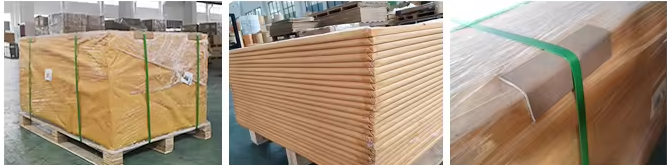
Packaging & Delivery
Sample Packaging: Sheets in protective PE bags, packed in cartons.
Sheet Packaging: 30kg per bag with PE film, or as required.
Pallet Packaging: 500-2000kg per plywood pallet.
Container Loading: 20 tons, optimized for 20ft/40ft containers.
Delivery Terms: FOB, CIF, EXW.
Lead Time: 7-15 days after deposit, depending on order volume.
![Anti-UV polycarbonate sheet packaging]()
Anti-UV Polycarbonate Sheet Export Packaging
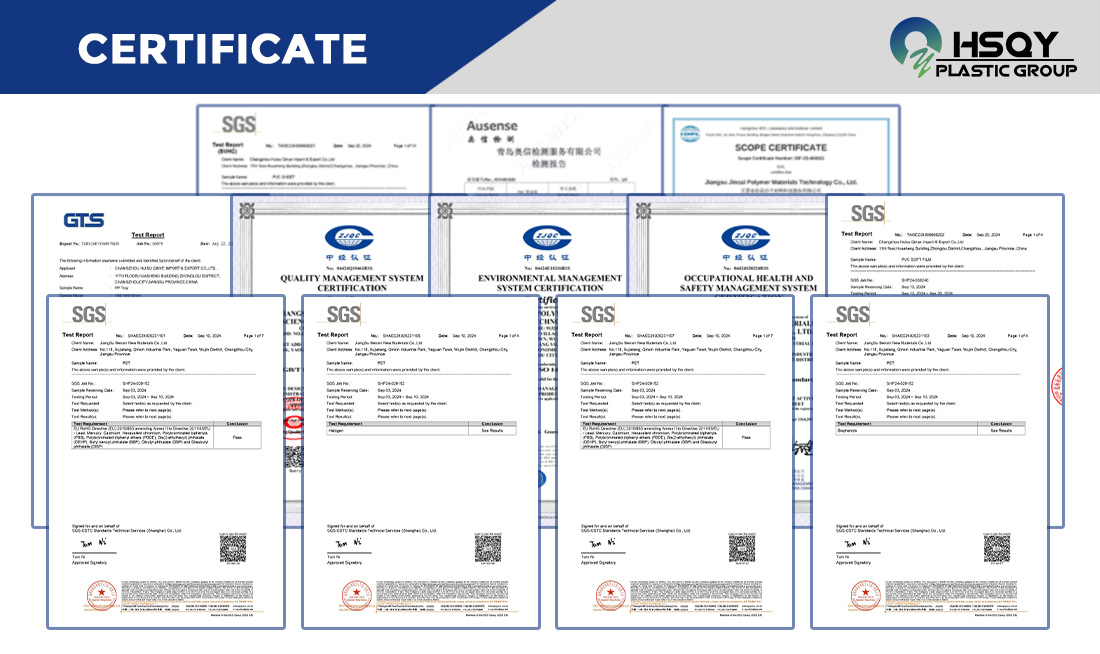
Certifications
The current detailed product information references SGS and ISO 9001:2008. Buyers should confirm the scope, version and applicability of available documents for the exact polycarbonate grade, thickness and destination-market requirement.
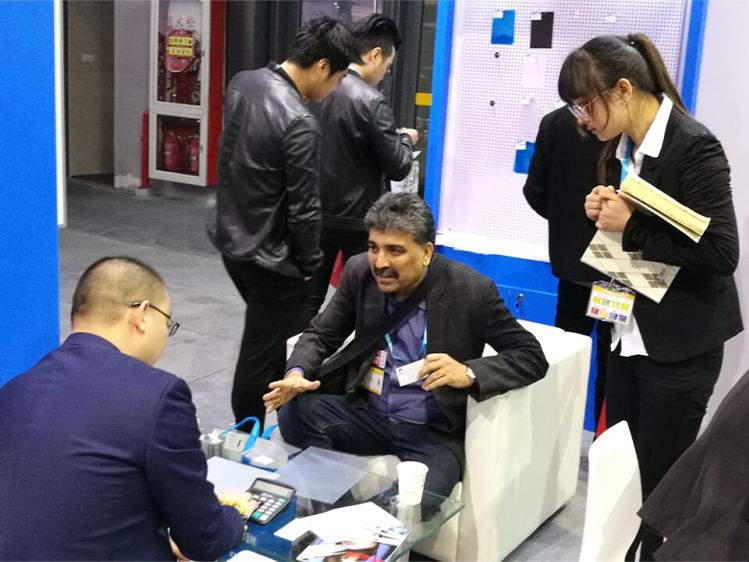
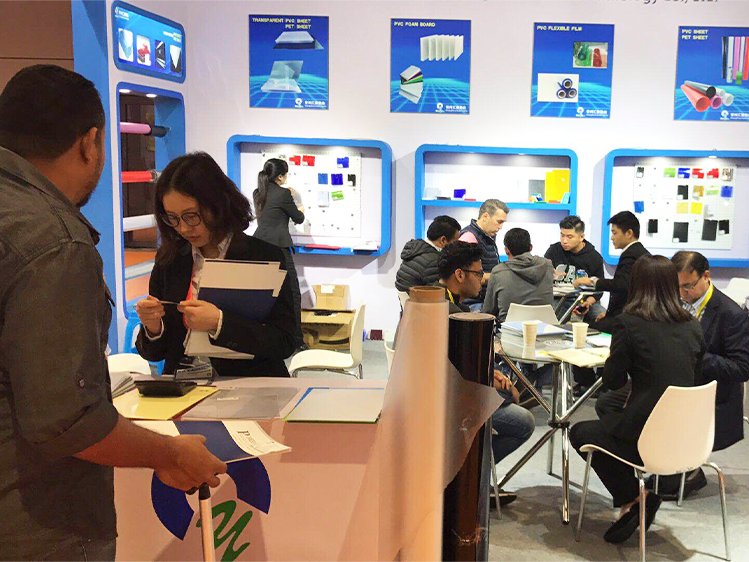
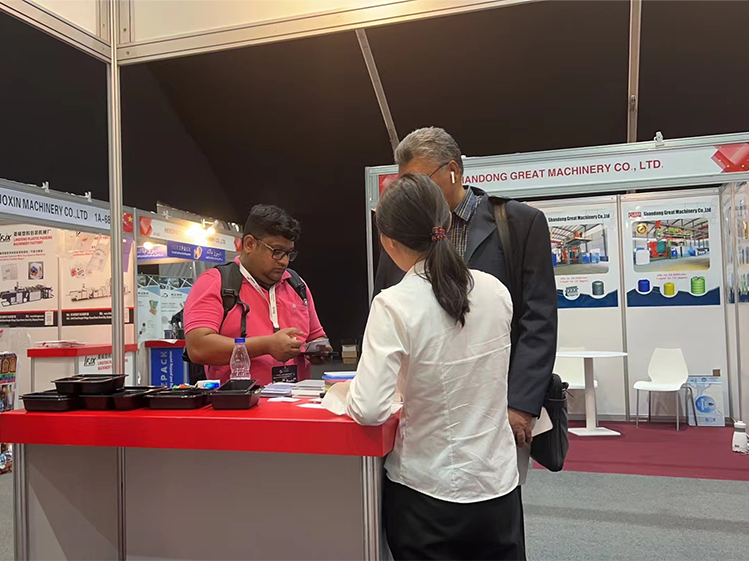
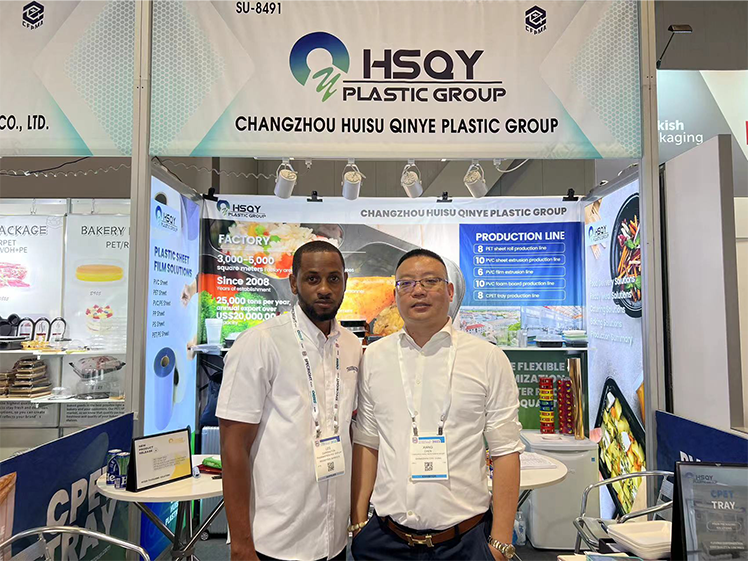
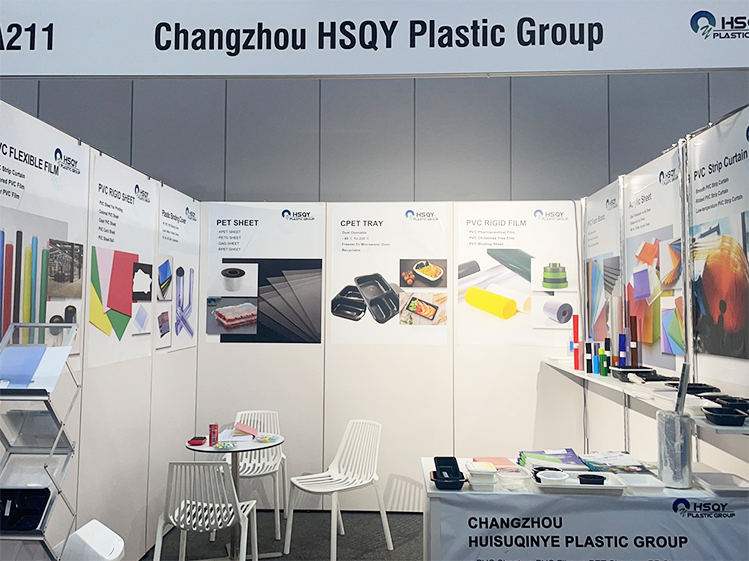
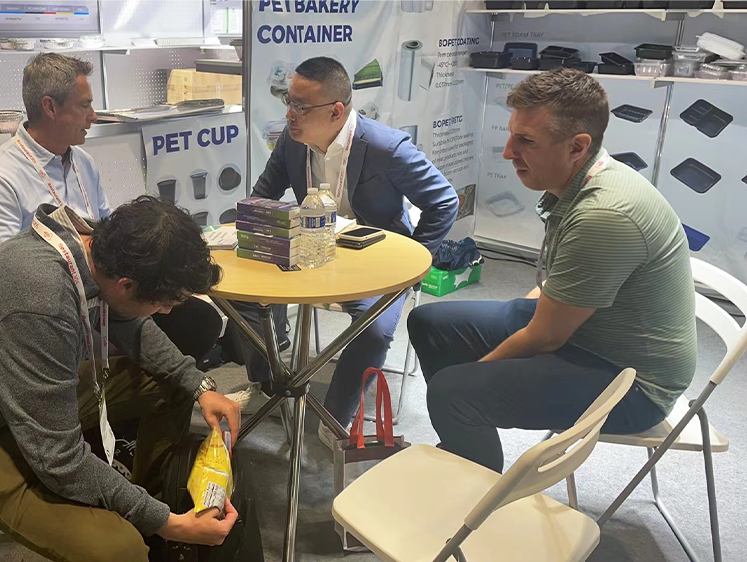
Global Exhibitions
![HSQY 2017 Shanghai Exhibition]()
2017 Shanghai Exhibition
![HSQY 2018 Shanghai Exhibition]()
2018 Shanghai Exhibition
![HSQY 2023 Saudi Exhibition]()
2023 Saudi Exhibition
![HSQY 2023 American Exhibition]()
2023 American Exhibition
![HSQY 2024 Australian Exhibition]()
2024 Australian Exhibition
![HSQY 2024 American Exhibition]()
2024 American Exhibition
![HSQY 2024 Mexico Exhibition]()
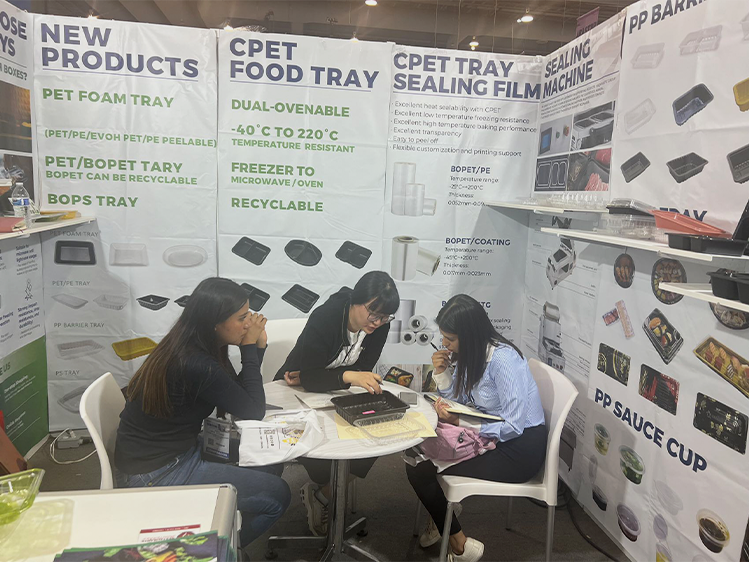
2024 Mexico Exhibition
![HSQY 2024 Paris Exhibition]()
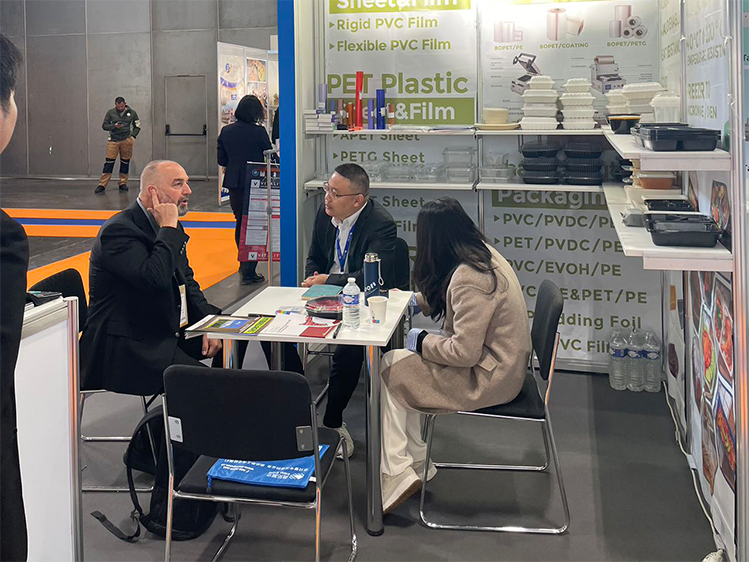
2024 Paris Exhibition
About HSQY Plastic Group
HSQY Plastic Group states more than 20 years of experience and operates 8 factories, supplying plastic materials for packaging, construction, medical and industrial applications.
Anti-UV polycarbonate projects can be discussed according to thickness, sheet dimensions, color, surface finish, outdoor exposure, UV-protection requirement, optical performance, fabrication, certification, order quantity and destination.