4mm Colored Twinwall Polycarbonate Roofing Sheet
HSQY 4mm colored twinwall polycarbonate roofing sheet combines a lightweight hollow structure, impact resistance, thermal insulation and UV protection for greenhouses, skylights, canopies and architectural roofing.
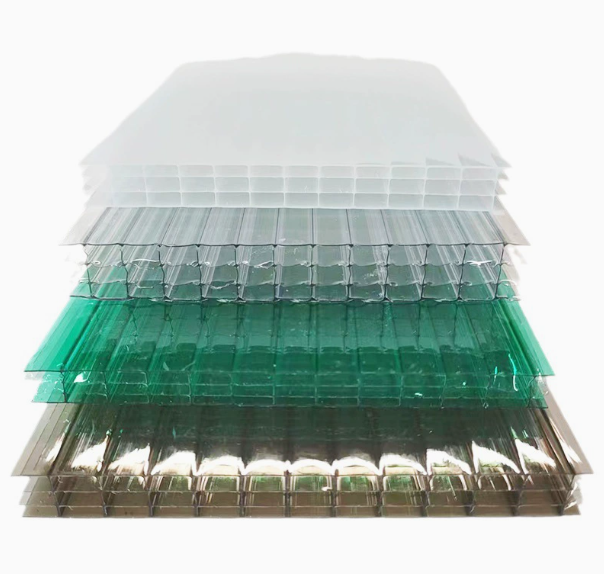
Twinwall polycarbonate sheet, also called hollow polycarbonate sheet or twin wall PC sheet, uses two outer polycarbonate skins connected by internal ribs. The enclosed air channels reduce sheet weight while providing better thermal insulation than a comparable single solid layer.
This page focuses on the 4mm twinwall roofing grade. HSQY also lists 5mm, 6mm, 8mm and 10mm 2RS twinwall options, with clear, green, lake blue, blue, emerald, brown, grass green, opal, grey and custom colors.
![4mm colored twinwall polycarbonate roofing sheet hollow structure]()
Twinwall Polycarbonate Hollow Structure
![Colored twin wall polycarbonate sheet for roofing and greenhouse]()
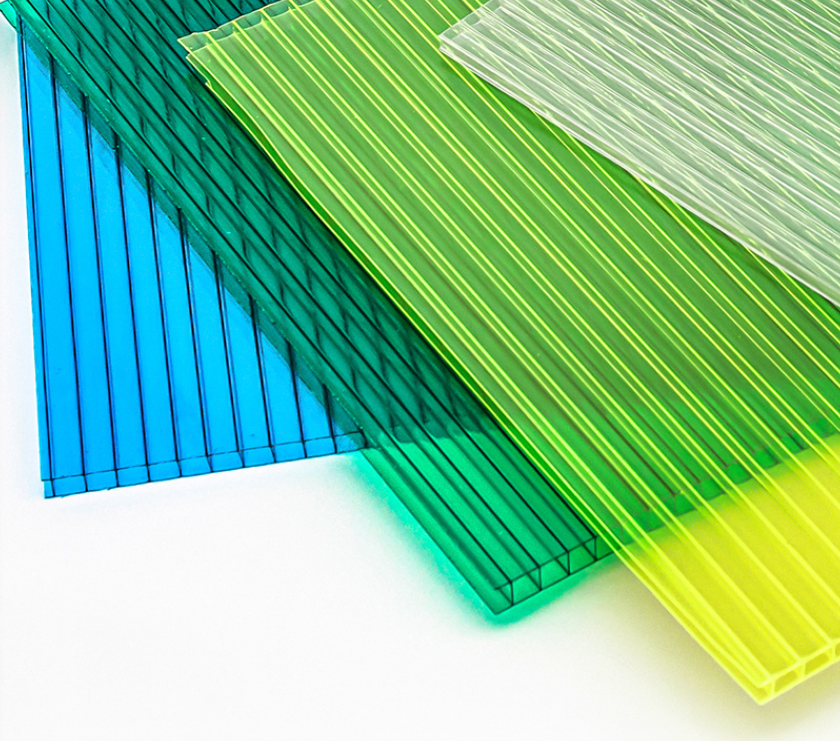
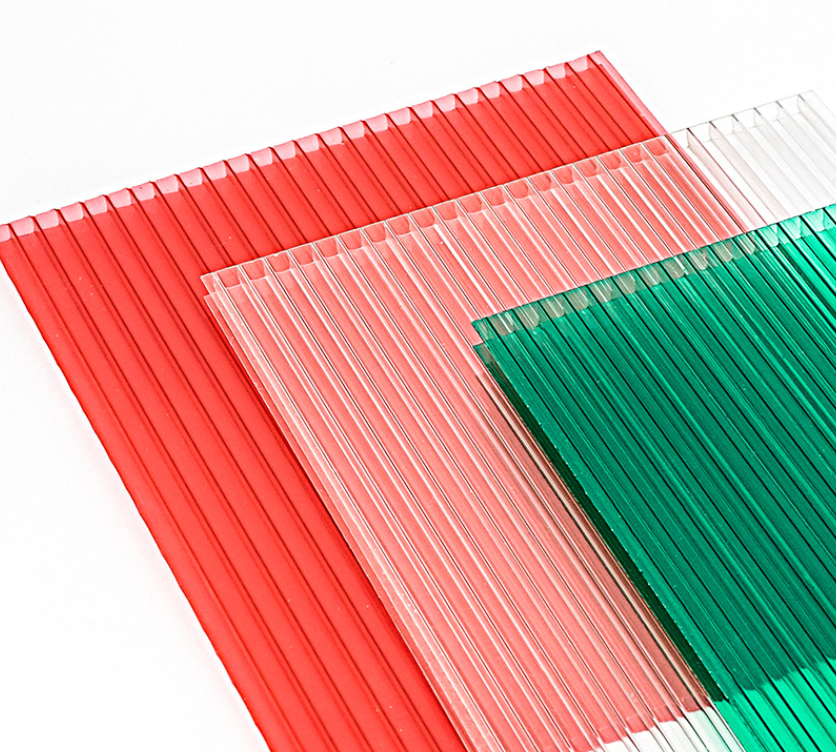
Colored Twinwall Polycarbonate Sheet
4mm Twinwall Polycarbonate Sheet Specifications
| Property |
Specification |
| Product |
Twinwall Polycarbonate Roofing Sheet |
| Material |
Polycarbonate Plastic |
| Raw Material |
100% Virgin Polycarbonate Resin |
| Structure |
Twinwall / 2RS Hollow Structure |
| Featured Thickness |
4mm |
| Other Listed Twinwall Thicknesses |
5mm, 6mm, 8mm, 10mm (2RS) |
| Listed Width |
2100mm |
| Colors |
Clear, Green, Lake Blue, Blue, Emerald, Brown, Grass Green, Opal, Grey, Custom |
| UV Protection |
Co-extruded UV protection is listed in the current product information |
| Applications |
Roofing, skylights, greenhouses, canopies, walkways, architectural, industrial and agricultural projects |
Specification Note: The current detailed specification table lists 2100mm width and 4mm, 5mm, 6mm, 8mm and 10mm twinwall thicknesses. Exact production size, tolerance, sheet length, weight, UV-protected side and optical properties should be confirmed for the selected color and order.
What Is 4mm Twinwall Polycarbonate Sheet?
A 4mm twinwall polycarbonate sheet consists of two thin polycarbonate skins separated by vertical internal ribs. This hollow structure creates air channels that reduce weight and improve insulation compared with a single solid sheet of similar overall thickness.
The 4mm gauge is commonly selected for lightweight roofing and glazing applications where moderate rigidity, natural light and low structural weight are important. It is especially relevant to smaller greenhouses, skylights, canopies and covered structures when the supporting frame and span are appropriate.
Roof design, support spacing, wind load, snow load and local building requirements must be considered separately. Sheet thickness alone does not determine structural suitability.
Why Choose Twinwall Instead of Solid Polycarbonate?
| Selection Factor |
Twinwall Polycarbonate |
Solid Polycarbonate |
| Structure |
Hollow twin-wall channels |
Solid homogeneous sheet |
| Weight |
Lower for a comparable overall thickness |
Higher because the sheet is solid |
| Thermal Insulation |
Air channels improve insulation |
No internal insulating air channels |
| Optical Appearance |
Ribbed / hollow appearance with diffused light characteristics |
Clearer direct view in transparent grades |
| Typical Use |
Greenhouses, skylights, roofing, canopies and covered walkways |
Machine guards, glazing, barriers, safety panels and applications requiring solid sheet |
Key Features of Twinwall Polycarbonate Sheet
Light Transmission & Diffusion
The current product information describes multiwall polycarbonate as allowing up to 80% natural-light diffusion. Actual light transmission and diffusion depend on sheet color, thickness, rib structure and surface treatment, so optical data should be confirmed for the exact selected sheet.
Clear sheets generally prioritize natural-light transmission, while opal, grey, blue, green and other colored sheets can be selected when glare reduction, appearance or solar-light control is more important.
Thermal Insulation
The hollow channels trap air between the outer polycarbonate skins, improving thermal insulation compared with a single non-hollow layer.
The source product information describes multiwall construction as providing substantially better insulation than single-pane glass. Exact U-value or thermal-transmittance data should be confirmed for the specific thickness and structure rather than assumed from a generic comparison.
Impact Resistance
Polycarbonate is selected for roofing and glazing applications because of its useful impact resistance compared with brittle glazing materials.
The current product information mentions hail, snow and flying debris resistance. Actual suitability depends on sheet thickness, support spacing, fixing method, load conditions and project engineering. Hurricane, storm or structural-load performance should not be assumed without the applicable test data and installation design.
UV & Weather Resistance
The current product specification states that the sheet uses co-extruded UV protection to help protect the polycarbonate surface during direct sunlight exposure.
For installation, confirm which side carries the UV-protective layer and install that side toward the sun. If protection is provided on both sides for a specific grade, this should be confirmed from the product documentation.
Lightweight Construction
The hollow design reduces weight compared with solid glazing materials. The source information describes multiwall polycarbonate as approximately one-sixth the weight of glass in general comparison.
Lower sheet weight can simplify handling and reduce structural loading, but framing and fastening should still be designed for the actual roof size, wind conditions and project loads.
4mm Twinwall Polycarbonate for Greenhouses
4mm twinwall polycarbonate is commonly considered for small greenhouses and other lightweight agricultural glazing projects where natural light, insulation and low panel weight are required.
Clear sheet maximizes visibility and light entry, while opal or colored sheets can alter light distribution and reduce direct glare. For plant-production projects, confirm the actual light-transmission and diffusion values of the selected color before ordering.
The product source mentions condensation resistance for greenhouse use, but no dedicated anti-drip or anti-condensation coating specification is published. If condensate-control performance is required, this should be specified separately.
4mm Twinwall Polycarbonate for Roofing & Skylights
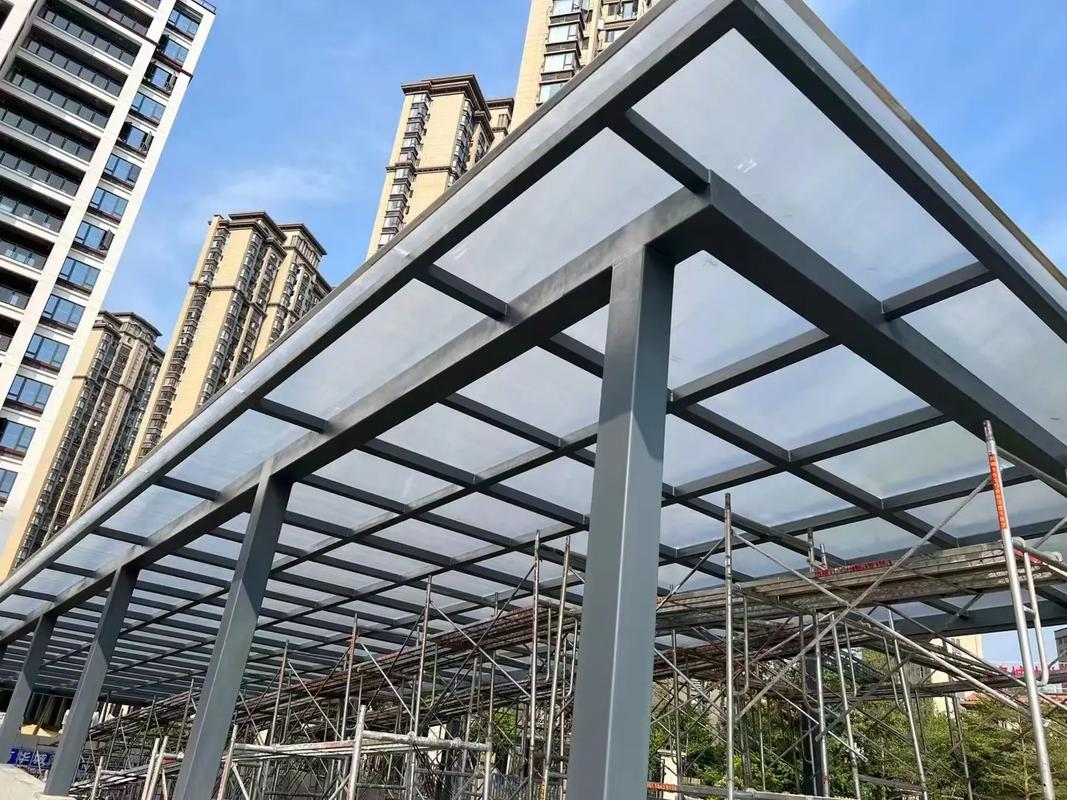
Twinwall polycarbonate provides a lightweight translucent roofing option for skylights, covered walkways, patios, canopies and selected architectural roof structures.
4mm sheet is a relatively thin twinwall construction. For larger roof spans, heavy snow regions or high-wind projects, a thicker multiwall structure or closer support spacing may be required. Structural suitability should be established from project loads rather than selecting thickness only by appearance or price.
Colored Twinwall Polycarbonate Roofing Sheets
HSQY currently lists clear, green, lake blue, blue, emerald, brown, grass green, opal, grey and custom color options.
| Color Direction |
General Selection Consideration |
| Clear |
Prioritizes natural light and transparency |
| Opal |
Useful where more diffused appearance and reduced direct glare are preferred |
| Grey / Brown |
Often selected for architectural appearance and reduced visible brightness |
| Blue / Lake Blue / Emerald / Green |
Provides decorative tinting for roofing, canopies and architectural projects |
| Custom Color |
Confirm color reference, quantity and required optical properties before production |
Color changes both appearance and optical behavior. Exact light transmission, solar transmission and color tolerance should be confirmed for the selected sheet rather than inferred from the color name alone.
Agricultural & Architectural Applications
![Twinwall polycarbonate sheet agricultural greenhouse application]()
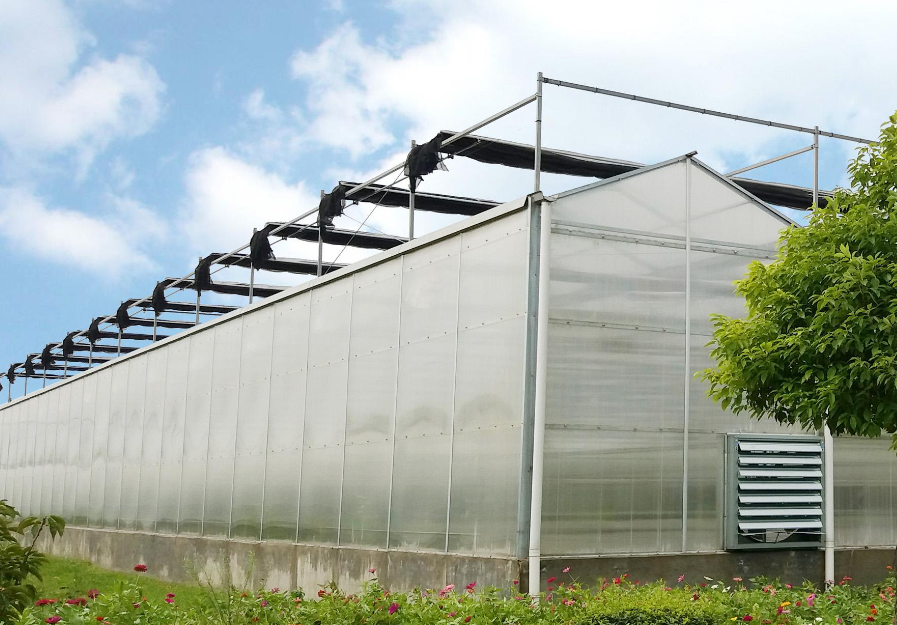
Agricultural Application
![Twinwall polycarbonate roofing sheet architectural application]()
Architectural Application
Typical Applications of Twinwall Polycarbonate Sheet
Greenhouses
Twinwall polycarbonate provides natural-light transmission, an insulating hollow structure and low panel weight for greenhouse roofs and walls. The correct thickness should be selected according to greenhouse size, climate and frame spacing.
Roofing & Skylights
Suitable for selected shopping, commercial, residential and industrial daylighting projects where a lightweight translucent roofing material is required.
Walkways & Canopies
Colored or clear twinwall sheets can be used for covered pedestrian areas, entrances and canopies when the support structure and installation system are designed for the project loads.
Swimming Pool Enclosures
Multiwall polycarbonate can be considered for lightweight pool-enclosure roofing and side panels where weather resistance and transmitted light are desirable.
Noise-Screen Projects
The original product information lists noise barriers as an application direction. Projects with defined acoustic requirements should use tested acoustic data and an engineered support system rather than assuming a specific sound-reduction rating for 4mm twinwall sheet.
Signage & Displays
Lightweight colored or translucent sheets can be used for display structures, signs and decorative panels where the hollow rib appearance suits the design.
Storm & Protective Panels
The source product information lists storm panels among possible applications. Any hurricane, cyclone, windborne-debris or code-rated protective application requires the appropriate tested system, sheet thickness, framing and fastening design and should not be inferred from material impact resistance alone.
4mm vs. 6mm Twinwall Polycarbonate
| Selection Factor |
4mm Twinwall |
6mm Twinwall |
| Weight |
Lower |
Generally higher |
| Rigidity |
Suitable for lighter-duty supported applications |
Generally provides greater panel rigidity |
| Insulation |
Provides hollow-sheet insulation |
Generally provides better insulation because of greater overall thickness |
| Typical Direction |
Small greenhouses, lightweight skylights and supported canopies |
Projects requiring greater rigidity or improved insulation |
| Final Selection |
Confirm span, support spacing, wind load, snow load, climate and required thermal performance before selecting thickness. |
Installation Guidelines for Twinwall Polycarbonate Roofing
Install the UV-Protected Side Outward
Where the product has UV protection on one side, that side should face the sun. Keep the protective film in place during installation and follow the marking on the supplied sheet.
Run the Flutes in the Drainage Direction
For sloped roofing, the internal channels should normally run in the direction of the roof slope to assist drainage and reduce the chance of moisture remaining inside the channels.
Allow for Thermal Expansion
Polycarbonate expands and contracts with temperature. Frames, fixing holes and glazing profiles should provide suitable clearance rather than clamping the sheet so tightly that thermal movement is restricted.
Seal the Open Flute Ends Correctly
Open channels should be protected using suitable tapes and edge profiles so dust, insects and excessive moisture do not enter the hollow structure. The exact sealing method should match the roof orientation and installation system.
Use Compatible Profiles, Fasteners & Sealants
H-profiles, U-profiles, washers, fasteners and sealants used with the sheet should be compatible with polycarbonate and designed to accommodate movement and prevent water ingress.
Confirm Roof Slope & Support Spacing
Roof slope and framing spacing should be determined from the project design, rainfall, wind and snow conditions. The current source does not publish a universal support-spacing table for this 4mm sheet.
Cutting & Drilling Twinwall Polycarbonate
The source product information states that multiwall polycarbonate can be cut and drilled on site. Clean, suitable plastic-working tools should be used to minimize cracking, rough edges and contamination inside the hollow channels.
| Operation |
Consideration |
| Cutting |
Support the panel, use suitable cutting equipment and remove chips from internal channels after cutting |
| Drilling |
Avoid excessive edge pressure and allow sufficient clearance for thermal movement |
| Edge Finishing |
Clean the channels and apply the appropriate sealing tape and edge profile |
| Bending |
Any cold-curving radius should follow the specific sheet manufacturer's technical limits rather than being estimated |
What Information Should You Provide for a Quote?
| Requirement |
Information to Provide |
| Application |
Greenhouse, skylight, canopy, roofing, walkway, enclosure or other project |
| Thickness |
4mm or another listed 2RS thickness such as 5mm, 6mm, 8mm or 10mm |
| Sheet Width & Length |
Required finished sheet dimensions; the detailed table currently lists 2100mm width |
| Color |
Clear, green, lake blue, blue, emerald, brown, grass green, opal, grey or custom |
| Light Requirement |
Required light transmission, diffusion or shading performance where applicable |
| UV Protection |
Confirm one-side or other required UV-protection configuration |
| Roof Structure |
Support spacing, roof slope, panel span and framing system |
| Climate / Loads |
Wind, snow, hail and local project conditions where relevant |
| Accessories |
Profiles, tapes, fasteners, washers or other installation accessories if required |
| Quantity |
Trial quantity, project quantity and expected repeat demand |
| Destination |
Country and destination port |
Frequently Asked Questions About 4mm Twinwall Polycarbonate Sheet
What is a 4mm twinwall polycarbonate sheet?
It is a 4mm-thick hollow polycarbonate sheet with two outer skins connected by internal ribs, creating lightweight insulating air channels.
Is twinwall polycarbonate the same as hollow polycarbonate sheet?
Twinwall is one type of hollow or multiwall polycarbonate sheet. Twinwall has two main skins, while other multiwall products may use triple-wall, X-structure or honeycomb designs.
What colors are available?
The current product information lists clear, green, lake blue, blue, emerald, brown, grass green, opal, grey and custom colors.
What width is available?
The detailed product specification currently lists 2100mm width. Exact production dimensions and tolerances should be confirmed with the quotation.
What other thicknesses are available?
The current detailed table lists 4mm, 5mm, 6mm, 8mm and 10mm 2RS twinwall polycarbonate sheets.
Is 4mm twinwall polycarbonate suitable for a greenhouse?
It can be suitable for smaller or adequately supported greenhouse applications. Final thickness should be selected according to frame spacing, climate, wind and snow loads and required insulation.
Is 4mm polycarbonate suitable for roofing?
It can be used for suitable lightweight roofing, skylight and canopy applications. Larger spans or more demanding loads may require thicker multiwall sheet or closer structural support.
Does the sheet have UV protection?
The current product information states that co-extruded UV protection is used. Confirm the protected side and exact UV configuration for the selected product before installation.
Which side should face the sun?
For a one-side UV-protected sheet, the UV-protected side should face outward toward sunlight. Follow the marking on the supplied protective film and product documentation.
How much light does 4mm twinwall polycarbonate transmit?
The product source describes up to 80% natural-light diffusion for multiwall sheets, but actual optical performance varies significantly with color, structure and thickness. Request data for the exact sheet being considered.
Does colored polycarbonate reduce light transmission?
Generally, tint and opacity affect transmitted light. Exact values should be confirmed for the selected clear, opal, grey, blue, green or other colored sheet.
Does twinwall polycarbonate provide thermal insulation?
Yes. The air channels inside the hollow sheet improve insulation compared with a single non-hollow skin. Exact U-value depends on thickness and structure.
Can the sheet be cut on site?
Yes. The current product information states that multiwall polycarbonate can be cut and drilled on site. Use suitable tools, support the panel correctly and clean cutting debris from the internal flutes.
How should the open channels be sealed?
Use suitable sealing or venting tapes together with edge profiles according to the panel orientation and roofing system. Proper edge treatment helps reduce dust, insects and excessive moisture inside the channels.
Do I need to allow for thermal expansion?
Yes. Polycarbonate expands and contracts as temperature changes. Installation systems should provide appropriate movement clearance rather than rigidly trapping the sheet.
Can 4mm sheet be used in heavy snow areas?
Do not select the sheet based only on thickness. Snow load, span, support spacing, roof slope and local structural requirements must be evaluated. A thicker multiwall sheet may be required for more demanding projects.
Is 4mm twinwall polycarbonate hurricane resistant?
Impact resistance alone does not establish hurricane-rated performance. Hurricane or windborne-debris applications require the relevant tested panel system, framing, fasteners and project-specific approvals.
Does the sheet have anti-condensation coating?
The current source mentions greenhouse condensation performance but does not publish a dedicated anti-drip coating specification. If anti-condensation treatment is required, specify it separately for confirmation.
What information should I provide for a quotation?
Please provide the application, thickness, sheet dimensions, color, optical requirements, roof span and support spacing, climate conditions, UV requirement, accessories, quantity and destination.
Packaging & Delivery
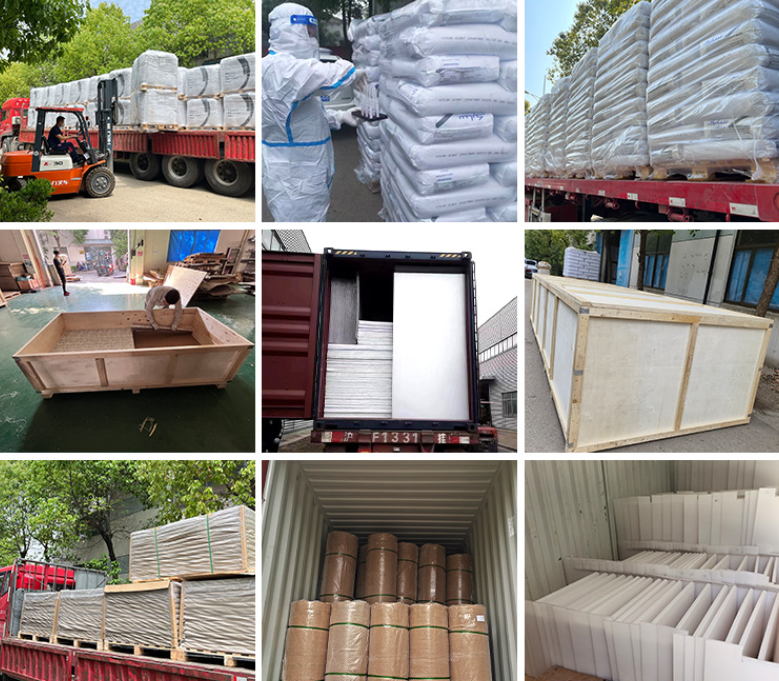
Sample Packaging: Sheets in protective PE bags, packed in cartons.
Sheet Packaging: 30kg per bag with PE film, or as required.
Pallet Packaging: 500-2000kg per plywood pallet.
Container Loading: 20 tons, optimized for 20ft/40ft containers.
Delivery Terms: FOB, CIF, EXW.
Lead Time: 7-15 days after deposit, depending on order volume.
![Twinwall polycarbonate roofing sheet packaging and delivery]()
Twinwall Polycarbonate Sheet Packaging
Certifications
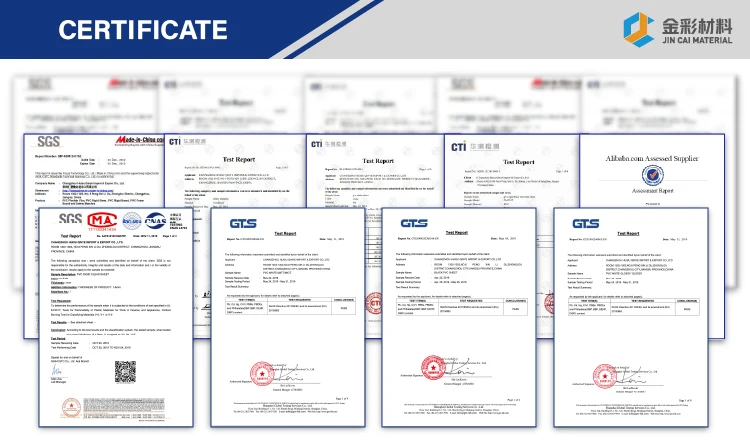
HSQY's current product information references SGS and ISO 9001:2008. Project-specific certificates, test reports and compliance documents should be confirmed for the exact polycarbonate grade, thickness, color and destination-market requirement.
About HSQY Plastic Group
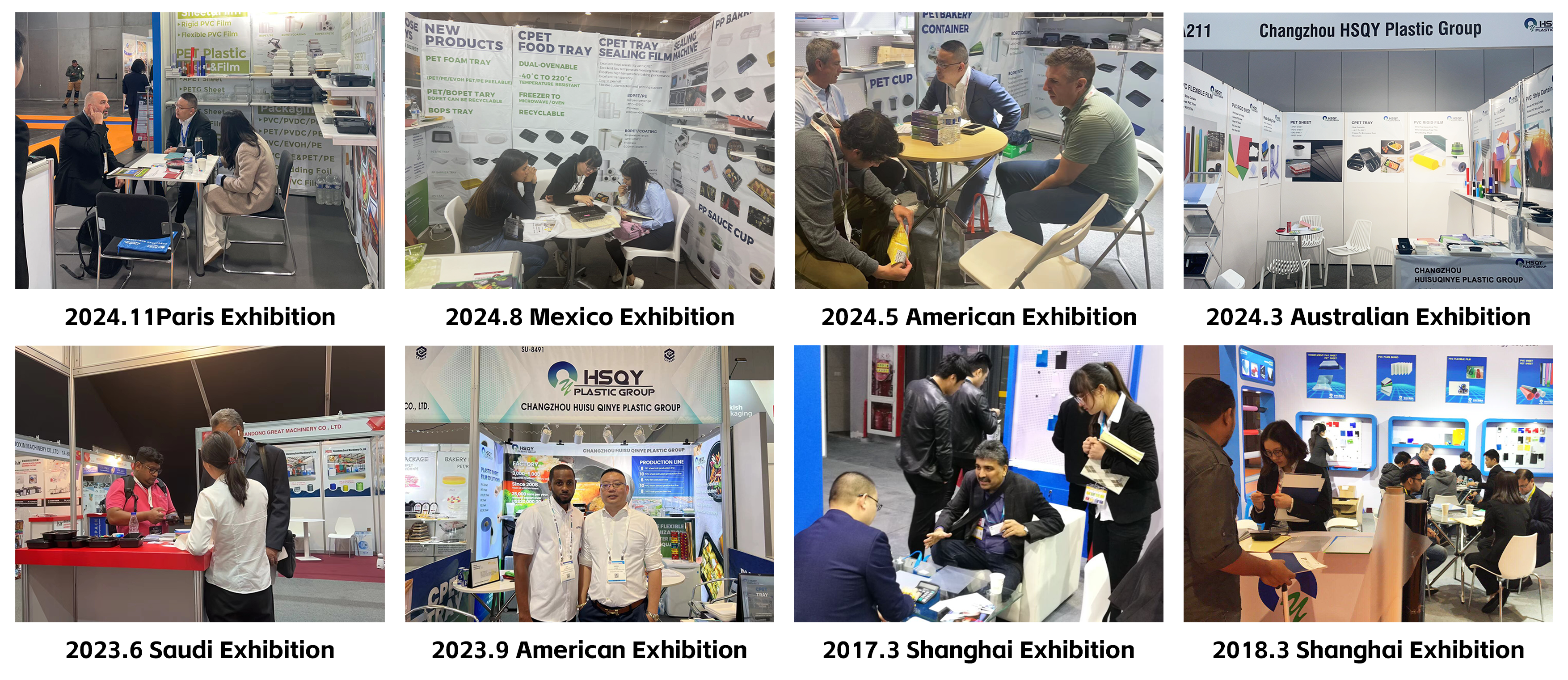
HSQY Plastic Group states more than 20 years of experience and 8 factories, supplying plastic materials for packaging, construction, medical and industrial applications. Twinwall polycarbonate projects can be discussed according to thickness, color, dimensions, UV requirements, optical performance, roof structure and installation requirements.