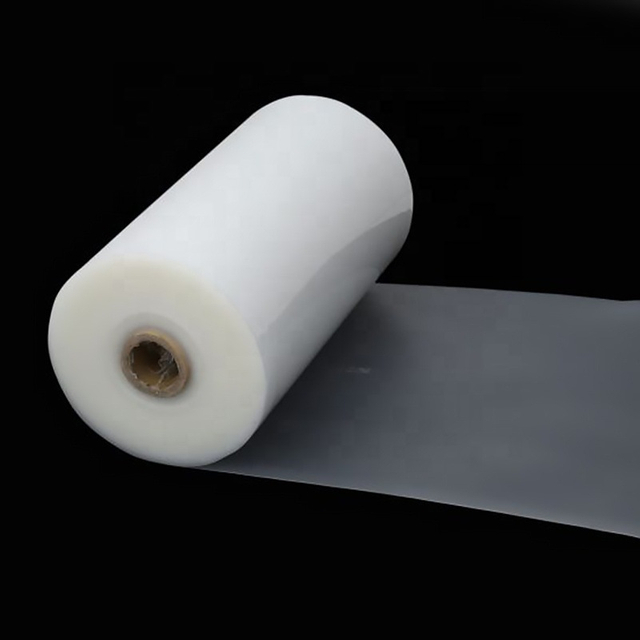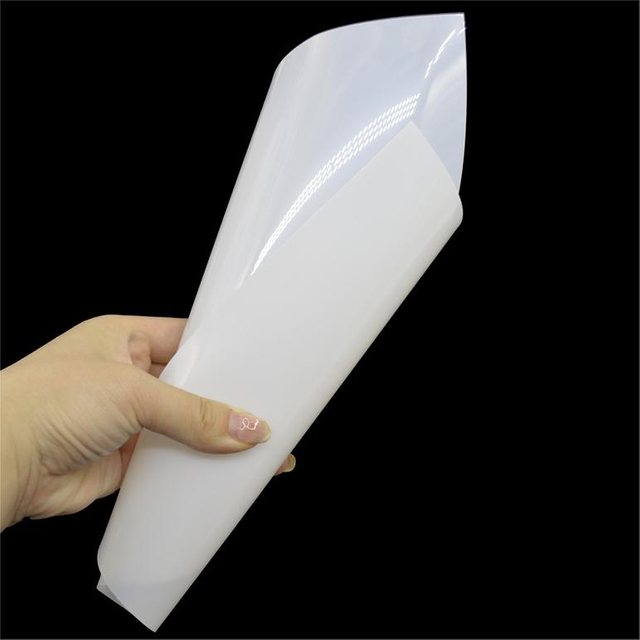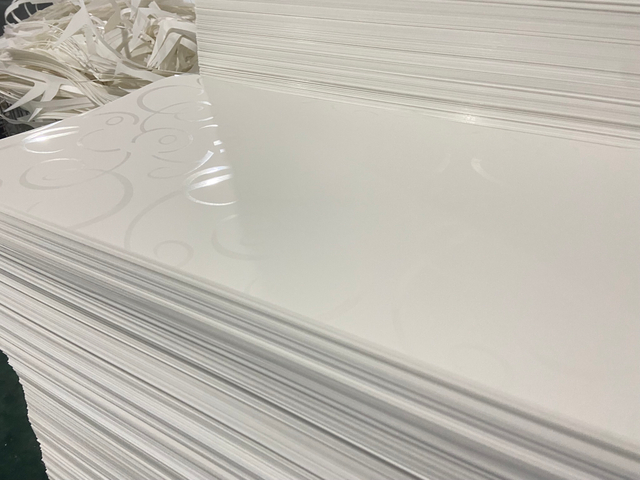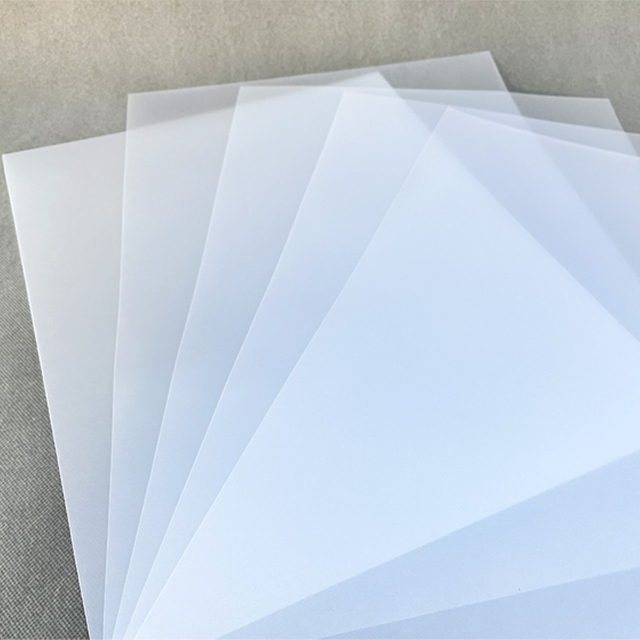
High-transparent PP
For buyers prioritizing product visibility while retaining a PP construction.
Confirm: haze, gloss, color and formed-part appearance.POLYPROPYLENE SHEET MANUFACTURER
Source PP sheet in rolls or cut formats with the color, surface and functional grade matched to your forming, folding, printing or industrial process.
THE QUICK ANSWER
Polypropylene sheet is rigid or semi-rigid sheet stock made from PP thermoplastic resin. It is commonly evaluated for thermoformed packaging, stationery, liners, partitions, electrical packaging and fabricated components where low weight, moisture resistance, chemical compatibility or a tailored surface may be useful.
PP is a material family, not a finished specification. Resin grade, construction, thickness, color, surface treatment, additives, roll geometry and downstream processing all affect the final result and must be confirmed on the intended sheet.
GRADE & SURFACE SELECTOR
Choose a category to narrow the sample. Functional labels require a defined grade, test method and written acceptance criteria.
For buyers prioritizing product visibility while retaining a PP construction.
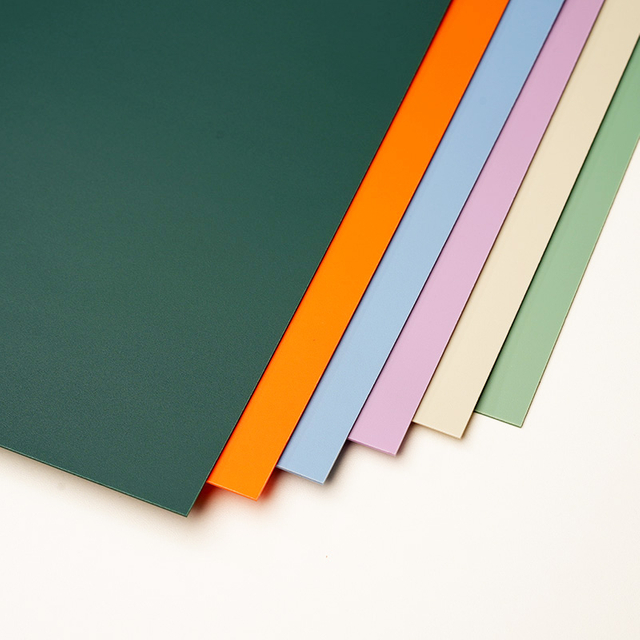
Confirm: haze, gloss, color and formed-part appearance.Natural, white, black or project colors for stationery and fabricated parts.
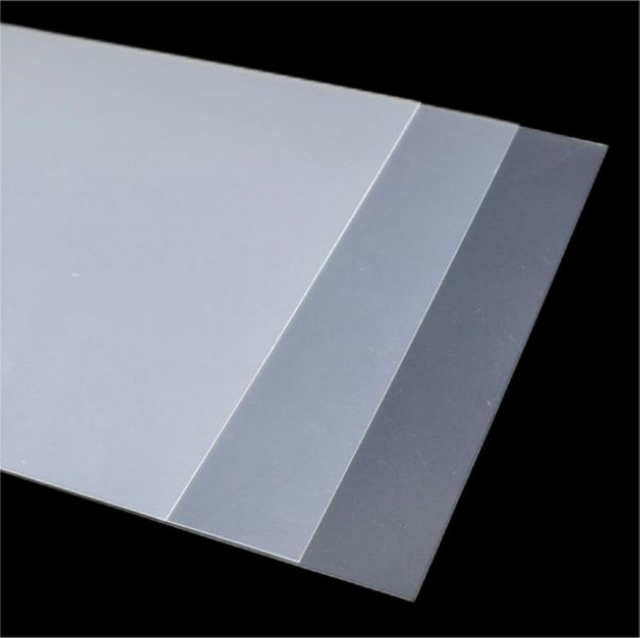
Confirm: color reference, opacity, lot tolerance and finish.Frosted or patterned surfaces when feel, diffusion or scratch appearance matters.
Confirm: texture code, one/two-sided finish and orientation.A functional option for electronics and handling programs with an electrical target.
Confirm: resistance range, test conditions, duration and both-side needs.A project-specific grade for applications with defined processing or service temperatures.
Confirm: time, load, temperature cycle and test method.A controlled grade where a named flammability requirement is part of the drawing.
Confirm: standard, rating, thickness, color and report validity.CURRENT PRODUCT SHORTLIST
Each card links to a current HSQY product. Verify availability, construction, tolerances and functional documentation in the project quotation.
For projects with a defined temperature cycle and test requirement.
View productA white sheet option for conversion, stationery or fabricated-part trials.
View productSelected thicknesses and colors for visual and fabrication approval.
View productA diffused-surface option for folders, covers and fabricated components.
View productConfirm rating, standard, thickness, color and current supporting report.
View productA thin frosted sheet for crease, cut, fold and appearance testing.
View productA defined thin-gauge format for line and finished-part validation.
View productA natural PP sheet for forming, folding and fabricated-part sampling.
View productAPPLICATION ROUTING
Tell the supplier how the sheet will be converted, used and accepted so the sample reflects the real project.
Share the tray or pack drawing, mold depth, line limits, packed product, heating conditions and sealing system.
Validate: sag, forming window, wall distribution, flange and trim.Define sheet size, color, texture, crease direction, hinge cycles, print area, weld or closure details.
Validate: crease, fold whitening, hinge, ink and dimensional stability.Provide the chemical, concentration, temperature, contact time, stress, fabrication and service environment.
Validate: compatibility on the actual grade—never assume from “PP” alone.State the required surface-resistance range, test conditions, shelf life, cleanliness, forming and handling method.
Validate: electrical performance before and after forming or storage.Share the finished part and processing route to discuss a suitable PP sheet sample.
Discuss Your ApplicationCONVERTER CHECKPOINTS
PP can be sensitive to heating balance and sag. Test the intended web width, gauge, machine and mold under representative conditions.
PP has relatively low surface energy. Specify corona or other treatment and validate ink, adhesive or welding conditions on the nominated face.
Approve tool geometry, crease depth, fold direction, edge quality and repeated hinge behavior on the exact thickness and texture.
Match usable width, core, outer diameter, roll weight, winding, edge condition and unloading method to the converter line.
SPECIFICATION-FIRST RFQ
If the grade is undecided, send the finished-product drawing, processing route and acceptance tests so suitable samples can be discussed.
| RFQ field | What to provide | Why it matters |
|---|---|---|
| End use | Finished product, service environment and acceptance test | Frames grade selection |
| Format | Roll or cut sheet; length × width where applicable | Sets converting and packing route |
| Gauge | Nominal thickness and permitted tolerance/profile | Affects forming and stiffness |
| Color & surface | Approved reference, opacity, gloss, frost or texture code | Defines visual acceptance |
| Functional grade | Performance target, test method, duration and conditions | Prevents vague claims |
| Conversion | Thermoform, cut, crease, fold, print, weld or bond | Defines sample trials |
| Roll geometry | Core ID, outer diameter, roll weight/length and winding | Ensures line compatibility |
| Documents | Destination market and exact required declarations/reports | Supports project compliance |
| Commercial | Sample need, quantity, packing, destination and target date | Produces a usable quote |
SAMPLE-TO-PRODUCTION
Keep material, process, quality and commercial details aligned from the first sample.
Application, drawing, grade direction, dimensions and tests.
Representative resin, gauge, color, surface and roll format.
Run the actual forming, printing, folding or fabrication method.
Record appearance, tolerances, performance, packing and documents.
Quote and produce against the approved written specification.
BUYER FAQ
Direct answers for packaging converters, stationery manufacturers and industrial buyers.
Ask a project-specific questionPP sheet is used in thermoformed packaging, stationery and folders, fabricated liners, partitions, electrical packaging and industrial components. Suitability depends on grade, thickness, surface, processing and service conditions.
Appropriate PP grades are widely thermoformed, but heating balance and sag control can be more sensitive than with some other sheet materials. Validate the nominated grade on the intended machine and mold before production.
No. Use only a grade supported for the intended food type, temperature, contact conditions and destination market. Request the applicable declaration or test documents for the exact ordered construction.
These terms may be used differently between suppliers. PP appearance also changes with resin, additives, surface texture, thickness and processing. Define an optical target and approve a physical color/appearance sample.
State the resistance range, test standard, conditioning, measurement conditions, duration, required face and performance after forming or storage. “Antistatic” alone is not an acceptance criterion.
Yes, with a compatible material and process, but PP has relatively low surface energy. Confirm surface treatment and test the ink, adhesive, weld or label system on the actual grade and nominated face.
Provide gauge and tolerance, usable width, core ID, maximum outer diameter, roll weight or length, winding direction, edge requirements, quantity, packing and line-handling limits.
Send the end use, roll or cut-sheet format, thickness, dimensions, color, surface, conversion process, functional target, quantity, packing requirement, destination and requested documents.