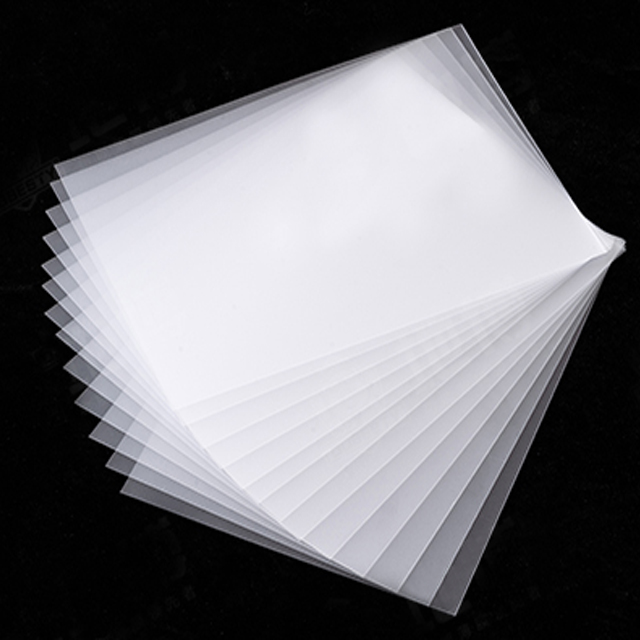
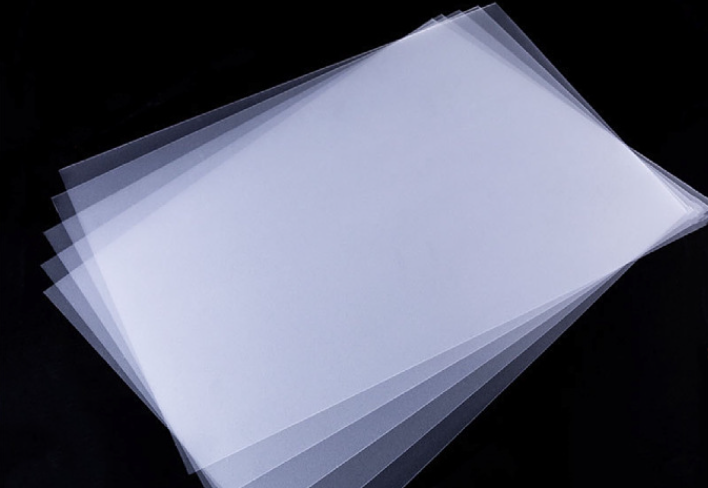
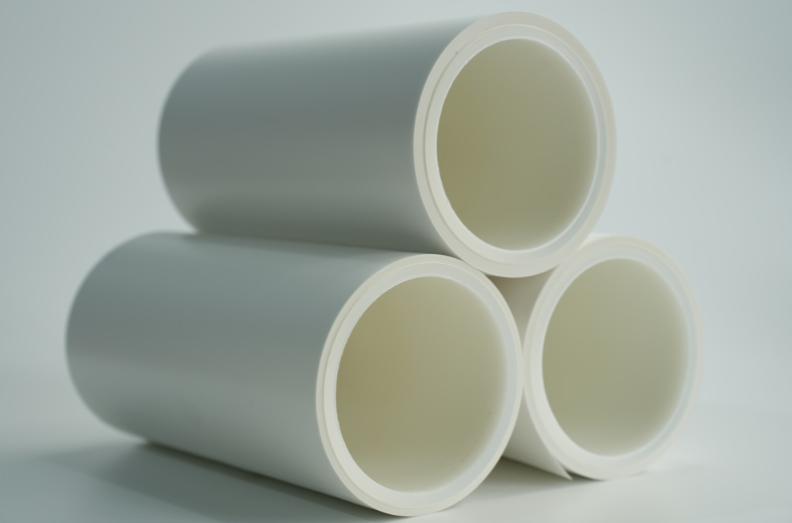
Light Diffusing Polycarbonate Film for Backlights & Displays
HSQY light diffusing polycarbonate film is designed for backlight modules, illuminated keyboards, electronic displays and optical components that require controlled light scattering and more uniform illumination. The material combines light-management performance with the impact resistance, dimensional stability and formability of polycarbonate.
The film helps distribute concentrated light across a wider illuminated area, reducing visible bright spots and improving brightness uniformity. Standard film thicknesses range from 0.125mm to 0.5mm, while thin sheet options range from 0.375mm to 1.0mm.
For lighting and display projects, the correct material should be selected by balancing light transmission, diffusion level, LED hiding ability, optical distance, thickness and the final fixture design rather than selecting only by transparency.
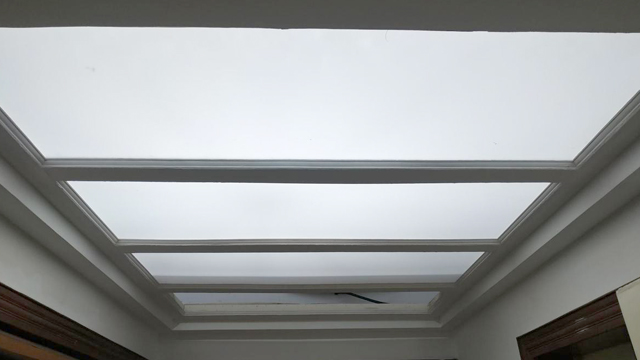
![Light diffusing polycarbonate film]()
Light Diffusing Polycarbonate Film
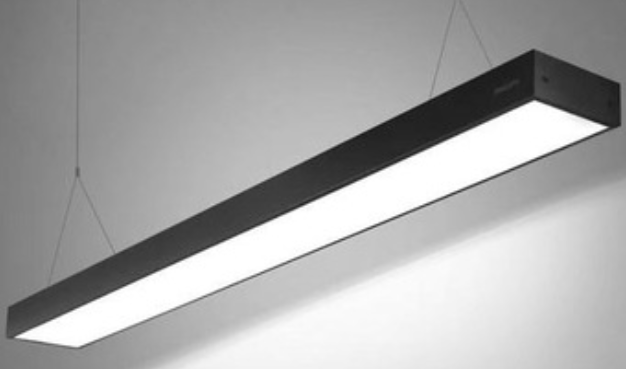
![Polycarbonate light diffusion film for backlighting]()
PC Light Diffusion Film
Light Diffusing Polycarbonate Film Specifications
| Property |
Specification |
| Product |
Light Diffusing Polycarbonate Sheet Film |
| Material |
Polycarbonate (PC) |
| Film Thickness |
0.125mm - 0.5mm |
| Sheet Thickness |
0.375mm - 1.0mm |
| Film Width |
930mm / 1220mm |
| Sheet Width |
915mm / 1000mm |
| Color |
Natural |
| Surface |
Polished / Polished |
| Light Management |
Light diffusion, light guiding and uniform illumination according to grade |
| Applications |
Illuminated keyboards, backlight modules, navigation modules, electronic displays, window panels and optical components |
| Certifications |
SGS, ISO 9001:2008 |
| MOQ |
500 kg |
| Payment Terms |
T/T, L/C, Western Union, PayPal |
| Delivery Terms |
EXW, FOB, CNF, DDU |
| Lead Time |
7-15 days for 1-20,000kg; negotiable for larger orders |
Optical Performance Note: Light transmission, haze, diffusion strength and LED hiding performance depend on the exact grade, thickness and optical design. If your project has specified optical targets, provide the required values and test methods when requesting samples or a quotation.
What Is Light Diffusing Polycarbonate Film?
Light diffusing polycarbonate film is a thin PC material designed to scatter incoming light so that concentrated light sources appear softer and more uniform across the illuminated surface.
Unlike clear optical PC film, which is primarily intended to transmit light with minimum unwanted scattering, a diffusion grade intentionally redirects part of the light. This helps reduce visible LED dots, bright zones and uneven illumination in backlit electronic components.
The required diffusion level depends on the LED pitch, distance between the LEDs and diffuser, light-source intensity, film thickness and the brightness requirements of the finished product.
How Light Diffusion Works
Light diffusion can be created through light-scattering material formulations, controlled surface structures or a combination of internal and surface scattering. The purpose is to redirect incoming light over a wider range of angles while retaining sufficient usable light output.
| Light Management Factor |
Effect on Finished Product |
| Light Transmission |
Determines how much incident light passes through the film |
| Light Scattering |
Redistributes light over a wider angle to create softer illumination |
| Haze |
Indicates the degree of light scattering and loss of direct transparency |
| LED Hiding |
Reduces the visibility of individual LED points or bright lines |
| Brightness Uniformity |
Helps create a more consistent illuminated appearance across the surface |
| Optical Distance |
Distance between light source and film affects hotspot visibility and diffusion requirements |
Light Transmission vs. Diffusion vs. LED Hiding
The best diffuser film is not automatically the material with the highest light transmission. Increasing transparency may increase brightness but can also make individual LED points more visible. Increasing diffusion or haze can improve LED hiding but may reduce direct light transmission.
For this reason, lighting designers normally evaluate brightness and diffusion together. Sample testing in the actual backlight module is more reliable than selecting a film using a single optical value.
| Selection Direction |
Typical Result |
| Higher Transmission / Lower Diffusion |
Higher direct brightness but greater possibility of visible LED points |
| Balanced Transmission / Diffusion |
Balanced brightness, uniformity and light-source hiding |
| Stronger Diffusion |
Better hotspot and LED hiding with softer visual appearance |
Key Features of Light Diffusing PC Film
Uniform light diffusion: Helps distribute concentrated light over a broader illuminated area.
Reduced visible hotspots: Suitable grades can help reduce bright LED points and uneven light zones.
Light-management capability: Available for applications requiring controlled transmission and scattering.
High impact resistance: Polycarbonate provides greater toughness than many brittle transparent materials.
Dimensional stability: Suitable for precision electronic and backlighting assemblies.
Thin-gauge construction: Film options from 0.125mm are suitable for compact electronic products.
Good formability: Suitable grades can be cut, punched or formed according to component design.
Optical customization: Specific diffusion and transmission targets can be discussed for qualified B2B projects.
Backlight Module Applications
Light diffusing PC film is particularly suitable for thin backlighting systems where the available distance between the LED source and visible surface is limited. Properly selected diffusion helps create a more uniform illuminated appearance without requiring a thick rigid diffuser panel.
![Light diffusing polycarbonate film for backlight modules]()
Backlight Module Application
![PC light diffuser film for electronic backlighting]()
Electronic Backlight Module
Applications of Light Diffusing Polycarbonate Film
| Application |
Typical Requirement |
| Illuminated Keyboards |
Uniform key illumination with reduced bright spots |
| Backlight Modules |
Controlled diffusion and consistent brightness across the display area |
| Automotive Navigation Modules |
Light management, dimensional stability and durability |
| Electronic Displays |
Uniform illumination and controlled hotspot visibility |
| Instrument Panels |
Consistent backlighting, formability and visual appearance |
| Illuminated Graphics |
Diffuse lighting behind printed or decorative graphic elements |
| Optical Components |
Controlled light scattering according to optical design |
Light Diffusing Film vs. Optical Grade PC Film
Light diffusing and optical grade PC films are related optical materials, but they perform different functions. Optical grade film normally focuses on preserving clarity and minimizing unwanted scattering, while light diffusing film intentionally scatters light to improve uniformity.
| Feature |
Light Diffusing PC Film |
Optical Grade PC Film |
| Main Function |
Scatter and homogenize light |
Transmit light with high clarity |
| LED Hiding |
Designed to reduce visible light-source points |
Not normally the primary function |
| Haze |
Controlled haze may be used to create diffusion |
Lower haze generally preferred for clear optical paths |
| Typical Use |
Backlights, illuminated keyboards and instrument panels |
Display windows, optical covers and clear optical components |
Light Diffusing Film vs. Polycarbonate Diffuser Sheet
Thin light-diffusing film and thicker polycarbonate diffuser panels serve different design requirements. This product is primarily positioned for thin electronic and optical systems rather than large structural lighting panels.
| Feature |
Light Diffusing PC Film |
PC Diffuser Sheet |
| Structure |
Thin, flexible or semi-rigid film |
Semi-rigid or rigid panel |
| HSQY Thickness Positioning |
0.125-1.0mm selected film/sheet range |
Generally thicker lighting-panel products |
| Typical Application |
Electronics, compact backlights and illuminated interfaces |
LED luminaires, light boxes, ceiling panels and lighting covers |
Selecting Diffuser Film for LED Backlighting
Diffuser selection should be evaluated as part of the complete optical system. The same PC film can produce different visual results when LED spacing, diffuser distance, brightness and reflector design change.
| Design Parameter |
Information to Confirm |
| LED Type |
LED package, output and viewing angle |
| LED Pitch |
Distance between adjacent LEDs |
| Optical Distance |
Distance between LED board and diffuser film |
| Target Brightness |
Required illuminated output or visual brightness |
| LED Hiding |
Maximum acceptable visibility of LED points |
| Uniformity |
Acceptable variation across the illuminated area |
Sample Testing for Light Diffusing Film
For backlight and display projects, HSQY recommends testing candidate diffuser films using the actual LED system whenever possible. Optical performance measured on the film alone does not fully describe how the complete assembly will appear.
Light transmission
Haze and diffusion level
LED point visibility
Brightness uniformity
Hotspot appearance
Glare
Color appearance
Surface appearance when LEDs are off
Film flatness and dimensional stability
Cutting, punching or forming performance
Cutting, Punching and Forming
Suitable polycarbonate diffuser films can be converted into electronic and lighting components using cutting, die cutting, punching and forming processes. Polycarbonate combines mechanical toughness with good processing flexibility for thin optical components.
For projects involving forming, the final optical performance should be evaluated after processing because stretching and local thickness changes can alter light transmission and diffusion in the formed area.
What Information Should You Provide for a Quote?
| Requirement |
Information to Provide |
| Product Format |
Film or thin sheet |
| Thickness |
Required thickness and tolerance |
| Width / Size |
Roll width or sheet dimensions |
| Application |
Backlight module, keyboard, display, instrument panel or other application |
| Light Transmission |
Target value and test method if specified |
| Haze / Diffusion |
Required haze or target diffusion level |
| LED Layout |
LED type and pitch if used in a backlight module |
| Optical Distance |
Distance from LED source to diffuser |
| Processing |
Cutting, punching, printing or forming requirements |
| Quantity |
Sample, trial quantity, regular order and annual demand |
Technical Data Sheet
![Polycarbonate film PDF download]() Optical Polycarbonate Film Data Sheet (PDF)
Packing and Delivery
Sample Packaging: A4-size film or sheet samples can be packed in PP bags or boxes for evaluation.
Film / Sheet Packing: Commercial material can be wrapped using PE film or kraft paper according to the selected format and specification.
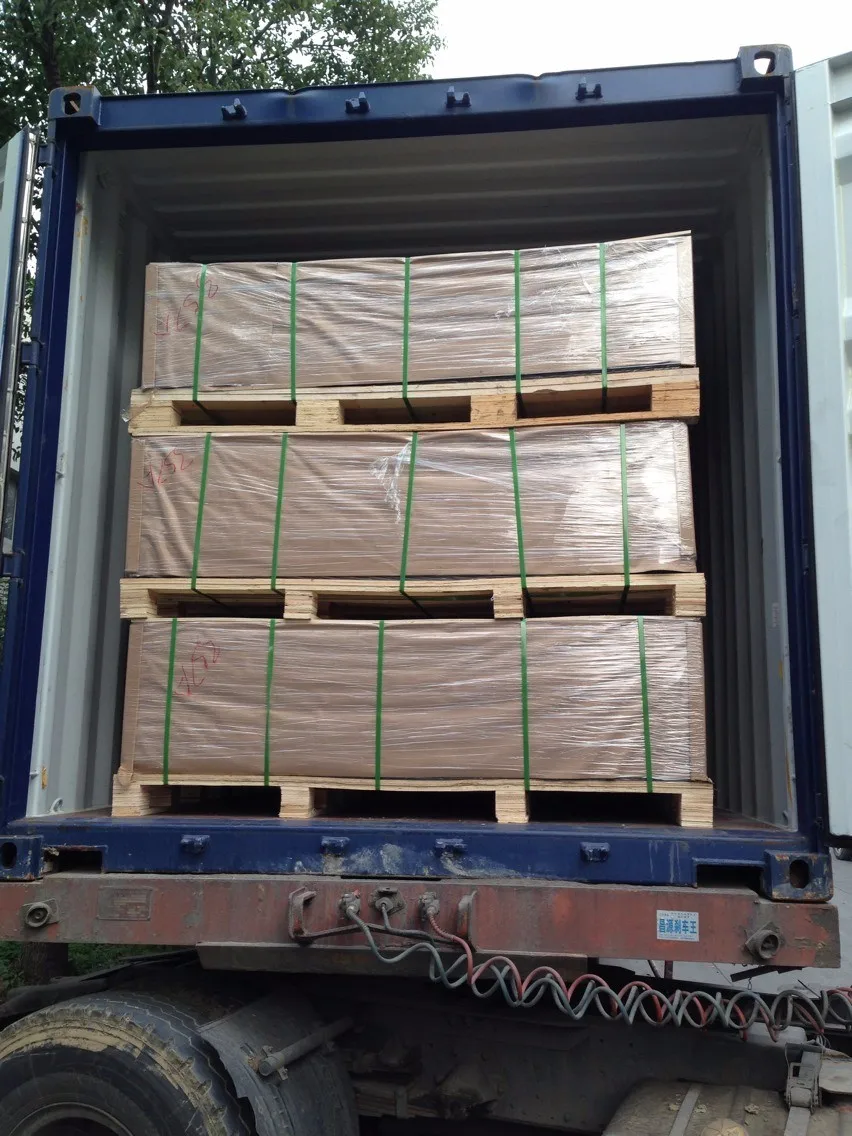
Pallet Packing: Bulk material can be secured on plywood pallets for international transportation.
Container Loading: Standard container loading is approximately 20 tons depending on product specification and packaging.
Delivery Terms: EXW, FOB, CNF and DDU are available according to order requirements.
Lead Time: Approximately 7-15 days for orders from 1-20,000kg; larger orders are subject to confirmation.
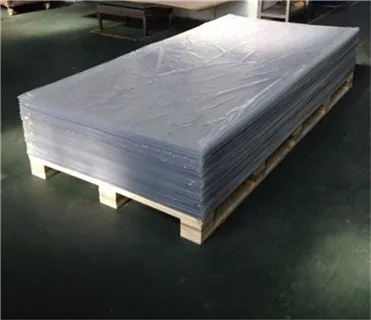
![Polycarbonate film protective packaging]()
Protective Packaging
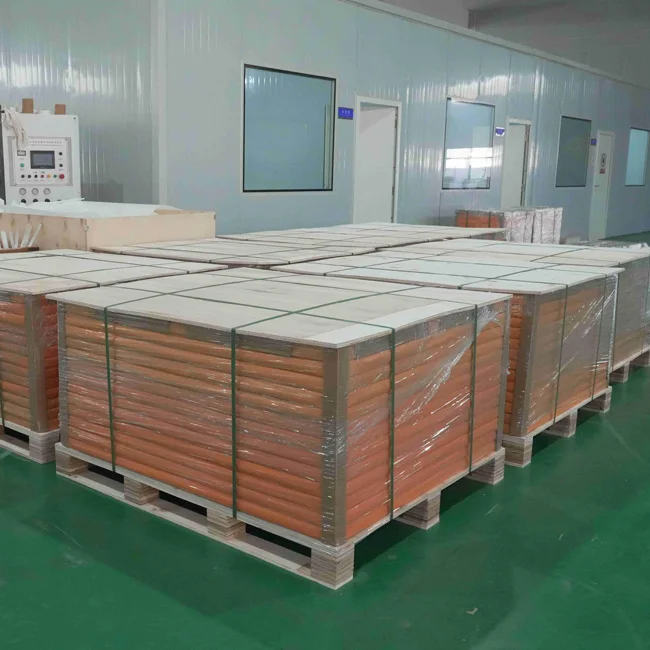
![Light diffusing PC film export packing]()
Export Packing
![Polycarbonate film shipping packaging]()
Shipment Packaging
Frequently Asked Questions About Light Diffusing Polycarbonate Film
What is light diffusing polycarbonate film?
Light diffusing polycarbonate film is a PC material designed to scatter transmitted light so that concentrated LED or backlight sources produce a softer and more uniform illuminated appearance.
What is light diffusing PC film used for?
Typical applications include illuminated keyboards, backlight modules, electronic displays, navigation modules, automotive instrument panels and other thin optical or illuminated components.
What thicknesses are available?
The current standard range includes film from 0.125mm to 0.5mm and thin sheet from 0.375mm to 1.0mm.
What widths are available?
Standard film widths are 930mm and 1220mm. Standard thin-sheet widths are 915mm and 1000mm.
What is the difference between light transmission and haze?
Light transmission measures how much visible light passes through the material, while haze describes how much transmitted light is scattered. A diffuser film normally requires a controlled balance between the two properties.
Does higher light transmission mean a better diffuser?
Not necessarily. Higher transmission may increase brightness but can make individual LED sources more visible. The correct diffuser should balance transmission, diffusion and LED hiding according to the optical design.
How do I reduce visible LED hotspots?
Hotspot visibility can be affected by diffuser strength, LED pitch, optical distance, LED viewing angle and brightness. Testing different diffuser grades in the actual backlight assembly is recommended.
What is the difference between diffuser film and optical grade PC film?
Optical grade PC film is normally selected for high clarity and low unwanted optical distortion, while diffuser film intentionally scatters light to create a softer and more uniform illuminated surface.
Can light diffusing PC film be punched or formed?
Suitable PC film grades can be cut, punched, die-cut and formed. If the component will be formed, optical performance should be checked after forming because local thickness changes can influence diffusion.
Can I request samples before ordering?
Yes. Sample testing is recommended for light-management applications. Provide your thickness, LED layout, optical distance and target optical performance so suitable candidate samples can be discussed.
What information should I provide for a quotation?
Please provide thickness, width or dimensions, application, required transmission or haze if specified, LED pitch, optical distance, processing requirements, order quantity and destination.
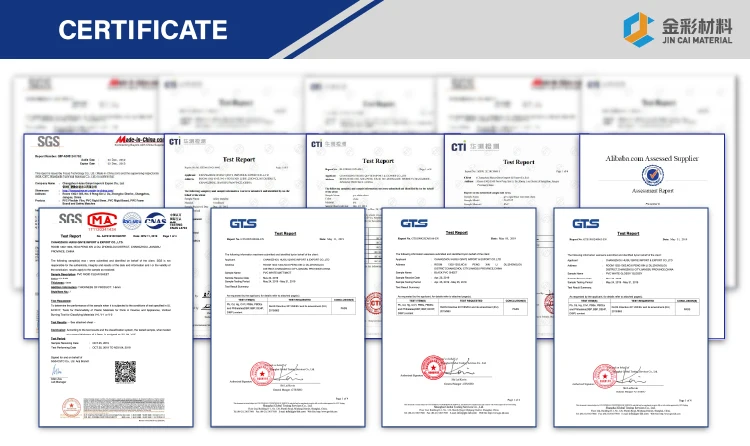
Certifications
About HSQY Plastic Group
HSQY Plastic Group supplies light diffusing polycarbonate film and other functional plastic materials for electronics manufacturers, display-component companies, lighting manufacturers, converters and distributors. We support samples, customized dimensions and project-specific material selection for international B2B projects.
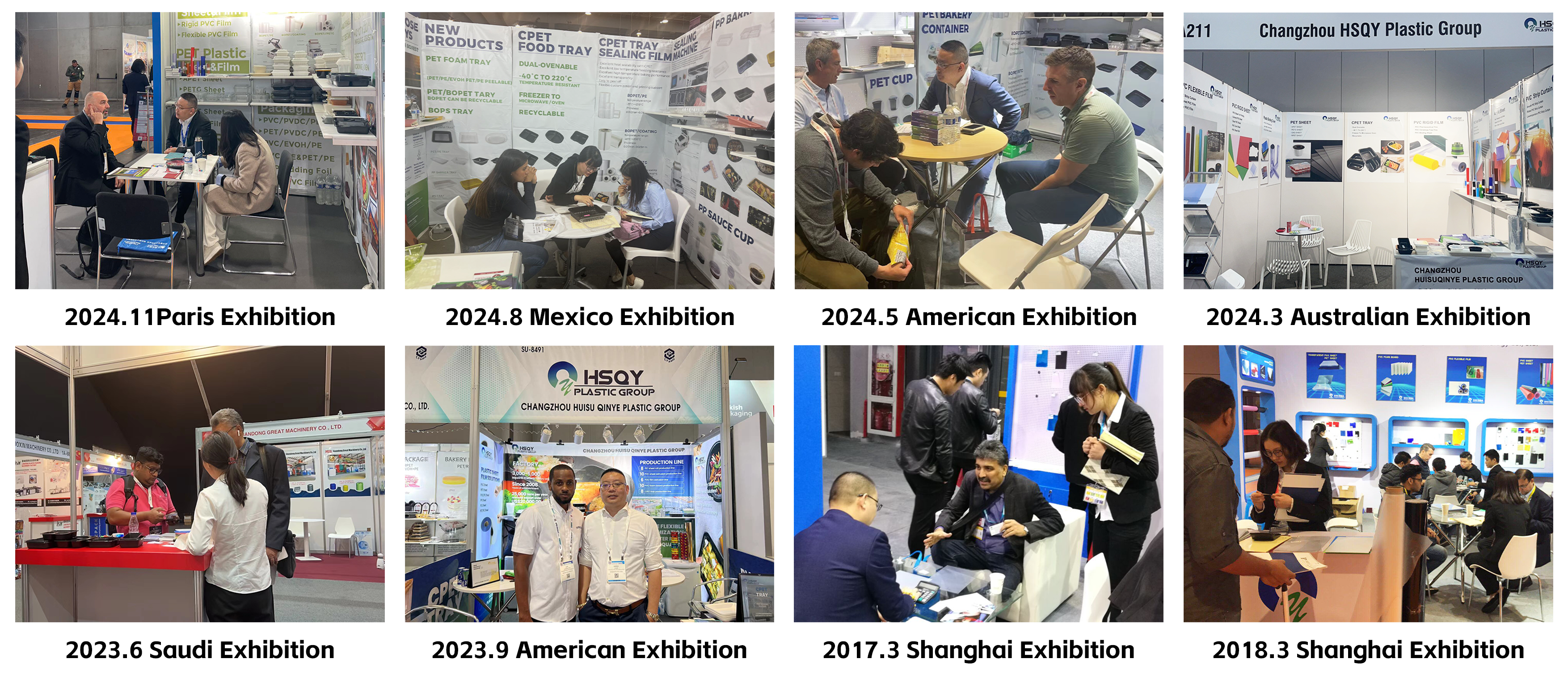
![HSQY Plastic Group international exhibitions]()
HSQY Plastic Group meets global buyers, converters and industry partners at international exhibitions.