Optical Grade Polycarbonate Film for Displays & Backlights
HSQY optical grade polycarbonate film is designed for electronic displays, backlight modules, illuminated keyboards, navigation modules and optical panels requiring high clarity, controlled optical performance, low internal stress and reliable dimensional stability.
Made from high-quality polycarbonate resin, the film combines optical transparency with impact resistance, thermal stability and good formability. Polished surfaces help provide a clear visual path for applications where surface quality and light transmission are more important than decorative texture.
Standard film thicknesses range from 0.125mm to 0.5mm, while thin sheet options range from 0.375mm to 1.0mm. Standard widths include 930mm and 1220mm for film, and 915mm and 1000mm for sheet.
![HSQY optical grade polycarbonate film]()
Optical Grade Polycarbonate Film
![Clear optical grade PC film for display applications]()
High-Clarity Optical PC Film
Optical Grade Polycarbonate Film Specifications
| Property |
Specification |
| Product |
Optical Grade Polycarbonate Film |
| Material |
Polycarbonate (PC) |
| Color |
Natural / Clear |
| Film Thickness |
0.125mm - 0.5mm |
| Sheet Thickness |
0.375mm - 1.0mm |
| Film Width |
930mm / 1220mm |
| Sheet Width |
915mm / 1000mm |
| Surface |
Polished / Polished |
| Optical Characteristics |
High clarity, high light transmission, low internal stress and controlled surface quality |
| Processing |
Cutting, die cutting, printing and forming subject to product grade and application |
| Typical Applications |
Illuminated keyboards, backlight modules, navigation modules, electronic displays, window panels and optical lenses |
Optical Specification Note: Light transmission, haze, optical retardation, birefringence, thickness tolerance and other optical values depend on the exact material grade and thickness. If your project requires defined numerical limits, please provide the required test standard and acceptance criteria before ordering.
What Is Optical Grade Polycarbonate Film?
Optical grade polycarbonate film is a higher-quality PC film intended for applications where visual clarity, light transmission, surface quality and optical consistency are more important than in general-purpose polycarbonate film.
For optical applications, the material must not only be transparent. Thickness uniformity, surface defects, internal stress, optical distortion, haze and birefringence can all influence the performance of a display, illuminated panel or optical component.
HSQY optical grade PC film is therefore positioned for applications such as backlight modules, display screens and optical panels where consistent material appearance and controlled optical performance are required.
Optical Grade vs Standard Polycarbonate Film
| Property |
Standard PC Film |
Optical Grade PC Film |
| Primary Requirement |
General mechanical and appearance performance |
Controlled optical and surface performance |
| Transparency |
Transparent grades available |
Selected for high optical clarity and consistent light transmission |
| Internal Stress |
Application dependent |
Lower internal stress is preferred for optical applications |
| Surface Quality |
Suitable for general industrial use |
Higher surface quality requirements for optical paths and displays |
| Typical Applications |
General panels, covers and fabricated parts |
Displays, backlights, illuminated panels, lenses and optical modules |
Key Optical Performance Requirements
Buyers of optical polycarbonate film should define the optical properties that matter to the finished application rather than relying only on the term “optical grade.” Different display, lighting and lens applications may require different acceptance criteria.
| Optical Requirement |
Why It Matters |
| Light Transmission |
Determines how much visible light passes through the material |
| Haze |
Affects transparency, image sharpness and light diffusion |
| Optical Retardation |
Can influence optical behavior in polarized or sensitive display systems |
| Birefringence |
Important where stress-induced optical distortion must be controlled |
| Thickness Uniformity |
Supports consistent optical and forming performance across the film |
| Surface Quality |
Dust, scratches, gels, lines or surface defects can affect the visual performance of optical components |
If your application specifies ASTM D1003, optical retardation limits, birefringence limits or another test method, include those requirements in your inquiry. HSQY can then evaluate the suitable grade rather than assuming one optical specification is suitable for every application.
Features of Optical Grade Polycarbonate Film
High optical clarity: Designed for applications where transparency and visual quality are important.
High light transmission: Suitable for transparent optical paths, illuminated components and backlight applications.
Low internal stress: Helps reduce stress-related optical distortion in demanding optical applications.
Controlled surface quality: Polished surfaces are suitable for applications requiring smooth, clear optical surfaces.
Impact resistance: Polycarbonate provides substantially greater toughness than many brittle transparent materials.
Dimensional stability: Supports precision converting and assembly of displays and electronic components.
Good formability: Suitable grades can be processed into formed optical and electronic components.
Thin-gauge options: Film thicknesses from 0.125mm support compact electronic and display designs.
Light Guide and Optical Grade PC Film
Optical PC films may be selected for different light-management functions depending on the grade. A high-clarity optical grade is generally intended to transmit light with minimal unwanted distortion, while a light-guiding or light-diffusing grade may be engineered to manage how light travels through or exits the material.
HSQY's light-grade series is designed for applications requiring good light-guiding performance, strong impact resistance and more uniform light output. Optical-grade series focus more strongly on high light transmission, low internal stress, surface consistency and formability.
| Series |
Key Characteristics |
Typical Applications |
| Optical Grade |
High transparency, low internal stress, optical surface quality |
Displays, optical panels, lenses and clear optical components |
| Light Guide Grade |
Light management and controlled light distribution |
Illuminated keyboards and backlight modules |
Applications of Optical Grade Polycarbonate Film
Optical grade PC film is mainly used where visual performance, mechanical durability and precision converting are required together.
![Optical grade polycarbonate film for display screens]()
Electronic Displays & Screens
![Optical polycarbonate film for electronic panels]()
Electronic & Optical Panels
| Application |
Typical Material Requirement |
| Illuminated Keyboards |
Light transmission, light management, dimensional stability and forming performance |
| Backlight Modules |
Optical consistency and controlled light distribution |
| Navigation Modules |
Clarity, impact resistance and stable optical appearance |
| Electronic Displays |
High clarity, low haze and controlled optical distortion |
| Window Panels |
Transparency, toughness and surface quality |
| Optical Lenses & Covers |
Optical clarity, surface quality, dimensional stability and formability |
Optical Film for Backlight Modules
Backlight systems require more than simple transparency. The film may need to maintain consistent optical properties across the complete illuminated area while minimizing unwanted visual defects and maintaining dimensional stability during assembly and operation.
For a backlight project, buyers should specify whether the PC film is intended primarily as a transparent optical layer, light-guiding component, diffuser, structural carrier or printed optical component. These functions may require different PC formulations and surface structures.
Low Internal Stress and Optical Retardation
Internal stress generated during film extrusion or downstream processing can affect optical performance. In sensitive display systems, stress may contribute to birefringence or visible optical distortion, especially when the material is viewed through polarized components.
For applications where optical retardation or birefringence is critical, buyers should provide a numerical specification and test method. This is more reliable than assuming every clear polycarbonate film automatically satisfies optical-grade requirements.
Surface Quality for Optical Applications
Polished/polyished optical PC film is intended to provide smooth surfaces for clear visual applications. For high-value display and optical parts, scratches, dust, gels, extrusion lines, surface contamination and handling damage may affect final product performance.
Protective film, clean handling and appropriate packaging should therefore be considered when surface appearance is critical. If your application has a defined defect inspection standard, please provide it before production.
Printing, Cutting and Forming
Suitable polycarbonate films can be printed, cut, die-cut and formed into display and electronic components. The processing route should be considered when selecting an optical film because printing temperatures, forming temperatures and mechanical stress can influence the optical properties of the finished component.
For applications involving thermoforming, high-pressure forming, film insert molding or printed three-dimensional components, provide the finished drawing, forming depth and process sequence so the appropriate material can be evaluated.
Optical Grade PC Film Quality Control
Optical film purchasing specifications should include both dimensional and optical acceptance criteria. The exact requirements depend on the final product and should be agreed before mass production.
Film thickness and thickness tolerance
Film or sheet width
Light transmission requirement
Haze requirement
Optical retardation or birefringence requirement where applicable
Surface scratches and visual defect limits
Flatness and dimensional stability
Protective masking requirements
Cutting or die-cutting tolerance
Printing or forming requirements
What Information Should You Provide for a Quote?
| Requirement |
Information to Provide |
| Product Format |
Film or sheet |
| Thickness |
Required thickness and tolerance |
| Width / Size |
Roll width or sheet dimensions |
| Application |
Display, backlight, keyboard, navigation module, optical panel or lens |
| Light Transmission |
Target value and test standard if specified |
| Haze |
Maximum acceptable haze if required |
| Optical Retardation |
Required value or test method for sensitive display applications |
| Surface Quality |
Scratch, defect or cleanliness standard |
| Processing |
Printing, cutting, die cutting, thermoforming, HPF or FIM |
| Quantity |
Sample, trial order, regular order and estimated annual demand |
Optical Polycarbonate Film Data Sheet
![Optical polycarbonate film data sheet download]() Optical Polycarbonate Film Data Sheet (PDF)
Frequently Asked Questions About Optical Grade Polycarbonate Film
What is optical grade polycarbonate film?
Optical grade polycarbonate film is a high-quality PC film designed for applications requiring controlled clarity, light transmission, surface quality and optical consistency. Typical uses include electronic displays, backlight modules, illuminated panels and optical components.
What is the difference between optical grade PC film and normal clear PC film?
Normal clear PC film may provide good transparency, but optical-grade material places greater emphasis on optical consistency, surface quality, internal stress, haze, thickness uniformity and other properties that can affect displays and optical systems.
What thicknesses are available?
HSQY currently lists optical PC film from 0.125mm to 0.5mm and thin sheet from 0.375mm to 1.0mm. Availability depends on the required width, optical specification and order quantity.
What widths are available?
Standard film widths are 930mm and 1220mm. Standard sheet widths are 915mm and 1000mm. Contact HSQY to confirm availability for your required thickness and grade.
Why is low internal stress important for optical film?
Internal stress can contribute to optical distortion and birefringence. This can become important in polarized displays, optical modules and other applications where stress-induced optical effects must be minimized.
What is optical retardation in polycarbonate film?
Optical retardation describes the phase difference created when polarized light passes through a birefringent material. For sensitive display and optical applications, lower or tightly controlled retardation may be required. Buyers should provide their target value and test method when this property is critical.
Can optical polycarbonate film be used for backlight modules?
Yes. Optical and light-management PC films can be used in backlight-related applications. The correct grade depends on whether the film needs transparent transmission, light guiding, light diffusion or another optical function.
Can optical PC film be printed or thermoformed?
Suitable PC film grades can be printed, die-cut and formed. Printing and forming conditions should be validated because heat and mechanical stress can influence dimensional and optical performance.
Is this optical PC film UV resistant?
UV resistance should be confirmed separately according to the exact material grade. Optical grade does not automatically mean that every film is intended for long-term outdoor exposure. If UV or weather resistance is required, include the applicable requirement in your inquiry.
Can I request samples before bulk production?
Yes. Samples can be discussed before bulk purchasing so optical appearance, thickness, processing and compatibility with the finished application can be evaluated.
What information should I provide for a quotation?
Please provide the required thickness, width or size, optical application, light transmission or haze requirements, optical retardation requirement if applicable, processing method, quantity and destination.
Packing & Delivery
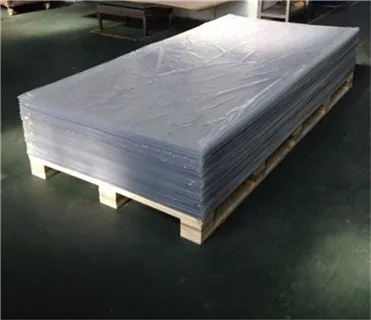
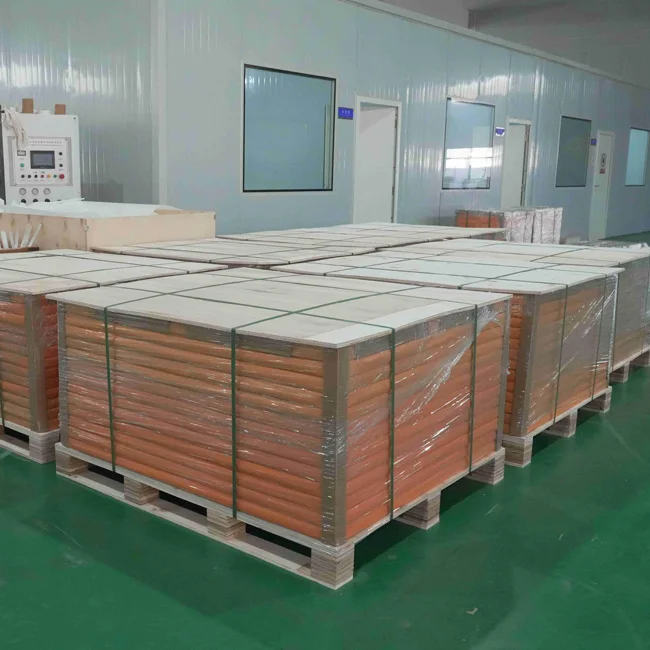
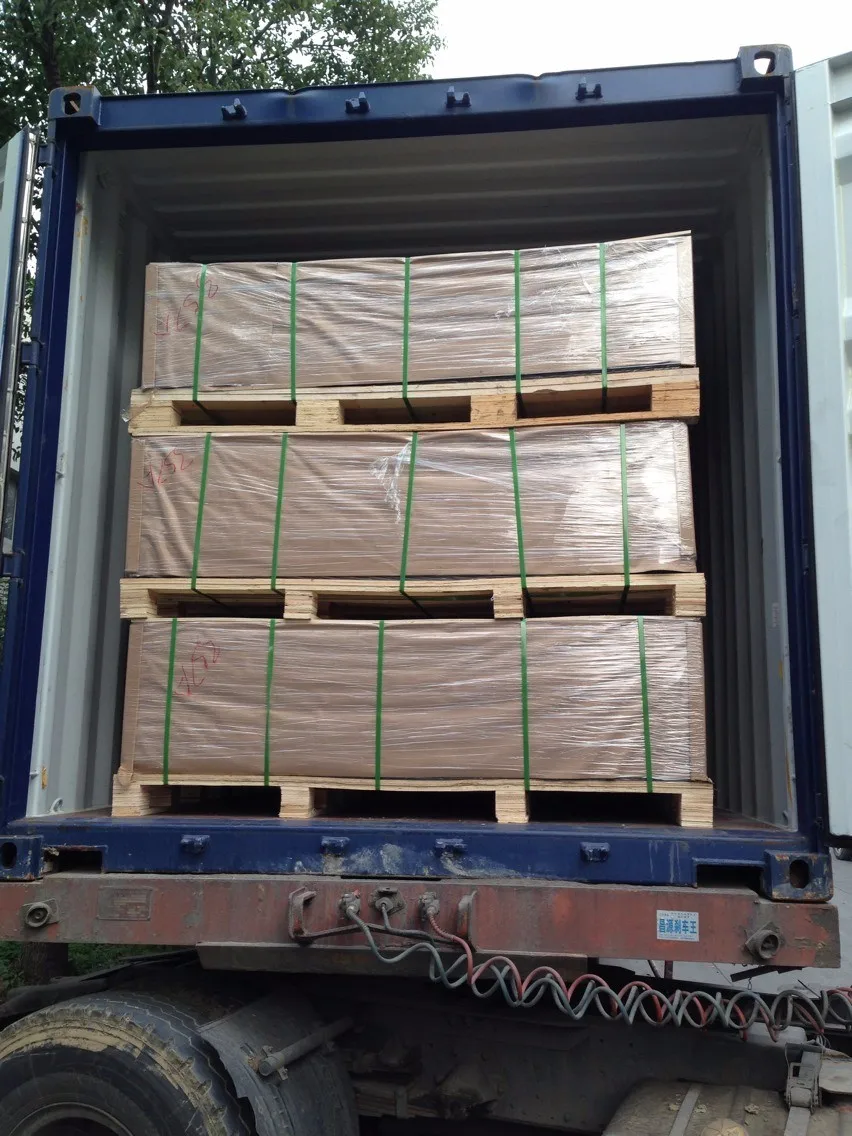
Optical grade polycarbonate film should be protected from scratches, contamination and physical damage during handling and transportation. Packaging is selected according to film or sheet format, thickness, dimensions and export requirements.
![Optical polycarbonate film protective packaging]()
Protective Packaging
![Polycarbonate film export packaging]()
Export Packaging
![Optical PC film shipping packaging]()
Shipment Packaging
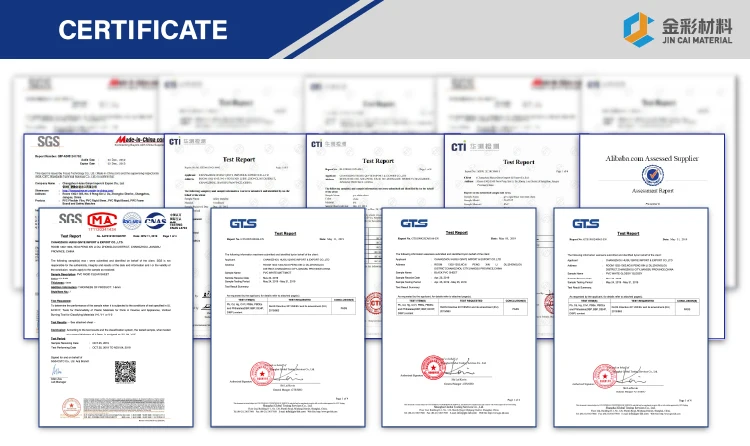
Certifications
About HSQY Plastic Group
HSQY Plastic Group supplies optical grade polycarbonate film and other functional plastic materials for international electronics manufacturers, display component companies, converters, distributors and OEM customers. We support samples, customized dimensions and project-specific material selection for B2B applications.
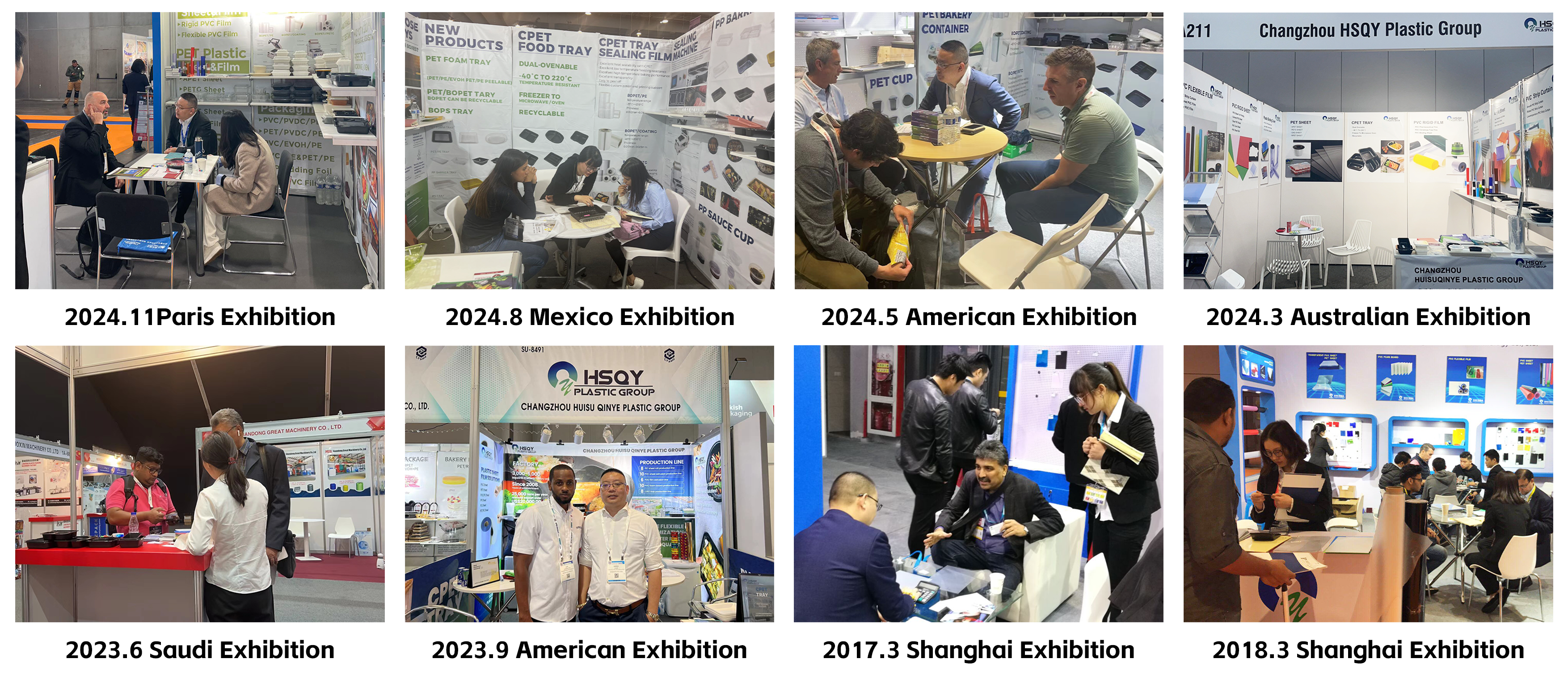
![HSQY Plastic Group exhibitions]()
HSQY Plastic Group meets global buyers and industry partners at international exhibitions.