HSQY high-density PVC Celuka foam sheet is a rigid expanded PVC panel with a dense, hard outer skin and lightweight foamed core for furniture, cabinets, signage, CNC fabrication, partitions and other professional panel applications.
The Celuka structure provides a smooth finished surface while retaining the weight advantages of a cellular PVC core. This makes the board particularly relevant where machining stability, surface quality, panel rigidity and mechanical fastening must be considered together.
The broader HSQY range covers thicknesses from 1mm to 35mm, densities from 0.35 to 1.0g/cm³, standard 1220 × 2440mm sheets and large formats up to 2050 × 3050mm. Buyers should specify the actual density required rather than relying only on the description “high density.”
PVC Celuka Foam Board Video
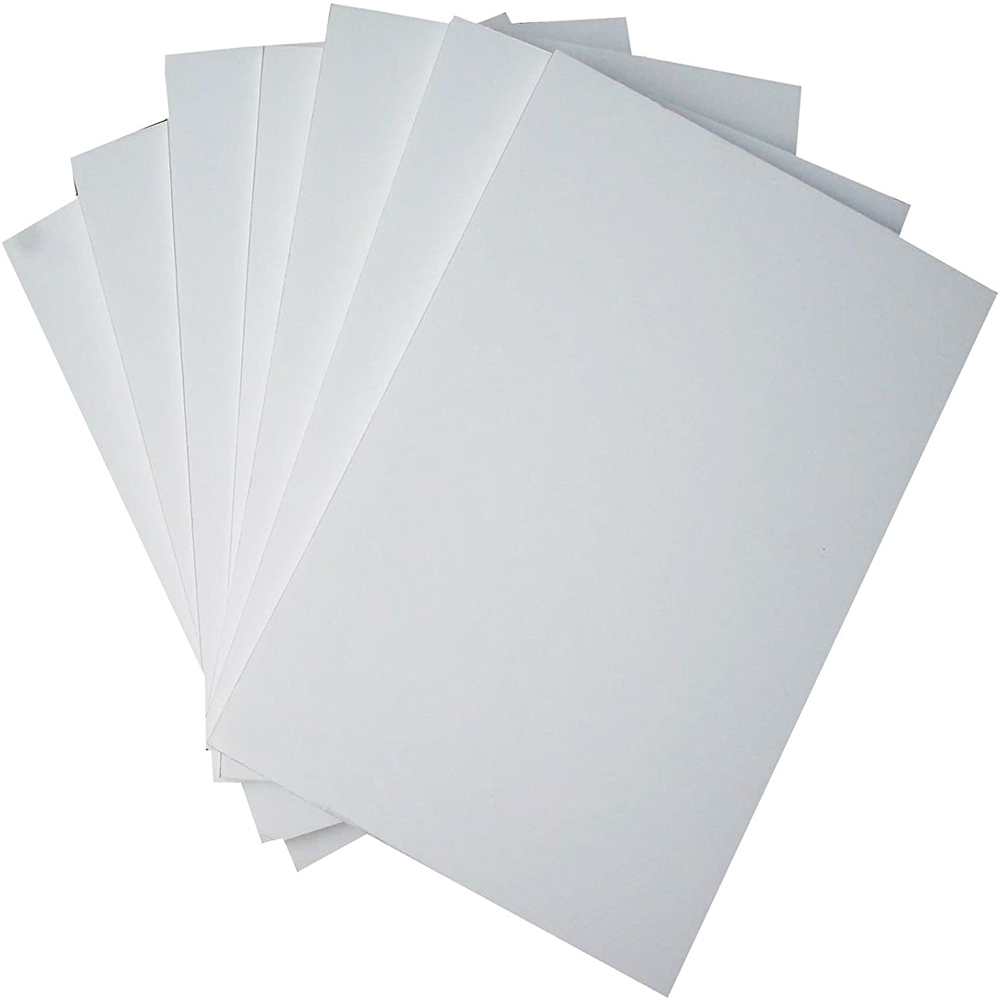
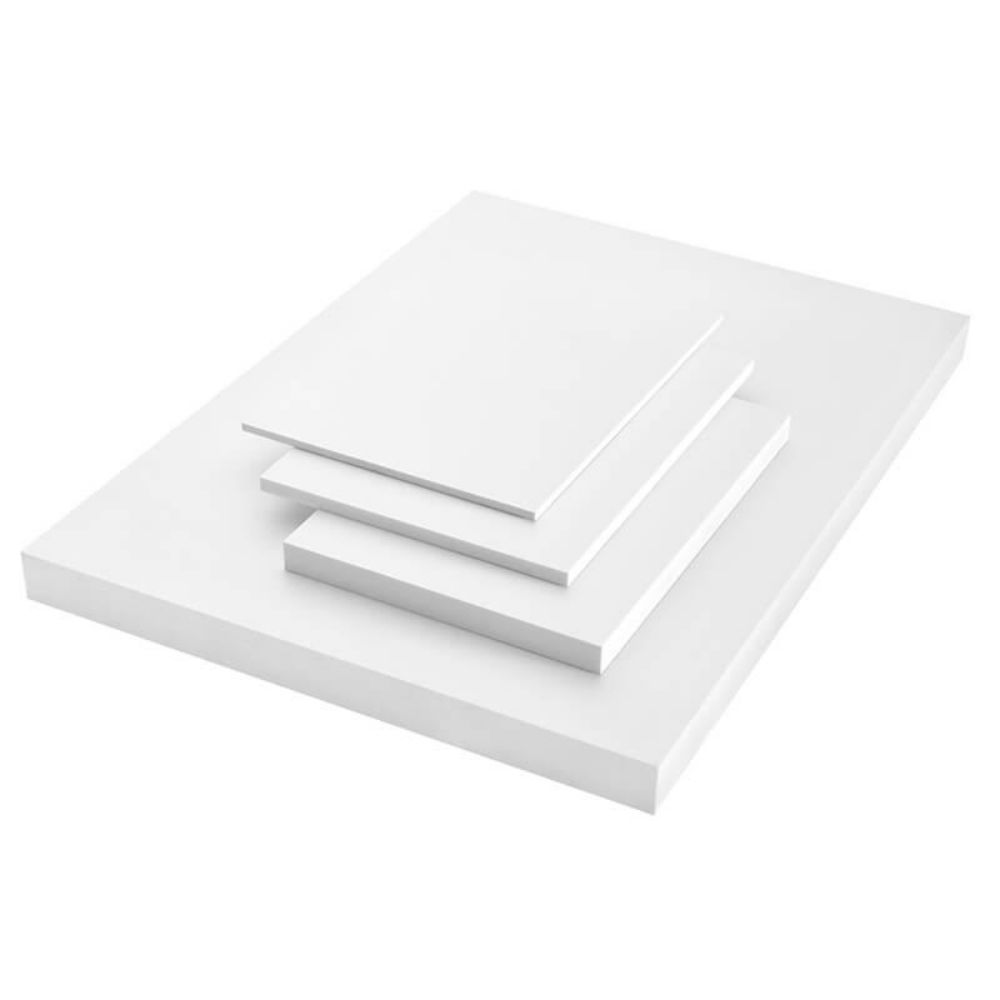
High-Density PVC Celuka Foam Sheet Images

High-Density PVC Celuka Foam Sheet

Rigid PVC Celuka Board for Furniture & Fabrication
High-Density PVC Celuka Foam Sheet Specifications
The product is positioned as a high-density Celuka sheet, while the current detailed product range covers densities from 0.35 to 1.0g/cm³. The exact high-density grade should therefore be written into the order specification according to the intended application.
| Property |
Specification |
| Product Name |
High-Density PVC Celuka Foam Sheet |
| Material |
Polyvinyl Chloride (PVC) Foam |
| Structure |
Dense Celuka Outer Skin with Foamed PVC Core |
| Thickness Range |
1–35mm |
| Density Range |
0.35–1.0g/cm³; confirm required high-density grade |
| Standard Size |
1220 × 2440mm |
| Additional Sizes |
915 × 1830mm, 1560 × 3050mm, 2050 × 3050mm, Customized |
| Colors |
White, Red, Yellow, Blue, Green, Black, Customized |
| Surface |
Glossy, Matte |
| Primary Applications |
Furniture, Cabinets, Signage, CNC Fabrication, Interior Panels and Partitions |
| Other Listed Applications |
Construction and Anti-Corrosion Projects |
| MOQ |
3 Tons |
| Payment Terms |
T/T, L/C, D/P, Western Union |
| Delivery Terms |
EXW, FOB, CNF, DDU |
| Listed Lead Time |
15–20 Days for 1–20,000kg; Negotiable Above 20,000kg |
| Listed Documentation |
SGS, ISO 9001:2008; confirm document scope and current validity |
What Is High-Density PVC Celuka Foam Board?
PVC Celuka foam board is an expanded rigid PVC sheet manufactured with a cellular core and relatively dense outer surfaces. The Celuka process creates a harder skin around the lighter foamed interior.
A higher-density grade can be selected where greater panel rigidity, machining stability or improved support around mechanical fastening is required. Actual performance depends on density, thickness, skin structure and the finished component design.
There is no single density value stated for this high-density product page, so buyers should specify the required density in g/cm³ when requesting samples or repeat production.
Celuka Hard Skin and Foamed Core
| Board Section |
Function |
What Buyers Should Confirm |
| Dense Outer Skin |
Provides a relatively hard, smooth surface for machining and finishing |
Surface finish, visible-face requirements, machining and finishing process |
| Foamed PVC Core |
Provides panel thickness while reducing weight compared with solid PVC |
Density, rigidity, load, machining depth and fastening requirements |
| Machined Edge |
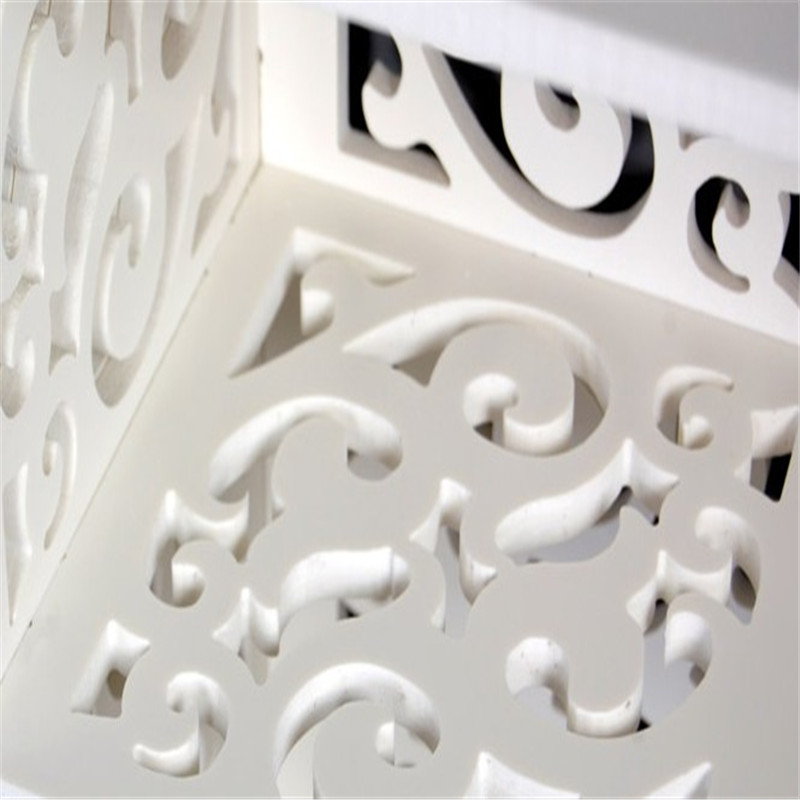
Exposes the cellular board structure after cutting or routing |
Edge appearance, edge finishing and dimensional tolerance |
Why Density Matters in PVC Celuka Board
Density is one of the most important purchasing parameters for furniture, cabinet and CNC applications. Two boards with the same thickness can behave differently if their densities are different.
| Density Direction |
General Selection Consideration |
| Lower Density |
Prioritizes lower board weight for supported panels and lightweight applications |
| Medium Density |
Balances board weight, rigidity and general machining requirements |
| Higher Density |
Can provide increased rigidity and greater support for demanding machining or fastening depending on thickness and construction |
For repeat orders, specify both thickness and agreed density rather than purchasing only by sheet dimensions.
High-Density PVC Celuka Board for Furniture
High-density Celuka board can be evaluated for furniture panels, wardrobes, shelving systems, partitions, storage units, doors and fabricated furniture components.
Furniture buyers should specify the finished panel dimensions, board thickness, density, visible faces, hardware, support points and expected load. These parameters are especially important for large doors and long shelves.
PVC Celuka Board for Kitchen Cabinets
Kitchen cabinets are included among the current product applications. Suitable Celuka grades can be evaluated for cabinet bodies, side panels, partitions, doors, shelves and other fabricated components.
For cabinet production, include hinge locations, drawer-slide positions, screw requirements, shelf span, expected load and proximity to heat-generating appliances when selecting the final board specification.
PVC Celuka Board for Bathroom Cabinets
Washroom cabinets are also included in the original application information. The listed low water absorption makes PVC Celuka board relevant where furniture may be exposed to humid interior conditions.
Finished cabinet performance also depends on fasteners, drilled holes, joints, adhesives, edge treatments and installation conditions. The entire furniture assembly should be evaluated rather than relying only on the board material.
High-Density Celuka Board for Shelves
Shelving performance depends on thickness, density, unsupported span, support arrangement and applied load.
A higher-density board can be considered where increased rigidity is required, but high density alone does not define shelf load capacity. Long or heavily loaded shelves should be tested using the intended dimensions and support structure.
Screw Holding, Hinges and Mechanical Fastening
The original product information states that PVC foam board can be drilled, screwed, nailed and mechanically processed.
The dense Celuka skin can be useful around machined and fastened areas, but actual screw and hinge performance depends on density, thickness, fastener geometry, pilot-hole dimensions, insertion depth, edge distance and applied load.
For cabinet hinges, drawer slides or repeatedly loaded fasteners, validate the actual production board with the intended hardware before volume manufacturing.
CNC Routing, Cutting and Drilling
The source information states that the board can be sawed, stamped, punched and drilled. Celuka board can also be evaluated for CNC routing, engraving and furniture-component machining using suitable tooling.
For production machining, provide finished drawings, cut profiles, routing depths, grooves, drilling positions, hinge holes and dimensional tolerances. Machine parameters should be matched to the actual density and thickness.
Clean Edge and Surface Requirements
The dense Celuka surface makes edge and face quality important for routed furniture panels, signs and fabricated components.
Where machined edges remain visible, define the required edge appearance before ordering. Where an edge will be covered, specify the intended edge banding, painting or finishing process.
Painting, Printing and Lamination
The smooth Celuka surface can be evaluated for compatible printing, painting and decorative-finishing systems.
For furniture lamination, paint or direct printing, test surface preparation, coating or ink compatibility, adhesive chemistry, processing temperature and curing requirements with the selected production grade.
High-Density PVC Celuka Board for Signage
Signage, screen printing, billboards and exhibition displays are included among the current product applications.
Higher-density Celuka grades can be relevant to routed signs, dimensional lettering, display structures and fabricated sign components where a firmer panel is preferred over a lightweight printing substrate.
For simple lightweight printed graphics, buyers should compare the required density and panel construction with the actual finished-sign requirements rather than automatically selecting the highest-density grade.
1–35mm Thickness Selection
| Thickness Direction |
General Application Direction |
What to Confirm |
| Thin Sheets |
Supported signs, decorative panels, backing panels and lightweight fabricated components |
Flatness, support, handling and mounting method |
| Medium Thickness |
Partitions, CNC parts, cabinet components, displays and furniture panels |
Density, machining, hardware and panel dimensions |
| Thicker Boards |
Cabinet panels, shelves, thick furniture components and deeply routed parts |
Weight, unsupported span, load, machining depth and reinforcement |
Thickness alone does not determine performance. Density, finished dimensions, support, hardware and application should be reviewed together.
Standard 4×8 and Large-Format PVC Celuka Sheets
The current range includes 1220 × 2440mm, 915 × 1830mm, 1560 × 3050mm and 2050 × 3050mm sheet sizes, with customized dimensions also listed.
1220 × 2440mm is approximately the standard 4×8 ft format used by many cabinet, furniture, signage and CNC fabricators.
Large 1560 × 3050mm and 2050 × 3050mm sheets can reduce seams or improve cutting yield for oversized components. Confirm CNC-bed dimensions, handling equipment, storage racks and packing requirements before ordering large-format boards.
Glossy and Matte Surface Options
| Surface |
General Selection Direction |
| Glossy |
Visible furniture panels, decorative components and selected display applications requiring a higher-sheen surface |
| Matte |
Cabinets, partitions, signs, furniture panels and applications where reduced reflection is preferred |
Approve a representative production sample where surface appearance, gloss or color is critical.
Reference Physical Properties
The following values are preserved from the original product information. Confirm applicable test data for the exact high-density Celuka grade, thickness and density where a project depends on a specific physical property.
| Testing Item |
Unit |
Listed Result |
| Density |
g/cm³ |
0.35–1.0 |
| Tensile Strength |
MPa |
12–20 |
| Bending Strength |
MPa |
12–18 |
| Bending Elasticity Modulus |
MPa |
800–900 |
| Impact Strength |
kJ/m² |
8–15 |
| Elongation at Break |
% |
15–20 |
| Shore Hardness |
D |
45–50 |
| Water Absorption |
% |
≤1.5 |
| Vicat Softening Point |
°C |
73–76 |
| Listed Fire Performance |
- |
Self-Extinguishing in Less Than 5 Seconds |
Low Water Absorption and Moisture Resistance
The current technical data lists water absorption at ≤1.5%. This makes moisture performance relevant to kitchen cabinets, bathroom cabinets, interior panels and other applications where humidity may occur.
Finished-system performance also depends on screws, joints, holes, adhesives, coatings and other components. The complete assembly should be evaluated for the intended service environment.
Corrosion and Chemical Exposure
Anti-corrosion projects are included in the original application information, and corrosion resistance is listed among the product characteristics.
Where the board will contact chemicals, cleaning agents or industrial environments, verify compatibility with the exact chemical, concentration, temperature and exposure duration before specifying the material.
Fire and Temperature Considerations
The source data lists a Vicat softening point of 73–76°C and self-extinguishing behavior in less than five seconds.
If a cabinet, interior or signage project requires a specific fire classification, flame-spread value, smoke requirement or regulated test standard, request applicable documentation for the exact high-density Celuka grade being supplied.
High-Density PVC Celuka Sheet Applications
Kitchen Cabinets: Cabinet bodies, side panels, partitions, doors and shelves selected according to thickness, density and hardware.
Bathroom Cabinets: Vanity and washroom furniture components where low water absorption is important.
Furniture: Wardrobes, shelving systems, partitions, furniture panels and fabricated components.
Signage: Routed signs, printed panels, dimensional lettering, billboards and exhibition displays.
CNC Fabrication: Routed, drilled, engraved and cut-to-size components requiring a firm board surface.
Interior Panels: Partitions, decorative panels and other fabricated interior components.
Anti-Corrosion Projects: Selected industrial panel applications after chemical compatibility is confirmed.
PVC Celuka Board Application Images

PVC Celuka Board for Furniture & Cabinet Applications

PVC Celuka Board for Signage & Fabrication
How to Specify High-Density PVC Celuka Foam Sheet
| RFQ Item |
Information to Provide |
| Application |
Furniture, cabinet, shelf, signage, CNC component, partition or another application |
| Thickness |
Required nominal thickness within the listed 1–35mm range |
| Density |
Required density in g/cm³ or target board weight |
| Sheet Size |
1220 × 2440mm, 915 × 1830mm, 1560 × 3050mm, 2050 × 3050mm or required size |
| Color |
White, black or another required listed color |
| Surface |
Glossy or matte |
| Finished Panel Size |
Finished length, width and unsupported span where relevant |
| CNC Processing |
Cutting, routing, drilling, engraving, grooves, holes and dimensional tolerances |
| Hardware |
Hinges, screws, drawer slides, brackets or other fastening requirements |
| Load |
Expected shelf, door or panel loading where applicable |
| Edge Finish |
Raw machined edge, painted edge, edge banding or another finished-edge requirement |
| Surface Finishing |
Original surface, printing, painting or decorative lamination |
| Service Environment |
Furniture, kitchen, bathroom, signage, commercial interior or industrial application |
| Chemical Exposure |
Chemical type, concentration, temperature and exposure duration where relevant |
| Documentation |
Required test reports or destination-market documentation |
| Quantity |
Required quantity; current listed MOQ is 3 tons |
| Destination |
Destination country or port |
PVC Foam Board SGS Data Sheet
The original product page provides the following PVC Foam Board SGS data sheet. Confirm that the document applies to the exact high-density Celuka grade, thickness and density required for the project.
Packing and Delivery
Sample Packaging: The original product information lists A4-size boards packed in plastic bags or cartons.
Bulk Packing: Boards are listed as packed in plastic bags, cartons or kraft paper.
Pallet Packing: The source lists approximately 500–2000kg per plywood pallet.
Container Loading: The source lists approximately 20 tons per container. Actual loading should be confirmed according to sheet size, thickness, density and packing configuration.
Delivery Terms: EXW, FOB, CNF and DDU are listed.
Lead Time: The source lists 15–20 days for 1–20,000kg and negotiable timing above 20,000kg. Confirm the current production schedule with the quotation.
Frequently Asked Questions About High-Density PVC Celuka Board
What is high-density PVC Celuka foam board?
It is a rigid expanded PVC sheet with a relatively dense hard outer skin surrounding a lightweight foamed core, intended for suitable furniture, cabinet, signage, CNC and interior-panel applications.
What density is considered high density?
The source lists a broad 0.35–1.0g/cm³ product range but does not define one universal high-density threshold for this SKU. Specify the required density according to the application.
What is the difference between Celuka and free-foam PVC board?
Celuka board has a relatively dense outer skin surrounding a foamed core. Free-foam PVC generally has a more uniform cellular structure and is commonly selected for lightweight printing and signage applications.
What is the difference between Celuka and co-extruded PVC board?
Celuka develops its compact outer skin through the Celuka extrusion and cooling process. Co-extruded PVC foam board uses distinct denser surface layers around a foamed core.
What thicknesses are available?
The current detailed product specification lists thicknesses from 1mm to 35mm.
What sheet sizes are available?
The current source lists 1220 × 2440mm, 915 × 1830mm, 1560 × 3050mm and 2050 × 3050mm, with customized dimensions also indicated.
Can high-density Celuka board be used for kitchen cabinets?
Yes. Kitchen cabinets are included among the source applications. Select thickness and density according to the cabinet component, hardware, panel dimensions and expected load.
Can it be used for bathroom cabinets?
Yes. Washroom cabinets are included in the original application information. Finished performance also depends on joints, fasteners, adhesives and installation.
Can PVC Celuka board hold screws and hinges?
The board can be drilled and screwed, but actual holding performance depends on density, thickness, screw design, pilot-hole dimensions, edge distance and load. Validate the intended board-and-hardware combination before production.
Can the board be CNC routed?
Yes. PVC Celuka board can be evaluated for cutting, routing, drilling and engraving using suitable tooling. Machining parameters should be matched to the selected density and thickness.
Can it be printed?
Screen printing and signage applications are included in the source information. Test the intended ink and printing process with the actual surface before bulk production.
Can the board be painted or laminated?
The smooth surface can be evaluated for compatible coatings and decorative laminates. Surface preparation, paint or adhesive compatibility and processing conditions should be tested before production.
Is high-density PVC Celuka board waterproof?
The current technical data lists water absorption at ≤1.5%. For project specifications, use the stated water-absorption value and evaluate the complete finished assembly according to its service environment.
Can it be used in chemical environments?
Anti-corrosion projects are included in the source applications. Confirm compatibility with the exact chemical, concentration, temperature and exposure period before selection.
Is the board flame retardant?
The source product data lists self-extinguishing behavior in less than five seconds. If a project requires a specific fire classification, request the applicable test documentation for the exact grade.
What colors are available?
The current product information lists white, red, yellow, blue, green and black, with customized colors also indicated.
What surface finishes are available?
Glossy and matte surfaces are listed.
What is the MOQ?
The current detailed specification lists a minimum order quantity of 3 tons.
Are samples available?
The original product information lists free A4-size samples, with express freight paid by the buyer. Confirm the required thickness, density, color and surface before requesting a sample.
What information should I provide for a quotation?
Provide the application, required density, thickness, sheet size, color, surface finish, CNC requirements, hardware, panel dimensions, expected load, quantity and destination.
About HSQY Plastic Group
HSQY Plastic Group supplies PVC Celuka foam sheets and other plastic sheet materials to furniture manufacturers, cabinet factories, signage companies, CNC fabricators, distributors and industrial buyers.
For high-density Celuka projects, provide the required density, thickness, sheet dimensions, finished application, CNC drawings, hardware requirements, surface finish, quantity and destination so the appropriate board specification can be reviewed.
HSQY Qualification and Exhibition Information

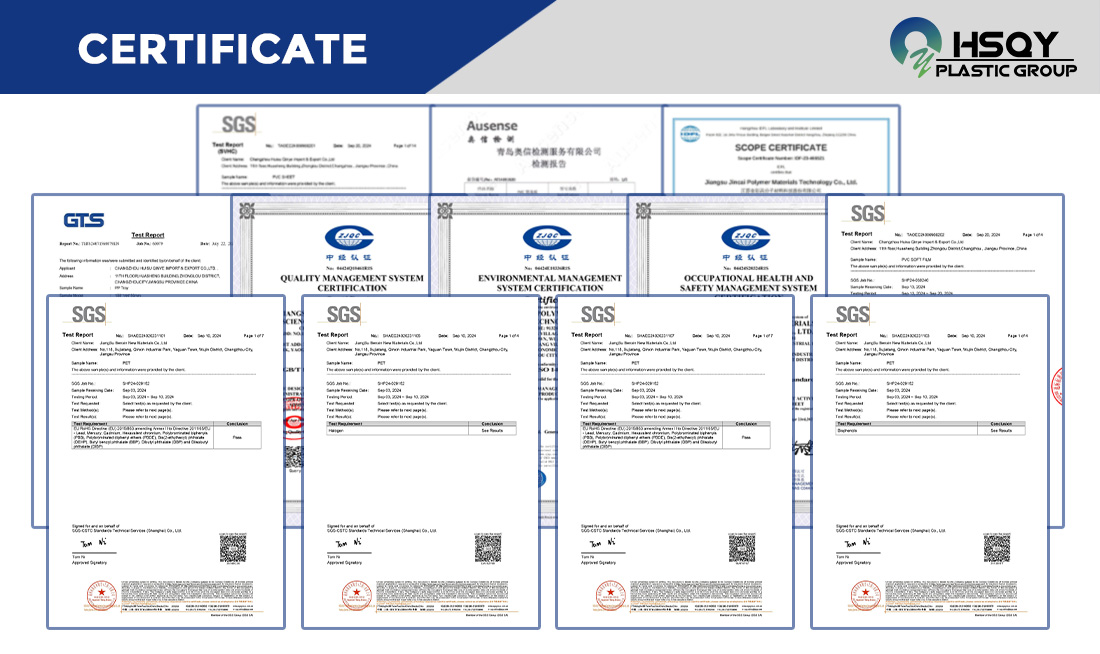
HSQY Qualification Information

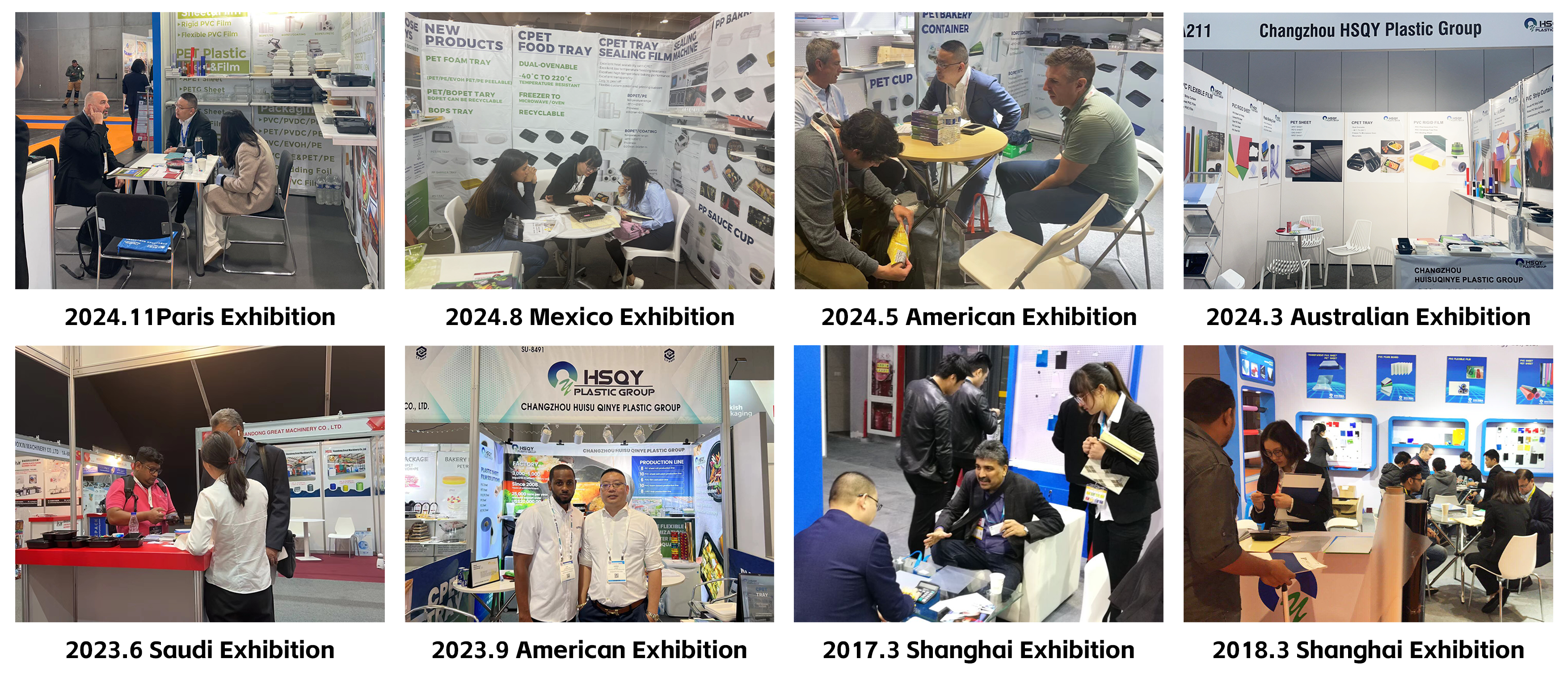
HSQY Exhibition Information








 PVC Foam Board SGS Data Sheet