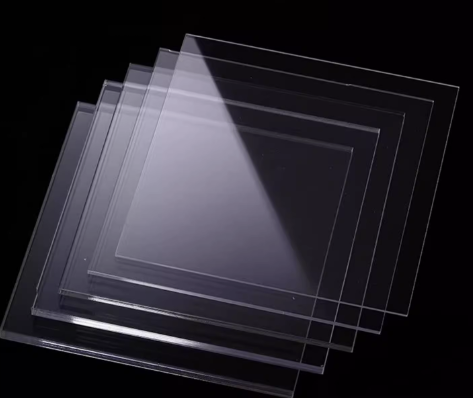
0.2-6mm Extruded GPPS Clear Polystyrene Sheet
HSQY extruded GPPS clear polystyrene sheet combines high transparency, surface gloss, rigidity and economical processing for displays, packaging, printing, model making and thermoformed products.
General Purpose Polystyrene, commonly abbreviated as GPPS, is a rigid transparent thermoplastic selected when clarity, glossy appearance, dimensional stability and material cost are important.
HSQY supplies clear extruded GPPS sheets from approximately 0.2mm to 6mm thick with widths up to 1600mm for selected specifications. Custom thickness, width, length and downstream processing requirements can be discussed for B2B projects.
![Extruded clear GPPS polystyrene sheet]()
Extruded Clear GPPS Sheet
![Transparent GPPS plastic sheet]()
Transparent GPPS Plastic Sheet
![Clear general purpose polystyrene sheet]()
General Purpose Polystyrene Sheet
Extruded GPPS Sheet Specifications
| Property |
Specification |
| Product |
Extruded General Purpose Polystyrene Sheet |
| Abbreviation |
GPPS Sheet / Clear PS Sheet |
| Material |
General Purpose Polystyrene (GPPS / PS) |
| Production Method |
Extrusion |
| Color |
Clear |
| Thickness |
0.2mm - 6mm, Custom |
| Maximum Width |
Up to approximately 1600mm |
| Surface |
Clear, smooth and glossy |
| Processing |
Cutting, routing, CNC machining, drilling, thermoforming, vacuum forming, printing, bonding and lamination depending on specification |
| Typical Applications |
Displays, transparent panels, packaging, printing, picture frames, model making, protective covers and thermoformed parts |
Specification Note: Final thickness tolerance, width, length, optical appearance, surface condition and processing requirements should be confirmed for the exact GPPS specification before production.
What Is Extruded GPPS Sheet?
Extruded GPPS sheet is a solid transparent plastic sheet manufactured by melting General Purpose Polystyrene resin and continuously forming it into a controlled sheet thickness through an extrusion process.
GPPS is naturally rigid and transparent, with a glossy appearance that makes it suitable for applications where visibility and presentation are important.
Compared with HIPS, GPPS provides better transparency but lower impact toughness. It is therefore normally selected for clear displays, frames, packaging, decorative panels and transparent fabricated components rather than high-impact applications.
Key Benefits of GPPS Polystyrene Sheet
High transparency: Clear GPPS provides good product visibility for displays, protective panels and transparent packaging applications.
Glossy appearance: The smooth surface provides an attractive visual finish for retail, display and decorative applications.
Good rigidity: GPPS provides useful stiffness for flat panels, transparent covers and formed components.
Economical material: GPPS is commonly selected as a cost-effective clear plastic where premium impact or outdoor performance is not required.
Thermoformable: Suitable GPPS sheet can be heated and formed into trays, covers, packaging and other three-dimensional products.
Easy fabrication: Sheets can be cut, routed, drilled, machined, bonded and laminated using suitable processing methods.
Printable surface: Compatible GPPS grades can be used for printed graphics, signage and decorative components after process validation.
Wide thickness range: HSQY's current product covers approximately 0.2mm to 6mm for different forming and fabrication requirements.
How to Choose GPPS Sheet Thickness
The correct GPPS thickness depends on finished-part size, required rigidity, forming depth and fabrication method. Thin sheets are more suitable for lightweight forming, while thicker sheets provide greater flat-panel stiffness.
| Thickness Range |
General Selection Direction |
| 0.2 - 0.5mm |
Thin thermoforming, lightweight packaging, inserts and thin fabricated parts |
| 0.5 - 1.0mm |
Lightweight formed components, models and transparent packaging parts |
| 1.0 - 2.0mm |
Displays, signage, protective covers and formed components |
| 2.0 - 3.0mm |
Rigid display panels, picture-frame glazing, larger signs and fabricated parts |
| 3.0 - 6.0mm |
Heavier transparent panels, models, covers and fabricated components requiring greater stiffness |
These ranges are general selection directions. For thermoforming, the starting thickness must also account for material stretching and the minimum required wall thickness of the finished component.
GPPS Sheet for Displays & Retail Fixtures
Clear GPPS sheet is suitable for retail displays, POP components, poster covers, menu holders, shelf dividers, display cases and decorative transparent panels where clarity and economical material cost are important.
For larger flat panels, sheet thickness should be selected according to unsupported span, mounting method and required stiffness. GPPS is comparatively brittle, so applications exposed to frequent impact should be evaluated carefully.
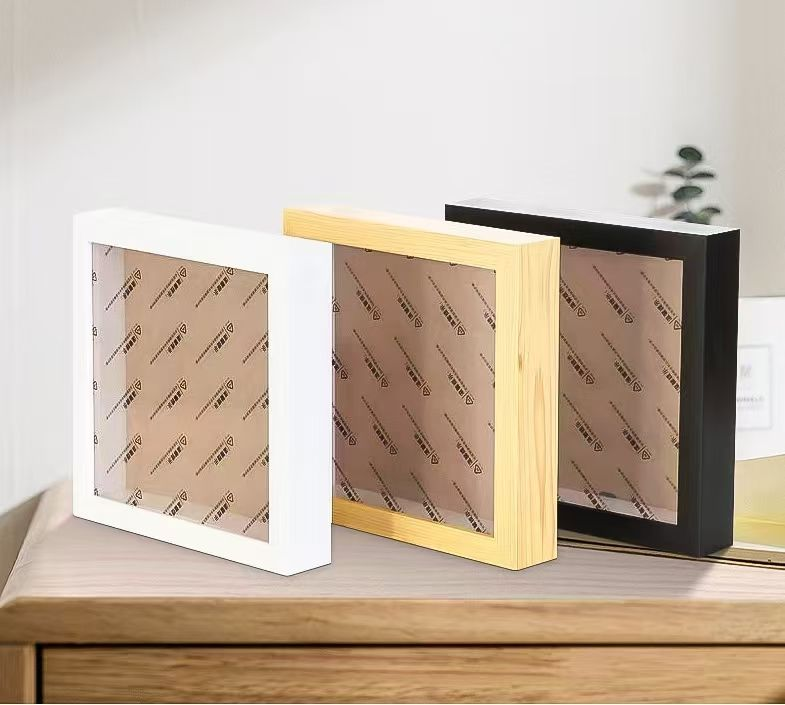
GPPS Sheet for Picture Frames & Protective Panels
Clear polystyrene can be used as lightweight glazing for picture frames, poster protection and indoor display covers where glass-like visibility is required without using glass.
GPPS should not automatically be used as safety glazing or for applications requiring high impact protection. Polycarbonate or another higher-impact material may be more appropriate where mechanical safety is critical.
GPPS Sheet for Thermoforming & Vacuum Forming
GPPS is an amorphous thermoplastic that softens when heated and can be thermoformed into selected transparent packaging, covers, trays, display components and other shaped products.
Heating uniformity, sheet thickness, mold geometry and forming depth influence transparency, surface appearance and final wall thickness. Production trials should verify the exact specification before high-volume forming.
| Forming Factor |
Why It Matters |
| Starting Thickness |
Determines how much material is available before stretching |
| Heating Uniformity |
Supports consistent forming and surface appearance |
| Draw Depth |
Deep forming can reduce local wall thickness |
| Mold Geometry |
Sharp corners and complex cavities influence material distribution |
| Finished Clarity |
Transparency should be evaluated on the formed component |
GPPS Sheet for Transparent Packaging
Clear GPPS can be used for selected transparent packaging applications where product visibility, rigidity and economical thermoforming are required.
Packaging buyers should specify forming depth, finished-part stiffness, stacking requirements, sealing method and any product-contact requirements before selecting a grade.
Standard industrial GPPS should not automatically be described as suitable for direct food, pharmaceutical or medical contact. If the application is regulated, confirm the exact material grade and applicable documentation before ordering.
GPPS Sheet for Printing & Graphics
Suitable GPPS sheet can be used for printed displays, transparent graphics, signs and decorative panels. Reverse printing can also be considered where graphics are viewed through the transparent sheet.
Ink adhesion depends on the printing technology, surface condition, ink chemistry and curing process. Printing trials should be completed with the actual production sheet before large-volume printing.
Cutting & Fabricating GPPS Sheet
GPPS sheet can be cut, routed, drilled, CNC machined, bonded and laminated using suitable fabrication methods.
Because GPPS is more brittle than HIPS, machining conditions should minimize concentrated stress around holes, corners and cut edges. Sharp tools, suitable feed rates and adequate edge distance can help reduce cracking during fabrication.
GPPS Sheet for Model Making & Design
Transparent GPPS sheet can be used for architectural models, product prototypes, transparent covers, display mock-ups and creative projects where visibility and rigid construction are required.
Thin sheets are useful for lightweight model components, while thicker sheets provide greater stiffness for panels, bases and larger fabricated parts.
GPPS vs. HIPS Polystyrene Sheet
| Feature |
GPPS |
HIPS |
| Full Name |
General Purpose Polystyrene |
High Impact Polystyrene |
| Typical Appearance |
Clear, transparent and glossy |
Usually opaque, commonly white, black or colored |
| Impact Performance |
Rigid but comparatively brittle |
Greater toughness due to rubber modification |
| Main Selection Priority |
Transparency, gloss and economical clear panels |
Impact resistance, thermoforming and opaque applications |
| Typical Applications |
Displays, frames, transparent packaging, covers and clear panels |
Trays, appliance liners, signage, displays and formed components |
GPPS vs. Acrylic vs. Polycarbonate
| Selection Factor |
GPPS |
Acrylic |
Polycarbonate |
| Main Advantage |
Economical clear rigid sheet |
Premium optical appearance and weathering options |
High toughness and impact resistance |
| Impact Resistance |
Lower |
Higher than GPPS in many applications |
High |
| Outdoor Use |
Standard GPPS is primarily recommended for indoor use |
Outdoor grades widely available |
UV-stabilized grades available for demanding applications |
| Typical Selection |
Cost-sensitive transparent displays and fabrication |
Premium signage, glazing and displays |
Protective glazing and impact-resistant components |
Indoor & Outdoor Use of GPPS Sheet
Standard clear GPPS is primarily recommended for indoor and controlled applications unless the exact grade has been formulated and tested for outdoor weathering.
For continuous sunlight exposure, buyers should specify UV resistance, weathering conditions and required service life so a suitable stabilized grade or alternative plastic can be evaluated.
Chemical Resistance Considerations
GPPS provides useful resistance to water and selected dilute chemicals, but it is not universally resistant to all solvents or industrial chemicals.
Where chemical contact is important, provide the chemical name, concentration, temperature, exposure duration and mechanical stress conditions before approving the material.
What Information Should You Provide for a GPPS Quote?
| Requirement |
Information to Provide |
| Application |
Display, packaging, printing, picture frame, model making, thermoforming or other use |
| Thickness |
Required thickness from approximately 0.2mm to 6mm and tolerance where applicable |
| Sheet Size |
Required width × length; current maximum width approximately 1600mm |
| Clarity |
Standard clear appearance or specific optical requirement where applicable |
| Surface |
Gloss, surface quality or other appearance requirement |
| Thermoforming |
Mold dimensions, forming depth and minimum finished wall thickness where applicable |
| Printing |
Printing technology, ink system and surface-treatment requirement where applicable |
| Fabrication |
Cutting, routing, drilling, CNC machining, bonding or lamination requirements |
| Regulatory Requirement |
Food-contact, medical, laboratory or other applicable requirement where relevant |
| Quantity |
Trial quantity, regular order and estimated annual demand |
| Destination |
Country and destination port |
Frequently Asked Questions About GPPS Sheet
What does GPPS mean?
GPPS stands for General Purpose Polystyrene. It is a rigid and normally transparent polystyrene grade used for clear displays, panels, packaging and fabricated products.
What is extruded GPPS sheet?
Extruded GPPS sheet is produced by melting GPPS resin and continuously forming it into flat transparent sheet with a controlled thickness and width.
What thicknesses does HSQY supply?
This product covers approximately 0.2mm to 6mm. Exact availability and tolerance should be confirmed according to width, sheet size and application.
What is the maximum GPPS sheet width?
The current product specification lists widths up to approximately 1600mm for selected GPPS sheet specifications.
Is GPPS sheet transparent?
Yes. Transparency and glossy appearance are major reasons GPPS is selected instead of HIPS for displays, frames and transparent fabricated products.
What is the difference between GPPS and HIPS?
GPPS is normally clear, glossy and rigid but comparatively brittle. HIPS contains a rubber-modified phase that improves toughness and is normally supplied as an opaque material.
Can GPPS sheet be thermoformed?
Yes. Suitable GPPS sheet can be thermoformed and vacuum formed. The forming result depends on thickness, heating profile, mold design and draw depth.
Can GPPS sheet be printed?
Yes. Suitable GPPS grades can be used for printed graphics and display applications. Ink adhesion and curing should be tested using the actual sheet specification.
Can GPPS sheet be CNC machined?
Yes. GPPS can be cut, routed, drilled and CNC machined using suitable tools. Processing conditions should minimize localized stress because GPPS is more brittle than HIPS.
Can GPPS sheet be used for picture frames?
Yes. Clear GPPS can be used as lightweight glazing for picture frames, poster covers and indoor display protection where high-impact safety glazing is not required.
Can GPPS be used for packaging?
Yes. GPPS can be used for selected transparent packaging and thermoformed products. Regulated food, medical or pharmaceutical applications require confirmation of the exact grade and applicable documentation.
Is GPPS suitable for outdoor use?
Standard GPPS is primarily recommended for indoor applications. Long-term exterior use should specify UV and weathering requirements before material selection.
Is GPPS more impact resistant than acrylic or polycarbonate?
GPPS is selected primarily for clarity, rigidity and economical cost rather than high impact performance. Applications requiring greater toughness should compare HIPS, acrylic, PETG or polycarbonate according to the finished-product requirement.
Is GPPS the same as Styrofoam or EPS?
No. This GPPS product is a solid transparent extruded plastic sheet. EPS is expanded polystyrene foam with a cellular structure used for different packaging and insulation applications.
What information should I provide for a quotation?
Please provide the application, thickness, width, length, required clarity or surface appearance, thermoforming or fabrication process, regulatory requirements, quantity and destination.
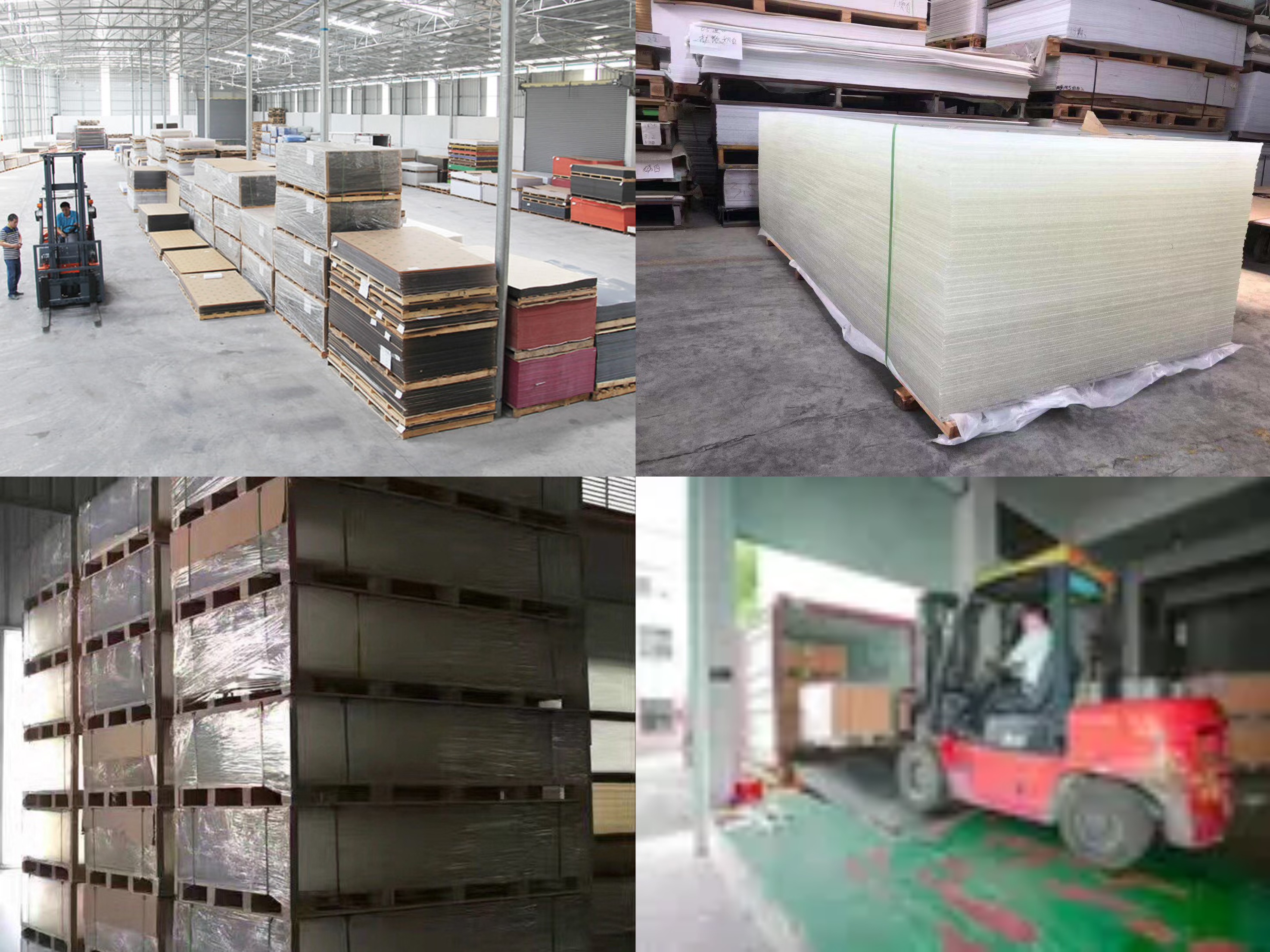
Packing & Delivery
GPPS sheets should be protected during storage and international transportation to reduce surface scratching, contamination, edge damage and movement during shipment.
![GPPS clear polystyrene sheet packing and export shipment]()
Export Packing for GPPS Polystyrene Sheet
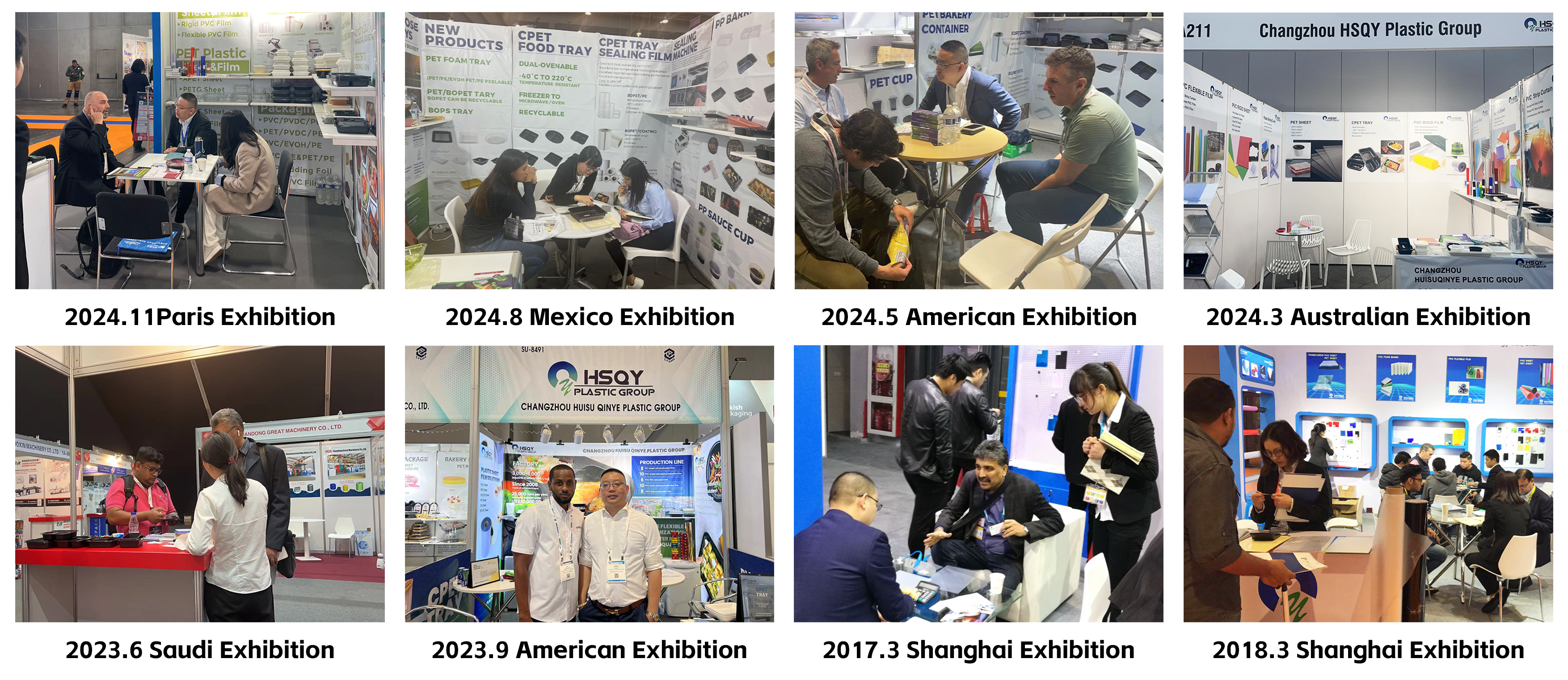
HSQY Plastic Group Exhibitions
![HSQY Plastic Group international exhibitions]()
HSQY Plastic Group meets international distributors, thermoformers, printing companies, display manufacturers and plastic-sheet buyers at industry exhibitions.
Certificates & Documentation
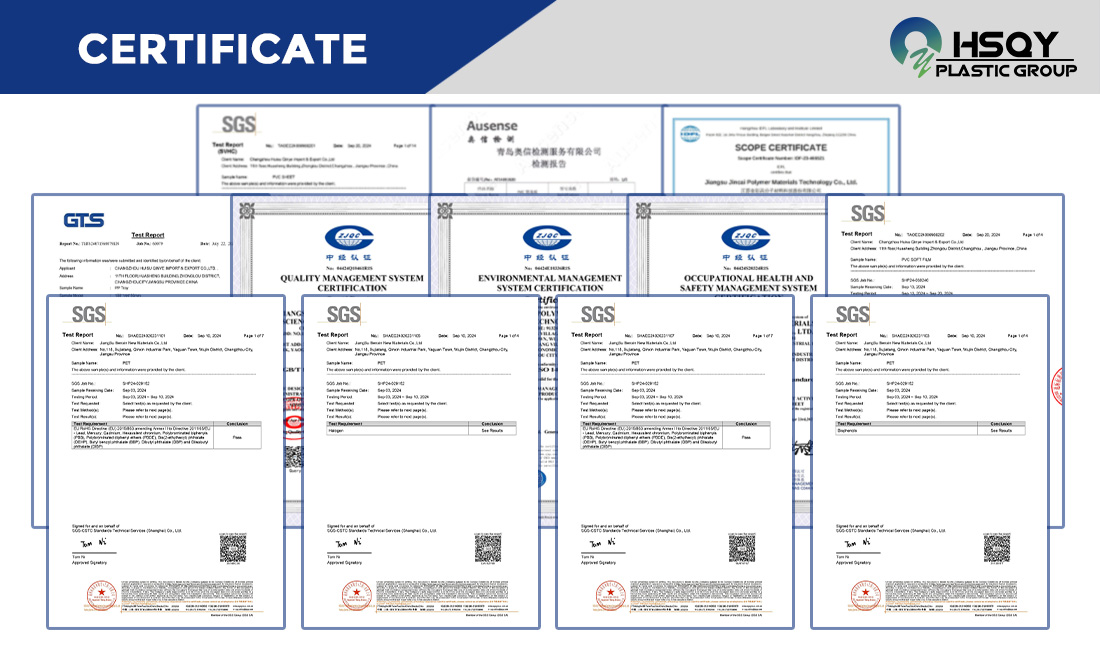
Available certificates and technical documentation should be confirmed for the exact GPPS grade and intended application before order approval.