4x8 ft Clear GPPS Polystyrene Sheet
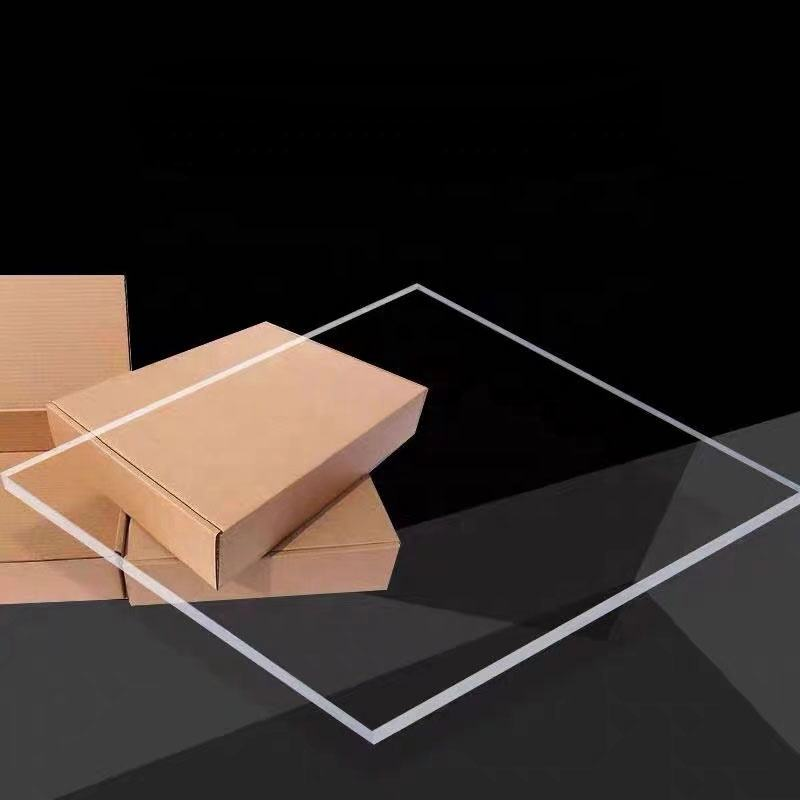
HSQY 4x8 ft clear GPPS polystyrene sheet combines high clarity, gloss, rigidity and economical processing for displays, picture frames, packaging, models and thermoformed parts.
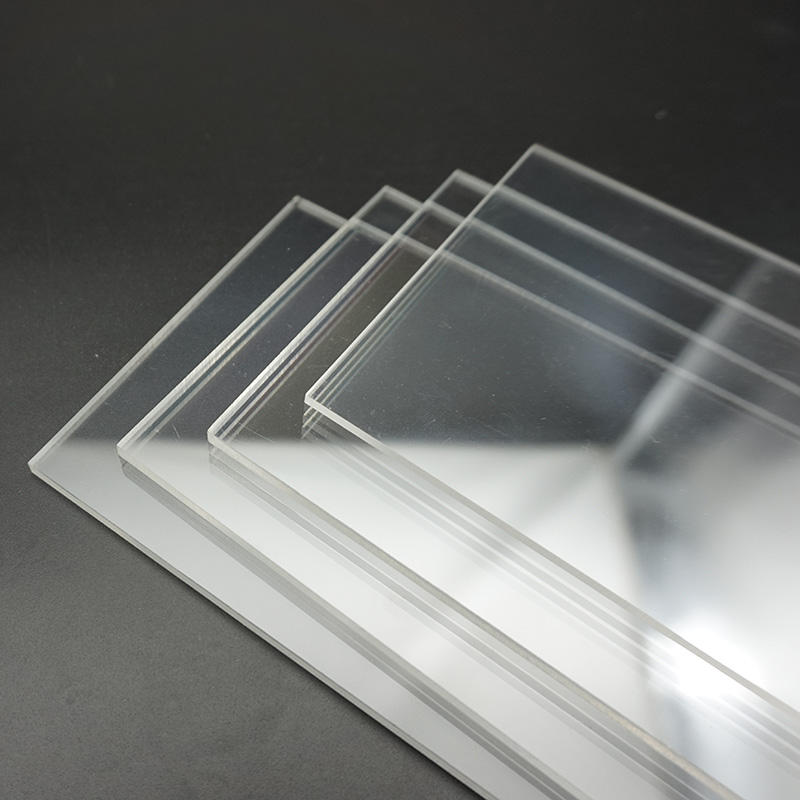
General Purpose Polystyrene, commonly abbreviated as GPPS, is a transparent rigid thermoplastic used where buyers require a clear, lightweight and cost-effective plastic sheet for indoor display, fabrication and forming applications.
This product page focuses on the commonly requested 4×8 ft nominal sheet format, approximately 1220×2440mm. HSQY's current GPPS range covers approximately 0.2mm to 6mm thickness with a maximum published width of 1250mm.
![4x8 ft clear GPPS polystyrene sheet]()
4x8 ft Clear GPPS Sheet
![Transparent general purpose polystyrene sheet]()
Transparent GPPS Polystyrene Sheet
![Clear GPPS sheet for displays and thermoforming]()
GPPS Sheet for Displays & Thermoforming
4x8 ft GPPS Sheet Specifications
| Property |
Specification |
| Product |
4x8 ft General Purpose Polystyrene Sheet |
| Material |
General Purpose Polystyrene (GPPS / PS) |
| Color |
Clear |
| Nominal Sheet Size |
4×8 ft, approximately 1220×2440mm |
| Maximum Published Width |
1250mm |
| Thickness |
0.2mm - 6mm, Custom |
| Surface |
Clear, smooth and glossy |
| Processing |
Cutting, routing, drilling, CNC machining, thermoforming, vacuum forming, bonding, printing and lamination depending on specification |
| Typical Applications |
Displays, picture frames, protective panels, packaging, signage, models, prototypes and thermoformed components |
Specification Note: 4×8 ft is a nominal commercial sheet size. Final sheet dimensions, thickness tolerance, edge condition, surface appearance and packing should be confirmed according to the purchase specification.
What Is 4x8 ft GPPS Sheet?
A 4×8 ft GPPS sheet is a large-format transparent General Purpose Polystyrene panel with nominal dimensions of approximately 48×96 inches or 1220×2440mm.
The 4×8 format is useful for fabricators because it provides sufficient area for CNC nesting, panel cutting, display manufacturing, picture-frame glazing, prototype production and other conversion processes.
GPPS is naturally transparent and rigid, making it suitable where visual clarity is more important than high impact resistance.
Why Choose a 4x8 ft GPPS Sheet?
Large-format processing: 4×8 ft sheets provide useful nesting area for fabricated components and cut-to-size panels.
High transparency: Clear GPPS provides good visibility for displays, frames and transparent covers.
Glossy surface: The smooth surface supports visually attractive indoor applications.
Good rigidity: GPPS provides useful panel stiffness for suitable indoor applications.
Economical material: GPPS is commonly selected when a clear rigid sheet is required without the higher cost associated with some engineering plastics.
Thermoformable: Suitable gauges can be heated and formed into packaging, covers and display components.
Easy fabrication: Sheets can be cut, routed, drilled and CNC machined using suitable tools and processing conditions.
How to Choose the Right GPPS Thickness
HSQY's current GPPS range covers approximately 0.2mm to 6mm. The correct thickness depends on sheet size, unsupported span, required rigidity, forming depth and fabrication method.
| Thickness Range |
General Selection Direction |
| 0.2 - 0.5mm |
Thin forming, lightweight packaging, inserts and thin converted products |
| 0.5 - 1mm |
Lightweight formed parts, models and transparent packaging components |
| 1 - 2mm |
Displays, signs, protective covers and fabricated panels |
| 2 - 3mm |
Picture-frame glazing, display panels and more rigid fabricated components |
| 3 - 6mm |
Larger panels, covers, models and fabricated components requiring greater flat-sheet stiffness |
These ranges are general selection directions. Large 4×8 ft panels can flex more than smaller cut pieces of the same thickness, so unsupported span and mounting method should be considered when selecting the gauge.
4x8 GPPS Sheet for Displays & Retail Fixtures
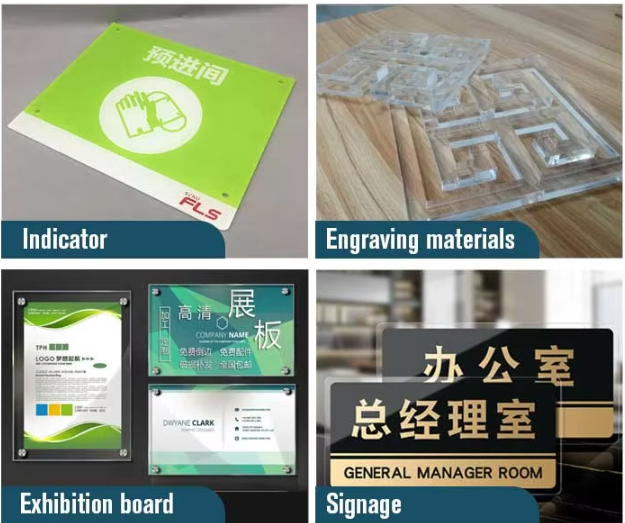
Clear GPPS sheet can be used for POP displays, retail display components, poster covers, menu holders, shelf dividers, exhibition graphics and other indoor applications requiring a lightweight transparent plastic panel.
The 4×8 ft format allows display manufacturers to nest several components from one panel or fabricate larger display surfaces with fewer material joints.
Because GPPS is more brittle than HIPS, PETG or polycarbonate, applications subject to frequent impact should be evaluated carefully.
GPPS Sheet for Picture Frames & Poster Covers
Clear GPPS can be used as lightweight glazing for picture frames, posters, artwork and indoor presentation displays where clear visibility is required.
Large 4×8 ft master sheets can be cut into multiple finished frame sizes, which can be useful for picture-frame manufacturers and converters handling several standard dimensions.
GPPS should not be treated as safety glazing. Where high impact resistance or protective glazing performance is required, polycarbonate or another suitable engineering plastic should be evaluated.
GPPS Sheet for Indoor Signage
GPPS can be fabricated into clear signs, menu panels, information displays, printed graphics and other indoor signage components.
Printing performance depends on the sheet surface, printing process, ink system and curing conditions. Production printing should be evaluated using the actual sheet grade before a large run.
GPPS Sheet for Thermoforming
Suitable GPPS sheet can be thermoformed or vacuum formed into transparent packaging, trays, covers, display components and other shaped products.
The sheet softens when heated, allowing it to conform to a mold. Final appearance and wall-thickness distribution depend on starting gauge, heating profile, mold geometry and forming depth.
| Forming Factor |
Why It Matters |
| Starting Thickness |
Controls the amount of material available before stretching |
| Heating Uniformity |
Supports more consistent forming and surface appearance |
| Draw Depth |
Deeper forming can create greater local wall thinning |
| Mold Geometry |
Sharp corners and complex shapes influence material distribution |
| Finished Clarity |
Transparency should be evaluated on the final formed component |
GPPS Sheet for Packaging
GPPS can be used for selected transparent packaging applications where visibility, rigidity and economical thermoforming are important.
Packaging buyers should specify forming depth, finished-part thickness, stacking requirements and any applicable product-contact requirements before selecting a grade.
Standard GPPS should not automatically be assumed suitable for direct food, pharmaceutical or medical contact. Regulated applications require confirmation of the exact grade and relevant documentation.
GPPS Sheet for Models & Prototypes
Clear GPPS sheet can be used for architectural models, display prototypes, transparent covers, presentation mock-ups and design projects where visibility and rigid construction are useful.
The 4×8 ft master-sheet format allows prototype and model manufacturers to cut multiple panel sizes from one sheet while maintaining the same material appearance across a project.
Cutting & CNC Machining 4x8 GPPS Sheet
Large GPPS sheets can be cut into smaller panels and components using appropriate plastic-fabrication equipment. Cutting, drilling, routing and CNC machining can be used according to thickness and part geometry.
Because GPPS is rigid but comparatively brittle, concentrated stress around holes, corners and narrow sections should be minimized. Sharp tooling, controlled feed rates and suitable edge distances help reduce cracking during fabrication.
Printing & Decorating GPPS Sheet
Suitable GPPS sheet can be printed, labeled or laminated for displays, signs, graphics and decorative applications.
Reverse printing can also be evaluated where graphics are viewed through the transparent sheet. Ink adhesion, curing and visual appearance should be tested with the actual production material.
GPPS vs. HIPS Sheet
| Feature |
GPPS |
HIPS |
| Full Name |
General Purpose Polystyrene |
High Impact Polystyrene |
| Appearance |
Normally clear and glossy |
Normally opaque |
| Impact Resistance |
Rigid but comparatively brittle |
Greater toughness due to rubber modification |
| Main Selection Priority |
Transparency, gloss and economical clear panels |
Impact resistance, thermoforming and opaque components |
| Typical Applications |
Displays, frames, transparent covers and clear packaging |
Packaging trays, displays, appliance parts and housings |
GPPS vs. Acrylic vs. Polycarbonate
| Selection Factor |
GPPS |
Acrylic |
Polycarbonate |
| Main Advantage |
Economical clear rigid sheet |
Premium clarity and outdoor-grade options |
High impact resistance |
| Impact Performance |
Lower |
Greater than GPPS in many applications |
High |
| Outdoor Use |
Standard GPPS is mainly for indoor use |
Outdoor grades widely available |
UV-stabilized grades available |
| Typical Buying Reason |
Cost-sensitive transparent fabrication |
Higher-end signage and glazing |
Impact-resistant protective components |
Indoor & Outdoor Use
Standard GPPS is primarily recommended for indoor and controlled applications. Long-term exposure to ultraviolet radiation can lead to yellowing, surface-gloss loss and reduced mechanical performance.
For long-term exterior signs, glazing or display applications, specify the required UV resistance and service environment so acrylic, polycarbonate or another suitable material can be compared.
Chemical Resistance Considerations
GPPS has useful resistance to water, dilute mineral acids, alkalis and aqueous solutions of many salts, but its resistance to organic solvents is limited.
Some solvents can cause swelling, crazing or dissolution. Projects involving chemical exposure should therefore specify the chemical, concentration, temperature and exposure duration before material approval.
What Information Should You Provide for a Quote?
| Requirement |
Information to Provide |
| Application |
Display, picture frame, packaging, signage, model, thermoforming or other use |
| Sheet Size |
4×8 ft nominal or required custom dimensions |
| Thickness |
Required thickness within the current 0.2-6mm range |
| Thickness Tolerance |
Specify where dimensional consistency is critical |
| Clarity |
Standard clear appearance or specific optical requirement |
| Surface |
Required gloss and surface-quality requirement |
| Fabrication |
Cutting, drilling, routing, CNC machining, bonding or lamination |
| Thermoforming |
Mold dimensions, forming depth and minimum finished wall thickness |
| Printing |
Printing process, ink system and required surface preparation |
| Regulatory Requirement |
Food, medical or other application-specific documentation where applicable |
| Quantity |
Trial quantity, regular order and estimated annual demand |
| Destination |
Country and destination port |
Frequently Asked Questions About 4x8 GPPS Sheet
What does GPPS stand for?
GPPS stands for General Purpose Polystyrene. It is a rigid, normally transparent thermoplastic used for displays, panels, packaging and fabricated products.
What size is a 4x8 ft GPPS sheet?
A 4×8 ft sheet is approximately 48×96 inches or 1220×2440mm as a nominal commercial size. Final production dimensions and tolerances should be confirmed with the order.
What thicknesses are available?
The current HSQY GPPS product range covers approximately 0.2mm to 6mm.
What is the maximum GPPS sheet width?
The current product specification lists a maximum width of approximately 1250mm, which accommodates the nominal 1220mm width used for many 4×8 ft sheets.
Is GPPS sheet transparent?
Yes. Clear transparency and glossy appearance are key characteristics of GPPS and are major reasons it is selected for displays, frames and transparent fabricated products.
Can GPPS replace glass in picture frames?
GPPS can be used as lightweight clear glazing for suitable indoor picture frames and poster covers. It should not be treated as safety glazing or high-impact protective glazing.
Can 4x8 GPPS sheet be cut to smaller sizes?
Yes. Large sheets can be cut into smaller panels or fabricated components. Provide the required finished dimensions and quantity when requesting a quotation.
Can GPPS sheet be CNC machined?
Yes. GPPS can be routed, drilled and CNC machined with appropriate tooling. Processing conditions should minimize localized stress because GPPS is more brittle than HIPS.
Can GPPS sheet be thermoformed?
Yes. Suitable GPPS sheet can be thermoformed or vacuum formed. The final result depends on thickness, heating profile, mold geometry and forming depth.
Can GPPS sheet be printed?
Yes. Suitable GPPS grades can be printed or decorated. Ink adhesion and curing should be tested with the actual sheet specification before commercial production.
What is the difference between GPPS and HIPS?
GPPS is normally transparent and glossy but comparatively brittle. HIPS is rubber-modified, normally opaque and selected where higher toughness is required.
Is GPPS suitable for outdoor use?
Standard GPPS is mainly recommended for indoor applications. Long-term outdoor exposure can cause yellowing and loss of mechanical performance, so UV and weathering requirements should be specified separately.
Can GPPS sheet be used for food packaging?
Selected GPPS grades may be used for packaging, but direct food-contact applications require confirmation of the exact material grade and applicable documentation.
Can GPPS sheet be used for medical applications?
Medical or laboratory applications require a material grade specifically validated for the intended use. Standard GPPS sheet should not automatically be presented as medical-grade material.
What information should I provide for a quotation?
Please provide the application, sheet dimensions, thickness, required tolerance, surface requirement, cutting or thermoforming process, quantity and destination.
Packing & Delivery
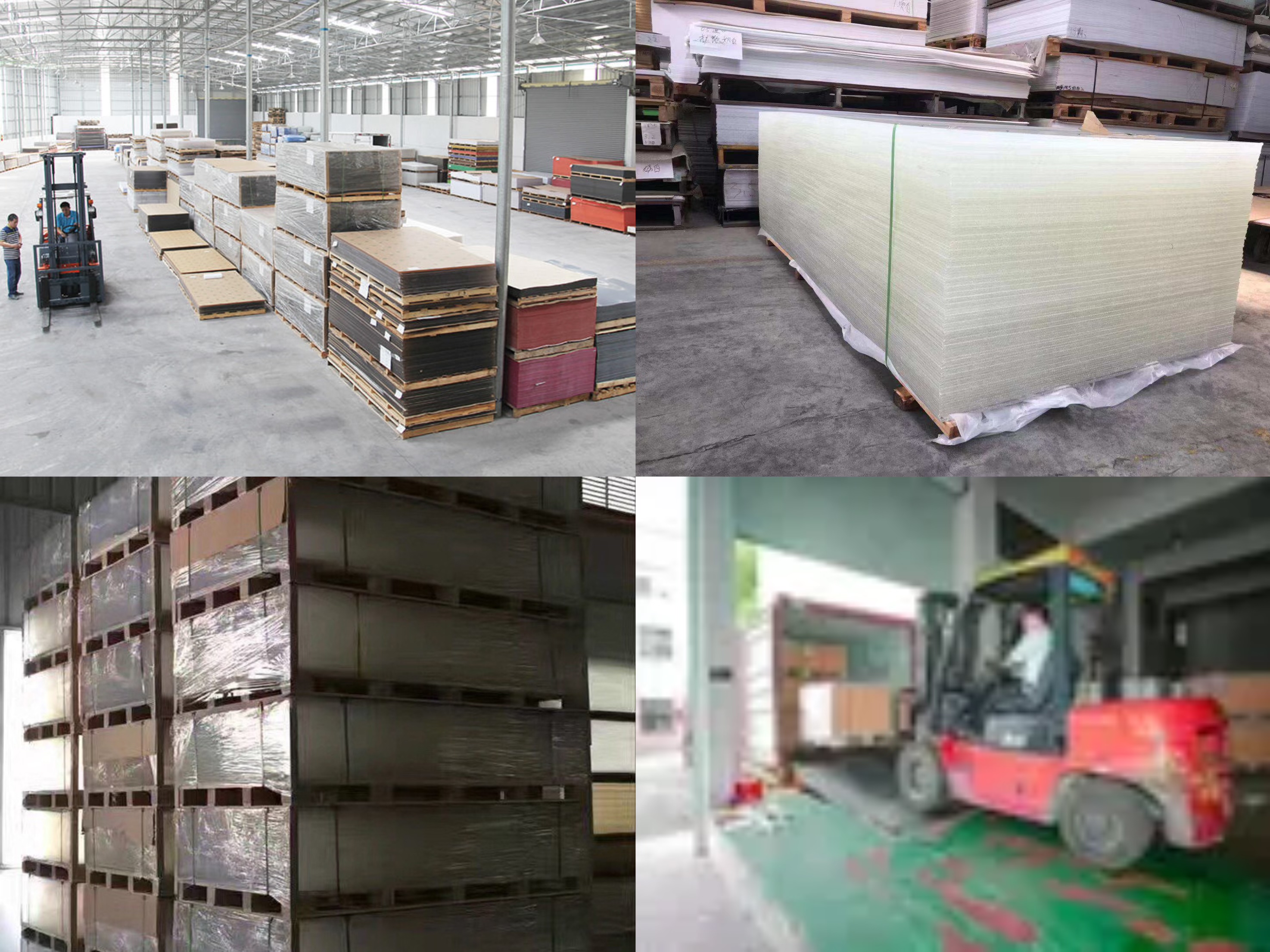
Large clear GPPS sheets should be protected during storage and international transportation to reduce scratching, contamination, edge damage and movement during shipment.
![4x8 GPPS polystyrene sheet packing and export shipment]()
Export Packing for GPPS Polystyrene Sheet
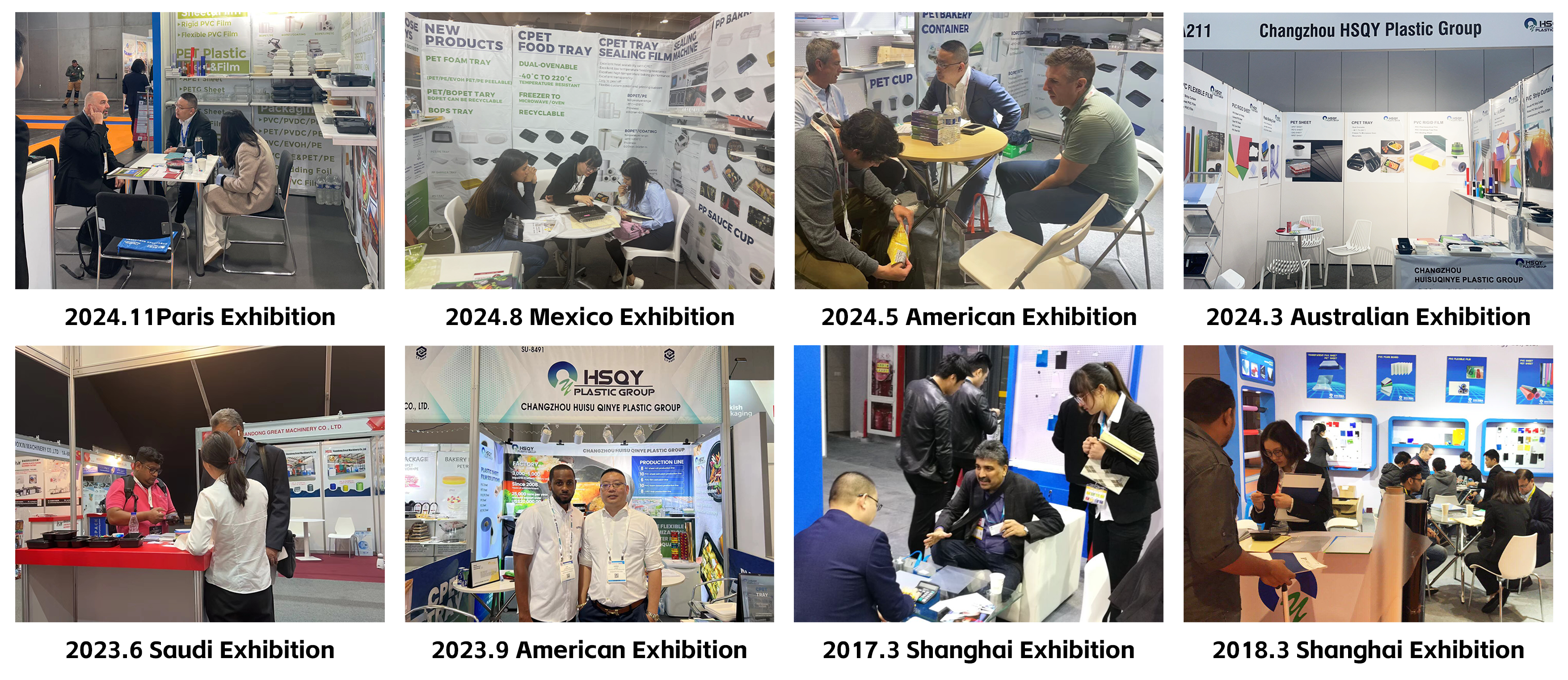
HSQY Plastic Group Exhibitions
HSQY Plastic Group meets international distributors, plastic-sheet converters, thermoformers, display manufacturers and industrial buyers at international trade exhibitions.
![HSQY Plastic Group international exhibitions]()
HSQY Plastic Group International Exhibition Activities
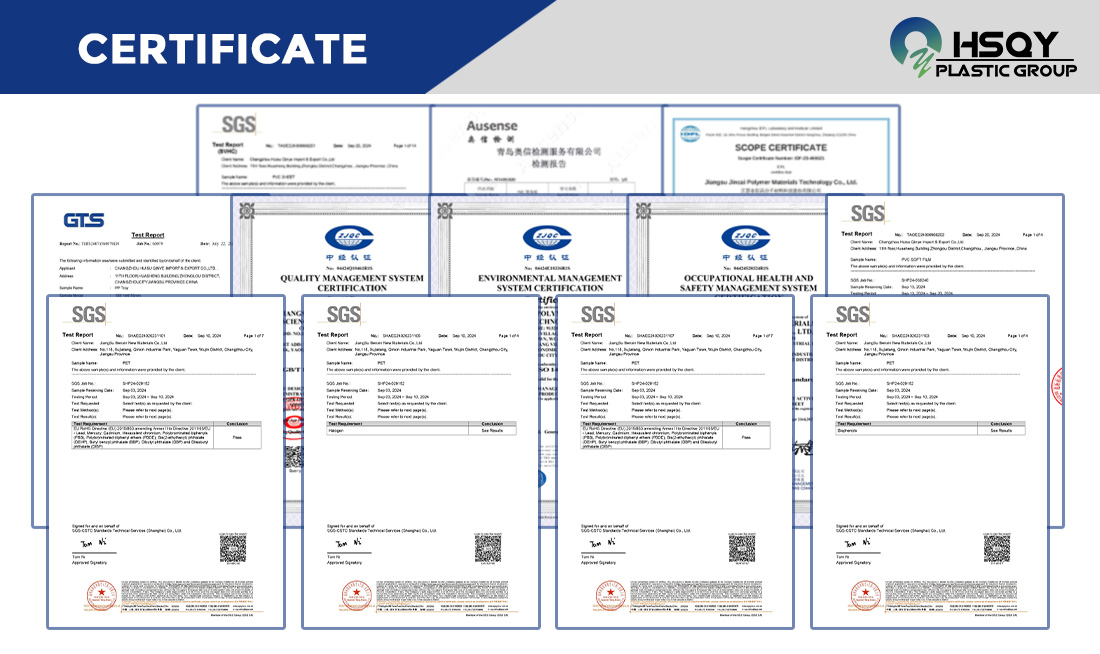
Certificates & Documentation
Available certificates and technical documentation should be confirmed for the exact GPPS grade, thickness and intended application before order approval.
About HSQY Plastic Group
HSQY Plastic Group supplies GPPS, HIPS and other plastic sheet materials for displays, picture-frame manufacturers, packaging converters, thermoformers, printers and industrial fabricators. Thickness, sheet dimensions, surface requirements and downstream processing requirements can be discussed according to the project.