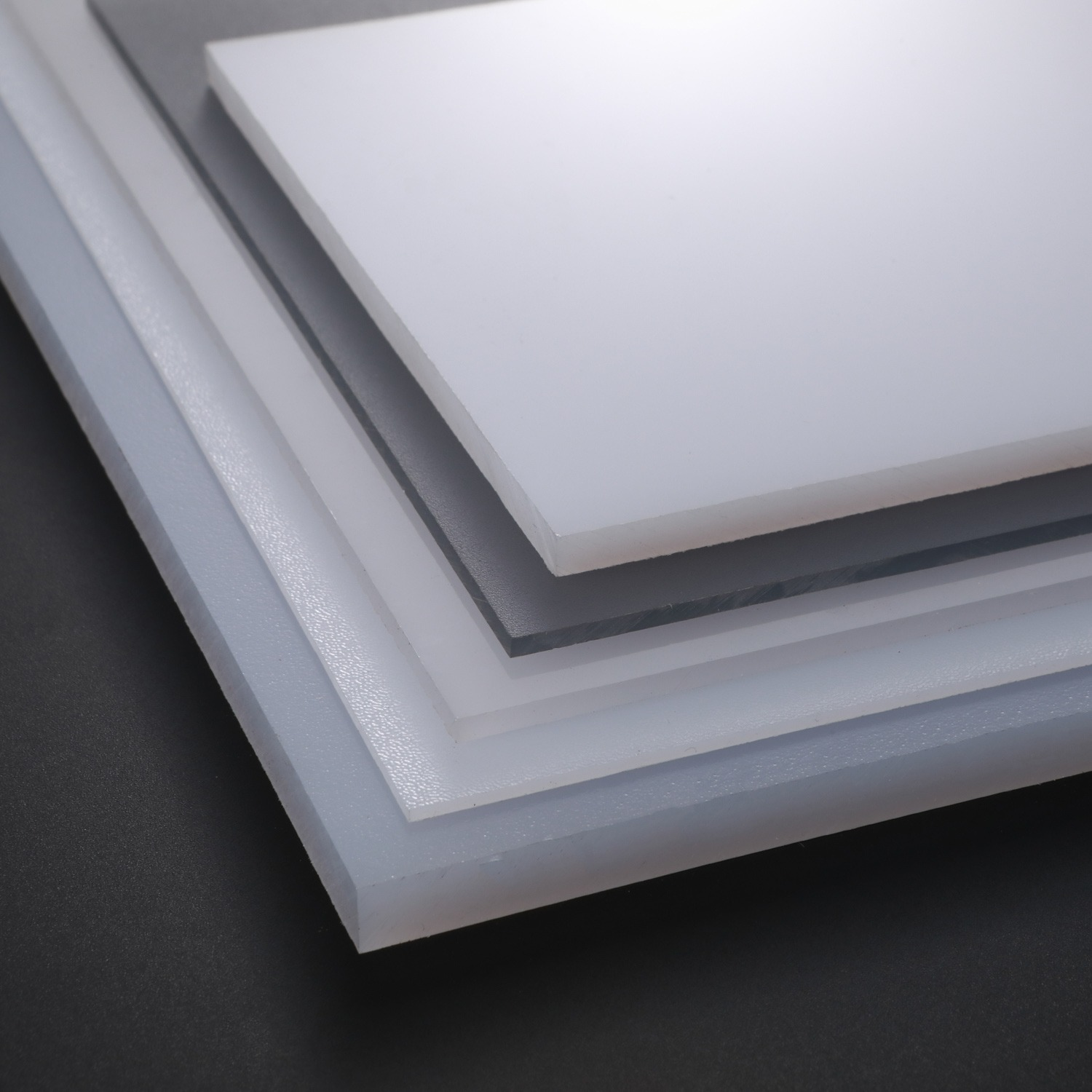
1.5-12mm Polycarbonate LED Diffuser Panel Sheet
HSQY polycarbonate LED diffuser panel is an opal light-diffusing PC sheet designed to spread light from LED sources into a softer and more uniform illuminated surface while reducing visible LED hotspots.
The current product specification provides approximately 82%-88% light transmittance and 90%-94% haze, with thicknesses from 1.5mm to 12mm, widths up to 2100mm, and Matte/Matte or Glossy/Matte surface options.
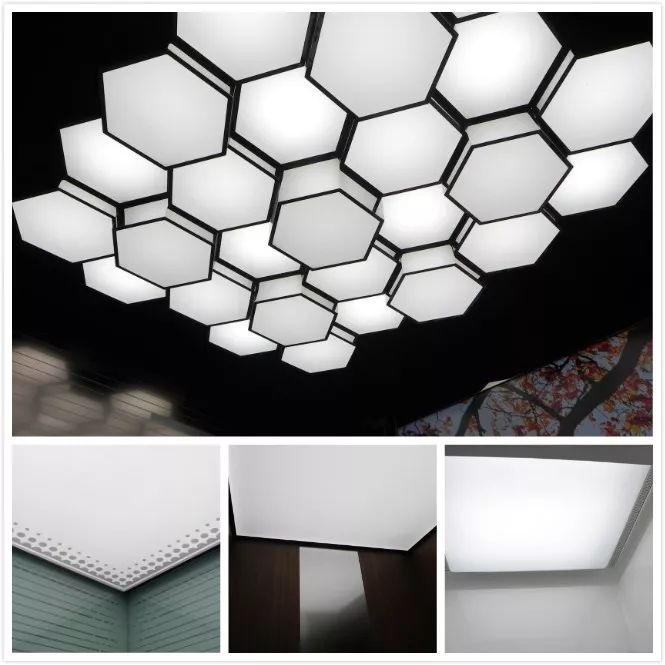
Typical applications include LED panel lights, downlights, ceiling lights, office lighting, advertising light boxes, illuminated signs and other lighting covers that require a balance between useful light transmission and strong diffusion.
![Opal polycarbonate LED light diffuser panel sheet]()
Opal Polycarbonate Diffuser Panel
![Polycarbonate diffusion panel for LED lighting]()
PC Diffusion Panel for LED Lighting
Polycarbonate LED Diffuser Sheet Specifications
| Property |
Specification |
| Product |
Polycarbonate LED Light Diffuser Panel Sheet |
| Material |
Polycarbonate (PC) |
| Color |
Opal, Customized |
| Standard Widths |
1220mm, 1560mm, 1820mm, 2100mm |
| Thickness |
1.5mm, 2mm, 2.5mm, 3mm, 4mm, 5mm, 6mm, 8mm, 10mm, 12mm; customized thicknesses available |
| Surface Treatment |
Matte/Matte, Glossy/Matte |
| Light Transmittance |
Approximately 82%-88% |
| Haze |
Approximately 90%-94% |
| Main Function |
Light diffusion, LED hotspot reduction and more uniform illumination |
| Typical Applications |
LED Panel Lights, Downlights, Ceiling Lights, Light Boxes, Illuminated Signs and Lighting Covers |
Optical Specification Note: The published 82%-88% transmission and 90%-94% haze are product-range values. Exact optical performance should be confirmed for the selected thickness, color, surface finish and diffuser grade.
What Is a Polycarbonate LED Light Diffuser?
A polycarbonate light diffuser is a translucent optical panel designed to scatter and redistribute light passing through the sheet rather than allowing concentrated light sources to remain sharply visible.
In an LED fixture, individual LEDs behave as small point light sources. Without sufficient diffusion, these sources may remain visible as bright dots, lines or hotspots through the lighting cover.
A diffuser panel helps mix the light before it exits the fixture. The objective is not maximum transparency, but an appropriate balance between transmitted light and scattering performance.
82%-88% Light Transmittance
Light transmittance describes how much incident visible light passes through the diffuser panel. The current HSQY specification lists approximately 82%-88% transmission.
Higher transmission can help maintain luminaire output, but transmission alone does not determine whether individual LEDs remain visible. The diffuser also needs sufficient scattering performance for the fixture geometry.
90%-94% Haze for LED Hotspot Reduction
Haze describes the degree to which transmitted light is scattered as it passes through the material. The current HSQY specification lists approximately 90%-94% haze.
A high-haze diffuser can help obscure individual LED points and create a more visually uniform luminous surface. However, haze should always be evaluated together with transmission, LED spacing, beam angle and diffuser-to-LED distance.
Light Transmission vs. Haze
| Optical Parameter |
What It Describes |
Why It Matters |
| Light Transmission |
Amount of visible light passing through the sheet |
Affects usable fixture brightness and optical efficiency |
| Haze |
Degree of light scattering through the panel |
Helps reduce visible LED points and improve illuminated uniformity |
| LED Hiding |
How effectively the final assembly obscures individual LEDs |
Depends on diffuser properties together with the complete fixture geometry |
LED Spacing & Diffuser-to-LED Distance
The diffuser sheet is only one part of the optical system. LED pitch and the distance between the LED board and diffuser strongly influence whether hotspots remain visible.
A larger optical mixing distance generally gives light from neighboring LEDs more space to overlap before reaching the diffuser. A shallow fixture may require stronger diffusion or closer LED spacing to achieve a uniform appearance.
For new lighting projects, HSQY recommends evaluating samples using the actual LED board, LED pitch, power setting, reflector and diffuser distance rather than selecting the material from transmission or haze alone.
Matte/Matte & Glossy/Matte Surfaces
The current product specification lists Matte/Matte and Glossy/Matte surface configurations.
Surface finish can influence visual appearance when the light is on or off and may also contribute to scattering behavior. Buyers should specify which side faces the LED source and which side remains visible in the final lighting product where surface orientation is important.
1.5-12mm Thickness Options
Available published thicknesses include 1.5mm, 2mm, 2.5mm, 3mm, 4mm, 5mm, 6mm, 8mm, 10mm and 12mm, with customized thicknesses also listed.
Thickness selection should consider more than optical appearance. Larger lighting covers may require additional rigidity, while shaped or fabricated components may require a thickness appropriate for forming, fastening and final fixture design.
Widths up to 2100mm
The current standard width options are 1220mm, 1560mm, 1820mm and 2100mm.
Wide-sheet formats can support larger panel lights, illuminated signs, ceiling-light covers and light-box applications while reducing the need to join multiple smaller pieces.
Polycarbonate Diffuser for LED Panel Lights
LED panel lights require a broad luminous surface with limited visible point-source structure. An opal PC diffuser can scatter the light from the LED array and help create a more uniform visual appearance across the panel.
The appropriate diffuser specification depends on whether the panel is edge-lit or direct-backlit, LED pitch, optical distance, reflector design and target brightness.
Polycarbonate Diffuser for Downlights & Ceiling Lights
PC diffuser panels can be used as lighting covers for downlights, ceiling lights, office lamps and kitchen lighting where concentrated LED output needs to be visually softened.
For curved or shaped lighting covers, buyers should confirm forming requirements and evaluate optical appearance after fabrication because geometry and local material thickness can influence light distribution.
Polycarbonate Diffuser for Light Boxes & Signage
Opal polycarbonate diffuser panels can help distribute backlighting across advertising light boxes, illuminated signs, menu boards and display applications.
Signage buyers should evaluate light-box depth, LED spacing, required brightness, graphic opacity and whether the diffuser is used as the visible face or as an internal optical layer.
Polycarbonate Diffuser Sheet Applications
- LED and fluorescent lighting: Panel lights, ceiling lights, downlights and other luminaire covers.
- Advertising light boxes: Diffusion layers for illuminated graphics and backlit advertising.
- Illuminated signage: Sign faces and internal diffuser panels where more uniform backlighting is required.
- Display lighting: Backlit displays and illuminated visual systems.
- Architectural lighting: Lighting covers and ceiling-light applications requiring diffused illumination.
![Polycarbonate diffuser sheet lighting application]()
LED Lighting Diffuser Application
![Polycarbonate light diffuser panel application]()
PC Light Diffuser Panel Application
Polycarbonate Diffuser Panel vs. Clear Polycarbonate Sheet
| Feature |
LED Diffuser Panel |
Clear Polycarbonate Sheet |
| Main Purpose |
Scatter and redistribute light |
Provide direct visibility and high transparency |
| Appearance |
Opal / translucent |
Transparent |
| LED Visibility |
Designed to reduce visible LED dots and hotspots |
Individual LED sources remain more visible |
| Typical Use |
Lighting lenses, diffuser covers, panel lights and light boxes |
Glazing, guards, covers and transparent protection |
Because this product is specified as opal with high haze, it should be selected as a light-diffusing panel rather than as a conventional clear transparent PC sheet.
Polycarbonate Diffuser Panel vs. Optical Grade PC Film
This product page focuses on rigid or semi-rigid diffuser panels from 1.5mm to 12mm. Thin optical applications may require a different product structure.
For thinner optical applications, HSQY also supplies Optical Grade Polycarbonate Film, with the existing HSQY product information listing thicknesses from approximately 0.05mm to 2mm.
How to Select the Right LED Diffuser Panel
| Selection Parameter |
What to Consider |
| Thickness |
Required rigidity, fixture dimensions, fabrication method and optical performance |
| Light Transmission |
Required finished-luminaire brightness and energy efficiency |
| Haze |
Required light scattering and LED hiding performance |
| LED Pitch |
Center-to-center spacing between individual LED sources |
| Optical Distance |
Distance between LED source and diffuser panel |
| Surface |
Matte/Matte or Glossy/Matte appearance and orientation |
| Color |
Opal or customized appearance according to luminaire design |
| Indoor / Outdoor Use |
State UV and weathering requirements when the panel will be exposed outdoors |
| Fire Requirement |
Provide the required test standard and classification if flame performance is specified |
Important Data to Provide for an OEM Lighting Project
For more accurate material matching, lighting manufacturers should provide as much information as possible about the final optical system.
- Required sheet thickness
- Sheet width, length or finished cut dimensions
- Target light transmission
- Target haze or LED hiding requirement
- LED pitch
- Distance between LED board and diffuser
- LED panel, downlight, ceiling light, light box or signage application
- Matte/Matte or Glossy/Matte surface
- Required opal tone or customized color
- Indoor or outdoor use
- Applicable fire or compliance requirements
- Order quantity and estimated annual demand
- Destination country and port
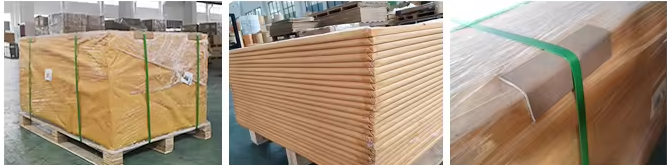
Packaging and Delivery
- Sample Packaging: Sheets in PE bag with kraft paper, packed in cartons.
- Sheet Packaging: 30kg per bag or according to client requirements.
- Pallet Packaging: 500-2000kg per plywood pallet.
- Container Loading: 20 tons, optimized for 20ft/40ft containers.
- Delivery Terms: FOB, CIF, EXW.
- Lead Time: 7-15 days after deposit, depending on order volume.
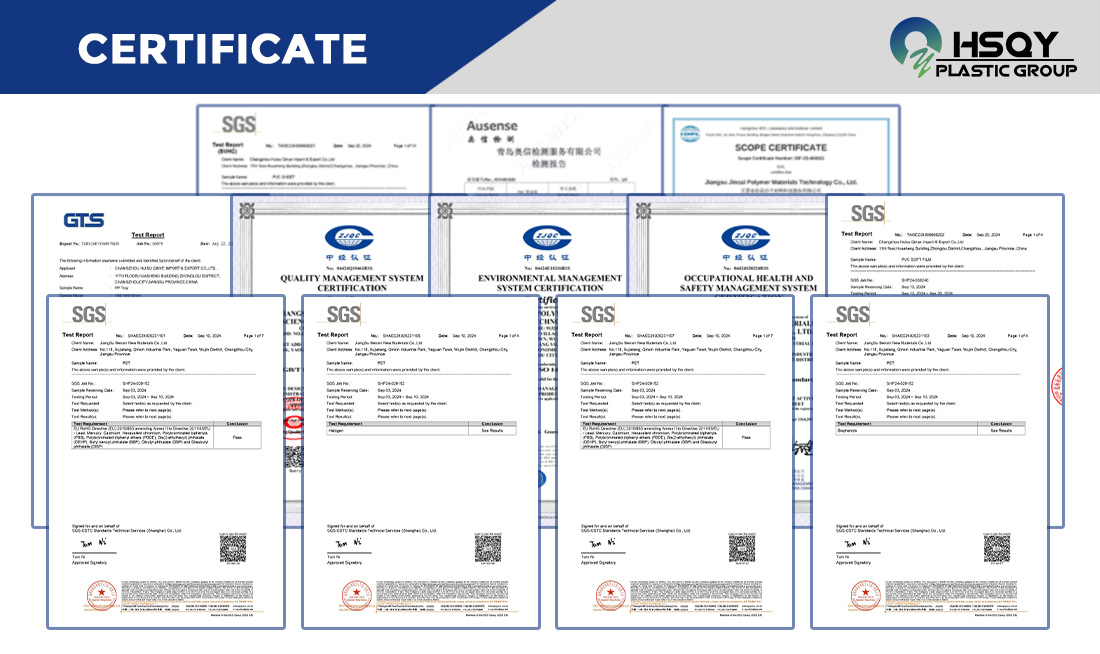
Certification Documents
HSQY displays certification documentation for its polycarbonate products. Buyers requiring a specific certificate, test standard or grade should confirm that the document applies to the exact diffuser sheet specification included in the order.
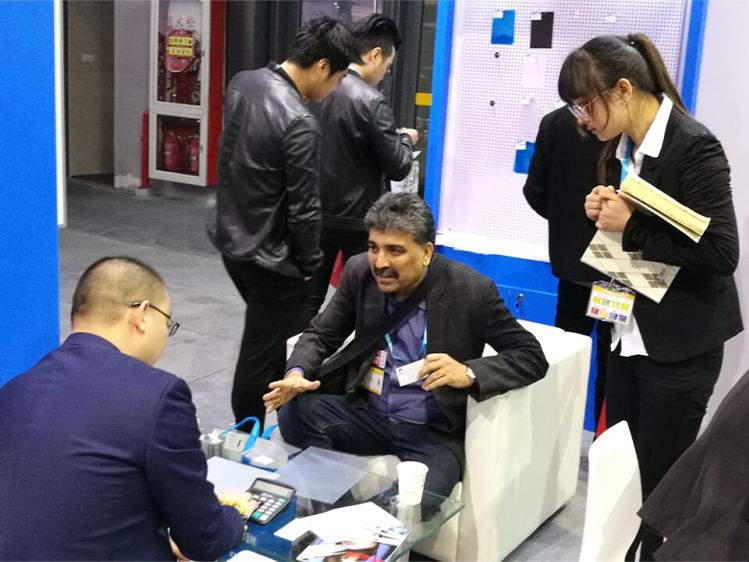
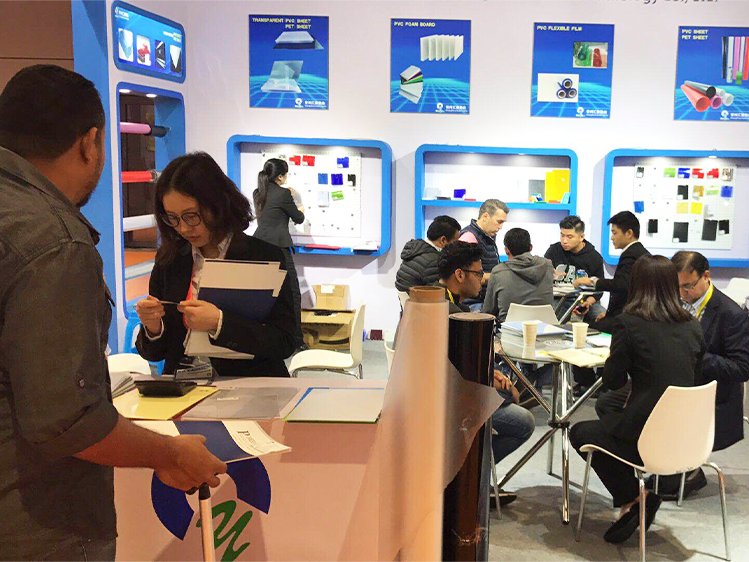
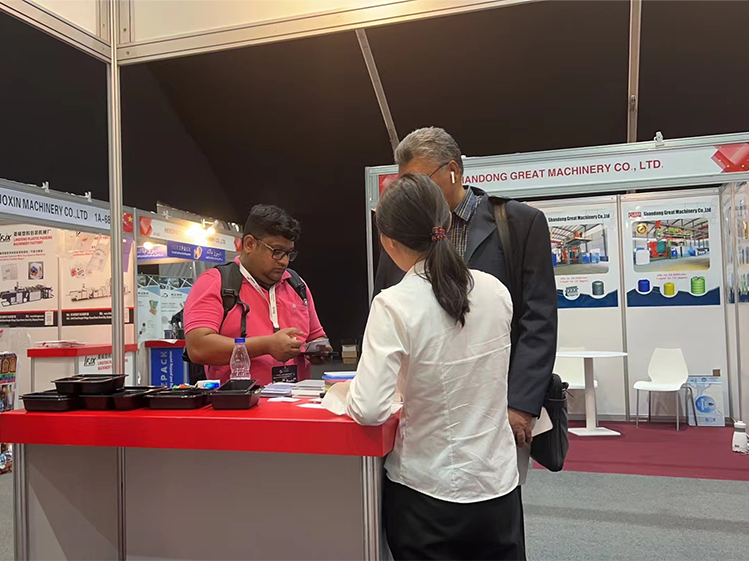
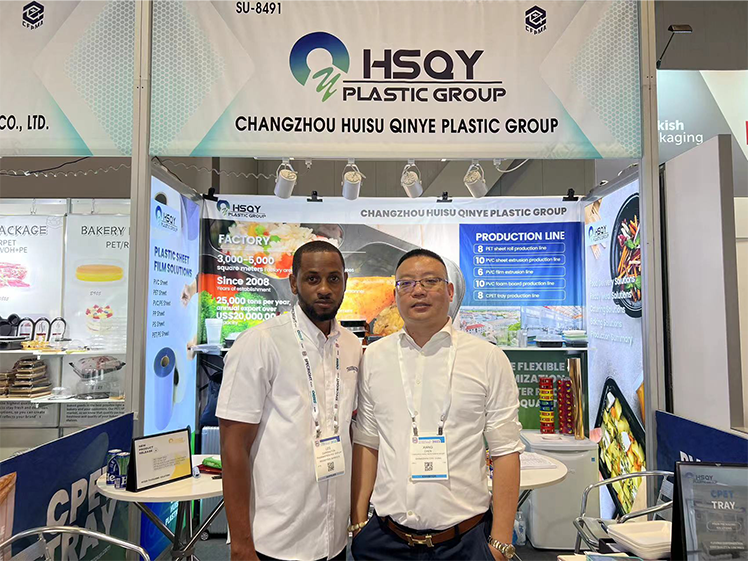
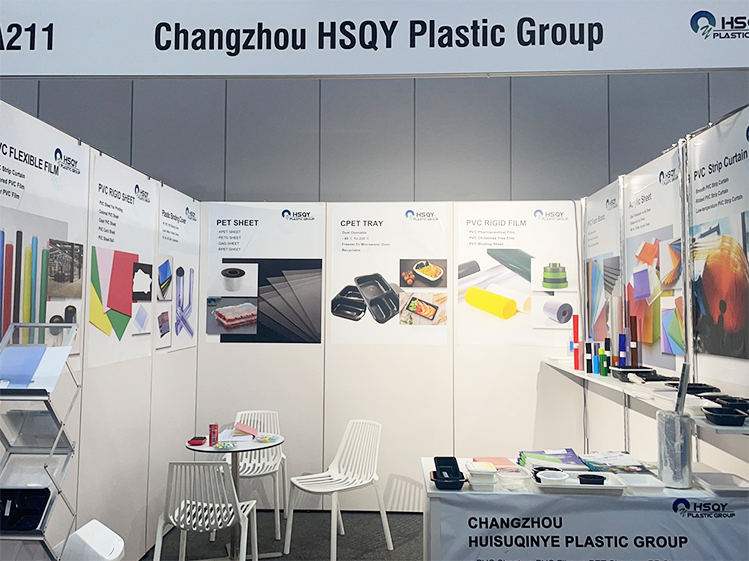
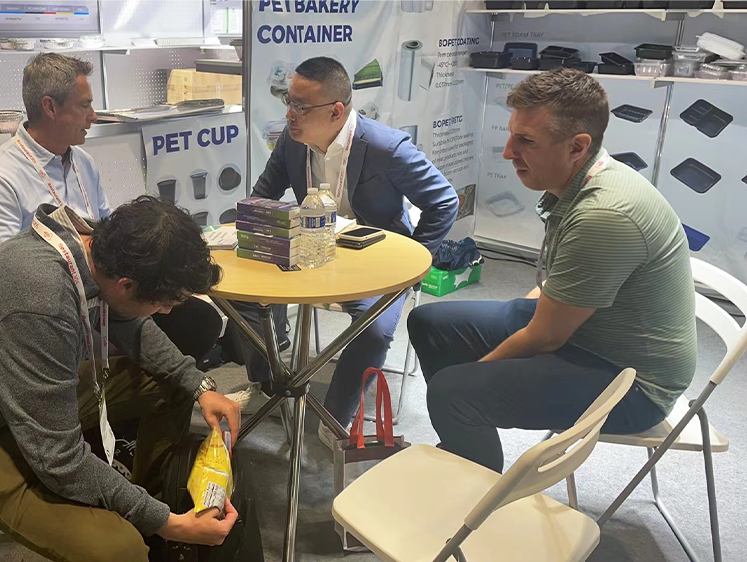
HSQY Global Exhibitions
![HSQY Plastic Group at 2017 Shanghai Exhibition]()
2017 Shanghai Exhibition
![HSQY Plastic Group at 2018 Shanghai Exhibition]()
2018 Shanghai Exhibition
![HSQY Plastic Group at 2023 Saudi Exhibition]()
2023 Saudi Exhibition
![HSQY Plastic Group at 2023 American Exhibition]()
2023 American Exhibition
![HSQY Plastic Group at 2024 Australian Exhibition]()
2024 Australian Exhibition
![HSQY Plastic Group at 2024 American Exhibition]()
2024 American Exhibition
Frequently Asked Questions About Polycarbonate LED Diffuser Panels
What is a polycarbonate LED diffuser sheet?
It is a translucent polycarbonate panel designed to scatter light from LED sources and create a softer, more uniform illuminated surface while reducing visible LED dots and hotspots.
Is this diffuser sheet clear or opal?
The current product specification lists opal and customized colors. With published haze of approximately 90%-94%, this product should be treated as a translucent light-diffusing panel rather than a conventional clear transparent polycarbonate sheet.
What is the light transmission?
The current HSQY specification lists approximately 82%-88% light transmittance. Confirm the exact value for the selected thickness, color, surface and diffuser grade.
What is the haze value?
The current product specification lists approximately 90%-94% haze.
Does 90%-94% haze completely hide LED dots?
Not necessarily. LED hiding also depends on LED spacing, beam angle, LED power, diffuser-to-LED distance, reflector design and panel thickness. Testing in the final fixture is recommended.
Is higher light transmission always better?
No. Higher transmission can increase usable light output but may also make LED sources more visible if diffusion is insufficient. Lighting designs need a balance between transmission and diffusion.
Is higher haze always better?
No. Stronger scattering can improve LED hiding, but the complete luminaire still needs sufficient transmitted light. The optimum value depends on the fixture design.
What thicknesses are available?
The current product specification lists 1.5mm, 2mm, 2.5mm, 3mm, 4mm, 5mm, 6mm, 8mm, 10mm and 12mm, with customized thicknesses also available.
What sheet widths are available?
Published standard widths are 1220mm, 1560mm, 1820mm and 2100mm.
What surface finishes are available?
The current specification lists Matte/Matte and Glossy/Matte surfaces.
Can the diffuser sheet be used for LED panel lights?
Yes. LED panel lights are one of the primary applications for this product. The final grade should be selected according to LED arrangement, optical distance and required fixture brightness.
Can it be used for downlights and ceiling lights?
Yes. The original HSQY product information lists downlights, panel lights, office lighting and ceiling-light applications.
Can it be used for advertising light boxes?
Yes. Advertising light boxes and illuminated signs are listed applications. Buyers should match diffuser properties to LED spacing, box depth and required brightness.
Can the sheet be customized?
The current product information lists customized colors and thicknesses. Buyers should provide required dimensions, optical targets, surface finish, quantity and application for confirmation.
How should I choose between Matte/Matte and Glossy/Matte?
Selection depends on the required visual appearance, surface orientation and optical performance in the final luminaire. Testing both surfaces in the actual fixture is recommended where appearance is critical.
Why does LED spacing matter?
Wider LED spacing can make individual light sources harder to hide. LED pitch should therefore be evaluated together with diffuser haze and the distance between the LED board and diffuser.
Should I test samples in the actual LED fixture?
Yes. Final hotspot visibility and brightness uniformity depend on the complete lighting system, so testing the diffuser with the actual LED board, spacing, power, reflector and optical distance is recommended.
Is this page suitable for thin 0.5mm or 1mm diffuser projects?
This product specification primarily covers 1.5-12mm diffuser panels. HSQY has separate thin diffuser products for projects focused on 0.5mm and 1mm gauges.
Can the diffuser be used outdoors?
The original page lists some outdoor lighting and billboard applications, but it does not define a specific UV-stabilized grade or weathering result. Outdoor projects should state the required UV and weathering performance for confirmation.
What flame rating does the sheet have?
A specific flame rating for this exact diffuser grade is not published in the supplied product information. If UL94 or another fire classification is required, provide the required standard, classification and thickness for confirmation.
What is the listed lead time?
The current product information lists 7-15 days after deposit depending on order volume. Final timing should be confirmed against the required specification and order quantity.
What information should I provide for a quotation?
Provide the required thickness, width and length, color, surface finish, target light transmission, target haze, LED pitch, diffuser-to-LED distance, fixture type, quantity and destination. Include fire or outdoor requirements where applicable.