High-Barrier PET/EVOH/PE Lidding Film for MAP Food Trays
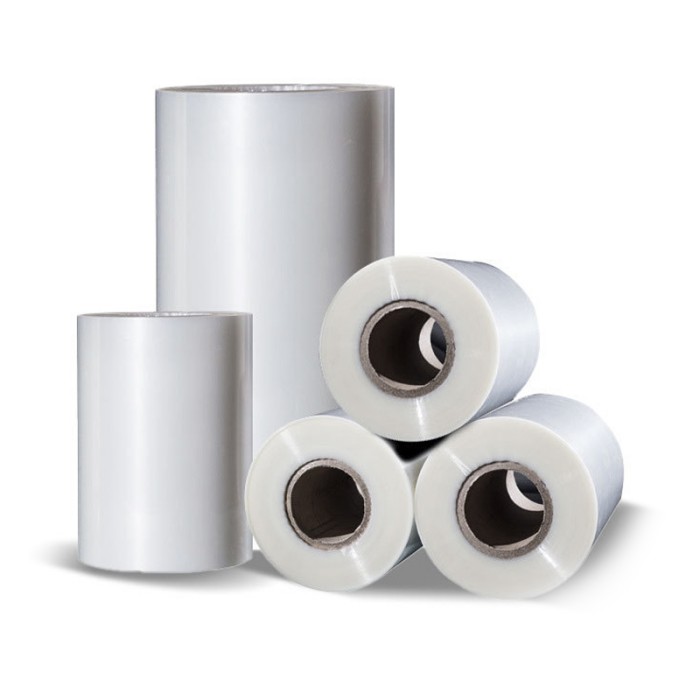
HSQY high-barrier PET/EVOH/PE lidding film is a multilayer tray-sealing film designed for modified atmosphere packaging and other chilled-food applications that require reduced oxygen transmission, strong lock-seal performance and stable operation on compatible tray-sealing equipment.
The PET or BOPET outer layer provides clarity, stiffness, mechanical strength, dimensional stability and a printable surface. EVOH provides the principal oxygen and aroma barrier, while the PE-based inner structure provides heat sealing to compatible PET/PE trays, PET/EVOH/PE trays and other packaging trays with a suitable PE sealing surface.
The standard product on this page is a high-barrier lock-seal film rather than an easy-peel grade. HSQY currently supplies nominal thicknesses from 0.052mm to 0.09mm, roll widths from 150mm to 900mm and standard roll lengths of approximately 500m, with customized roll conversion available.
Final OTR, WVTR, seal strength, gas retention and shelf-life performance should be confirmed using the approved film structure, actual tray, packed food, MAP gas mixture, storage conditions and commercial tray-sealing equipment.
Request High-Barrier Film Quote & Samples
High-Barrier PET/EVOH/PE Lidding Film

High-Barrier Lock-Seal Lidding Film for MAP Food Packaging
What Is PET/EVOH/PE High-Barrier Lidding Film?
PET/EVOH/PE high-barrier lidding film is a flexible rollstock film used to close preformed food trays by applying controlled heat, pressure and dwell time on a tray-sealing machine.
Unlike standard PET/PE lidding film, the high-barrier structure contains EVOH, which significantly reduces oxygen and aroma transmission when correctly protected inside the multilayer structure.
This makes the film suitable for high-barrier tray systems used in MAP packaging of meat, poultry, seafood, cheese, chilled ready meals, processed foods and other oxygen-sensitive products.
The lidding film alone does not determine package performance. A high-barrier package requires the tray, lid, sealing surface, gas mixture and sealing process to work as one validated system.
Why Use EVOH in High-Barrier Lidding Film?
Low Oxygen Transmission: EVOH is primarily used to reduce oxygen permeation through the package and support high-barrier food packaging requirements.
Aroma Protection: The barrier layer can help reduce aroma loss and transfer of external odors through the film.
MAP Gas Retention: A properly designed high-barrier lid can help maintain the selected modified atmosphere when the tray and seal also provide adequate barrier and package integrity.
Protection Against Oxidation: Reduced oxygen exposure may help control oxidation-related changes such as discoloration, aroma loss and rancidity in suitable foods.
Transparent High-Barrier Packaging: EVOH enables high oxygen-barrier performance while retaining a transparent package structure.
Custom Barrier Levels: EVOH grade, thickness, layer ratio and surrounding polymers can be adjusted according to the required barrier specification.
How the PET/EVOH/PE Multilayer Structure Works
| Layer |
Main Function |
Buyer Should Confirm |
| PET / BOPET Outer Layer |
Clarity, stiffness, tensile strength, dimensional stability and printability |
Gauge, haze, gloss, surface treatment and printing requirements |
| Printing Layer |
Branding, product information, barcodes and traceability |
Print side, number of colors, eye mark, repeat length and ink requirements |
| Laminating Adhesive |
Bonds outer PET to the functional multilayer structure |
Bond strength, curing and applicable migration requirements |
| Tie Layers |
Bond EVOH to adjacent polyolefin layers |
Complete actual layer structure and delamination resistance |
| EVOH Barrier Layer |
Principal oxygen, gas and aroma barrier |
EVOH grade, thickness, OTR requirement, temperature and humidity |
| PE-Based Sealant Layer |
Heat sealing to a compatible PE-based tray flange |
Tray surface, sealing window, seal strength and contamination tolerance |
PET/EVOH/PE High-Barrier Lidding Film Specifications
The following specifications retain the current HSQY commercial information. Final guaranteed barrier, sealing and roll-performance values should be included in the approved technical data sheet and purchase specification.
| Property |
Current / Available Option |
Technical Note |
| Product Type |
High-Barrier Lock-Seal Tray Lidding Film |
Rollstock for compatible tray-sealing and MAP equipment |
| Nominal Structure |
PET or BOPET / EVOH / PE-Based Multilayer Structure |
Confirm the complete laminate or coextrusion-lamination structure |
| Primary Tray Application |
PET/PE and PET/EVOH/PE Trays with Compatible PE Seal Surface |
Provide tray grade, structure, drawing or physical sample |
| Thickness |
0.052–0.09mm, Custom |
Approximately 52–90μm; confirm nominal gauge and tolerance |
| Roll Width |
150–900mm, Custom |
Current common widths include 180mm, 320mm, 400mm and 640mm |
| Roll Length |
500m, Customizable |
Final length depends on gauge, core, roll weight and outer-diameter limit |
| Appearance |
Clear or Custom Printed |
Confirm haze, gloss, transparent windows and print coverage |
| Seal Type |
Lock Seal / Weld Seal |
Standard grade is not easy peel |
| Oxygen Barrier |
High-Barrier Grade |
Specify target OTR and complete test conditions |
| Moisture Barrier |
Structure Dependent |
Specify target WVTR separately; EVOH is principally an oxygen barrier |
| Anti-Fog |
No for Current Standard Grade |
Separate anti-fog development can be evaluated |
| Easy Peel |
No for Current Standard Grade |
Requires a different peelable sealant formulation |
| Microwave / Oven Use |
No for Current Standard Grade |
Use a separately qualified thermal lidding film |
| Freezer Use |
No for Current Standard Grade |
Low-temperature grade requires separate validation |
| Reference Density |
Approximately 1.36g/cm³ for Current Listed Product |
Actual finished density depends on structure and layer ratio |
| Printing |
Flexographic or Gravure Printing by Project |
Confirm artwork, colors, repeat and eye mark |
| MOQ |
1000kg |
Trial quantity depends on specification, width and printing |
| Payment |
30% Deposit, 70% Balance Before Shipment |
Confirm in final quotation |
| Delivery Terms |
FOB, CIF, EXW |
Other terms may be discussed |
| Reference Lead Time |
10–15 Days After Deposit and Specification Approval |
Special barrier or printed grades may require additional time |
EVOH Barrier Performance and Humidity
EVOH provides strong oxygen-barrier performance, but it is sensitive to moisture. As relative humidity increases, EVOH's oxygen-barrier performance can decrease.
For this reason, EVOH is normally located inside the multilayer structure and protected by moisture-resistant polymer layers rather than being used as an exposed food-contact or outer surface.
OTR values should therefore always state the test temperature, relative humidity, film thickness, units and test method. An OTR value measured under dry laboratory conditions should not automatically be treated as the guaranteed performance of a humid chilled-food package.
OTR and WVTR for High-Barrier Lidding Film
| Metric |
What It Measures |
What Buyers Should Specify |
| OTR |
Oxygen transmission through a defined film area during a defined period |
Maximum OTR, units, test method, temperature and relative humidity |
| WVTR |
Water-vapor transmission through the film |
Maximum WVTR, units, test method, temperature and humidity gradient |
| Whole-Pack Oxygen Ingress |
Oxygen entering through lid, tray, flange, corners and leaks |
Tray structure, package dimensions, seal width and acceptable residual oxygen |
| Gas Retention |
Ability of the complete package to retain the selected MAP atmosphere |
Gas mixture, headspace, storage temperature, target shelf life and test intervals |
OTR values from two suppliers should not be compared unless the units and test conditions are equivalent.
High-Barrier Film vs. Standard PET/PE Lidding Film
| Comparison |
PET/EVOH/PE High-Barrier Film |
Standard PET/PE Film |
| Main Barrier Layer |
EVOH |
No dedicated EVOH barrier layer |
| Oxygen Barrier |
High, depending on structure and test conditions |
Lower than EVOH high-barrier structures |
| MAP Applications |
Designed for applications requiring stronger gas retention |
Suitable where lower barrier is acceptable |
| Typical Products |
Meat, poultry, seafood, cheese and oxygen-sensitive chilled foods |
Shorter-life chilled foods and applications without demanding oxygen-barrier targets |
| Selection Basis |
Target OTR, MAP gas retention and complete package validation |
Sealability, cost, clarity and basic protection requirements |
MAP Packaging System Requirements
High-barrier lidding film should be selected as part of a complete MAP packaging system rather than as an isolated component.
| Component |
Why It Matters |
What to Validate |
| Lidding Film |
Controls oxygen ingress, gas retention and sealing |
OTR, WVTR, seal strength, puncture resistance and roll quality |
| Tray |
A low-barrier tray can reduce the benefit of a high-barrier lid |
Tray structure, formed thickness, flange material and barrier |
| Seal |
Microleaks can defeat even a very high-barrier film |
Temperature, pressure, dwell time, flange contamination and leak testing |
| MAP Gas Mixture |
Gas composition is selected according to the packaged food |
Initial gas mix, headspace and residual-oxygen requirement |
| Cold Chain |
Storage temperature affects food quality, microbiology and barrier behavior |
Filling, transport, retail and final storage temperatures |
High Barrier Does Not Automatically Guarantee Shelf Life
A lower OTR can support a shelf-life target, but lidding film alone cannot guarantee a specific number of shelf-life days.
Actual shelf life also depends on raw-material quality, food microbiology, sanitation, filling temperature, MAP gas composition, tray barrier, headspace, residual oxygen, seal integrity, distribution temperature, preservatives and package leakage.
Shelf-life claims should therefore be supported by product-specific storage trials and appropriate microbiological, sensory, chemical, color and package-integrity testing.
Tray Compatibility for PET/EVOH/PE Lidding Film
The tray-contact sealant layer determines compatibility. The name of the main tray material alone is not sufficient.
| Tray Material |
Compatibility |
Recommended Action |
| PET/PE Tray |
Primary application when the flange has a compatible PE sealing surface |
Confirm actual PE grade and run seal trials |
| PET/EVOH/PE Tray |
Suitable for a complete high-barrier MAP system when the seal surface is compatible PE |
Match tray and lid barrier and test complete package gas retention |
| Plain APET / rPET |
Standard PE sealant may not seal directly to plain PET |
Use a PET-compatible or universal sealant grade after testing |
| CPET Tray |
Current standard grade should not automatically be considered CPET or oven compatible |
Use a dedicated CPET-compatible thermal structure |
| PP / PP-EVOH-PP Tray |
PP sealing surfaces normally require a PP-compatible sealant |
Select EVOH/PP or another PP-compatible lidding grade |
| Aluminum / Coated Paperboard |
Requires substrate-specific heat-sealing chemistry |
Send substrate samples for dedicated seal development |
For related packaging systems, explore HSQY's PET/EVOH/PE trays and PET/PE tray sealing films.
Lock Seal vs. Easy Peel Lidding Film
| Seal Type |
Opening Behavior |
Typical Application |
| Lock Seal / Weld Seal |
Strong permanent closure; film may tear during opening |
MAP meat, poultry, seafood and demanding distribution applications |
| Hard Peel |
Peelable with relatively high opening force |
Applications requiring stronger distribution security with manual opening |
| Easy Peel |
Controlled hand peel with lower opening force |
Consumer convenience foods and easy-opening retail packaging |
The standard product on this page is currently specified as non-easy-peel lock seal. Easy-peel performance requires a separately formulated sealant grade and tray compatibility test.
Applications of High-Barrier PET/EVOH/PE Lidding Film
Fresh Meat MAP Packaging
High-barrier lid film can be used with compatible high-barrier trays in modified atmosphere packaging of beef, pork, lamb and other fresh meat products where oxygen and gas control are part of the validated packaging system.
Poultry Packaging
Poultry packaging can require strong seals, puncture resistance and controlled gas retention, particularly for chilled MAP retail programs.
Fish and Seafood Packaging
Seafood applications may benefit from high-barrier packaging where oxygen exposure, aroma retention, product purge and cold-chain performance must be carefully controlled.
Cheese and Dairy Packaging
High-barrier lidding films can be used for selected cheese and dairy products where gas control, aroma retention and package integrity are important.
Chilled Ready Meals
Selected chilled ready meals and prepared foods may use high-barrier tray systems when oxygen control and gas retention are required. The current standard film on this page is not specified as microwaveable or ovenable.
Processed and Cooked Foods
High-barrier lock-seal film can also be evaluated for deli foods, processed foods and other oxygen-sensitive chilled products when compatible tray and sealing conditions are used.
Discuss Your MAP Packaging Application
Tray-Sealer and MAP-Line Compatibility
High-barrier film must run consistently on the commercial packaging line as well as meet laboratory barrier requirements.
Buyers should provide the tray-sealer brand and model, tooling layout, gas-flush system, operating speed, seal temperature, pressure, dwell time, film width, core inside diameter, maximum roll outer diameter, roll weight, winding direction, eye-mark sensor and seal-side orientation.
Commercial trials should check web tracking, roll unwind, cutting, seal appearance, seal strength, leakage, residual oxygen, gas retention, film wrinkles, flange contamination tolerance and print registration.
Quality-Control Tests Buyers Should Confirm
OTR: Test method, temperature, relative humidity and units.
WVTR: Test method, temperature, humidity gradient and units.
Overall Thickness: Nominal gauge and tolerance.
Layer Structure: Complete PET, adhesive, tie, EVOH and sealant construction.
Lamination Bond Strength: Resistance to delamination during converting, sealing and storage.
Seal Strength: Defined test method and acceptable range on the actual tray.
Seal Window: Suitable commercial range for temperature, pressure and dwell time.
Leak Testing: Vacuum, pressure-decay, bubble or another agreed method.
Residual Oxygen: Initial and storage-period measurements for MAP programs.
Tensile and Puncture Performance: Important for handling and distribution.
Optical Quality: Haze, gloss, gels, scratches and print appearance.
Roll Quality: Edge alignment, telescoping, wrinkles, joints and winding consistency.
Information Needed for an Accurate Quotation
Tray material and complete tray structure
Tray supplier, product code, drawing or physical sample
Tray dimensions, flange width and number of compartments
Food type, fill weight and filling temperature
Required storage temperature and target shelf life
MAP gas mixture and acceptable residual oxygen
Target OTR with test conditions
Target WVTR with test conditions
Lock-seal, hard-peel or easy-peel requirement
Anti-fog requirement if applicable
Tray-sealer brand and model
Seal temperature, pressure and dwell time
Film thickness and width
Roll length, core ID and maximum outer diameter
Roll weight and winding direction
Printing, eye mark and transparent-window requirements
Required food-contact and destination-market documentation
Trial quantity and annual purchasing volume
Destination country and port
Get High-Barrier Lidding Film Price
Custom PET/EVOH/PE Lidding Film Options
Custom 0.052–0.09mm thickness and tolerance
Custom 150–900mm roll width
Custom roll length
Custom core inside diameter
Custom maximum roll outer diameter
Custom winding direction
Application-specific EVOH barrier level
Application-specific PE sealing layer
Lock-seal and separately developed peelable structures
Custom flexographic or gravure printing
Custom eye marks and print repeats
Transparent windows and coding areas
Custom export cartons, labels and pallet markings
Quality and Compliance Documentation
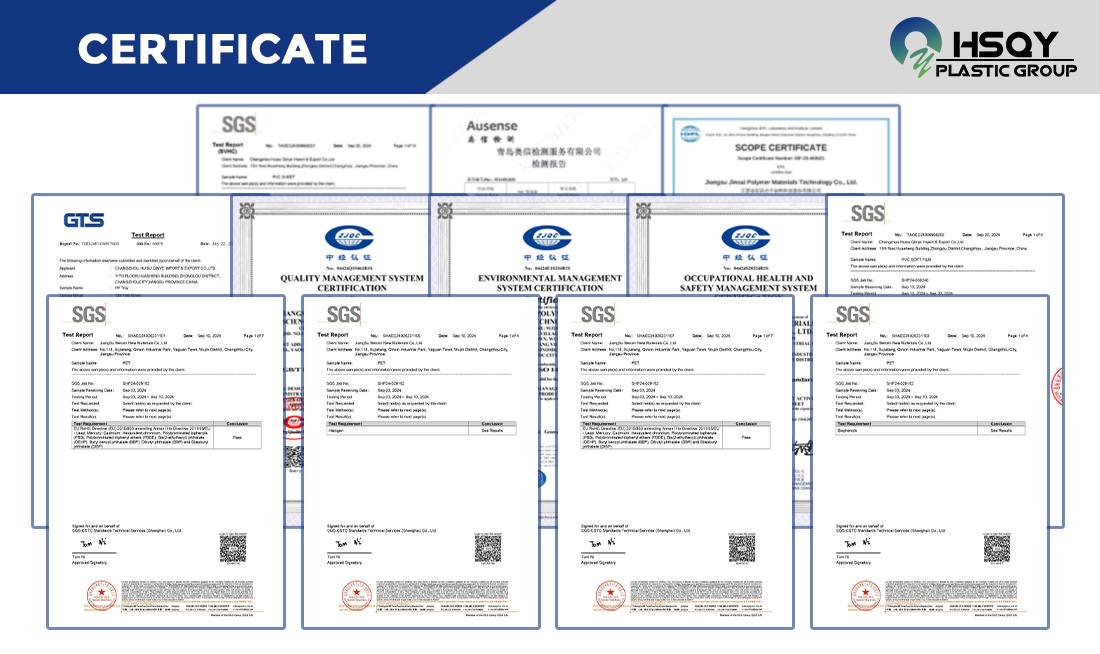
HSQY can provide available quality-management, inspection and product documentation according to the approved film grade and customer requirements.
Professional buyers should request the technical data sheet, applicable certificate of analysis, food-contact documentation, migration or compliance reports, OTR and WVTR test reports, seal-strength method and roll-inspection criteria for the specific film structure being purchased.
ISO 9001 is a quality-management-system certification and should not by itself be presented as product-specific proof of food-contact compliance. Any SGS or food-contact claim should reference the actual report and applicable product structure and conditions of use.
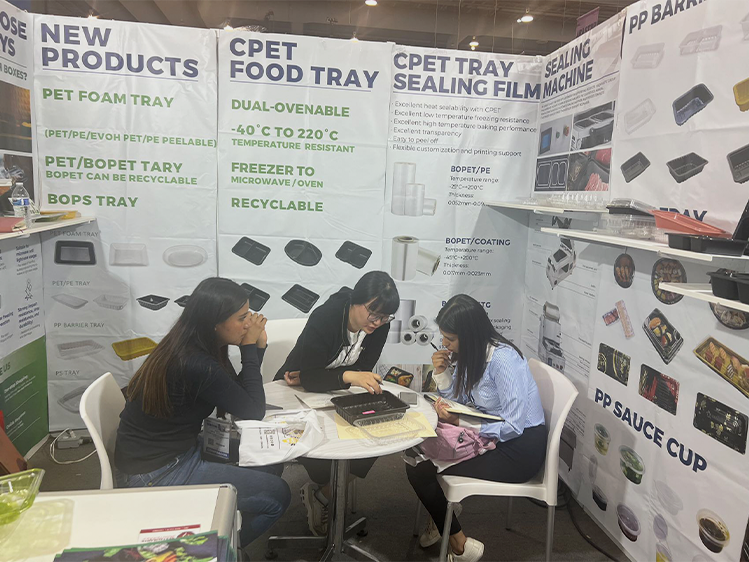
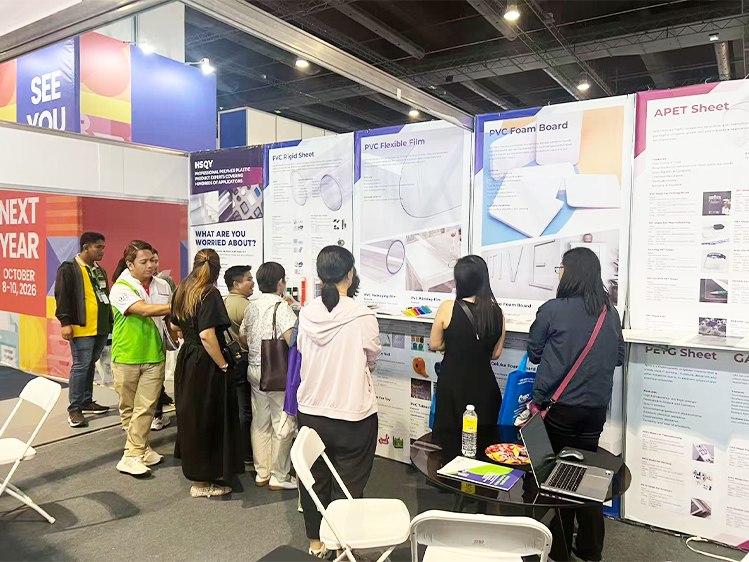
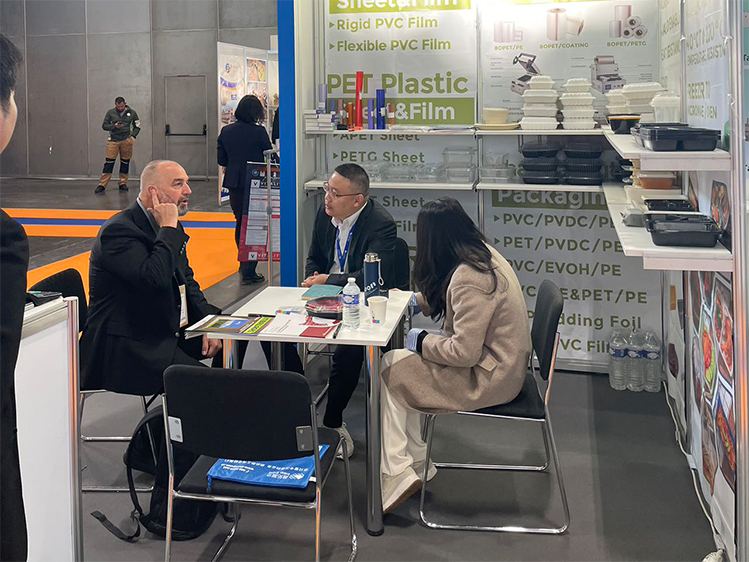
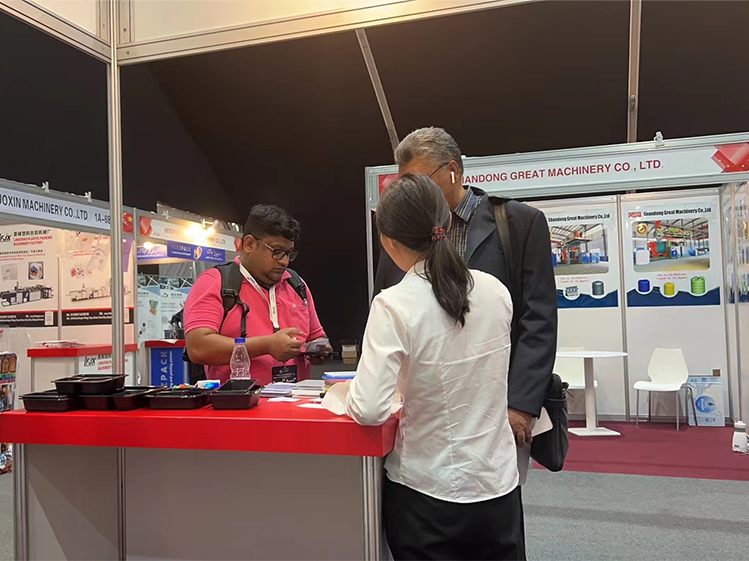
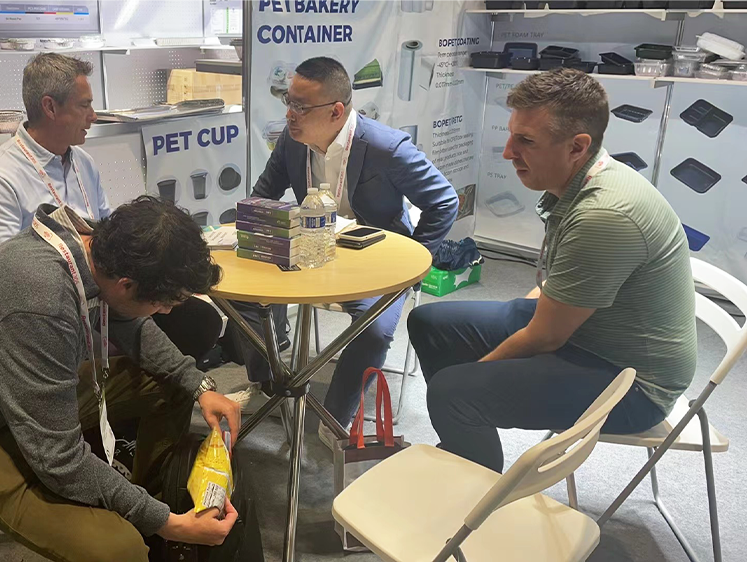
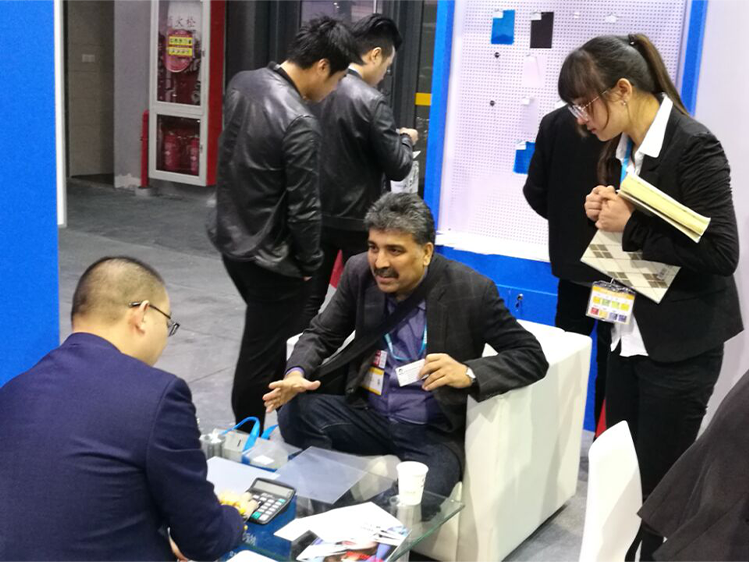
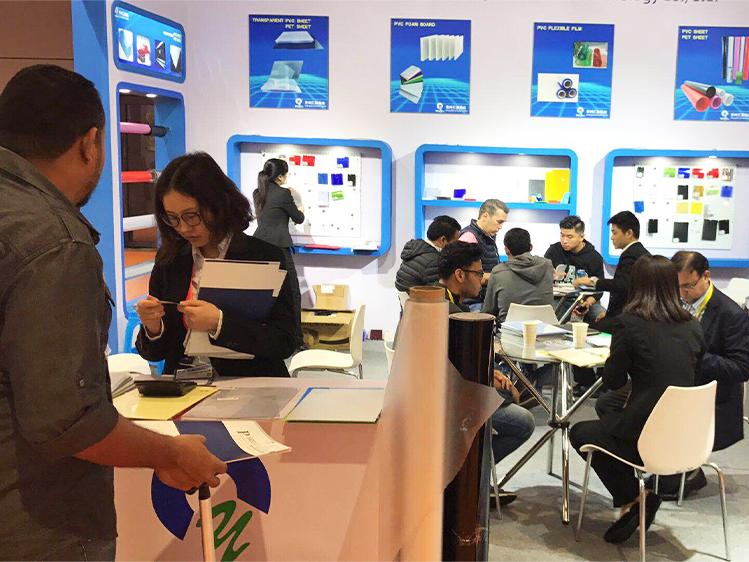
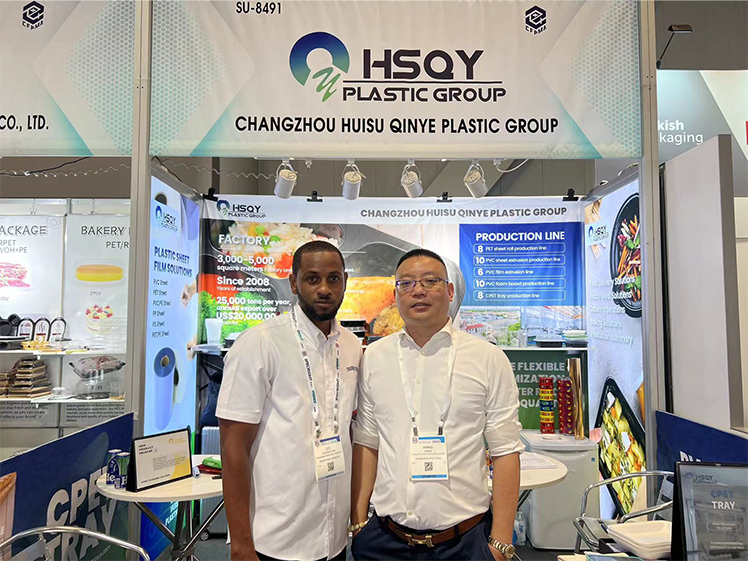
HSQY International Exhibitions
HSQY meets food-packaging manufacturers, food processors, distributors and industry partners through international plastics and packaging exhibitions.

2024 Mexico Exhibition

2025 Philippines Exhibition

2024 Paris Exhibition

2023 Saudi Exhibition

2024 American Exhibition

2017 Shanghai Exhibition

2018 Shanghai Exhibition

2023 American Exhibition
Production and Packing

Lidding Film Production

Protective Roll Packing

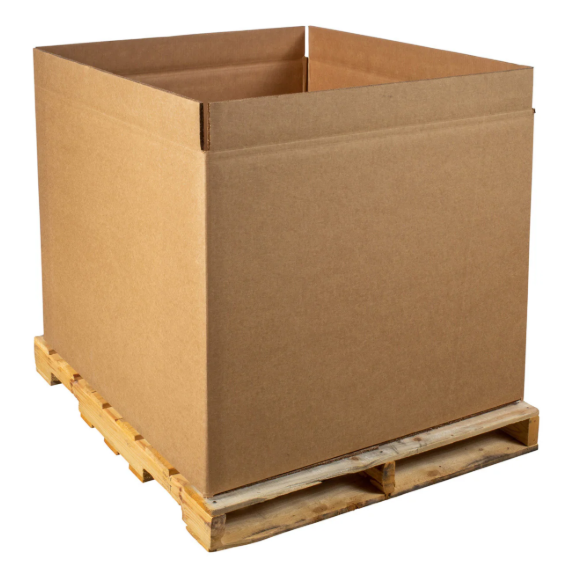
Export Pallet Packing
Packaging and Delivery
Sample Packaging: Trial rolls can be protected in PE bags and cartons against dust, moisture, creasing and edge damage.
Commercial Roll Packaging: Film rolls can be wrapped in protective PE film and packed in cartons or another suitable export format.
Pallet Packing: Current product information lists approximately 500–2000kg per plywood pallet depending on roll dimensions and shipment requirements.
Roll Identification: Labels can identify product grade, structure, thickness, width, length, lot number, seal side, winding direction and production information.
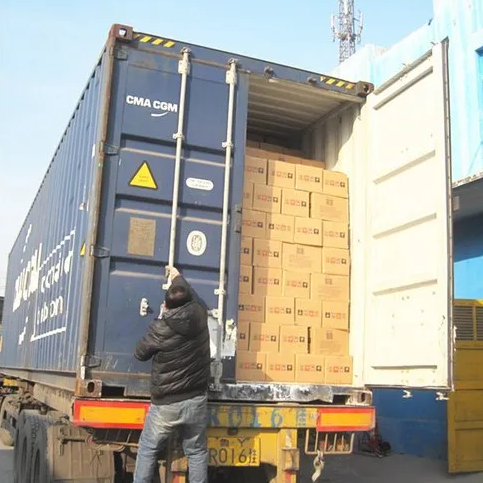
Delivery Terms: FOB, CIF and EXW are current listed options.
Reference Lead Time: Approximately 10–15 days after deposit and final specification approval, subject to structure, printing, quantity and production scheduling.
FAQ About High-Barrier PET/EVOH/PE Lidding Film
What is PET/EVOH/PE high-barrier lidding film?
It is a multilayer tray-sealing film combining PET or BOPET for mechanical performance, EVOH for oxygen barrier and a PE-based sealing layer for compatible PE sealing surfaces.
What does EVOH do in lidding film?
EVOH provides the principal oxygen and aroma barrier. Its performance depends on EVOH grade, layer thickness, temperature, humidity and the surrounding protective polymer layers.
Is EVOH a moisture barrier?
EVOH is primarily used as an oxygen and gas barrier rather than as the main moisture barrier. Moisture-resistant surrounding layers help protect EVOH from humidity.
What is OTR?
OTR means Oxygen Transmission Rate. It measures the amount of oxygen passing through a defined film area during a defined period under specified test conditions.
What OTR should I specify for MAP packaging?
The required OTR depends on the food product, tray barrier, gas mixture, residual oxygen, storage temperature and shelf-life target. Include units, temperature, relative humidity and test method in the specification.
What is the difference between OTR and WVTR?
OTR measures oxygen transmission through the film, while WVTR measures water-vapor transmission. They represent different barrier properties and should be specified separately.
Is this film suitable for MAP food packaging?
It can be used in compatible high-barrier MAP systems after the tray barrier, film OTR and WVTR, gas mixture, seal integrity, residual oxygen and storage conditions have been validated.
Can high-barrier lidding film guarantee a longer shelf life?
No. The film can support a shelf-life target, but actual shelf life also depends on the food, hygiene, gas mixture, tray barrier, seal integrity, residual oxygen, leakage and cold-chain conditions.
Which trays can this film seal?
The standard PE-based sealant is primarily intended for PET/PE trays, PET/EVOH/PE trays and other trays with a compatible PE sealing surface.
Can this film seal plain APET trays?
Not automatically. Plain APET may require a PET-compatible or universal sealing layer. The actual tray should be tested before commercial production.
Can this film seal PP trays?
A standard PE sealant should not automatically be assumed to seal correctly to a mono-PP flange. PP trays normally require a PP-compatible or separately validated universal sealant.
Is this film compatible with CPET trays?
The current standard grade should not automatically be treated as CPET compatible, particularly where microwave or oven heating is required. Use a dedicated CPET lidding structure for thermal applications.
Is the standard grade easy peel?
No. The current standard product is a lock-seal film. Easy-peel packaging requires a separately formulated peelable sealing layer.
Is anti-fog available?
The current standard grade is listed without anti-fog. A separate anti-fog version can be evaluated according to product moisture, storage temperature and condensation requirements.
Is the standard film freezer safe?
No. The current standard grade is not listed for freezer applications. A low-temperature structure should be separately specified and validated.
Is the standard film microwaveable or ovenable?
No. The current standard product is not specified for microwave or conventional-oven use. A dedicated thermal lidding film should be selected for those applications.
Can PET/EVOH/PE lidding film be custom printed?
Yes. Printing can be developed for logos, product information, ingredients, barcodes, QR codes, traceability, coding areas and other approved packaging artwork.
What film thicknesses and widths are available?
The current HSQY specification lists 0.052–0.09mm thickness, 150–900mm roll widths and approximately 500m standard roll length, with custom conversion available.
What is the MOQ?
The current stated MOQ is 1000kg. Trial quantities depend on film structure, roll width, printing requirements and material availability.
Can I request samples for a tray-sealing trial?
Sample and line-trial material can be discussed subject to specification and availability. Provide the actual tray, food application, MAP target, machine information, film dimensions and required seal behavior.
What information is needed for a quotation?
Provide the tray structure, food application, target OTR and WVTR, MAP gas mixture, seal type, film dimensions, roll configuration, tray-sealer information, printing requirements, quantity and destination market.
About HSQY Plastic Group
HSQY Plastic Group supplies high-barrier PET/EVOH/PE lidding films, PET/EVOH/PE food trays, PET/PE trays, PP high-barrier packaging, easy-peel films, lock-seal films and related food packaging materials to international B2B customers.
HSQY can support barrier-structure selection, OTR and WVTR requirements, tray compatibility, MAP packaging, seal development, printing, roll conversion, samples, production-line trials, quality documentation, export packing and international supply.
Send your tray specification, packed food, MAP requirements, barrier target and tray-sealer information to evaluate a suitable high-barrier lidding-film structure.
Contact HSQY for High-Barrier Lidding Film