BOPP/EVOH/PE Lidding Film Video
What Is BOPP/EVOH/PE Lidding Film?
BOPP/EVOH/PE lidding film is a multilayer high-barrier top web used to seal food trays for modified-atmosphere packaging, chilled foods, meat, poultry, seafood, dairy, cheese, and prepared meals. The BOPP outer web provides clarity, stiffness, low density, moisture resistance, and printability. EVOH provides the principal oxygen and aroma barrier. The PE-based inner structure provides toughness and heat sealing to a compatible PE sealing surface.
The standard product on this page is positioned as a permanent lock-seal film. It is intended to create a strong weld-like closure rather than a consumer easy-peel opening. Anti-fog, custom printing, and application-specific barrier levels can be developed separately.
HSQY lists thicknesses from 0.05mm to 0.09mm, roll widths from 150mm to 900mm, clear or printed formats, and a current MOQ of 1000kg. Final barrier and sealing values must be confirmed for the approved film structure, tray, food, MAP gas mixture, and storage conditions.
Important Tray-Compatibility Correction
The current page is located under the PP-tray lidding category and is titled for PP trays, but the listed structure ends with a PE sealing layer. A standard PE sealant does not automatically create a reliable lock seal to an uncoated PP tray flange.
If the product is intended for a PP/EVOH/PP or mono-PP tray, confirm that the actual inner sealant is PP-compatible, a qualified universal sealant, or that the tray flange contains a compatible PE sealing surface. Otherwise, the structure and product name should be corrected to BOPP/EVOH/PP or another accurate PP-sealing construction.
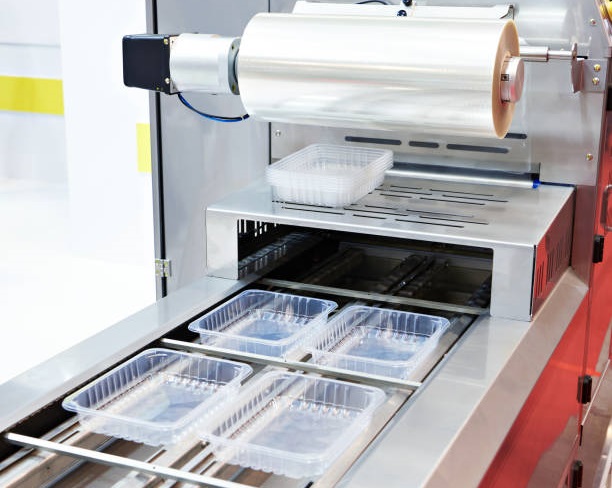
BOPP/EVOH/PE Lidding Film Image
 Clear printable high-barrier lidding film
Why Use EVOH in High-Barrier Lidding Film?
Oxygen barrier: EVOH reduces oxygen transmission and helps protect oxidation-sensitive foods.
Aroma retention: The barrier layer helps retain product aroma and reduce flavor transfer.
MAP gas retention: A properly designed tray-and-lid system can retain the selected CO₂, N₂, and O₂ atmosphere.
Transparent packaging: EVOH allows high-barrier performance without using opaque aluminium foil.
Thin functional layer: A relatively thin EVOH layer can add substantial gas-barrier functionality within a multilayer structure.
Custom barrier levels: EVOH grade, thickness, layer position, and surrounding polymers can be adjusted to the target OTR.
Food-waste reduction: Correctly validated barrier packaging can support product quality and the intended shelf life.
Application versatility: Suitable structures can be developed for meat, poultry, seafood, cheese, dairy, ready meals, and other oxygen-sensitive foods.
Typical BOPP/EVOH/PE Layer Structure
The exact layer design must be confirmed in the technical data sheet. A common conceptual structure may consist of a printed BOPP outer web laminated to a coextruded PE/tie/EVOH/tie/PE sealant web.
| Layer |
Primary Function |
Buyer Consideration |
| BOPP Outer Web |
Provides clarity, gloss, stiffness, printability, dimensional control, and useful moisture resistance. |
Confirm thickness, haze, gloss, shrinkage, corona treatment, print side, and thermal exposure. |
| Printing Layer |
Carries branding, ingredients, product information, barcodes, and traceability. |
Confirm surface or reverse printing, ink chemistry, color count, print repeat, and eye marks. |
| Laminating Adhesive |
Bonds the BOPP web to the high-barrier sealant structure. |
Confirm food-contact suitability, cure, residual solvent, odor, migration, and bond strength. |
| PE Structural Layer |
Provides toughness, flex resistance, moisture protection, and support for the barrier layer. |
Confirm polymer grade, thickness, puncture, COF, and heat-seal interaction. |
| Tie Layer |
Bonds EVOH to adjacent polyolefin layers. |
Confirm complete layer structure rather than listing only BOPP/EVOH/PE. |
| EVOH Barrier Layer |
Provides the principal oxygen, gas, and aroma barrier. |
Specify EVOH grade, layer thickness, OTR conditions, humidity, and target shelf life. |
| PE Sealant Layer |
Creates a lock seal to a compatible PE or PE-coated tray flange. |
Must be tested on the actual tray; plain PP, PET, CPET, or PS may require another sealant. |
BOPP/EVOH/PE Lidding Film Specifications
The following table retains the current commercial information while adding the technical parameters required for high-barrier MAP packaging. Guaranteed performance should be stated in the approved technical data sheet and purchase order.
| Property |
Current or Available Option |
Technical Note |
| Product Type |
High-barrier lock-seal tray lidding film |
Rollstock for compatible tray-sealing equipment |
| Nominal Structure |
BOPP / adhesive / PE-tie-EVOH-tie-PE or project-specific laminate |
Confirm the complete layer structure |
| Thickness |
0.05–0.09mm |
Approximately 50–90μm; confirm nominal gauge and tolerance |
| Roll Width |
150–900mm |
Confirm width tolerance and tray-sealer limits |
| Color |
Clear or custom printed |
Confirm haze, gloss, print coverage, transparent windows, and eye marks |
| Seal Type |
Permanent lock seal |
Hard-peel or easy-peel grades require different sealant formulations |
| Primary Seal Surface |
Compatible PE or PE-coated flange |
Plain PP or PET surfaces require a compatible alternative sealant |
| Oxygen Barrier |
High-barrier grade by project |
Specify OTR, temperature, relative humidity, test method, and units |
| Moisture Barrier |
Provided mainly by the polyolefin and BOPP layers |
Specify WVTR separately from OTR |
| Anti-Fog |
Optional |
Define anti-fog side, storage temperature, humidity, duration, and acceptance method |
| Printing |
Flexographic or gravure printing available |
Confirm ink system, colors, repeat, eye mark, and laminate orientation |
| MAP Use |
Available after package validation |
Confirm tray barrier, gas mixture, residual oxygen, seal integrity, and shelf life |
| MOQ |
1000kg |
Sample and trial quantities depend on structure, width, printing, and stock |
| Roll Configuration |
Custom by project |
Specify length, core ID, outer diameter, roll weight, and winding direction |
Oxygen Barrier and Moisture Barrier Are Different
| Barrier Property |
Primary Purpose |
How to Specify It |
| OTR — Oxygen Transmission Rate |
Measures oxygen passing through the film and is critical for oxidation-sensitive and MAP foods. |
State cc/m²/day, test temperature, relative humidity, oxygen concentration, and test standard. |
| WVTR — Water Vapor Transmission Rate |
Measures moisture-vapor transmission and is relevant to drying, moisture gain, texture, and package stability. |
State g/m²/day, temperature, relative humidity, and test standard. |
| CO₂ Transmission |
Influences retention or release of carbon dioxide in MAP packaging. |
Specify gas mixture, product respiration, target headspace, and shelf-life conditions. |
| Aroma and Flavor Barrier |
Helps retain product aroma and limit flavor or odor transfer. |
Use application-specific migration, sensory, or permeation testing where required. |
EVOH is primarily selected for gas and aroma barrier. The page should not state that EVOH alone automatically provides both high oxygen and high moisture barrier. Moisture protection is supplied by the complete multilayer design and must be demonstrated using WVTR data.
Why OTR Values Need Test Conditions
An OTR number is meaningful only when the test method, temperature, relative humidity, film thickness, sample conditioning, and complete laminate are stated. Supplier comparisons based on an OTR value without conditions can be misleading.
State the complete film structure and total thickness.
State the EVOH grade and approximate barrier-layer thickness where commercially appropriate.
Provide temperature and relative humidity.
Identify the test standard and equipment method.
Clarify whether the result is for the film alone or the complete sealed package.
Re-test after flexing, printing, lamination, storage, and distribution where barrier damage is possible.
Use whole-pack residual-oxygen and gas-retention testing for MAP shelf-life validation.
Tray Material Compatibility
| Tray Material |
Compatibility Guidance |
Recommended Approach |
| PE or PE-Coated Tray |
Primary application for a standard PE lock-seal layer. |
Confirm PE grade, flange geometry, contamination, sealing window, and weld strength. |
| PET/PE or PET/EVOH/PE Tray |
Often compatible when the outside sealing surface is PE. |
Validate complete tray barrier, lidding OTR, seal integrity, and MAP gas retention. |
| PP / PP-EVOH-PP Tray |
A standard PE sealant should not be assumed to seal directly to a plain PP flange. |
Use a PP-compatible sealant, universal coating, or accurately specified BOPP/EVOH/PP structure. |
| APET / rPET / CPET |
Plain PET surfaces normally require PET-compatible coating or sealant chemistry. |
Use a dedicated PET or CPET sealing grade after physical tray testing. |
| PS / HIPS |
Requires a PS-compatible sealing layer. |
Test seal initiation, weld strength, flange stress, and package leakage. |
| Aluminium or Coated Paperboard |
Requires substrate-specific coating or universal sealant. |
Validate the actual lacquer, coating, or board surface. |
Lock Seal vs. Easy Peel
| Seal Type |
Opening Behavior |
Typical Use |
| Lock Seal / Weld Seal |
Creates a strong permanent closure; opening may tear the film or visibly damage the flange. |
Tamper-evident MAP trays, liquids, transport-sensitive foods, and institutional packaging. |
| Hard Peel |
Can be peeled but requires higher opening force. |
Products needing greater distribution security with later manual opening. |
| Easy Peel |
Opens with controlled force and reduced shredding or tray deformation. |
Consumer retail meat, seafood, cheese, dairy, produce, and ready meals. |
This page should focus on permanent lock-seal search intent. Easy-peel EVOH film should be offered as a separate grade or separate product page so that search engines and buyers can distinguish the opening behavior.
BOPP Outer Web vs. BOPET Outer Web
| Property |
BOPP Outer Web |
BOPET Outer Web |
| Density |
Lower-density film can provide useful yield. |
Higher-density polyester structure. |
| Moisture Resistance |
Generally useful moisture-barrier contribution. |
Typically relies more on other laminate layers for WVTR performance. |
| Stiffness and Dead Fold |
Good stiffness with flexible packaging characteristics. |
High dimensional stability and tensile strength. |
| Thermal Stability |
Application temperature and shrinkage limits must be controlled. |
Often selected where greater thermal dimensional stability is required. |
| Printability |
Excellent after suitable corona treatment or primer. |
Excellent after suitable treatment or primer. |
MAP Packaging Requirements
High-barrier film alone does not guarantee the intended shelf life. The complete MAP system includes the food, tray, lidding film, gas mixture, headspace, sealing process, storage temperature, package leakage, product respiration, and distribution conditions.
| MAP Parameter |
Why It Matters |
Information Required |
| Gas Mixture |
CO₂, N₂, and O₂ levels affect microbial growth, color, oxidation, and package pressure. |
Initial gas ratio and acceptable range. |
| Residual Oxygen |
Excess oxygen after sealing can reduce the benefit of high-barrier packaging. |
Target residual O₂ immediately after sealing and during shelf life. |
| Headspace Ratio |
Gas volume relative to product volume affects gas stability and package behavior. |
Tray fill weight, headspace volume, and product type. |
| Tray Barrier |
A high-barrier lid cannot compensate for a low-barrier tray. |
Tray structure, thickness, OTR, and recycled-content conditions. |
| Seal Integrity |
Leaks can dominate gas loss regardless of film OTR. |
Leak-rate method, burst, vacuum, dye, or pressure-decay criteria. |
| Cold Chain |
Temperature controls product respiration, gas solubility, microbial growth, and shelf life. |
Packing, storage, transport, and retail temperatures. |
Anti-Fog and Product Visibility
Optional anti-fog functionality helps maintain visibility by encouraging condensed moisture to spread into a thinner transparent layer rather than forming separate droplets. It does not eliminate water vapor or condensation.
Identify the anti-fog side and seal side.
Define food temperature at packing and cooling.
Specify chilled-storage temperature and humidity.
Define visual acceptance using a rating method or approved photographs.
Test anti-fog throughout the intended shelf life.
Confirm coating durability after winding, printing, lamination, and tray sealing.
Seal Window and Production-Line Validation
A reliable lock-seal film needs a wide commercial sealing window. Temperature, pressure, dwell time, line speed, tray temperature, flange contamination, tooling flatness, and film tension all affect package integrity.
Minimum seal-initiation temperature
Maximum temperature before film or tray distortion
Required pressure and dwell time
Commercial tray-sealer speed
Weld strength after cooling and storage
Performance with oil, water, sauce, powder, meat purge, and food particles
Consistency across every tool cavity, corner, and compartment
Web tracking, cutting, eye-mark registration, and roll-change behavior
Seal Integrity and Barrier Failure Analysis
| Problem |
Possible Cause |
Recommended Check |
| Package Loses MAP Gas |
Channel leak, pinhole, weak corner seal, damaged tray, flex crack, or insufficient barrier. |
Use whole-pack leak testing, residual-gas analysis, and film OTR verification. |
| Film Does Not Seal to PP Tray |
PE sealant is incompatible with the plain PP flange. |
Use a PP-compatible seal layer or confirm the tray has a compatible coating. |
| Seal Is Incomplete |
Low temperature, insufficient dwell or pressure, contamination, or uneven tooling. |
Build a seal-window matrix using clean and contaminated flanges. |
| Film Delaminates |
Insufficient adhesive cure, weak bond, flexing, high humidity exposure, or incompatible layers. |
Test lamination bond before and after conditioning and distribution simulation. |
| Barrier Performance Is Lower Than Expected |
Incorrect test conditions, thin EVOH layer, flex cracks, pinholes, edge damage, or package leakage. |
Review complete structure, OTR conditions, flex testing, and whole-pack performance. |
| Condensation Obscures Product |
No anti-fog grade, incorrect film orientation, damaged coating, or excessive condensate. |
Confirm anti-fog side and test under actual chilled conditions. |
Custom Printing and Roll Orientation
Custom printing can include logos, product names, ingredients, MAP statements, storage instructions, barcodes, QR codes, date-code areas, traceability, and transparent viewing windows.
Print side: Confirm surface or reverse printing on the BOPP web.
Seal side: Identify the PE or application-specific inner sealant.
Anti-fog side: Identify the food-facing functional surface when anti-fog is included.
Winding direction: Approve a machine-specific winding diagram.
Print repeat: Match the tray-sealer cutting and tooling layout.
Eye mark: Confirm size, color, position, and distance from the film edge.
Barrier protection: Avoid damaging the high-barrier web during printing, slitting, handling, or conversion.
Quality-Control Requirements
OTR: Define test temperature, relative humidity, method, and maximum value.
WVTR: Define test conditions and maximum value separately from OTR.
Seal strength: Test the actual tray and define the required lock-seal value.
Lamination bond: Verify bond strength before and after conditioning.
Flex-crack resistance: Evaluate barrier retention after handling and distribution simulation.
Puncture resistance: Important for meat, seafood, sharp edges, and stacking.
Haze and gloss: Control product visibility and retail appearance.
Thickness profile: Affects barrier, stiffness, roll build, and sealing.
Coefficient of friction: Controls unwinding and machine transport.
Roll quality: Check edge alignment, wrinkles, telescoping, splices, cores, and winding direction.
Typical Applications
Modified-atmosphere meat, poultry, and seafood trays
Cheese, dairy, processed meat, and deli products
Chilled ready meals and convenience foods
Fresh pasta, prepared vegetables, and sauces
High-barrier trays requiring permanent tamper-evident closure
PET/EVOH/PE or PE-seal trays using a compatible PE sealing surface
PP-based MAP systems using a separately confirmed PP-compatible sealant
Private-label products requiring transparent printed lidding film
Anti-fog chilled packs requiring clear retail display
Explore HSQY's EVOH/PP high-barrier film category, PP tray sealing films, and complete lidding film range.
Information Required for an Accurate Quotation
Tray material, sealing-surface layer, supplier, product code, drawing, or physical sample
Tray dimensions, flange width, compartments, fill weight, and headspace volume
Food type, fat, moisture, acidity, sharp edges, filling temperature, and shelf-life target
Required permanent lock seal, hard peel, or easy-peel behavior
Target OTR and WVTR with test temperature, relative humidity, method, and units
MAP gas mixture, acceptable residual oxygen, and gas-retention requirement
Anti-fog, printing, perforation, freezer, pasteurization, or other functional requirements
Tray-sealing machine brand, model, tooling layout, commercial speed, pressure, temperature, and dwell time
Film thickness, width, roll length, core ID, maximum outer diameter, roll weight, and winding direction
Print side, seal side, anti-fog side, eye-mark position, and print repeat
Required food-contact, migration, quality, barrier, recycling, and destination-market documentation
Sample quantity, annual volume, delivery destination, and requested launch date
Request High-Barrier Film Samples and Pricing
Customization Services
Custom 0.05–0.09mm thickness and tolerance
Custom 150–900mm roll widths
Custom roll length, core ID, maximum outer diameter, roll weight, and winding direction
PE-, PP-, PET-, PS-, foil-, or universal-sealant structures by project
Permanent lock-seal, hard-peel, easy-peel, and application-specific sealing grades
Custom EVOH grade, barrier-layer thickness, OTR, WVTR, and MAP performance
Anti-fog, anti-static, UV-screen, puncture, flex-crack, freezer, and pasteurization options
Flexographic or gravure printing for branding, instructions, and traceability
Custom eye marks, print repeats, transparent windows, coding areas, perforation, and venting
Tray compatibility, seal-window, barrier, leak, gas-retention, and production-line trials
Quality and Compliance Documentation
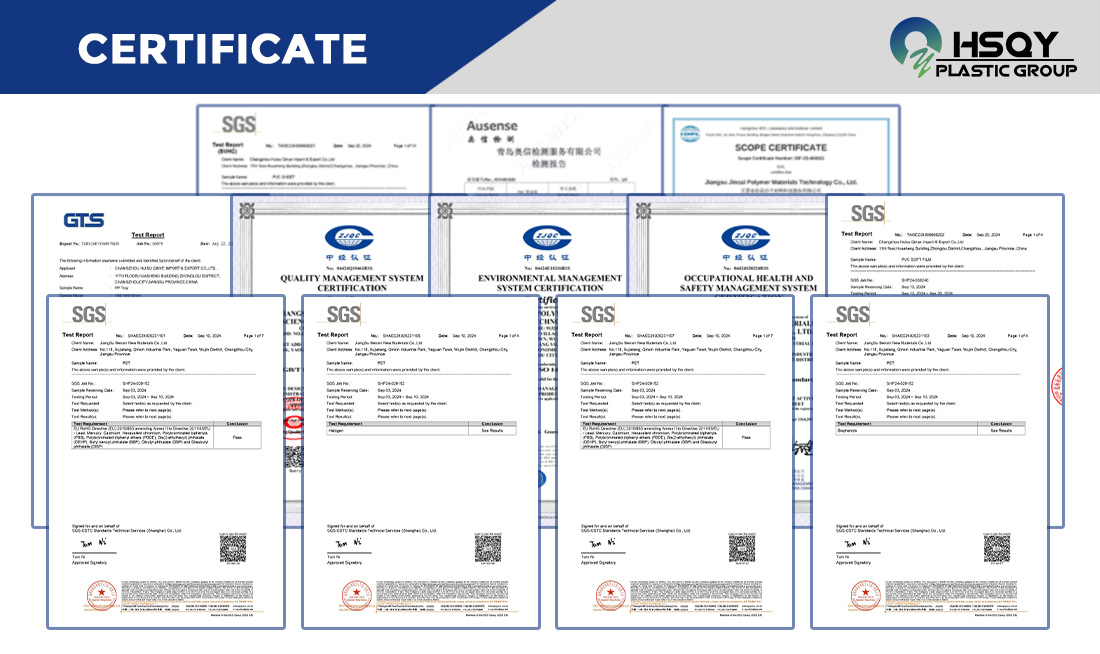
HSQY can provide available technical, quality-management, inspection, and material documentation for the approved grade. Buyers should request the complete layer structure, technical data sheet, certificate of analysis, food-contact declaration, migration or compliance reports, OTR and WVTR reports, seal-strength method, and roll inspection criteria.
ISO 9001 is a quality-management-system certification and should not be presented as product-specific proof of food-contact safety or barrier performance. SGS or other report claims should identify the exact film structure, report number, test conditions, food type, and intended conditions of use.

Recyclability Considerations
BOPP/EVOH/PE is a multilayer structure containing more than one polymer family and should not automatically be described as recyclable in every market. Recyclability depends on layer proportions, tie layers, adhesives, inks, coatings, tray material, food residue, collection rules, and local infrastructure.
Where design for recycling is a priority, compare the current structure with a qualified PP-dominant or PE-dominant high-barrier system and verify it against the destination market’s current recycling criteria. A recyclable PP-based lidding structure is not technically identical to a conventional BOPP/EVOH/PE laminate.
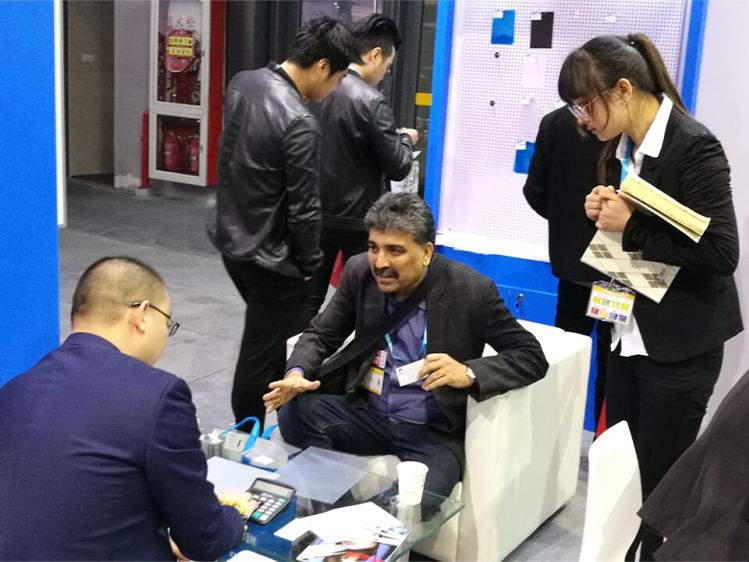
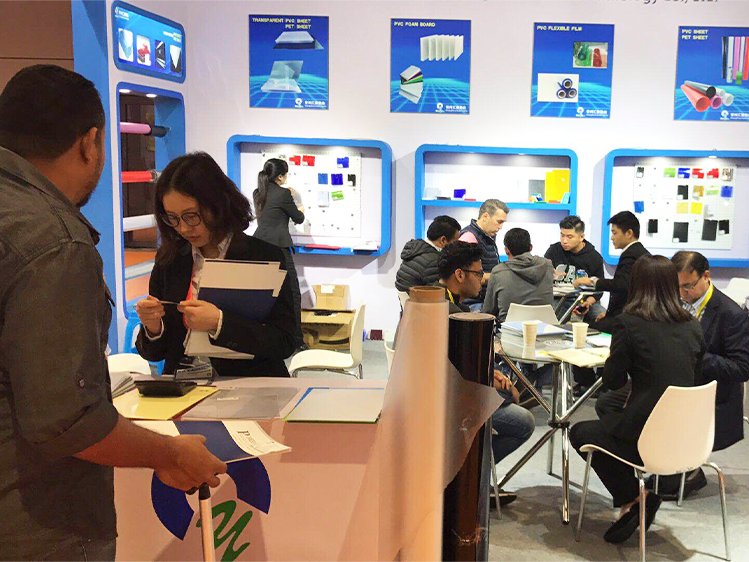
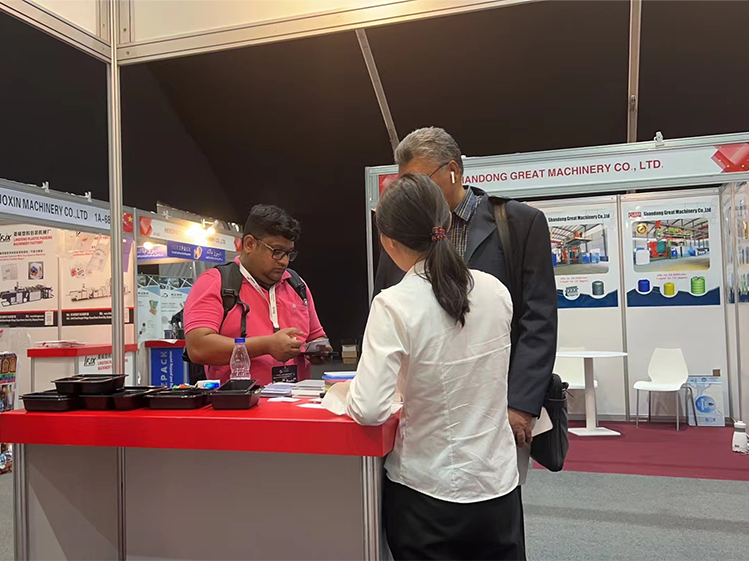
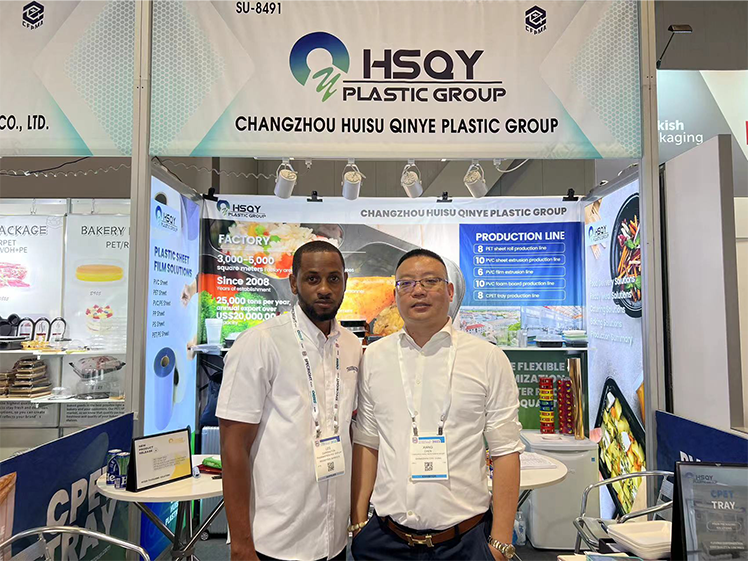
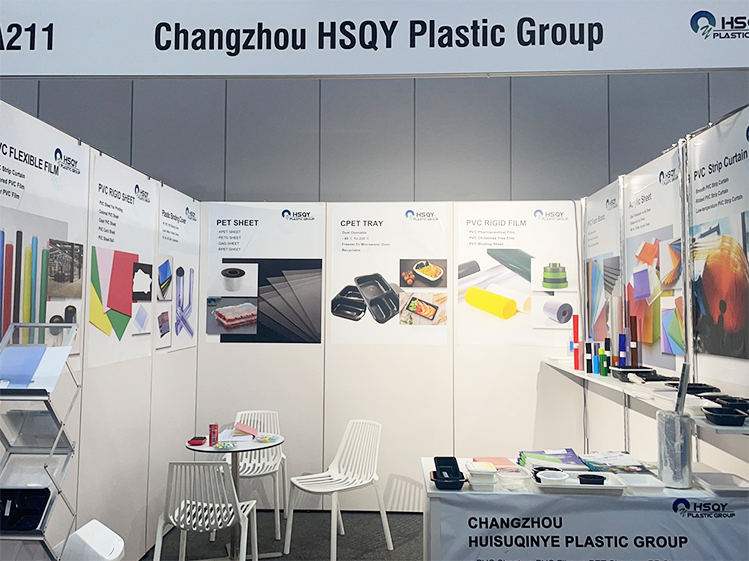
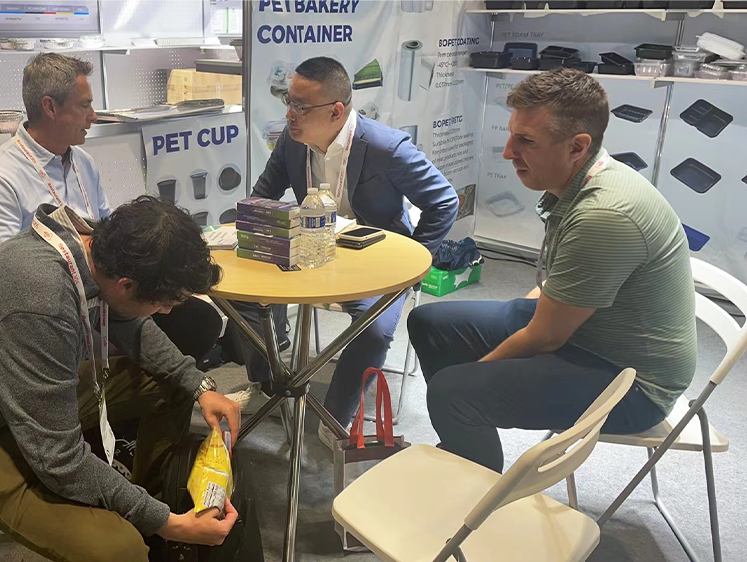
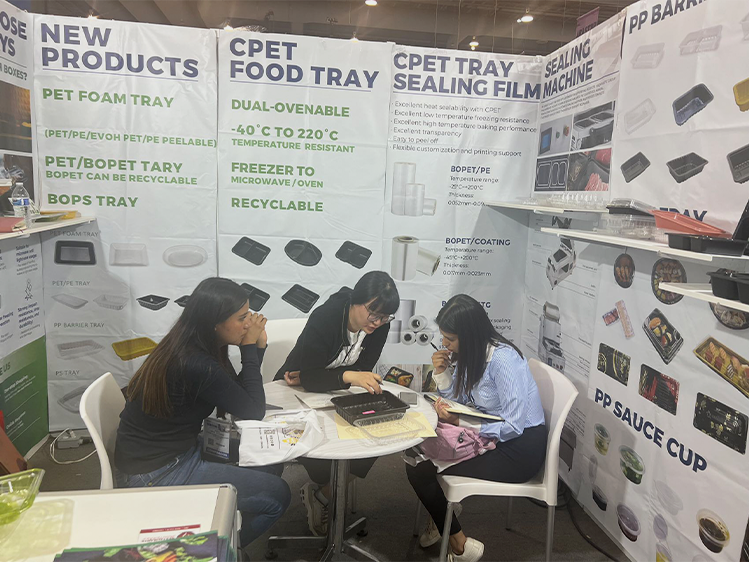
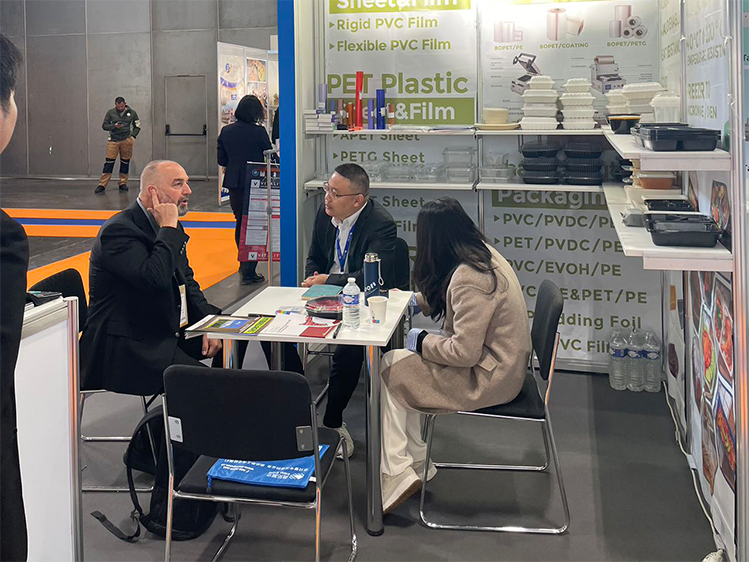
Global Exhibitions

2017 Shanghai Exhibition

2018 Shanghai Exhibition

2023 Saudi Exhibition

2023 American Exhibition

2024 Australian Exhibition

2024 American Exhibition

2024 Mexico Exhibition

2024 Paris Exhibition
Frequently Asked Questions About BOPP/EVOH/PE Film
What is BOPP/EVOH/PE lidding film?
It is a multilayer lidding film combining a printable BOPP outer web, an EVOH oxygen-barrier layer, and a PE-based sealing structure.
What does EVOH do in the film?
EVOH provides the principal oxygen, gas, and aroma barrier. Its performance should be specified using OTR under stated test conditions.
Does EVOH also provide the moisture barrier?
The complete multilayer structure provides moisture protection. WVTR should be measured separately because oxygen barrier and water-vapor barrier are different properties.
What is a lock seal?
A lock seal is a strong permanent or weld-like closure designed for package security rather than easy consumer peeling.
Can a PE sealant seal directly to a PP tray?
Not automatically. Plain PP usually requires a PP-compatible sealant, a qualified universal layer, or a tray flange containing a compatible coating.
Can this film be used with PP/EVOH/PP trays?
Only after the actual sealing layer is confirmed as PP-compatible or the tray provides another compatible surface. A physical tray test is required.
Can the film seal PET or CPET trays?
Plain PET and CPET surfaces normally require PET-compatible sealing chemistry. The standard PE sealant should not be assumed to work.
What OTR should I specify?
The required OTR depends on the food, tray barrier, gas mixture, storage temperature, humidity, target shelf life, and acceptable residual oxygen.
Why must OTR include temperature and humidity?
Barrier test results depend on the test conditions and complete film structure. Values without temperature, humidity, method, and units are not directly comparable.
Is anti-fog available?
Yes. Anti-fog can be added for chilled foods where condensation may reduce product visibility.
Can BOPP/EVOH/PE film be custom printed?
Yes. Printing can include logos, ingredients, MAP statements, barcodes, QR codes, date-code areas, and transparent windows.
What sizes are available?
The current page lists 0.05–0.09mm thickness and custom widths from 150mm to 900mm.
Is this film suitable for MAP packaging?
Yes, after the tray barrier, film OTR, WVTR, gas mixture, residual oxygen, seal integrity, and shelf-life conditions are validated.
Is BOPP/EVOH/PE film recyclable?
It should not automatically be described as recyclable everywhere because it is a multilayer, multi-polymer structure. Evaluate the complete package and local recycling criteria.
Can I request samples before bulk production?
Yes, subject to specification and material availability. Provide the tray, food, MAP target, machine details, film dimensions, and required seal behavior.
About HSQY Plastic Group
HSQY Plastic Group supplies BOPP/EVOH/PE high-barrier lidding films, EVOH/PP films, PET/EVOH/PE films, MAP trays, PP/EVOH/PP trays, PET/EVOH/PE trays, anti-fog films, easy-peel and lock-seal films, and related food-packaging products for international B2B customers.
The team can support film-structure selection, tray compatibility, OTR and WVTR targets, MAP design, seal development, anti-fog, printing, roll conversion, samples, production-line trials, quality documentation, export packing, and international delivery.
Contact HSQY for High-Barrier Lidding Film