Polycarbonate Noise Barrier Sheet for Highway and Railway Projects
HSQY polycarbonate soundproof sheet, also known as polycarbonate noise barrier sheet, PC sound barrier panel or transparent acoustic barrier sheet, is a durable and impact-resistant solid polycarbonate panel designed for highway, railway, metro, bridge, elevated road and industrial noise control systems.
Compared with conventional transparent barrier materials, polycarbonate combines good visibility with lightweight handling, high impact resistance and outdoor durability. It is widely used where engineers need to reduce traffic or railway noise while maintaining daylight, open views and a modern architectural appearance.
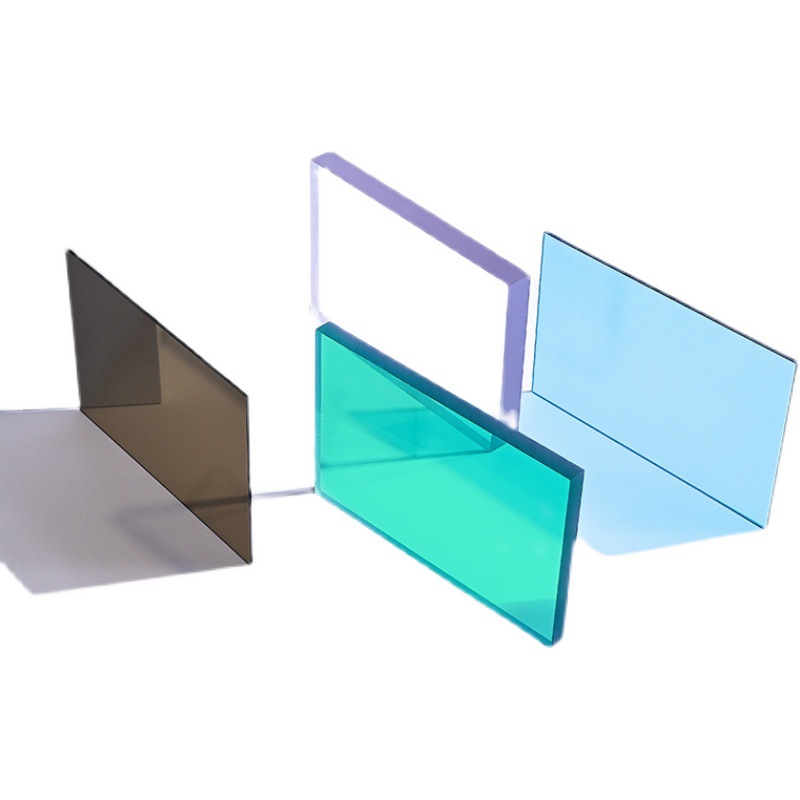
HSQY supplies common thicknesses of 6mm, 8mm, 10mm and 12mm, with clear, lake blue, green, bronze and customized colors. Custom dimensions, UV-protected options, project packaging and sample support are available for noise barrier manufacturers, infrastructure contractors, engineering companies, distributors and municipal projects.
Request Polycarbonate Noise Barrier Quote
Polycarbonate Soundproof Sheet Video
Polycarbonate Sound Barrier Sheet Images

Polycarbonate Highway Noise Barrier Installation

Clear Polycarbonate Sound Barrier Sheet
What Is a Polycarbonate Noise Barrier Sheet?
A polycarbonate noise barrier sheet is a solid PC panel installed as part of an outdoor acoustic barrier system. The panel creates a physical barrier between a noise source, such as highway traffic, trains or industrial machinery, and the surrounding receiver area.
Transparent polycarbonate panels are particularly useful in locations where conventional opaque barriers may block daylight, landscapes or driver visibility. Clear and tinted PC panels help combine acoustic separation with transparency and architectural integration.
How Does a Polycarbonate Sound Barrier Work?
A solid noise barrier reduces direct sound transmission by interrupting the line of sight between the sound source and the receiver. Part of the sound energy is reflected, while the barrier structure forces remaining sound to travel around or over the panel.
Actual noise reduction is determined not only by sheet thickness. Barrier height, panel length, installation position, joints, seals, supporting posts, surrounding structures and the distance between the source and receiver can all influence final acoustic performance.
For engineering projects, the required sound reduction value, test method and applicable project standard should therefore be confirmed before the final panel specification is selected.
Polycarbonate Noise Barrier Sheet Specifications
The following values are typical HSQY product specifications for initial project selection. Final acoustic performance and project suitability should be confirmed according to the selected sheet grade, installation system and required test standard.
| Thickness |
Reference Sound Reduction |
Typical Width |
Color / Option |
Typical Application |
| 6mm |
29 dB |
1200mm |
Clear, Blue, Green, Bronze |
Urban Roads |
| 8mm |
31 dB |
1200mm |
Custom Available |
Highways |
| 10mm |
32 dB |
1200mm |
UV Coated |
Railway & Metro |
| 12mm |
34 dB |
1200mm |
10-Year Warranty |
High-Speed Rail |
Send Your Noise Barrier Specification
Key Advantages of Polycarbonate Sound Barrier Sheet
Sound Insulation Performance: Solid polycarbonate panels help reduce direct traffic, railway and industrial noise transmission when integrated into a properly designed acoustic barrier system.
High Impact Resistance: Polycarbonate has strong impact resistance and toughness, making it suitable for transport infrastructure where panels may be exposed to flying debris, accidental impact and demanding outdoor conditions.
Transparent Noise Control: Clear polycarbonate panels allow daylight and landscape visibility to pass through the barrier, helping reduce the enclosed visual effect often created by fully opaque noise walls.
UV and Weather Resistance: UV-protected sheet options are suitable for long-term outdoor installations and help reduce deterioration caused by sunlight and environmental exposure.
Lightweight Construction: Polycarbonate is lighter than glass of comparable dimensions, helping simplify handling, transportation and installation while reducing load on supporting structures.
Easy Fabrication: Polycarbonate panels can be cut, drilled and fabricated for customized noise barrier systems when correct fabrication procedures and allowance for thermal expansion are used.
Clear and Tinted Colors: Clear, blue, green, bronze and customized colors allow designers to integrate noise barriers with surrounding roads, bridges and architectural environments.
Customized Project Supply: HSQY can support customized thickness, dimensions, colors, UV options, packaging and project-based supply according to engineering requirements.
Applications of Polycarbonate Noise Barrier Sheet
Highway Noise Barriers: Installed along expressways and major roads to help protect adjacent residential, commercial and public areas from vehicle noise.
Railway Noise Barriers: Used beside conventional railway lines and high-speed rail corridors where sound insulation, durability and impact resistance are important.
Metro and Light Rail: Suitable for metro, tram and urban railway sections passing near residential districts, offices and public facilities.
Bridges and Elevated Roads: Transparent PC panels help control traffic noise while maintaining outward visibility from bridges and elevated transportation structures.
Residential and Urban Areas: Noise barriers can help protect residential communities, schools, hospitals and commercial areas located close to transport corridors.
Industrial Noise Control: PC sound barrier panels can form part of industrial perimeter barriers, machinery enclosures and outdoor equipment noise-control systems.
Tunnel and Municipal Infrastructure: Transparent noise barrier sheets may also be used in tunnel entrances, municipal road projects and other infrastructure where acoustic control and visibility are both required.
Polycarbonate vs. Glass for Transparent Noise Barriers
| Selection Factor |
Polycarbonate |
Glass |
| Transparency |
Clear and tinted options available |
High transparency available |
| Impact Resistance |
High impact resistance and toughness |
Depends on glass type and safety construction |
| Weight and Handling |
Relatively lightweight and easier to handle |
Heavier and may require additional handling equipment |
| Fabrication |
Can be cut, drilled and fabricated with suitable procedures |
Often requires specialized glass processing |
| Outdoor Requirement |
UV-protected grade recommended |
Suitable glass construction required |
| Acoustic Performance |
Depends on thickness and complete barrier design |
Depends on glass thickness and complete barrier design |
How to Choose a Polycarbonate Noise Barrier Sheet
1. Confirm the Required Acoustic Performance
Start with the acoustic specification in the project tender or engineering drawing. Confirm whether the project specifies a sound reduction index, transmission loss, insertion loss or another acoustic measurement and identify the required test method.
2. Select the Appropriate Sheet Thickness
HSQY commonly supplies 6mm, 8mm, 10mm and 12mm sheets. Thickness selection should consider acoustic requirements, panel dimensions, supporting structure, wind load, impact requirements and local engineering specifications.
3. Confirm Panel Width and Length
Provide the required panel dimensions or engineering drawings. Panel size should match the steel post spacing, installation system, transport restrictions and allowable structural deflection.
4. Select Clear or Tinted Polycarbonate
Clear polycarbonate maximizes visibility, while blue, green, bronze and customized colors may be selected for architectural, landscape or anti-glare requirements.
5. Confirm UV and Outdoor Exposure Requirements
Long-term outdoor noise barriers should use an appropriate UV-protected grade. Tell HSQY the installation location, expected outdoor exposure and project service-life requirement so the suitable option can be discussed.
6. Confirm Wind Load and Structural Requirements
Highway, bridge and railway noise barriers may experience significant wind pressure. Final sheet thickness, panel dimensions, edge engagement and supporting frame design should therefore be checked by the responsible project engineer.
7. Confirm Applicable Standards and Test Documents
Different countries and infrastructure authorities may require different acoustic, impact, fire, UV, weathering or structural standards. Provide the exact standard required by the project so HSQY can confirm the relevant product grade and available documentation before quotation.
Information Needed for a Polycarbonate Noise Barrier Quote
To receive a more accurate product recommendation and quotation, please provide the following information when available:
Required sheet thickness
Panel width and length
Clear, blue, green, bronze or custom color
Required acoustic rating
Specified acoustic test standard
UV or surface-coating requirement
Highway, railway, metro, bridge or industrial application
Project drawings or panel layout
Wind-load or structural requirements
Required certifications or test reports
Project quantity
Destination country and port
Required delivery schedule
Get Project Price & Sample
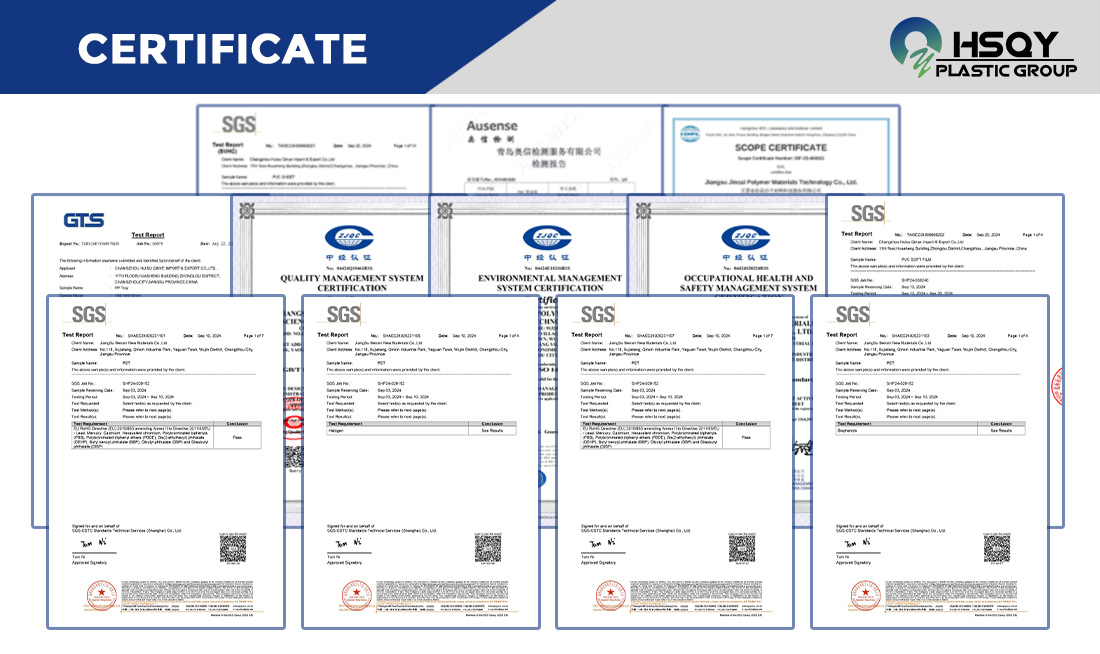
Certifications
Product and quality documentation can be discussed according to the selected polycarbonate grade and project requirements. For infrastructure tenders, please provide the required test standard or certificate list before ordering.
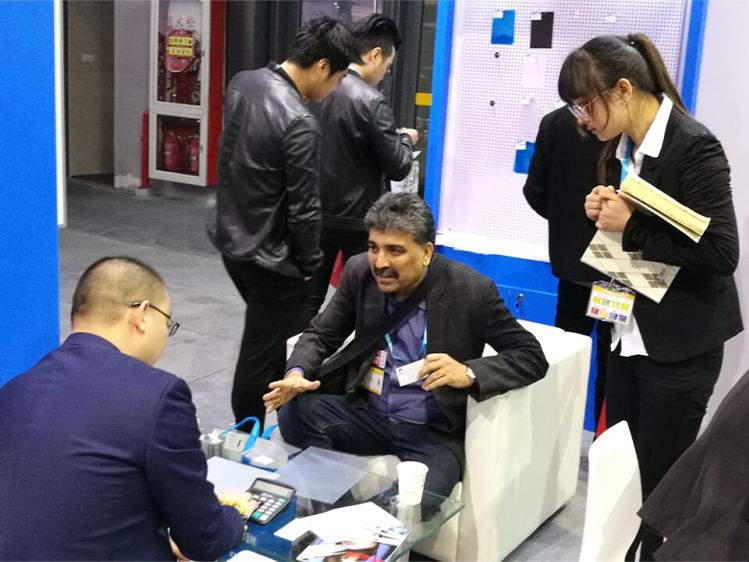
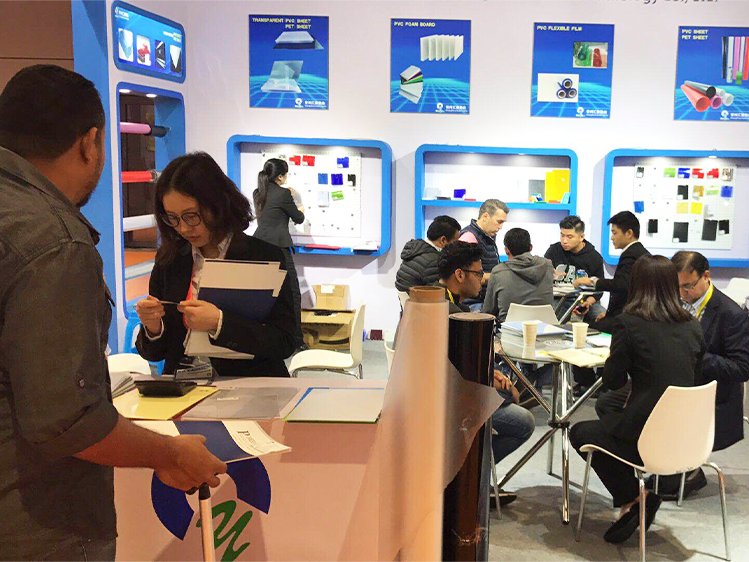
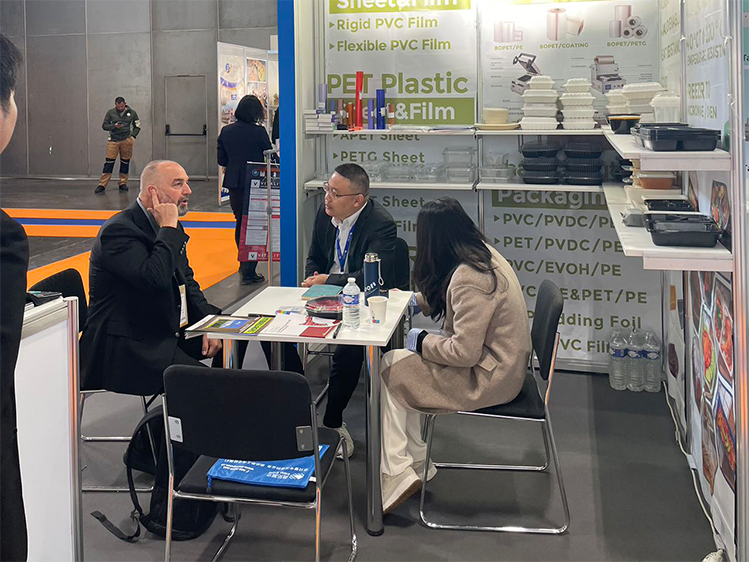
Global Exhibitions
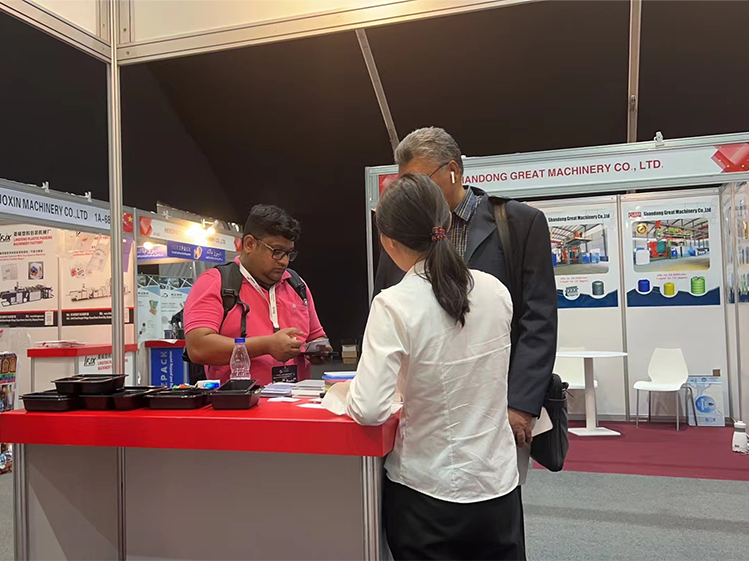
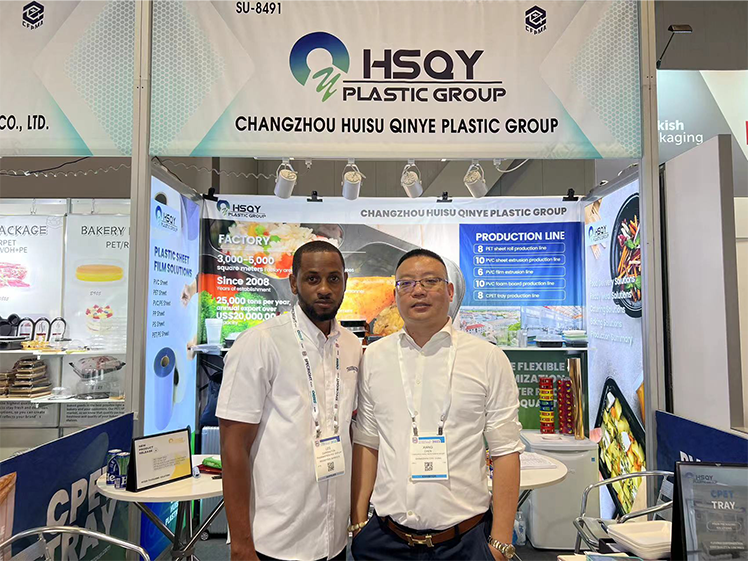
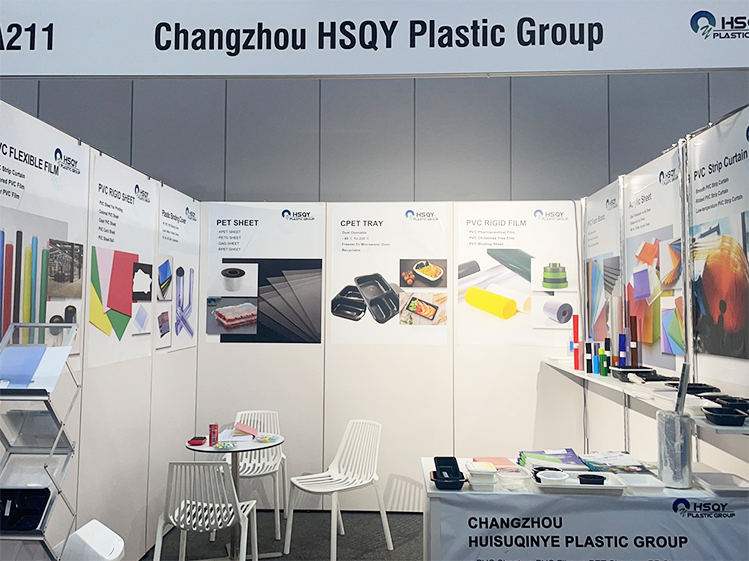
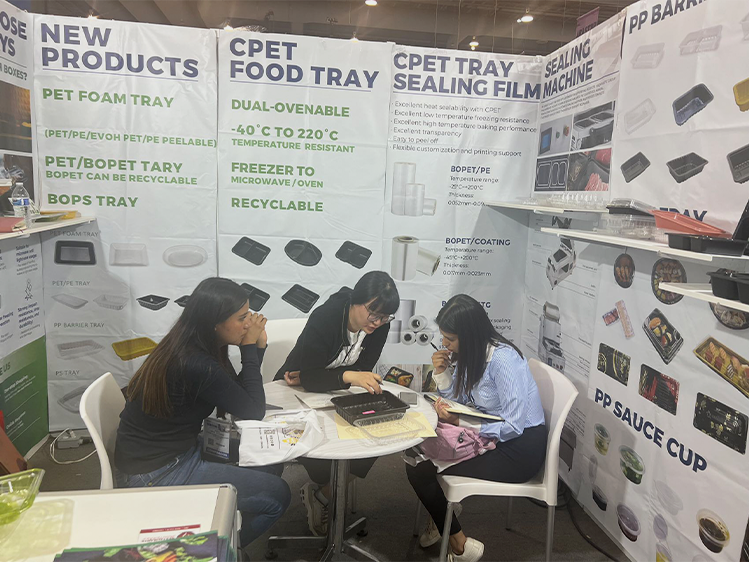
HSQY Plastic Group meets international customers and industry partners at plastics, packaging and material exhibitions around the world.
![HSQY at 2017 Shanghai Exhibition]()
2017 Shanghai Exhibition
![HSQY at 2018 Shanghai Exhibition]()
2018 Shanghai Exhibition
![HSQY at 2023 Saudi Exhibition]()
2023 Saudi Exhibition
![HSQY at 2023 American Exhibition]()
2023 American Exhibition
![HSQY at 2024 Australian Exhibition]()
2024 Australian Exhibition
![HSQY at 2024 American Exhibition]()
2024 American Exhibition
![HSQY at 2024 Mexico Exhibition]()
2024 Mexico Exhibition
![HSQY at 2024 Paris Exhibition]()
2024 Paris Exhibition
FAQ About Polycarbonate Noise Barrier Sheets
What is a polycarbonate noise barrier sheet?
A polycarbonate noise barrier sheet is a solid PC panel used in transparent acoustic barrier systems for highways, railways, metro lines, bridges and industrial areas. It helps block direct sound transmission while maintaining visibility and daylight.
How much noise can a polycarbonate sound barrier reduce?
The current HSQY product range lists reference sound reduction values from approximately 29 dB for 6mm sheet up to 34 dB for 12mm sheet. Actual project performance depends on the test method and complete barrier design, including height, joints, seals and installation position.
What thicknesses are available for polycarbonate noise barriers?
Common HSQY thicknesses include 6mm, 8mm, 10mm and 12mm. The appropriate thickness should be selected according to acoustic performance, panel dimensions, structural design, wind load and project specifications.
Is polycarbonate suitable for outdoor highway noise barriers?
Yes. UV-protected polycarbonate is suitable for highway, railway and other outdoor noise barrier projects because it combines impact resistance, transparency and weather performance. The correct outdoor grade should be confirmed according to the required project service life.
Can polycarbonate noise barriers be transparent?
Yes. Clear polycarbonate is commonly used when road or railway projects require noise reduction without blocking daylight, landscapes or visual openness. Tinted blue, green, bronze and customized colors are also available.
Is polycarbonate better than glass for a noise barrier?
The best material depends on the project. Polycarbonate is often selected where lightweight construction, high impact resistance and easier fabrication are priorities. Glass may be preferred for other architectural or surface-performance requirements. Acoustic performance should be evaluated according to the complete barrier system rather than material alone.
Can the size and color be customized?
Yes. HSQY can discuss customized sheet dimensions, thicknesses and colors according to project drawings, quantity and production feasibility. Clear, lake blue, green and bronze are common options.
What standards should I specify when buying PC sound barrier sheets?
Requirements vary by country, authority and project. Send HSQY the acoustic, impact, fire, weathering, UV or structural standards specified in your tender documents so the relevant product grade and supporting documentation can be confirmed.
Can HSQY provide samples before a project order?
Yes. Samples can be used to check material quality, transparency, color, thickness and general surface condition before bulk procurement. Engineering performance should still be evaluated according to the final project specification.
What information is needed for a polycarbonate noise barrier quotation?
Provide the sheet thickness, panel dimensions, color, acoustic requirement, project standard, UV requirement, quantity, application, engineering drawing if available, destination country and delivery schedule. This information helps HSQY recommend a suitable product and prepare an accurate quotation.
About HSQY Plastic Group
HSQY Plastic Group supplies polycarbonate sheets and other plastic sheet and film materials for construction, transportation, packaging and industrial applications. The company supports international B2B customers with product selection, customized specifications, sample evaluation, export packaging and project-based supply.
For highway, railway, metro, bridge or industrial acoustic barrier projects, send HSQY your project drawings, panel dimensions, required acoustic performance and applicable standards. Our team can help evaluate suitable polycarbonate sheet specifications for your application.
Get Quote & Request a Sample