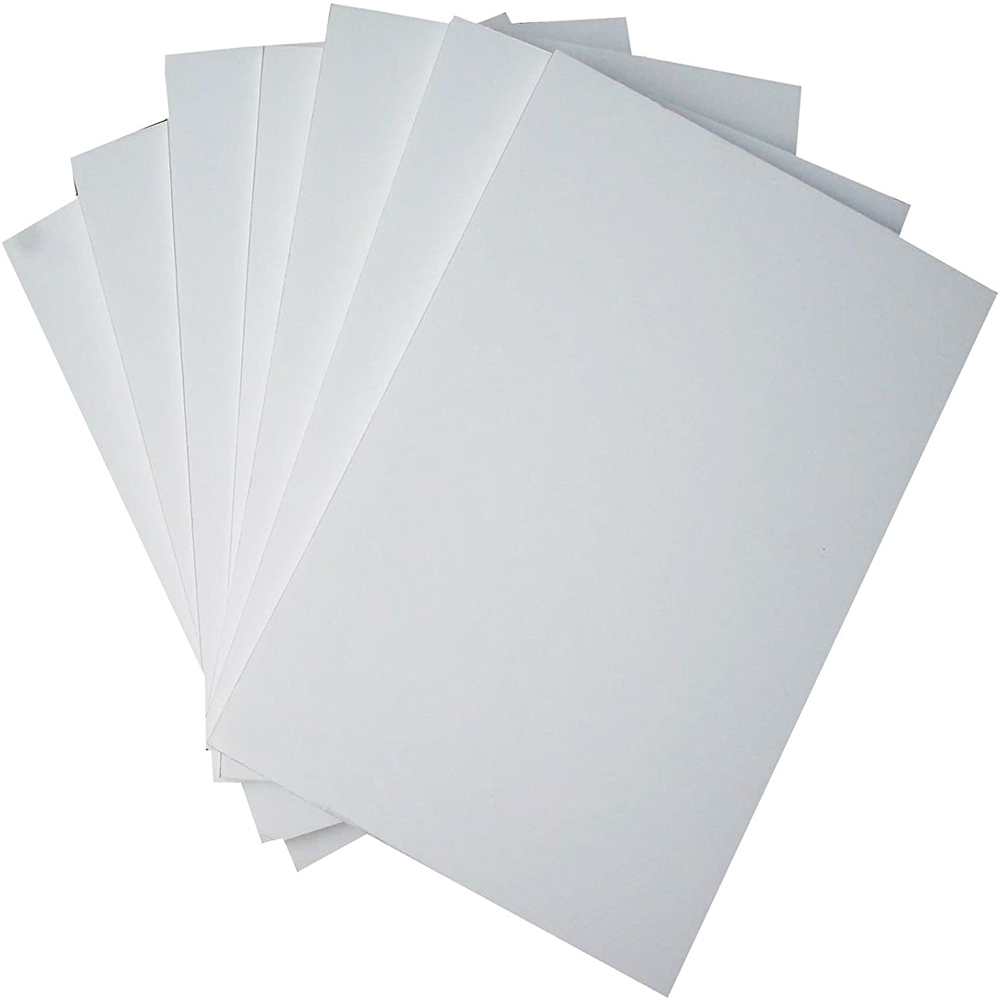
HSQY 16mm and 18mm co-extruded PVC foam board is designed for kitchen cabinets, bathroom cabinets, furniture panels, shelves and other fabricated interior components requiring a lightweight foam core with smooth, denser PVC surface layers.
The 16mm and 18mm thicknesses provide substantial panel depth for cabinet and furniture manufacturing. Co-extruded construction is particularly relevant where surface finish, machining quality, hardware installation, painting or decorative lamination are important purchasing requirements.
For cabinet production, buyers should specify thickness, density, sheet size, co-extruded surface requirement, cabinet component, screw and hinge positions, unsupported span, CNC processing and finishing requirements before bulk production.
Co-Extruded PVC Foam Board Video
16mm & 18mm PVC Cabinet Board Images

16mm & 18mm Co-Extruded PVC Foam Board

PVC Co-Extruded Board for Cabinet Applications
16mm & 18mm Co-Extruded PVC Board Specifications
This page focuses on the 16mm and 18mm cabinet-board versions. The wider HSQY PVC foam-board family includes additional thicknesses, sizes and densities. Final specifications should be confirmed for the exact co-extruded grade being ordered.
| Property |
Specification |
| Product Name |
16mm & 18mm Co-Extruded PVC Foam Board for Cabinets |
| Material |
PVC |
| Featured Thicknesses |
16mm, 18mm |
| Series Thickness Range |
1–35mm |
| Density Range |
0.35–1.0g/cm³; confirm actual density for the selected co-extruded cabinet grade |
| Standard Sheet Size |
1220 × 2440mm / Approximately 4×8 ft |
| Other Listed Sizes |
915 × 1830mm, 1560 × 3050mm, 2050 × 3050mm |
| Colors |
White, Red, Yellow, Blue, Green, Black and Other Options |
| Surface |
Glossy, Matte |
| Primary Applications |
Kitchen Cabinets, Bathroom Cabinets, Furniture Panels, Shelves and Interior Components |
| Processing |
Saw Cutting, CNC Routing, Drilling, Grooving, Screwing, Nailing, Riveting and Bonding |
| MOQ |
3 Tons |
| Quality Control |
Raw Material Selection, Process Monitoring and Piece-by-Piece Checking Listed |
| Packaging |
Plastic Bags, Cartons, Pallets and Kraft Paper |
| Payment |
T/T, L/C, D/P, Western Union |
| Listed Lead Time |
Approximately 15–20 Days After Deposit |
| Samples |
Free Samples Listed as Available; Express Freight Arrangement to Be Confirmed |
What Is Co-Extruded PVC Foam Board?
Co-extruded PVC foam board is a multi-layer expanded PVC panel in which denser PVC surface layers are formed together with a lighter foamed PVC core during extrusion.
This construction differs from adding a decorative film after production. The denser outer surface can provide a smoother finished face for cabinet manufacturing, machining, painting, printing or compatible decorative lamination, while the cellular core helps reduce overall panel weight.
The exact surface-layer structure can vary by product specification. Buyers should confirm whether the required board uses one-sided or two-sided co-extrusion and whether surface and core colors need to match.
Co-Extruded PVC Foam Board Structure
| Layer |
Function |
What Buyers Should Confirm |
| Top Co-Extruded Surface |
Provides a smooth, denser finished surface |
Color, gloss, surface hardness and finishing requirements |
| Foamed PVC Core |
Reduces overall panel weight while providing board thickness |
Density, rigidity, screw requirements and panel loading |
| Bottom Surface |
Can provide a second finished surface where required |
Single-sided or double-sided co-extrusion and reverse-face appearance |
Why Use Co-Extruded PVC Board for Cabinets?
Cabinet manufacturing places different demands on a board than simple printing or flat signage. Cabinet panels may need to be routed, drilled, screwed, fitted with hinges, laminated, painted or assembled using mechanical hardware.
A co-extruded PVC board combines a foam core with denser surface layers, making it especially relevant where cabinet manufacturers need a smoother finished surface together with the weight advantages of expanded PVC.
Final cabinet performance still depends on thickness, density, skin construction, panel dimensions, hardware and load. Co-extruded surface hardness alone should not be used as a substitute for hardware testing.
16mm vs. 18mm PVC Cabinet Board
| Selection Factor |
16mm Board |
18mm Board |
| Panel Thickness |
Slightly thinner cabinet panel |
Greater overall panel thickness |
| Weight Direction |
Lower material volume when size and density are comparable |
Higher material volume when size and density are comparable |
| Typical Evaluation |
Cabinet carcasses, interior panels and furniture components where 16mm fits the design |
Cabinet bodies, doors, shelves and furniture components requiring a thicker panel |
| Hardware |
Confirm screw length, hinge geometry and edge distance |
Also requires density, screw and hinge validation |
| Final Selection |
Choose according to cabinet design, density, skin construction, unsupported span, hardware and load rather than thickness alone |
Kitchen Cabinet Applications
16mm and 18mm co-extruded PVC foam boards can be evaluated for kitchen cabinet carcasses, doors, side panels, partitions, shelves, drawer-related components and decorative furniture panels.
For kitchen projects, confirm cabinet dimensions, hinge locations, drawer-slide attachment, shelf spans, expected loads and proximity to heat-generating appliances before selecting the final specification.
Bathroom Cabinet Applications
PVC foam board is relevant to bathroom cabinets and vanity components because the material family has low water absorption compared with many untreated wood-based panels.
Finished bathroom-cabinet performance also depends on hardware, joints, adhesives, exposed holes, sealing and installation. Standing water around fasteners or joints should be avoided even when the panel itself has low water absorption.
Cabinet Doors and Furniture Panels
The smooth co-extruded surface can be useful for cabinet doors and visible furniture panels where a finished surface, painting or compatible decorative lamination is required.
Door dimensions, panel flatness, hinge load and surface finishing should be evaluated using the selected 16mm or 18mm grade before mass production.
Cabinet Shelves and Unsupported Span
Shelf performance depends on thickness, density, unsupported span, load and support arrangement. An 18mm board may provide greater stiffness than a comparable 16mm board, but thickness alone does not determine shelf performance.
For heavily loaded or long shelves, validate the selected board using the intended span and load. Additional supports or reinforcement may be required depending on the furniture design.
Screw Holding, Hinges and Cabinet Hardware
The original product information states that PVC foam board can be drilled, screwed, nailed and riveted. Co-extruded surface layers can also influence how the board behaves around hardware.
Actual screw retention depends on total thickness, density, skin structure, screw diameter, thread geometry, pilot-hole size, insertion depth, edge distance and applied load.
For cabinet hinges, drawer slides and repeatedly loaded hardware, test the actual board-and-fastener combination before approving bulk production.
CNC Routing, Cutting and Drilling
PVC foam board can be sawed, punched, drilled, sanded and mechanically processed according to the original product information. Co-extruded boards can also be evaluated for CNC routing and grooving in cabinet production.
CNC settings should account for both the denser surface layer and the lower-density foam core. Cabinet manufacturers should provide routing depth, groove dimensions, holes, hinge positions, cut dimensions and tolerances where prefabricated panels are required.
Edge Finishing and Edge Banding
Cutting a co-extruded foam board exposes the cellular core at the machined edge. Visible furniture and cabinet edges should therefore be planned according to the required finished appearance.
Where edge banding is required, confirm the edge material, adhesive chemistry, application temperature and finished edge appearance using the actual co-extruded board before bulk production.
Painting and Decorative Lamination
A smooth co-extruded PVC surface can be evaluated for compatible paints and decorative laminates used in furniture and cabinet production.
Surface cleaning, preparation, coating chemistry, adhesive selection, application temperature and curing conditions should be validated with the actual production surface before mass manufacturing.
Single-Sided vs. Double-Sided Co-Extrusion
| Structure |
Typical Selection Direction |
| Single-Sided Co-Extrusion |
Can be evaluated where one visible face requires a denser finished surface, such as selected backs or interior panels |
| Double-Sided Co-Extrusion |
Relevant where both faces require a finished surface, such as cabinet doors, partitions and visible furniture panels |
Confirm the actual co-extruded surface construction available for the selected HSQY grade rather than assuming all products use the same skin arrangement.
Why Density Matters for Cabinet Production
The source product-family specification lists densities from 0.35 to 1.0g/cm³. This is a broad range, and two 18mm boards with different densities may behave differently during machining, fastening and loading.
| Density Direction |
Cabinet Selection Consideration |
| Lower Density |
Lower board weight where lightweight construction is the priority |
| Medium Density |
Balances panel weight, rigidity and general cabinet fabrication |
| Higher Density |
Can provide greater rigidity and improved support for demanding machining and fastening depending on the complete board structure |
For repeat cabinet orders, include thickness, density and co-extruded skin requirement together in the approved purchasing specification.
Reference Physical Properties
The following values are preserved from the original product information. They are presented as PVC foam-board family reference data. Confirm applicable values for the exact 16mm or 18mm co-extruded grade before using them for engineering or compliance decisions.
| Testing Item |
Unit |
Listed Result |
| Density |
g/cm³ |
0.35–1.0 |
| Tensile Strength |
MPa |
12–20 |
| Bending Strength |
MPa |
12–18 |
| Bending Elasticity Modulus |
MPa |
800–900 |
| Impact Strength |
kJ/m² |
8–15 |
| Elongation at Break |
% |
15–20 |
| Shore Hardness |
D |
45–50 |
| Water Absorption |
% |
≤1.5 |
| Vicat Softening Point |
°C |
73–76 |
| Listed Fire Performance |
- |
Self-Extinguishing in Less Than 5 Seconds |
Moisture Resistance for Cabinet Applications
The source physical-property table lists water absorption at ≤1.5%. This makes moisture performance an important consideration for kitchen and bathroom cabinet applications.
Completed cabinet performance should still be evaluated as a system. Screws, hinges, joints, adhesives, decorative surfaces and other materials can have different moisture limitations from the PVC board itself.
Heat Considerations in Kitchen Cabinets
The source product-family data lists a Vicat softening point of 73–76°C. Cabinet panels installed near ovens, cooktops, dishwashers or other heat-generating appliances should therefore follow the appliance manufacturer's clearance and insulation requirements.
Do not place the board directly against an uninsulated high-temperature surface unless the complete cabinet construction has been validated for the expected service temperature.
Fire Performance
The original product-family table lists self-extinguishing behavior in less than five seconds.
Where a project requires a specific fire classification, flame-spread value, smoke requirement or building-code compliance, request the applicable test standard and documentation for the exact 16mm or 18mm co-extruded grade.
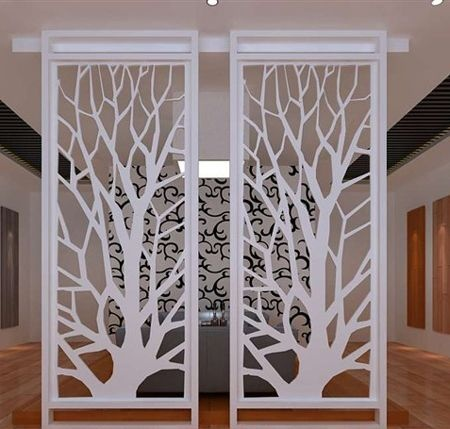
Cabinet and Furniture Application Images

Co-Extruded PVC Foam Board for Cabinet Applications

PVC Co-Extruded Board for Furniture Panels
How to Specify 16mm / 18mm Co-Extruded Cabinet Board
| RFQ Item |
Information to Provide |
| Thickness |
16mm or 18mm |
| Density |
Required density or target board weight |
| Sheet Size |
1220 × 2440mm, another listed sheet size or required cut dimensions |
| Co-Extruded Structure |
Confirm one-sided or two-sided finished surface requirement |
| Color |
White or required color |
| Surface |
Glossy or matte requirement |
| Cabinet Component |
Carcass, door, shelf, partition, drawer component, side panel or other furniture part |
| CNC Processing |
Cutting, routing, drilling, grooving, engraving and dimensional tolerances |
| Hardware |
Hinge type, screw specification, drawer slide, bracket and fastening positions |
| Shelf / Panel Load |
Finished panel dimensions, unsupported span, expected load and support spacing |
| Surface Finishing |
Painting, decorative film, lamination or original co-extruded surface |
| Edge Finish |
Visible raw edge, edge banding or other edge-treatment requirement |
| Service Environment |
Kitchen, bathroom, furniture, commercial interior or other application |
| Compliance |
Required fire, chemical or destination-market documentation |
| Quantity |
Required quantity; current listed MOQ is 3 tons |
| Destination |
Destination country or port |
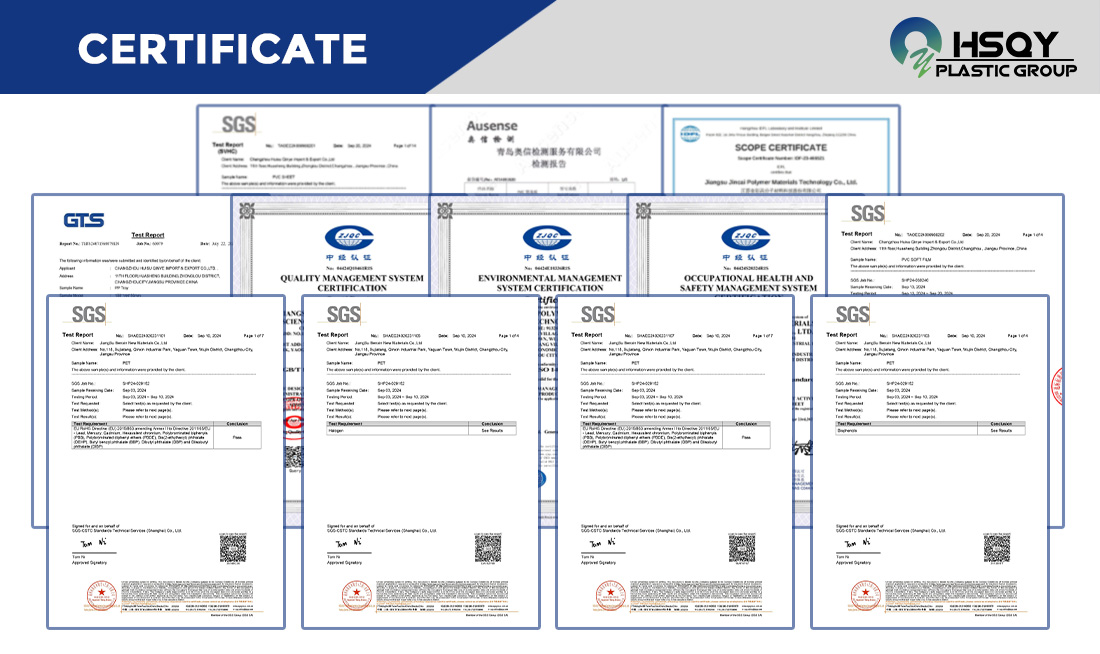
PVC Foam Board SGS Document
The original product page provides the following PVC Foam Board SGS document. Confirm that the report applies to the exact 16mm or 18mm co-extruded structure and density required for the project.
Packaging and Commercial Information
Packaging: Plastic bags, cartons, pallets and kraft paper are listed in the original product information.
MOQ: The current detailed specification lists a minimum order quantity of 3 tons.
Payment: T/T, L/C, D/P and Western Union are listed.
Delivery Terms: EXW, FOB, CNF and DDU are listed in the original FAQ. Confirm the required Incoterm with the quotation.
Lead Time: The main specification lists approximately 15–20 days after deposit. Confirm the current production schedule according to thickness, density, co-extruded structure and order quantity.
Samples: Free stock samples are listed as available, with express freight arranged according to the sample request.
Frequently Asked Questions About Co-Extruded PVC Cabinet Board
What is co-extruded PVC foam board?
It is an expanded PVC board manufactured with a foamed PVC core and denser co-extruded PVC surface layers. The exact surface structure should be confirmed for the selected product.
What is the difference between co-extruded PVC board and standard PVC foam board?
Co-extruded board uses distinct denser surface layers together with a foamed core. Standard free-foam PVC board has a different foam structure and is often selected for economical signs, printing and general fabrication.
Is this product available in both 16mm and 18mm?
Yes. This product page specifically focuses on 16mm and 18mm co-extruded PVC foam boards for cabinet and furniture applications.
Which is better for cabinets, 16mm or 18mm?
Neither thickness is universally better. Selection depends on cabinet design, density, panel size, hardware, unsupported span and load. An 18mm board provides more thickness, while 16mm may reduce material volume where the design permits.
Can co-extruded PVC board be used for kitchen cabinets?
Yes. Suitable grades can be evaluated for cabinet bodies, doors, shelves, side panels, partitions and other kitchen furniture components.
Can it be used for bathroom cabinets?
Yes. Bathroom and washroom cabinets are listed among the original applications. Final performance depends on the complete cabinet design, including joints, hardware and installation.
Can co-extruded PVC board hold cabinet screws?
The board can be mechanically fastened, but actual screw performance depends on density, skin structure, screw geometry, pilot hole, insertion depth, edge distance and applied load. Test the actual cabinet hardware before production.
Can hinges be installed in 16mm or 18mm PVC board?
Hinges can be evaluated with suitable board grades, but hinge type, cup or screw geometry, density, door size and loading should be validated using the actual board.
Can the board be CNC routed?
Yes. Co-extruded PVC board can be evaluated for CNC routing, cutting, drilling and grooving. Processing parameters should account for the denser surface layer and foam core.
Can the board be edge banded?
Edge banding can be evaluated where a finished furniture edge is required. Confirm edge material, adhesive and application conditions using the actual board.
Can co-extruded PVC board be painted?
Suitable co-extruded surfaces can be evaluated for painting after appropriate cleaning, surface preparation and coating compatibility testing.
Can decorative film be laminated onto the board?
Compatible decorative films can be evaluated for lamination. Adhesive chemistry, surface preparation, temperature and pressure should be tested with the actual co-extruded surface.
What density should I choose for cabinets?
Density should be selected according to panel size, weight target, rigidity, screw requirements and cost. The original product-family information lists 0.35–1.0g/cm³, but the required cabinet grade should be confirmed separately.
Is co-extruded PVC foam board waterproof?
The source product-family data lists water absorption at ≤1.5%. Finished cabinet moisture performance also depends on hardware, holes, joints, adhesives and installation details.
Can the board be used near an oven or cooktop?
The source family data lists a Vicat softening point of 73–76°C. Follow appliance clearance and insulation requirements and do not place PVC board directly against uninsulated high-temperature surfaces without validating the cabinet system.
Is the board flame retardant?
The source product-family table lists self-extinguishing behavior in less than five seconds. If a specific fire classification is required, request the applicable test report for the exact co-extruded grade.
What sheet sizes are available?
The original product information lists 1220 × 2440mm, 915 × 1830mm, 1560 × 3050mm and 2050 × 3050mm within the wider PVC foam-board range.
What is the MOQ?
The current detailed product specification lists an MOQ of 3 tons.
Are samples available?
The original product information lists free samples as available. Confirm the required 16mm or 18mm thickness, density, surface and express-freight arrangement when requesting a sample.
What information should I provide for a quotation?
Provide the 16mm or 18mm thickness, density, sheet dimensions, co-extruded surface requirement, cabinet component, CNC drawings, hardware details, edge finish, surface finishing, quantity and destination.
About HSQY Plastic Group
HSQY Plastic Group supplies PVC co-extrusion foam boards and other PVC foam-sheet products to cabinet manufacturers, furniture factories, distributors, interior fabricators and industrial buyers.
For 16mm and 18mm cabinet-board projects, provide the required density, sheet dimensions, surface structure, cabinet component, CNC requirements, hardware specification, finishing process and purchasing quantity so the appropriate board configuration can be reviewed.
HSQY Qualification and Exhibition Information

HSQY Qualification Information

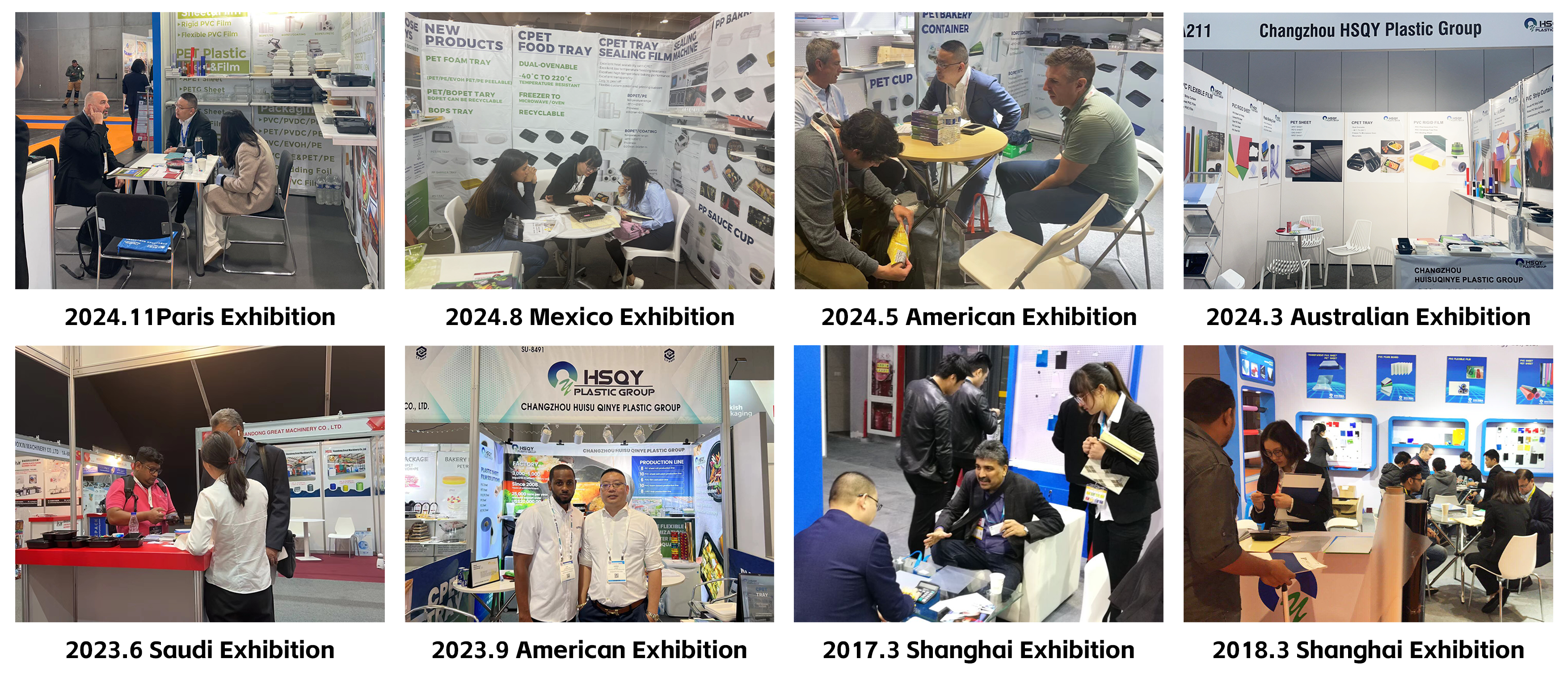
HSQY Exhibition Information



 PVC Foam Board SGS PDF