Compostable PLA/PBAT Film for Food Packaging
HSQY PLA/PBAT film is a biodegradable polymer-blend film developed for food packaging and other applications that require a balance of flexibility, processability and compostability potential.
PLA, or polylactic acid, contributes stiffness and bio-based content, while PBAT, or polybutylene adipate terephthalate, is a flexible biodegradable polyester that can reduce the brittleness associated with neat PLA. By adjusting the formulation, converters can target different levels of flexibility, toughness, transparency and processing performance.
The current HSQY product specification covers thicknesses from 0.02mm to 0.2mm and widths up to 1000mm. Food-packaging applications can include flexible film structures and, where an appropriate thermoforming grade and thickness are selected, selected thermoformed packaging applications.
Compostability, food-contact compliance, heat resistance and processing behavior are formulation-specific. Buyers should confirm the exact PLA/PBAT ratio, additives, finished-film thickness, certification standard and intended disposal environment before making claims such as “certified compostable” or “food-contact compliant.”
Request PLA/PBAT Film Quote
What Is PLA/PBAT Film?
PLA/PBAT film is produced from a blend containing polylactic acid (PLA) and polybutylene adipate terephthalate (PBAT), usually together with formulation-specific additives required for processing and finished-product performance.
PLA is a polyester that can be produced from renewable feedstocks such as fermented plant sugars. It provides useful stiffness and transparency but can be comparatively brittle in some film applications.
PBAT is a flexible biodegradable polyester. Blending PBAT with PLA can improve elongation, toughness and flexibility, which is why PLA/PBAT compounds are widely investigated and used for compostable flexible packaging, bags, films and selected thermoformed products.
The exact performance depends heavily on the formulation. Two materials both described as “PLA/PBAT” can have significantly different stiffness, elongation, sealing behavior, heat resistance, transparency and compostability certification.
PLA vs PBAT in a Compostable Film Blend
| Property | PLA | PBAT | Reason for Blending |
| General Character | Relatively stiff | Flexible and ductile | Balance rigidity and flexibility |
| Feedstock | Can be produced from renewable plant-derived feedstocks | Generally fossil-derived unless a specific alternative feedstock is documented | Provides a blend with partial bio-based content depending on formulation |
| Flexibility | Lower in many neat PLA grades | High | PBAT can improve film flexibility and toughness |
| Compostability | Depends on grade, article and composting conditions | Biodegradable polyester; certification remains product-specific | Finished blend must still meet the applicable compostability standard |
| Packaging Role | Adds stiffness and structure | Adds toughness and flexibility | Allows formulation to be tuned for different packaging formats |
PLA/PBAT Film Specifications
The following information is based on the current HSQY product specification. Buyers should request a product-specific technical data sheet before approving the material for commercial production.
| Property | Current HSQY Specification | Buyer Should Confirm |
| Product Name | PLA/PBAT Compostable Film | Flexible-film or thermoforming-grade requirement |
| Material | PLA/PBAT Blend | PLA/PBAT ratio and additives |
| Thickness | 0.02–0.2mm | Exact gauge and thickness tolerance |
| Maximum Width | 1000mm | Available width at selected thickness and grade |
| Color | Current product card lists custom color | Transparency, haze and approved color standard |
| Primary Application | Food Packaging | Exact food type and packaging format |
| Thermoforming | Current source references thermoforming applications | Confirm thermoforming-specific grade, gauge and forming window |
| Compostability | Current source describes product as biodegradable / compostable | Applicable standard, certificate, thickness and composting environment |
| Food Contact | Current source states material can be manufactured for food-contact use | Request destination-market-specific food-contact documentation |
| MOQ | Not published in current body content | Confirm standard and customized-grade MOQ |
Why Blend PLA with PBAT?
Improved Flexibility
Neat PLA can be comparatively stiff and brittle for some flexible packaging applications. Adding PBAT can increase flexibility and elongation, depending on formulation.
Improved Toughness
A properly designed PLA/PBAT blend can offer improved toughness compared with neat PLA, making the material more suitable for film handling, converting and selected packaging applications.
Adjustable Stiffness
Changing the polymer ratio and additives allows manufacturers to tune stiffness and flexibility for different end uses. The actual PLA/PBAT ratio should therefore be treated as an important purchasing parameter.
Compostable Packaging Potential
PLA/PBAT systems can be formulated into certified compostable packaging. Certification applies to a defined formulation and finished article and should not be inferred solely from the polymer names.
Biodegradable vs Compostable PLA/PBAT Film
“Biodegradable” and “compostable” are not interchangeable marketing terms.
| Term | Meaning | What Buyers Should Ask For |
| Biodegradable | Material can be biologically broken down under suitable conditions | Test method, environment and timeframe |
| Industrial Compostable | Designed to satisfy specified disintegration and biodegradation requirements under controlled industrial composting conditions | Applicable certificate such as EN 13432 / ASTM D6400 where relevant |
| Home Compostable | Requires performance under lower-temperature home composting conditions | Specific home-compost certification; industrial certification alone is not sufficient |
The current HSQY source does not identify a specific compostability certificate for this exact film. A certificate should therefore be requested and verified before publishing a claim such as “EN 13432 certified,” “BPI certified” or “home compostable.”
Industrial Composting Conditions Matter
Industrial composting uses controlled temperature, moisture, oxygen and biological activity. The behavior of a compostable film in these conditions should not be used to imply that it will rapidly disappear in soil, seawater, landfill or the natural environment.
End-of-life claims should therefore specify the intended composting environment and the applicable certification rather than using unsupported statements such as “breaks down quickly everywhere.”
PLA/PBAT Film for Food Packaging
Fresh Produce Packaging
Appropriate PLA/PBAT film grades can be evaluated for fruit, vegetables and other fresh-food packaging where flexibility, transparency and the required gas transmission characteristics match the application.
Bakery Packaging
Films can be considered for selected bakery packaging formats where moisture transmission, seal behavior and shelf-life requirements are compatible with the material structure.
Flexible Food Packaging
Flexible PLA/PBAT grades can be converted into suitable packaging films depending on required printability, heat sealing, transparency, toughness and barrier performance.
Thermoformed Trays and Containers
Thermoforming requires a formulation and sheet gauge specifically designed to develop sufficient melt strength, forming stability and finished-container rigidity. Buyers requiring trays, clamshells or lids should specify that the material must be a thermoforming grade rather than assuming every thin PLA/PBAT flexible film can be thermoformed into a rigid package.
Flexible Film Grade vs Thermoforming Grade
| Requirement | Flexible Film Grade | Thermoforming Grade |
| Typical Form | Thin flexible roll film | Thicker film or sheet designed for forming |
| Important Properties | Tensile strength, elongation, sealing and film handling | Melt strength, draw ratio, forming temperature and finished rigidity |
| Typical Applications | Flexible packaging and film applications | Trays, cups, lids, clamshells and formed containers where validated |
| Buyer Should Provide | Packaging machine, film thickness, sealing method and mechanical targets | Forming machine, mold depth, draw ratio, heating zones and finished-product dimensions |
Heat Sealing and Converting Requirements
Commercial food packaging requires more than basic biodegradability. Converters should also evaluate sealing, printing, winding and machine performance.
| Parameter | Why It Matters |
| Seal Initiation Temperature | Defines the minimum useful heat-sealing temperature |
| Sealing Window | A wider validated window improves packaging-line robustness |
| Seal Strength | Important for finished-package integrity |
| Coefficient of Friction | Influences film feeding and machine handling |
| Corona / Surface Treatment | Relevant to printing and lamination adhesion |
| Roll Core / OD | Must match the converter's unwind system |
Barrier Performance and Food Shelf Life
A PLA/PBAT film should not automatically be described as a high-barrier food-packaging film. Oxygen and water-vapor barrier properties depend on polymer formulation, thickness, additives, coatings, orientation and any multilayer structure.
If the packaged food requires a defined shelf life, buyers should provide required oxygen transmission rate (OTR), water vapor transmission rate (WVTR), storage temperature, relative humidity and package format.
Shelf life should be validated using the finished package and actual food rather than inferred solely from the fact that a film contains PLA and PBAT.
Is PLA/PBAT Film Food Safe?
PLA/PBAT formulations can be manufactured for food-contact packaging, but the polymer names alone do not establish regulatory compliance.
Food-contact compliance depends on the exact resin grades, additives, colorants, coatings and intended conditions of use. Buyers should request documentation relevant to the destination market and intended food-contact conditions.
If the film will contact fatty, acidic, aqueous or alcoholic foods, or will be exposed to elevated temperatures, include those conditions in the compliance review.
PLA/PBAT Film Applications
Food Packaging Film
Flexible grades can be evaluated for selected food-packaging applications according to sealing, mechanical, transparency and barrier requirements.
Fresh Fruit and Vegetable Packaging
Produce packaging requires suitable gas and moisture transmission characteristics. Perforation or other package design may also be required depending on respiration rate.
Thermoformed Food Trays
Appropriate thicker thermoforming grades can be evaluated for trays and food containers. Forming capability should be validated according to sheet gauge, mold geometry and process conditions.
Clamshell and Retail Packaging
Where sufficient stiffness, transparency and forming performance are achieved, PLA/PBAT sheet can be considered for selected formed retail packaging.
Agricultural Applications
The source page also references agricultural uses such as seedling trays and protective coverings. Agricultural biodegradation requirements can differ from packaging compostability requirements, so a dedicated application grade and applicable test standard should be confirmed.
PLA/PBAT vs PLA Film
| Factor | PLA/PBAT Blend | Neat / High-PLA Film |
| Flexibility | Can be formulated for higher flexibility | Generally stiffer |
| Toughness | PBAT can improve toughness and elongation | May be more brittle depending on PLA grade |
| Bio-Based Content | Depends on PLA ratio and other ingredients | Can contain a higher proportion of PLA-derived bio-based content |
| Compostability | Must be certified as a finished formulation / article | Also dependent on grade, thickness and certification |
| Best Choice | Where more flexibility and toughness are required | Where higher rigidity or PLA content is preferred |
PLA/PBAT vs Conventional PE Packaging Film
| Factor | PLA/PBAT Film | Conventional PE Film |
| End-of-Life Route | Can be designed for certified composting | Generally designed for conventional plastics streams where collection exists |
| Bio-Based Content | Can contain renewable PLA content | Conventional PE is generally fossil-derived unless specifically bio-based PE |
| Processing | Requires grade-specific processing optimization | Very mature conventional film processing |
| Performance | Highly dependent on blend ratio and additives | Wide established range of film grades |
| Selection Logic | Useful where certified organic-recycling / compostability is part of the packaging strategy | Useful where conventional recycling and PE performance are preferred |
Important PLA/PBAT Film Quality Parameters
| Parameter | Why It Matters |
| PLA/PBAT Ratio | Strongly influences stiffness, flexibility, bio-based content and processing |
| Thickness Tolerance | Influences mechanical strength, cost and converting consistency |
| Tensile Strength | Important for film handling and finished-pack durability |
| Elongation at Break | Key indicator of flexibility and toughness |
| Tear / Puncture Resistance | Relevant to packaging with sharp corners or demanding handling |
| Haze / Transparency | Important for retail food visibility |
| OTR | Defines oxygen transmission where barrier performance matters |
| WVTR | Defines water-vapor transmission |
| Heat-Seal Window | Critical to packaging-line productivity |
| Compostability Certification | Supports environmental claims for the exact final article |
| Food-Contact Documentation | Required for regulated food-packaging applications |
How to Choose a PLA/PBAT Packaging Film
1. Define the Packaging Format
Specify flexible film, bag, pouch, lidding structure, thermoformed tray, clamshell or another format before choosing the material grade.
2. Specify Film Thickness
Provide the target thickness and tolerance. A 20μm flexible film and a 200μm forming sheet have very different processing and mechanical requirements even though both fall within the current product range.
3. Define Flexibility and Strength
Provide required tensile strength, elongation, puncture resistance or an existing reference film so the PLA/PBAT formulation can be evaluated.
4. Define Food and Shelf-Life Requirements
State the food type, packing temperature, storage temperature and target shelf life. Add OTR and WVTR requirements where barrier performance is critical.
5. Specify Heat-Sealing Requirements
Provide packaging-machine type, sealing temperature, line speed and required seal strength when the film will be heat sealed.
6. Specify Compostability Standard
Tell HSQY whether your customer requires industrial compostability, home compostability or another end-of-life standard and specify the destination country.
7. Confirm Food-Contact Regulations
Specify the destination market and intended food-contact conditions so the relevant product documentation can be reviewed.
Information Needed for a PLA/PBAT Film Quote
To receive an accurate material recommendation and quotation, provide:
Flexible film or thermoforming application
Required thickness and tolerance
Required roll width
Transparent or custom color
Required PLA/PBAT ratio or performance target
Required tensile strength and elongation
Required transparency or haze
Food type and storage temperature
Required shelf life
OTR / WVTR requirement if applicable
Heat-sealing or thermoforming equipment
Printing or surface-treatment requirement
Industrial or home compostability requirement
Required food-contact documentation
Order quantity and annual demand
Destination country and port
Get PLA/PBAT Film Price & Sample
Quality and Certification Documentation
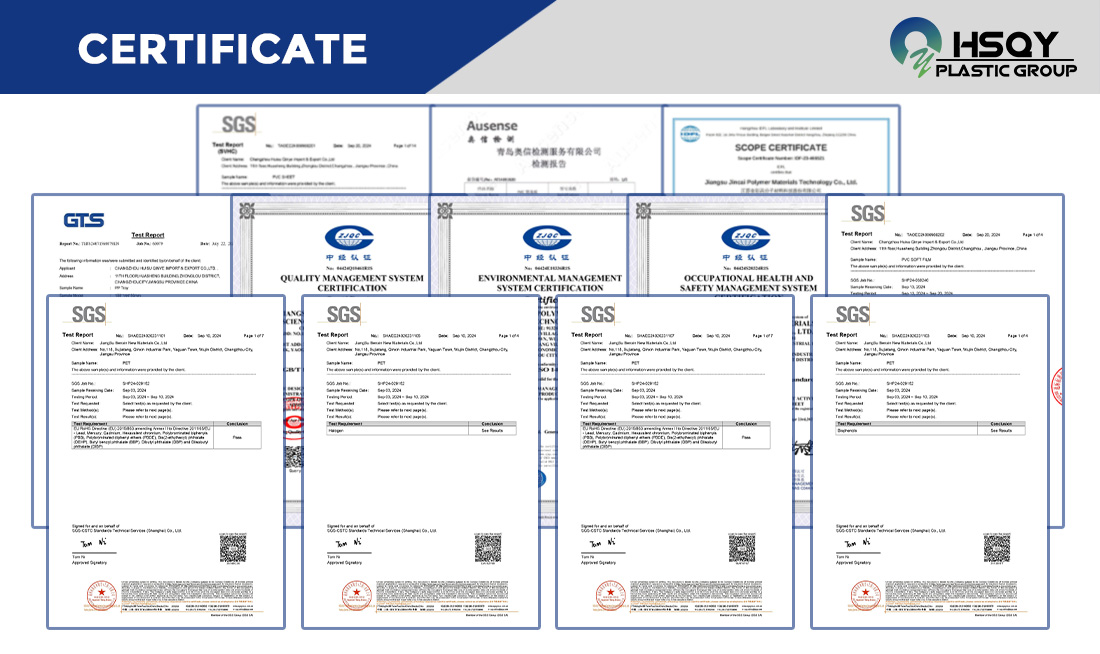
The current page contains a certification image, but the body content does not identify which certificates apply specifically to this PLA/PBAT formulation.
Before using claims such as EN 13432 certified, ASTM D6400 compliant, BPI certified, home compostable or FDA/EU food-contact compliant, buyers should obtain the relevant current document and confirm that its product code, thickness range and manufacturing specification cover the material being purchased.
HSQY Global Exhibitions
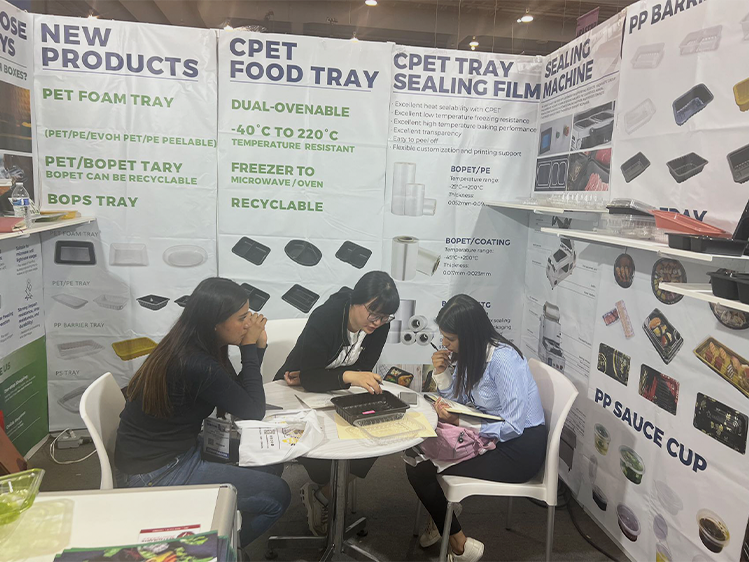
2024 Mexico Exhibition
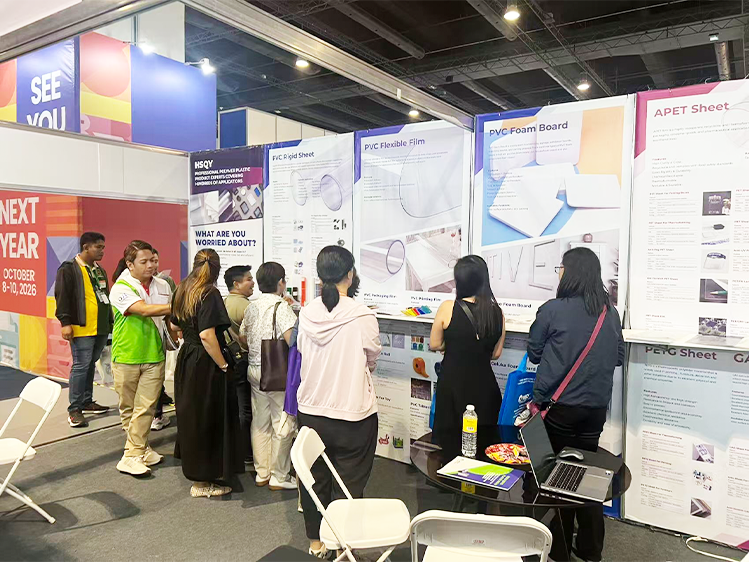
2025 Philippines Exhibition
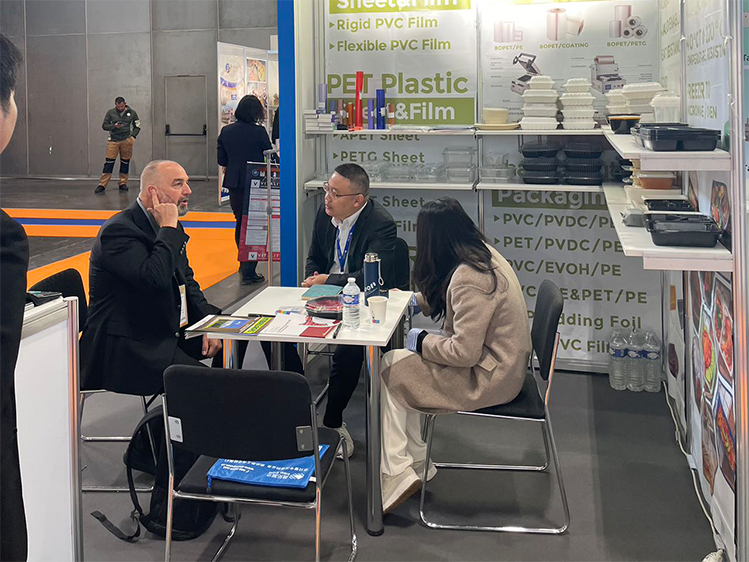
2024 Paris Exhibition
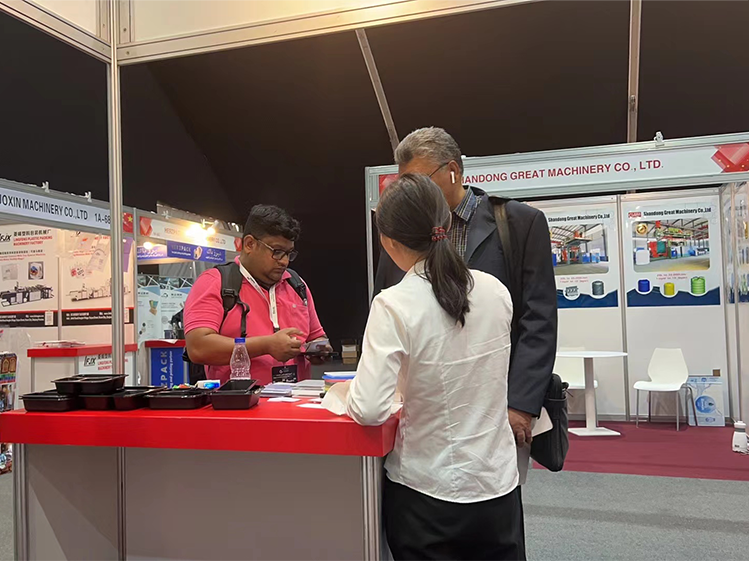
2023 Saudi Exhibition
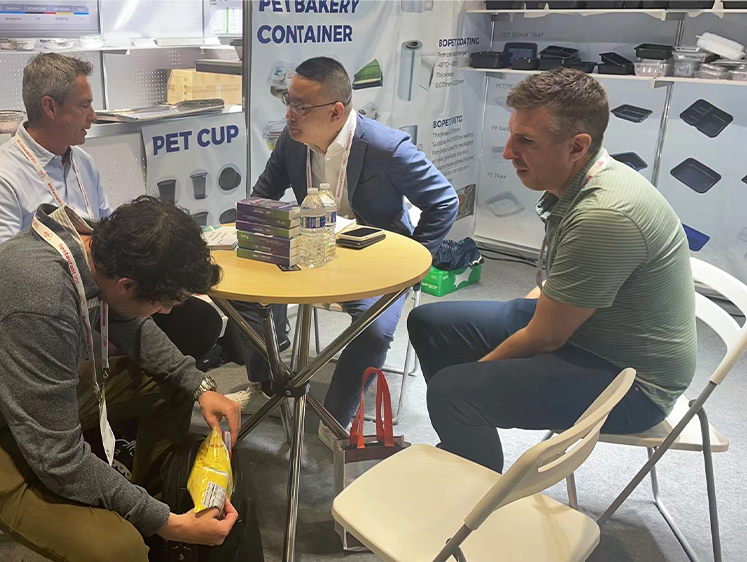
2024 American Exhibition
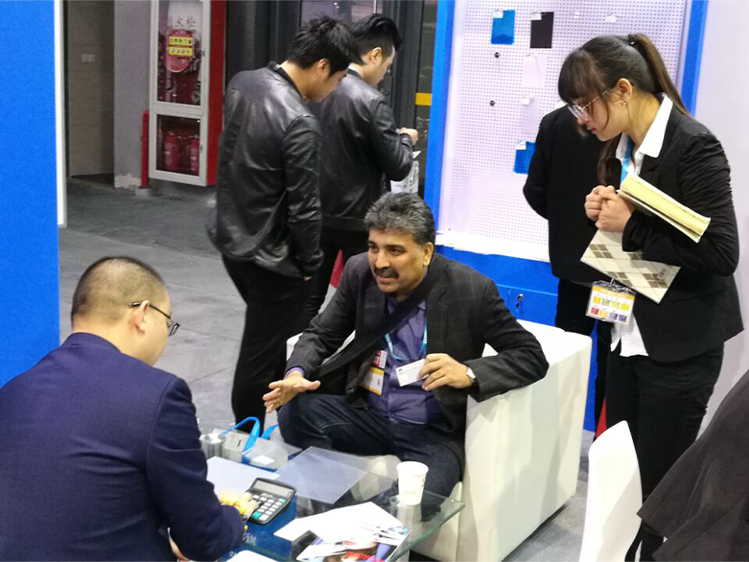
2017 Shanghai Exhibition
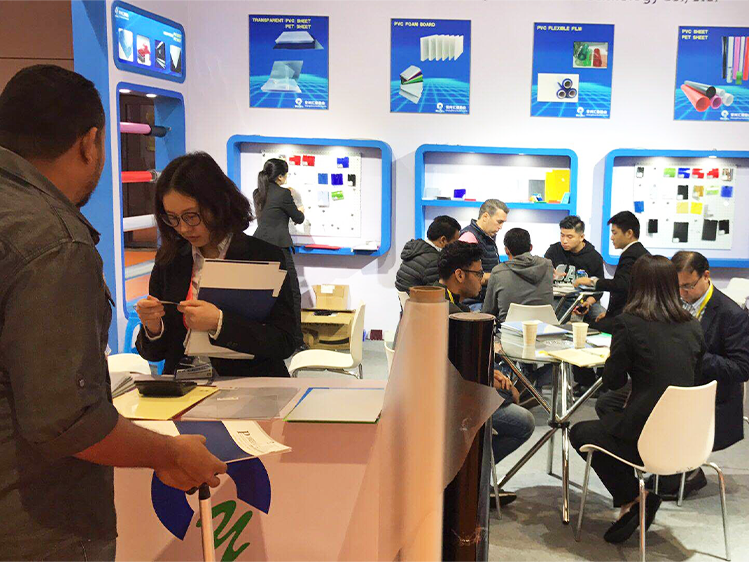
2018 Shanghai Exhibition
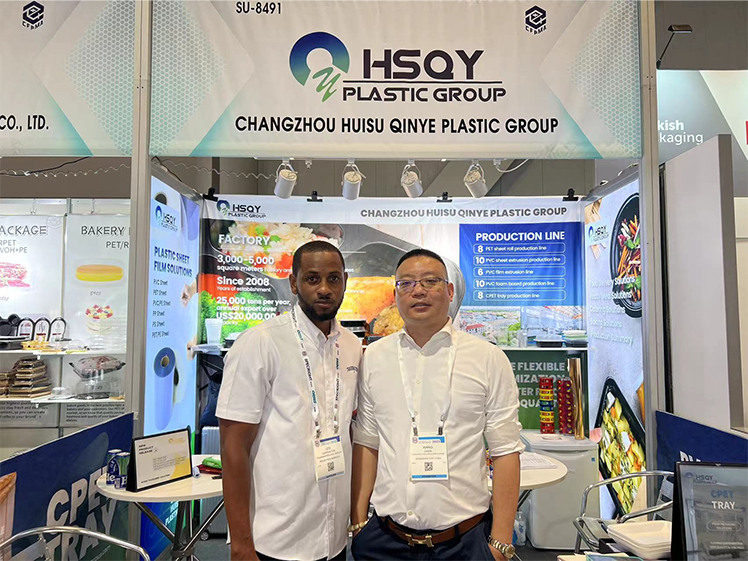
2023 American Exhibition
Production and Packing
Roll dimensions, core size, winding direction, roll weight, pallet configuration and moisture-protection requirements should be agreed according to the customer's converting equipment and international shipping conditions.
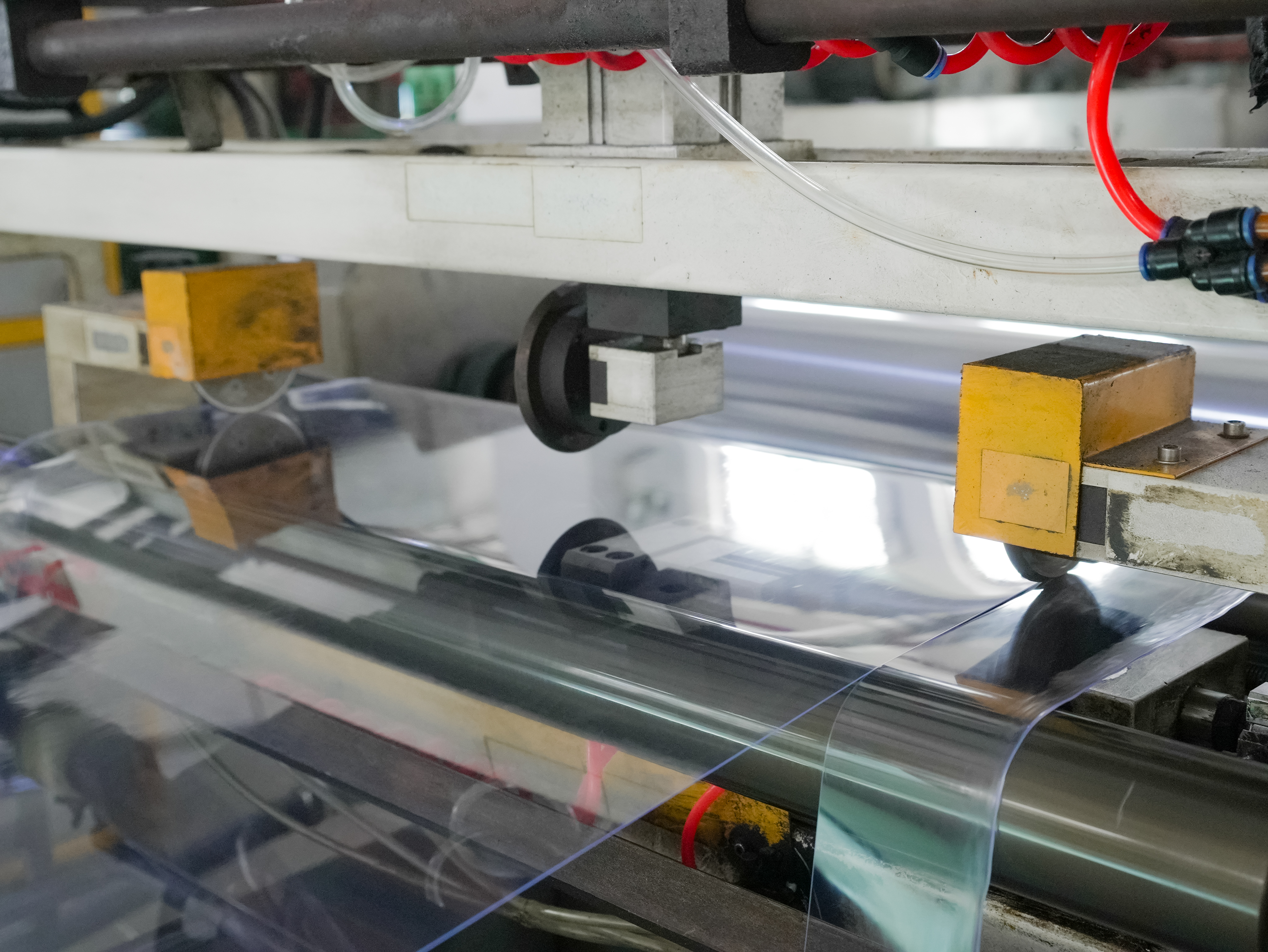
Production Line 1
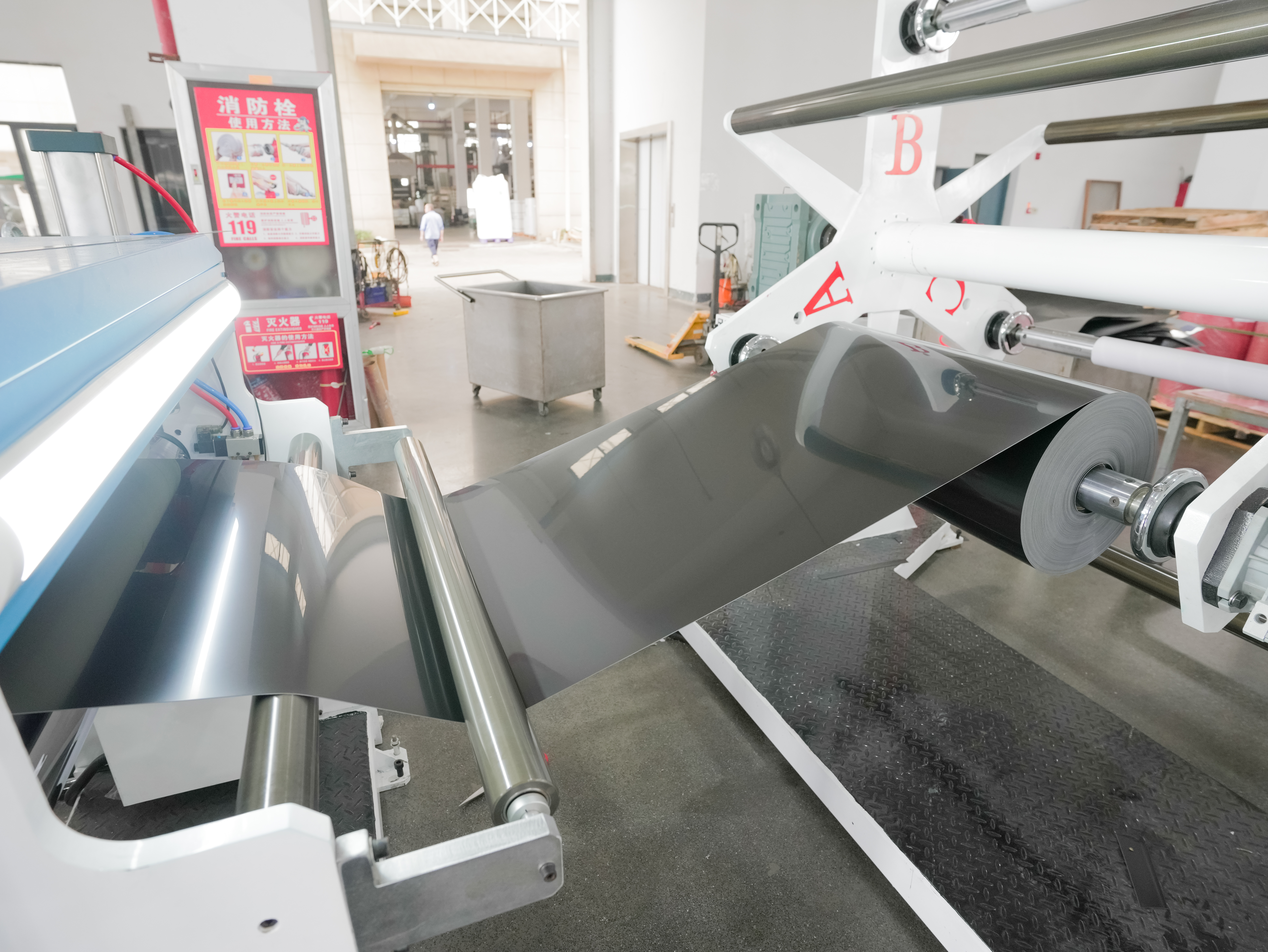
Production Line 2
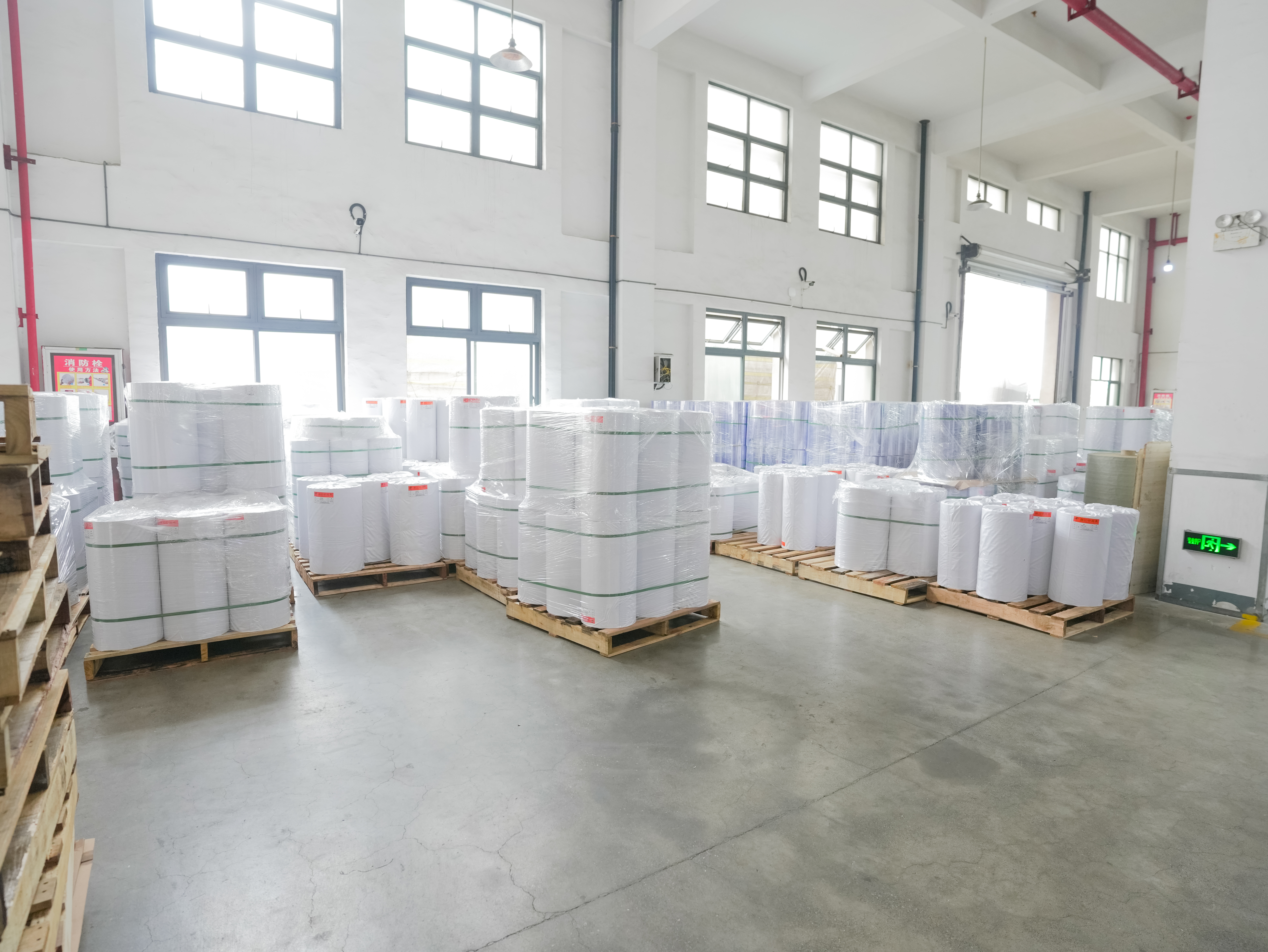
Warehouse
FAQ About PLA/PBAT Film
What is PLA/PBAT film?
PLA/PBAT film is made from a polymer blend containing polylactic acid and polybutylene adipate terephthalate. PLA contributes stiffness while PBAT can improve flexibility and toughness.
Is PLA/PBAT film biodegradable?
PLA/PBAT blends can be formulated for biodegradation under specified conditions. The exact environmental conditions, formulation and applicable test method should be identified when making a biodegradability claim.
Is PLA/PBAT film compostable?
PLA/PBAT packaging can be designed to meet compostability standards, but certification applies to the specific formulation and finished article. Request the applicable certificate before marketing the film as certified compostable.
Is PLA/PBAT film home compostable?
Not automatically. Home compostability is different from industrial compostability and requires its own applicable testing and certification.
Is PBAT made from renewable raw materials?
Conventional PBAT is generally fossil-derived even though it is biodegradable. PLA is commonly the bio-based component in a PLA/PBAT blend. The total bio-based percentage therefore depends on the exact formulation.
What thickness of PLA/PBAT film does HSQY supply?
The current HSQY specification lists thicknesses from 0.02mm to 0.2mm.
What is the maximum PLA/PBAT film width?
The current product specification lists a maximum width of 1000mm. Available width should be confirmed for the selected thickness and formulation.
Can PLA/PBAT film be used for food packaging?
Yes, suitable PLA/PBAT formulations can be produced for food-packaging applications. Food-contact compliance must be confirmed for the exact material and destination market.
Can PLA/PBAT film be thermoformed?
Suitable PLA/PBAT thermoforming grades can be formed into selected trays and containers. Not every thin flexible-film formulation is suitable for rigid thermoforming, so the application must be specified before grade selection.
Can PLA/PBAT film be heat sealed?
Many compostable film formulations can be designed for heat sealing. The actual sealing temperature, pressure, dwell time and seal strength should be validated on the intended packaging equipment.
Can PLA/PBAT film be printed?
Printing capability depends on surface energy, treatment and ink system. Specify the printing process so an appropriate film surface specification can be evaluated.
Is PLA/PBAT film high barrier?
Not automatically. High oxygen or moisture barrier requires a formulation, coating or multilayer structure specifically designed and tested for the target OTR and WVTR.
Can PLA/PBAT film replace PE film directly?
Not in every application. PLA/PBAT and PE differ in sealing behavior, mechanical properties, heat resistance, barrier performance and end-of-life options. Packaging trials should be conducted before conversion.
What compostability standards should buyers ask for?
The required standard depends on the destination market and disposal claim. Examples commonly encountered in the market include EN 13432 and ASTM D6400, but buyers should request certification applicable to the exact supplied product rather than assuming compliance.
Can I request a PLA/PBAT film sample?
Sample evaluation is recommended before commercial production to check film stiffness, flexibility, transparency, sealing, printing, thermoforming or other converting performance.
What information should I send for a PLA/PBAT film quotation?
Provide thickness, width, packaging application, food type, converting process, mechanical requirements, heat-sealing conditions, compostability standard, food-contact requirements, order quantity and destination market.
About HSQY Plastic Group
HSQY supplies plastic sheets, films and food-packaging materials for converters, packaging manufacturers, distributors and foodservice-related businesses.
PLA/PBAT projects can be evaluated according to film thickness, width, formulation, mechanical properties, transparency, heat sealing, thermoforming, barrier requirements, compostability certification and food-contact documentation.
For replacement-material projects, provide an existing film sample or technical specification together with the packaging process and annual volume so HSQY can evaluate the appropriate PLA/PBAT film grade.
Contact HSQY for PLA/PBAT Film

 English
 简体中文
 繁體中文
 العربية
 Français
 Русский
 Español
 Português
 Deutsch
 italiano
 日本語
 한국어
 Nederlands
 Tiếng Việt
 ไทย
 Polski
 Türkçe
 አማርኛ
 ພາສາລາວ
 ភាសាខ្មែរ
 Bahasa Melayu
 ဗမာစာ
 தமிழ்
 Filipino
 Bahasa Indonesia
 magyar
 Română
 Čeština
 Монгол
 қазақ
 Српски
 हिन्दी
 فارسی
 Kiswahili
 Slovenčina
 Slovenščina
 Norsk
 Svenska
 українська
 Ελληνικά
 Suomi
 Հայերեն
 עברית
 Latine
 Dansk
 اردو
 Shqip
 বাংলা
 Hrvatski
 Afrikaans
 Gaeilge
 Eesti keel
 Māori
 සිංහල
 नेपाली
 Oʻzbekcha
 latviešu
 অসমীয়া
 Aymara
 Azərbaycan dili
 Bamanankan
 Euskara
 Беларуская мова
 भोजपुरी
 Bosanski
 Български
 Català
 Cebuano
 Corsu
 ދިވެހި
 डोग्रिड ने दी
 Esperanto
 Eʋegbe
 Frysk
 Galego
 ქართული
 guarani
 ગુજરાતી
 Kreyòl ayisyen
 Hausa
 ʻŌlelo Hawaiʻi
 Hmoob
 íslenska
 Igbo
 Ilocano
 Basa Jawa
 ಕನ್ನಡ
 Kinyarwanda
 गोंगेन हें नांव
 Krio we dɛn kɔl Krio
 Kurdî
 Kurdî
 Кыргызча
 Lingala
 Lietuvių
 Oluganda
 Lëtzebuergesch
 Македонски
 मैथिली
 Malagasy
 മലയാളം
 Malti
 मराठी
 ꯃꯦꯇꯥꯏ (ꯃꯅꯤꯄꯨꯔꯤ) ꯴.
 Mizo tawng
 Chichewa
 ଓଡ଼ିଆ
 Afaan Oromoo
 پښتو
 ਪੰਜਾਬੀ
 Runasimi
 Gagana Samoa
 संस्कृत
 Gaelo Albannach
 Sepeti
 Sesotho
 chiShona
 سنڌي
 Soomaali
 Basa Sunda
 Wikang Tagalog
 Тоҷикӣ
 Татарча
 తెలుగు
 ትግንያውያን
 Xitsonga
 Türkmençe
 संस्कृत
 ئۇيغۇرچە
 Cymraeg
 isiXhosa
 ייִדיש
 Yorùbá
 isiZulu