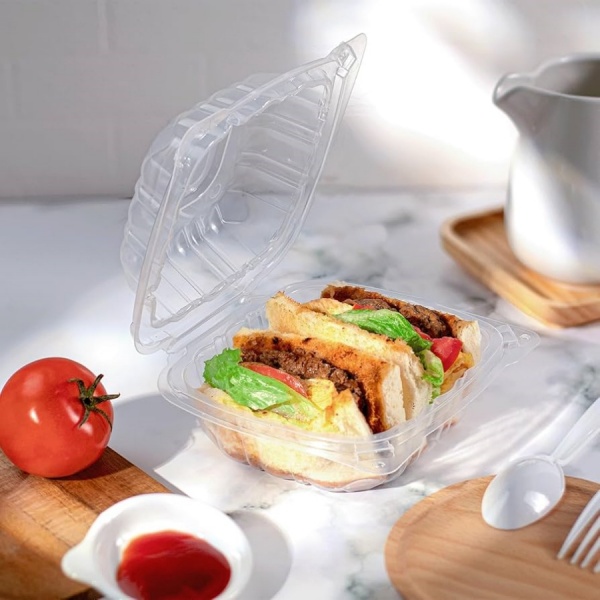
7.48 × 6.1 Inch Clear PET Fruit Box
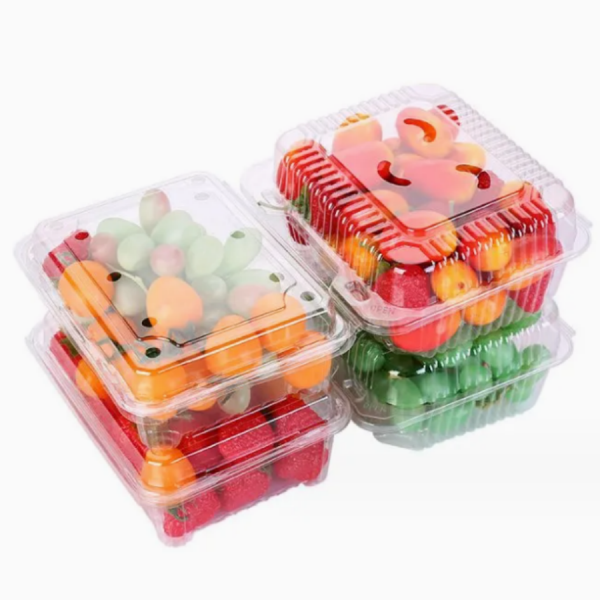
HSQY manufactures clear rectangular PET fruit boxes for strawberries, blueberries, grapes, cherries, cherry tomatoes, fresh vegetables and other retail produce.
The product series includes approximately 190 × 155mm and 195 × 159mm footprints with different depths, compartment layouts, closure structures and ventilation options.
The 7.48 × 6.1-inch product name corresponds to an approximate 190 × 155mm footprint. The current HSQY item HS-001-40 is separately listed as 195 × 159 × 43mm. Buyers should confirm the exact mold number and external dimensions before ordering.
Clear PET provides high product visibility and useful rigidity for supermarket displays, farm packing, produce distribution, cold-chain handling and export packaging.
Available designs may include one-piece hinged clamshells, trays with separate lids, open produce trays, divided fruit boxes and custom thermoformed packaging.
Vent holes, anti-fog options, label areas, tamper-evident features, recycled PET content and custom branding are available only where they are included in the selected mold and approved specification.
Explore additional PET clamshell containers and the complete HSQY PET food container range.
Request PET Fruit Box Pricing Request Samples and Drawings
Clear PET Fruit Box Images
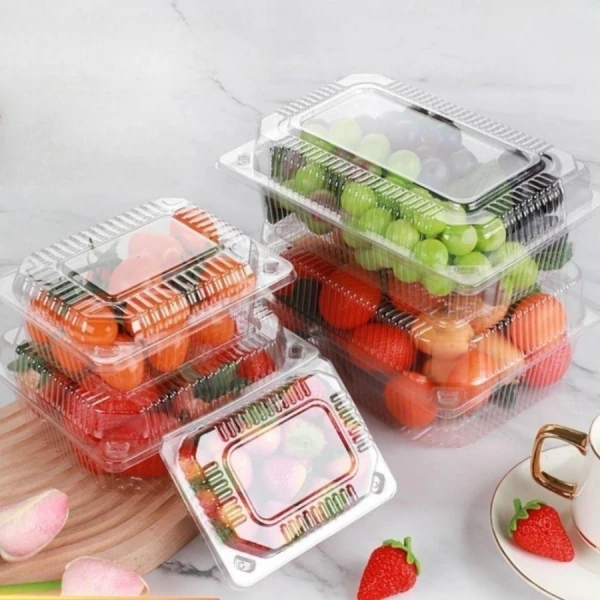
Clear Rectangular PET Fruit Box

Transparent PET Produce Packaging

Clear PET Fruit Container for Retail Display
Clear PET Fruit Box Specifications
| Property |
Available Specification |
| Product Name |
Clear Rectangular PET Fruit Box |
| Alternative Names |
PET Fruit Container, Produce Punnet, PET Berry Box, Fruit Clamshell and Clear Produce Tray |
| Brand |
HSQY |
| Current Item Number |
HS-001-40 |
| Material |
Polyethylene terephthalate / PET |
| Material Options |
Virgin PET and application-specific rPET/PCR formulations subject to confirmation |
| Named Product Footprint |
Approximately 190 × 155mm / 7.48 × 6.10 inches |
| Current HS-001-40 Dimensions |
195 × 159 × 43mm / approximately 7.68 × 6.26 × 1.69 inches |
| Related Size Options |
190 × 155 × 50mm, 190 × 155 × 60mm, 190 × 155 × 70mm and customized dimensions |
| Dimensions That Must Be Confirmed |
External length, external width, total height, base depth, lid height, internal dimensions and usable volume |
| Shape |
Rectangular |
| Color |
Clear |
| Compartments |
One, two, four or customized compartment designs subject to mold availability |
| Packaging Structure |
Hinged clamshell, tray with separate lid, open tray or customized structure subject to the selected mold |
| Closure Type |
Snap closure, perimeter lock, tab lock, separate lid or open-tray format subject to mold |
| Ventilation |
Non-vented, lid vented, sidewall vented, base vented or customized vent layout |
| Anti-Fog Option |
Anti-fog coating or material option subject to produce type, storage conditions and order requirements |
| Label Area |
Flat or recessed label area can be evaluated according to mold design |
| Branding Options |
Pressure-sensitive labels, sleeves, embossed logos and selected printing methods |
| Tamper-Evident Option |
Tamper-evident label, tear strip or custom closure subject to mold and packaging design |
| Container Weight |
To be confirmed according to dimensions, wall thickness and mold |
| Wall Thickness |
To be confirmed according to required rigidity and stacking performance |
| Nominal Capacity |
To be confirmed by volume or target produce fill weight |
| Main Applications |
Berries, grapes, cherries, cherry tomatoes, vegetables, herbs and fresh produce |
| Storage Application |
Ambient and refrigerated fresh-produce applications subject to food and cold-chain validation |
| Microwave Use |
Not recommended for standard PET fruit containers |
| Oven Use |
Not suitable for conventional oven use |
| Freezer Use |
Must be validated for the exact grade, temperature, duration and impact requirements |
| Current Case Pack |
300 units per case |
| Minimum Order Quantity |
Approximately 30,000 units |
| Samples |
Existing-mold samples may be available for fit, closure, venting and transport evaluation |
| Typical Lead Time |
Approximately 7-15 days for available molds after specification and order confirmation |
| Custom Mold Lead Time |
Subject to drawing approval, tooling development, sampling and testing |
| Payment Terms |
T/T, L/C, Western Union, PayPal and other confirmed commercial terms |
| Delivery Terms |
EXW, FOB, CNF, DDU and other agreed terms |
The page currently lists both 190 × 155mm and 195 × 159mm product footprints. The final purchase specification should identify the exact item number, mold drawing and external dimensions.
What Is a Clear PET Fruit Box?
A clear PET fruit box is a thermoformed plastic container used to hold, protect, transport and display fresh fruit and vegetables.
PET provides transparency that allows consumers and retail staff to inspect fruit color, ripeness, size and condition without opening the package.
The formed ribs, corners, walls and lid structure help protect delicate produce from direct compression, handling damage and contamination.
Fruit boxes may be designed with ventilation holes to support airflow during field cooling, cold storage and transport.
The packaging does not preserve produce independently. Product temperature, washing process, humidity, respiration rate, cooling time and cold-chain control remain critical.
PET Fruit Box, Punnet, Tray and Clamshell Differences
| Packaging Type |
Structure |
Typical Use |
Main Consideration |
| Hinged Clamshell |
One-piece base and lid connected by a hinge |
Berries, grapes, tomatoes, herbs and retail produce |
Hinge durability, snap closure and tamper evidence |
| Tray with Separate Lid |
Separate base and matching lid |
Fresh-cut fruit, mixed produce and prepared fruit |
Lid fit, inventory management and leak resistance |
| Open Produce Tray |
Open tray without rigid lid |
Fruit wrapped with film or sold as an open retail pack |
Film compatibility and product retention |
| Heat-Seal Tray |
Tray with a flange designed for lidding film |
Fresh-cut fruit, berries and controlled-atmosphere packs |
Flange flatness, sealing film and machine parameters |
| Divided Fruit Box |
One-piece or lidded pack with multiple cavities |
Mixed fruit, snack packs and combination produce |
Compartment capacity and product separation |
Ventilation Options for Fresh Produce Packaging
Lid Ventilation
Lid vents allow warm and humid air to move upward and escape from the package.
Sidewall Ventilation
Sidewall vents support lateral airflow when containers are placed beside each other in cartons or retail displays.
Base Ventilation
Base vents can support vertical airflow and allow limited moisture drainage, but they may not be suitable where leakage control is required.
Rim and Closure Vents
Slots around the lid or closure rim can provide airflow while helping maintain the structural strength of the main lid and base.
Non-Vented Designs
Non-vented boxes may be selected for dry products, prepared fruit, products requiring leak resistance or packaging systems that use a separate humidity-control method.
The correct vent area depends on produce respiration, washing process, pre-cooling method, cold-chain temperature, relative humidity, carton ventilation and transport time.
How to Select a Fruit Box for Different Produce
| Produce |
Recommended Packaging Direction |
Important Checks |
| Strawberries |
Vented rigid box with sufficient lid clearance and secure closure |
Berry height, bruise protection, moisture, fill weight and stacking pressure |
| Blueberries |
Small vented clamshell with controlled holes and reliable lock |
Vent-hole size, berry escape, condensation and automated filling |
| Grapes |
Deeper vented punnet with headspace for bunches and stems |
Bunch height, berry diameter, stem space, pack weight and carton layout |
| Cherries |
Vented container with smooth walls and secure closure |
Stem clearance, fill weight, airflow and surface scuffing |
| Cherry Tomatoes |
Vented clamshell or produce tray with stable stacking |
Tomato diameter, pack height, lid pressure and retail display |
| Fresh-Cut Fruit |
Non-vented or limited-vent container with leak-resistant closure |
Juice leakage, sanitation, tamper evidence and shelf-life validation |
| Herbs and Leafy Produce |
Vent layout selected for moisture and wilting control |
Humidity, condensation, compression and cold-chain temperature |
Key Features of Clear PET Produce Packaging
High Product Visibility
Clear PET allows shoppers to inspect fruit color, size, ripeness and general condition without opening the package.
Protective Rigid Structure
Formed walls, ribs and corners help protect produce from direct handling pressure and reduce package deformation.
Secure Closure Options
Snap locks, perimeter closures and tamper-evident options can help keep the pack closed during handling, transport and retail display.
Ventilation Options
Customized vent patterns can support airflow, field cooling and moisture management for selected produce.
Stackable Design
Molded rims, lid profiles and base features can help stabilize containers in cartons and retail displays.
Lightweight Packaging
Thermoformed PET provides useful package strength while keeping container weight and transport volume under control.
Closure, Stacking and Transport Performance
A fruit box should remain closed during filling, carton packing, pallet handling, cold storage and retail display.
Closure performance should be checked after repeated opening, low-temperature conditioning and realistic transport vibration.
Container depth should provide enough headspace to avoid pressing delicate fruit against the lid.
The base and lid should support stable stacking without transferring excessive load directly onto the produce.
Buyers should test the final package inside the actual corrugated carton using the intended stacking pattern and pallet height.
Manual and Automated Produce Packing
PET fruit boxes can be used at manual farm-packing tables, supermarket preparation areas and automated produce-packing lines.
Automated systems require consistent nesting height, reliable denesting, controlled flange dimensions and repeatable closure performance.
The packaging should be tested with the customer's denester, conveyor, weighing system, label applicator, closure unit and carton-packing method.
Static, nesting pressure and dimensional variation can affect whether individual boxes separate smoothly.
Anti-Fog and Condensation Control
Condensation can reduce product visibility and create an unattractive retail appearance when warm produce is placed into a cold environment.
Vent holes can help manage airflow, but they do not eliminate condensation in every packing and storage condition.
Anti-fog coating or an anti-fog PET formulation can be evaluated where clear visibility is required during refrigerated display.
Anti-fog performance should be tested using the actual produce, washing process, pack temperature, storage humidity and display conditions.
PET, rPET, PP and PLA Fruit Packaging
| Material |
Main Advantages |
Main Considerations |
Typical Applications |
| Virgin PET |
High clarity, rigidity and consistent visual appearance |
Food-contact documentation and local thermoform recycling acceptance |
Berries, grapes, produce, salads and retail food packaging |
| rPET or PCR PET |
Incorporates recycled PET and supports recycled-content targets |
PCR percentage, clarity, color, food-contact status and supply consistency |
Produce packaging with approved recycled-content requirements |
| Polypropylene / PP |
Useful flexibility and higher-temperature options for selected food applications |
Lower clarity than PET and different recycling stream |
Food containers requiring PP-specific performance |
| PLA |
Bio-based and industrially compostable options may be available |
Heat sensitivity, certified composting conditions and limited collection infrastructure |
Cold produce packs for markets with appropriate composting programs |
Food-Contact and Regulatory Requirements
A PET container intended for direct contact with fruit must use a formulation and production process suitable for the destination market and intended conditions of use.
Buyers should identify the destination country, food type, contact duration, storage temperature and whether the fruit is whole, washed, cut or processed.
Food-contact documentation may cover the resin, colorants, additives, recycled content and applicable migration requirements.
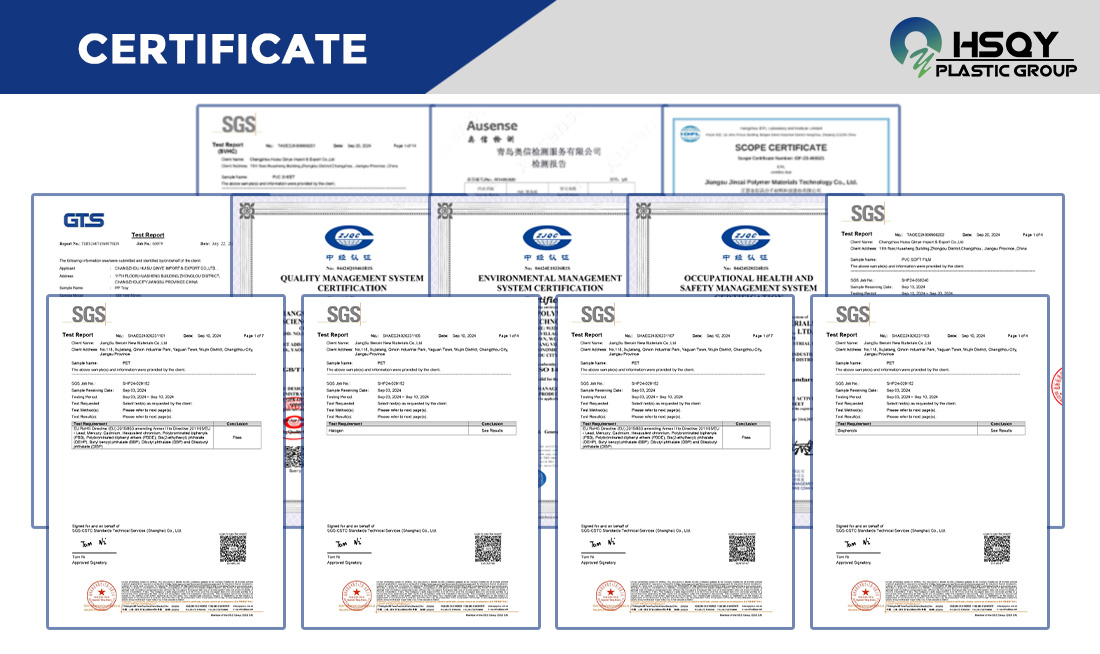
SGS is a testing, inspection and certification organization. Any SGS claim should identify the actual report, tested product, test method and result.
ISO 9001 is a quality-management-system standard and does not independently prove that a specific fruit box complies with food-contact regulations.
Refrigerated, Frozen and High-Temperature Use
Standard PET fruit boxes are primarily designed for ambient and refrigerated produce packaging.
Refrigerated performance should be evaluated using the actual product temperature, condensation level, carton design and transport duration.
Freezer suitability must be confirmed because low temperatures can change impact performance and increase the risk of cracking during handling.
Standard PET fruit boxes should not be used in microwave ovens, conventional ovens or for hot filling unless a specific material and package have been tested for that use.
PET Fruit Box Recycling Considerations
PET is identified by resin code number 1 and can technically be recycled.
Actual acceptance of PET fruit boxes and thermoformed clamshells varies by city, country and recycling facility.
Paper labels, adhesives, absorbent pads, food residue and mixed-material components can affect sorting and recycling.
Packaging should therefore be described as recyclable where appropriate collection and PET thermoform recycling facilities exist rather than universally recyclable in every market.
Custom PET Fruit Packaging Options
Existing 190 × 155mm and 195 × 159mm rectangular molds.
Customized length, width, depth and internal volume.
One, two, four and custom compartment layouts.
Hinged clamshell, separate lid and open-tray structures.
Lid, sidewall, rim and base ventilation.
Round holes, slots and customized vent patterns.
Snap locks and perimeter closures.
Tamper-evident label or closure options.
Anti-fog material or coating options.
Flat or recessed label areas.
Embossed logo and traceability marks.
Virgin PET and approved rPET/PCR options.
Customized container weight and wall thickness.
Manual and automated packing-line designs.
Customized carton quantity, pallet pattern and export marks.
Recommended Quality-Control Tests
PET resin and recycled-content verification.
External and internal dimensions.
Total height, base depth and lid height.
Container weight and wall-thickness distribution.
Transparency, haze, color and black-spot inspection.
Closure force and repeated closure testing.
Hinge flexibility and crack resistance.
Vent-hole number, position and dimensions.
Container nesting and denesting performance.
Stacking stability and compression testing.
Carton fit and pallet-stack evaluation.
Transport vibration and drop testing.
Refrigerated impact performance.
Freezer evaluation where required.
Anti-fog and condensation testing where specified.
Label adhesion and automatic labeling tests.
Food-contact and migration documentation review.
Case quantity, carton dimensions and shipping-label inspection.
Information Required for a PET Fruit Box Quote
Fruit or vegetable type.
Whole, washed, cut or processed produce.
Required net fill weight or volume.
Maximum fruit height and diameter.
Required external dimensions.
Required internal usable dimensions.
One-piece clamshell, tray with lid or open tray.
Required number of compartments.
Vented or non-vented design.
Vent-hole size, number and position.
Closure and tamper-evident requirements.
Anti-fog requirement.
Virgin PET or rPET/PCR requirement.
Target container weight and rigidity.
Manual or automated packing process.
Label dimensions and labeling equipment.
Cold-storage and transport temperature.
Carton dimensions and preferred case quantity.
Pallet height and transport route.
Destination market and required food-contact documents.
Initial order and estimated annual volume.
Send Your PET Fruit Box Requirements
Packing and Delivery
Sample packing: Existing-mold samples can be packed in protective bags or cartons to reduce crushing during courier delivery.
Current case pack: The HS-001-40 listing shows 300 units per case.
Bulk packing: Containers are nested and packed in food-packaging bags and corrugated export cartons.
Nesting control: The nesting height and compression should be controlled to reduce carton volume without causing difficult denesting.
Carton protection: Carton strength should be selected according to the case quantity, stacking height, route and humidity conditions.
Pallet packing: Cartons can be secured on export pallets using stretch film, straps and corner protection.
Container loading: Loading quantity depends on carton dimensions and package nesting rather than product weight alone.
Lead time: Existing-mold orders normally require approximately 7-15 days after specification, sample and payment confirmation.
Delivery terms: EXW, FOB, CNF, DDU and other agreed commercial terms are available.
Certifications and Technical Documents
Available documents may include product specifications, food-contact declarations, migration-test reports, restricted-substance reports and quality-management certificates.
Every document should be checked against the exact PET grade, recycled-content percentage, color, container model, production site and destination market.
SGS reports should be described according to the actual tests completed rather than presented as a universal food-safety or sustainability certification.
The version, certificate holder, scope and validity of any ISO quality-management certificate should be confirmed before publication.

Why Choose HSQY as Your PET Fruit Box Supplier?
Existing rectangular PET fruit box molds.
Clear packaging for fruit and vegetable retail display.
Multiple depths and compartment options.
Hinged, lidded and open-tray structures.
Customized ventilation layouts.
Label areas and branding options.
Virgin PET and application-specific rPET options.
Samples for product-fit and transport testing.
Existing-mold and custom-tooling support.
Manual and automated packing-line evaluation.
Carton, pallet and export-packaging customization.
Food-contact document support according to the destination market.
Before bulk production, HSQY recommends testing the actual fruit inside a production sample and completing closure, ventilation, stacking, carton and cold-chain trials.
Contact HSQY for Samples and Pricing
Frequently Asked Questions About Clear PET Fruit Boxes
What is a clear PET fruit box?
It is a transparent thermoformed PET container used to protect, transport and display fresh fruit and vegetables.
What are the exact dimensions of this fruit box?
The page name refers to approximately 190 × 155mm, while the current HS-001-40 product parameter lists 195 × 159 × 43mm. The exact mold drawing must be confirmed before ordering.
How many compartments are available?
One-, two- and four-compartment designs may be available. Final availability depends on the selected mold.
Is this product a clamshell or an open tray?
HSQY supplies hinged clamshells, separate-lid trays and open produce trays. Confirm the required structure and item number in the quotation.
Does the fruit box have ventilation holes?
Ventilation depends on the mold. Lid, sidewall, base, rim and non-vented options can be evaluated.
Why do fruit containers need ventilation?
Ventilation can support airflow, pre-cooling and moisture management. The correct vent area depends on the produce and cold-chain process.
Is the PET fruit box anti-fog?
Standard PET is not automatically anti-fog. An anti-fog option can be evaluated and tested for the intended storage conditions.
Is the box suitable for strawberries?
It may be suitable when the depth, vent design, fill weight and lid clearance match the strawberry size and packing process.
Can it be used for grapes?
Yes, provided the box has sufficient depth and headspace for the grape bunches and stems.
Can it be used for blueberries?
A suitable vented mold can be used for blueberries. Vent openings must be small enough to prevent berries from escaping.
Can it be used for cherry tomatoes?
Yes. The tomato diameter, package depth, ventilation and lid pressure should be checked using actual product samples.
Can the fruit box be customized?
Dimensions, depth, compartments, vents, locks, label areas, material weight and carton packing can be customized subject to tooling and MOQ.
Can HSQY develop a custom mold?
Custom mold development can be evaluated after the drawing, product sample, target fill weight, order volume and packing requirements are confirmed.
Can an embossed logo be added?
An embossed logo, recycling mark, cavity number or traceability code can be added through a customized mold.
Can labels be applied automatically?
Yes. The label area, curvature and package orientation should be matched to the customer's automatic label applicator.
Is tamper-evident packaging available?
Tamper-evident labels, tear-strip structures and customized locks can be evaluated depending on the selected mold.
Is the PET fruit box food safe?
Food-contact suitability must be confirmed for the exact PET grade, additives, recycled content, destination market and conditions of use.
Does an SGS report prove food-contact compliance?
Only when the report covers the relevant food-contact tests, exact material and intended market. SGS itself is not a universal food-safety standard.
Is PET BPA-free?
BPA is not normally used as a building block in PET resin. Any specific restricted-substance claim should still be supported by applicable supplier documentation or testing.
Can recycled PET be used?
Food-contact rPET or PCR PET can be evaluated according to the required recycled percentage, clarity and market documentation.
Is the fruit box recyclable?
PET is technically recyclable, but local acceptance of PET thermoformed fruit boxes varies by recycling program.
Can the PET container be microwaved?
Standard PET fruit boxes should not be used in a microwave oven.
Can it be used in an oven?
No. Standard APET fruit packaging is not designed for conventional oven use.
Can it be used in a freezer?
Freezer suitability must be tested for the exact PET grade, temperature, duration and impact conditions.
Are the fruit boxes stackable?
Most fruit-box molds include stacking features, but the final carton and pallet configuration should be tested with the actual fruit load.
Can these boxes run on an automated packing line?
Existing models may be suitable after nesting, denesting, conveyor, closure and label-application trials are completed.
What is the case quantity?
The current HS-001-40 page lists 300 units per case. Other models may use different carton quantities.
What is the minimum order quantity?
The current standard MOQ is approximately 30,000 units. Custom molds, recycled-content grades and special structures may require a different quantity.
Are samples available?
Existing-mold samples may be available for checking fruit fit, closure, ventilation, clarity, stacking and carton compatibility.
What is the production lead time?
Existing-mold orders normally require approximately 7-15 days after specification, sample and payment confirmation.
What information is required for a quotation?
Provide the produce type, target fill weight, dimensions, depth, structure, compartments, ventilation, material, quantity, carton requirements and destination market.
Get a Custom PET Fruit Box Quote
About HSQY Plastic Group
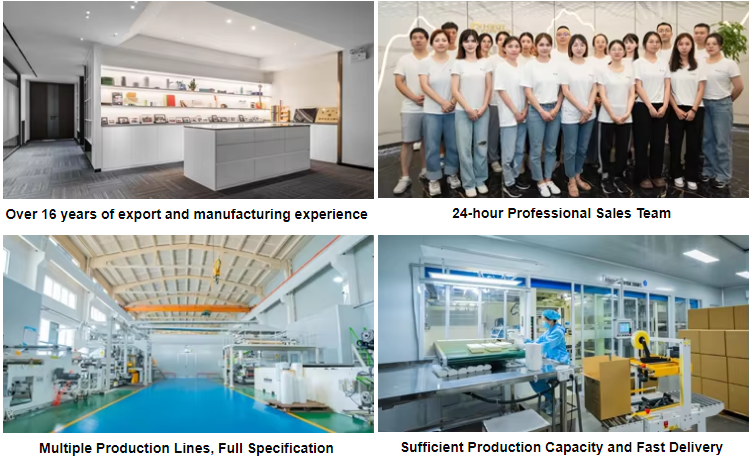
HSQY Plastic Group supplies clear PET fruit boxes, produce clamshells, meat and vegetable trays, bakery containers, salad containers and customized plastic food packaging to international B2B customers.
HSQY supports farms, produce packers, supermarket suppliers, food processors, packaging distributors and retail brands with existing-mold selection, custom tooling, samples, quality inspection and export packaging.

Request a Quote and Sample