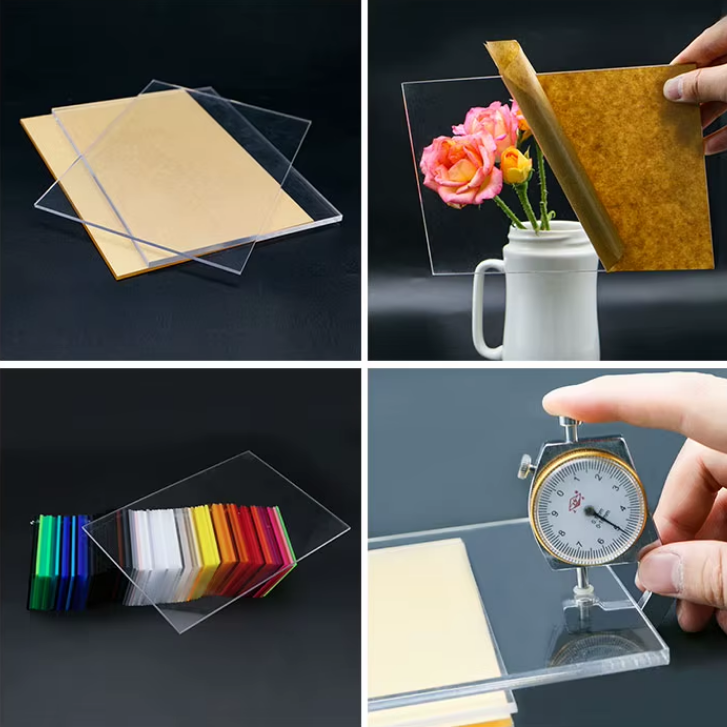
HSQY custom cast acrylic sheet is a high-clarity PMMA panel for signage, retail displays, furniture, interior decoration, viewing panels and precision fabrication. Cast construction is particularly suitable where optical appearance, laser-cut edge quality, polishing and customization are important.
The current detailed product specification lists thicknesses from 1mm to 20mm, custom sheet dimensions, clear and colored options, and glossy, frosted and embossed surfaces. Clear material is listed with up to 93% light transmission.
For repeat B2B purchasing, specify thickness, finished dimensions, color, surface, optical requirements, edge finish, laser or CNC processing, printing, bending and final application rather than purchasing acrylic only by nominal thickness.
Cast Acrylic Sheet Video
Cast Acrylic Sheet Images

Clear Cast Acrylic Sheet

Precision Laser-Cut Acrylic

Colored Cast Acrylic Sheet

Cast Acrylic for Furniture & Interior Applications
Cast Acrylic Sheet Specifications
The detailed product specification currently lists 1–20mm, while the product header lists 2–20mm. Buyers requiring 1mm or another boundary thickness should confirm current production availability with the quotation.
| Property |
Details |
| Product Name |
Custom Cast Acrylic Sheet |
| Material |
100% Virgin PMMA |
| Detailed Listed Thickness Range |
1–20mm; confirm 1mm and other required gauges before ordering |
| Size |
Customizable |
| Clear-Grade Light Transmission |
Up to 93% Listed |
| Listed Relative Impact Claim |
7–18× Glass; request applicable test basis where impact performance is project-critical |
| Colors |
Clear, White, Red, Black, Custom |
| Surface |
Glossy, Frosted, Embossed |
| Processing |
Laser Cutting, Polishing, Printing, Heat Bending |
| Main Applications |
Signage, Retail Displays, Furniture, Interior Panels, Viewing Panels, Aquariums and Custom Fabrication |
| Listed Documentation |
SGS, ISO 9001:2008, RoHS, REACH; confirm current scope and validity |
| MOQ |
1000kg |
| Listed Lead Time |
7–15 Days; confirm according to thickness, color, dimensions and quantity |
What Is Cast Acrylic Sheet?
Cast acrylic sheet is a rigid thermoplastic panel made from polymethyl methacrylate, or PMMA, using a casting process rather than continuous extrusion.
Cast PMMA is widely selected for projects requiring high optical quality, clean machining, polished edges, laser engraving, custom colors and a broad range of fabricated designs.
The material is commonly used in signage, retail fixtures, furniture, decorative panels, display cases, viewing panels and other applications where visual appearance is an important part of the finished product.
Cast Acrylic vs. Extruded Acrylic
| Selection Factor |
Cast Acrylic |
Extruded Acrylic |
| Typical Purchasing Direction |
Optical appearance, machining, laser engraving, polishing and customized colors |
Standardized gauges, repeat volume production and efficient thermoforming |
| Laser Cutting |
Commonly selected for clean laser-cut and polished-looking edges |
Laser processing is possible but behavior differs from cast material |
| Machining |
Well suited to precision machining and polished finished parts |
Suitable for many standard cutting and forming operations |
| Color Customization |
Well suited to clear, opaque, translucent and customized color projects |
Custom colors possible depending on production quantity and grade |
| Thermoforming |
Suitable for heat forming when processing conditions are controlled |
Frequently selected for high-volume forming applications |
If a project could use either cast or extruded PMMA, state the required acrylic type in the RFQ to avoid material substitution.
Clear Cast Acrylic with Up to 93% Light Transmission
The current HSQY specification lists up to 93% light transmission for clear cast acrylic sheet. High optical transmission makes clear PMMA useful for transparent displays, covers, viewing panels, glazing and decorative applications.
Actual optical performance can vary with thickness, surface finish, tint, color and production grade. Projects requiring a defined transmission, haze or optical-distortion limit should include the applicable requirement in the purchasing specification.
Cast Acrylic for Laser Cutting and Engraving
Laser cutting and engraving are among the strongest fabrication directions for cast acrylic. The material can produce clean profiles, lettering, logos, decorative components and display parts when processed with suitable equipment.
For precision laser projects, provide thickness, finished dimensions, cut geometry, engraving depth, edge requirements and dimensional tolerances.
Machine settings, extraction and process conditions should follow the laser-equipment manufacturer's requirements and the selected PMMA grade.
Polished Acrylic Edges
Cast acrylic is frequently selected when machined or cut edges remain visible in the finished product. Suitable edge-finishing methods can produce a clear, refined appearance for display, furniture and architectural components.
Polishing and diamond polishing are available processing options. Buyers should specify whether edges are required as-cut, polished, beveled or otherwise finished.
Custom Cast Acrylic Colors
The current product specification lists clear, white, red, black and custom colors.
Custom color projects can be useful for branded retail displays, illuminated signs, furniture, decorative panels and architectural features where the acrylic itself contributes to the finished visual identity.
Where precise color matching is important, provide a color reference and approve a production sample before a repeat bulk order.
Glossy, Frosted and Embossed Acrylic Surfaces
| Surface |
General Selection Direction |
| Glossy |
Transparent displays, furniture, covers, viewing panels and decorative parts requiring a smooth reflective finish |
| Frosted |
Privacy panels, diffused displays, decorative surfaces and applications requiring reduced direct visibility |
| Embossed |
Decorative panels and specialty applications requiring a textured appearance |
Cast Acrylic for Retail Displays and POP Fixtures
Cast acrylic is widely used for retail display stands, product showcases, point-of-sale fixtures, shelves, transparent covers and branded display components.
Display manufacturers should specify optical appearance, color, sheet thickness, edge quality, joining method, printing and finished dimensions when selecting the material.
Cast Acrylic for Signage
Clear and colored cast PMMA can be used for signs, laser-cut lettering, logos, illuminated displays, menu panels and other fabricated signage components.
For illuminated signs, specify transparent, translucent or opaque appearance, color, sheet thickness, lighting configuration and required light transmission before production.
Cast Acrylic for Furniture and Interior Design
Furniture and interior design are included among the current product applications. Cast acrylic can be fabricated into decorative panels, shelving, furniture surfaces, partitions, table components and transparent design features.
Furniture buyers should provide finished panel dimensions, expected load, support positions, edge finish, drilling and joining requirements so the appropriate thickness can be reviewed.
Cast Acrylic for Aquariums and Viewing Panels
Aquariums and viewing panels are listed among the current applications because clear cast acrylic provides high transparency and can be machined and bonded into fabricated structures.
Aquarium panel thickness must not be selected from the general 1–20mm product range alone. Water depth, panel dimensions, support geometry, bonding design and required safety factor must be evaluated for the actual structure.
For large or load-bearing viewing panels, provide structural requirements and confirm whether a thicker specialized cast acrylic product is required.
Architectural Glazing and Interior Panels
Cast acrylic can be evaluated for selected interior glazing, decorative partitions, transparent barriers and architectural panels where its optical appearance and fabrication capability are useful.
Load-bearing glazing, code-regulated installations and safety-critical barriers should be specified according to the applicable structural, fire and building requirements rather than relying only on general sheet properties.
UV Printing and Screen Printing
UV and screen printing are available processing options. Printed acrylic can be used for signs, display graphics, decorative panels and branded components.
Before volume printing, test ink adhesion, curing conditions, surface preparation and color appearance on the actual production sheet.
Heat Bending and Thermoforming
Cast acrylic can be heat bent and thermoformed into suitable display, furniture, signage and fabricated components.
Processing conditions depend on thickness, forming geometry, heating uniformity and required optical appearance. For production forming, provide bend radius, forming depth, mold geometry and finished dimensions.
Impact and Breakage Resistance
The current HSQY specification lists a relative impact claim of 7–18 times that of glass.
Acrylic should not be described as completely shatterproof. Actual impact performance depends on thickness, grade, test method, temperature, support and loading conditions.
Where impact performance is critical, request the relevant test data for the exact cast acrylic grade and thickness being supplied.
Outdoor and Weather Exposure
UV resistance and long-term outdoor use are listed among the product characteristics.
Outdoor projects should still specify expected UV exposure, temperature range, color stability, surface appearance and service period. Request applicable weathering or grade-specific documentation where long-term exterior performance is important.
Choosing Cast Acrylic Thickness
| Thickness Direction |
General Application Direction |
What to Confirm |
| 1–3mm |
Signs, covers, decorative panels, lightweight displays and fabricated components |
Flatness, mounting, forming, handling and optical requirements |
| 4–6mm |
Displays, furniture panels, signs, covers and general fabricated parts |
Panel dimensions, drilling, edge finishing and support |
| 8–12mm |
Thicker display components, furniture parts, shelves and viewing panels |
Unsupported span, machining, load and joining |
| 15–20mm |
Substantial fabricated components and thick transparent panels |
Finished weight, machining, structure, load and safety requirements |
These ranges are general selection directions rather than structural ratings. Final thickness should be determined according to finished dimensions, support, load, fabrication and applicable project requirements.
Custom Acrylic Processing
Cut to Size: Custom dimensions for finished or semi-finished acrylic components.
Laser Cutting & Engraving: Precision profiles, lettering, logos and decorative components.
Diamond Polishing: Edge finishing for transparent display and decorative components.
UV & Screen Printing: Printed signage, branded display panels and decorative parts.
Heat Bending: Formed angles and fabricated acrylic components.
Custom Fabrication: Processing according to drawings and project requirements.
Typical Cast Acrylic Applications
Retail Displays: Product stands, showcases, shelves and point-of-sale components.
Signage: Clear and colored signs, laser-cut lettering, logos and illuminated components.
Furniture: Decorative furniture panels, shelves, tables and transparent design components.
Interior Design: Partitions, decorative panels, wall features and transparent fixtures.
Viewing Panels: Transparent observation and display panels selected according to structural requirements.
Custom Fabrication: Laser-cut, machined, polished, printed and heat-formed components.
Explore More HSQY Acrylic Sheet Products
How to Specify Custom Cast Acrylic Sheet
| RFQ Item |
Information to Provide |
| Application |
Signage, display, furniture, viewing panel, interior panel, aquarium or other application |
| Acrylic Type |
Confirm cast acrylic / cast PMMA |
| Thickness |
Required nominal thickness; detailed page range lists 1–20mm |
| Thickness Tolerance |
Required minimum and maximum thickness where critical |
| Sheet Size |
Required length and width or finished cut dimensions |
| Color |
Clear, white, red, black or required custom color |
| Surface |
Glossy, frosted, embossed or required surface appearance |
| Optical Requirement |
Light transmission, haze, tint or approved visual sample where applicable |
| Laser / CNC Processing |
Cut profiles, engraving, holes, routing, finished dimensions and tolerances |
| Edge Finish |
As-cut, polished, diamond-polished, beveled or other requirement |
| Printing |
UV, screen or other intended printing process |
| Heat Forming |
Bend radius, forming depth, mold geometry and finished dimensions |
| Joining |
Bonding, fastening or assembly requirements where applicable |
| Service Environment |
Indoor, outdoor, wet environment, glazing or another service condition |
| Documentation |
Required technical or destination-market documents |
| Quantity |
Required quantity; current listed MOQ is 1000kg |
| Destination |
Destination country or port |
Cast Acrylic Sheet Data Sheets
The following data-sheet and test-report links are available. Confirm that each document applies to the exact cast acrylic grade, thickness, color and surface being ordered.
Certification and Documentation
The current product page lists SGS, ISO 9001:2008, RoHS and REACH documentation. Buyers should request current copies and verify the scope, issuing organization, validity and applicability to the exact PMMA grade being purchased.

HSQY Certification Information
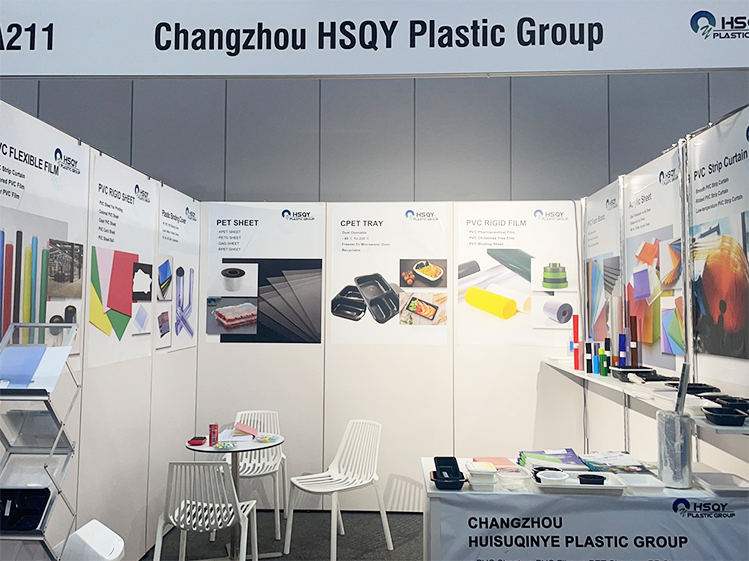
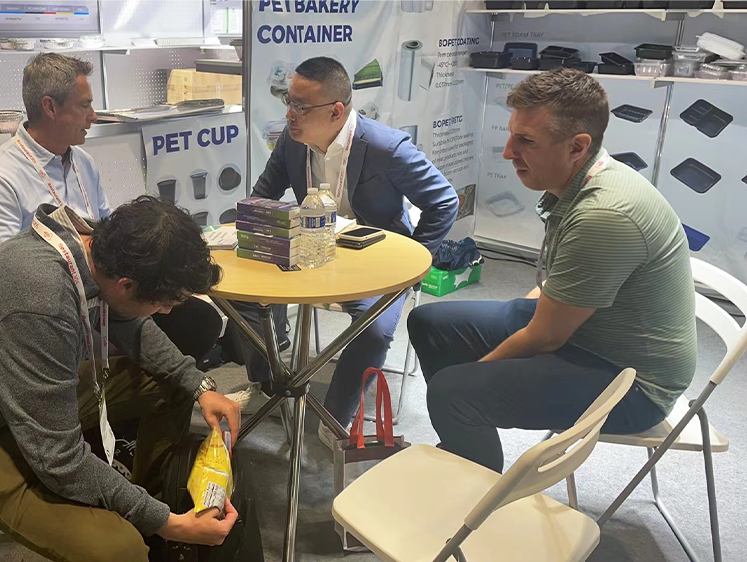
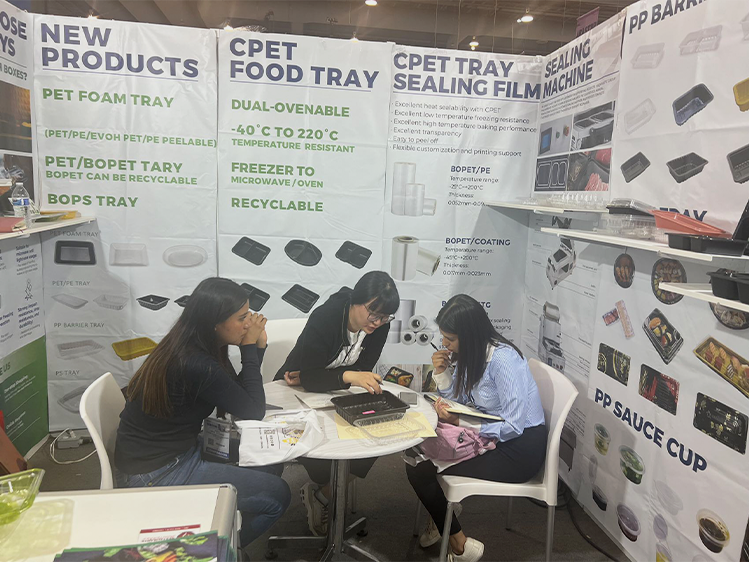
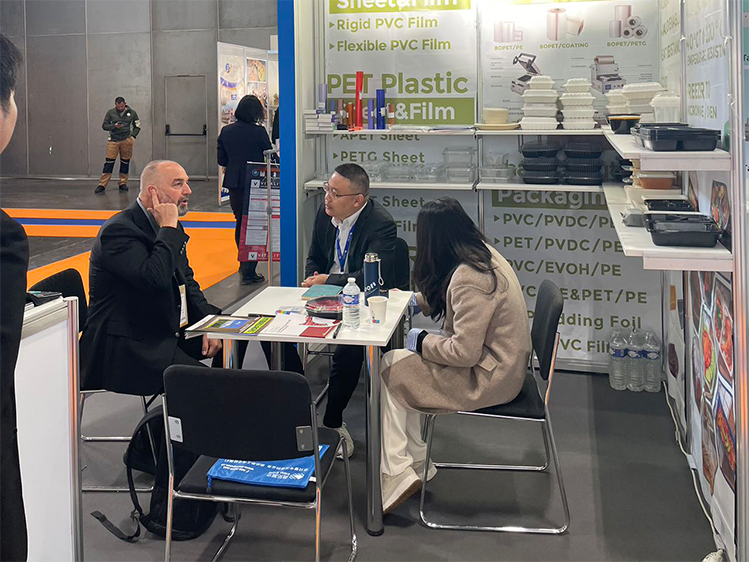
HSQY Global Exhibitions

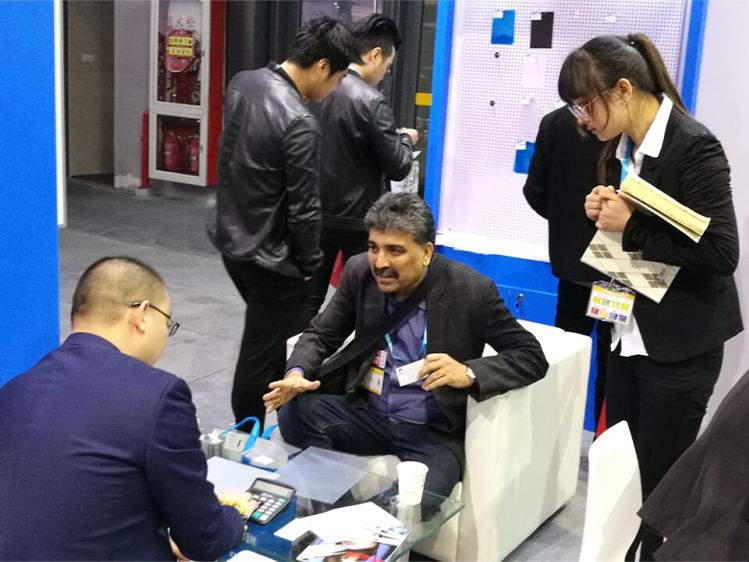
2017 Shanghai Exhibition

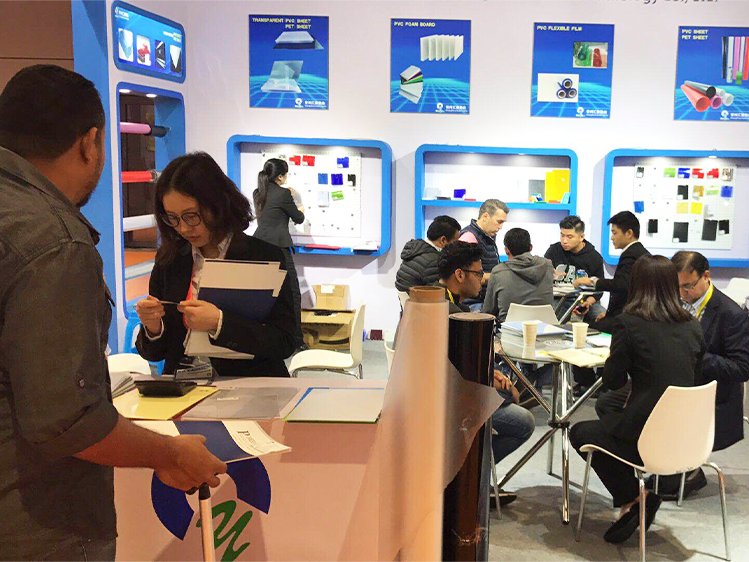
2018 Shanghai Exhibition

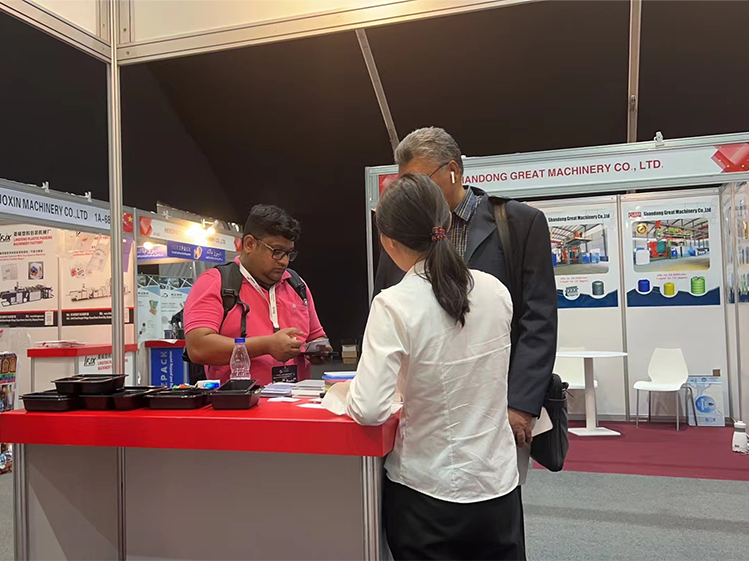
2023 Saudi Exhibition

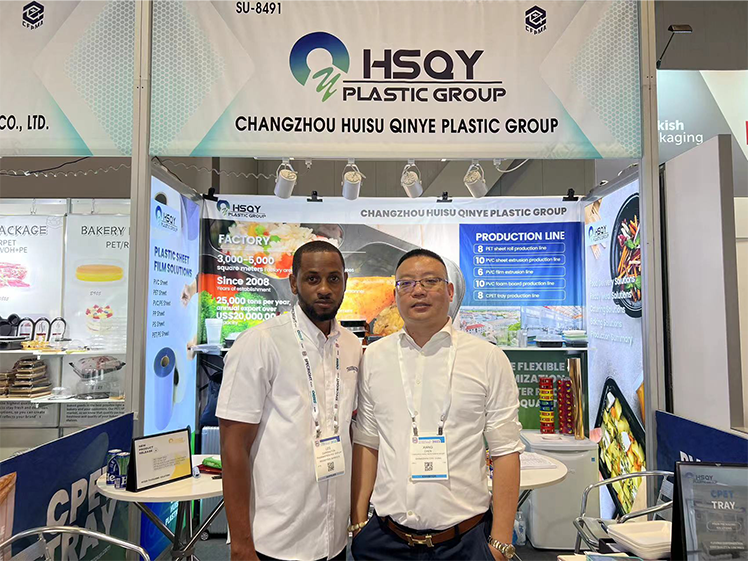
2023 American Exhibition

2024 Australian Exhibition

2024 American Exhibition

2024 Mexico Exhibition

2024 Paris Exhibition
Frequently Asked Questions About Cast Acrylic Sheet
What is cast acrylic sheet?
Cast acrylic sheet is a PMMA panel produced using a casting process and commonly selected for optical clarity, machining, laser cutting, polishing and custom fabrication.
What thicknesses are available?
The detailed product specification lists 1–20mm. The current product header lists 2–20mm, so confirm 1mm availability before ordering.
Can acrylic sheets be cut to custom sizes?
Yes. Customized sizes and cut-to-size processing are listed for this product range.
What is the listed light transmission?
The current specification lists up to 93% light transmission for clear acrylic. Confirm the exact optical requirement for the selected thickness and grade.
Can cast acrylic be laser cut?
Yes. Laser cutting and engraving are listed processing methods and are commonly used for signs, displays, lettering and decorative parts.
Can the edges be polished?
Yes. Polishing and diamond polishing are listed processing options. Specify the required finished edge in the RFQ.
Can cast acrylic be printed?
Yes. UV and screen printing are listed. Test the intended ink, surface preparation and curing process before volume production.
Can cast acrylic be heat bent?
Yes. Heat bending is listed among the current processing options. Bend radius and forming conditions should be matched to thickness and design.
Is cast acrylic stronger than glass?
The current HSQY specification lists a relative impact claim of 7–18 times glass. The exact comparison depends on thickness and test method, so request applicable data where impact performance is critical.
Is acrylic shatterproof?
Acrylic has greater breakage resistance than ordinary glass in many applications, but it should not be described as completely shatterproof.
What colors are available?
The current product specification lists clear, white, red, black and custom colors.
What surfaces are available?
Glossy, frosted and embossed surfaces are listed.
Can cast acrylic be used for aquariums?
Aquariums and viewing panels are listed applications, but thickness must be engineered according to panel dimensions, water depth, support and joining design.
Can cast acrylic be used outdoors?
Outdoor and UV-resistant use is listed in the current product information. For long-term exterior projects, confirm the exact grade and applicable weathering requirements.
What is the difference between cast and extruded acrylic?
Cast acrylic is commonly selected for optical quality, machining, engraving and polished edges, while extruded acrylic is often selected for standardized gauges and efficient repeat production.
What documentation is listed?
The current page lists SGS, ISO 9001:2008, RoHS and REACH. Request current documents and confirm their applicability to the exact grade.
What is the MOQ?
The current listed minimum order quantity is 1000kg.
Are samples available?
The current product information lists free samples with freight collected from the buyer. Confirm thickness, color and surface when requesting a sample.
What is the listed lead time?
The current specification lists approximately 7–15 days. Confirm the actual schedule according to thickness, size, color, processing and order quantity.
What information should I provide for a quotation?
Provide the application, thickness, size, color, surface, optical requirements, processing, edge finish, quantity, required documentation and destination.
About HSQY Plastic Group
HSQY Plastic Group supplies cast acrylic, extruded acrylic and other plastic sheet materials to signage companies, display manufacturers, furniture fabricators, acrylic processors, distributors and industrial buyers.
For custom cast acrylic projects, provide the required thickness, finished dimensions, color, surface, optical requirements, processing drawings, edge finish, quantity and destination so the appropriate PMMA specification can be reviewed.



 Download Cast Acrylic Sheet Data Sheet