Factory-direct plastic sheet solutions for global B2B buyers
About Us     Contact Us     Equipment     Our Factory     Blog     Free Sample
Please Choose Your Language
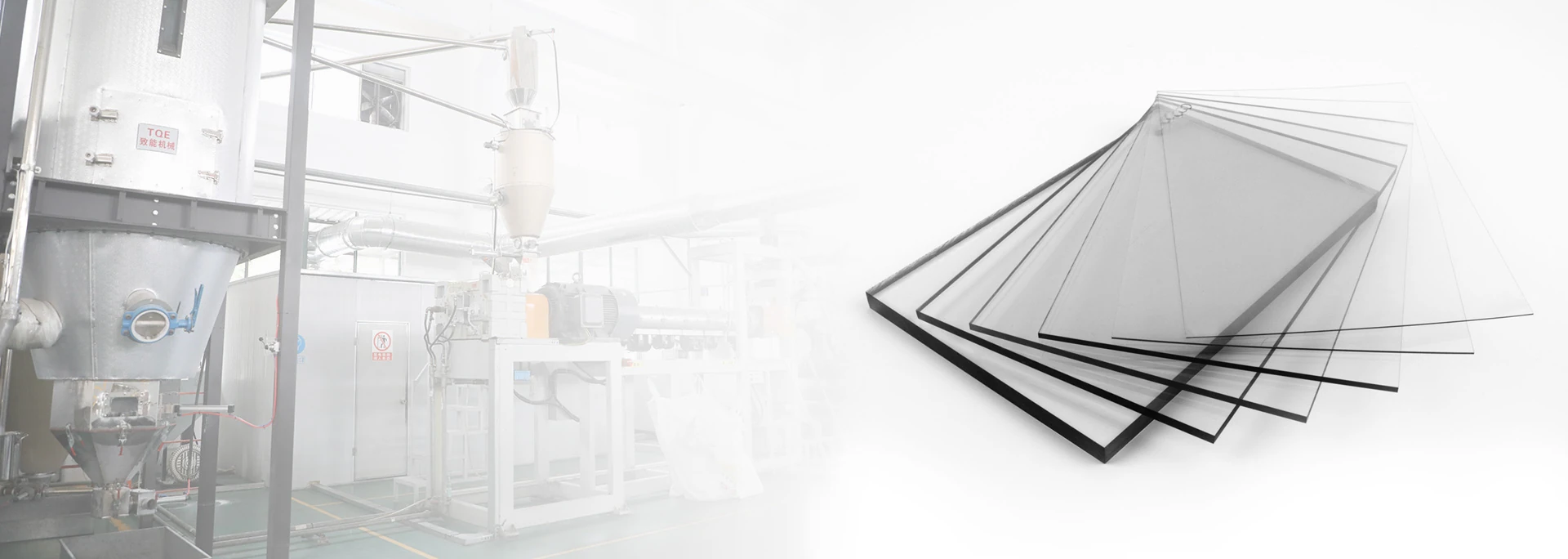
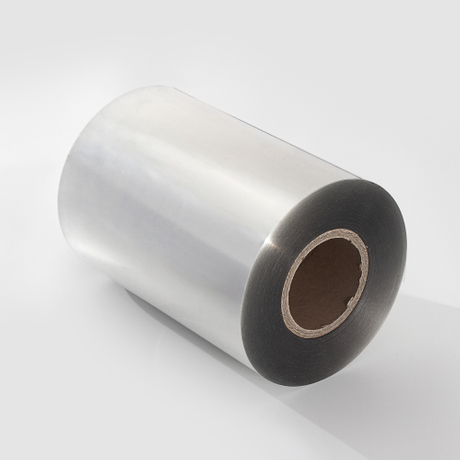
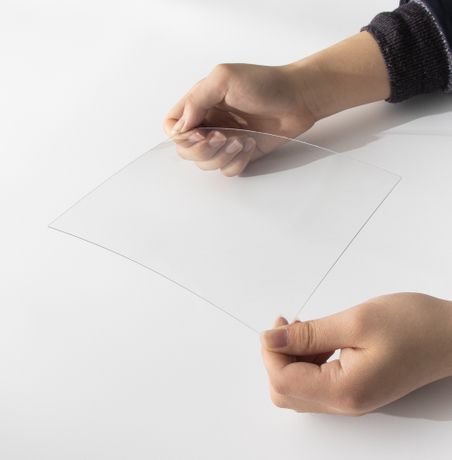
Clear PET sheets displayed beside PET extrusion equipment

PET SHEET MANUFACTURER & SUPPLIER

PET Sheet for Thermoforming, Packaging & Printing

Compare APET, PETG, GAG, RPET and PET/PE options in roll or cut-sheet formats—then validate forming, optics, sealing, surface treatment and documentation on the intended grade.

  • FormatsRolls & cut sheets
  • ProcessesThermoforming & printing
  • OptionsClear, colored & functional

THE QUICK ANSWER

What is PET sheet?

PET sheet is rigid or semi-rigid sheet stock made from the polyethylene terephthalate material family. Clear PET is widely evaluated for thermoformed trays, blister and clamshell packaging, folding boxes, printed components and other applications where product visibility and converting performance matter.

“PET sheet” is not a complete purchasing specification. Resin family, layer structure, recycled content, thickness, width, surface treatment, roll geometry, forming conditions and compliance requirements must be defined for the finished application.

MATERIAL FAMILY GUIDE

Choose the PET construction before requesting samples

Use these as sourcing starting points. The actual formulation and supplied technical data determine performance.

01 APET

Clear, rigid packaging sheet

Often shortlisted for transparent thermoformed packaging when stiffness, clarity and roll-processing consistency are priorities.

  • Confirm forming window and draw
  • Approve haze and appearance
  • State food-contact needs by market
Explore APET Sheet
02 PETG

Glycol-modified PET sheet

Commonly evaluated for forming, bending, folding-box and display applications that need a clear sheet with a different processing profile from APET.

  • Confirm forming and bending method
  • Test print or bond compatibility
  • Approve finish and thickness
Explore PETG Sheet
03 GAG

Layered PETG/APET/PETG sheet

A co-extruded construction generally described with PETG skins and an APET core, considered for clear forming and converting programs.

  • Confirm layer structure and ratio
  • Test sealing, folding or forming
  • Approve optical requirements
Explore GAG Sheet
04 RPET

Recycled-content PET sheet

A PET option for projects with defined recycled-content goals. Content, source, traceability and end-use documentation need project-level confirmation.

  • State target recycled percentage
  • Define optical acceptance
  • Request relevant documentation
Explore RPET Sheet
Decision point APET PETG GAG RPET
Typical starting brief Clear rigid thermoforming Forming, bending or folding Layered clear construction Defined recycled-content target
Key confirmation Forming window & optics Process compatibility Layer structure & surface Content, source & appearance
Buyer should supply Mold and packaging details Conversion route and drawing Finished-use and testing method Policy, market and document list

CURRENT PRODUCT SHORTLIST

8 PET sheet options to compare

These links use the products currently shown on the HSQY server. Confirm the latest grade, available format and project documentation in the quotation.

APPLICATION-BASED SOURCING

Specify the finished package, not only the resin name

The same nominal PET thickness can behave differently when layer structure, surface treatment, roll condition and forming geometry change.

01

Food trays & containers

State the food type, filling and storage conditions, forming depth, sealing system and destination-market requirements.

Validate: forming, flange, seal and applicable food-contact documents.
02

Blisters & clamshells

Share cavity layout, draw ratio, product weight, closure design, optical target and package handling conditions.

Validate: wall distribution, clarity, trim and closing performance.
03

Folding boxes & printing

Define print system, corona or coating needs, fold direction, score design, bonding method and finished appearance.

Validate: ink adhesion, fold whitening, bond and surface defects.
04

Electronics & industrial packs

Provide part geometry, handling environment and any anti-static, conductive or clean-surface requirement.

Validate: specified electrical range, forming and contamination controls.
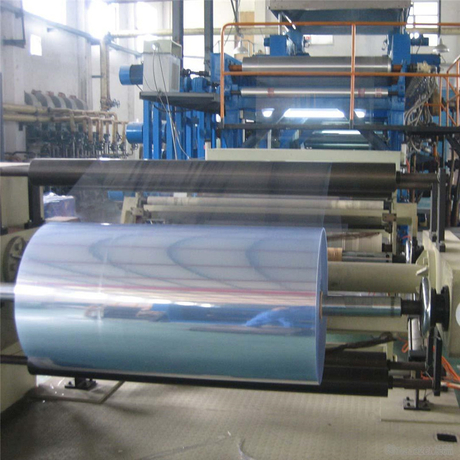
PET sheet extrusion equipment inside the HSQY factory
Sample the exact construction Use the intended machine, mold and downstream process.

CONVERTER RISK CHECK

Control the variables that affect line performance

01

Gauge profile

Thickness variation can change heating, draw and finished-wall distribution. Agree the measurement method and tolerance.

02

Roll geometry

Width, core, outer diameter, roll weight, winding and edge condition should match the line and handling equipment.

03

Surface & optics

Define haze, clarity, gloss, color, gels, scratches, protective film and which face receives treatment.

04

Process window

Follow the grade data sheet and validate heating, forming, trimming, printing, bonding or sealing on representative material.

SPECIFICATION-FIRST RFQ

Send the data needed for a comparable PET sheet quote

If the grade is not yet selected, provide the finished pack, machine and acceptance test. A technical recommendation is more useful when the application is explicit.

Documentation note: “Food contact,” “medical,” “anti-static,” “anti-fog” and recycled-content claims apply only to a relevant grade and supporting documents. State the destination market and required standard.
RFQ field Information to provide
End use Finished product, packed product and service/storage conditions
Material APET, PETG, GAG, RPET, PET/PE or help selecting
Gauge & width Nominal thickness, tolerance, web width or sheet dimensions
Roll configuration Core ID, outer diameter, roll weight/length, winding and edge requirements
Thermoforming Machine, mold, cavity depth, draw ratio, trim and target cycle
Optical & surface Color, haze/clarity target, gloss, coating, corona, masking or texture
Functional needs Anti-fog, anti-static, sealing layer, print or bonding requirement
Compliance Destination market, end-use standard and exact document list
Commercial Sample quantity, order volume, packing, destination port and target date

SAMPLE-TO-ORDER WORKFLOW

Turn a material option into an approved specification

Keep the technical and commercial baseline connected through every stage.

  1. 1
    Brief

    Send the application, construction, dimensions, machine and required documents.

  2. 2
    Match

    Select a candidate grade, roll format and sample plan for the intended process.

  3. 3
    Trial

    Form, print, seal, fold or assemble the sheet under representative conditions.

  4. 4
    Approve

    Record the accepted grade, tolerances, surface, appearance, packing and documents.

  5. 5
    Order

    Quote and produce against the agreed written specification and approval reference.

BUYER FAQ

PET sheet sourcing questions

Direct answers for thermoformers, packaging converters, brand teams and distributors.

Ask about your PET sheet project
What is the difference between PET, APET, PETG, GAG and RPET?

PET is the broad polymer family. APET is amorphous PET commonly used for clear rigid thermoforming; PETG is glycol-modified PET with a different forming and bending profile; GAG is generally a PETG/APET/PETG layered sheet; RPET contains recycled PET. The exact formulation and documentation must be confirmed for each grade.

Which PET sheet is best for thermoforming?

There is no universal best grade. Selection depends on the mold, draw depth, machine, heating method, trim, finished rigidity, optics, sealing and regulatory needs. Compare representative APET, PETG, GAG, RPET or laminated samples using the actual process.

Can PET sheet be used for food packaging?

Only use a grade supported for the intended food-contact application and destination market. State the food type, temperature and storage conditions, then request the applicable declaration or test documents for the ordered construction.

What roll details should be included in an RFQ?

Specify thickness and tolerance, web width, core ID, maximum outer diameter, roll weight or length, winding direction, edge condition, packing, machine limits and unloading method.

How do anti-fog and anti-static options need to be specified?

Define the target performance, test method, measurement range, exposure conditions, duration and whether treatment is required on one or both sides. Approve results on the actual formed part where possible.

Does RPET automatically make a package recyclable?

No. Recycled content and recyclability are different questions. Layer structure, additives, coatings, labels, color and local collection/reprocessing systems all matter. Confirm recycled percentage and market-specific design requirements separately.

Why approve a sample before ordering?

A sample allows the converter to check line feeding, heating, forming, wall distribution, optics, trim, printing, sealing and finished-part behavior. The approved sample and written specification create a shared acceptance baseline.

START WITH YOUR CONVERSION PROCESS

Request a PET sheet sample and project quote

Send your finished-use details, material preference, dimensions, equipment limits, annual demand and required documents.

Send PET Sheet Requirements Useful details: grade • gauge • width • roll OD/core • process • quantity • market
START AN INFORMED RFQ

Let’s Find the Right Plastic Solution

Looking for plastic sheets, films, food packaging, or a customized solution? Tell us your material, size, quantity, and application requirements. Our team will help you select the right product and provide a competitive quote.
√  Application and conversion process
Thickness, width and roll format
Color, clarity and surface finish
Function, documents, quantity and destination
Request Our Best Quotation

Our materials experts will help identify the right solution for your application, put together a quote and a detailed timeline.

Plastic Sheet

Trays

Lidding Films

Support

© COPYRIGHT  2026 HSQY PLASTIC GROUP ALL RIGHTS RESERVED.