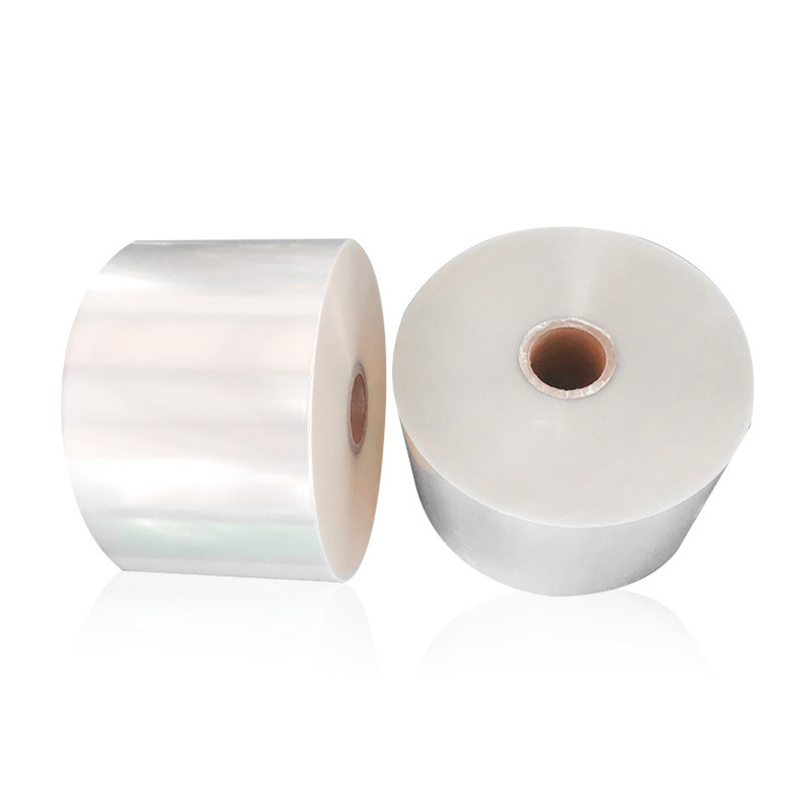
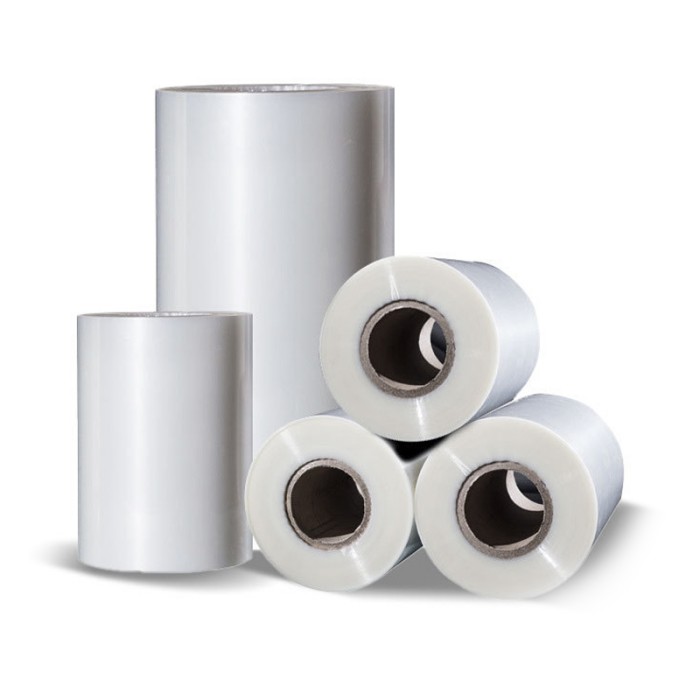
PET/PA/RCPP retort film is a three-layer laminated packaging material designed to withstand high-temperature sterilization while preserving integrity. The outer PET layer offers printability, stability, gloss, and abrasion resistance, serving as the visual surface and protecting against external damage. The middle PA layer provides puncture resistance, strength, and flexibility, helping prevent package failure during handling and retort. The inner RCPP layer is the food-contact, heat-sealing surface maintaining seal strength after exposure to retort temperatures of 121°C to 135°C. Each layer contributes to protecting food during filling, sterilization, transportation, storage, and retail.
PET/PA/RCPP retort film is a three-layer laminated flexible packaging material engineered to withstand high-temperature sterilization while maintaining structural integrity. Each layer provides specific properties that protect packaged food during filling, sterilization, transportation, storage, and retail display.
The outer PET (Polyethylene Terephthalate) layer provides excellent printability, dimensional stability, gloss, and abrasion resistance. It serves as the visual surface for branding and shields the laminate from external damage. The middle PA (Polyamide or Nylon) layer offers puncture resistance, tensile strength, and flexibility, helping prevent package failures during handling and retort processing. The inner RCPP (Retort Cast Polypropylene) layer is the food-contact and heat-sealing surface, designed to maintain strong seals even after exposure to retort temperatures typically between 121°C and 135°C.
HSQY supplies custom PET/PA/RCPP films. Anti-fog, custom printing, and high-barrier versions can be developed, but each requires an approved film structure and application-specific testing.
How Retort Packaging Works
Retort packaging allows food manufacturers to package products prior to sterilization. Once filled and sealed, the packages go into retort chambers where pressurized steam sterilizes them. The high temperature and pressure eliminate harmful microorganisms while maintaining food quality. The packaging material must endure heat, moisture, pressure, and mechanical stress simultaneously. Standard flexible films often soften, weaken seals, or delaminate under these harsh conditions. PET/PA/RCPP retort film is specially designed to withstand these challenges with carefully chosen polymers and durable lamination adhesives.
Key Features of PET/PA/RCPP Retort Film
PET/PA/RCPP retort film offers durability, thermal stability, effective sealing, and food safety, positioning it as a preferred option in packaging. Its main benefit is seal reliability, since the RCPP layer remains stable during retort processing, guaranteeing hermetic seals that prevent contamination. Additionally, advanced retort-grade CPP films are engineered to lower brittleness after sterilization while maintaining robust seal integrity.
Feature
Benefit
High temperature resistance
Withstands retort sterilization at 121-135°C
Excellent puncture resistance
Protects against sharp food edges
Strong heat seals
Prevents leakage during sterilization
High transparency
Attractive product presentation
Excellent printability
Premium brand appearance
Food-grade materials
Suitable for direct food contact
Moisture resistance
Maintains product quality
Flexible structure
Easy pouch manufacturing
PET/PA/RCPP retort film Applications
PET/PA/RCPP retort film is widely used across many food categories that require thermal sterilization.
Ready-to-eat meals remain one of the fastest-growing applications. Rice dishes, curries, pasta, vegetables, and complete meals benefit from a long shelf life without preservatives.
Pet food manufacturers rely heavily on retort pouches because the packaging withstands sterilization while preserving nutritional value and product freshness.
Other popular applications include:
Soups
Sauces
Seafood
Meat products
Baby food
Beans
Curry pastes
Convenience foods
Medical nutrition products
PET/PA/RCPP vs Other Retort Film Structures
Structure
Transparency
Barrier
Cost
Typical Application
PET/PA/RCPP
High
Good
Moderate
Transparent retort pouches
PET/AL/RCPP
None
Excellent
Higher
Premium long shelf-life foods
PET/PA/PE
Moderate
Medium
Lower
Non-retort packaging
PET/EVOH/PE
High
Excellent
Moderate
MAP packaging
PET/PA/RCPP provides a strong balance of visibility, durability, and cost-effectiveness. Although aluminum foil laminates offer better protection against oxygen and light, transparent PET/PA/RCPP enables consumers to see the product, boosting its retail attractiveness.
Production Images
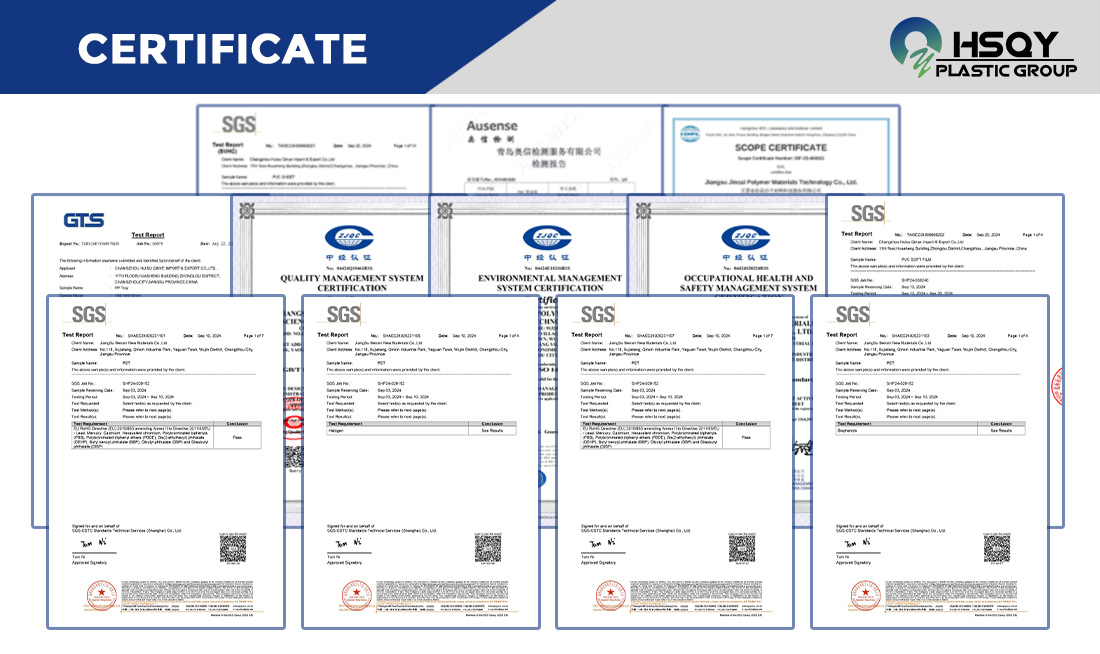
Quality and Compliance Documentation
HSQY offers quality management, inspection, and documentation for the approved grade. Buyers should request the technical data sheet, certificate of analysis, food-contact declaration, migration or compliance reports, peel-force test method, barrier reports (if applicable), and roll inspection criteria.
ISO 9001 certifies a quality management system and is not a product-specific food-contact approval. When referencing SGS or food-contact claims, specify the film structure, report number, food type, temperature, duration, and intended use conditions.
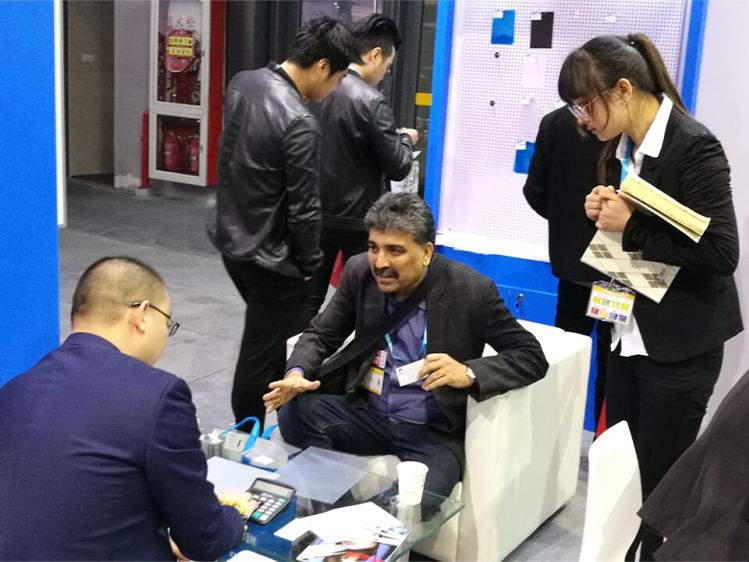
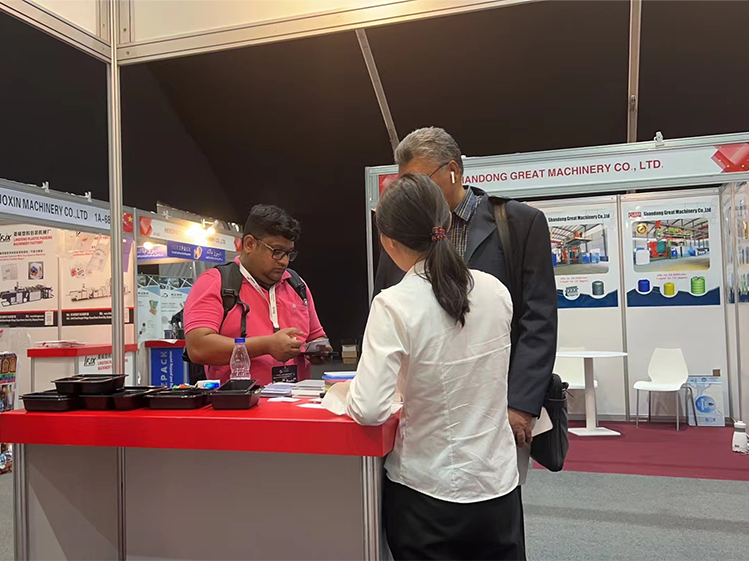
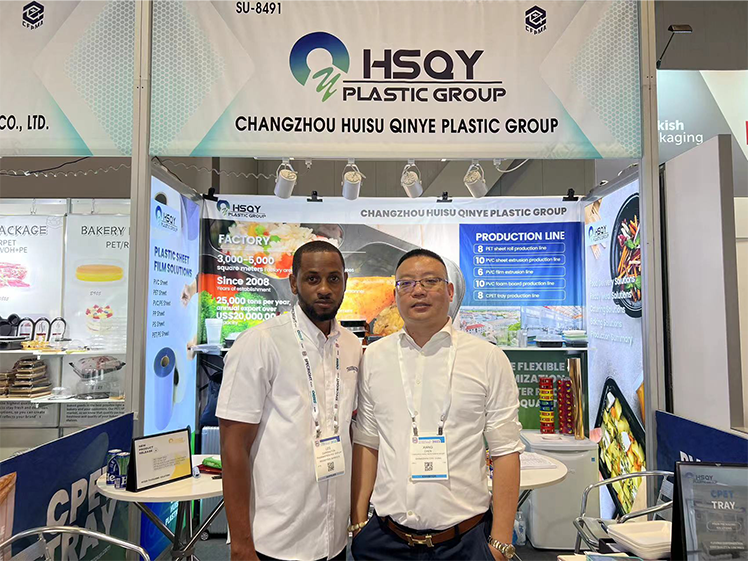
Global Exhibitions
2017 Shanghai Exhibition
2018 Shanghai Exhibition
2023 Saudi Exhibition
2023 American Exhibition
2024 Australian Exhibition
2024 American Exhibition
2024 Mexico Exhibition
2024 Paris Exhibition
FAQs About PET/PA/RCPP retort film
1. What does PET/PA/RCPP stand for?
PET stands for Polyethylene Terephthalate, PA for Polyamide (Nylon), and RCPP for Retort Cast Polypropylene.
2. What temperature can PET/PA/RCPP retort film withstand?
Most commercial grades are designed for sterilization at 121°C to 135°C, depending on the formulation and application.
3. What foods are commonly packaged with PET/PA/RCPP film?
Ready meals, soups, sauces, seafood, meat products, pet food, baby food, and other shelf-stable foods.
4. Why is RCPP used as the sealing layer?
RCPP provides excellent heat-seal performance and maintains seal integrity after high-temperature retort processing.
5. Can PET/PA/RCPP film be customized?
Yes. Manufacturers commonly offer customized thicknesses, widths, roll lengths, printing options, barrier properties, and sealing characteristics to meet specific packaging requirements.
About HSQY Plastic Group
HSQY Plastic Group offers a range of food-packaging solutions for international B2B clients, including easy-peel PET/PE lidding films, PET/PE and PET/EVOH/PE trays, anti-fog films, lock-seal films, high-barrier films, CPET and PP tray films, plastic sheets, and other related products.
Their team provides support in areas such as tray compatibility, peel-force development, film-structure selection, roll conversion, printing, meeting anti-fog and barrier specifications, sample production, production-line trials, quality documentation, export packaging, and international logistics.
Looking for plastic sheets, films, food packaging, or a customized solution? Tell us your material, size, quantity, and application requirements. Our team will help you select the right product and provide a competitive quote.
√ Application and conversion process √ Thickness, width and roll format √ Color, clarity and surface finish √ Function, documents, quantity and destination
This website uses cookies and similar technologies (“cookies”). Subject to your consent, will use analytical cookies to track which content interests you, and marketing cookies to display interest-based advertising. We use third-party providers for these measures, who may also use the data for their own purposes.
You give your consent by clicking "Accept all" or by applying your individual settings. Your data may then also be processed in third countries outside the EU, such as the US, which do not have a corresponding level of data protection and where, in particular, access by local authorities may not be effectively prevented. You can revoke your consent with immediate effect at any time. If you click on "Reject all", only strictly necessary cookies will be used.

 English
 简体中文
简体中文 繁體中文
繁體中文 العربية
 Français
 Русский
 Español
 Português
 Deutsch
 italiano
 日本語
日本語 한국어
한국어 Nederlands
 Tiếng Việt
 ไทย
ไทย Polski
 Türkçe
 አማርኛ
አማርኛ ພາສາລາວ
 ភាសាខ្មែរ
 Bahasa Melayu
 ဗမာစာ
ဗမာစာ தமிழ்
தமிழ் Filipino
 Bahasa Indonesia
 magyar
 Română
 Čeština
 Монгол
 қазақ
қазақ Српски
 हिन्दी
 فارسی
فارسی Kiswahili
 Slovenčina
 Slovenščina
 Norsk
Norsk Svenska
 українська
 Ελληνικά
 Suomi
Suomi Հայերեն
 עברית
עברית Latine
 Dansk
Dansk اردو
اردو Shqip
Shqip বাংলা
বাংলা Hrvatski
 Afrikaans
 Gaeilge
 Eesti keel
 Māori
Māori සිංහල
සිංහල नेपाली
 Oʻzbekcha
 latviešu
 অসমীয়া
 Aymara
 Azərbaycan dili
 Bamanankan
 Euskara
 Беларуская мова
 भोजपुरी
 Bosanski
 Български
 Català
 Cebuano
 Corsu
Corsu ދިވެހި
 डोग्रिड ने दी
 Esperanto
 Eʋegbe
 Frysk
Frysk Galego
 ქართული
 guarani
 ગુજરાતી
 Kreyòl ayisyen
 Hausa
Hausa ʻŌlelo Hawaiʻi
 Hmoob
Hmoob íslenska
 Igbo
Igbo Ilocano
 Basa Jawa
 ಕನ್ನಡ
ಕನ್ನಡ Kinyarwanda
 गोंगेन हें नांव
 Krio we dɛn kɔl Krio
 Kurdî
Kurdî Kurdî
Kurdî Кыргызча
 Lingala
 Lietuvių
 Oluganda
 Lëtzebuergesch
 Македонски
 मैथिली
 Malagasy
 മലയാളം
 Malti
Malti मराठी
मराठी ꯃꯦꯇꯥꯏ (ꯃꯅꯤꯄꯨꯔꯤ) ꯴.
 Mizo tawng
 Chichewa
 ଓଡ଼ିଆ
ଓଡ଼ିଆ Afaan Oromoo
 پښتو
پښتو ਪੰਜਾਬੀ
 Runasimi
 Gagana Samoa
 संस्कृत
 Gaelo Albannach
 Sepeti
 Sesotho
 chiShona
 سنڌي
سنڌي Soomaali
 Basa Sunda
 Wikang Tagalog
 Тоҷикӣ
 Татарча
 తెలుగు
 ትግንያውያን
 Xitsonga
 Türkmençe
 संस्कृत
 ئۇيغۇرچە
 Cymraeg
 isiXhosa
 ייִדיש
 Yorùbá
 isiZulu