11.2x8.9x2.5 Clear PP High Barrier MAP Tray
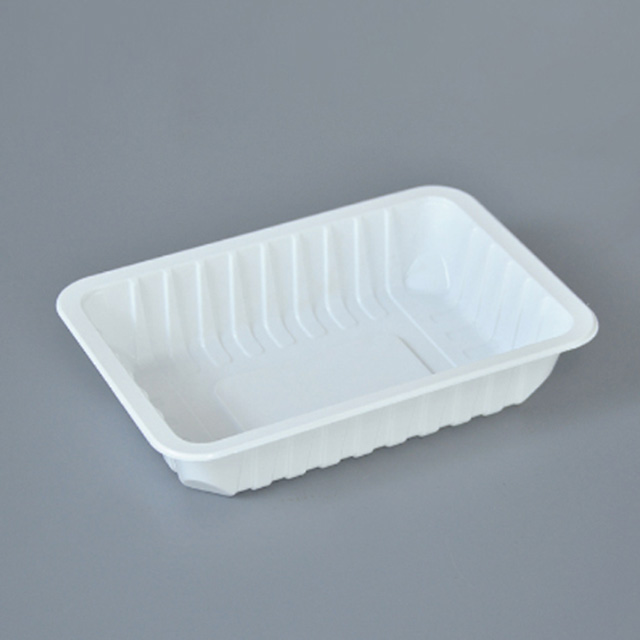
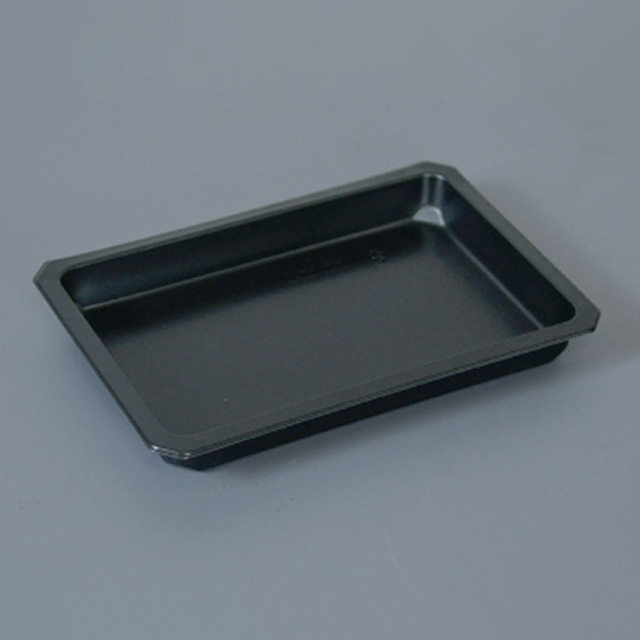
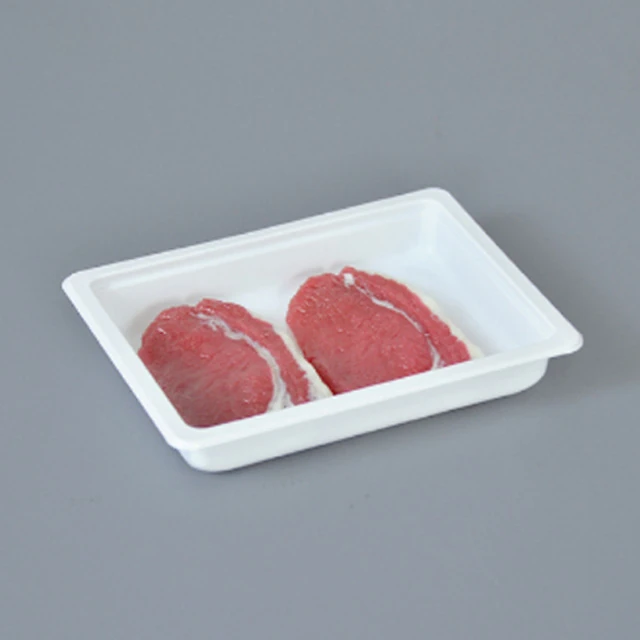
HSQY 11.2 x 8.9 x 2.5 inch clear PP high barrier tray is designed for modified atmosphere packaging of fresh meat, poultry, seafood, processed meat and selected chilled prepared foods.
The HSMAP tray uses a PP-based multilayer construction that can incorporate an EVOH oxygen-barrier layer together with application-specific tie and sealing layers. The exact layer structure should be confirmed according to the required oxygen barrier, sealing system, food product and shelf-life program.
For commercial MAP projects, the tray should be evaluated together with the selected high-barrier lidding film, gas mixture, headspace, tray-sealing parameters, packed food and refrigerated distribution conditions before mass production.
Request MAP Tray Samples & Quote
11.2x8.9x2.5 PP High Barrier Tray Video
PP High Barrier MAP Tray Images
Clear PP High Barrier MAP Tray
![PP high barrier MAP tray for fresh meat packaging]()
Fresh Meat MAP Packaging
![PP high barrier tray application for chilled food retail packaging]()
Case-Ready Chilled Food Packaging
11.2x8.9x2.5 PP High Barrier Tray Specifications
| Property |
Product Details |
| Product Name |
11.2x8.9x2.5 Clear PP High Barrier MAP Tray |
| Model |
HSMAP |
| Brand |
HSQY |
| Published Size |
11.2 × 8.9 × 2.5 inches; confirm the current production drawing for exact metric dimensions and tray-sealer tooling |
| Shape |
Rectangular |
| Compartments |
1 Compartment |
| Color |
Clear; other colors subject to production feasibility and minimum order requirements |
| Base Material |
PP-Based Multilayer Structure |
| Barrier Layer |
EVOH high-barrier layer available within the multilayer structure; exact layer sequence and thickness subject to final specification |
| Sealant / Functional Layers |
PE, PP-compatible sealant and tie layers may be incorporated according to the required tray and lidding-film sealing system |
| Primary Packaging Process |
Modified Atmosphere Packaging (MAP) |
| Lidding Film |
Compatible high-barrier lidding film required; sealant chemistry must match the supplied tray structure |
| Published Temperature Range |
Approximately -16°C to +100°C; final suitability depends on the exact multilayer structure, food, filling temperature, storage and reheating conditions |
| Typical Foods |
Fresh Meat / Poultry / Seafood / Processed Meat / Cheese / Deli Foods / Selected Chilled Prepared Foods |
| Barrier Specification |
Define required OTR and other barrier targets with stated test conditions before production |
| Customization |
Color / Tray Depth / Dimensions / Compartments / Barrier Structure / Flange / Branding / Export Packing subject to feasibility review |
| MOQ |
30,000 Pieces for the current standard model; customized projects may require different quantities |
| Compliance Support |
Food-contact declarations and test reports should be confirmed for the exact supplied structure, color and destination market |
What Is a PP High Barrier MAP Tray?
A PP high barrier tray is a thermoformed polypropylene-based food tray containing a functional barrier layer that reduces oxygen and gas transmission compared with a conventional mono-material PP tray.
EVOH is commonly incorporated as the primary oxygen-barrier layer. Structural PP layers provide tray strength and thermoforming performance, while surrounding polyolefin and tie layers can protect the barrier layer and provide the required sealing surface.
The exact layer structure should be selected according to the required oxygen transmission rate, moisture exposure, forming depth, tray stiffness, lidding-film structure and target packaging process.
How the High Barrier Multilayer Structure Works
| Layer Function |
Main Role |
Packaging Benefit |
| PP Structural Layer |
Provides the main tray structure and thermoforming base |
Supports rigidity, toughness and handling during filling, sealing and distribution |
| EVOH Barrier Layer |
Reduces oxygen and gas transmission |
Helps retain the selected package atmosphere and protect oxygen-sensitive foods |
| Sealant Layer |
Provides compatibility with the selected lidding film |
Supports heat sealing and the required peel or lock-seal behavior |
| Tie Layers |
Bond otherwise incompatible polymer layers |
Helps maintain multilayer integrity after thermoforming and throughout distribution |
Layer order, layer thickness and sealant chemistry can vary by application. Buyers requiring a defined PP/EVOH/PP, PP/EVOH/PE or another multilayer construction should specify the required structure in the final technical specification.
Designed for Modified Atmosphere Packaging
Modified atmosphere packaging replaces the normal air inside a sealed food package with a selected gas atmosphere designed for the specific food and distribution program.
A high-barrier tray helps reduce gas exchange through the tray wall so the intended atmosphere can be maintained more effectively during chilled storage.
The tray alone does not create a successful MAP package. The lidding film, seal integrity, gas mixture, residual oxygen, product-to-headspace ratio, food characteristics and cold-chain conditions must be designed and validated as a complete system.
High Barrier Tray vs. Standard PP Tray
| Comparison |
Standard PP Tray |
PP High Barrier Tray |
| Main Structure |
Primarily PP-based structural packaging |
PP-based multilayer structure with functional gas-barrier layer |
| Oxygen Barrier |
Depends on the selected PP structure |
Designed for lower oxygen transmission when the EVOH structure is properly specified |
| MAP Applications |
May not provide sufficient gas retention for the required shelf-life program |
Designed for evaluation in high-barrier MAP packaging systems |
| Typical Foods |
General foodservice and selected shorter-life applications |
Fresh meat, poultry, seafood, processed meat and oxygen-sensitive chilled foods |
| Selection Basis |
Temperature, stiffness, cost and sealing requirements |
OTR target, gas retention, sealing system, shelf-life program and machine compatibility |
EVOH Oxygen Barrier Performance
EVOH is used in multilayer food packaging primarily because of its strong resistance to oxygen and gas transmission.
Barrier performance is affected by EVOH grade, layer thickness, relative humidity, temperature and the complete multilayer structure. A generic statement such as “high barrier” should therefore be supported by measurable performance when a project has a defined shelf-life requirement.
Buyers requiring a specific barrier level should provide the required oxygen transmission rate and test conditions so the tray structure can be reviewed against the application.
OTR and Barrier Testing
Oxygen transmission rate should be reported together with the test temperature, relative humidity, specimen type and test method because barrier results cannot be compared accurately without defined conditions.
Where moisture transmission is relevant to the food or packaging system, water-vapor transmission testing can also be specified.
For thermoformed trays, buyers should confirm whether barrier testing applies to the original sheet, formed tray or complete sealed package because forming can change local layer thickness.
High Barrier Lidding Film Compatibility
A high-barrier tray requires a compatible high-barrier lidding film to maintain the intended MAP atmosphere.
The lidding film should be selected according to the tray sealing surface, required oxygen barrier, peel behavior, anti-fog requirement, puncture resistance and packaging-machine conditions.
| Lidding Requirement |
Packaging Consideration |
| High Oxygen Barrier |
Film barrier should support the tray barrier and required gas-retention period |
| Lock Seal |
Used where a strong permanent seal is required |
| Easy Peel |
Provides controlled opening force when matched to the correct tray sealant |
| Anti-Fog |
Helps maintain product visibility in refrigerated retail display |
| Puncture Resistance |
Important for meat bones, shellfish and products with sharp edges |
| Printed Film |
Artwork, print coverage and sealing area must be coordinated with the film structure |
Seal Strength and Sealing Window
Seal integrity is critical in MAP because even a small channel leak can allow the package atmosphere to change during storage.
The tray and lidding film should be tested across the intended sealing-temperature, pressure and dwell-time window rather than at only one machine setting.
Where food contamination can reach the flange during filling, seal performance under realistic production conditions should also be evaluated.
MAP Package Leak Testing
A sealed MAP package should be validated for leaks using an appropriate method selected by the food processor or packaging-quality program.
Depending on the project, testing can include seal-strength measurement, burst testing, pressure-decay testing, bubble-leak testing or other validated package-integrity methods.
Acceptance criteria should be agreed before commercial production so tray, film and sealing-machine performance can be evaluated consistently.
MAP Gas Selection
Carbon dioxide, nitrogen and oxygen are commonly used in food-grade modified-atmosphere systems, but there is no universal gas mixture suitable for every food.
The correct gas composition depends on the product type, microbiological risk, desired appearance, respiration behavior where relevant, package headspace and distribution temperature.
Gas composition and food safety should be determined and validated by the food processor together with the appropriate food-packaging and gas specialists.
Headspace and Tray Depth
The 2.5-inch nominal tray depth provides space for larger food portions and the headspace required by many modified-atmosphere packaging formats.
The correct amount of headspace depends on food dimensions, pack weight, selected gas system and package design. Excessively filling the tray can interfere with sealing and reduce the effective gas volume.
Buyers should provide the product dimensions and target fill weight when evaluating whether this tray depth is appropriate.
Clear Tray for Retail Product Visibility
The clear tray format supports product visibility for case-ready retail packs where shoppers, processors and quality-control personnel need to inspect the packaged food.
For appearance-sensitive packaging, buyers can specify acceptable transparency, haze, color tone and visual-defect requirements as part of the approved tray specification.
Fresh Meat MAP Packaging
High-barrier MAP trays can be evaluated for beef, pork, lamb, minced meat, sliced meat and processed meat products distributed under controlled refrigeration.
Important requirements include oxygen barrier, seal integrity, product drip management, package headspace, retail appearance and stable cold-chain temperature.
Where meat exudate is significant, buyers should also consider whether a compatible absorbent pad or another moisture-management solution is required.
Poultry MAP Packaging
The tray can be evaluated for chicken portions, turkey, marinated poultry and processed poultry products where a rigid high-barrier tray is required.
Poultry packaging should be validated for product weight, drip containment, lidding-film puncture resistance, seal contamination and cold-chain handling.
Fish and Seafood Packaging
High-barrier trays can be evaluated for fish fillets, shellfish, shrimp and prepared seafood products under carefully designed chilled packaging programs.
Seafood packaging can require strong seal integrity, moisture management, puncture resistance and application-specific gas conditions. Commercial shelf life and food safety must be validated for the actual seafood product and storage program.
Chilled Prepared Food Applications
Selected chilled prepared foods, deli products, cheese and processed ingredients can also use high-barrier trays where controlled oxygen transmission and secure heat sealing are required.
The packaging process should be selected according to food composition, required shelf life, storage temperature and whether the product will be reheated after purchase.
Temperature and Reheating Requirements
The current product family publishes a reference temperature range of approximately -16°C to +100°C for selected PP high-barrier trays.
This temperature range should not automatically be interpreted as universal microwave, freezer, pasteurization or thermal-processing approval for every multilayer construction.
If reheating is required, provide the food type, heating temperature, heating time and equipment so the exact tray structure and complete package can be evaluated.
Not Intended for Retort or Conventional Oven Use Without Validation
A standard PP high-barrier MAP tray should not automatically be used for retort processing or conventional-oven cooking.
Retort, pasteurization and elevated-temperature applications require separately developed multilayer structures, sealing films and thermal validation.
For ovenable ready meals, a qualified CPET packaging system should be evaluated instead where appropriate.
Shelf Life Depends on the Complete Packaging System
A high-barrier EVOH tray can support extended-shelf-life packaging, but the tray alone does not determine a fixed number of shelf-life days.
Actual shelf life depends on food formulation, initial microbiological condition, hygiene, tray barrier, lidding-film barrier, seal integrity, gas mixture, residual oxygen, product-to-headspace ratio and refrigerated distribution conditions.
Commercial shelf life should be established using the actual food and complete sealed package under the intended storage and distribution cycle.
Tray Flange and Sealing Machine Compatibility
Tray dimensions alone are not sufficient when replacing an existing MAP tray. Flange width, flange flatness, corner radius, nesting geometry and tooling fit can directly affect sealing-machine performance.
Before volume production, buyers should provide a current tray drawing, physical sample or tray-sealer tooling specification whenever possible.
The published inch dimensions should always be checked against the final HSQY production drawing before tooling or automatic-line compatibility is approved.
Denesting and High-Speed Packaging Lines
Commercial meat and seafood processors often require trays to separate consistently from stacks and feed reliably into automated filling, gas-flushing and tray-sealing lines.
Buyers using automated equipment should provide the tray denester type, cycle speed, tooling dimensions and stacking requirements so samples can be tested under production-representative conditions.
Typical Applications
| Application |
Main Packaging Priorities |
| Fresh Beef, Pork & Lamb |
Gas retention, seal integrity, retail appearance and drip management |
| Minced & Processed Meat |
Barrier performance, headspace, sealing and chilled shelf life |
| Poultry |
Leak resistance, product weight, drip management and seal contamination |
| Fish & Seafood |
Barrier, puncture resistance, moisture management and package integrity |
| Cheese & Deli Products |
Oxygen control, aroma protection, seal integrity and retail presentation |
| Chilled Prepared Foods |
Barrier requirement, sealing, temperature cycle and reheating conditions |
MAP vs. Vacuum Skin Packaging
| Feature |
MAP |
VSP |
| Packaging Principle |
Food is surrounded by a selected gas atmosphere |
Heated skin film conforms closely around the food |
| Headspace |
Requires appropriate headspace for the gas system |
Minimal free headspace around the product |
| Film |
High-barrier lidding film |
Specialized heat-forming skin film |
| This Product |
Primary intended application |
Requires separate validation of tray flange, skin film, vacuum conditions and equipment |
Important Quality Parameters for MAP Tray Buyers
| Parameter |
Why It Matters |
| OTR |
Defines oxygen-barrier performance under stated test conditions |
| Tray Unit Weight / Gauge |
Influences stiffness, impact performance and material consistency |
| EVOH Layer Specification |
Directly affects the intended oxygen-barrier performance |
| Flange Flatness |
Critical for continuous seals on tray-sealing machines |
| Seal Strength |
Confirms the mechanical integrity of the sealed package |
| Seal Window |
Helps maintain stable production despite normal machine variation |
| Leak Rate / Package Integrity |
Critical for retaining the intended modified atmosphere |
| Residual Oxygen |
Important for confirming the MAP process after gas flushing and sealing |
| Dimensional Tolerance |
Affects tooling fit, denesting and sealing-machine compatibility |
| Denesting Performance |
Important for automatic high-speed packing lines |
| Top Load / Compression |
Relevant to stacking, secondary packaging and distribution |
| Impact / Drop Performance |
Helps evaluate tray integrity through handling and cold-chain distribution |
Food-Contact Documentation
Food-contact documentation should be confirmed for the exact PP-based multilayer structure, EVOH grade, sealant layers, pigments and additives supplied for the order.
Buyers should provide the destination market, food type, contact temperature and intended use so the current declarations and test reports can be reviewed against the application.
Recycling Considerations for Multilayer PP Trays
A PP-based multilayer tray should not automatically be described as universally recyclable because acceptance depends on the exact material structure, barrier content, sealant layers and local recycling infrastructure.
Buyers with recycling or design-for-recycling requirements should provide the applicable destination-market criteria so the final tray structure can be reviewed accordingly.
Information Required for a MAP Tray Quote
Please provide the food type, product dimensions and fill weight.
Specify the required tray size, tray depth, color, compartment configuration and any existing tray drawing or sample.
Provide the required oxygen-barrier target or OTR specification together with the required test conditions where available.
Provide the lidding-film structure, seal type, tray-sealing machine model, tooling dimensions and target production speed.
Specify the packaging process, refrigerated storage temperature, expected shelf-life target and any package-integrity test requirements.
Also provide the estimated initial quantity, annual demand, required food-contact documents and destination country or port.
Send Your MAP Packaging Requirements
Quality and Food-Contact Documents
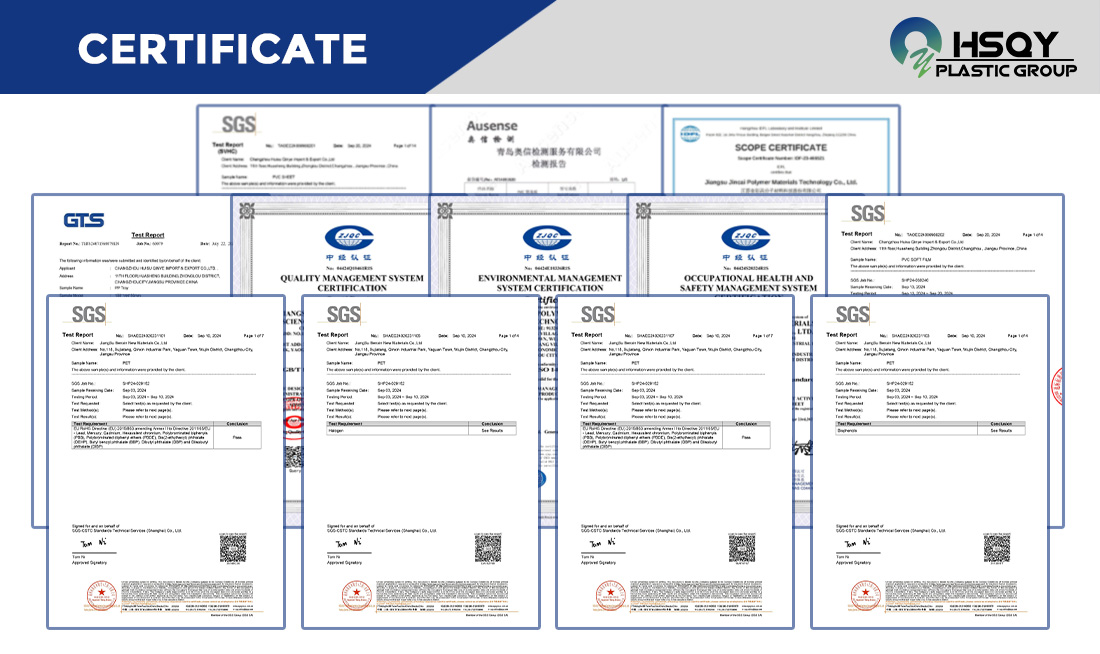
Available quality, food-contact and material test documents should be confirmed for the exact PP high-barrier tray structure, color and production specification being purchased.
![HSQY PP high barrier MAP tray quality and food contact documents]()
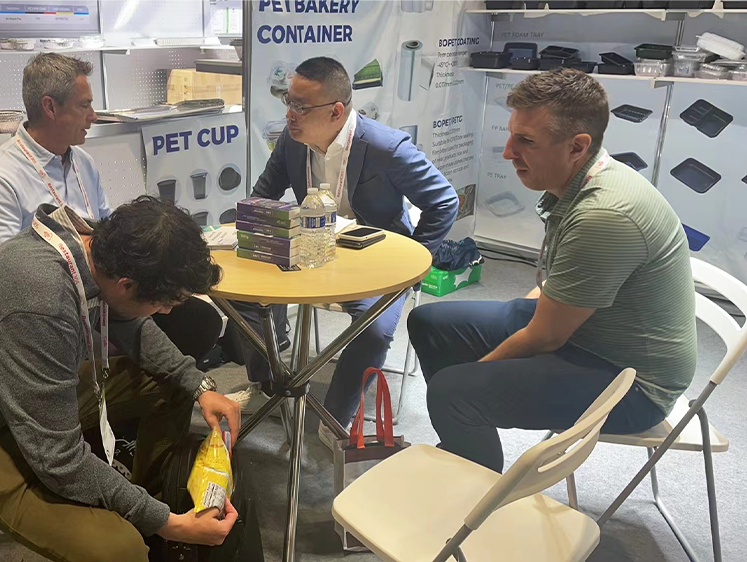
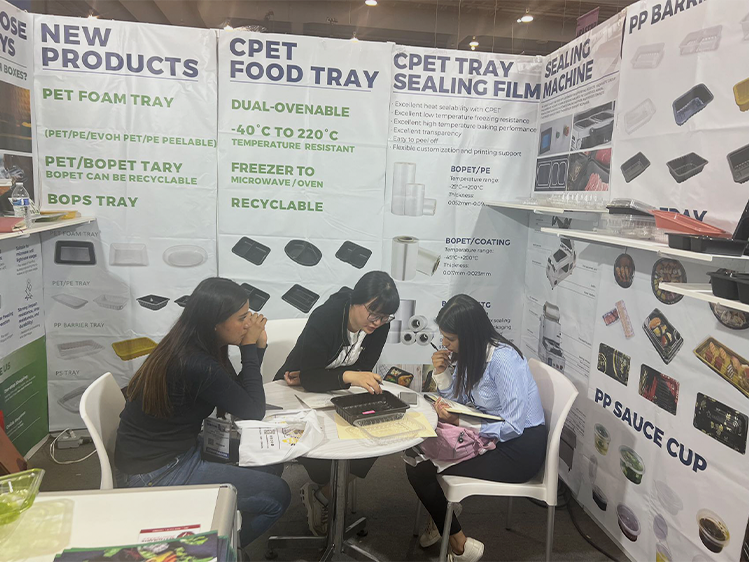
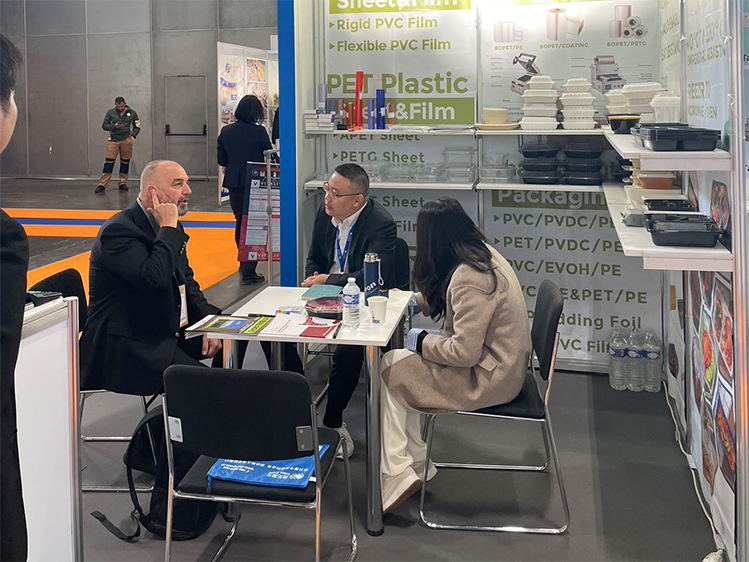
HSQY Global Exhibitions
![2017 Shanghai Exhibition]() 2017 Shanghai Exhibition |
![2018 Shanghai Exhibition]() 2018 Shanghai Exhibition |
![2023 Saudi Exhibition]() 2023 Saudi Exhibition |
![2023 American Exhibition]() 2023 American Exhibition |
![2024 Australian Exhibition]() 2024 Australian Exhibition |
![2024 American Exhibition]() 2024 American Exhibition |
![2024 Mexico Exhibition]() 2024 Mexico Exhibition |
![2024 Paris Exhibition]() 2024 Paris Exhibition |
Frequently Asked Questions About PP High Barrier MAP Trays
1. What is a PP high barrier tray?
It is a PP-based thermoformed food tray containing a functional gas-barrier layer such as EVOH. The multilayer structure can also include tie layers and a compatible sealing layer.
2. Why is EVOH used in MAP trays?
EVOH reduces oxygen and gas transmission and can help the sealed package retain its selected atmosphere when the complete tray, film and sealing system are correctly designed.
3. What are the dimensions of this tray?
The published size is 11.2 × 8.9 × 2.5 inches. Buyers should confirm the current production drawing for exact metric dimensions and machine-tooling compatibility.
4. How many compartments does the tray have?
The standard model is a rectangular single-compartment tray. Custom compartment projects can be reviewed separately.
5. Is this tray designed for MAP packaging?
Yes. It is designed for evaluation in modified atmosphere packaging with a compatible high-barrier lidding film, gas system and validated tray-sealing process.
6. Is a high barrier tray the same as a MAP tray?
Not exactly. High barrier describes the tray's material performance, while MAP describes the packaging process. A suitable high-barrier tray can be used as part of a MAP system.
7. Which foods can be packed in this tray?
Typical applications include fresh meat, poultry, seafood, processed meat, cheese, deli foods and selected chilled prepared foods.
8. Does the EVOH tray guarantee a longer shelf life?
No fixed shelf-life period should be guaranteed by the tray alone. Shelf life depends on the food, barrier structure, lidding film, gas composition, seal integrity, hygiene and cold-chain conditions.
9. Can HSQY provide OTR data?
Barrier data should be confirmed for the exact supplied structure. When requesting OTR information, specify the required test temperature, relative humidity and applicable test method.
10. Which lidding film should be used?
Use a high-barrier lidding film whose sealant is compatible with the supplied tray sealing layer. Barrier, peel strength, anti-fog and puncture requirements should be selected according to the food and packaging process.
11. Are easy-peel and lock-seal films available?
Easy-peel and lock-seal concepts can be evaluated with a compatible tray and lidding-film combination. The required peel force and seal window should be confirmed through production trials.
12. What temperature range is listed for this tray family?
The current published reference range for selected PP high-barrier trays is approximately -16°C to +100°C. Final suitability must be confirmed for the exact multilayer structure and use conditions.
13. Is the tray microwave safe?
Microwave suitability should be confirmed for the exact multilayer structure, food type, heating time and microwave conditions. The published maximum temperature alone should not be treated as universal microwave approval.
14. Can the tray be used for VSP?
The primary application of this product is MAP. VSP suitability requires separate validation of tray structure, flange design, skin film, product height, vacuum conditions and packaging equipment.
15. Can the tray color or dimensions be customized?
Color, size, depth, compartment layout, flange design and barrier structure can be reviewed for suitable commercial-volume projects.
16. Can custom logo or branding be added?
Branding, carton marks and other customization options can be discussed according to artwork, tray structure, printing feasibility and order quantity.
17. Is the PP/EVOH tray recyclable?
Recycling acceptance depends on the complete multilayer structure and local collection and recycling infrastructure. Buyers should verify destination-market requirements rather than assuming universal recyclability.
18. What is the MOQ?
The current listed MOQ for this standard tray is 30,000 pieces. Custom colors, tooling, printing or barrier structures may require different commercial quantities.
19. Are samples available before bulk production?
Sample availability can be discussed for product fit, tray-sealer compatibility, sealing-film trials and complete MAP package testing.
20. What information should I provide for a quotation?
Please provide the food type, fill weight, required tray dimensions, barrier target, lidding film, sealing machine, MAP process, storage temperature, target shelf life, annual quantity, destination market and required food-contact documentation.
Request an 11.2x8.9x2.5 PP MAP Tray Quote
HSQY supplies clear PP high-barrier trays for meat processors, poultry companies, seafood packers, prepared-food manufacturers, supermarket suppliers, packaging converters and food-packaging distributors.
The HSMAP range supports commercial modified-atmosphere packaging projects requiring controlled oxygen transmission, compatible heat sealing and reliable performance on professional tray-sealing equipment.
Send your product, tray specification, barrier target, lidding film, packaging machine and expected annual demand so our team can review samples, technical requirements and pricing.
Contact HSQY for Samples and Pricing