Anti-Static Colored Polypropylene Sheet
HSQY anti-static polypropylene sheet is an extruded PP sheet formulated with antistatic additives to help reduce unwanted static charge accumulation. It is designed for electronics packaging, component handling, trays, liners, dividers and other industrial applications where static control is required.
The detailed product specification covers thicknesses from 0.1mm to 3mm with customized width. Standard color options include white and black, while project-specific colors can be discussed according to quantity and technical requirements.
Anti-static performance should be specified using a defined electrical requirement rather than the material name alone. Buyers with an ESD-control requirement should provide the target surface resistance, test method, conditioning environment and required duration of the antistatic effect before production.
Request Anti-Static PP Pricing Discuss Your ESD Requirement
Anti-Static PP Sheet Product Views
![Anti-Static Polypropylene Sheet]()
Anti-Static PP Sheet
![Colored Anti-Static PP Sheet]()
Colored Anti-Static PP Sheet
![Extruded Anti-Static Polypropylene Sheet]()
Extruded Anti-Static Polypropylene Sheet
Anti-Static Polypropylene Sheet Specifications
| Property |
Specification |
| Product Name |
Anti-Static Colored Polypropylene Sheet |
| Material |
Polypropylene (PP) with antistatic additives |
| Production Type |
Extruded sheet |
| Thickness |
0.1-3mm |
| Width |
Customized according to production requirements |
| Standard Colors |
White, black |
| Custom Colors |
Available subject to color, quantity and technical requirements |
| Static-Control Function |
Designed to reduce unwanted static charge accumulation |
| Surface Resistance |
Target value must be confirmed according to the buyer's electrical requirement and test method |
| Processing |
Cutting, drilling and thermoforming subject to thickness, grade and finished-part requirements |
| Typical Applications |
Electronics packaging, component trays, liners, dividers, handling components and industrial static-control applications |
The electrical performance of an antistatic sheet should be confirmed on the exact production specification. Color, additive formulation, thickness, humidity, conditioning time and test method can affect measured static-control performance.
Send Your PP Sheet Specification
What Is Anti-Static Polypropylene Sheet?
Anti-static polypropylene sheet is a functional PP material formulated to reduce the accumulation of electrostatic charge on the sheet surface. Conventional polypropylene is electrically insulating, so static electricity can build up during handling, friction, processing or transportation.
Antistatic additives modify the static behavior of the PP sheet so unwanted charge can be controlled more effectively. The required electrical performance should be defined for each project because the terms anti-static, static dissipative and conductive do not describe the same resistance level.
For electronics packaging or other sensitive applications, buyers should specify a measurable electrical acceptance criterion rather than relying only on the description "anti-static".
Anti-Static vs Static Dissipative vs Conductive PP
Different static-control materials are designed for different electrical resistance levels. The correct category should be selected according to the electronic component, packaging system, handling process and applicable customer specification.
| Material Category |
Function |
Buyer Should Specify |
| Standard PP |
General polypropylene without a defined static-control requirement |
Thickness, color, width, surface and processing |
| Anti-Static PP |
Reduces unwanted static charge accumulation |
Target surface resistance, test method, environment and required duration |
| Static Dissipative PP |
Provides controlled dissipation of electrostatic charge |
Defined resistance range, discharge requirement and applicable test method |
| Conductive PP |
Provides substantially higher electrical conductivity for specified applications |
Target resistance, grounding concept and operating conditions |
Do not substitute one static-control category for another without verifying the electrical specification of the finished sheet.
Surface Resistance Requirements
Surface resistance is one of the most important purchasing parameters for a static-control PP sheet. The current product information identifies this material as anti-static but does not define a numerical surface-resistance range.
Buyers requiring a defined electrical value should provide the target resistance and applicable test procedure before sample production. Test temperature, relative humidity, conditioning time and measurement method should also be agreed where they are part of the acceptance criteria.
| Electrical Requirement |
Information to Confirm |
| Target Surface Resistance |
Required numerical range or customer specification |
| Test Method |
Applicable customer, ASTM, IEC or other agreed procedure |
| Test Environment |
Temperature and relative humidity where specified |
| Conditioning Time |
Required pre-test conditioning where applicable |
| Performance Duration |
Temporary, project-defined or longer-term static-control requirement |
| Measurement Sides |
Confirm whether one-side or both-side performance is required |
Key Features of Anti-Static PP Sheet
1. Static-Control Function: Antistatic additives help reduce unwanted electrostatic charge buildup during suitable handling, packaging and industrial processes.
2. Lightweight PP Construction: Thin polypropylene sheet provides a lightweight format for trays, liners, dividers and converted packaging components.
3. Customized Width: Sheet width can be discussed according to converting equipment and finished-product requirements.
4. Custom Colors: White and black are listed standard options, with project-specific colors available subject to formulation and production requirements.
5. Fabrication Capability: Suitable grades can be cut, drilled or thermoformed according to thickness and component design.
6. Chemical Compatibility: Polypropylene is compatible with many industrial chemicals, but exact resistance should be verified against the actual chemical, concentration, temperature and exposure duration.
Processing and Fabrication
Anti-static PP sheet can be converted into packaging and fabricated components using suitable plastic-processing methods. Processing conditions should be matched to the sheet thickness, antistatic formulation and final-part geometry.
| Process |
What to Confirm |
| Cutting |
Finished dimensions, thickness and dimensional tolerance |
| Drilling |
Hole diameter, position and edge distance |
| Thermoforming |
Forming geometry, heating conditions and required post-form electrical performance |
| Trays and Liners |
Finished dimensions, product weight and static-control requirement |
| Custom Components |
Provide drawing, quantity and required electrical acceptance criteria |
Applications of Anti-Static Polypropylene Sheet
Electronics Packaging: Anti-static PP can be evaluated for component trays, packaging inserts, dividers and liners used around static-sensitive electronic products.
PCB Handling: Custom sheet components can be designed for suitable PCB handling and storage programs where an agreed static-control specification is required.
Workstation Components: Sheets can be converted into liners, separators and other workstation components subject to the required electrical and mechanical specification.
Logistics and Storage: Anti-static PP can be used in suitable bins, trays, dividers and protective packaging for electronic components during handling and transportation.
Automotive Electronics: Static-control liners, separators and packaging components can be evaluated for electronic parts according to customer specifications.
Laboratory and Controlled Environments: PP components can be evaluated for trays, containers and surfaces where static control and material compatibility are specified. Cleanroom or pharmaceutical suitability must be confirmed separately for the exact application.
Chemical and Temperature Requirements
Polypropylene is commonly selected for its resistance to many aqueous chemicals, acids and alkalis, but chemical resistance is not universal. Organic solvents, oxidizing agents, concentration, temperature, mechanical stress and exposure time can change material performance.
Buyers should provide the exact chemical and operating conditions where compatibility is critical. A representative material test is recommended for demanding exposure conditions.
The current product information does not define a specific continuous-use temperature range. Projects with elevated or low-temperature requirements should therefore specify the operating temperature, exposure duration and mechanical load before material selection.
What Buyers Should Confirm Before Ordering
| Requirement |
Information to Provide |
| Thickness |
Required gauge within the 0.1-3mm range |
| Width |
Required sheet or roll width |
| Color |
White, black or required custom color reference |
| Target Surface Resistance |
Required electrical range or customer specification |
| Test Method |
Applicable electrical test procedure and environmental conditions |
| Performance Duration |
Required antistatic performance period and storage conditions |
| Application |
Packaging, tray, divider, liner, PCB handling or other static-control use |
| Processing |
Cutting, drilling, thermoforming or other conversion requirement |
| Service Environment |
Temperature, humidity, chemical exposure and mechanical conditions where relevant |
| Quantity |
Sample, trial order and expected bulk quantity |
| Destination |
Country, destination port and shipping requirements |
Get an Anti-Static PP Sheet Quote
Packing
Packing should protect the polypropylene sheet from contamination, deformation and unnecessary surface damage during storage and international transportation. Final packing configuration depends on sheet thickness, dimensions, quantity and destination.
![Anti-Static PP Sheet Packing]()
PP Sheet Packing
![Anti-Static Polypropylene Sheet Export Packing]()
Export Packing
![Anti-Static PP Sheet Shipping Package]()
Shipping Package
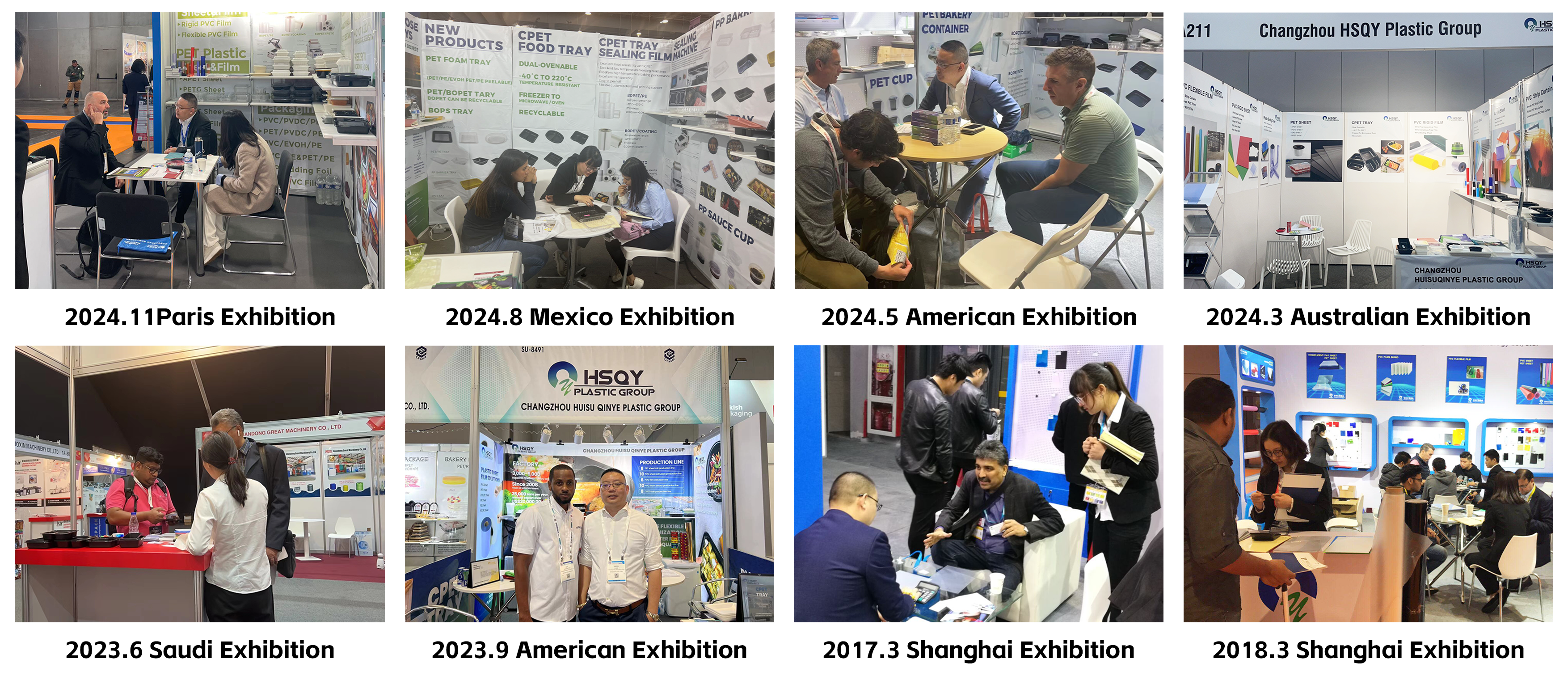
HSQY Exhibition
HSQY Plastic Group exhibition and international customer activities.
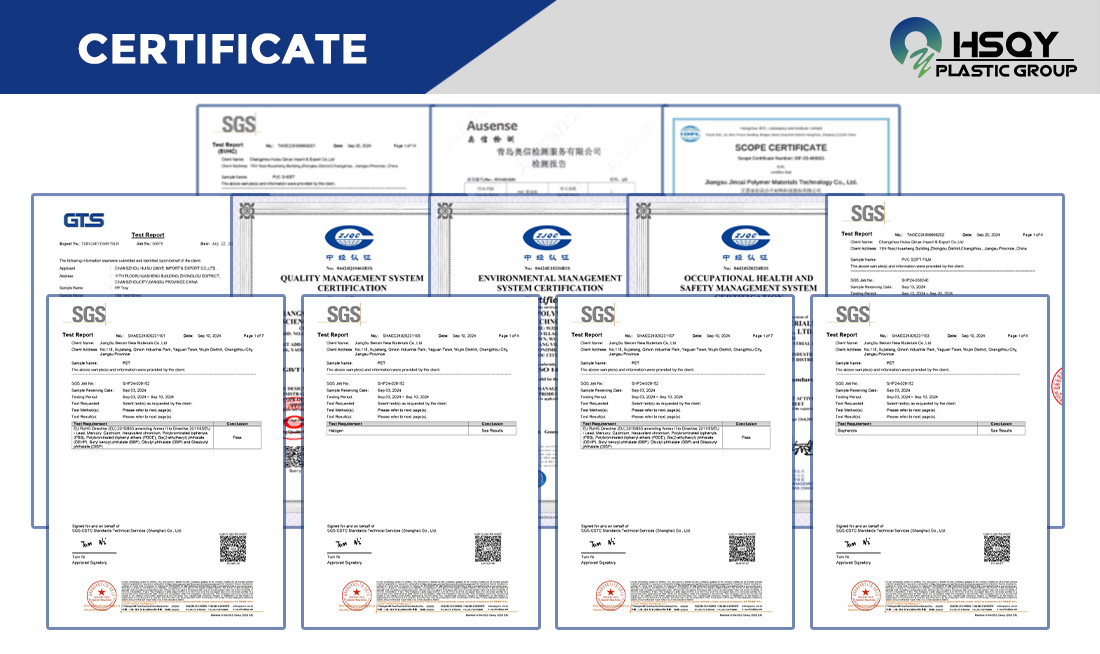
Certification and Documentation
Buyers requiring material reports, quality-system documentation or electrical test data should confirm which current document applies to the exact anti-static PP formulation, thickness, color and production lot.
For ESD-sensitive applications, request electrical data for the exact production specification rather than assuming that a general company certificate confirms the surface-resistance performance of every anti-static polypropylene sheet.
Frequently Asked Questions
What is anti-static polypropylene sheet?
Anti-static polypropylene sheet is PP material formulated with antistatic additives to help reduce unwanted static charge accumulation during handling, packaging and industrial processes.
What thicknesses are available?
The detailed HSQY specification lists thicknesses from 0.1mm to 3mm. Confirm availability for the required width, color, antistatic formulation and quantity.
What colors are available?
White and black are listed standard colors, and customized colors can be discussed according to the required formulation and production quantity.
What is the surface resistance of this anti-static PP sheet?
The current product information does not define one numerical surface-resistance range. Provide the required target resistance and test method so the appropriate antistatic specification can be confirmed.
Is anti-static PP the same as conductive PP?
No. Anti-static, static dissipative and conductive materials are designed for different electrical resistance levels. The required category should be selected according to the target electrical performance.
Can anti-static PP sheet be used for electronics packaging?
It can be evaluated for trays, liners, separators and other electronics-packaging components. Confirm the required surface resistance, test method and finished-part specification before production.
Can the sheet be thermoformed?
The original product information lists thermoforming as an available processing direction. Forming conditions and the required electrical performance after forming should be confirmed for the exact grade and thickness.
Can the PP sheet be cut or drilled?
Yes. The original product information lists cutting and drilling as suitable fabrication methods. Provide the finished dimensions, hole locations and tolerance requirements when requesting processed parts.
Is the antistatic effect permanent?
The current product information does not state that the antistatic performance is permanent. Buyers requiring long-term or permanent static-control performance should specify the required duration and request supporting electrical data for the selected formulation.
Does humidity affect antistatic performance?
Electrical measurements can vary with formulation, conditioning and environmental conditions. If humidity sensitivity is important, define the test temperature, relative humidity and conditioning procedure in the purchasing specification.
Is anti-static PP resistant to chemicals?
Polypropylene is resistant to many chemicals, but compatibility depends on the exact chemical, concentration, temperature, stress and exposure duration. Confirm demanding chemical applications before material selection.
Can anti-static PP sheet be used in cleanrooms?
The material can be evaluated for static-control components used in controlled environments, but cleanroom suitability, particle requirements and other application-specific criteria must be confirmed separately.
Can the width be customized?
Yes. The original product specification lists customized width. Provide the required width, thickness, color and quantity for production confirmation.
What information should I provide for a quotation?
Please provide thickness, width, color, quantity, target surface resistance, electrical test method, application, fabrication requirements, operating environment, packing requirements and destination.
Contact HSQY for Samples and Pricing