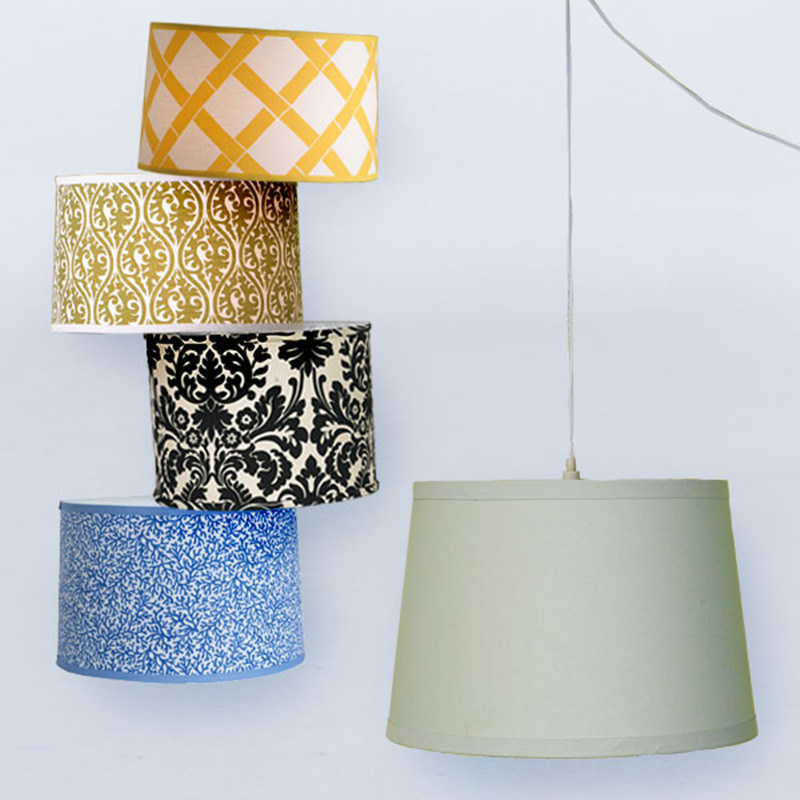
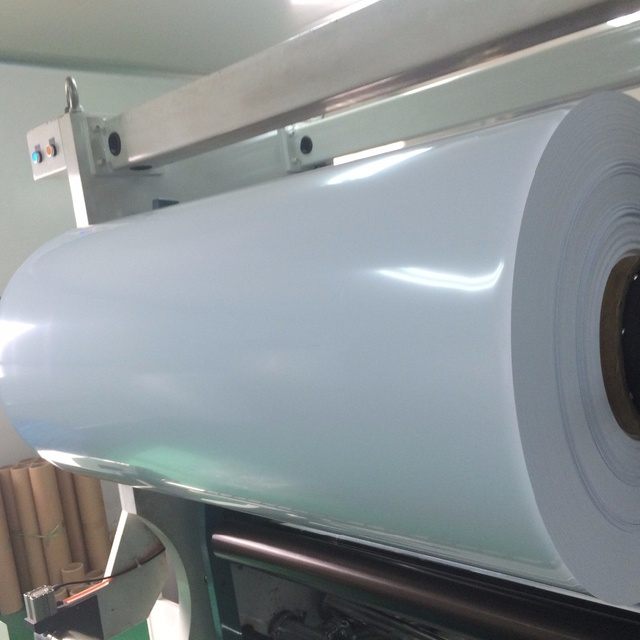
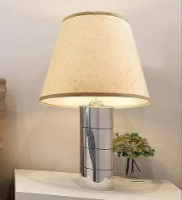
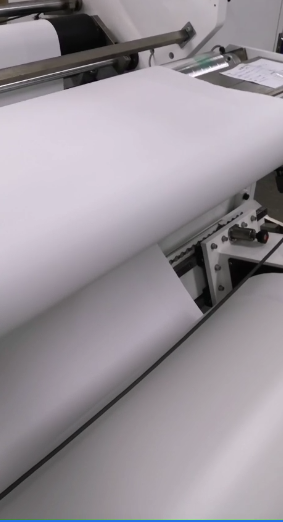
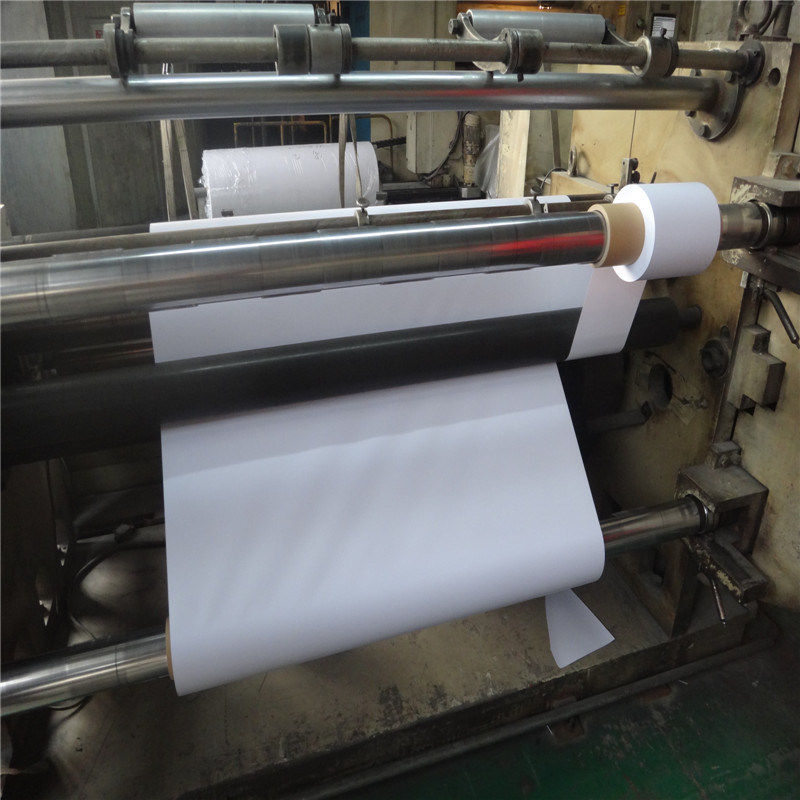
Rigid and semi-rigid PVC material for table, floor, pendant and decorative lampshades. Compare milk-white, matte, self-adhesive and custom finishes in sheet or roll form.
Share the shade dimensions, covering material, required stiffness, lighting effect, bulb type, supply format and order quantity for a more relevant recommendation.
PVC lampshade sheet is a rigid or semi-rigid polyvinyl chloride material used as the structural and light-controlling layer of a lampshade. It may be supplied as bare white or translucent material, or with a pressure-sensitive adhesive and release liner for laminating fabric, wallpaper or decorative paper.
The finished result depends on the complete assembly: PVC grade, thickness, color, covering, adhesive, frame, bulb, bulb distance and operating conditions.
Start with the closest listed product, then confirm the final thickness, width, opacity, surface, adhesive structure and packing through a sample and written specification.
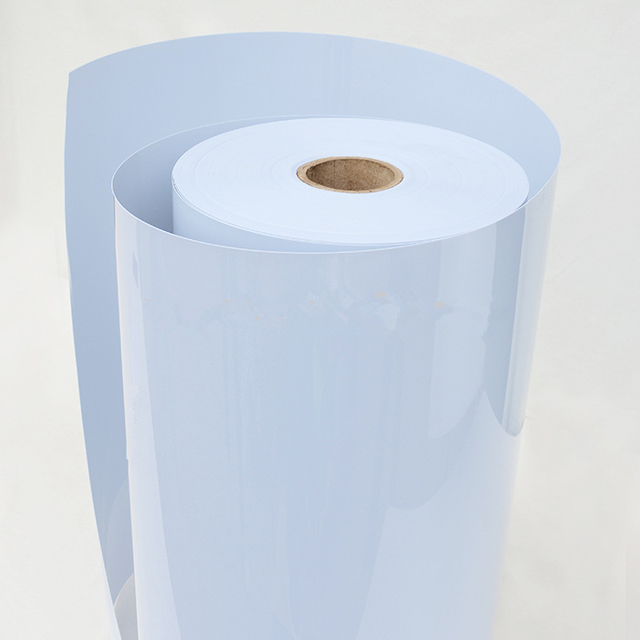
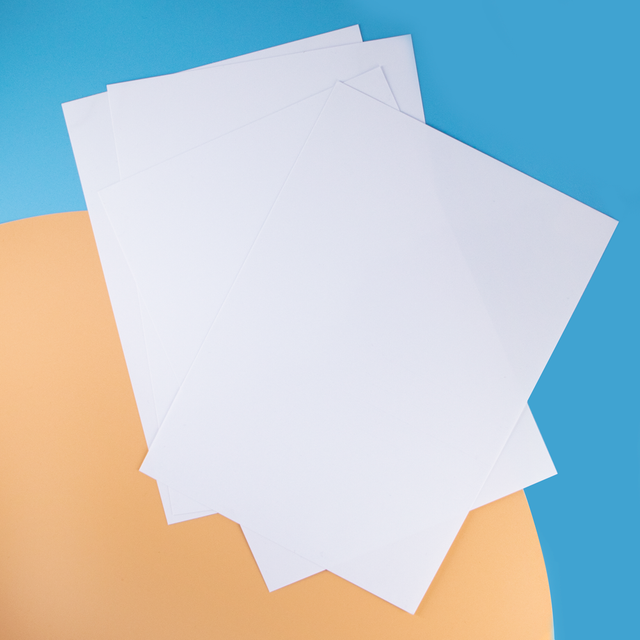
A light-diffusing white starting point for curved shades and decorative lighting components.
View product →
Pressure-sensitive backing for laminating fabric, wallpaper or decorative paper onto a structured carrier.
View product →
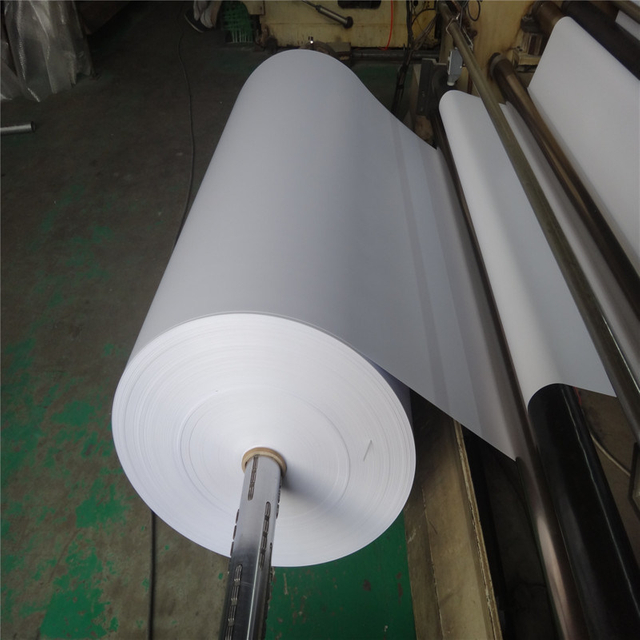
A white adhesive-backed roll option for repeated lamination and panel-conversion workflows.
View product →
A non-transparent white backing option for lampshade panels that require structure and a clean interior appearance.
View product →
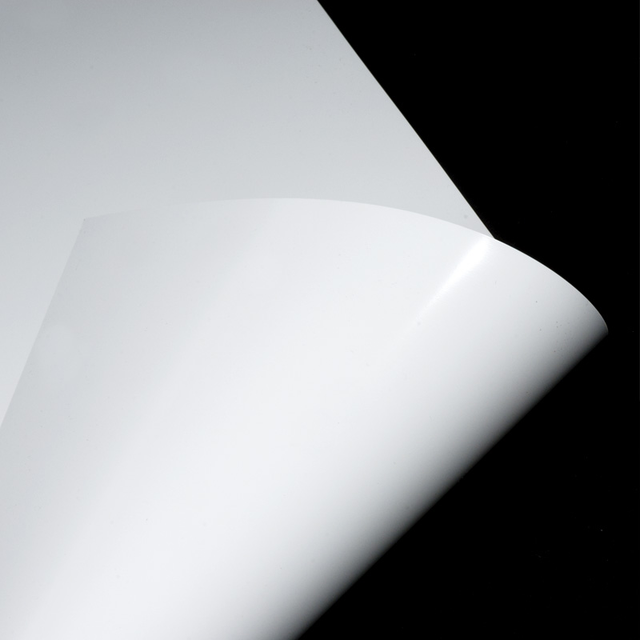
A low-sheen surface for decorative shades, printed layers and fabric-covered lighting products.
View product →
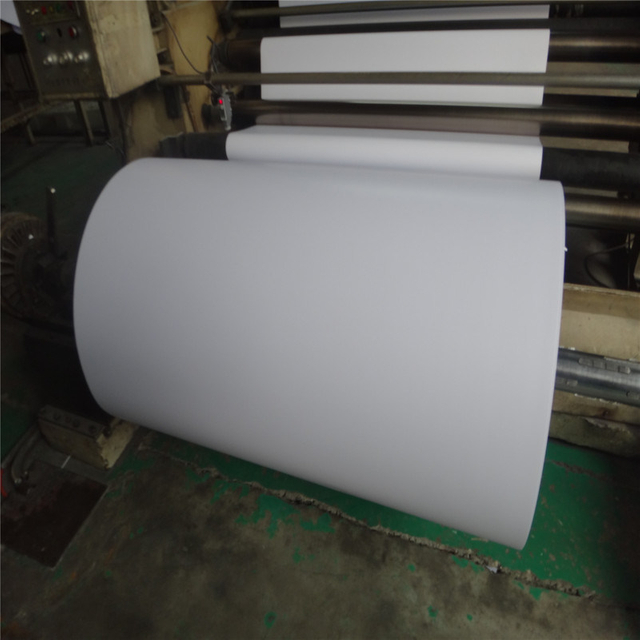
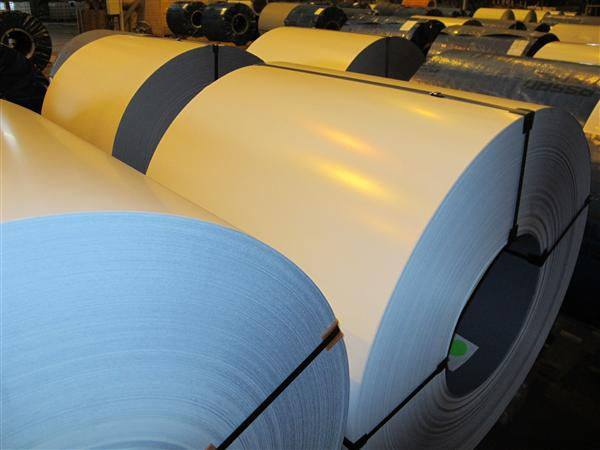
A continuous-format starting point for converters cutting repeated shade panels and standard widths.
View product →
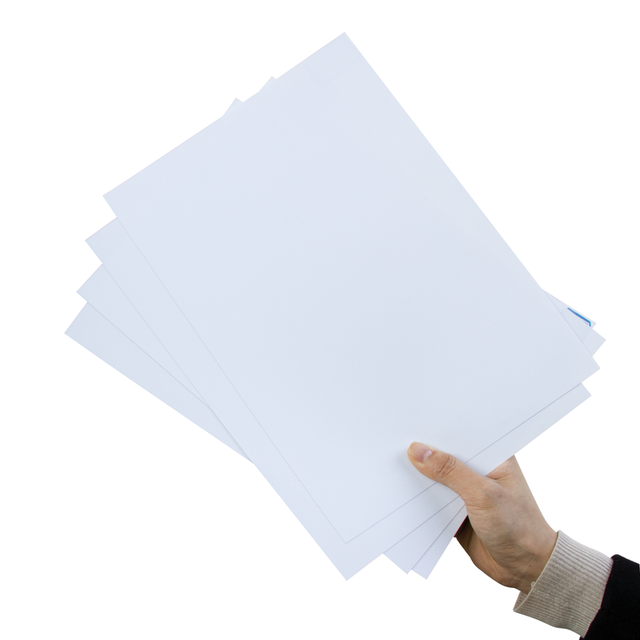
A sheet-fed option for sampling, custom panel cutting and lower-volume decorative shade production.
View product →
An adhesive-backed option for applying decorative coverings and assembling hard-backed shades.
View product →The visible exterior may be fabric or paper, but the backing still controls stiffness, inside appearance, curvature and part of the illuminated effect.
| Material option | Primary characteristic | Typical project fit | Confirm before ordering |
|---|---|---|---|
| Milk whiteDiffusing appearance | Softens direct visibility through the backing and creates a white interior. | Table, floor, pendant and decorative shades. | Opacity, illuminated color, thickness and bulb distance. |
| Matte PVCLow-sheen surface | Reduces surface gloss and provides a clean decorative finish. | Modern shades, printed panels and laminated products. | Print or adhesive contact side and surface consistency. |
| Self-adhesive PVCBacking plus release liner | Supports direct lamination of compatible fabric, wallpaper or decorative paper. | Hard-backed lampshades and repeat panel assembly. | Covering type, initial tack, long-term bond and liner format. |
| Bare white PVCStructural carrier | Provides stiffness without a factory-applied pressure-sensitive adhesive. | Projects using a separate adhesive, print or exposed white interior. | Bonding method, surface treatment and required rigidity. |
| Translucent or clearHigher light passage | Allows the outer decorative layer to influence the visible lighting effect. | Printed, layered and special-effect decorative shades. | Light transmission, hotspot visibility and covering show-through. |
These are selection principles rather than universal performance claims. Approve the exact PVC, adhesive and covering combination with the actual fixture.
A self-adhesive shade panel is a layered assembly. Each layer changes appearance, handling or bond performance.
Gauge is only one input. Shade diameter, height, covering weight, frame spacing, forming radius and handling all affect the final choice.
Often evaluated for small and medium drum, table or pendant shades that need easy curvature.
A practical comparison point when moderate stiffness and repeat panel production are both important.
Worth testing for taller, wider or more demanding panels where additional rigidity is preferred.
Use the finished shade geometry and production method to define thickness rather than copying another project.
Do not approve lampshade PVC only under room light. Evaluate the sample in the actual shade construction and intended fixture.
Important: A material description alone does not establish compliance with a finished lighting-fixture, heat or flame standard. Confirm the required tests and documents for the exact construction and destination market.
PVC backing can support multiple forms and exterior treatments when its stiffness, light appearance and lamination behavior are matched to the design.
No. Both can serve as rigid lampshade backing, but PVC and polystyrene are different polymers. They can differ in stiffness, bending behavior, surface, adhesive compatibility, light appearance and market requirements.
When changing materials, compare the finished shade rather than substituting one sheet only by thickness.
Share a sample or specification for stiffness, color, surface and illuminated appearance.
Fabric finishes, wallpaper coatings and printed papers can change adhesive performance.
Confirm bulb, heat, spacing, frame and destination-market requirements after substitution.
Build the specification around the actual shade and production method.
Share dimensions, shape, frame, covering and required inside appearance.
Compare thickness, color, surface, adhesive, sheet or roll format.
Cut, laminate and assemble samples, then test them with the intended fixture.
Record accepted tolerances, adhesive, liner, appearance and packaging.
The useful starting point is your fixture and fabrication process—not only a generic request for white PVC.
Compare bare, matte, milk-white and self-adhesive lampshade PVC options.
Review supply width and format against your cutting layout and production volume.
Discuss color, opacity, surface and interior visual targets for the project.
Test the selected backing with the real covering, frame and light source.
Concise answers for lighting manufacturers, lampshade factories, designers and purchasing teams.
It is used as a structural or light-controlling backing in table, floor, pendant and decorative lampshades. It can be used bare or laminated with fabric, wallpaper or decorative paper.
It is rigid or semi-rigid PVC coated with pressure-sensitive adhesive and protected by a release liner. A compatible decorative covering is laminated onto the adhesive side to create a hard-backed shade panel.
Common HSQY self-adhesive options are approximately 0.3 to 0.5 mm. The right thickness depends on shade diameter, height, covering weight, frame support, curvature and required stiffness.
Yes. Flat sheets, continuous rolls, slit rolls and custom-cut panels can be discussed according to the selected grade, width and order specification.
Self-adhesive grades are designed for covering lamination, but every fabric, wallpaper and decorative paper should be tested because coatings, texture, moisture and surface finishes can change bond performance.
No universal assumption should be made. Test the exact material and finished shade with the intended bulb type, wattage, spacing, airflow, operating temperature and applicable lighting requirements.
Provide shade dimensions and shape, PVC thickness, color or opacity, finish, adhesive requirement, sheet or roll dimensions, covering material, bulb type, quantity, destination country and required test documents.
HSQY can use your shade geometry, covering material, optical target, adhesive needs and production format to prepare a more relevant sample and quotation.
Let’s Find the Right Plastic Solution