Finished application
Tray, clamshell, blister, folding box, printed sheet, visor or protective component.
Send: drawing, sample, cavity depth and use conditions.CLEAR APET SHEET · B2B ROLL & CUT-SHEET SUPPLY
Match gauge, optics, surface, roll geometry and application-specific performance to your forming, printing, folding or converting line.
QUICK ANSWER
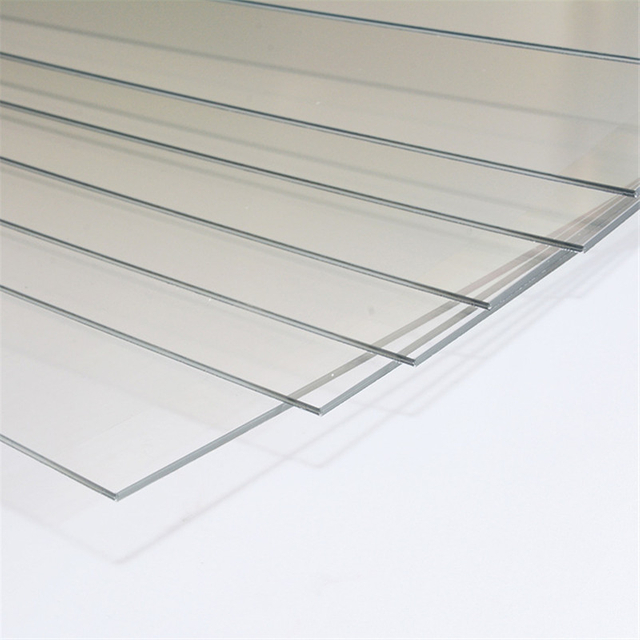
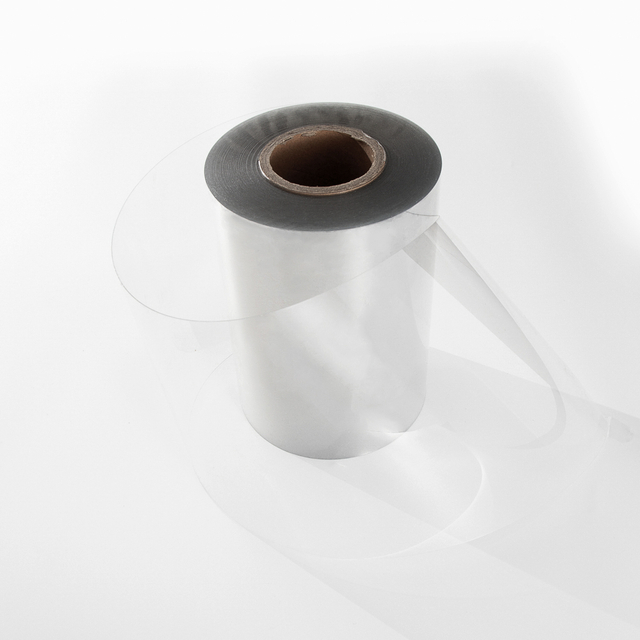
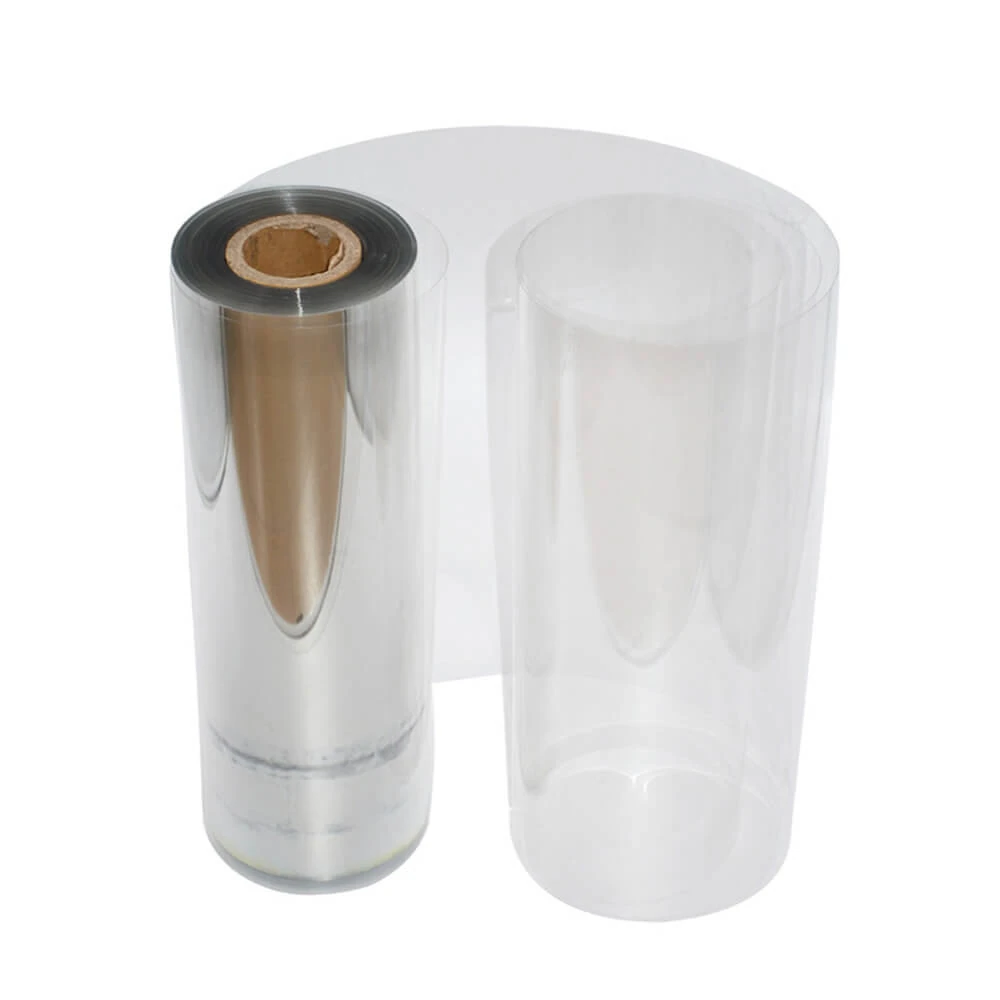
APET sheet is an amorphous polyethylene terephthalate sheet supplied in rolls or cut sheets for transparent packaging and fabrication. It is commonly evaluated for thermoformed trays, clamshells, blisters, clear boxes, printing and protective components.
“PET sheet” is a broad family description. APET, recycled-content PET, PETG, GAG and laminated PET structures can require different forming, sealing and compliance decisions. Identify the exact construction before approving a production material.
BUYER DECISION MAP
Start with the finished pack or component, then define the forming window and roll configuration. A reference sheet and a trial on the intended line are more useful than a generic request for “clear PET.”
Tray, clamshell, blister, folding box, printed sheet, visor or protective component.
Send: drawing, sample, cavity depth and use conditions.Set nominal thickness and allowable variation around forming and yield targets.
Send: gauge, tolerance and current material data.Define clarity, haze, tint, gloss and surface-defect acceptance in the finished pack.
Send: visual master and inspection method.Specify glossy, matte, textured, anti-fog, anti-static or other exact requirements.
Send: treated side, test method and acceptance limit.Define width, length, core, roll diameter, winding direction, sheet size and protection.
Send: unwind diagram and equipment limits.State food-contact, recycled-content, traceability or destination-market documentation.
Send: regulation, document type and target structure.HSQY PRODUCT SHORTLIST
Five products are shown on the current APET category page; three closely related HSQY PET/APET grades are added for finish and coating decisions. Confirm the exact material construction before ordering.
Specialty PET sheet for projects that define refrigerated or frozen handling conditions.
View productA product reference for comparing clear PET-family sheet constructions.
View productA defined-gauge reference for thermoforming trials and roll specification.
View productClear sheet option for projects combining forming, printing or folding operations.
View productGeneral clear roll reference for trays, blisters, boxes and formed packaging.
View productGlossy A-PET reference for visual packaging, forming and print evaluation.
View productMatte APET-related option for lower-glare packaging, printing and forming projects.
View productCoated specialty sheet for applications that define condensation and visibility tests.
View productAPPLICATION ROUTING
APET sheet is raw material for converters. Confirm the finished-product design, processing route and regulatory scope rather than selecting only by a generic application name.
Trays, clamshells, lids and clear containers formed from roll stock.
Confirm: forming depth, temperature, food-contact documents and sealing system.Clear formed blisters, inserts and display packs where product visibility matters.
Confirm: cavity geometry, flange, card/seal method and optical standard.Clear boxes, windows, covers and graphics converted from roll or cut sheet.
Confirm: ink, treatment, fold test, grain direction and surface protection.Protective trays, covers, visors and components requiring a defined coating or behavior.
Confirm: anti-static, ESD, anti-fog or other exact test requirement.CONVERTER FIT
A trial roll should be evaluated through heating, forming, trimming, printing or sealing as relevant. Finished-pack performance is the practical approval point.
Check heating profile, draw, corner definition and thickness distribution.
Review haze, gloss, marks, blocking and coating uniformity under agreed lighting.
Check winding, static, tracking, roll tension and protection on the actual line.
Validate printing, folding, trimming, lamination or tray sealing as applicable.
MATERIAL DECISION
These are sourcing routes, not interchangeable grades. Final selection should be supported by a sample, process trial and project-specific documentation.
Start here for clear thermoforming, blister, box and general conversion projects.
Ask: Is monolayer APET compatible with every downstream step?Evaluate when a defined post-consumer or recycled-content target is part of the brief.
Ask: What content, layer structure and traceability are required?Compare PETG or PETG/APET/PETG when the forming and fabrication process needs another PET-family construction.
Ask: Which line behavior or finished feature must improve?Evaluate a PET/PE structure when the formed web must seal to a compatible top web.
Ask: Peel or weld seal, and under which temperature and dwell?RFQ SPECIFICATION GUIDE
A complete data pack lets the supplier discuss the correct sheet construction and trial quantity instead of quoting a generic clear roll.
| RFQ field | Information to provide | Why it matters |
|---|---|---|
| Application | Finished pack/component, drawing, sample, contents and use conditions | Defines the relevant material and approval route |
| Construction | APET, recycled-content PET, coated PET, GAG or laminate if already specified | Prevents quoting the wrong PET-family sheet |
| Gauge | Nominal thickness, tolerance and thickness-distribution requirement | Affects forming, stiffness, yield and cost |
| Dimensions | Roll width or sheet size, tolerance, edge and slit requirements | Matches tooling and converting equipment |
| Roll format | Core ID, maximum OD/weight, winding direction, splices and pallet limit | Fits unwinding, storage and handling |
| Surface | Clear/tinted, gloss/matte, treatment side, coating and protective film | Sets appearance and downstream adhesion |
| Processing | Forming method, cavity depth, line speed, printing, folding or sealing details | Connects sheet behavior to the real process |
| Testing | Optical, anti-fog, static, impact, seal or other method and acceptance limit | Makes specialty performance measurable |
| Compliance | Food-contact or other regulation, destination market and required documents | Confirms scope for the exact grade and use |
| Commercial | Trial quantity, forecast, delivery schedule, destination and labeling | Supports MOQ, production and logistics planning |
SAMPLE-TO-ORDER WORKFLOW
Use staged approval when changing gauge, supplier, recycled content, coating or finished-pack geometry.
Send the pack, process and documentation brief.
Match construction, gauge, surface and format.
Inspect optics, dimensions and handling.
Run forming and downstream conversion checks.
Lock the standard, packing and order data.
BUYER FAQ
Direct answers for thermoformers, packaging converters, printers, distributors and product manufacturers.
Ask a project-specific questionAPET means amorphous polyethylene terephthalate sheet. It is a PET-family material commonly supplied as clear rigid or semi-rigid roll stock and cut sheets for thermoforming, packaging, printing and fabrication.
APET is a type of PET sheet, but “PET sheet” can also refer to recycled-content PET, PETG, GAG and laminated structures. Confirm the material construction rather than relying only on the broad PET name.
The current APET category lists 0.2–3.0 mm. Individual current product pages include wider ranges beginning around 0.1–0.12 mm. Confirm the selected product's gauge range, tolerance and width before publishing a fixed specification or ordering.
Food-contact APET grades can be considered for suitable packaging. Food safety is not established by the material name alone: request documents that identify the exact grade, construction, manufacturing site, intended contact conditions and destination-market regulation.
No. Seal performance depends on the tray surface or seal layer, lidding construction, temperature, pressure, dwell time, contamination and peel target. A PET/PE structure or another compatible sealing system may be required, followed by a filled-pack trial.
Consider an anti-fog grade when condensation can reduce visibility in refrigerated, humid or temperature-changing conditions. Define the treated side, use temperature, duration, cleaning/contact conditions and test method.
APET belongs to the PET material family and may enter suitable PET recycling streams. Actual acceptance depends on local collection and processing systems as well as coatings, labels, colors, laminates, contamination and the finished-pack design.
Send the application, material construction, thickness and tolerance, roll width or sheet size, core and winding data, surface or coating, processing method, test and compliance requirements, trial quantity, forecast, packing and destination.
START WITH THE PACK AND PROCESS
Send the drawing or sample, gauge, width, roll format, surface, forming method, required tests, quantity and destination.