


Easy peel
For salads, desserts and chilled meals opened by hand. Set a target peel force and test how the tab lifts straight from the fridge.

Easy-peel and lock-seal films for trays with a polyethylene (PE) sealing surface. Specify anti-fog for chilled display or evaluate an EVOH oxygen barrier for a gas-flushed pack.

Check the material on the flat sealing rim, also called the flange. A PET tray can have an exposed PET rim, a PE sealing layer or a coating. Your tray specification should identify which surface the lid will touch.

For salads, desserts and chilled meals opened by hand. Set a target peel force and test how the tab lifts straight from the fridge.
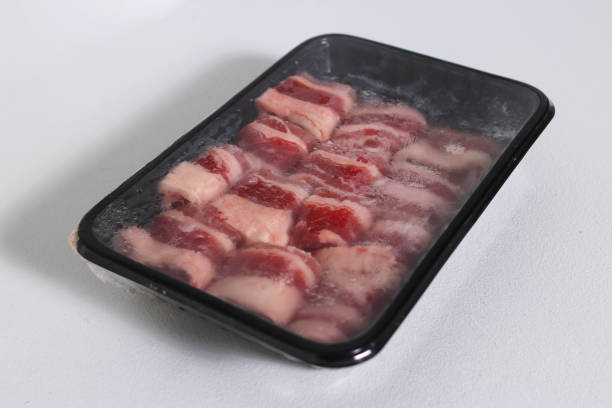
For meat, seafood and packs that need a firm closure through distribution. Test the filled tray for leaks and plan for cut-open access.
Check the dimensions on your current roll label and the limits in the sealer manual. Core ID must fit the unwind shaft. Roll OD must clear the machine when a full roll is loaded.
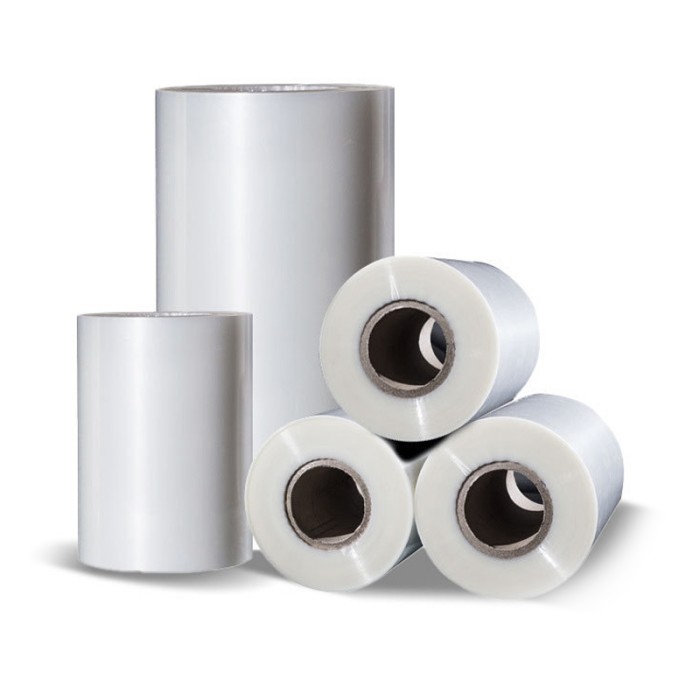
HSQY’s wider film family includes 25–60 μm structures and selected EVOH structures around 35–80 μm. Some custom designs reach about 100 μm. The family guide gives about 500 kg as a reference minimum. Ask for a project-specific quote if your requirements fall outside the five grades listed here.
Send a tray drawing or sample and identify the flange material. Include the food, fill temperature and storage conditions.
Run a sample roll at production speed. Vary temperature, pressure and dwell time, then record the settings that give an even seal.
Measure peel force and inspect for leaks after cooling and handling. For modified atmosphere packaging (MAP), verify gas retention and shelf life on the filled pack.

Agree on the test method, storage conditions and pass criteria with your packaging engineer before ordering a production roll.
Request the proposed grade’s technical data sheet and food-contact declarations or migration reports for your market and use conditions. Ask which batch inspection results will accompany the order. For an EVOH lid, request oxygen and water vapor transmission rates with the test temperature and relative humidity.
Request a technical data sheetFor wet products, check the seal with a realistic amount of juice at the rim. For bone-in cuts or shells, test the lid for punctures after stacking and transport. In MAP packs, specify the target gas mixture and request oxygen transmission rate (OTR) data with its test conditions.
For salads and chilled desserts, inspect visibility after cooling. Anti-fog treatment spreads condensate into a thin film. For respiring fruit and vegetables, discuss breathable or microperforated film. For bakery and dairy, check moisture transfer, product contact and how cleanly the lid opens.
Test low-temperature flexibility, seal integrity and impact resistance through freezing, distribution and thawing. Declare any microwave, conventional oven, pasteurization or retort cycle in advance. Each needs a tray and film qualified for the actual time and temperature.
Load a clean tray, run the PE side toward the rim, then seal, cool, cut and inspect. For wrinkles or channel leaks, check web tracking, tension and tool contact. For shrinkage, check heat and dwell time. If the laminate separates, review bond strength and the storage or heating cycle.
Record the grade, roll or lot ID, measured gauge, tray code, line speed, and sealing temperature, pressure and dwell time. For easy peel, agree on the test method and acceptable force after chilling. Use the approved trial as the reference for the first production delivery.
Store rolls in their original wrap in a dry area away from sunlight and heat. Confirm roll-end protection, carton labels, batch traceability, pallet height and shipping marks before dispatch.
A PET outer web gives the lid strength and a surface for printing. A polyethylene (PE) layer faces the tray. Selected high-barrier films add EVOH between layers.
Under heat and pressure, the PE sealant bonds to the PE surface on the tray rim. The sealant formulation helps determine how firmly the lid holds and how it opens.
For an uncoated mono-PET rim, ask for a direct-to-PET grade. If the rim is coated, identify the coating so HSQY can match the sealant and trial it on your tray.
A multi-substrate grade may suit several tray types. For a mixed line, identify each rim material and test seal integrity and opening force separately before standardizing on one roll.
The five film grades listed here are available in thicknesses of 45–100 μm. If your line uses a different gauge, give HSQY the current film specification and the seal and handling performance you need.
Check whether the collection and sorting system in your sales market accepts flexible PET/PE laminates. Assess the lid and tray as packaged before choosing disposal instructions.
Choose easy peel when consumers need to lift the lid by hand. A lock seal gives a stronger closure for distribution and may require scissors to open.
Excess heat, pressure or dwell time can make a lid harder to lift. Verify the grade against your tray rim, then compare peel force across the recommended sealing window.
The lid can tear when the seal holds more firmly than the film. Check for edge damage, a weak spot at the tab or a gauge that is too light for the application.
Some sealants tolerate light contamination. Keep the rim clean during filling and test the proposed grade with your product under representative production conditions.
First locate the leak. At the rim, check for food residue, wrinkles or a damaged flange. If the rim is intact, inspect the lid for punctures and review the sealing settings.
Yes. Give HSQY your target peel force or a pack that opens the way you want. Confirm the chosen sealant on your own tray at normal line speed.
Consider anti-fog treatment when droplets hide the product in the chilled display. Compare treated and untreated lids after packing and refrigeration under your normal display conditions.
Choose a film and tray with barrier properties suited to the food, gas mix and storage period. Confirm gas retention and shelf life in trials on the filled pack.
Ethylene vinyl alcohol (EVOH) slows oxygen transmission through the film. Ask for the grade’s oxygen transmission rate and the temperature and humidity used to measure it.
Choose a grade tested at your intended freezer temperature. Check that the lid stays flexible and that the seals survive handling and transport of the frozen pack.
Use only a microwave-grade lid with instructions validated for the complete meal pack. Confirm the tray, food load, venting instructions and heating cycle before printing reheating directions.
Standard PET/PE lidding is unsuitable for conventional ovens. An oven-ready pack needs a heat-resistant lid and tray qualified together for the stated cooking time and temperature.
Yes. Send the artwork, web width, print repeat and unwind direction. Include registration marks for the sealing line and identify any barcodes or instructions that need to stay within the lid area.
The published minimum is 1,000 kg for each of the five grades shown here. Confirm the quantity for your width, print run and delivery schedule when requesting a quote.
The anti-fog, standard lock-seal and EVOH grade pages give an estimate of 10–15 days after deposit and specification approval. HSQY quotes lead time individually for the standard EasyPeel grade. Transit time depends on destination.
Ask HSQY about sample availability and a trial roll sized for your tray sealer. Share the web width, core size and winding direction so the roll fits your unwind.
Send a tray sample or rim specification, food and storage conditions, opening preference, machine model and roll dimensions. Include expected volume, destination and any print, barrier or documentation requirements.
Send your tray and roll specifications, order quantity and delivery location. If a dimension is missing, include a photo of your current roll label or attach the tray drawing to your email.
Please quote PET/PE tray lidding film for the following project.

Tray code and rim material:
Food, fill temperature, storage and target shelf life:
Opening method, anti-fog, barrier and print requirements:
Sealer model, web width, core ID, maximum roll OD and unwind direction:
Trial quantity, order volume and delivery location:

Please confirm the proposed grade and data sheet, minimum per width or print design, sample costs and freight, net kg and length per roll, unit price and currency, delivery term and named place, and separate production and transit times. Please identify the food-contact documents available for our destination and intended use.

