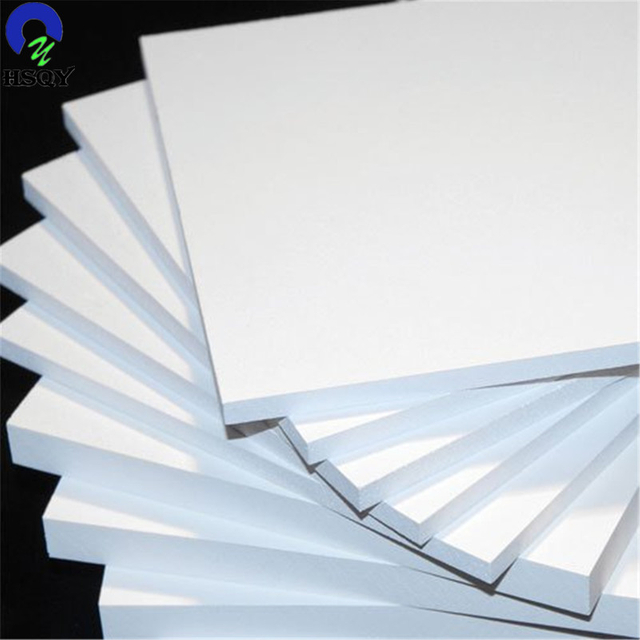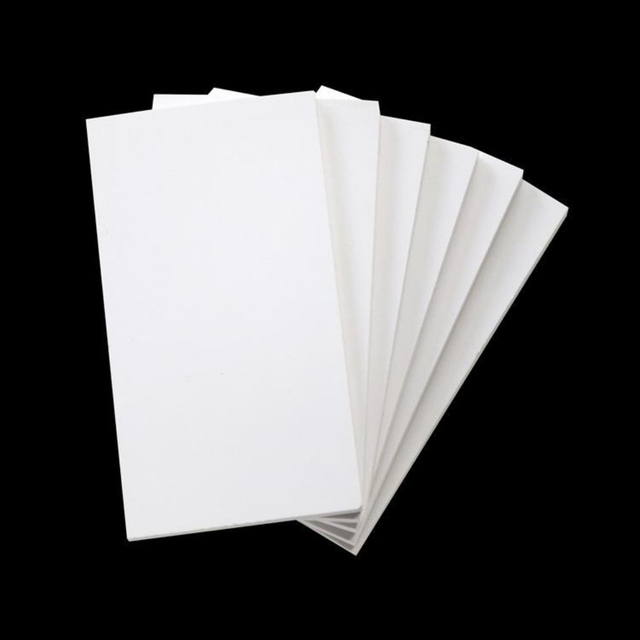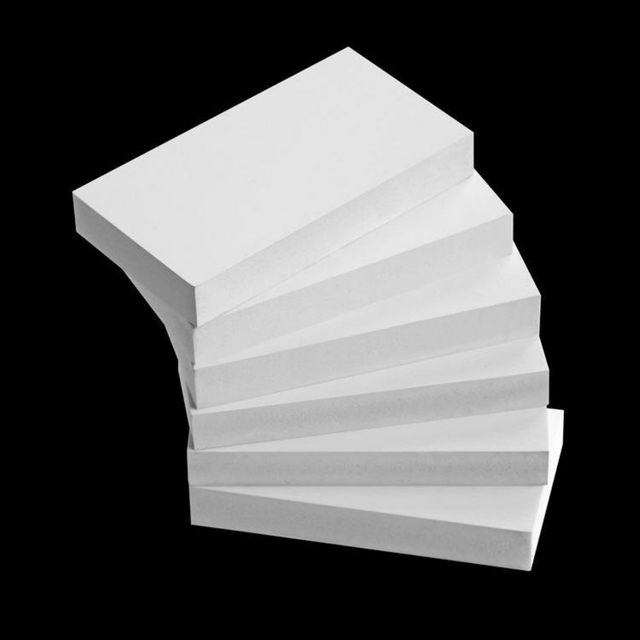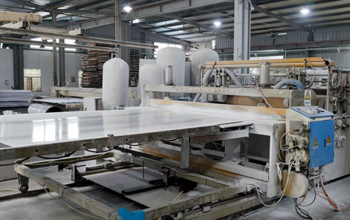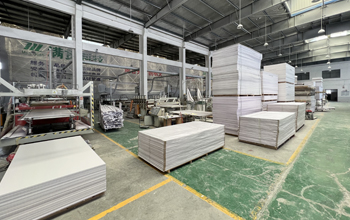
Free Foam Board
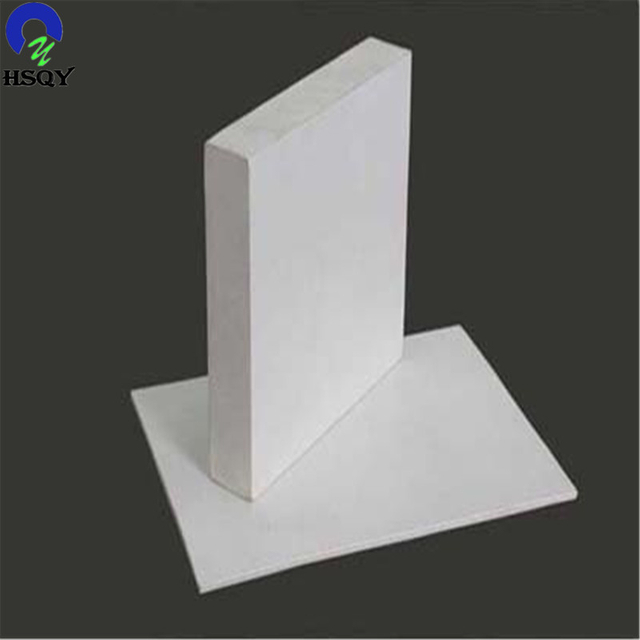
A general-purpose starting point when lower weight and a smooth surface are important for display, print or lightweight fabrication programs.
Confirm:- Ink and adhesion test
- Flatness and edge quality
- Target density
PVC FOAM BOARD MANUFACTURER
Match the board construction, surface, density and sheet format to your printing, routing, lamination or cabinet program—then validate the actual grade before production.
THE QUICK ANSWER
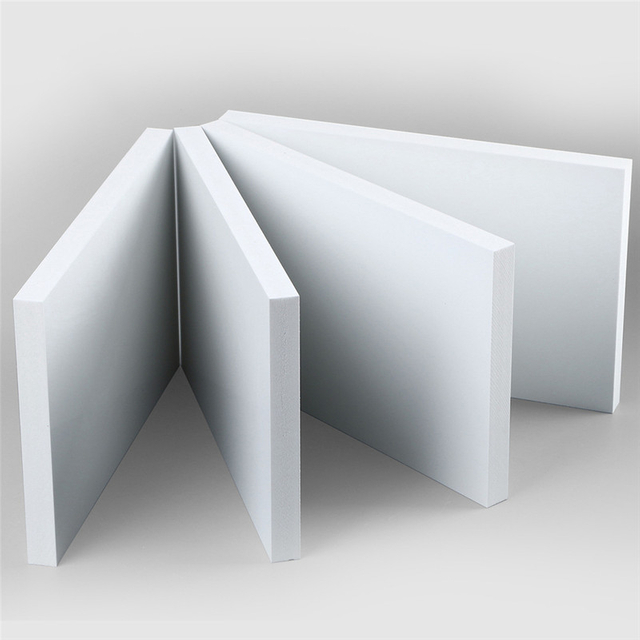
PVC foam board is a lightweight, rigid sheet made with a foamed PVC core. It is commonly considered for signs, exhibition displays, furniture components and interior fit-outs because it can be cut, routed, drilled, printed or laminated when the grade and process are compatible.
For B2B sourcing, “PVC foam board” is only the starting point. Board construction, density, thickness, surface, color and downstream processing must be written into the specification and checked on a representative sample.
BOARD FAMILY SELECTOR
These are practical starting points, not universal performance claims. Final suitability depends on the specified grade, thickness, density and fabrication process.
A general-purpose starting point when lower weight and a smooth surface are important for display, print or lightweight fabrication programs.
Confirm:A hard-skin construction often evaluated for routed parts, furniture components and projects where a firmer surface or edge is preferred.
Confirm:A layered construction that may be shortlisted when buyers want a distinct skin and core combination for displays or fabricated components.
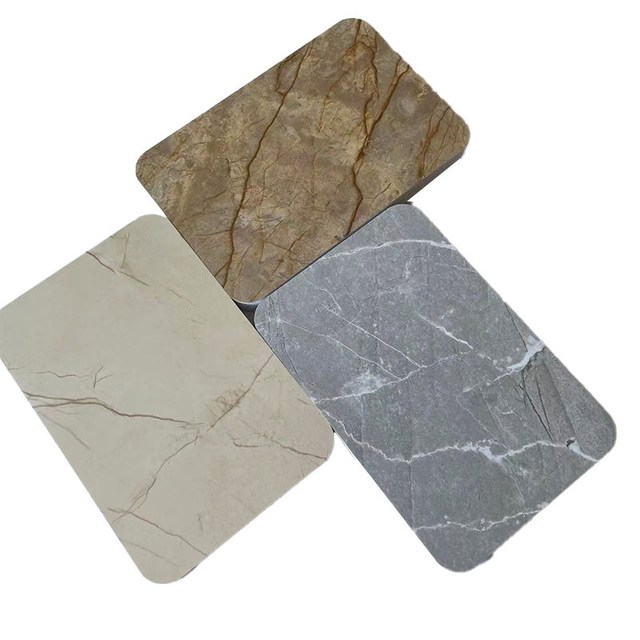
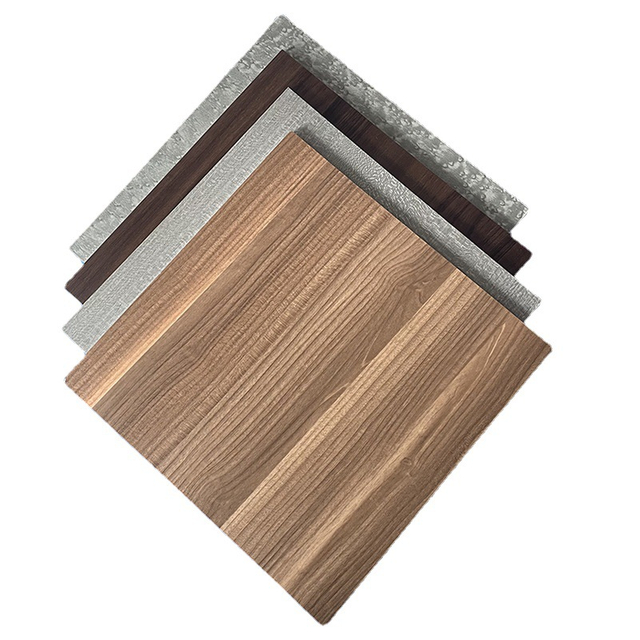
Confirm:A decorative-surface option for cabinet, wall-panel and furniture programs where the finish is part of the supplied board.
Confirm:CURRENT PRODUCT SHORTLIST
Open a product to review its current details, then send the intended application and processing method for grade confirmation.
For buyers comparing a firm-surface board for furniture and routed parts.
View productA decorative option for cabinet and wall-panel programs.
View productFor programs that begin with a denser rigid-sheet requirement.
View productSelected thickness and large-format options for project review.
View productA 4×8-format decorative board to evaluate for cabinet projects.
View productA standard-format starting point for signage and fabrication inquiries.
View productA co-extruded sheet option for display and fabricated-part sampling.
View productFor buyers evaluating a hard-surface Celuka construction.
View productAPPLICATION ROUTING
Give the supplier the finished-part requirement—not only the sheet size—so material selection can account for fabrication and appearance.
State the print method, ink system, viewing distance, color, surface and whether the board will be mounted or framed.
Sample test: ink adhesion, color, flatness and cut edge.Share part dimensions, folding or assembly method, load points, graphic application and transport requirements.
Sample test: routing, bonding, assembly and packed-part handling.Define door or carcass use, finish, CNC toolpath, edge treatment, hardware and the expected service environment.
Sample test: machined edge, fasteners, lamination and color match.Provide the system drawing, fixing method, finish, maintenance needs and any project-specific compliance documents.
Sample test: joint detail, fixing method, surface and installation mock-up.SPECIFICATION-FIRST RFQ
A complete RFQ reduces back-and-forth and makes supplier quotes easier to compare. If a value is undecided, describe the application and ask for a recommended sampling range.
| RFQ field | What to state | Why it matters |
|---|---|---|
| Application | Finished product and service environment | Frames the grade selection |
| Board family | Free foam, Celuka, co-extruded or laminated | Changes the surface/core construction |
| Sheet format | Length × width, trim tolerance and grain/finish direction | Impacts yield and packing |
| Thickness & density | Target and acceptable tolerance/range | Influences weight and fabrication behavior |
| Surface & color | Color code, finish, film or approved reference | Sets the visual acceptance standard |
| Processing | Print, CNC route, saw, drill, bond, laminate or fasten | Defines the sample tests |
| Documents | Only standards or reports required by the project | Avoids unsupported assumptions |
| Commercial | Annual volume, order quantity, packing, port and target date | Supports a usable quotation |
FABRICATION CHECKPOINTS
Material descriptions cannot replace a process trial. Use representative equipment, consumables and settings wherever possible.
Check ink or adhesive compatibility, surface preparation, cure conditions, color and adhesion on the nominated face.
Confirm tool, feed, speed, heat, burrs, edge appearance and dimensional repeatability on the proposed thickness.
Test hole quality, edge distance, hardware, pull-out behavior and joint design on the chosen density and thickness.
Validate adhesive or film, pressure, temperature, dwell time, edge detail and appearance after conditioning.
FROM SAMPLE TO PRODUCTION
Share the finished use, drawings, processing, acceptance criteria and commercial needs.
Select a relevant construction, thickness, density, surface and color for trial.
Run printing, machining, bonding, fixing or assembly tests using the intended process.
Record the accepted specification, appearance reference, packing and required documents before ordering.
BUYER FAQ
Short answers for purchasing teams, product developers and fabricators.
Ask a project-specific questionThey use different process constructions. Free foam is commonly shortlisted for lightweight print and display work, while Celuka is often evaluated where a harder skin or firmer machined edge is preferred. Compare actual samples because density, formulation and thickness also affect results.
No blanket assumption should be made. State the exposure, location, duration, mounting, color and project requirements, then request a suitable grade and supporting documentation where needed.
Many PVC foam boards are used in printed sign and display work, but compatibility depends on the board surface, ink system and preparation. Approve ink adhesion, cure and color on the actual sheet.
These are common fabrication routes for appropriate grades. Test tool settings, edge finish, heat, screw or insert design, edge distance and the selected density/thickness before production.
Send application, board family, size, thickness, density or grade, surface/color, processing method, quantity, packing, destination and required documents. A drawing or finished-part photo is useful when available.
Yes. A representative sample lets your team verify appearance, tolerances and processing. Record the approved specification and sample reference so both parties use the same acceptance baseline.
Compare like for like: board construction, dimensions and tolerances, density/grade, surface, color, packing, documentation, test sample and trade terms. Price per sheet alone can hide material or packing differences.
READY FOR A TECHNICAL MATCH?
HSQY can use your project brief to narrow the board family and prepare a sample or quotation for confirmation.