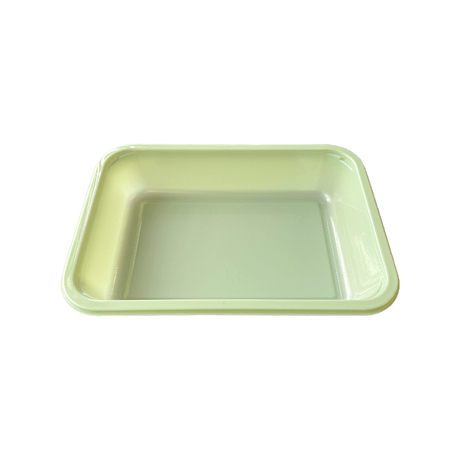
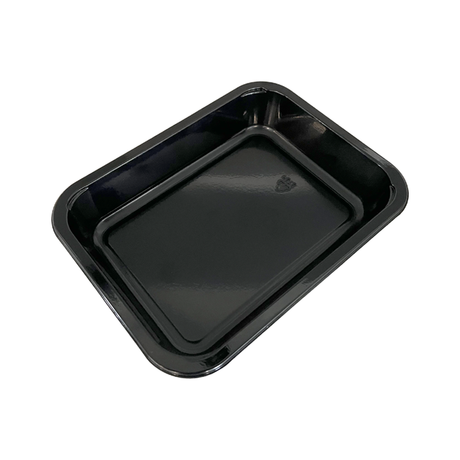
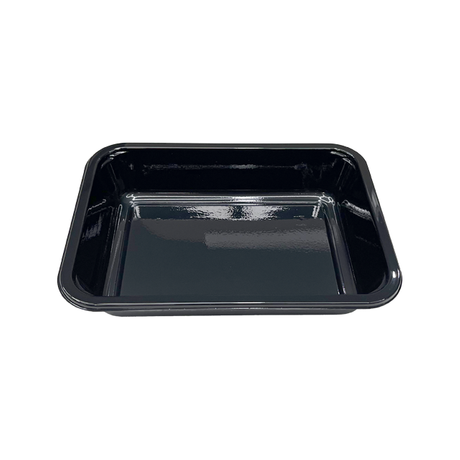
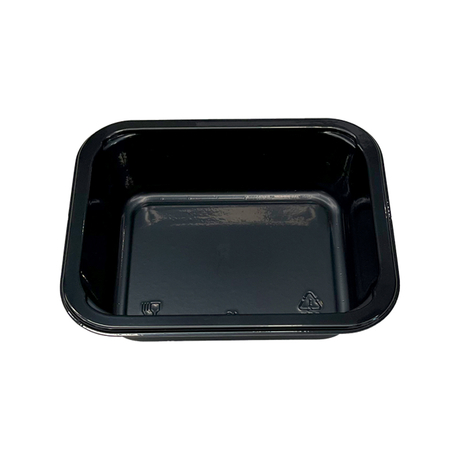
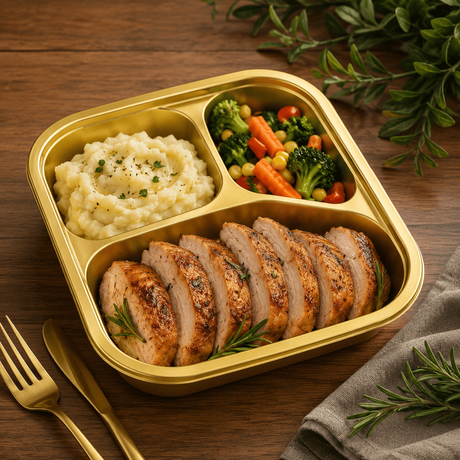
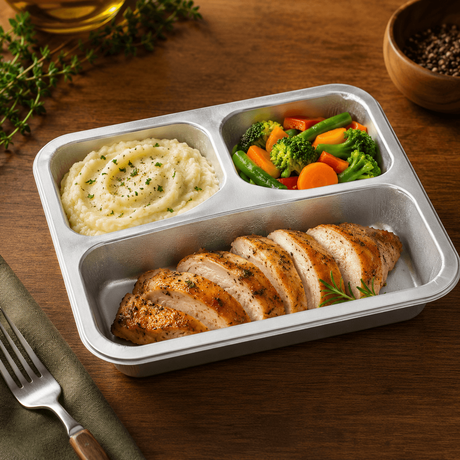
Source standard or custom CPET trays around your meal format, filling line, sealing system and full temperature cycle—from frozen storage to reheating.
Published reference operating range: −40°C to +220°C. Validate the final tray, food, seal and heating cycle before launch.
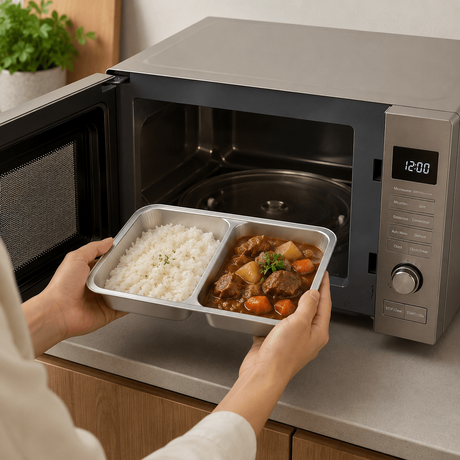
For food manufacturers, the right choice depends on more than capacity. Compartment layout, flange geometry, wall weight, frozen impact, oven cycle, lidding film and sealing conditions all affect pack performance.
Filter the range to compare common starting formats. Dimensions, color, tray weight and flange design should be confirmed on the product page or quotation.
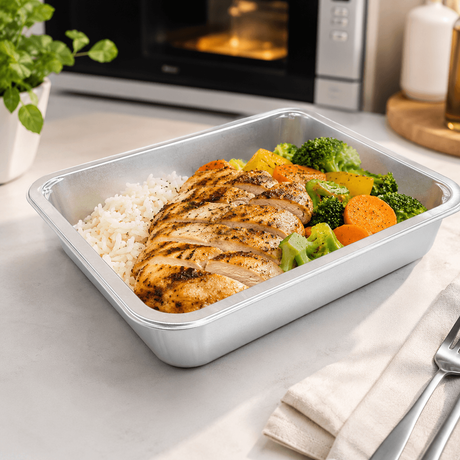
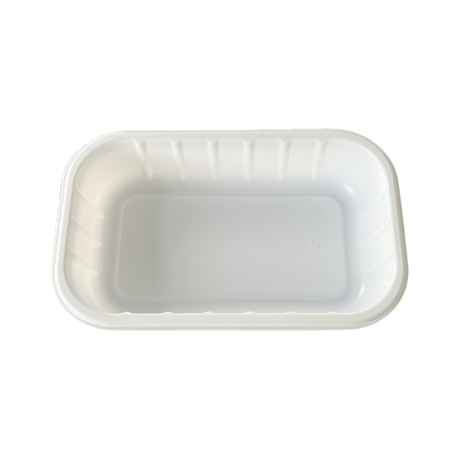
A presentation-led single-compartment format for prepared meals and ovenable food programs.
View product →
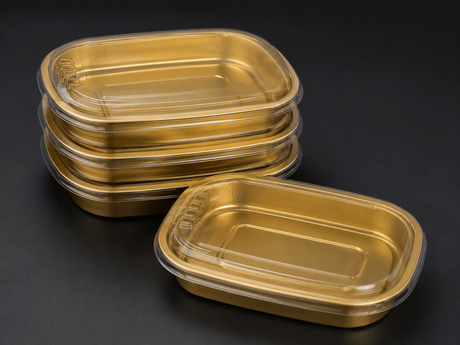
A premium single-compartment format for prepared-meal presentation and portion packing.
View product →
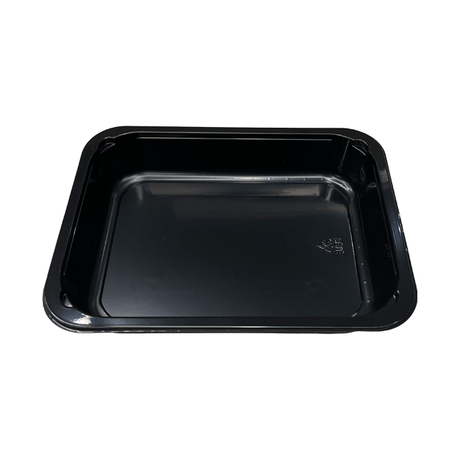
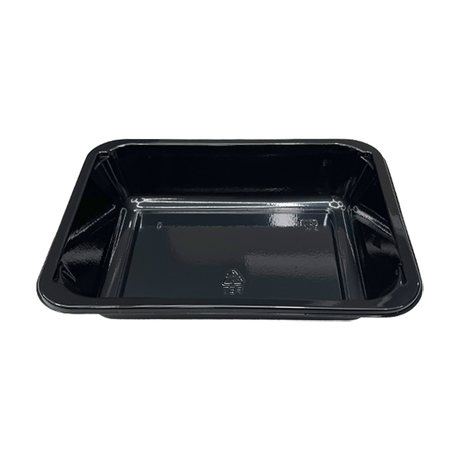
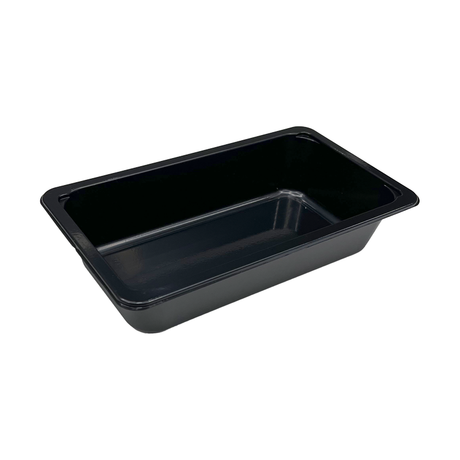
A practical black rectangular format for ready meals, frozen foods and food-service projects.
View product →
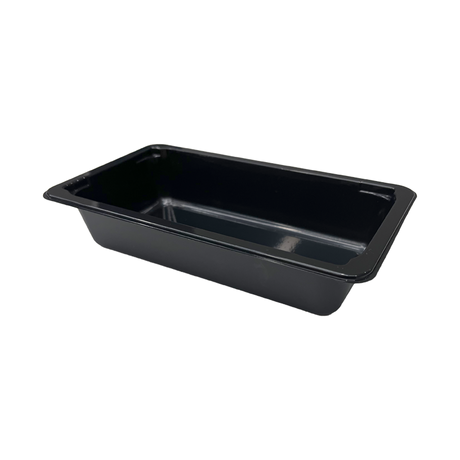
A high-capacity rectangular format for larger prepared-food and catering portions.
View product →
A compact rectangular tray for single-serve ready meals and food-service applications.
View product →
A single-compartment meal format for portion-controlled prepared-food programs.
View product →
A smaller rectangular option for controlled portions, sides and compact meals.
View product →
A compact single-compartment format for small portions and specialty food packs.
View product →
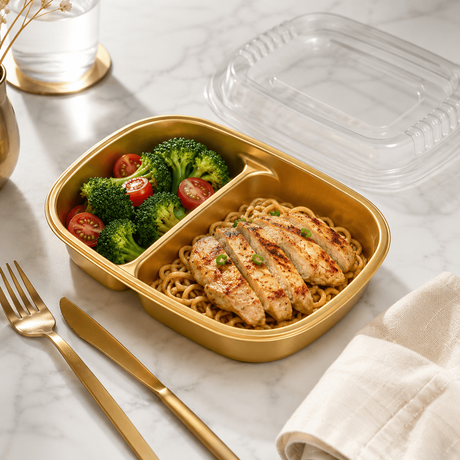
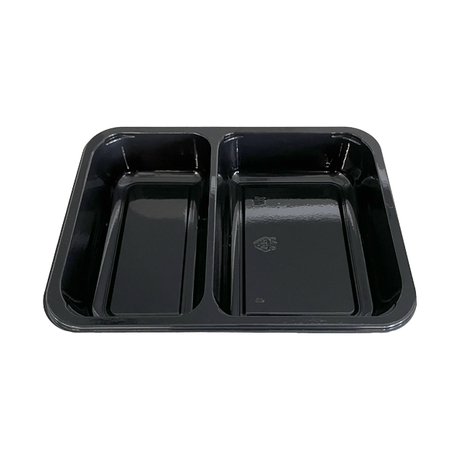
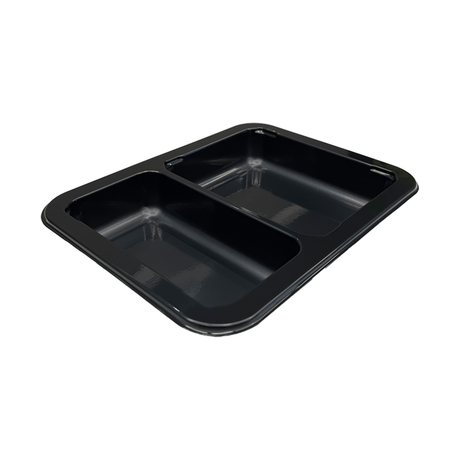
Separates a main dish and side while preserving a clean premium presentation.
View product →
A premium divided format that keeps the main dish and side in separate sections.
View product →
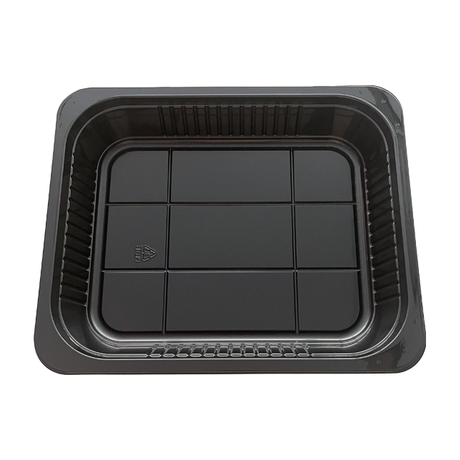
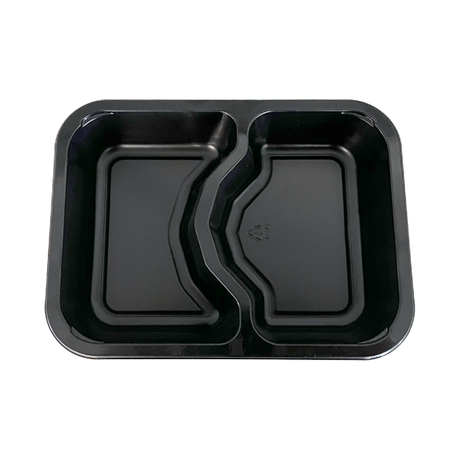
A divided rectangular tray for portion-controlled meals, institutional catering and meal delivery.
View product →
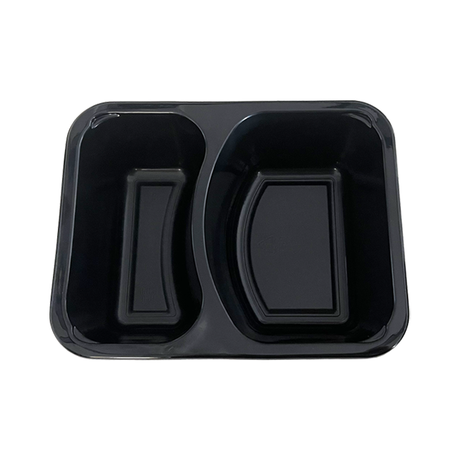
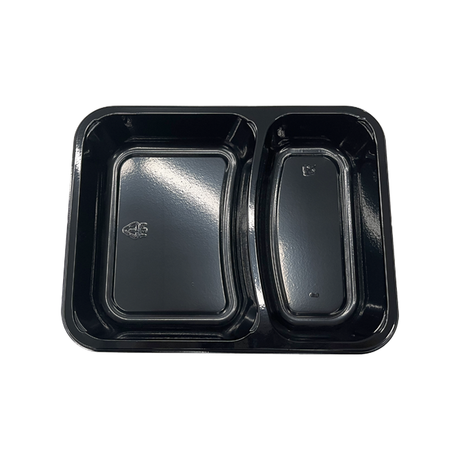
A smaller divided format for paired portions, meal sides and controlled servings.
View product →
A balanced two-zone format for main-and-side ready-meal configurations.
View product →
A larger divided tray for substantial meals that require component separation.
View product →
A high-capacity two-compartment format for main dishes with a separate side.
View product →
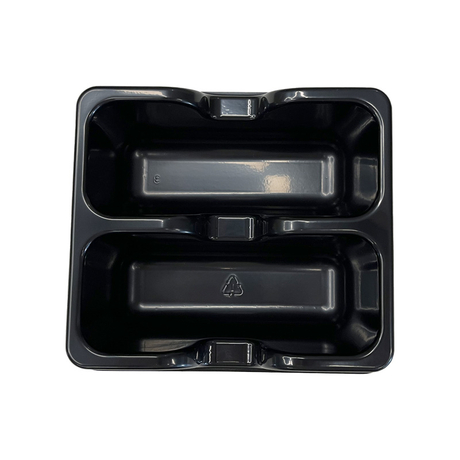
A compact divided option for smaller meals, tasting portions and side combinations.
View product →
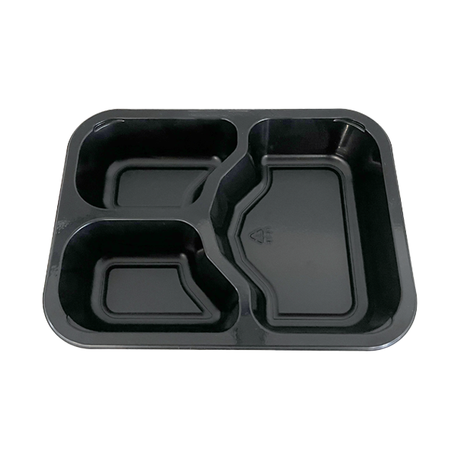
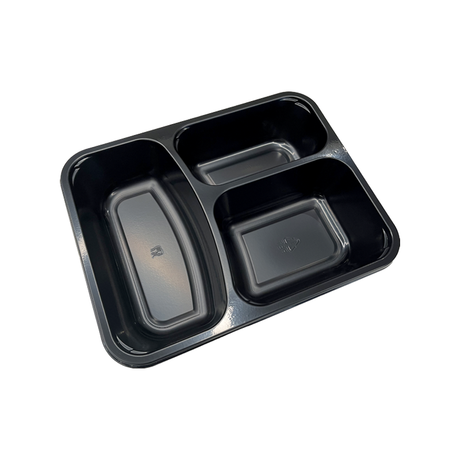
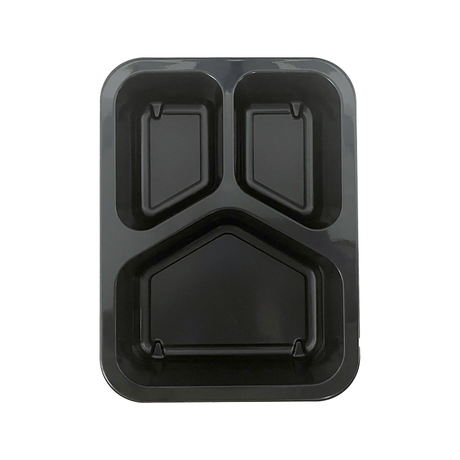
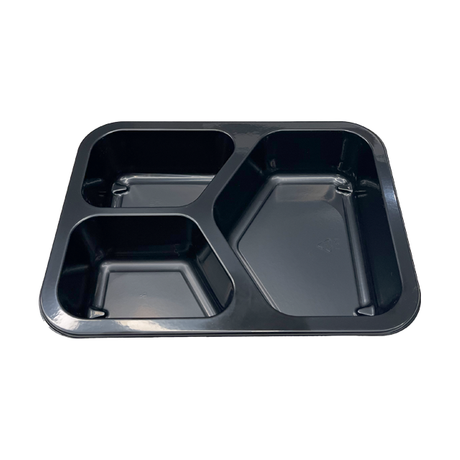
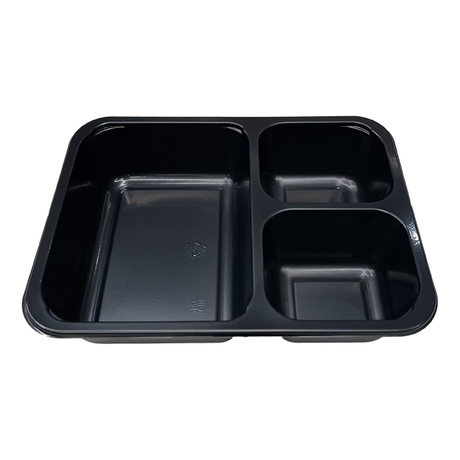
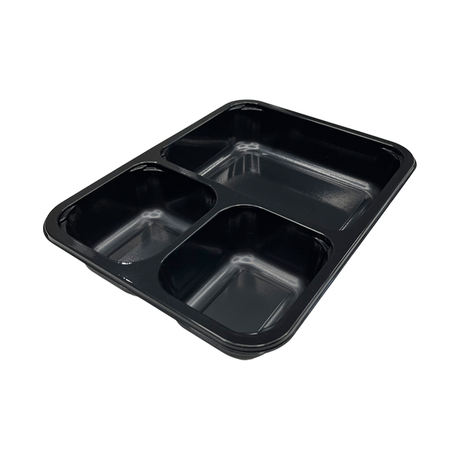
A premium multi-compartment option for complete meals with separated proteins and sides.
View product →
A presentation-focused three-zone format for complete meals with separated components.
View product →
A three-zone tray for portion-controlled complete meals and separated menu items.
View product →
A larger divided format for substantial ready meals and multi-component food packs.
View product →
A mid-size three-compartment option for balanced meals and menu separation.
View product →
A practical three-zone format for a main portion with two separate sides.
View product →
A divided meal tray for structured portioning across three food components.
View product →
A three-compartment configuration for complete ready meals and portion control.
View product →
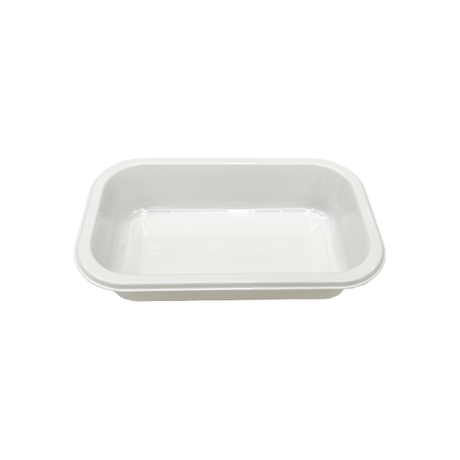
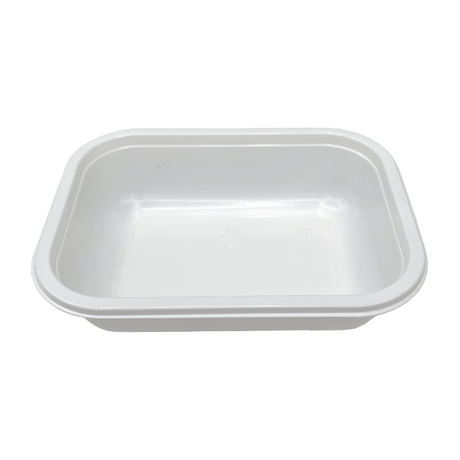
A compact white rectangular format developed for airline and portion-controlled catering.
View product →
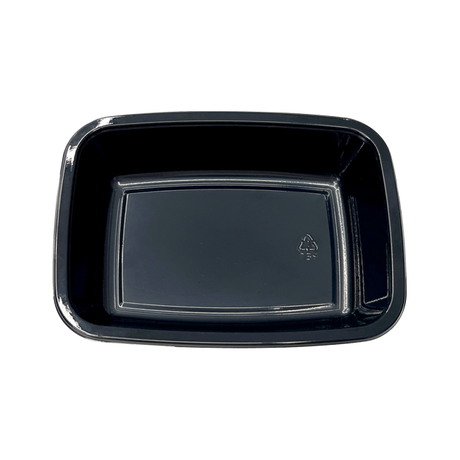
A compact black tray for airline meal service and controlled catering portions.
View product →
A compact rectangular format for in-flight meals and portioned catering service.
View product →
A compact white airline meal format for controlled single-serve portions.
View product →
A compact black tray for in-flight catering and smaller prepared-meal portions.
View product →
A portion-focused black format for airline service and compact meal programs.
View product →
A rectangular black option for compact in-flight meals and catering portions.
View product →
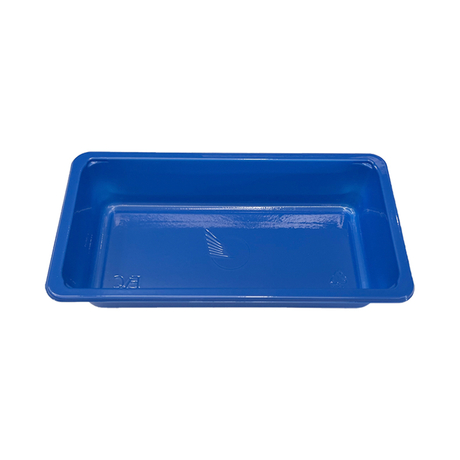
A compact blue format for differentiated airline meal and catering programs.
View product →Performance must be validated for the actual food, fill conditions, storage, sealing system and heating instructions.
Designed for programs that move from frozen or chilled storage into reheating or cooking.
Suitable grades can support microwave and conventional-oven applications after pack validation.
Maintains structured meal separation and a clean shelf-to-table appearance.
Pair tray geometry with a compatible lidding film and qualified sealing window.
One-, two- and three-compartment layouts support portioning and menu separation.
Black, white, gold, silver and project-specific geometry can be evaluated.
Polymer names do not replace application testing. Use this table to choose the first material family to investigate.
| Tray material | Typical visual character | Common use direction | Qualification focus |
|---|---|---|---|
| CPETCrystalline PET | Usually opaque; black, white or colored | Frozen and ovenable ready meals, airline meals, bakery | Frozen impact, oven cycle, flange and film match |
| PPPolypropylene | Opaque or semi-transparent; more flexible | Chilled, hot-fill and microwave-oriented food packs | Heat cycle, rigidity, barrier and seal behavior |
| APET / PETAmorphous PET | High clarity for product visibility | Fresh, chilled and display-led food packaging | Not a conventional-oven substitute; verify temperature limits |
Complete inputs make it easier to compare an existing mold with a custom-tooling route and prepare a meaningful trial.
Send Your CPET BriefFood type, portion weight, sauce or liquid content and headspace.
Length × width × depth, capacity, shape and number of compartments.
Filling temperature, frozen/chilled storage, defrosting and heating instructions.
Machine model, flange requirement, peel or lock seal and lidding-film structure.
Color, tray weight, rigidity, print needs, shelf life and transport tests.
Sample quantity, annual forecast, destination and target launch date.
Choose geometry around the meal, heating method, portioning and distribution channel.
Single or divided formats for freezer storage, retail presentation and consumer reheating.
Compact portion formats designed for controlled service and transport workflows.
Compartment trays for organized menus, portion control and centralized meal production.
Round, square and specialty shapes for products that may be baked, chilled or reheated.
A successful CPET pack depends on compatible components and a stable sealing window. HSQY’s portfolio includes CPET trays, compatible lidding-film options and tray-sealing equipment for coordinated evaluation.
HSQY states that its dedicated CPET investment began in 2019, supported by an invested and partner manufacturing network established around the group’s wider plastics experience.
Start with the lowest-risk route that meets the application, then add tooling or decoration only when the business case requires it.
Send dimensions, meal, temperature cycle, sealing and volume requirements.
Compare available formats with a custom-mold route.
Evaluate filling, sealing, storage, transport and heating behavior.
Lock specifications, packaging, commercial terms and quality criteria.
Final answers depend on the exact tray design, packed food and process conditions.
Ask an HSQY materials expert →The current HSQY category page publishes a reference range of −40°C to +220°C. Treat this as a starting claim for qualification, not a universal guarantee. Validate the selected tray with the food, fill, storage, sealing and heating cycle.
CPET is commonly selected for dual-ovenable meal packaging. Suitability still depends on tray grade and geometry, maximum temperature and time, food load, oven instructions and the complete sealed pack.
Consider menu separation, portion weight, sauce migration, heating uniformity, packing-line handling and total footprint. A divided tray is useful only when each compartment supports the intended meal and process.
Custom dimensions, color, compartments, tray weight and logo-related pack options can be evaluated. Send a drawing, sample or dimensional brief plus forecast volume so tooling feasibility can be reviewed.
The sealant layer must be compatible with the tray flange and the required peel or lock-seal behavior. Film choice also depends on anti-fog, barrier, printing and heating needs. Run a sealing-window and final-pack trial.
MOQ depends on the selected mold, color, tray weight, packaging, customization and production plan. Provide annual demand and trial requirements for a project-specific quotation.
CPET belongs to the PET material family, but practical recyclability depends on local collection, sorting, tray color, labels, food residue and the complete pack design. Confirm requirements for the destination market.
Test dimensional fit, denesting, filling, flange cleanliness, seal integrity, peel behavior, frozen impact, transport, shelf life and the complete microwave or oven cycle under production-representative conditions.
HSQY can compare an existing CPET mold with a custom route and help coordinate the tray, film and sealing requirements for trial.
Let’s Find the Right Plastic Solution