


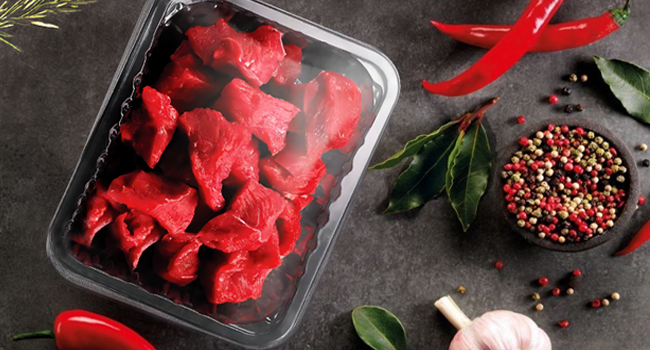
Fit the food and the tooling.
Check portion size, headspace, flange width, denesting and stability at your intended line speed.
Compare tray formats
Specify the right tray for your food. Match it to your packing line.
For food processors, packaging distributors and wholesale buyers.
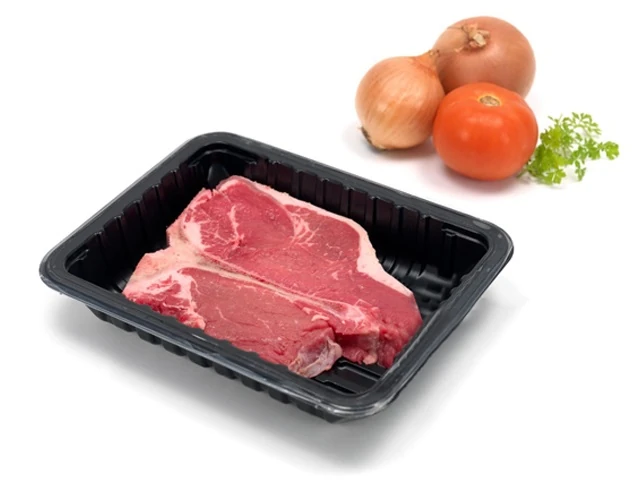
Find your format
Understand the structure
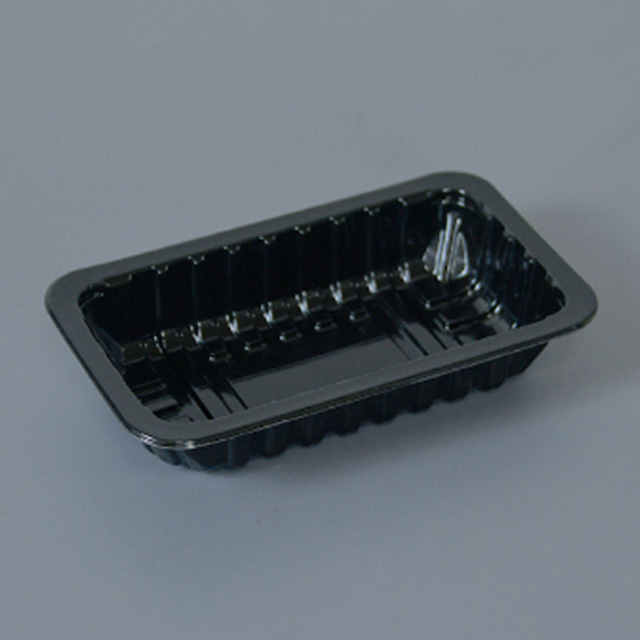
A PP/EVOH/PE tray is a multilayer food tray that combines PP for strength, EVOH to reduce oxygen transmission and a PE-based functional or sealing layer. It is used in MAP systems with a compatible barrier lid and a validated seal.
Give engineering and quality teams the information to approve the complete pack.
Make the whole pack work
Check portion size, headspace, flange width, denesting and stability at your intended line speed.
Compare tray formats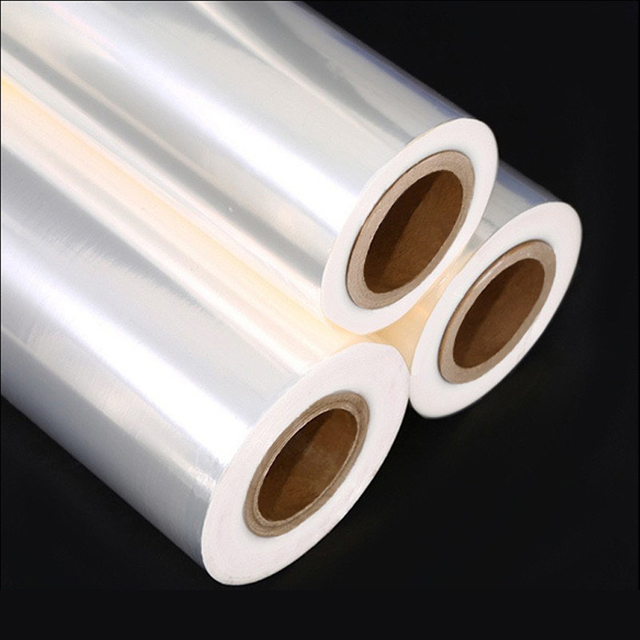
Align film sealant and barrier performance. Specify anti-fog, easy-peel or weld-seal behavior as required.
Review PP tray lidding options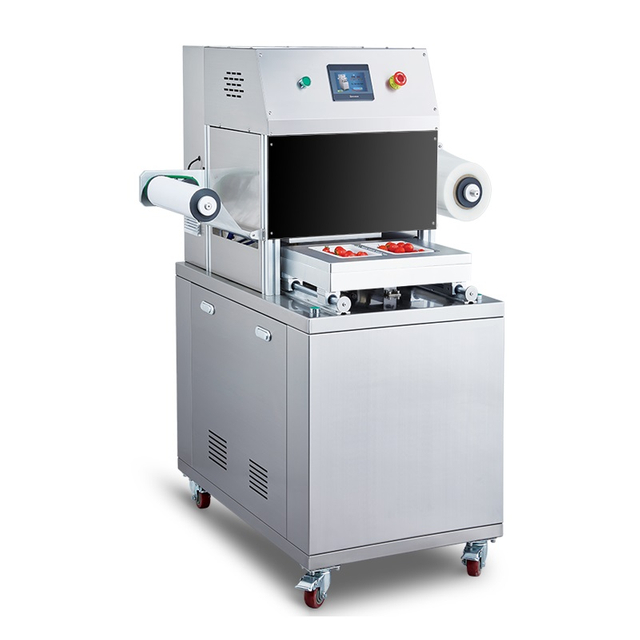
Trial temperature, pressure and dwell time. Check seal integrity, gas retention and shelf life with your actual food.
Explore tray sealing machinesBuying trays and film together? Share your tray-sealer model and current film specification with HSQY.
Explore lidding films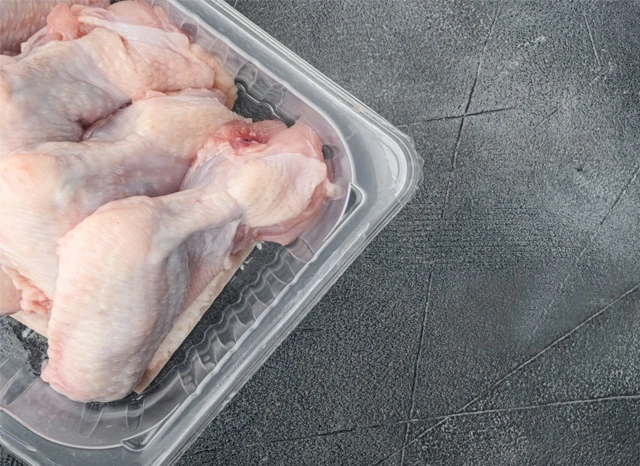
Choose by food application
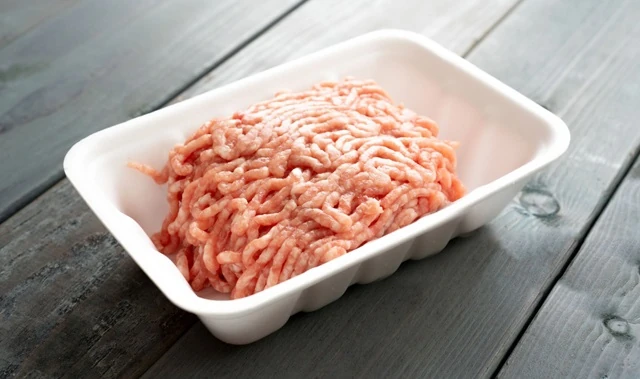
Balance portion size, headspace, drip management and retail presentation. Validate the gas blend for each product.
Focus on seal integrity, moisture, odor control and the intended cold-chain conditions.
Check food separation, usable volume and handling. Confirm any frozen or reheating use for the selected grade.
Shelf life is food-specific. Confirm it through testing of the filled, sealed package.
Choose the right material
| Selection factor | PP/EVOH/PE high-barrier tray | Standard PP tray |
|---|---|---|
| Primary purpose | MAP and oxygen-sensitive chilled foods | General food containment and non-MAP applications |
| Oxygen barrier | EVOH layer reduces oxygen transmission | Basic oxygen barrier of polypropylene |
| Film selection | Compatible barrier film and validated gas-tight seal | Film matched to the PP surface and application |
| Procurement focus | Barrier data, full-pack trials and exact layer structure | Food fit, mechanical performance and sealing needs |
Sample approval & quality requirements
Give purchasing, production and quality teams one agreed specification for sample approval and repeat orders.
Check outer dimensions, flange width and flatness against the sealing tool. Confirm denesting on your line.
Trial the actual fill weight and food shape. Allow the headspace your MAP process requires.
Agree the tray weight and structural requirements, then assess filled-pack stacking, cold impact and transport handling.
Send a drawing or reference sample, food portion and order forecast for a feasibility review.
Know your supplier

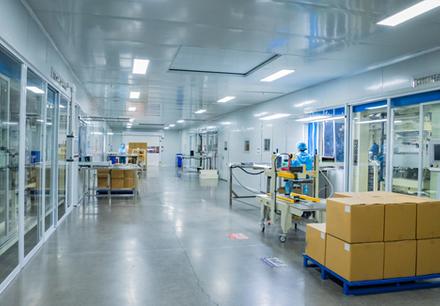
Review the tray, lidding film and sealing requirements together.
Start with existing molds, then evaluate changes to geometry, color and packing.
Agree the drawing, approved sample, material structure and case pack.
Food, drawing, quantity, destination and packing-line details.
Confirm the proposed format, structure, film and documentation.
Check denesting, sealing, gas retention and filled-pack performance.
Agree pricing, lead time, carton quantities, pallet plan and shipping terms.
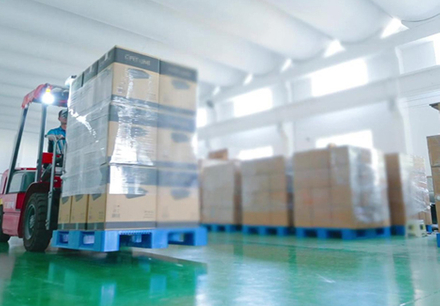
Export packing & delivery planning
Answers for buyers
A PP/EVOH/PE tray is a multilayer food tray combining polypropylene (PP) for structure, ethylene vinyl alcohol (EVOH) for oxygen barrier and a polyethylene (PE)-based functional or sealing layer. Confirm the complete layer structure and sealing surface for your selected model.
Yes. They can be specified for MAP when combined with a compatible high-barrier lidding film and a validated seal. The gas mixture, headspace, food hygiene and storage conditions must be assessed as one packaging system.
There is no universal shelf-life extension. Food type, initial microbial load, gas mixture, residual oxygen, tray and film barrier, seal integrity and cold-chain control all affect the result. Confirm your target through shelf-life testing of the actual filled pack.
Choose a film that seals to the actual tray surface and meets the barrier requirement. Specify easy-peel or weld-seal performance, anti-fog performance and any puncture-resistance needs. Send your existing film specification and tray-sealer details so both components can be reviewed together.
Request the oxygen transmission rate (OTR), test method, temperature, relative humidity and sample thickness. Establish whether the result applies to flat sheet or the finished thermoformed tray. EVOH is moisture-sensitive, so test conditions and complete-package performance matter.
The listed HSQY high-barrier tray product pages show a reference MOQ of 30,000 pieces. Confirm the MOQ for your mold, color, structure and packing. Lead time is quoted for the selected product, quantity and any tooling or sample-approval work.
Custom dimensions, depths, colors, compartments, flange designs, logos and export packing can be evaluated. Provide your tray drawing or sample, food portion, sealing-tool details and expected order volume for a feasibility review.
Only use a selected grade for microwave reheating after its suitability has been confirmed for the actual food, time, temperature and lidding system. A published temperature range for one tray is not a microwave approval for the whole category.
Do not assume suitability for conventional ovens, retort, sterilization or autoclave processing. These conditions require a specifically designed and validated structure. For ovenable applications, review the CPET tray range and confirm the selected grade.
Selected grades may be evaluated for frozen applications. Confirm the minimum service temperature and test filled packs for cold impact, cracking, seal integrity and transport handling before approval.
No. Their surface polymers can differ, changing film compatibility, sealing behavior and thermal-process suitability. Specify the exact structure and sealing layer when comparing samples or changing suppliers.
They are multilayer plastics and are not universally recyclable. Acceptance depends on the layer percentages, color, labels and local collection and recycling systems. Conventional PP/EVOH/PE trays are not biodegradable or compostable.
State the destination market, food type, contact time and temperature when requesting documentation. Ask for the applicable declaration and supporting test information for the exact finished tray formulation and intended use.
Yes. Request samples for checking food fit, denesting, tray-tool compatibility, seal strength, leaks, gas retention and transport performance. Use the intended lidding film, sealing machine, food and storage cycle before approving a bulk order.
Start your packaging project
Send a drawing, sample reference or packing brief. Ask HSQY for a tray recommendation, sample options and a quotation for your order.
Have an existing tray? Include its drawing or photos in your inquiry.

