What is an XPS foam food tray made from?
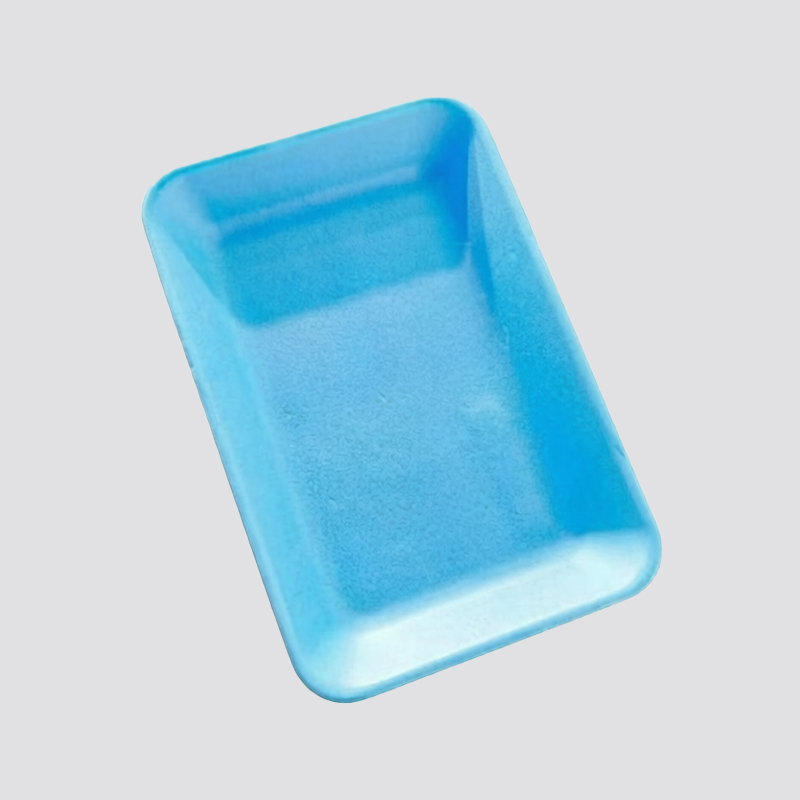
An XPS foam food tray is made from extruded polystyrene foam. HSQY’s range is designed for fresh-food packaging, typically with stretch-film overwrap.
What does XPS stand for?
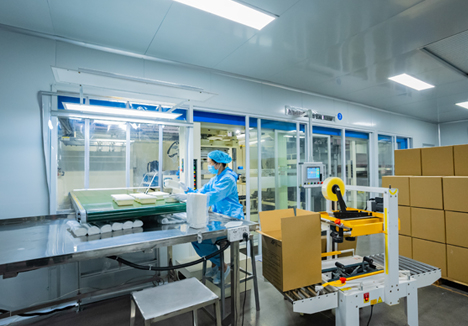
XPS stands for extruded polystyrene. A foamed polystyrene sheet is extruded and then formed into the finished tray.
What is the difference between XPS and EPS food packaging?
XPS trays are formed from extruded foam sheet. EPS, or expanded polystyrene, is typically made by molding expanded beads. Specify the material and manufacturing method when comparing quotes.
What foods can be packed in XPS trays?
Common uses include fresh meat, poultry, fish, seafood, fruit, vegetables and selected bakery items. Match the tray and wrap to the food weight, moisture and storage conditions.
Are XPS trays suitable for fresh meat?
Yes. Use a tray sized for the cut and load, and trial it with your stretch overwrap. For cuts that release liquid, evaluate a separate absorbent pad.
Can XPS trays be used for fish and seafood?
Yes, for suitable chilled fish and seafood packs. Choose a footprint that supports the product and validate the wrap and any pad under actual storage and handling conditions.
Can XPS food trays be used for fruits and vegetables?
Yes. Rectangular, square and round trays can support selected produce packs. Check that the rim and film suit the product’s shape and that the pack performs at the intended storage temperature.
What XPS tray sizes does HSQY currently offer?
HSQY lists six rectangular XPS tray footprints at 25 mm nominal depth. The white square series has approximate side lengths of 140, 160 and 180 mm, corresponding to the listed 5.5, 6.3 and 7.1 in sizes. The white round series is listed in 5, 7 and 9 in sizes. Compare all eight tray listings.
Does HSQY offer black XPS food trays?
Yes. HSQY lists a 200 × 130 × 25 mm black XPS foam meat tray. Ask for a sample to check color and fit against your existing pack.
Can HSQY customize XPS foam tray sizes?
HSQY can review custom footprints, depths and colors against tooling, intended use and order volume. Share a drawing or reference tray and ask for the model-specific minimum order and lead time.
Can XPS foam trays be wrapped with stretch film?
Yes. Stretch-film overwrap is a common configuration. Check flange geometry, wrap tension and film width on the actual hand-wrap or automatic line.
Can an absorbent pad be used with an XPS tray?
Yes. A separate food-packaging pad can sit inside a standard tray. Select pad capacity for the product, expected purge and storage duration, then test it in the complete pack.
Are all XPS trays absorbent?
Standard XPS trays provide the base of the pack. Liquid management typically comes from a separate pad or an integrated absorbent construction specified for the project.
Are XPS foam food trays microwave safe?
Standard HSQY XPS fresh-food trays are for fresh or chilled packaging. Transfer the food to a microwave-rated container before reheating.
Can XPS foam trays go in an oven?
Use packaging validated for the oven temperature and cooking cycle, such as an appropriate CPET tray. Standard XPS fresh-food trays are intended for fresh or chilled packaging.
Are XPS food trays suitable for hot takeaway food?
Specify the filling temperature and holding time for hot takeaway. Ask about a qualified PP or XPP format for the intended service conditions.
What food-contact documents should I request for XPS trays?
Ask for documentation for the exact tray, formulation and color. Specify the food type, direct-contact conditions, storage temperature and destination market so the supplier can check what applies.
Are XPS foam trays recyclable?
Polystyrene foam can be processed in suitable recycling systems. Collection and acceptance depend on the local program, food residue and whether components such as pads, film and labels can be separated.
Are XPS food trays restricted in some markets?
Restrictions vary by jurisdiction and product use. Confirm the current rules for the destination and intended application before ordering, including whether the rules treat retail fresh-food trays and foodservice containers differently.
How do XPS and PET compare for meat trays?
XPS is lightweight and commonly used with stretch overwrap. PET is a rigid option when visibility or a specified sealing system matters. Select the exact grade for your film, line, storage and destination market.
What is the difference between XPS and XPP foam food containers?
XPS is extruded polystyrene foam, used here for fresh-food trays. XPP is extruded polypropylene foam. Evaluate the exact XPP grade and format if hot food or reheating is part of the application.
What information should I provide for an XPS foam tray quotation?
Send the nominal size or reference tray, color, food and load, wrap method, storage conditions, pad requirements, trial and repeat quantities, destination market and port. Request carton count, outer carton size, MOQ and lead time for the selected model.
What is the minimum order for HSQY XPS foam trays?
HSQY lists a minimum order of 30,000 pieces for the white square XPS tray series and the 195 × 135 × 25 mm white rectangular tray. Confirm the MOQ for the selected model, color and any custom tooling. White square tray specifications and 195 × 135 × 25 mm tray specifications.
How do I request and test an XPS tray sample?
Send HSQY the tray size and color, food type, packed weight and wrap method. For automatic wrapping, test stack feeding, tray separation and rim behavior under film tension. For meat or seafood, also check pad fit and liquid control through the intended chilled storage period. Request a sample from HSQY.
What carton data should I request for a bulk XPS tray shipment?
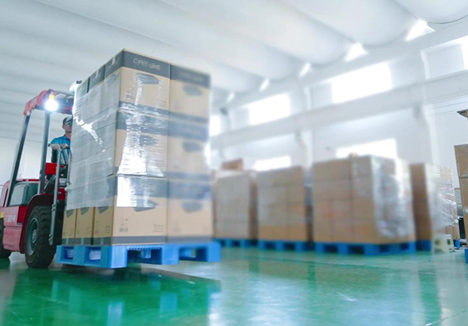
Ask for pieces per carton, outer carton dimensions, gross carton weight and the proposed number of cartons and trays per shipment. Compare landed cost per tray using the same delivered quantity and destination. Carton volume can materially affect freight for lightweight foam trays.

 English
 简体中文
 繁體中文
 العربية
 Français
 Русский
 Español
 Português
 Deutsch
 italiano
 日本語
 한국어
 Nederlands
 Tiếng Việt
 ไทย
 Polski
 Türkçe
 አማርኛ
 ພາສາລາວ
 ភាសាខ្មែរ
 Bahasa Melayu
 ဗမာစာ
 தமிழ்
 Filipino
 Bahasa Indonesia
 magyar
 Română
 Čeština
 Монгол
 қазақ
 Српски
 हिन्दी
 فارسی
 Kiswahili
 Slovenčina
 Slovenščina
 Norsk
 Svenska
 українська
 Ελληνικά
 Suomi
 Հայերեն
 עברית
 Latine
 Dansk
 اردو
 Shqip
 বাংলা
 Hrvatski
 Afrikaans
 Gaeilge
 Eesti keel
 Māori
 සිංහල
 नेपाली
 Oʻzbekcha
 latviešu
 অসমীয়া
 Aymara
 Azərbaycan dili
 Bamanankan
 Euskara
 Беларуская мова
 भोजपुरी
 Bosanski
 Български
 Català
 Cebuano
 Corsu
 ދިވެހި
 डोग्रिड ने दी
 Esperanto
 Eʋegbe
 Frysk
 Galego
 ქართული
 guarani
 ગુજરાતી
 Kreyòl ayisyen
 Hausa
 ʻŌlelo Hawaiʻi
 Hmoob
 íslenska
 Igbo
 Ilocano
 Basa Jawa
 ಕನ್ನಡ
 Kinyarwanda
 गोंगेन हें नांव
 Krio we dɛn kɔl Krio
 Kurdî
 Kurdî
 Кыргызча
 Lingala
 Lietuvių
 Oluganda
 Lëtzebuergesch
 Македонски
 मैथिली
 Malagasy
 മലയാളം
 Malti
 मराठी
 ꯃꯦꯇꯥꯏ (ꯃꯅꯤꯄꯨꯔꯤ) ꯴.
 Mizo tawng
 Chichewa
 ଓଡ଼ିଆ
 Afaan Oromoo
 پښتو
 ਪੰਜਾਬੀ
 Runasimi
 Gagana Samoa
 संस्कृत
 Gaelo Albannach
 Sepeti
 Sesotho
 chiShona
 سنڌي
 Soomaali
 Basa Sunda
 Wikang Tagalog
 Тоҷикӣ
 Татарча
 తెలుగు
 ትግንያውያን
 Xitsonga
 Türkmençe
 संस्कृत
 ئۇيغۇرچە
 Cymraeg
 isiXhosa
 ייִדיש
 Yorùbá
 isiZulu