


Meat & poultry
Allow for portion weight, product height and purge. Confirm tray rigidity, pad space and the wrapping or sealing format.
Key checks: Load, liquid control and tray depth.

Source standard and custom food trays for meat, poultry, seafood and fresh produce. Match the material, tray size and sealing film to your product and process.

Start with the food, portion size and packing conditions. Each application places different demands on the tray.
Allow for portion weight, product height and purge. Confirm tray rigidity, pad space and the wrapping or sealing format.
Key checks: Load, liquid control and tray depth.

Match the pack to your fish or shellfish, whether fresh, chilled or processed. Review usable depth, liquid release and sealing needs.
Key checks: Moisture, storage and seal compatibility.

Match the tray to the crop and retail portion. Review stacking, condensation and ventilation, with film suited to the produce’s gas-exchange needs.
Key checks: Protection, ventilation and shelf presentation.
A tray is one part of your packaging system. Choose the format first, then confirm the material, film and line settings.
For retail meat portions and fresh produce packed with stretch or wrapping film.
For food packs closed with lidding film bonded to the tray’s sealing flange.
For chilled meat and seafood requiring a controlled atmosphere and a validated barrier package.
Browse selected clear PET tray models, then confirm the fit with your food portion and packing equipment.


Dimensions are listed as length × width × depth. Gallery images are illustrative; confirm usable dimensions, tolerances and carton packing against the selected model’s drawing. Need another footprint? Discuss a custom tray.
Swipe the table to compare materials.
| Material | Why buyers consider it | What to confirm before ordering |
|---|---|---|
| PET / rPET | Clarity and rigidity for chilled food and fresh produce presentation. | Wrapping or sealing compatibility, tray strength and intended temperature range. For rPET, specify recycled content and required food-contact documentation. |
| PET/PE | A rigid PET tray with a PE layer for compatible heat-sealing systems. | Lidding-film structure, flange dimensions, seal strength and peel requirements. PET/PE tray options |
| PP | Toughness and moisture resistance for a range of food-packing applications. | Resin grade, food type, sealing system and tested use temperatures. Heating or freezing suitability is model-specific. |
| PP/EVOH/PE | An oxygen-barrier structure for specified MAP and chilled-food applications. | Required barrier performance, matching lidding film, gas mix and seal integrity. Validate with the actual food and cold chain. |
Specify the complete pack. Shelf life, leak resistance, temperature suitability and recyclability depend on the selected construction and conditions of use. They are not guaranteed by the material name alone.
Share your current setup so samples can be evaluated under realistic operating conditions.
Approve the combination through a sample trial with your actual food, film and equipment.

Discuss trays and lidding film together.
Include your current film specification when requesting a tray quotation.
Explore lidding film options
From tray design to production.
Review the equipment and discuss material, tooling and production requirements for your selected tray design.
See our production equipmentStart with an existing model or discuss custom tooling for your portion, brand and packing line.
Ask about available molds first. If a custom design is needed, agree the drawing, tooling scope and sample requirements before development.
Request samples for evaluationUse these approval points to keep the product specification, packing and delivery basis clear.
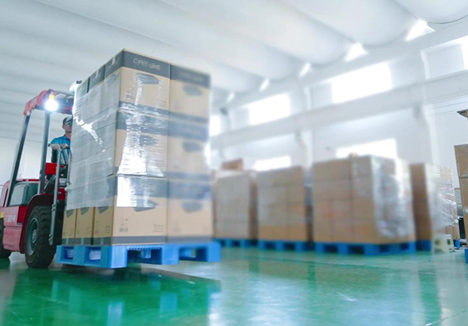
Model and material, MOQ, sample or tooling charges, carton quantity and size, pallet configuration, production lead time and delivery terms.
Discuss your order requirementsSend a tray sample or drawing, food details, packing method, target quantity and destination.
Check fit, handling and stacking. Trial the tray and film on your own packing equipment.
Confirm dimensions, material, color, acceptance criteria and required food-contact documents.
Agree carton quantities, pallet configuration, freight terms and the production schedule before ordering.
Clear answers to help you specify meat and vegetable packaging trays.
PET is often chosen for clarity and rigid retail presentation. PP is considered for toughness, moisture resistance and application-specific temperature needs. Choose by food type, sealing method and verified operating conditions; neither material is best for every application.
PET/PE adds a PE sealing layer to a PET structure. This supports heat sealing with a compatible lidding film. Standard PET trays may use different sealing systems, so confirm the tray’s seal surface and film specification together.
Suitable barrier tray models can be used for MAP with a matched barrier film and validated seal. Confirm the gas mixture, food, storage temperature and target shelf life. A tray alone cannot establish the shelf life of the finished pack.
Custom tray formats are available, subject to tooling and production requirements. Absorbent-pad options depend on the tray and application. For meat or seafood, specify the pad dimensions, expected liquid release and required absorption capacity for confirmation.
MOQ and lead time depend on the model, material, color, mold availability, packing and production schedule. Share your target quantity and delivery date for a project-specific quotation. Custom tooling adds a development step.
Ask about samples of available models for fit and packing trials. Samples from new tooling require development. State your destination market, food type and use conditions so document availability can be confirmed for the selected material and specification.
Suitability must be confirmed for the specific tray, temperature and exposure time. Recycling acceptance also depends on construction, color, films, labels and local collection systems. Do not assume that every PET or PP tray has the same use conditions.
Send the food type, portion weight, tray dimensions, material and color, packaging method, film or machine details, quantity and destination. Include a drawing or current tray photo if available, plus any temperature, barrier and documentation requirements.
Start with the produce type, portion weight, tray depth and stacking needs. Review ventilation, drainage and condensation. Where the produce needs gas exchange, evaluate suitable perforated or gas-permeable film rather than assuming a high-barrier meat packaging system will work.
Share the machine model, tray or tooling drawing, current film and operating settings. Check flange fit and denesting, then trial production samples at the intended temperature, pressure, dwell time and line speed before approving bulk supply.
Send your specifications to HSQY for model selection, sample options and a quotation based on your purchasing requirements.
Have an existing tray? Include a photo or technical drawing to help us match the specification.

