


Thermal insulation
A cellular foam structure helps slow heat transfer during meal delivery. Validate temperature retention with your food and delivery time.

HSQY PLASTIC Food packaging solutions
Lightweight insulation.
Ready for your takeaway menu.
Meal boxes, burger boxes and trays for foodservice distributors, wholesalers and catering teams sourcing in bulk.
Choose your format. Confirm the specification. Evaluate a sample.

An XPP foam food container is a lightweight food package made from foamed polypropylene. In food packaging, XPP commonly refers to extruded polypropylene foam formed into trays, hinged boxes and compartment containers. Its cellular structure helps reduce heat transfer while keeping the package light.
HSQY’s range is designed for takeaway meals, food delivery, fast food and catering. Choose a format around the food you pack, then confirm its performance under your actual filling, transport and reheating conditions.
The HSQY XPP range
Seven standard formats. Clear dimensions.
A straightforward starting point for your next order.
All dimensions shown are external (L × W × H). Standard color: beige. Confirm usable capacity, unit weight, internal dimensions, carton packing and sample fit before ordering.
Material advantages
A polypropylene-based option for buyers evaluating an alternative to traditional polystyrene foam takeaway packaging.
A cellular foam structure helps slow heat transfer during meal delivery. Validate temperature retention with your food and delivery time.
Foaming reduces material density while providing useful wall thickness, rigidity and cushioning for everyday foodservice handling.
Suitable applications include burgers, rice, noodles and prepared meals. Check oily recipes, sauces and closure fit in real transport conditions.
Use a common meal-box footprint with one, two or three compartments, or choose dedicated burger boxes and open trays.
From menu to packaging
Match the container to the food, portion and serving method. Then check the fit with a filled sample.
For restaurant delivery, central kitchens and institutional catering. Choose one space or keep main dishes and sides separate.

For fast-food brands and takeaway operators. Match the box to the bun, fillings and toppings before approving a size.

For prepared meals, catering and foodservice. Specify how the filled tray will be covered, carried and presented.
Material selection
Start with your food, temperature and closure requirements. Then compare the packaging system.
| Selection factor | XPP foam | Solid PP | XPS foam | CPET |
|---|---|---|---|---|
| Material & structure | Cellular polypropylene | Solid polypropylene | Cellular polystyrene | Crystallized PET |
| Typical buying need | Lightweight, insulated takeaway packaging | General takeaway and meal-prep containers | Chilled fresh-food overwrap trays | Ready-meal trays for specified reheating or oven use |
| Thermal insulation | Built into the foam structure | Lower than foam for comparable thin-wall formats | Foam structure; commonly used for chilled food | Rigid, non-foam tray structure |
| Microwave use | Listed options; confirm exact heating conditions | Depends on the selected grade and design | Not the default for HSQY fresh-food trays | Confirm the tray and heating instructions |
| Conventional oven | Not a standard application | Not a default application | Not a default application | Evaluate an ovenable grade with specified limits |
| Explore the range | XPP formats | PP containers | XPS trays | CPET trays |
XPP generally describes extruded polypropylene foam used in formed food packaging. EPP is usually expanded bead foam used in thicker molded parts and transport boxes. Confirm the exact process in the specification.
Food-contact suitability and reheating performance apply to the finished container. Provide your destination market, food type, filling temperature and microwave cycle so the relevant documents and test conditions can be confirmed.

Sample approval
Evaluate your actual food, filling temperature and delivery route. Agree the acceptable result before moving to bulk supply.
Get to know HSQY
Founded in 2008, HSQY operates as a manufacturer and trader and expanded into food packaging in 2019. Review our background, then confirm the production route and specification for your XPP order.

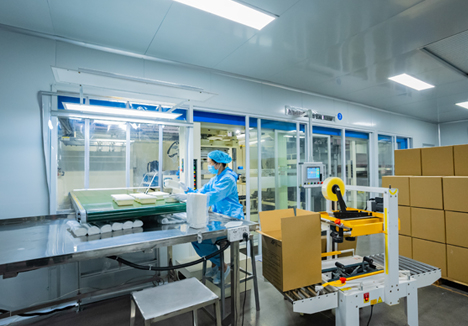
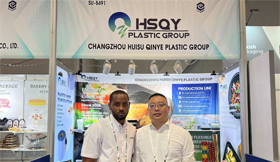
For your XPP project, confirm the supplying facility, product-specific documents and agreed acceptance criteria.
View the company profileShare the food, portion, filling temperature, format and delivery conditions.
Check the filled container against the handling and heating conditions you need.
Confirm MOQ, documents, packing, price, trade terms and the production schedule.
Use the agreed sample and specification to set the order's acceptance checks.
Packing & freight planning
Compare the packing specification alongside the unit price. Carton volume and loading quantity affect the freight cost of every piece.
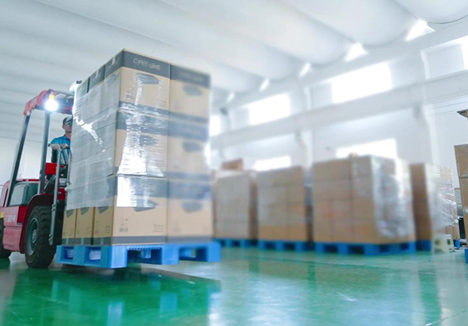
Packing quantities and lead times are confirmed for the selected model and order. Custom packing is subject to production confirmation.
Ask for a quote with packing detailsYour next packaging order
Send your requirements for a model recommendation and a bulk quotation. Include your destination so we can discuss packing and shipping alongside the product.
Email your requirementschenxiangxm@hgqyplastic.com
Listed MOQ: 30,000 pieces. Confirm the final requirement for your selected specification.
Answers for purchasing teams
Product formats, material differences and the details to confirm before a commercial order.
XPP commonly means extruded polypropylene foam: a lightweight, cellular PP material formed into takeaway boxes and trays. HSQY’s range on this page is polypropylene foam food packaging.
They are different foam technologies. XPP generally refers to extruded PP foam sheet that is formed into packaging. EPP generally refers to expanded PP beads molded into items such as thicker insulated transport boxes. Confirm the manufacturing process in the product specification.
The current range has seven formats: three meal boxes with different compartment layouts, two hinged burger boxes and two open food trays. All seven are shown in the product selector above.
The single-, 2- and 3-compartment meal boxes all have external dimensions of 240 × 205 × 70 mm. Confirm usable capacity, internal dimensions and portion fit against a sample.
The two hinged burger box sizes are 135 × 135 × 70 mm and 150 × 150 × 70 mm. These are external dimensions; allow room for the bun, fillings and toppings when choosing a size.
The open trays measure 235 × 182 × 40 mm and 240 × 155 × 40 mm externally. Specify any separate lid, wrapping or serving system with the tray request.
The listed standard color is beige. Other color requirements can be reviewed, subject to material, production and order confirmation.
The current HSQY product listings describe microwave reheating suitability. Confirm the instructions for the exact model, including microwave power, duration, food type and load. Validate those conditions before making a microwave-use claim on your finished food package.
Standard XPP takeaway containers should not be selected for conventional ovens without specific approval. For oven-cooked or oven-reheated meals, discuss a suitable CPET tray and its validated temperature and time limits.
The current range is intended for hot takeaway and catering meals. Confirm the filling temperature, food weight, oil or sauce content and holding time for the selected container.
XPP can also be evaluated for chilled and cold foods. Check storage temperature, condensation, closure, stacking and the intended shelf life with the actual food.
The cellular foam structure helps slow heat transfer. There is no single guaranteed holding time for every meal: food mass, starting temperature, closure, weather and delivery conditions all matter. Test the complete meal pack over your delivery route.
Yes. HSQY’s hinged burger boxes are designed for this application. Compare the two sizes with your actual burger diameter, height, toppings and stacking requirements.
The meal boxes can be evaluated for rice, curry, vegetables and similar prepared meals. Include the hottest and oiliest recipes in testing, and check closure performance with sauces during transport.
Two compartments help keep a main dish separate from a side such as rice or vegetables. This is useful when a meal needs separation without adding a second container.
Three compartments allow a main dish and two sides to be portioned separately. This layout can suit school lunches, workplace meals and other institutional catering menus.
For HSQY’s current range, XPP is the relevant starting point for insulated hot takeaway and suitable microwave reheating. XPS trays are primarily offered for chilled fresh-food overwrap. Choose against your actual temperature, closure and food requirements.
No. XPP is polypropylene foam. XPS and EPS are polystyrene foams. Ask for the exact material specification when comparing suppliers rather than relying on the word “foam” alone.
Polypropylene foam can be recycled through suitable collection and processing systems. Local acceptance, sorting, food residue and container format determine whether recycling is practical in your market.
Do not assume a disposable container is suitable for repeated use. A reuse project needs separate validation of cleaning, sanitation, hinge durability and food-contact performance over the intended number of cycles.
It can be evaluated for airline, rail and other transport catering. Specify available space, meal weight, stacking, heating method and any sector-specific requirements before selecting the container.
Custom dimensions, compartment layouts, color and other specifications can be discussed. Final options depend on tooling, production feasibility and purchasing quantity. Send a drawing or reference sample with your request.
Include the selected format, external size, compartments, portion weight, food type, filling temperature, delivery time and any microwave cycle. Add trial and regular order quantities, required documents and the destination country and port.
The seven current HSQY product listings each state a minimum order quantity of 30,000 pieces. Confirm the MOQ for your selected model, color and any custom specification in the quotation.
Request pieces per bag and carton, carton dimensions, gross weight and loading quantities for the selected model. Production and shipping lead times depend on the order and destination; confirm them in the quotation. No fixed lead time or case quantity is stated here.
Tell HSQY the destination market, food type, contact temperature and heating conditions. Ask which declarations and test reports are available for the exact finished container. General material descriptions or company certifications do not establish approval for every application.
Have a specific meal or packaging requirement?
Discuss it with HSQY
