You are here:Home » News » Best Lidding Films for CPET Trays: Buyer’s Guide
Best Lidding Films for CPET Trays: Buyer’s Guide
Views: 0 Author: Site Editor Publish Time: 2026-05-24 Origin: Site
Quick Answer: What Is the Best Lidding Film for CPET Trays?
The best lidding film for CPET trays depends on the meal, heating method, shelf-life target and sealing equipment. For most ready meals, frozen meals and ovenable food trays, the best choice is a heat-sealable PET-based lidding film with easy-peel, anti-fog, freezer-safe and dual-ovenable performance.
For high-shelf-life ready meals, choose a high-barrier lidding film with EVOH or another oxygen-barrier layer. For retail meals where food visibility matters, choose a clear anti-fog peelable film. For ovenable meals, choose a film that is tested for both microwave and conventional oven use with CPET trays.
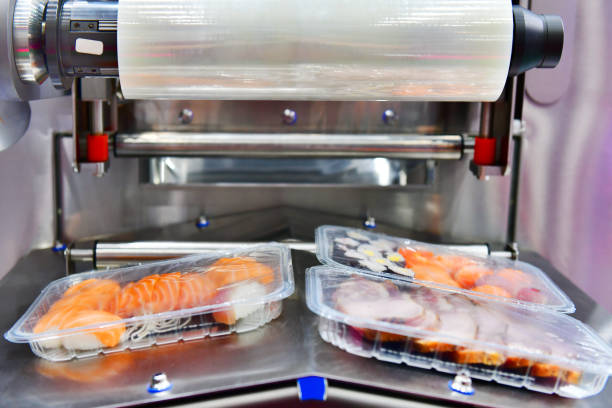
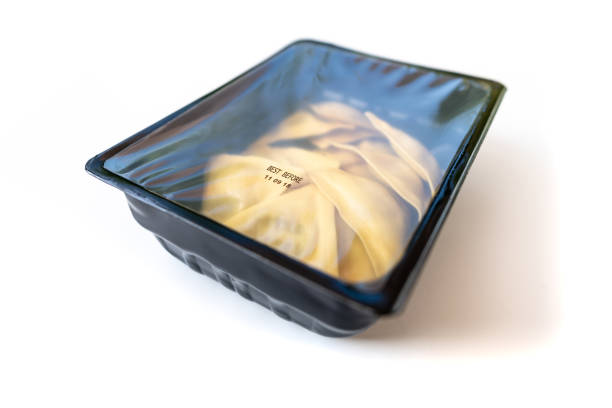
CPET tray lidding film is a flexible sealing film used to close CPET food trays with heat, pressure and dwell time on a tray sealing machine.
It is commonly used for:
Ready meals
Frozen meals
Airline meals
Meal prep
Central kitchen meals
Hospital and school meals
MAP food packaging
Sauced meals
Ovenable retail meals
A good CPET lidding film should create a strong, clean seal on the tray rim while still opening easily for consumers or kitchen staff.
Why Lidding Film Matters for CPET Trays
The tray is only half of the packaging system. The lidding film controls many of the most important performance features:
Leak resistance
Shelf life
Seal strength
Peelability
Food visibility
Anti-fog performance
Steam release
Oven and microwave safety
MAP compatibility
Production line efficiency
A high-quality CPET tray can still fail if the wrong film is used. For B2B buyers, tray and film should always be tested together.
Best Lidding Film Materials for CPET Trays
PET-Based Lidding Film
PET-based lidding film is one of the most common choices for CPET trays because it can be designed for clarity, heat resistance and compatibility with ovenable applications.
It is suitable for:
Ready meals
Frozen meals
Dual-ovenable meals
Retail food packaging
CPET, APET and PET-based tray systems
Many CPET lidding films use PET, BOPET or coated PET structures with a heat-sealable layer.
BOPET Lidding Film
BOPET film is widely used when brands need strong clarity, dimensional stability and heat performance. Some BOPET lidding films include anti-fog coatings and peelable seal layers.
Choose BOPET lidding film when you need:
High transparency
Good film strength
Anti-fog options
Easy-peel performance
Ovenable or microwaveable use
Premium retail presentation
PET/PE Lidding Film
PET/PE lidding film is commonly used for heat-sealing applications where the PE layer supports sealability.
It can work well for chilled or frozen food trays, but buyers should confirm whether the exact structure is suitable for high-temperature ovenable CPET applications.
High-Barrier Lidding Film
High-barrier lidding film is used when oxygen, aroma or moisture control is important. These films may include EVOH, ALOX or other barrier technologies.
Use high-barrier lidding film for:
MAP ready meals
Meat-based meals
Sauced meals
Long shelf-life chilled meals
Oxygen-sensitive foods
Premium ready meal programs
For high-barrier packaging, the tray, film and sealing process must work as one system.
Peelable vs Weld Seal Lidding Film
Peelable Lidding Film
Peelable film is designed to open smoothly without tearing the tray or leaving excessive residue.
It is best for:
Retail ready meals
Airline meals
Meal prep
Hospital meals
School meals
Consumer-facing packaging
A good peelable film should open cleanly after freezing, chilling, transport and reheating.
Weld Seal Lidding Film
Weld seal film creates a stronger permanent seal. It is useful when maximum seal strength matters more than easy opening.
It is best for:
Transport-heavy applications
High-leakage-risk foods
Certain MAP formats
Industrial foodservice
Products where the film is cut rather than peeled
For most consumer ready meals, peelable film is usually preferred.
Easy-Peel Lidding Film for CPET Trays
Easy-peel performance is one of the most important features for CPET ready meal packaging.
Good easy-peel film should:
Open without excessive force
Avoid tearing into small pieces
Maintain seal strength during distribution
Peel after freezing and reheating
Reduce hot steam handling risk
Improve consumer convenience
For airline catering and institutional meals, easy opening is especially important because staff must serve many meals quickly.
Anti-Fog Lidding Film for CPET Trays
Anti-fog lidding film helps keep the package clear when food releases moisture during chilling, freezing, storage or reheating.
Anti-fog film is useful for:
Chilled ready meals
Fresh prepared meals
Vegetables
Sauced meals
Retail display meals
Meals where food appearance drives purchase decisions
Without anti-fog performance, condensation can reduce food visibility and make the product look less fresh.
Ovenable Lidding Film for CPET Trays
If the meal is heated in a conventional oven, the lidding film must be tested for oven use. Do not assume that every sealing film suitable for CPET trays is also suitable for oven heating.
Ovenable CPET lidding film should be tested for:
Maximum oven temperature
Maximum heating time
Film shrinkage
Film release from tray rim
Steam pressure buildup
Seal integrity after heating
Food contact safety at high temperature
Many ovenable systems require the consumer to pierce, vent, loosen or remove the film before heating. This depends on the film, tray and meal.
Microwave-Safe Lidding Film
Microwave-safe lidding film should handle steam, pressure and food heating without unsafe deformation or seal failure.
For microwave meals, confirm:
Whether the film is microwave-safe
Whether the film should be pierced
Whether the film is self-venting
Whether the film should be removed before heating
Whether it supports high-moisture foods
Whether it creates excessive steam pressure
Self-venting film can be useful for microwaveable ready meals because it helps release steam during reheating.
High-Barrier Lidding Film for MAP CPET Trays
For modified atmosphere packaging, the lidding film must provide the right barrier performance and seal integrity.
MAP CPET tray packaging may require:
Oxygen barrier
Moisture barrier
Aroma barrier
Strong seal integrity
Anti-fog clarity
Compatibility with gas flushing
Reliable seal through light contamination
Shelf-life validation
High-barrier film is especially important for meals containing meat, fish, sauces, dairy ingredients or oxygen-sensitive components.
Lidding Film Thickness: What Buyers Should Know
Common CPET lidding films may range from thin high-clarity films to thicker barrier or ovenable structures. The right thickness depends on the application.
Thicker film may offer:
Better puncture resistance
Stronger handling performance
Better high-temperature stability
Better machine tolerance
Thinner film may offer:
Lower material cost
Better sustainability profile
Easier peeling
Less packaging weight
Do not choose film only by thickness. Seal layer, barrier structure, coating, tray compatibility and machine settings matter more.
Seal Strength Requirements for CPET Trays
Seal strength must be balanced. If the seal is too weak, the tray may leak. If the seal is too strong, the consumer may struggle to open it.
A good CPET lidding film should provide:
Reliable seal around the full rim
Good peel consistency
Resistance to cold storage
Resistance to transport vibration
Compatibility with sauces and oils
Performance after reheating
Low sealing defects on production lines
For multi-compartment trays, each compartment must seal properly to prevent sauce migration.
Seal Window: Why It Matters
The seal window is the range of temperature, pressure and dwell time where the film seals correctly.
A wider seal window helps manufacturers reduce defects during high-volume production.
Buyers should test:
Minimum sealing temperature
Maximum sealing temperature
Dwell time
Sealing pressure
Film alignment
Tray rim flatness
Seal quality at production speed
Seal quality after cold storage
A film with a narrow seal window may work in the lab but fail during real production.
Compatibility With Tray Sealing Machines
CPET lidding film must match the tray sealing machine and production process.
Confirm compatibility with:
Manual tray sealers
Semi-automatic tray sealers
Fully automatic tray sealing lines
MAP tray sealers
Roll-fed film systems
Pre-cut lid systems
Die-cutting tools
Gas flushing systems
For high-volume ready meal production, test the film on the actual machine before bulk purchasing.
Common Lidding Film Problems and Causes
Problem
Possible Cause
Film does not seal
Wrong film, low temperature, short dwell time, dirty rim
Film peels too easily
Low seal strength, incorrect seal layer, poor machine setting
Film is too hard to peel
Seal too strong, wrong film type, high temperature
Tray leaks
Weak rim seal, sauce contamination, poor film compatibility
Film fogs
No anti-fog coating or poor anti-fog performance
Film bursts during heating
No venting, excessive steam pressure, wrong film
Film shrinks in oven
Film not suitable for oven temperature
Film lifts after freezing
Poor cold seal performance
Film tears when opened
Wrong structure or poor peel layer
Seal fails on corners
Tray rim issue, tooling issue, uneven pressure
Best Lidding Film by CPET Tray Application
Application
Recommended Film
Frozen ready meals
Peelable ovenable anti-fog film
Chilled ready meals
Clear anti-fog peelable film
Airline meals
Easy-peel dual-ovenable film
Meal prep
Peelable film with good leak resistance
MAP ready meals
High-barrier anti-fog film
Sauced meals
Strong peelable or weld seal film
Multi-compartment trays
Film with strong rim and divider sealing
Retail meals
Clear anti-fog printed or unprinted film
Central kitchen meals
Durable peelable film for transport
High-temperature oven meals
Tested ovenable lidding film
CPET Lidding Film Buyer’s Checklist
Before choosing a lidding film, ask your supplier these questions:
Question
Why It Matters
Is the film compatible with CPET trays?
Prevents sealing failure
Is it ovenable and microwave-safe?
Supports dual-ovenable meal claims
What is the temperature range?
Confirms freezer and oven performance
Is it peelable or weld seal?
Affects opening and leak resistance
Does it have anti-fog coating?
Improves retail presentation
Is it suitable for MAP?
Needed for shelf-life extension
What is the oxygen transmission rate?
Important for high-barrier meals
What is the sealing temperature window?
Affects production reliability
Does it seal through light contamination?
Important for sauced meals
Can it be printed?
Supports branding
Does it work on my tray sealing machine?
Prevents production issues
Are food-contact documents available?
Required for compliance
Has it been tested with my food?
Confirms real performance
How to Test Lidding Film Before Mass Production
Seal Test
Run the film on your actual tray sealer and inspect the full rim, corners and compartment dividers.
Peel Test
Check peel force after sealing, chilling, freezing and reheating.
Leak Test
Test trays with sauces, oils and liquid foods. Tilt, shake and transport the trays before inspection.
Anti-Fog Test
Store and heat the meal under real conditions to check visibility and condensation.
Oven Test
Test film stability, shrinkage, venting and food contact safety under the intended heating instructions.
Microwave Test
Check steam pressure, venting and film performance during reheating.
MAP Test
Measure gas composition and shelf-life performance over time.
Line Speed Test
Confirm the film performs at full production speed, not only during slow sample runs.
Food Contact Compliance for CPET Lidding Film
Food-contact compliance is essential because lidding film touches food and may be exposed to heat.
Depending on the target market, buyers may need:
FDA food contact documentation
EU food contact compliance
LFGB testing
Overall migration test
Specific migration test
Heavy metal testing
BPA-free declaration
BRC or ISO documentation
Traceability records
High-temperature food contact testing
For ovenable meals, test conditions should match the real heating process as closely as possible.
Sustainability Considerations
Sustainability depends on the full tray-and-film system, not just the film alone.
Buyers should ask:
Is the film recyclable with the tray?
Is it compatible with mono-PET or rPET tray systems?
Does it use recycled content?
Does the film reduce food waste by improving shelf life?
Can film thickness be reduced without losing performance?
Is the film printed or laminated in a way that affects recycling?
Does the local recycling system accept the final package?
For many food brands, the best sustainable choice is a film that protects the meal, reduces leakage, extends shelf life and fits local recycling infrastructure.
Recommended Specification for CPET Ready Meal Lidding Film
For most CPET ready meal applications, a strong specification looks like this:
Specification
Recommended Choice
Tray compatibility
CPET trays
Film type
PET-based heat-sealable lidding film
Opening style
Easy-peel
Visibility
Clear anti-fog
Temperature use
Freezer, microwave and oven tested
Seal performance
Leak-resistant full-rim seal
MAP option
High-barrier version available
Machine use
Manual, semi-auto or automatic tray sealing
Compliance
Food-contact documentation and migration tests
Branding
Optional custom printing
FAQ: Best Lidding Films for CPET Trays
What is the best lidding film for CPET trays?
The best lidding film for most CPET trays is a PET-based heat-sealable film with easy-peel, anti-fog, freezer-safe and ovenable performance. For MAP meals, choose a high-barrier film.
Can CPET trays be heat sealed?
Yes. CPET trays can be heat sealed with compatible lidding films. The tray rim, film seal layer and machine settings must be matched correctly.
What film seals to CPET trays?
PET-based, BOPET-based and coated heat-sealable lidding films are commonly used for CPET trays. The exact film must be tested with the tray and sealing machine.
Is CPET lidding film oven safe?
Some CPET lidding films are oven safe, but not all. Buyers should confirm the film’s oven temperature rating, heating time and handling instructions.
Is CPET lidding film microwave safe?
Many CPET-compatible lidding films are microwave-safe when specified. The film may need to be pierced, vented or removed before reheating.
What is anti-fog lidding film?
Anti-fog lidding film includes a surface treatment that reduces condensation on the film. It helps keep ready meals visible during chilled storage, freezing or reheating.
What is peelable lidding film?
Peelable lidding film creates a seal that protects the meal but can be opened smoothly by hand. It is common for retail ready meals, airline meals and meal prep packaging.
What is high-barrier lidding film?
High-barrier lidding film helps limit oxygen, moisture or aroma transfer. It is often used for MAP packaging and longer shelf-life ready meals.
Why does lidding film fail to seal?
Common causes include wrong film type, low sealing temperature, short dwell time, dirty tray rim, poor tray rim flatness, incorrect pressure or incompatible sealing layer.
Should I test lidding film with my actual food?
Yes. Always test lidding film with the actual CPET tray, food, sauce level, sealing machine, storage condition and reheating instructions before mass production.
Request CPET Trays and Compatible Lidding Film Samples
If you are developing ready meals, frozen meals, airline meals or meal prep products, test the CPET tray and lidding film as one packaging system.
Looking for plastic sheets, films, food packaging, or a customized solution? Tell us your material, size, quantity, and application requirements. Our team will help you select the right product and provide a competitive quote.
√ Application and conversion process √ Thickness, width and roll format √ Color, clarity and surface finish √ Function, documents, quantity and destination
This website uses cookies and similar technologies (“cookies”). Subject to your consent, will use analytical cookies to track which content interests you, and marketing cookies to display interest-based advertising. We use third-party providers for these measures, who may also use the data for their own purposes.
You give your consent by clicking "Accept all" or by applying your individual settings. Your data may then also be processed in third countries outside the EU, such as the US, which do not have a corresponding level of data protection and where, in particular, access by local authorities may not be effectively prevented. You can revoke your consent with immediate effect at any time. If you click on "Reject all", only strictly necessary cookies will be used.

 English
 简体中文
简体中文 繁體中文
繁體中文 العربية
 Français
 Русский
 Español
 Português
 Deutsch
 italiano
 日本語
日本語 한국어
한국어 Nederlands
 Tiếng Việt
 ไทย
ไทย Polski
 Türkçe
 አማርኛ
አማርኛ ພາສາລາວ
 ភាសាខ្មែរ
 Bahasa Melayu
 ဗမာစာ
ဗမာစာ தமிழ்
தமிழ் Filipino
 Bahasa Indonesia
 magyar
 Română
 Čeština
 Монгол
 қазақ
қазақ Српски
 हिन्दी
 فارسی
فارسی Kiswahili
 Slovenčina
 Slovenščina
 Norsk
Norsk Svenska
 українська
 Ελληνικά
 Suomi
Suomi Հայերեն
 עברית
עברית Latine
 Dansk
Dansk اردو
اردو Shqip
Shqip বাংলা
বাংলা Hrvatski
 Afrikaans
 Gaeilge
 Eesti keel
 Māori
Māori සිංහල
සිංහල नेपाली
 Oʻzbekcha
 latviešu
 অসমীয়া
 Aymara
 Azərbaycan dili
 Bamanankan
 Euskara
 Беларуская мова
 भोजपुरी
 Bosanski
 Български
 Català
 Cebuano
 Corsu
Corsu ދިވެހި
 डोग्रिड ने दी
 Esperanto
 Eʋegbe
 Frysk
Frysk Galego
 ქართული
 guarani
 ગુજરાતી
 Kreyòl ayisyen
 Hausa
Hausa ʻŌlelo Hawaiʻi
 Hmoob
Hmoob íslenska
 Igbo
Igbo Ilocano
 Basa Jawa
 ಕನ್ನಡ
ಕನ್ನಡ Kinyarwanda
 गोंगेन हें नांव
 Krio we dɛn kɔl Krio
 Kurdî
Kurdî Kurdî
Kurdî Кыргызча
 Lingala
 Lietuvių
 Oluganda
 Lëtzebuergesch
 Македонски
 मैथिली
 Malagasy
 മലയാളം
 Malti
Malti मराठी
मराठी ꯃꯦꯇꯥꯏ (ꯃꯅꯤꯄꯨꯔꯤ) ꯴.
 Mizo tawng
 Chichewa
 ଓଡ଼ିଆ
ଓଡ଼ିଆ Afaan Oromoo
 پښتو
پښتو ਪੰਜਾਬੀ
 Runasimi
 Gagana Samoa
 संस्कृत
 Gaelo Albannach
 Sepeti
 Sesotho
 chiShona
 سنڌي
سنڌي Soomaali
 Basa Sunda
 Wikang Tagalog
 Тоҷикӣ
 Татарча
 తెలుగు
 ትግንያውያን
 Xitsonga
 Türkmençe
 संस्कृत
 ئۇيغۇرچە
 Cymraeg
 isiXhosa
 ייִדיש
 Yorùbá
 isiZulu