A4 Inkjet Printable PVC Sheets for ID Card Making
HSQY A4 inkjet printable PVC sheets are coated card-making materials developed for professional ID card manufacturers, printing shops, badge producers, distributors and other plastic-card converters.
The standard A4 format is approximately 210 × 297mm. The ink-receptive surface is designed for compatible inkjet printing of photographs, logos, text, barcodes, QR codes and variable card information before lamination and cutting.
A4 printable PVC sheets are different from finished CR80 blank cards. The A4 material is printed as a parent sheet, combined with the required PVC core and protective overlay layers, laminated, cooled and then cut or punched into finished cards.
Printer compatibility is not universal. Buyers should provide the printer brand, model, ink type, sheet-feeding method and lamination process so the appropriate printable coating and card-material structure can be evaluated before bulk production.
What Is A4 Inkjet Printable PVC Sheet?
A4 inkjet printable PVC sheet is a rigid PVC card-making material with a specially prepared surface designed to receive compatible inkjet ink.
Unlike ordinary uncoated PVC, the printable surface helps control ink wetting, absorption and spreading. When matched with the correct printer and ink, this can improve color density, photograph reproduction, fine text and drying performance.
After printing, the sheet can be combined with compatible PVC core and overlay layers. The assembled card sheet is laminated under validated conditions and then cut into individual ID, membership, loyalty or visitor cards.
A4 Inkjet PVC Sheet Product Images

A4 Inkjet Printable PVC Sheet

PVC Blank ID Card

White PVC Sheet for ID Card
A4 Inkjet PVC ID Card Sheet Specifications
The following specifications distinguish the A4 printable sheet from the final card structure. Exact coating, sheet thickness, printable sides and layer combination should be confirmed through samples and the approved production specification.
| Property | Specification |
| Product Name | A4 Inkjet Printable PVC Sheet for ID Cards |
| Product Type | Inkjet-Printable PVC Card-Making Sheet |
| Base Material | Rigid Polyvinyl Chloride / PVC |
| Material Options | New, semi-new or recycled-content PVC can be discussed according to printing, appearance and application requirements |
| Standard Sheet Format | A4 / approximately 210 × 297mm |
| Other Formats | A5 and customized sheet dimensions subject to production confirmation |
| Related Card-Material Thickness | Approximately 0.3–2mm according to whether the material is a printable layer, core material or customized card structure |
| Finished CR80 Card Format | Approximately 85.5 × 54mm after card conversion |
| Finished Card Thickness Reference | Approximately 0.76mm ± 0.02mm for a standard finished-card construction |
| Reference Four-Layer Structure | 2 × 0.08mm overlay layers + 2 × 0.30mm PVC core / printing layers where applicable |
| Standard Color | White |
| Printing Technology | Compatible inkjet printing using an application-specific printable coating |
| Printable Sides | Single-sided or double-sided printable structures can be discussed according to order specification |
| Ink Compatibility | Dye-based, pigment-based or application-specific ink subject to coating and printer testing |
| Card Production Processes | Printing, Drying, Layer Collation, Lamination, Cooling, Cutting or Punching and Inspection |
| MOQ | Customized according to sheet size, coating and order specification |
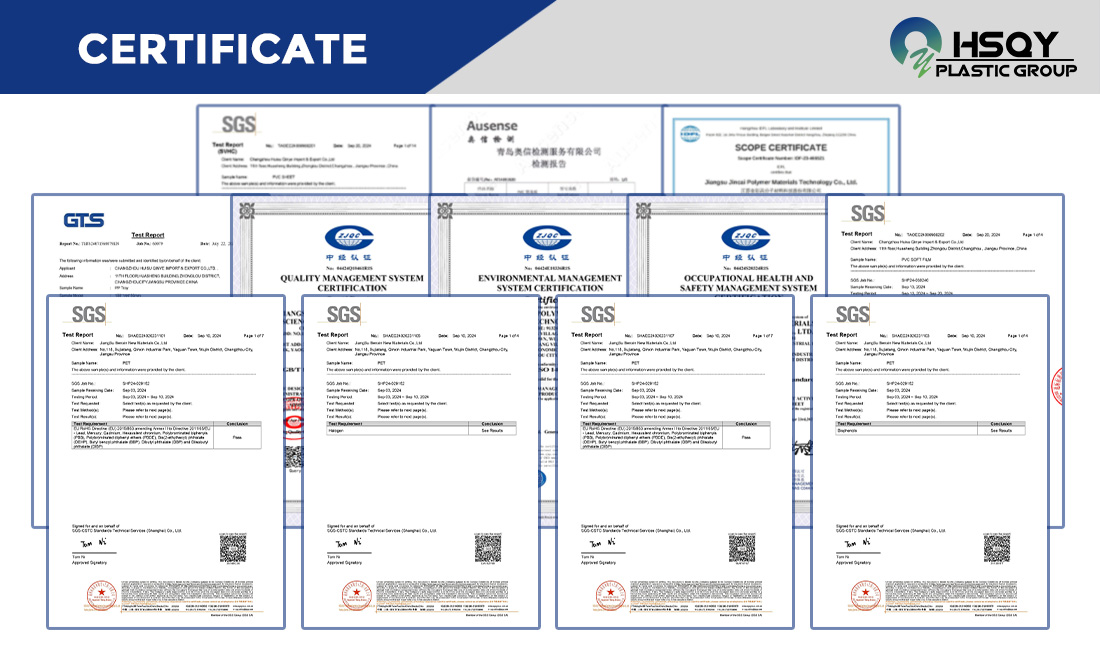
| Available Documentation | Applicable SGS, RoHS-related and quality-management documentation subject to exact product specification and current report scope |
| Payment Terms | T/T and other agreed commercial payment methods; final terms subject to order confirmation |
| Shipping | Express, Air or Sea Freight |
| Reference Production Time | Approximately 15–20 working days depending on specification and quantity |
| Typical Applications | Employee ID Cards, Membership Cards, Loyalty Cards, Student Cards, Visitor Cards and Promotional Cards |
Why the Inkjet-Printable Coating Matters
Ink Wetting and Absorption
The coated PVC surface is designed to accept compatible inkjet ink more effectively than untreated rigid PVC. Proper wetting helps reduce uncontrolled droplet beading and spreading.
Color Density
A compatible sheet, coating, printer and ink combination can produce strong color density for photographs, logos, colored backgrounds and other personalized graphics.
Fine Detail
The material can be evaluated for photographs, small text, QR codes and barcodes where image definition is important to the finished card.
Drying Performance
Drying performance depends on the coating, ink formulation, printed ink volume, printer settings, temperature and humidity. Printed sheets should be completely dry before stacking or lamination.
A4 Inkjet PVC Sheet vs Finished CR80 Blank Card
| Comparison | A4 Inkjet PVC Sheet | Finished CR80 Blank Card |
| Material Form | A4 parent sheet | Individual pre-cut card |
| Reference Size | Approximately 210 × 297mm | Approximately 85.5 × 54mm |
| Printing Equipment | Compatible sheet-fed inkjet printer | Compatible direct-to-card or retransfer card printer |
| Printable Surface | Application-specific inkjet coating | Card-printer-compatible surface according to card grade |
| Lamination | Normally required for conventional multilayer card production | Card body is already formed |
| Cutting | Required after printing and lamination | No card-body cutting required |
| Typical Production | Multiple cards produced from each printed parent sheet | Individual on-demand card personalization |
Printer and Ink Compatibility
Not every inkjet printer can feed every PVC sheet thickness, and not every inkjet coating works with every ink chemistry. Printing tests should be completed before bulk production.
| Compatibility Factor | Information to Confirm |
| Printer Brand | Manufacturer of the sheet-fed inkjet printer |
| Printer Model | Exact model and supported media thickness |
| Feeding Path | Rear feed, manual feed, straight-through path or other supported feeding method |
| Ink Type | Dye-based, pigment-based or other specified ink |
| Printable Side | Single-sided or double-sided coated material |
| Media Settings | Print resolution, ink volume, platen gap and other applicable printer settings |
| Post-Printing Process | Drying, layer assembly, lamination and card cutting requirements |
Single-Sided and Double-Sided Inkjet Coating
Single-Sided Printable Sheet
A single-sided sheet has a designated inkjet-printable surface. The coated side should be correctly identified before printing and layer assembly.
Double-Sided Printable Sheet
Double-sided coated material can be evaluated where printing is required on both surfaces. Both sides should be tested for ink absorption, drying and lamination performance.
Typical PVC ID Card Layer Structure
Printable Front Layer
The printable front layer receives photographs, logos, names, identification numbers and other card graphics.
PVC Core Layer
The core layer provides much of the card's opacity, stiffness and finished thickness. Core thickness should be selected according to the required final card construction.
Printable Back Layer
A printable back layer can carry contact details, membership information, instructions, barcodes or other authorized content.
Transparent Protective Overlay
A compatible transparent overlay can protect the printed graphics and become the final outer surface after thermal lamination.
How to Make ID Cards from A4 Inkjet PVC Sheets
1. Confirm the Card Structure
Define the printable front layer, printable back layer, PVC core, protective overlay and target finished-card thickness.
2. Confirm Printer Compatibility
Verify printer model, ink system, feeding path, supported sheet thickness and printable surface before production.
3. Identify the Printable Side
Load the sheet with the inkjet-coated surface facing the correct printing direction. Avoid fingerprints and contamination on the printable coating.
4. Print the Card Artwork
Print photographs, logos, text and other authorized card information using tested printer settings and ink coverage.
5. Allow Complete Drying
Allow printed sheets to dry fully before stacking or layer assembly. Incomplete drying can affect print quality or subsequent lamination.
6. Collate the Card Layers
Align the printed face and back layers with the required PVC core and transparent overlays.
7. Laminate
Use validated temperature, pressure and dwell time to bond compatible PVC layers. The complete layer structure should be tested before commercial production.
8. Cool and Condition
Allow laminated sheets to cool under controlled conditions before cutting. Proper cooling helps maintain card flatness and dimensional stability.
9. Cut or Punch the Cards
Convert the laminated A4 sheet into individual cards using suitable cutting or punching equipment.
10. Inspect the Finished Cards
Check image quality, dimensions, total thickness, flatness, edge condition, layer bonding and surface appearance before final packing.
Applications of A4 Inkjet Printable PVC Sheets
Employee ID Cards
Organizations and authorized card producers can create employee identification cards containing photographs, names, departments and company branding.
Membership Cards
Suitable for gyms, clubs, salons, hotels, associations and other membership programs requiring personalized plastic cards.
Loyalty and Promotional Cards
Retailers and service businesses can use printable PVC materials for branded loyalty, reward and promotional card programs.
Student and Library Cards
Schools, universities, training centers and libraries can use personalized PVC cards for authorized student and membership programs.
Visitor and Event Cards
A4 printable PVC can be used to produce visitor cards, conference badges and exhibition cards where a durable plastic format is required.
Medical and Clinic Identification
Healthcare organizations can use suitable card structures for patient, visitor and staff identification programs where the selected card system is appropriate for the application.
Important Quality Checks
Sheet Size: Check A4 dimensions, squareness and cutting accuracy.
Flatness: Confirm reliable sheet feeding through the intended printer.
Thickness: Verify each material layer against the approved card construction.
Printable Coating: Check coating consistency and identify the correct printable surface.
Ink Absorption: Evaluate beading, bleeding and uncontrolled ink spreading.
Drying: Confirm that printed sheets dry sufficiently before layer assembly.
Color Density: Check photographs, logos and colored backgrounds.
Fine Detail: Test small text, barcodes and QR codes.
Lamination: Check bonding, bubbles, image distortion and delamination.
Finished Card: Measure dimensions, total thickness, flatness, edges and overall appearance.
Storage and Handling
Store A4 inkjet PVC sheets flat in a clean, dry indoor environment. Keep the material away from direct sunlight, excessive heat, high humidity and rapid temperature changes.
Keep sheets in their protective packaging until use. Handle the printable coating with clean gloves to reduce fingerprints, oil, dust and surface contamination.
If the material has been stored in a cold environment, allow sealed packages to reach printing-room temperature before opening and printing.
Information Needed for a Quotation
| Requirement | Information to Provide |
| Sheet Format | A4, A5 or customized dimensions |
| Material Thickness | Required thickness of the printable sheet and any core or overlay layers |
| Printable Sides | Single-sided or double-sided inkjet coating |
| Printer | Printer brand, model and media-feeding method |
| Ink | Dye-based, pigment-based or other specified ink |
| Finished Card | Target card dimensions and finished thickness |
| Layer Structure | Printable front, core, printable back and transparent overlay requirements |
| Lamination | Laminator type and current production process |
| Quantity | Trial quantity, first bulk order and estimated repeat demand |
| Shipping | Destination, packaging preference and required delivery method |
Packing and Shipping
Customized Packing: Labels, bags, cartons and buyer branding can be discussed for qualifying production orders.
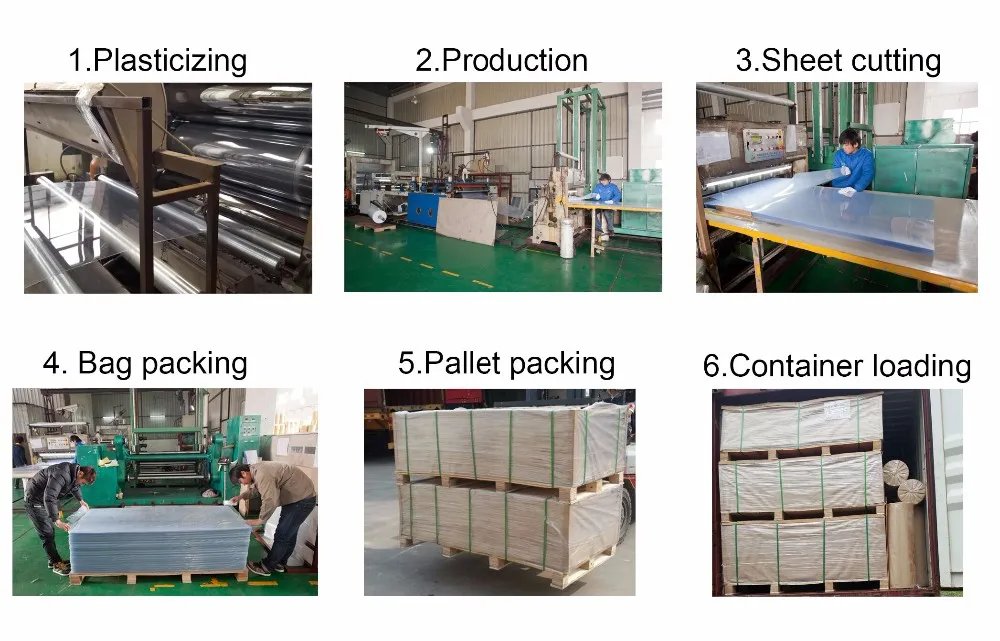
Export Packaging: PVC card materials can be packed in protective export cartons to reduce surface contamination and transportation damage.
Samples and Small Orders: Courier delivery can be arranged by DHL, FedEx, UPS, TNT or another suitable express service.
Bulk Orders: Larger shipments can be arranged by air or sea according to order quantity, destination and agreed commercial terms.
![A4 PVC ID Card Sheet Packaging]()
PVC ID Card Material Packaging
![A4 PVC ID Card Sheet Shipping]()
PVC ID Card Material Shipping
Quality and Certification Documentation
Available quality, material and compliance documentation should be matched to the exact PVC formulation, printable coating, thickness and supplied material structure. Buyers should request current applicable documents before approving production material.
HSQY Plastic Group Global Exhibitions
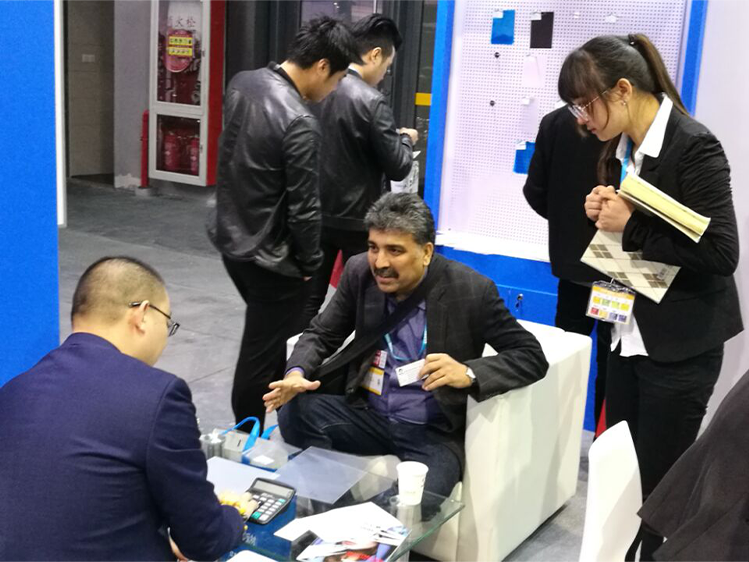
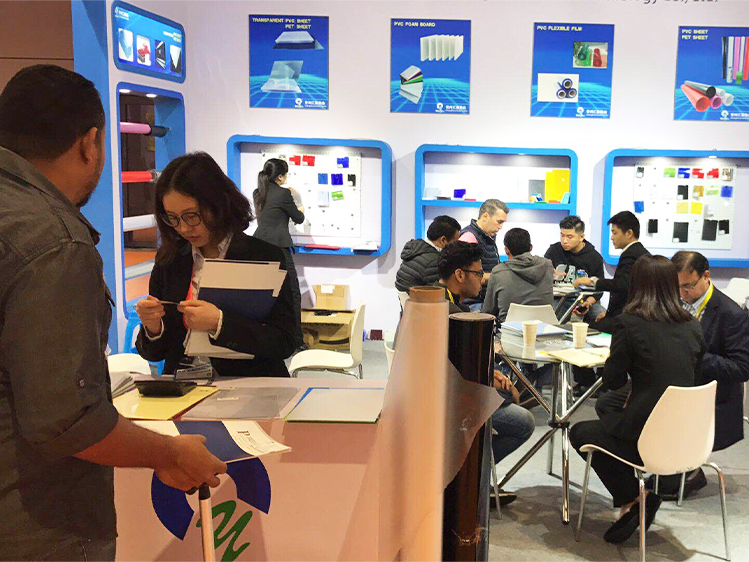
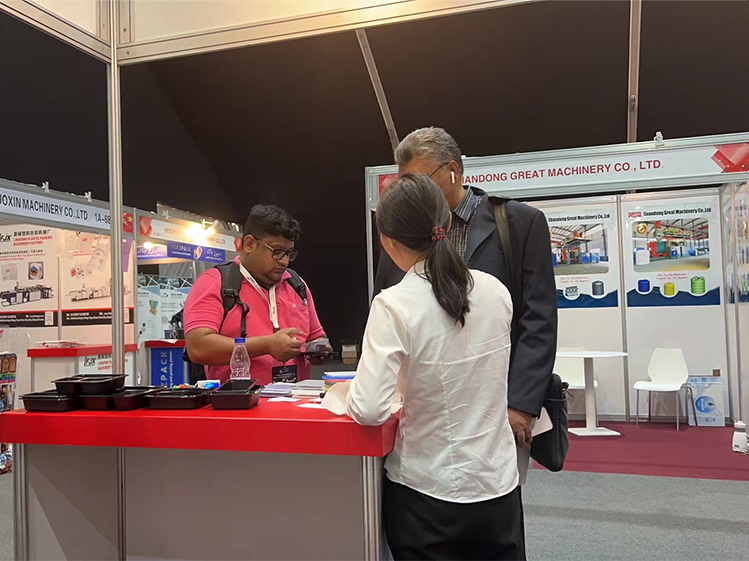
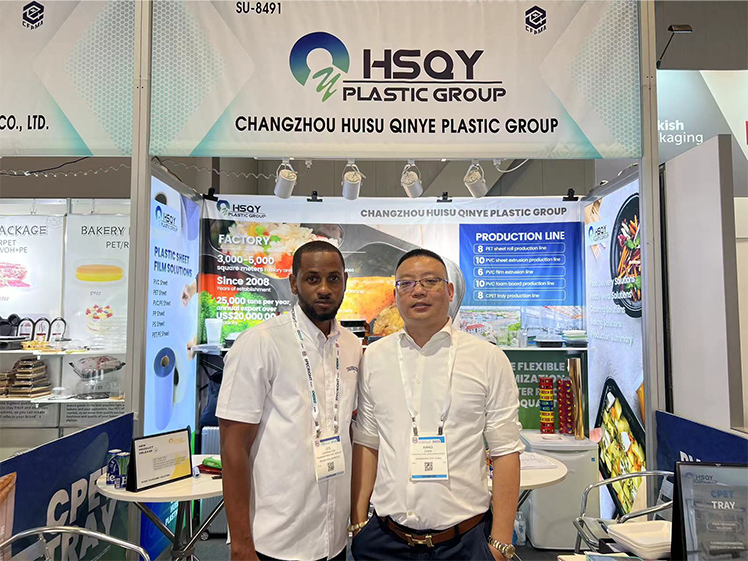
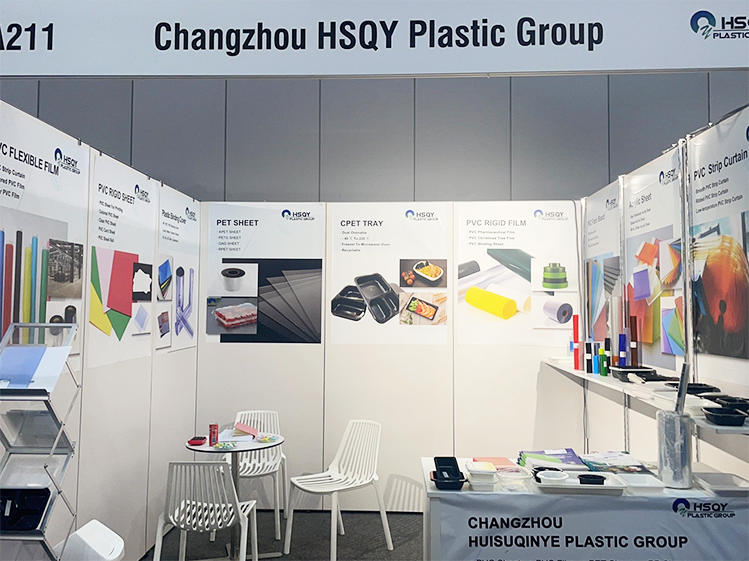
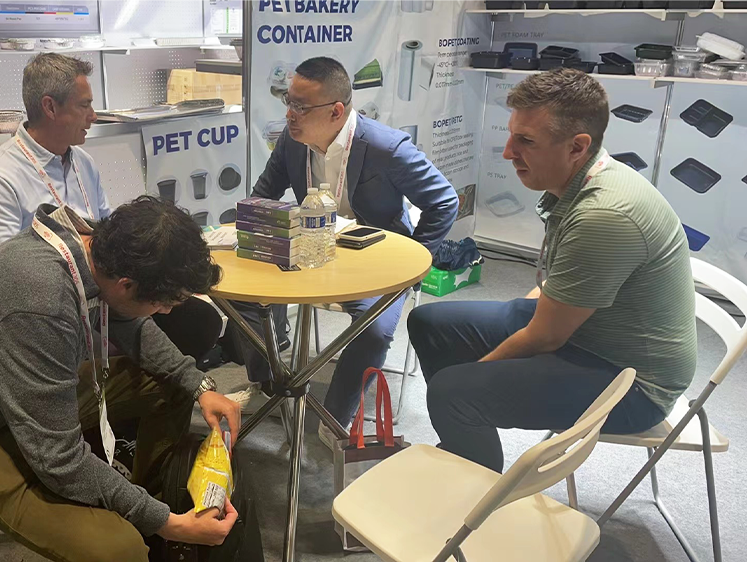
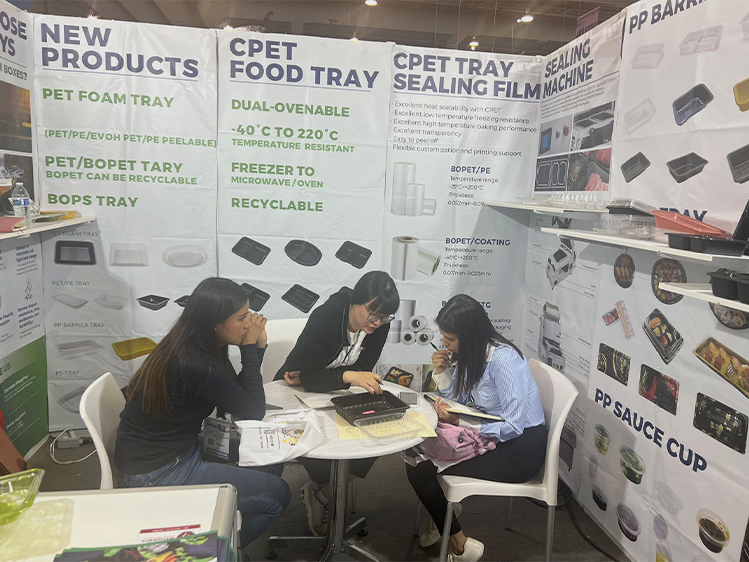
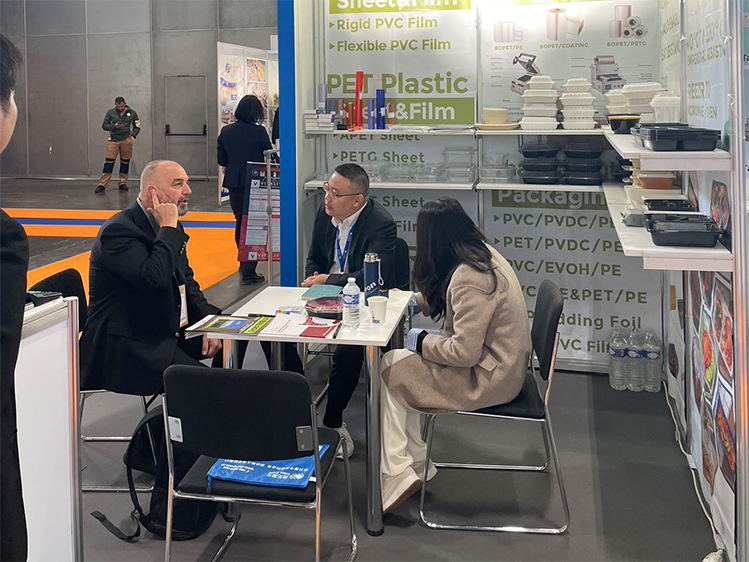
HSQY Plastic Group participates in international plastics, packaging and manufacturing exhibitions to meet card manufacturers, printing companies, distributors and professional buyers and discuss printable materials, samples, customization and bulk supply.

2017 Shanghai Exhibition

2018 Shanghai Exhibition

2023 Saudi Exhibition

2023 American Exhibition

2024 Australian Exhibition

2024 American Exhibition

2024 Mexico Exhibition

2024 Paris Exhibition
Frequently Asked Questions About A4 Inkjet PVC Sheets
What is an A4 inkjet printable PVC ID card sheet?
It is an A4-size PVC card-making material with a surface coating developed for compatible inkjet printing. The printed material can be combined with card core and overlay layers, laminated and cut into finished cards.
What is the size of an A4 PVC sheet?
The standard A4 reference size is approximately 210 × 297mm.
Is A4 PVC material the same as a CR80 blank card?
No. A4 material is a parent sheet that normally requires printing, layer assembly, lamination and cutting. A CR80 blank card is already supplied in individual finished-card dimensions.
Can ordinary PVC sheet be printed with an inkjet printer?
Ordinary uncoated PVC should not automatically be used for conventional inkjet printing. A dedicated inkjet-printable coating is normally required for controlled ink absorption and drying.
Which inkjet printers can print A4 PVC sheets?
Compatibility depends on printer model, feeding path, supported media thickness, ink chemistry and the sheet coating. The exact production printer should be tested before ordering bulk material.
Can dye-based and pigment-based inks both be used?
Suitable coatings can be evaluated with dye-based or pigment-based inks. Ink absorption, drying, color density, rub resistance and lamination should be tested with the actual printer and ink.
Can both sides of the PVC sheet be printed?
Double-sided inkjet-coated structures can be discussed. Confirm that both surfaces are specified as printable before printing.
Does the sheet need to dry before lamination?
Yes. Printed ink should be fully dry before the sheet is stacked or laminated. Actual drying time depends on ink type, coating, print density and environmental conditions.
Do A4 inkjet PVC sheets require lamination?
Conventional multilayer PVC card production normally uses lamination. The printed face and back sheets are combined with core and protective overlay layers before the finished cards are cut.
What is the standard finished CR80 card thickness?
A commonly used finished-card thickness is approximately 0.76mm or 30 mil. This is the thickness of the completed card structure, not necessarily the thickness of one printable A4 layer.
What does the 0.3–2mm thickness range mean?
The wider thickness range refers to related PVC card-making materials and customized constructions. The exact printable-sheet thickness should be selected according to the required layer structure and finished card.
Can A5 or custom sheet sizes be supplied?
Yes. A5 and customized sheet dimensions can be discussed according to printer format, card layout, cutting process and order quantity.
What types of cards can be produced?
Typical applications include employee ID cards, membership cards, loyalty cards, student cards, visitor cards, library cards and promotional plastic cards.
Can I get samples before a bulk order?
Stock samples can be discussed for printer-feeding, ink absorption, drying, lamination and cutting trials. Testing with the actual production system is recommended before bulk approval.
What is the typical production lead time?
A reference lead time is approximately 15–20 working days. Actual scheduling depends on coating, thickness, sheet size, quantity, packaging and customization.
What information should I provide for a quotation?
Please provide the sheet size, thickness, printable sides, printer brand and model, ink type, card layer structure, laminator information, finished-card specification, order quantity and delivery destination.
About HSQY Plastic Group
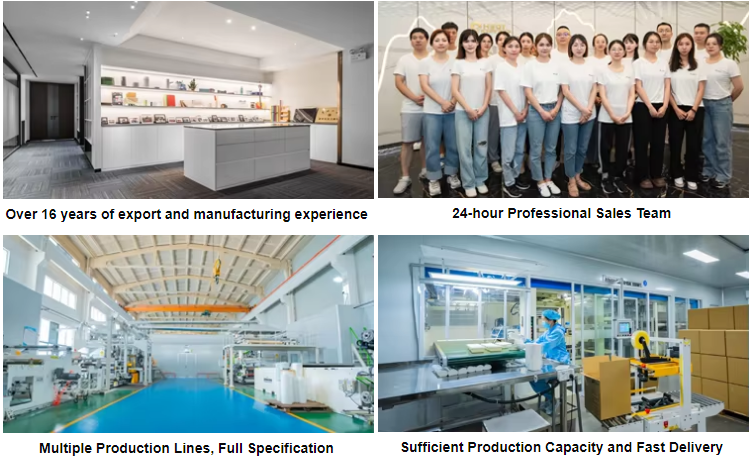
Changzhou Huisu Qinye Plastic Group supplies inkjet printable PVC sheets, PVC card core materials, blank PVC cards and other rigid plastic materials to card manufacturers, printing companies, distributors and international professional buyers.
HSQY supports A4, A5 and customized PVC card materials, different material structures, printing samples, customized packaging and bulk export supply.
For an A4 inkjet PVC card project, provide the printer model, ink system, required thickness, card structure, lamination process and estimated quantity so the appropriate printable material can be evaluated.