Polypropylene PP Sheet
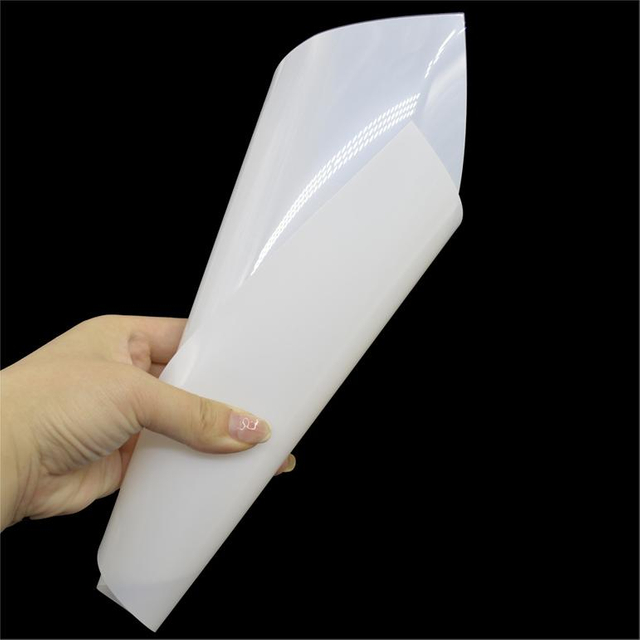
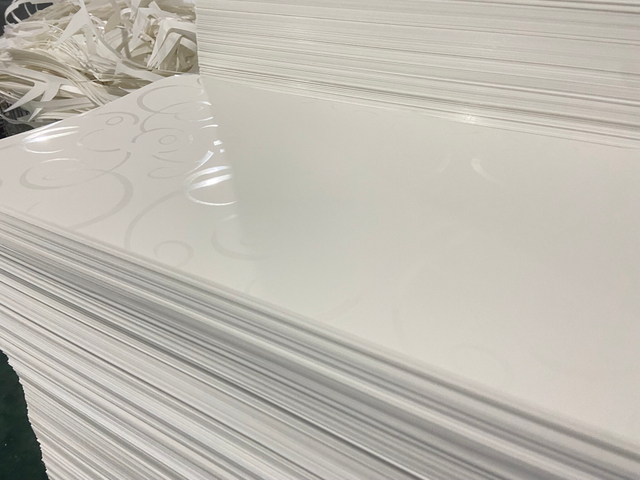
HSQY polypropylene PP sheet is a lightweight thermoplastic sheet for thermoforming, packaging, blister-style parts, book covers and general plastic fabrication.
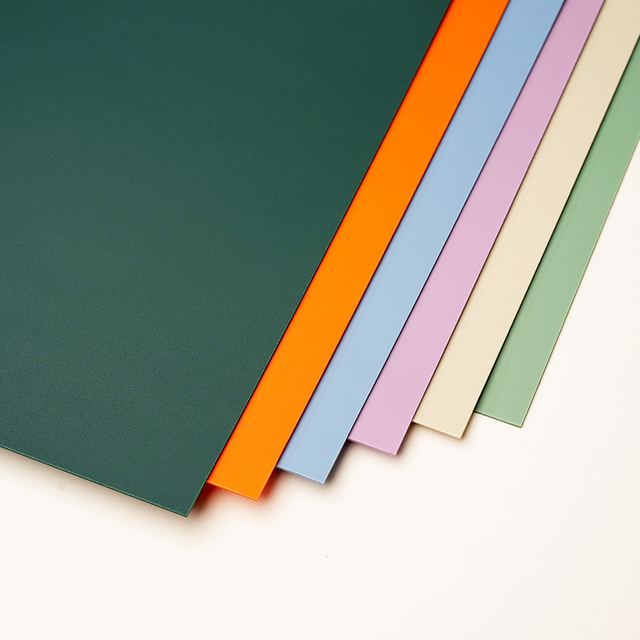
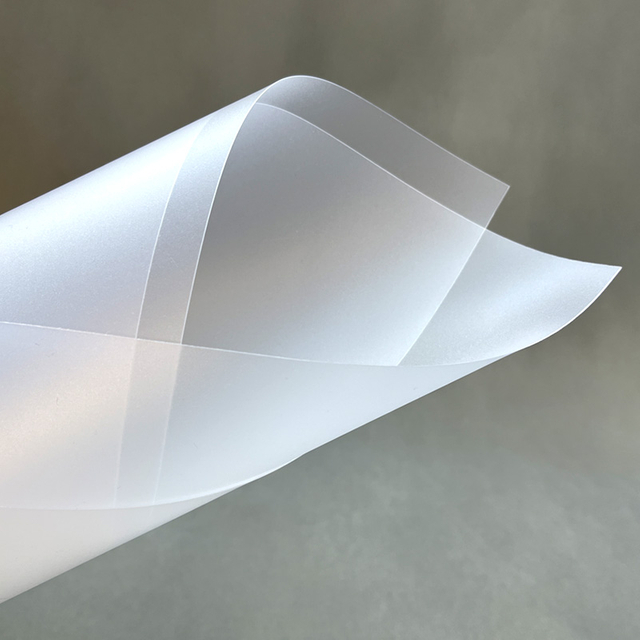
This product is available in thicknesses from 0.12mm to 10mm, with clear and customized color options. Sheet dimensions can be customized according to converting equipment, finished-part dimensions and purchasing requirements.
Polypropylene is commonly selected where low weight, moisture resistance, chemical compatibility and thermoforming capability are required. Exact mechanical, chemical and temperature performance depends on the PP grade, thickness and finished application.
Request PP Sheet Pricing Request a Sample
Polypropylene Sheet Specifications
| Property | Specification |
|---|
| Product Name | Polypropylene / PP Sheet |
| Brand | HSQY |
| Product Code | PP Sheet |
| Material | Polypropylene (PP) |
| Thickness | 0.12-10mm |
| Color | Clear or customized color |
| Size | Customized according to order requirements |
| Supply Form | Confirm sheet, cut-sheet or roll requirement according to thickness and production specification |
| Processing | Thermoforming, vacuum forming, cutting, folding, printing and fabrication subject to grade confirmation |
| Typical Applications | Packaging, vacuum forming, blister-style parts, book covers and general fabrication |
Send Your PP Sheet Specification
What Is Polypropylene Sheet?
Polypropylene sheet is rigid or semi-rigid sheet material manufactured from PP thermoplastic resin. It is widely evaluated for applications requiring low weight, moisture resistance, chemical compatibility and flexible converting options.
PP is a material family rather than a single finished specification. Homopolymer, copolymer, modified and functional PP grades can provide different levels of stiffness, impact performance, clarity, temperature resistance and processability.
Buyers should therefore select polypropylene sheet according to the finished application, forming process and required performance rather than thickness alone.
Key Features of PP Sheet
1. Chemical Compatibility: Polypropylene is commonly selected for resistance to many acids, alkalis and chemicals. Compatibility should be checked against the specific chemical, concentration, temperature and exposure time.
2. Moisture Resistance: PP has low moisture absorption, making it useful for packaging, liners and fabricated components exposed to humid conditions.
3. Lightweight Material: Polypropylene has relatively low density compared with many other engineering plastics, helping reduce finished-part weight.
4. Thermoforming Capability: Suitable PP grades can be vacuum formed or thermoformed into packaging, trays, covers and other three-dimensional components.
5. Impact Performance: PP can provide useful toughness, but actual impact performance depends on resin type, temperature, thickness and whether an impact-modified grade is selected.
6. Multiple Converting Options: Depending on the grade and gauge, PP sheet can be cut, folded, printed, welded, die cut or thermoformed.
PP Sheet for Thermoforming and Vacuum Forming
Polypropylene sheet can be used for thermoforming and vacuum-forming applications when the selected grade, thickness and forming conditions are matched to the finished component.
PP is a semi-crystalline thermoplastic, so forming performance is sensitive to sheet temperature, heating uniformity, mold geometry, forming depth and cooling conditions. Trial forming on the intended production equipment is recommended before mass production.
| Thermoforming Requirement | Information to Provide |
|---|
| Starting Thickness | Required sheet gauge and thickness tolerance |
| Machine Width | Maximum usable sheet or web width |
| Mold Size | Finished mold length × width |
| Forming Depth | Maximum cavity or draw depth |
| Finished Wall | Required minimum wall thickness after forming |
| Finished Application | Tray, blister-style part, cover, insert, container or industrial component |
Polypropylene Sheet Applications
Packaging: PP sheet can be converted into packaging components where the selected grade meets the required mechanical, thermal and regulatory conditions.
Vacuum Forming: Suitable PP grades can be vacuum formed into trays, inserts, covers and other shaped plastic components.
Blister-Style Parts: Thin polypropylene sheet can be evaluated for thermoformed blister-style packaging and formed inserts according to clarity, stiffness and forming requirements.
Book Covers: PP sheet can be cut, folded and converted into reusable book covers, notebook covers, dividers and stationery components.
Industrial Fabrication: Thicker PP sheets can be evaluated for liners, partitions, covers and fabricated components requiring moisture and chemical compatibility.
PP Sheet for Food Packaging
Food packaging is listed as an application for this PP sheet family. However, the use of polypropylene in food-contact packaging requires the correct material grade and applicable regulatory documentation for the destination market.
Buyers should specify whether the finished package will contact food directly, the food type, filling temperature, storage temperature, reheating conditions and required regulations before selecting the final PP formulation.
Food-contact suitability should be confirmed with the documentation applicable to the exact grade supplied rather than assumed from the term “polypropylene” alone.
Temperature Selection for PP Sheet
The original product information references temperature resistance up to approximately 190°F (about 88°C). This value should not be treated as a universal continuous-use rating for every polypropylene grade.
Actual temperature capability depends on PP formulation, duration, mechanical load, sheet thickness, chemical exposure and finished-part design.
| Temperature Requirement | What to Specify |
|---|
| Continuous Temperature | Normal operating temperature and exposure duration |
| Peak Temperature | Maximum short-term temperature and duration |
| Mechanical Load | Whether the part is loaded, clamped or unsupported at elevated temperature |
| Heating Process | Hot fill, thermoforming, drying, reheating or other process |
Chemical Resistance Considerations
Polypropylene is commonly selected for compatibility with many acids, alkalis and other chemicals, but no plastic should be considered universally chemical resistant.
Chemical compatibility depends on the exact substance, concentration, temperature, contact duration and mechanical stress applied to the finished part.
For chemical-processing applications, provide the chemical name, concentration, operating temperature and exposure duration so the material can be evaluated before production.
Processing and Fabrication
| Process | Purchasing Consideration |
|---|
| Thermoforming | Grade, gauge, heating conditions, mold depth and finished wall thickness |
| Vacuum Forming | Machine width, forming depth, mold geometry and cooling conditions |
| Cutting | Finished dimensions, dimensional tolerance and edge requirement |
| Folding | Thickness, fold direction, radius and repeated-flex requirement |
| Printing | Ink system, surface treatment and adhesion requirement |
| Welding | Grade compatibility, joining method and finished-part requirement |
What Buyers Should Confirm Before Ordering
| Requirement | Information to Provide |
|---|
| Thickness | Required thickness within the 0.12-10mm product range |
| Dimensions | Required width, length or roll dimensions |
| Color | Clear or required custom color reference |
| Supply Format | Flat sheet, cut sheet or roll requirement |
| Application | Packaging, vacuum forming, blister-style part, book cover or industrial fabrication |
| PP Grade | Standard PP or specific impact, heat, clarity or functional requirement |
| Temperature | Continuous temperature, peak temperature and exposure duration where relevant |
| Chemical Exposure | Chemical name, concentration, temperature and contact duration where applicable |
| Food Contact | Destination market and required food-contact documentation if applicable |
| Processing | Thermoforming, vacuum forming, cutting, folding, printing or welding |
| Quantity | Trial quantity and expected bulk-order requirement |
| Destination | Country, destination port and shipping requirements |
Get a Polypropylene Sheet Quote
About HSQY Polypropylene Sheet
HSQY supplies polypropylene sheets and related PP materials for thermoforming companies, packaging converters, stationery manufacturers, plastic fabricators, distributors and industrial buyers.
Custom thickness, dimensions, color and processing requirements can be discussed according to the selected PP grade and finished application.
Buyers looking for additional polypropylene materials can also explore the HSQY PP Sheet range for transparent, colored, textured and application-specific PP options.
Frequently Asked Questions
What is polypropylene sheet used for?
This polypropylene sheet can be evaluated for packaging, vacuum forming, thermoformed blister-style parts, book covers and general plastic fabrication.
What thicknesses are available?
The current product specification covers thicknesses from 0.12mm to 10mm. Final availability depends on dimensions, color, PP grade, supply format and order requirements.
Can PP sheet sizes be customized?
Yes. The current product is listed with customized sizing. Provide the required width, length, thickness and supply format when requesting a quotation.
What colors are available?
The current product is available in clear or customized colors. If color matching is important, provide a physical sample, color code or other agreed color reference.
Can polypropylene sheet be thermoformed?
Yes. Suitable PP grades can be thermoformed or vacuum formed. Buyers should provide the starting thickness, machine width, mold size, forming depth and required finished-wall thickness.
Is PP sheet resistant to acids and alkalis?
Polypropylene has good resistance to many acids and alkalis, but compatibility depends on the exact chemical, concentration, temperature and exposure duration. Chemical compatibility should be confirmed for critical applications.
Is polypropylene sheet moisture resistant?
Polypropylene has low moisture absorption and is commonly selected for applications where moisture resistance is useful.
Can PP sheet be used at 190°F?
The original product information references resistance up to approximately 190°F, but actual service temperature depends on the PP grade, exposure duration, load and finished-part design. Provide the exact temperature cycle for material confirmation.
Can PP sheet be used for food packaging?
Food packaging is an application for suitable polypropylene grades. Food-contact use requires the correct grade and applicable regulatory documentation for the destination market and intended conditions of use.
Is polypropylene sheet impact resistant?
PP can provide useful toughness, but impact performance varies significantly with resin type, temperature, thickness and whether the material is homopolymer, copolymer or impact modified.
Can PP sheet be printed?
Suitable PP sheets can be printed, but polypropylene has relatively low surface energy. Buyers should confirm the printing method, ink system and whether corona or another surface treatment is required for the intended process.
What information should I provide for a quotation?
Please provide thickness, dimensions, color, supply format, application, forming or fabrication process, temperature conditions, quantity, destination and any required technical or regulatory documentation.
Contact HSQY for Samples and Pricing